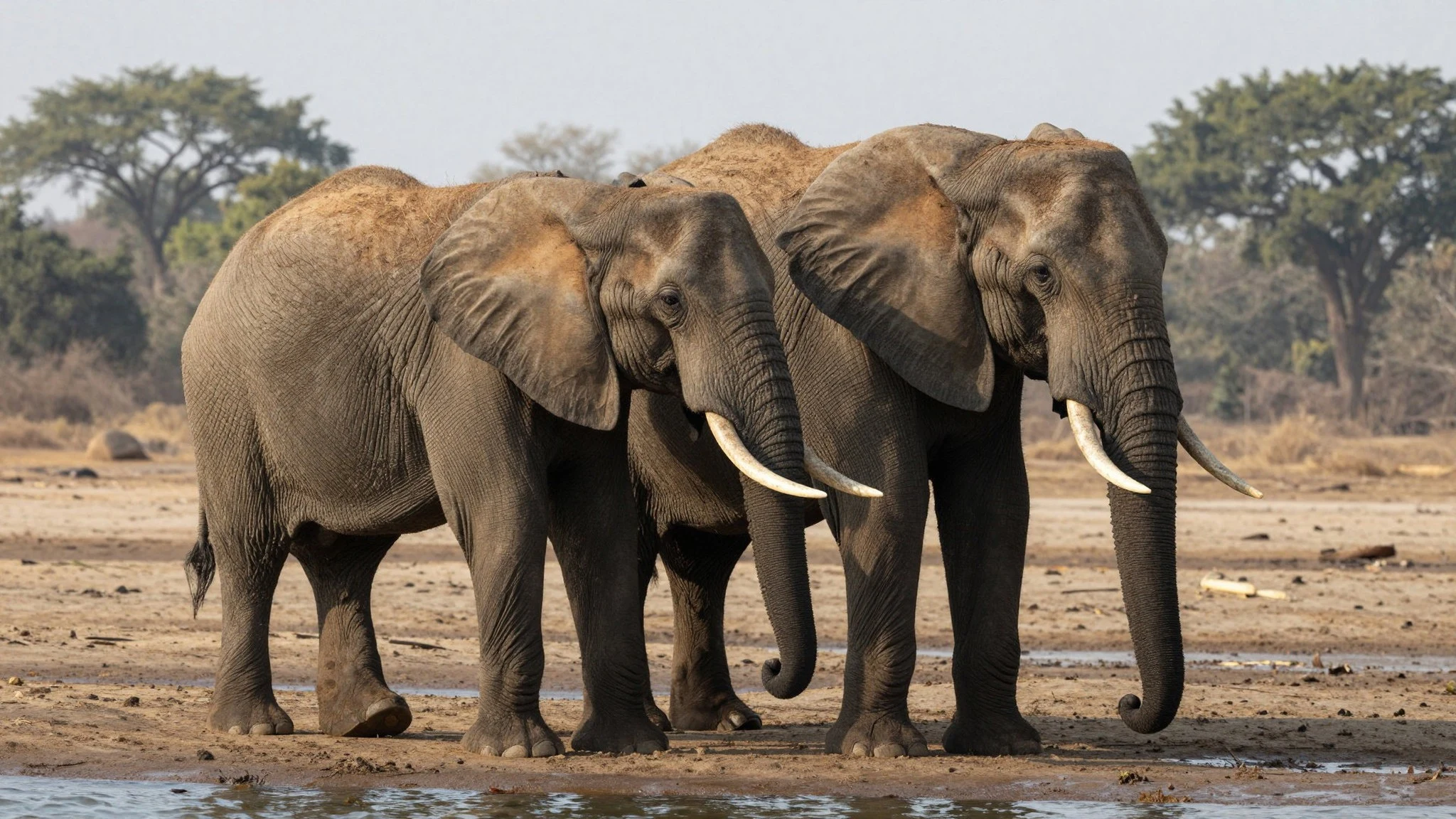
Zinave National Park
Zinave National Park, Mozambique
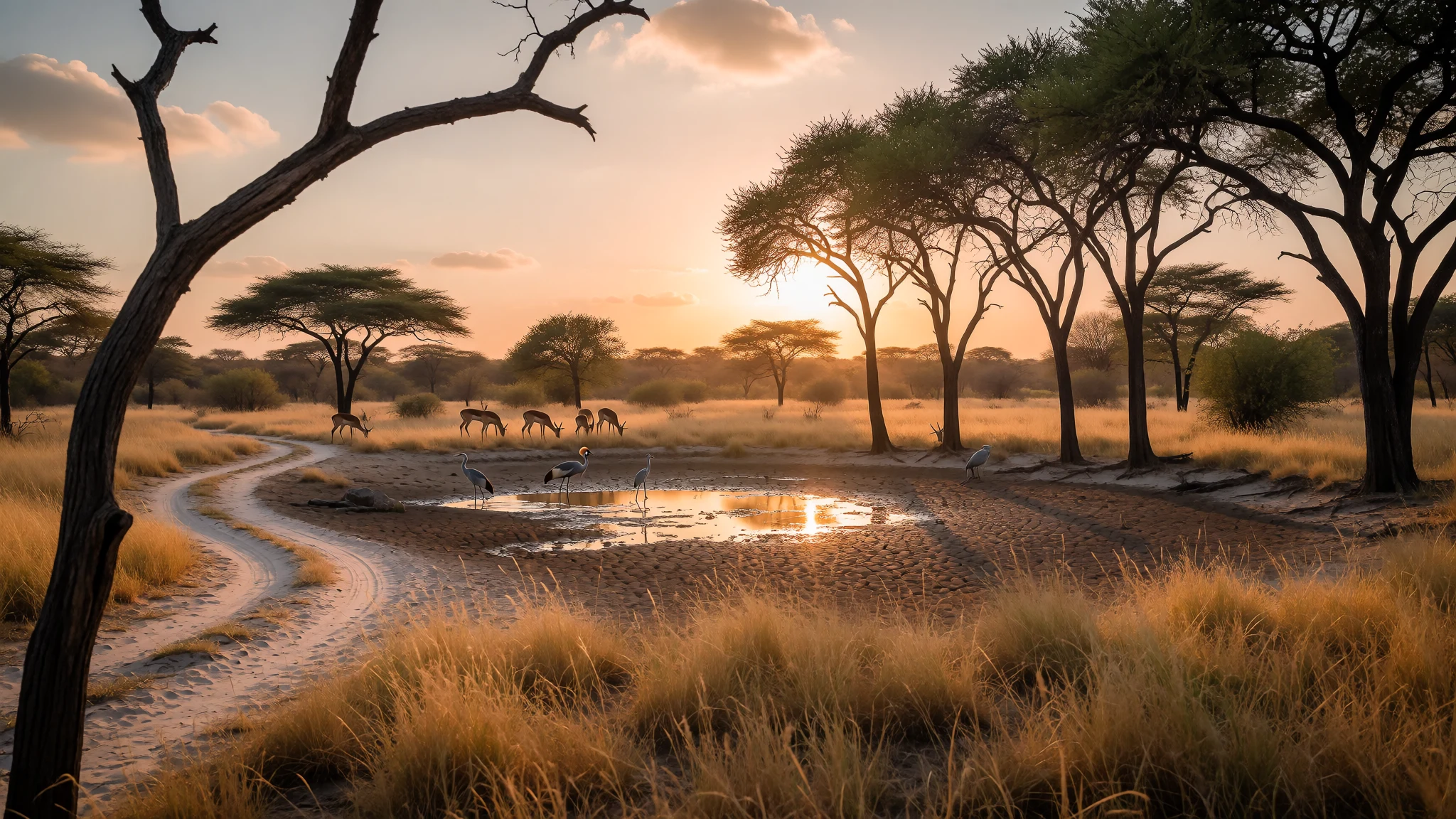
Zinave National Park is a quiet, recovering stretch of Mozambican bushveld where wildlife is returning and visitors are still few.
The place
Zinave National Park lies in Mabote District, Inhambane Province, in the south of Mozambique, well inland from the beaches that draw most visitors to the region. It was created by decree in 1973, and the land it protects is flat, sandy and open: a mosaic of woodland, grassy clearings and seasonal pans, with greener belts of forest where rivers run through. Mozambique as a whole is a low-lying plateau cut by many rivers that drain towards the Indian Ocean, and Zinave follows that pattern, with water deciding where animals gather and where the vegetation thickens. This is not a park of dramatic peaks or waterfalls. Its appeal is quieter: long sandy tracks, big skies, birdsong at dawn, and the chance of seeing antelope, giraffe or elephant without another vehicle in sight. Wildlife numbers are still rebuilding after hard decades, so sightings are less certain than in the famous parks of neighbouring countries, and honest expectations help. Facilities are limited and distances are long. Most visitors arrive by road and stay at a lodge or camp in or beside the park. Heat is the main practical fact: summers are hot and wet, tracks can turn soft, and the cooler dry months make for easier days. Phone signal is patchy, and the park rewards slow planning more than a tight schedule.
Its story
Zinave National Park was created by decree in 1973, in the final years of Portuguese rule, when land in the south of Mozambique was being set aside for wildlife. Independence followed in 1975, and the country then lived through long years of conflict and upheaval. National parks were hit hard. Rangers went unpaid or left, money for upkeep dried up, and snaring and hunting went largely unchecked. Zinave lost much of its game during this period, and for a long time it existed more on paper than on the ground. The slow turnaround began once the government and conservation partners decided the park was worth rebuilding rather than writing off. Boundaries were secured, anti-poaching teams were trained, tracks and camps were repaired, and animals were brought in from other reserves to restart herds that had disappeared locally. Communities living around the park became part of the plan, through paid work and a say in how the land is used. The result is a young, still-recovering wilderness rather than a finished one. That is the honest way to read Zinave today: its story is about repair, and the interest lies in seeing a place partway through coming back, with every sighting carrying a little more weight because of how it was won.
What to see
- The Save River frontage — Northern edge of the park
The Save River runs along the northern side of the park country and brings a ribbon of tall trees, sandbanks and cool shade to otherwise dry bushveld. Early morning is the time to go: animals come down to drink, kingfishers and herons work the pools, and the light is soft. Go with a ranger or guide.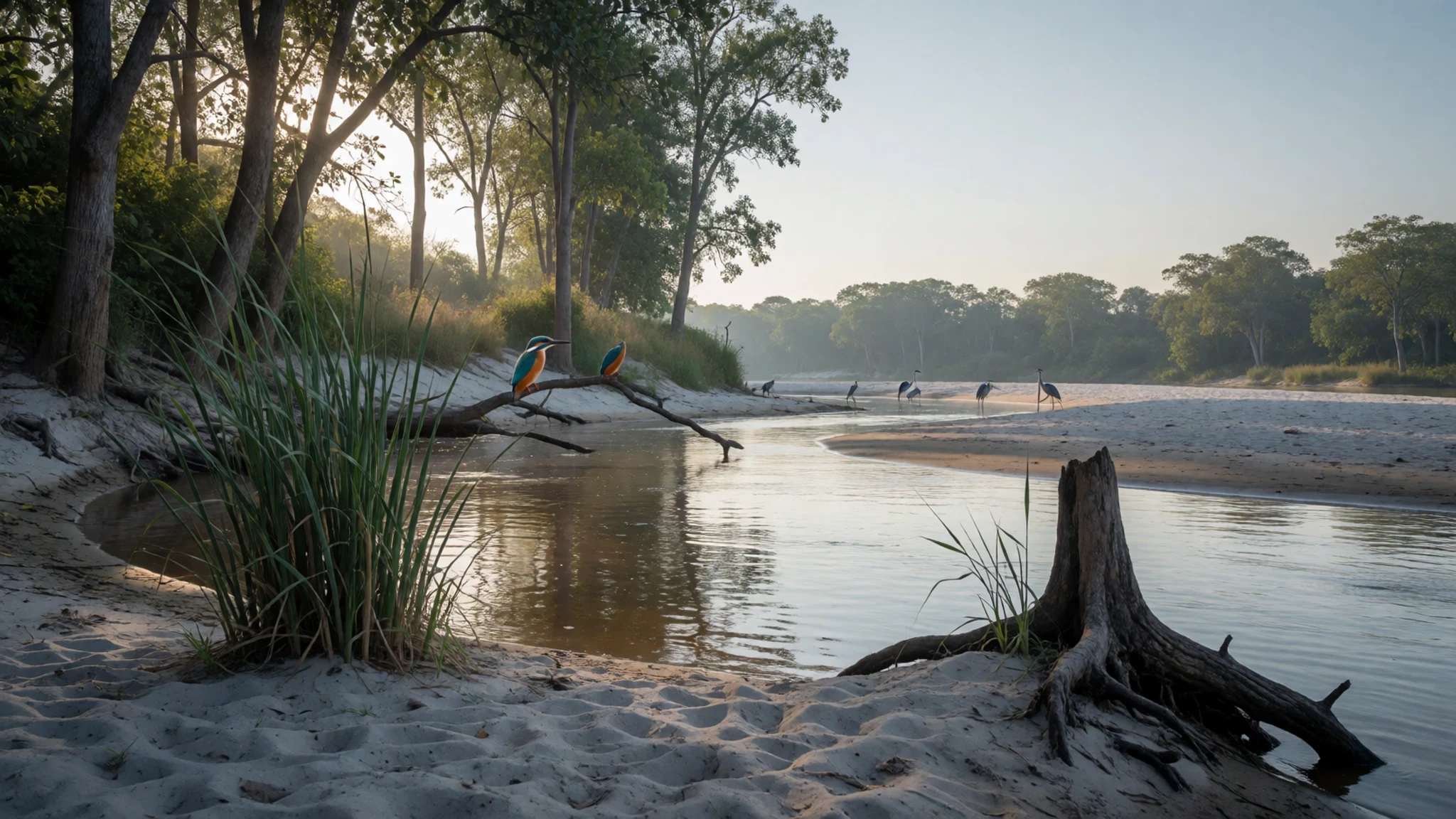
- Sandy-track game drives — Park interior
The main way to see Zinave is from a high-clearance vehicle on sandy tracks through open woodland and grassy clearings. Expect impala, kudu, zebra and giraffe, with elephant and other larger animals possible but never guaranteed. Dawn and late afternoon are best, and midday is usually quiet and hot.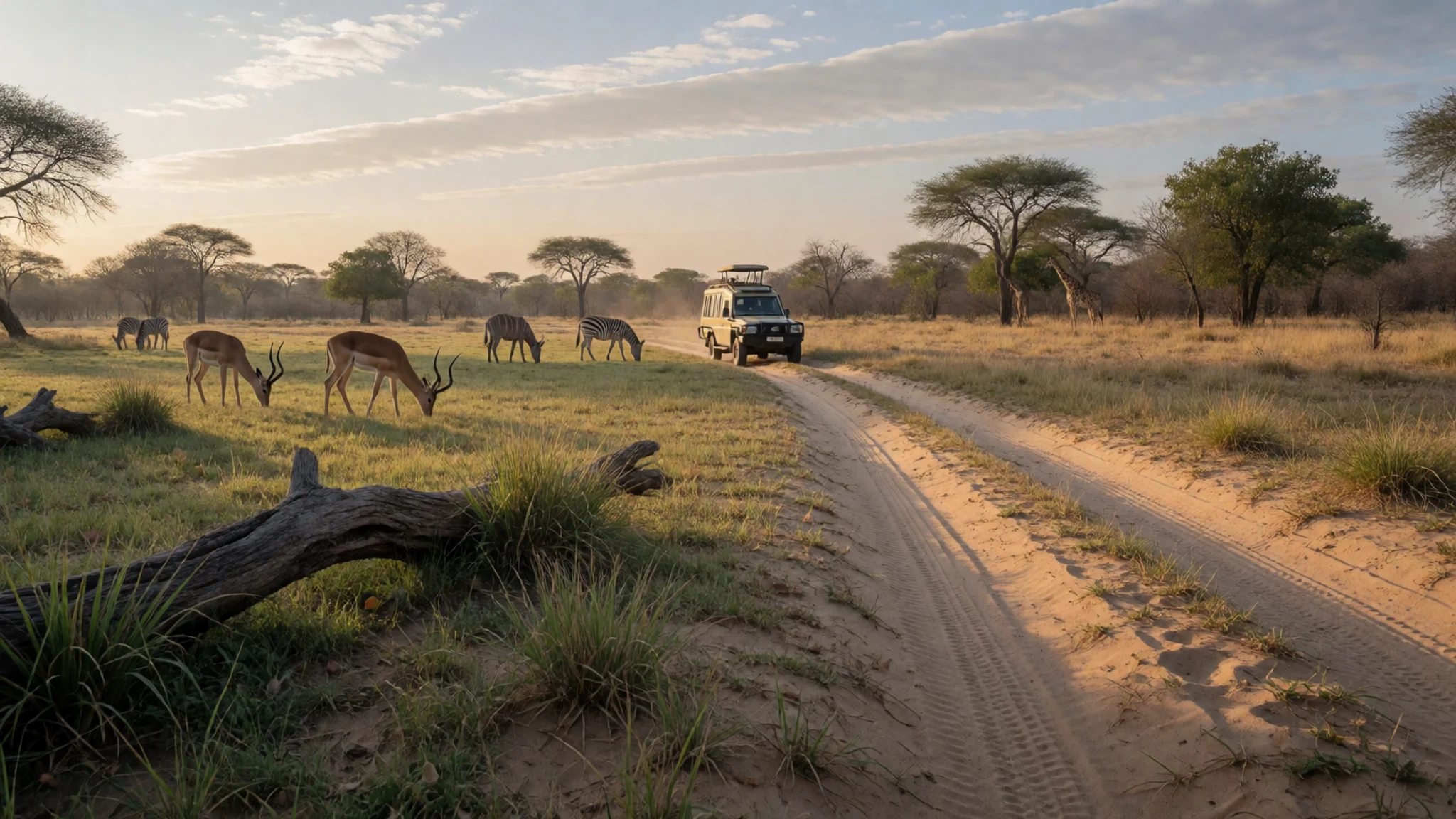
- Seasonal pans and waterholes — Across the park
Scattered pans and waterholes hold the park's life together in the dry months. Sitting quietly at one for an hour often beats driving around, as animals arrive in turn and birds crowd the edges. Water levels change with the rains, so ask rangers or lodge staff which pans are worth visiting.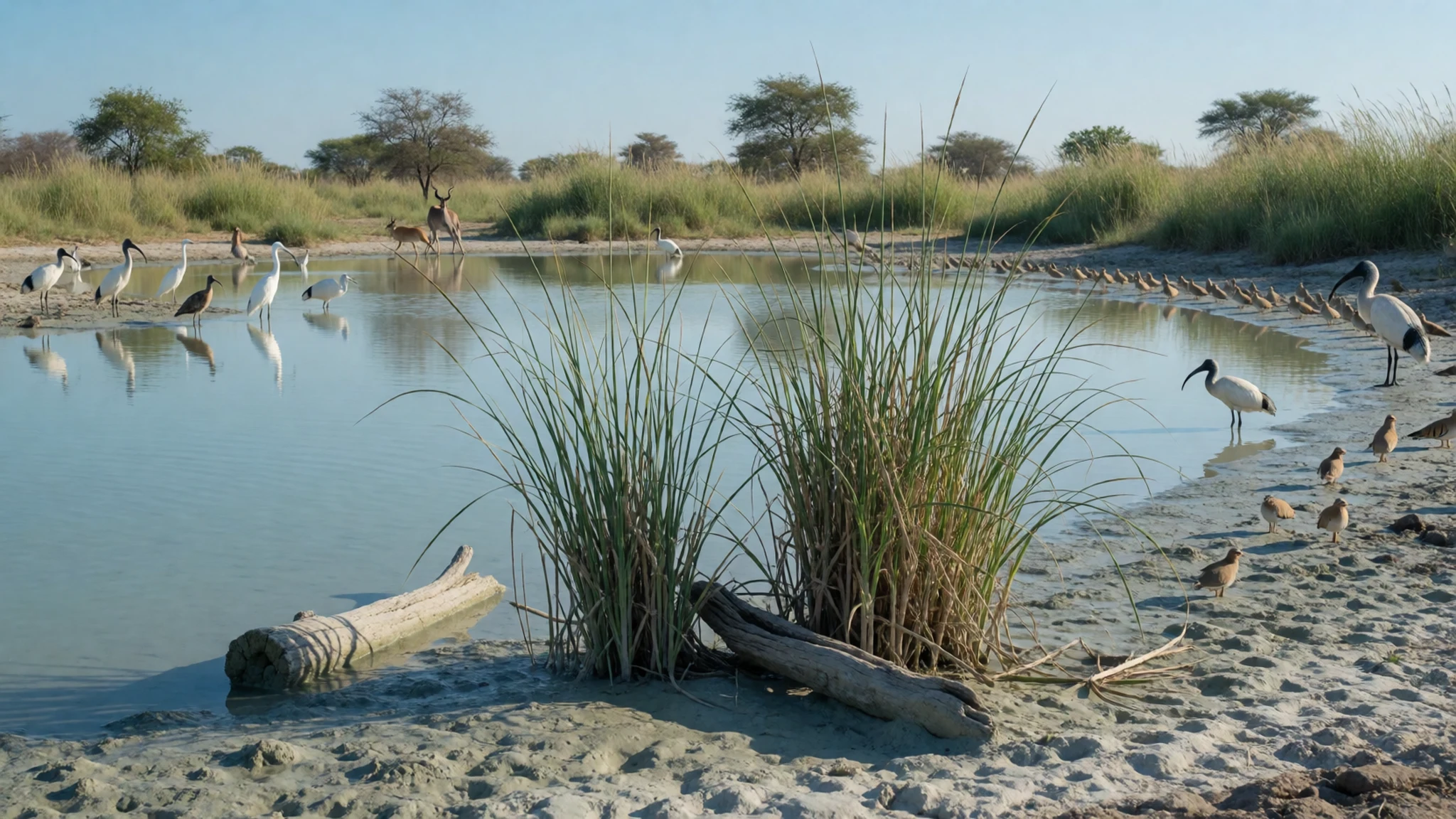
- Riverine forest and mopane woodland — Park interior
Away from the river the park is a patchwork of mopane woodland, acacia and thorn scrub, with denser riverine forest in the low ground. It is a good habitat for birdwatching, with hornbills, rollers, bee-eaters and raptors all likely. Insects and heat can be heavy in summer, so go early.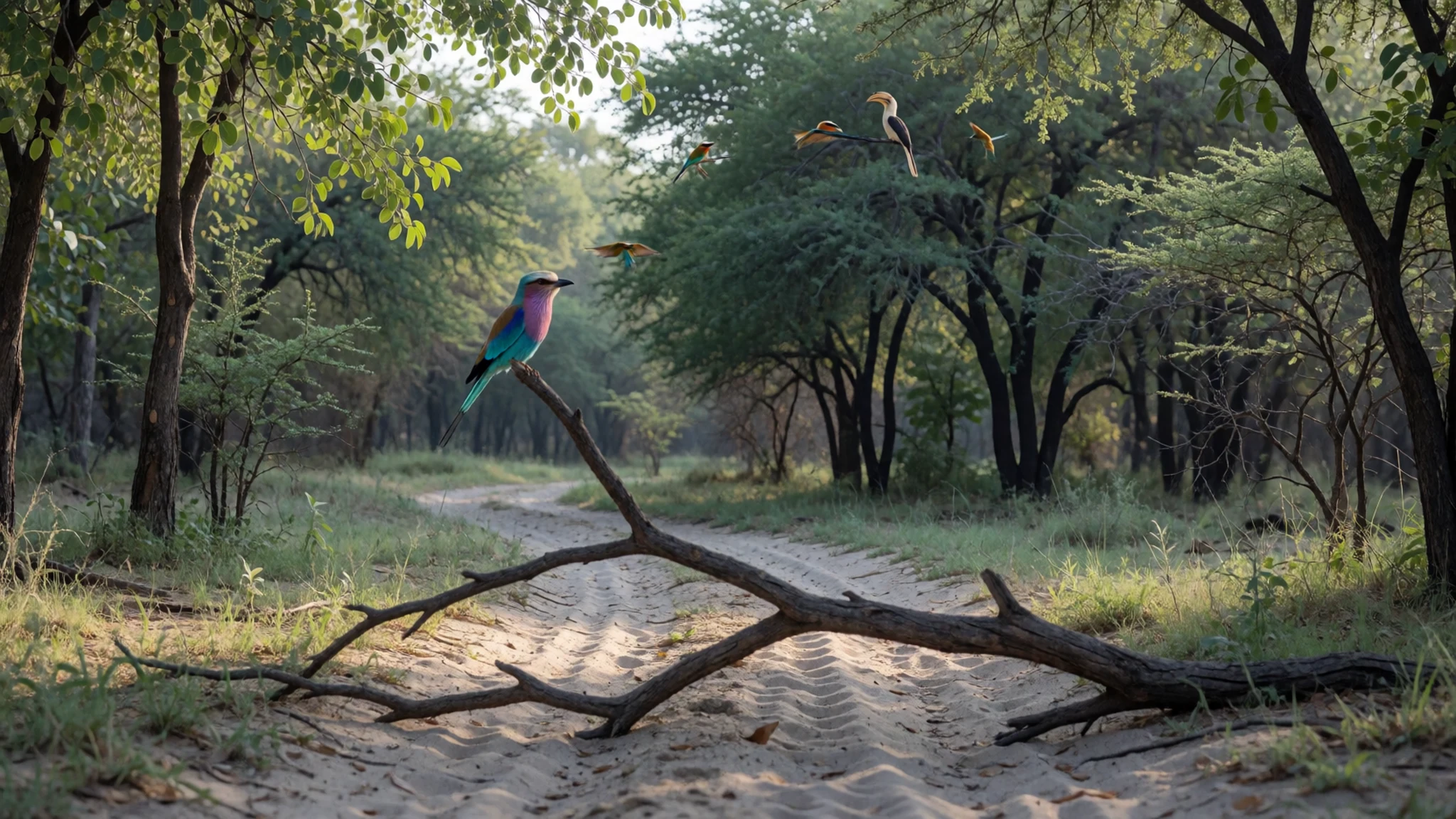
- Inhambane town — Inhambane, coast
Inhambane is the historic coastal town that most travellers pair with a trip inland to the park. It has a quiet waterfront, old colonial buildings, markets and a ferry across the bay to the beaches. It makes a natural start or end to a Zinave visit, with seafood and a softer pace.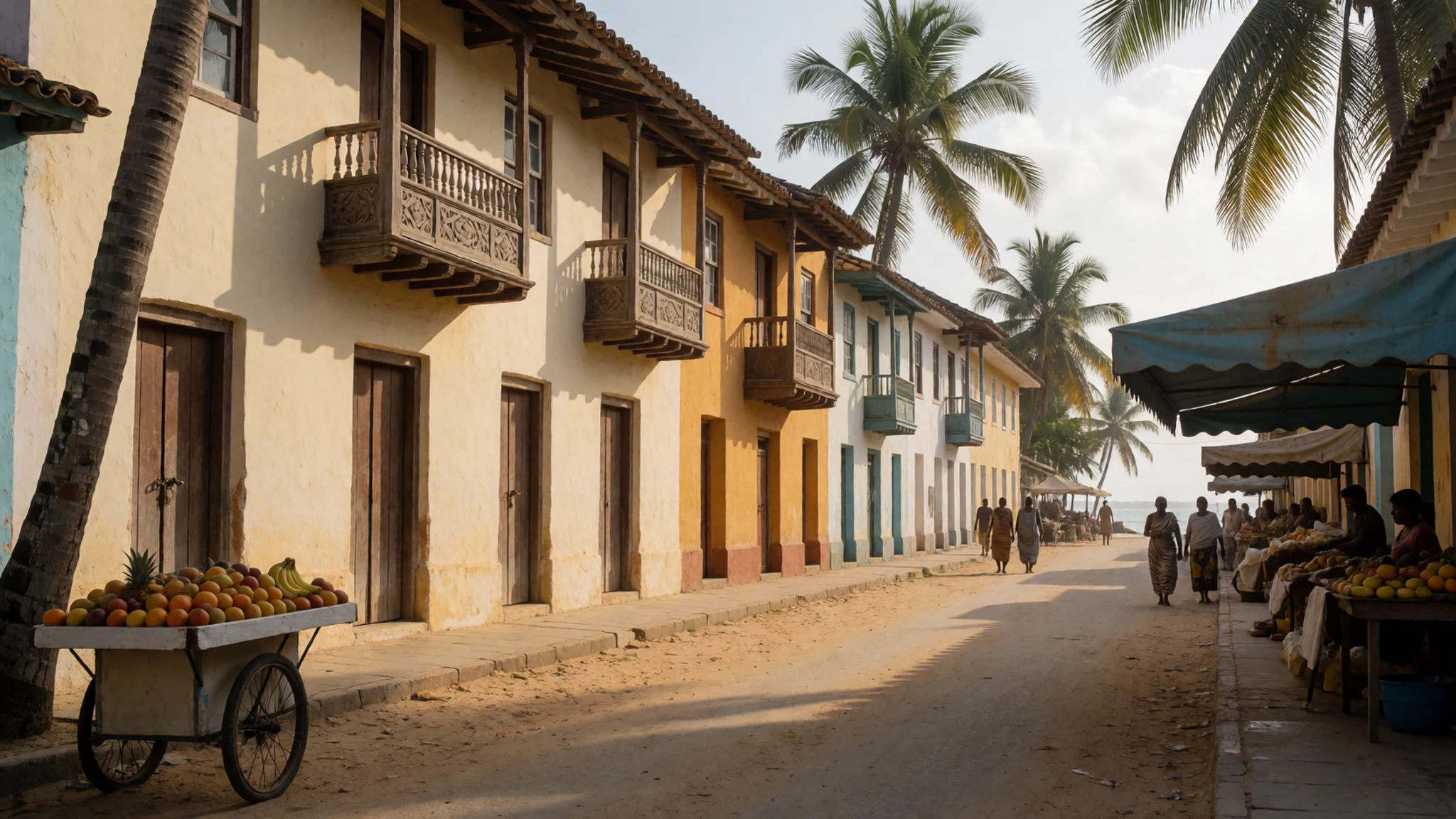
Culture
Zinave National Park sits in a part of southern Mozambique where Portuguese is the official language and Tsonga-related languages are heard in daily life, so greetings often switch between the two. Inhambane Province is also associated with the Chopi people, known for their timbila xylophone music and dance, and for a strong tradition of woodcarving and basketry. Rural life around the park revolves around small farms growing maize and cassava, keeping goats and chickens, and gathering from the bush. Mozambicans are generally described as warm and welcoming, and a polite greeting before any request goes a long way: a handshake and a 'bom dia' in the morning. History is present but rarely pushed on visitors. Independence in 1975 and the years of conflict that followed shape how people talk about land, wildlife and jobs. Parks like Zinave matter locally because they employ rangers, guides, cooks and drivers from nearby villages, so a fair tip and a respectful attitude do real work. Faith is a mix of Christian, Muslim and traditional belief, varying by village, and Sunday is a family and church day in many places. Carry some small notes for roadside stalls, learn a few Portuguese words, and be patient with slow service, as time is more flexible than in a city. Always ask before photographing anyone in a village, and accept a refusal with a smile.
What to wear
Zinave National Park lies in a region where the capulana is the garment most associated with traditional dress. It is a rectangle of printed cotton, bright with bold patterns, worn by women as a wrap skirt, a headscarf, a shawl or a sling for carrying a baby, and given as a gift at weddings and other family occasions. Men's traditional clothing is less visible day to day and is mostly kept for ceremonies. Around the park, everyday wear is practical: market-bought shirts and trousers, football shirts, rubber sandals and work boots, with capulanas still the usual choice for women at home and in the fields. Church clothes on Sunday are noticeably smarter. Visitors should dress for the bush and the sun. Choose loose, long-sleeved cotton or quick-dry shirts and long trousers in muted colours such as khaki, olive or sand, which also help against insects. Avoid camouflage patterns, which can attract unwelcome attention from officials. Bring a wide-brimmed hat, sunglasses and sturdy closed shoes for sandy ground, plus a warm layer for cold early mornings in the dry season. In villages and towns, cover shoulders and knees, and keep swimwear for the lodge pool or the coast.
What to eat
- Matapa — Market stalls and family eateries in Inhambane
Matapa is a staple stew of pounded cassava leaves cooked down with clams, crab or prawns, and usually served over rice. It is rich, green and slightly bitter. Look for it at family-run eateries and market food stalls in Inhambane and on the roads leading inland.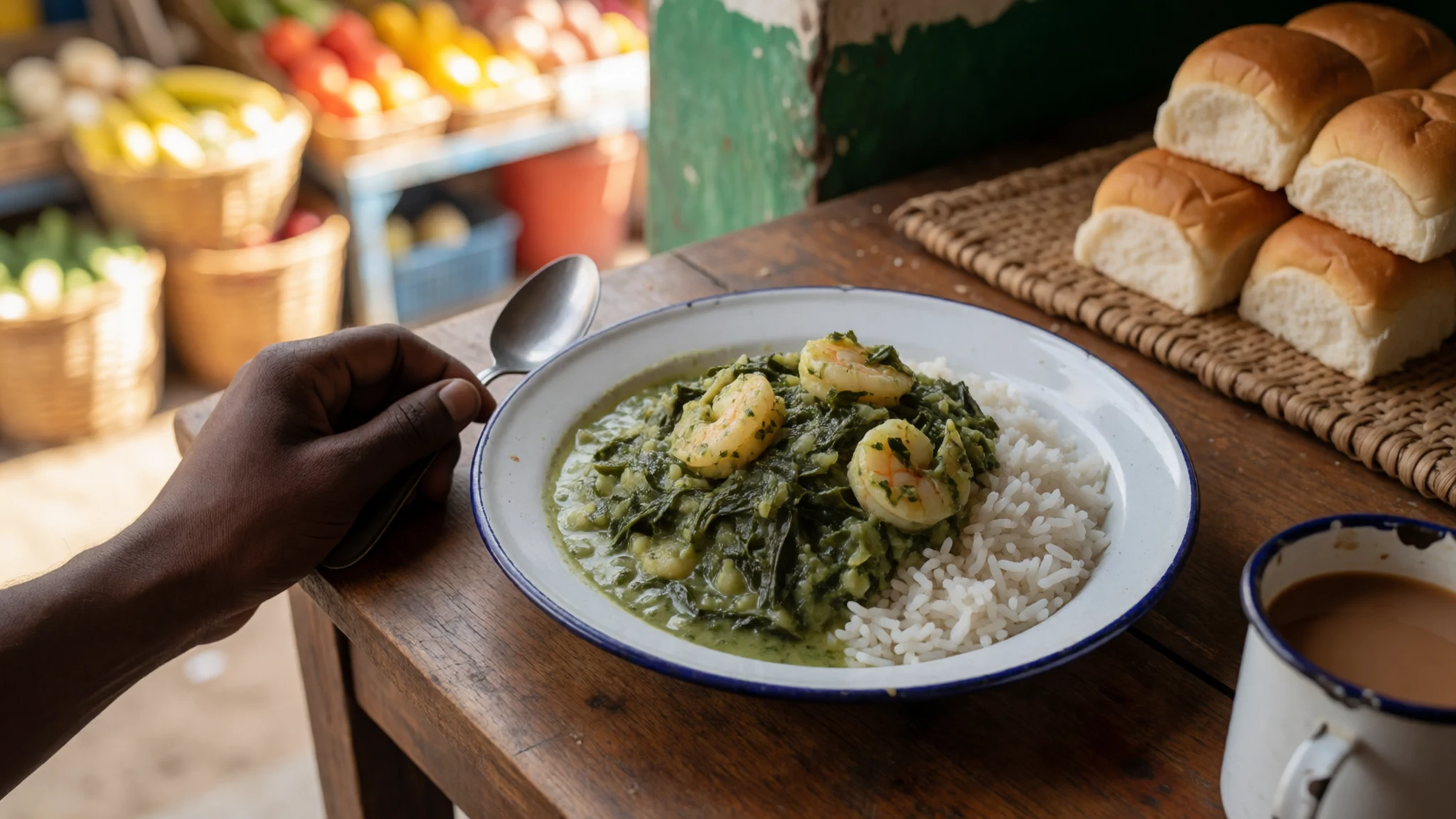
- Camarão with piri-piri — Seafood restaurants on the Inhambane waterfront
Mozambican prawns are marinated in piri-piri, garlic, onion, lemon and vinegar, then grilled or pan-cooked. The heat builds slowly and the sauce is good with bread or rice. Order them at coastal seafood restaurants, and pair them with a cold local beer.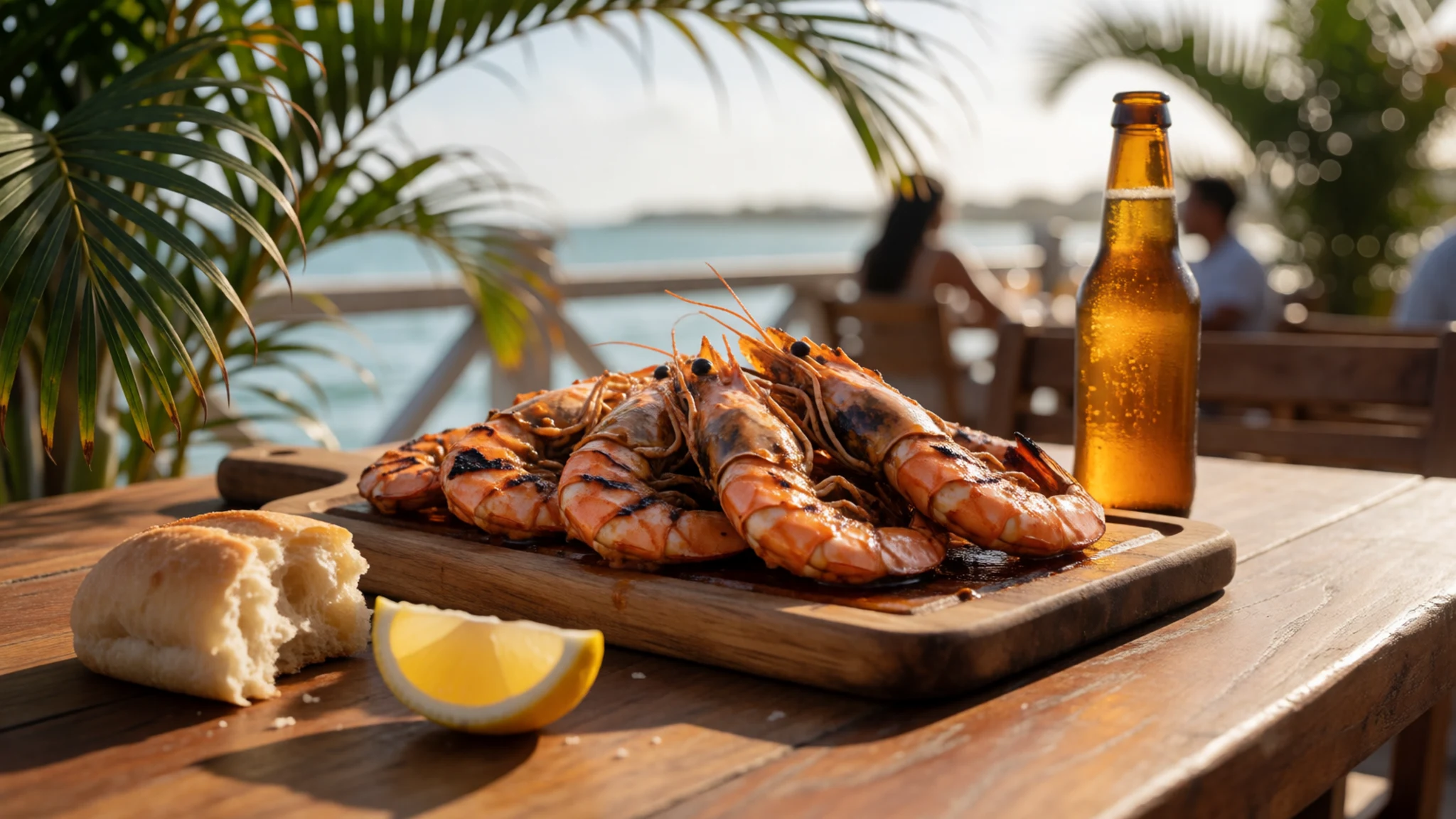
- Pãozinho with meat — Bakeries and snack counters in towns along the main road
The Portuguese-style roll, soft and slightly sweet, is stuffed with beef, a fried pork cutlet or sausage and often a smear of piri-piri sauce. It is cheap, filling road-trip food and works well as a packed lunch for a long day in the park. - Grilled crayfish and fish — Beachside grills and fish markets on the coast
Crayfish, prawns and fish are caught along the coast and grilled over charcoal with a piri-piri marinade, typically served with rice or matapa. Prices and availability vary with the day's catch, so ask what came in that morning. - Piri-piri chicken — Roadside grills and town restaurants
Chicken split, marinated in lemon, garlic and chilli, and grilled over coals is a Mozambican favourite with Portuguese roots. It comes with chips, rice or salad and extra sauce on the side. Taste the sauce before pouring, as it can be fierce.
Plan it
Best time. May to October, the cooler dry season, when tracks are firmer, days are more comfortable and animals gather near water. November to April is hot and wet, with soft tracks, heavy insects and thicker vegetation.
How long. 2–3
Getting there. Fly to Maputo, Vilanculos or Inhambane airports, then continue by road to the park in Mabote District; the final stretch is sandy and best done in a high-clearance vehicle. Confirm the route, entry arrangements and any transfers with the park or your lodge before you set off.
Budget. mid
Tips
- Book lodging and park entry in advance and check the official park pages for current rules and fees
- Carry bottled water and treat all tap water as unsafe to drink
- Bring some cash in meticais, since cards and ATMs can fail outside the cities
- Fill the fuel tank in the last big town and carry a spare
- Start game drives at dawn, when it is cooler and animals are most active
Etiquette
- Greet people politely before asking for anything and learn a few words of Portuguese
- Ask before photographing people and respect a refusal
- Stay in your vehicle on drives unless a guide says it is safe, and never feed wildlife
Nearby
Sources
- Wikidata Q8072261 (CC0)
- Wikipedia: Zinave National Park (CC BY-SA 4.0)
- Wikivoyage: Mozambique (CC BY-SA 4.0)
- Mozambique relief location map, Carport (CC BY 3.0)

Wildlife
- Giraffe (animal)
The giraffe is the tallest animal walking on land, so if you remember one thing, remember a neck that reaches towards the sky. In Zinave National Park it is one of the animals you can reasonably hope to meet, alongside impala, kudu and zebra, though nothing is ever promised. Watch from a respectful distance and keep your voice low, so it can carry on undisturbed. Go with a guide who reads the bush well, and never offer it food.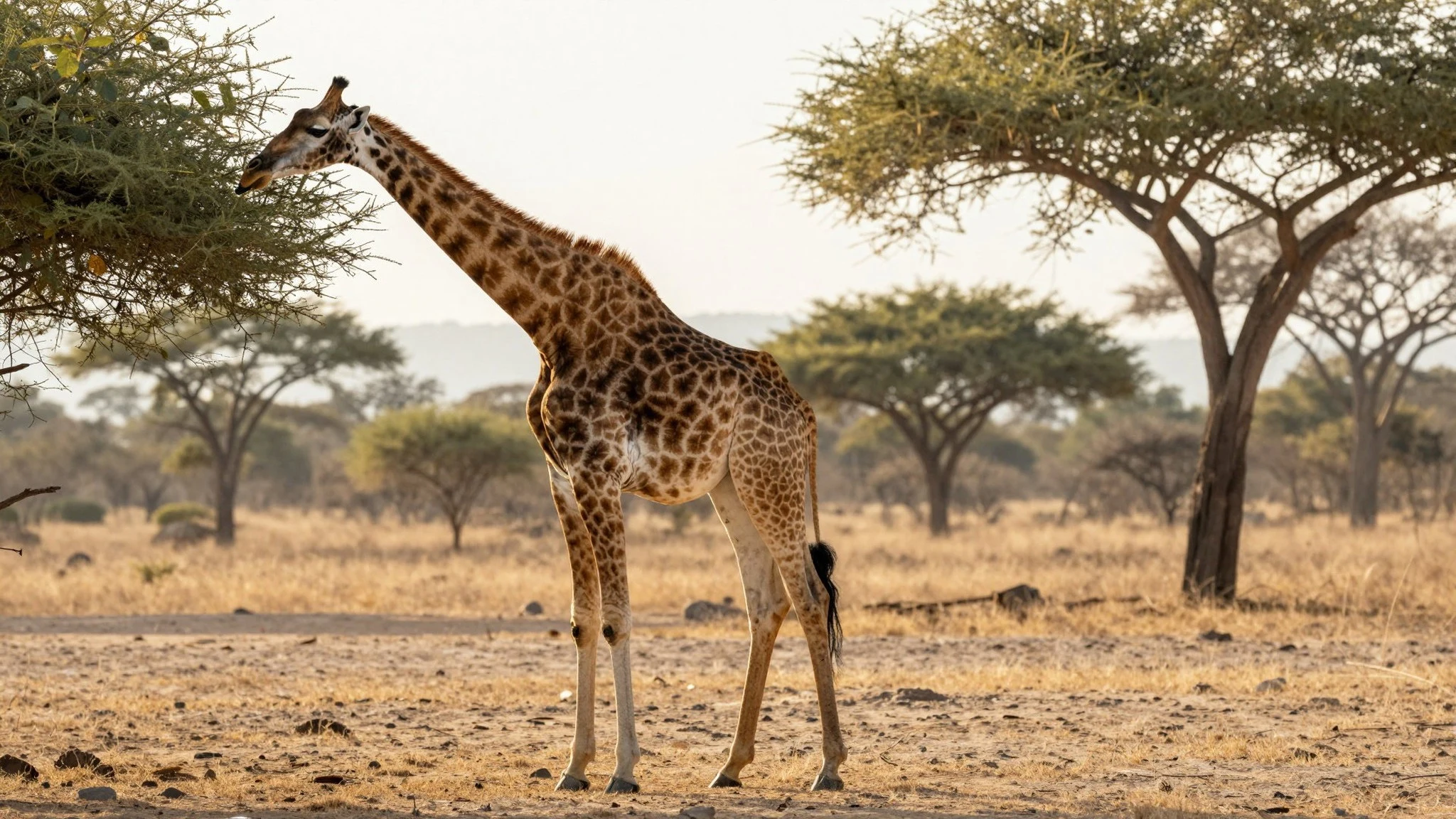
- African bush elephant (animal)
The African bush elephant is the biggest animal living on land, with a trunk that works almost like a hand and large ears that help it stay cool. In Zinave National Park an elephant is possible but never guaranteed, so treat any sighting as a gift. Watch from a generous distance, stay quiet and calm, and keep close to your guide, who will know when to back away. Never feed it.