Inhambane
Inhambane, Mozambique
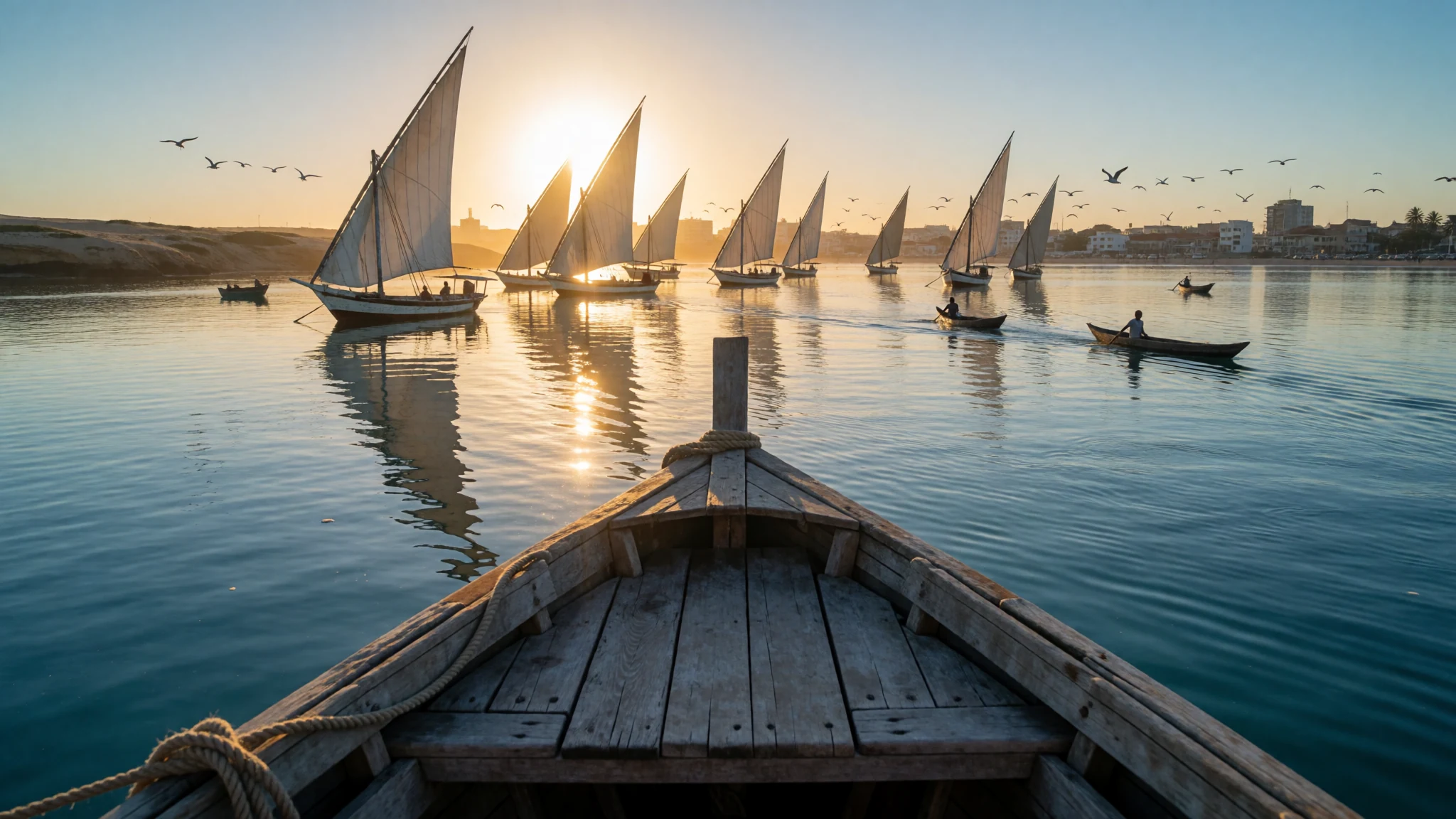
Explore quiet coastal streets, sail historic wooden dhows across calm bays, and dive into crystal-clear waters along pristine sandy shores.
The place
Inhambane rests on a protected bay in southern Mozambique, centred around a deep inlet where the modest Mutamba River meets the sea. Sandy headlands form a natural barrier and a wide sandbank, creating a calm harbour that has sheltered sailors for centuries. Across the water sits the sister town of Maxixe, linked by traditional wooden dhows that ferry passengers back and forth throughout the day. While the municipal town itself maintains a sleepy, faded colonial charm along its quiet alleys, the real pulse of the region beats further out on the ocean-facing peninsulas. Praia do Tofo functions as the lively hub for diving charters, small bars, and bustling local markets, while Praia da Barra offers a more relaxed stretch of coastline dominated by family lodges and wide tidal pools. The surrounding landscape is shaped by a warm tropical savanna climate, making the drier months the most comfortable time for exploring the coastal tracks and mangrove-fringed inlets. Life here moves to the rhythm of the tides and the wind in the lateen sails, far removed from the frantic pace of larger African capitals.
Its story
Inhambane ranks among the oldest recorded settlements on the East African coast, serving as a trading hub long before the arrival of European explorers. Muslim and Persian merchants arrived by sea as early as the eleventh century, trading pearls and ambergris while tapping into the local cotton spinning traditions of the Bitonga people. Over the centuries, the coastal city-state submitted to various regional powers, including the Kilwa Sultanate and the Gaza Empire, while Karanga chiefdoms moved in to dominate the local cotton weavers and oversee maritime commerce. When Vasco da Gama rounded the African continent in the late fifteenth century, he stopped in the harbour to replenish his supplies and reportedly grew so fond of the surroundings that he christened it the Land of the Good People. Portuguese influence deepened after a shipwreck in the early sixteenth century led to formal diplomatic contact with local chiefs, culminating in a permanent trading post established by the mid-sixteenth century. Relics of this long and complicated maritime history remain visible in the crumbling architecture, rusted iron shipwrecks, and the enduring sailing techniques handed down through generations of local boatbuilders.
What to see
- Our Lady of the Immaculate Conception Cathedral — Inhambane town centre
Built during the second half of the nineteenth century, this historic place of worship stands as a prominent landmark in the municipal centre, reflecting the area's ongoing spiritual traditions.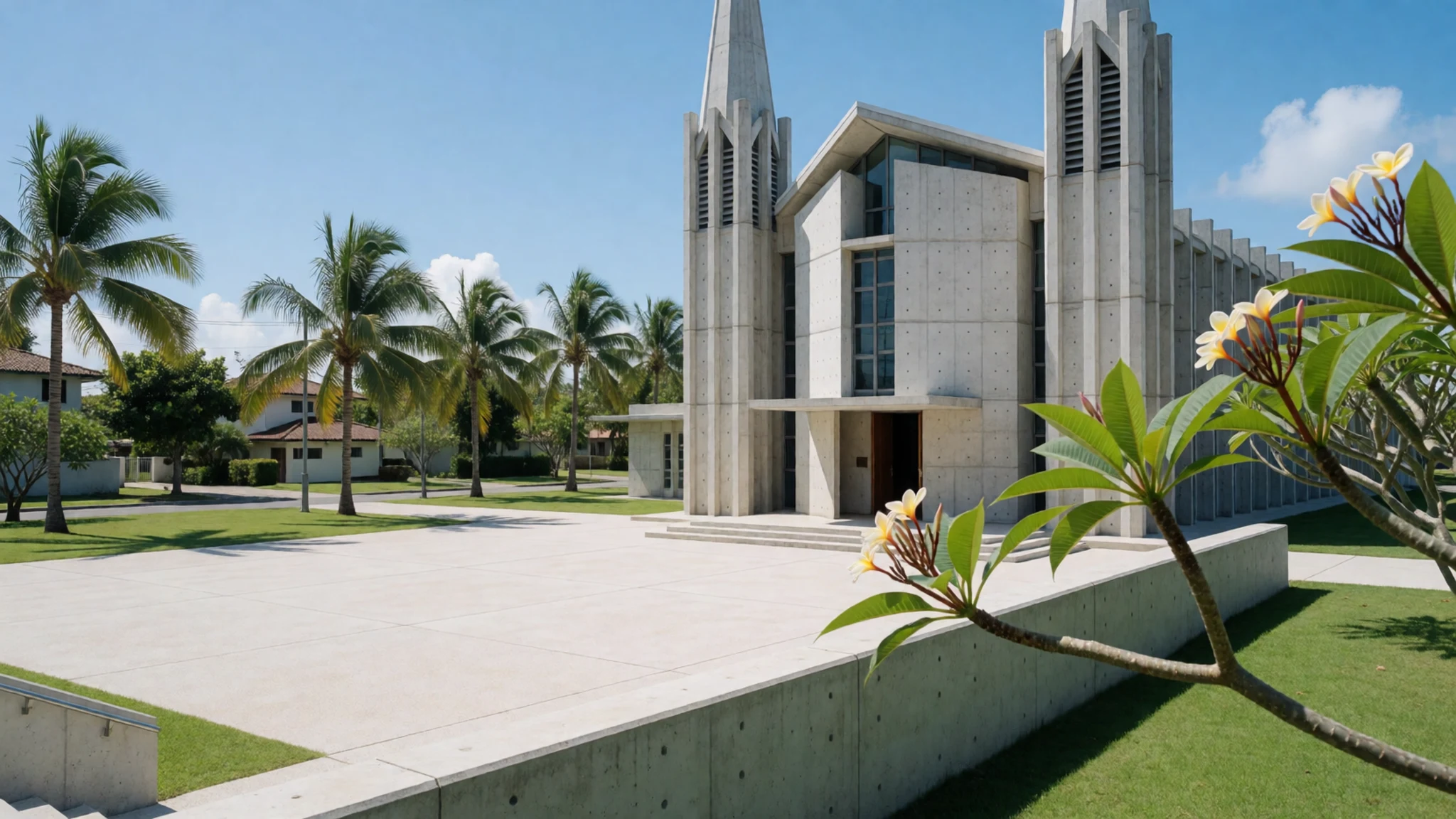
- Old Cathedral — Inhambane town centre
Positioned immediately next to the newer main cathedral, this weathered colonial-era structure preserves the faded architectural aesthetic of earlier decades with its aging masonry and quiet courtyard.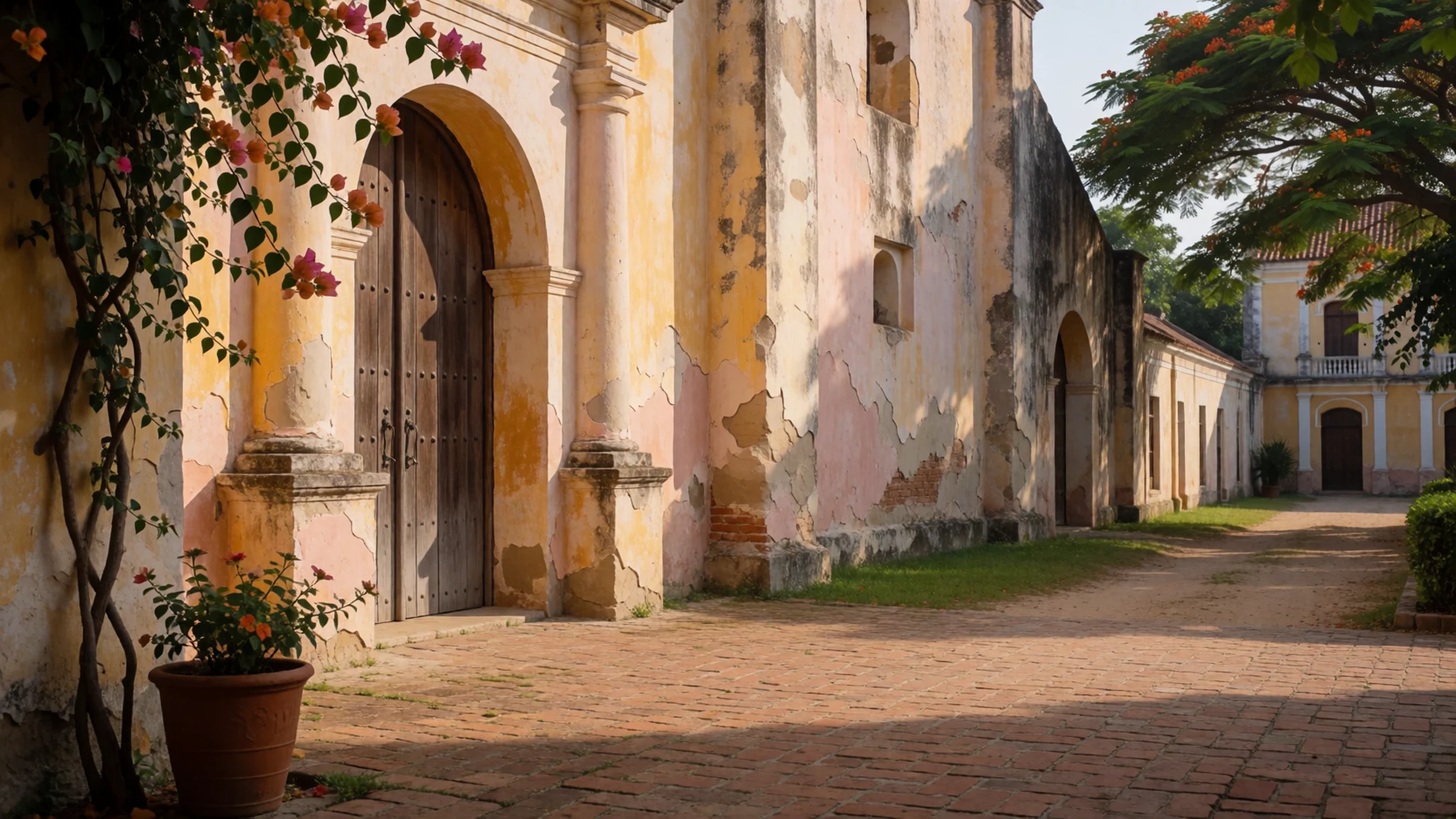
- Barra Lighthouse — Praia da Barra
Perched at the northern tip of the peninsula, this operational colonial lighthouse overlooks dramatic coastal waters. At low tide, the surrounding shallows form natural tidal pools ideal for safe, easy exploration.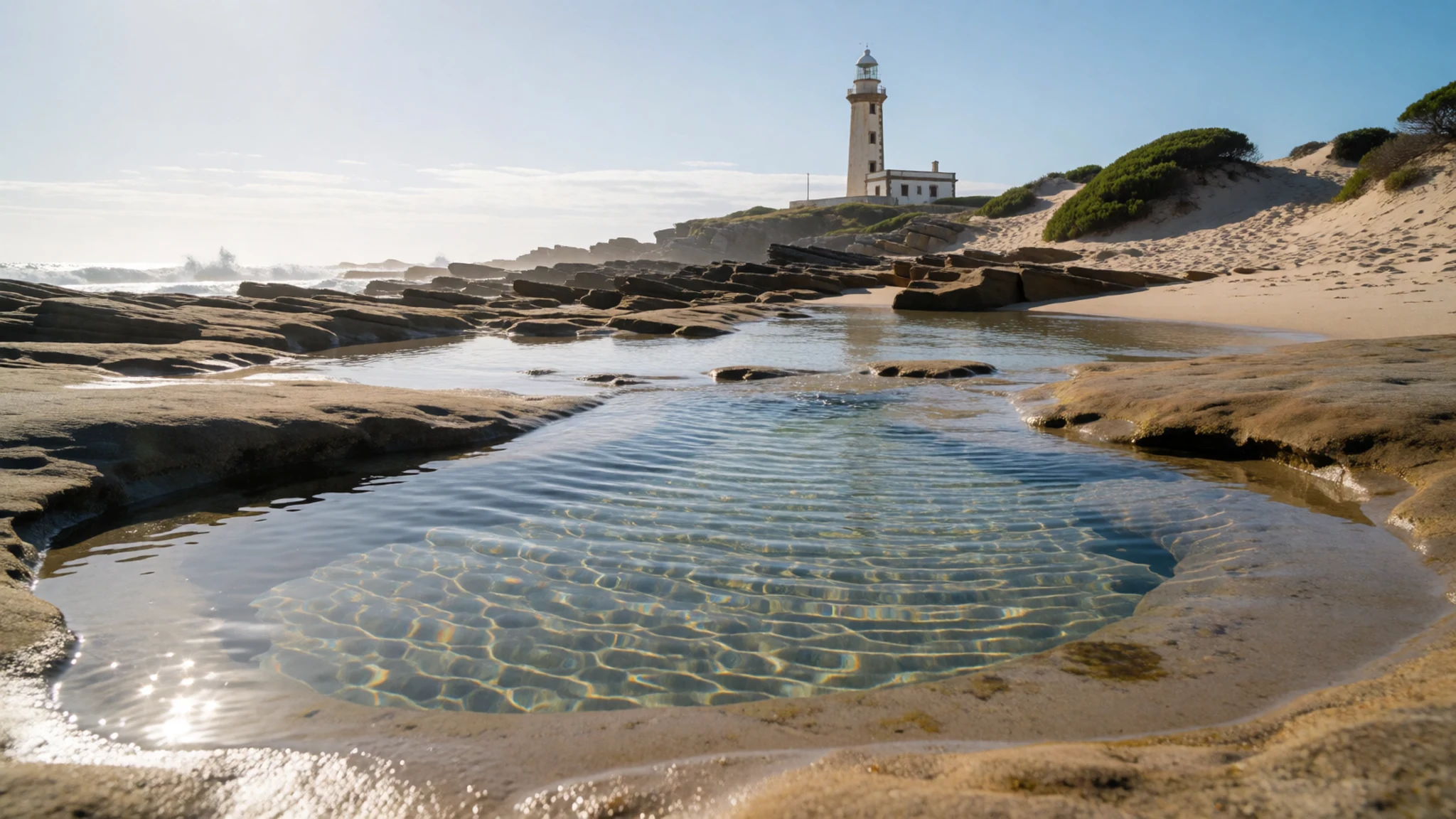
- The SS Inharrime Wreck — Praia da Barra
The prominent, rusting iron skeleton of an Italian-built cargo ship that ran aground along the shallow peninsula reefs in nineteen-forty-nine, now serving as a stark monument against the crashing waves.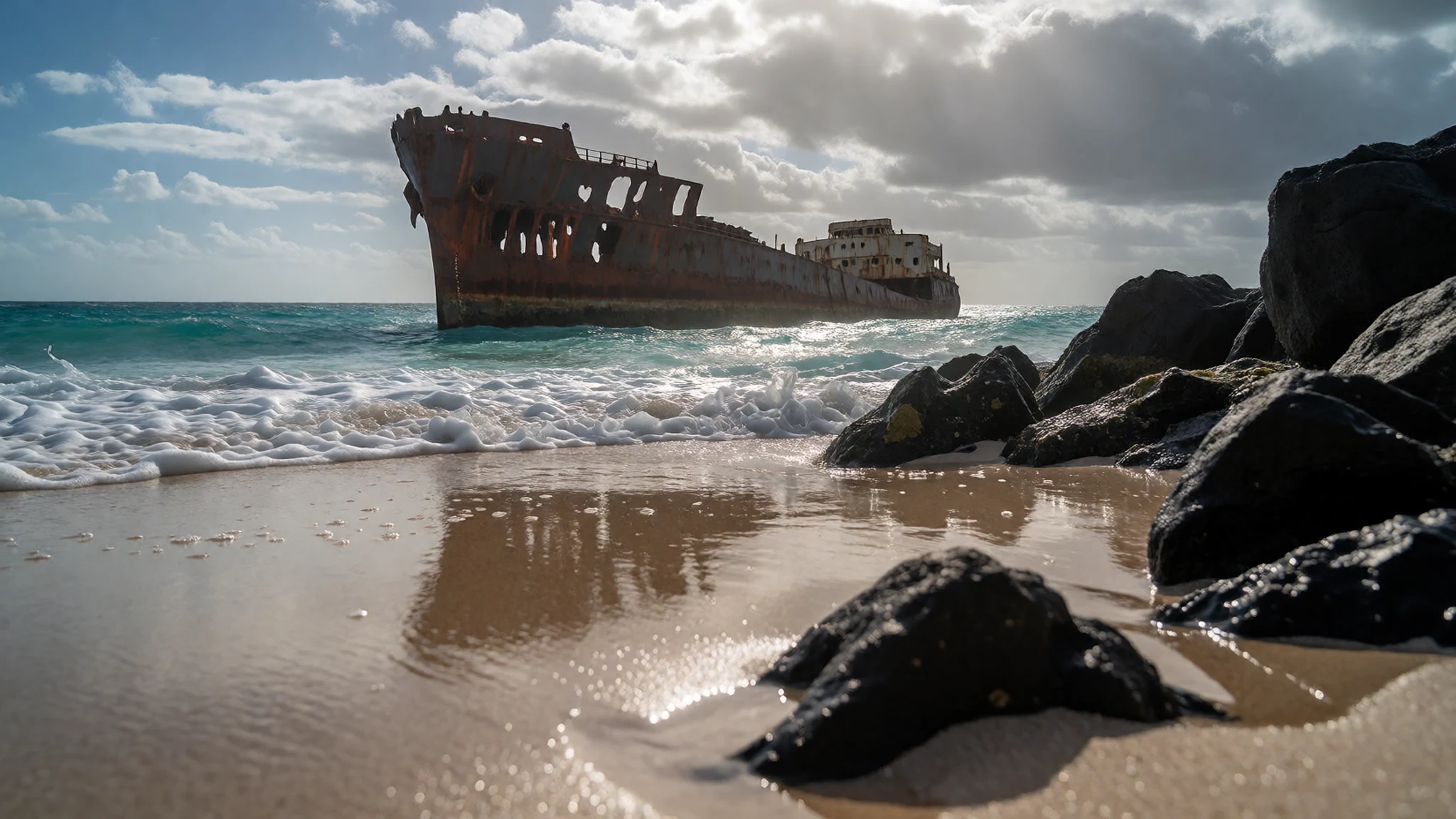
- Inhambane Museum — Inhambane town centre
Housed in a historic building within the municipal district, the museum displays regional artefacts, photographs, and historical documents detailing the diverse cultural heritage of the coastal province.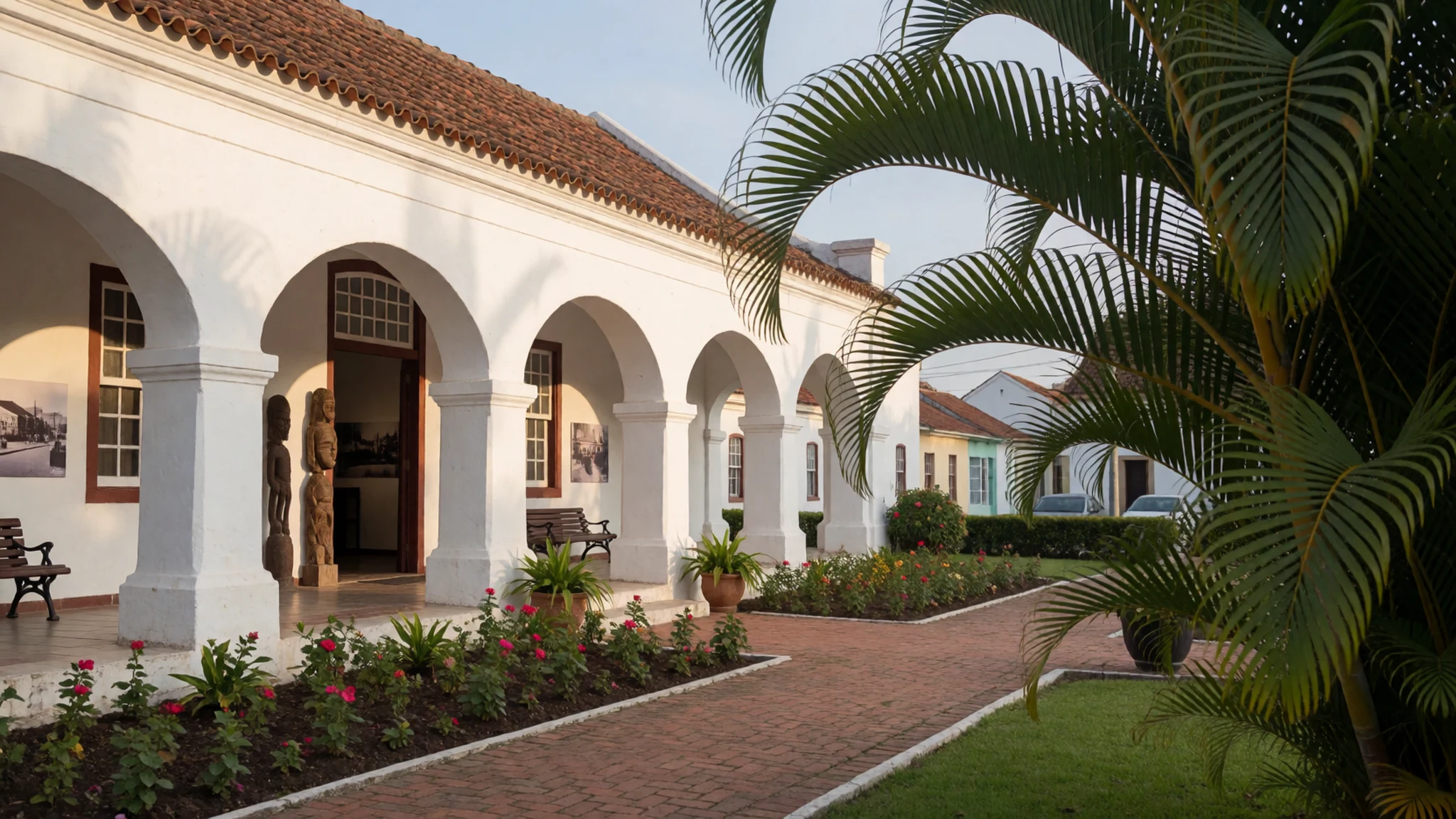
Culture
The social fabric of the region is deeply rooted in the traditions of the Bitonga people, alongside centuries of mixed coastal heritage shaped by maritime trade. Local community life revolves around fishing, small-scale farming, and traditional craftsmanship, with community gatherings often accompanied by lively music and shared meals. Visitors will find the local population warm and welcoming, reflecting the historic moniker bestowed by early maritime visitors. Portuguese remains widely used in administration and trade, while Bitonga serves as the primary vernacular across the rural peninsulas and villages. Traditional customs are treated with great respect, particularly regarding elders, local leadership structures, and sacred sites. When taking photographs of residents or private homesteads, always ask for permission first out of courtesy.
What to wear
Traditional dress across the coastal districts reflects the tropical climate and practical daily needs, historically featuring locally spun cotton textiles influenced by generations of coastal trade. Today, locals generally wear a mix of comfortable Western clothing and colourful, patterned wrappers known locally as kangas or capulanas, which are versatile cloths worn tied around the waist or used to carry infants. For visitors exploring the sandy tracks, coastal villages, and bustling markets, lightweight, breathable fabrics made from cotton or linen are essential. Modesty is appreciated away from the immediate beach zones; shoulders and knees should be covered when walking through local villages or visiting town centres. Footwear should be practical and easy to slip off, ranging from sturdy sandals for sandy paths to reef shoes for exploring tidal pools.
What to eat
- Peri-peri prawns and seafood — Beachfront restaurants and local eateries across Tofo and Barra
The undisputed culinary specialty of the peninsula, featuring freshly caught crustaceans cooked in a fiery, aromatic bird's eye chilli sauce.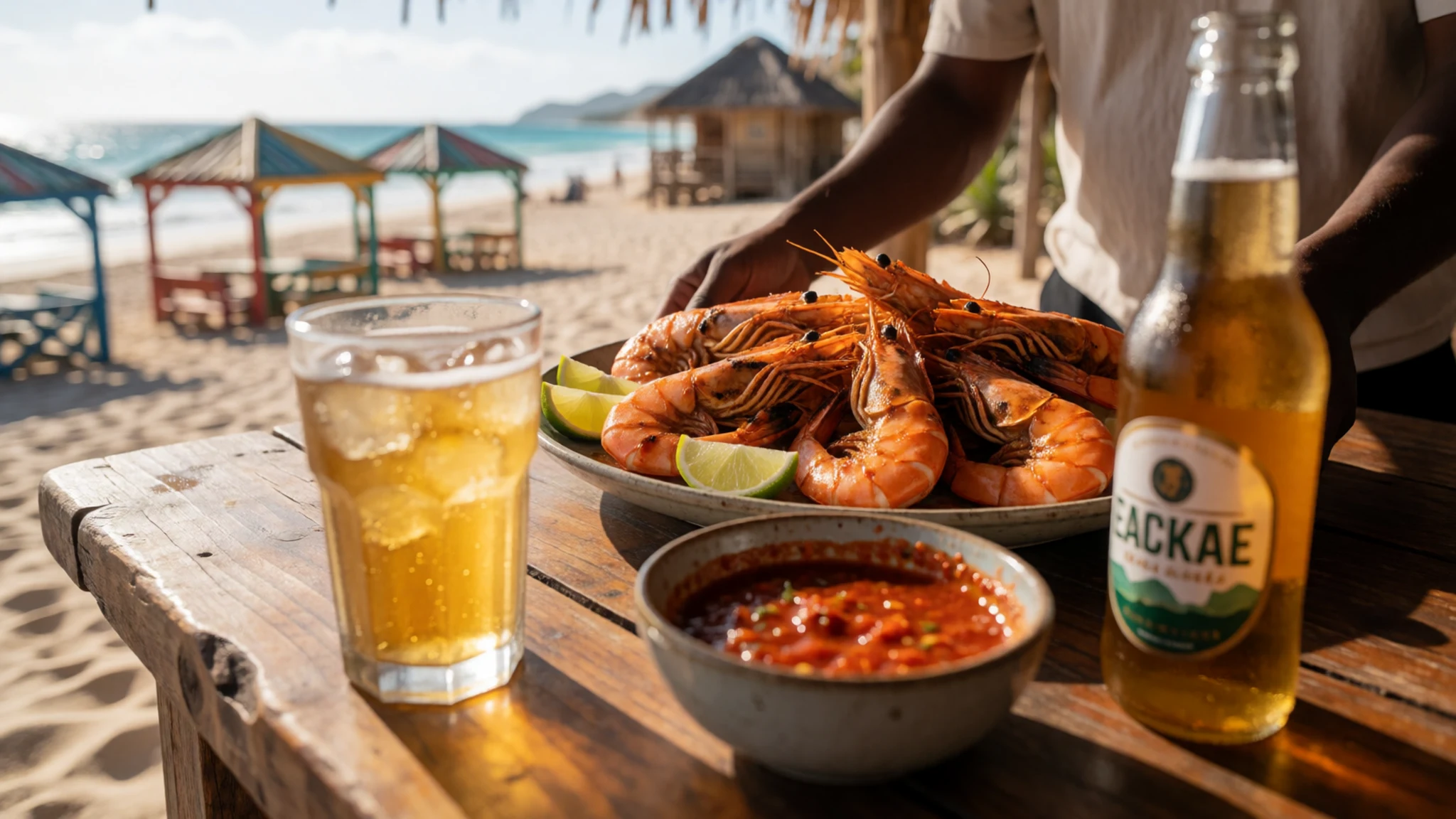
- Vetkoek and burgers — Quinta de St. Antonio and roadside snack shops
Golden, deep-fried dough balls stuffed with savoury fillings, served alongside simple burgers and ice-cold drinks at casual local takeaway counters.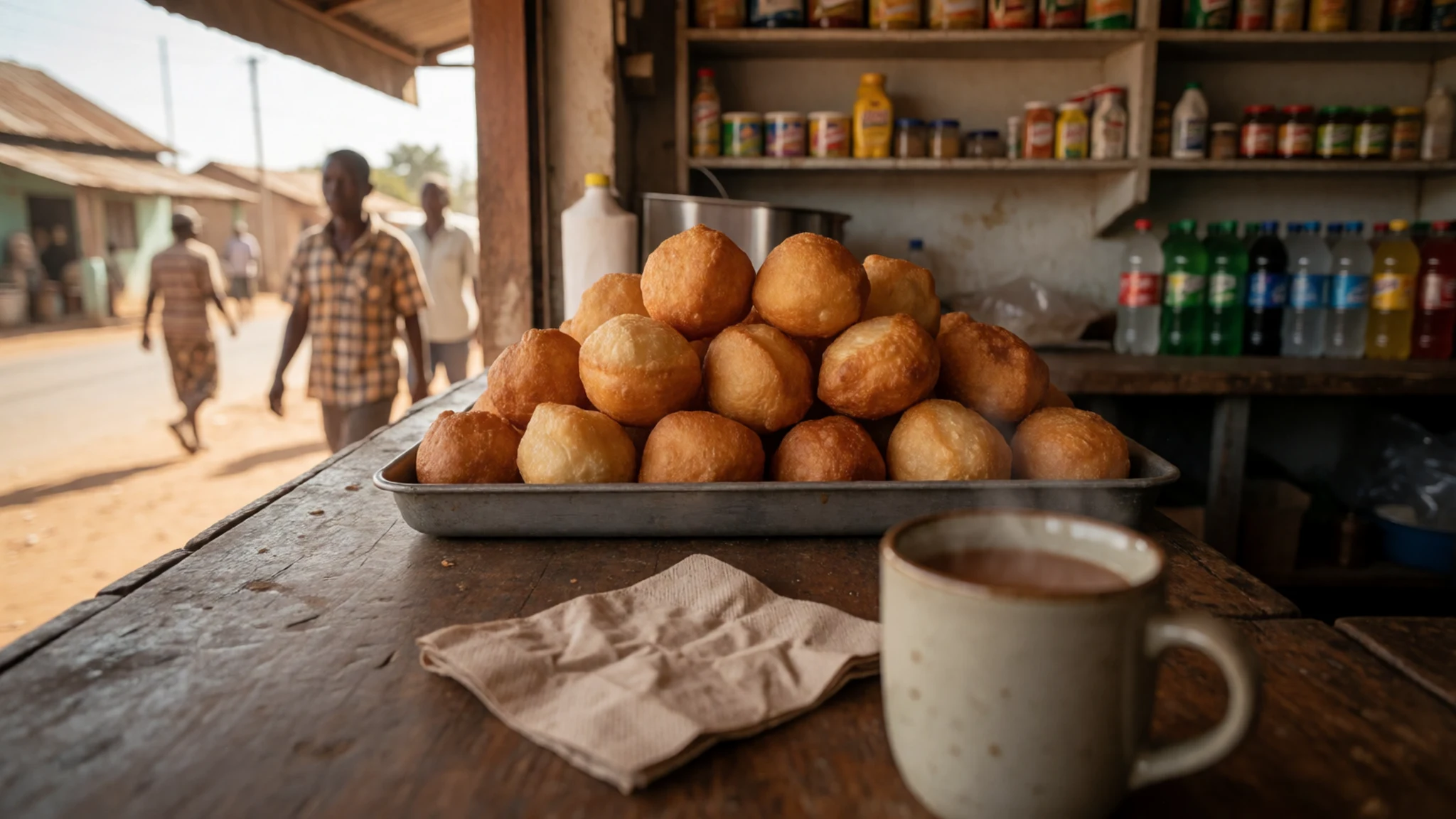
- Grilled chicken (Galinha Piri-Piri) — Local markets and open-air grills on the Mocucune Peninsula
Marinated local chicken grilled over hot coals until smoky and tender, often paired with maize porridge or fresh bread. - Fresh fish from the beach — The shoreline beaches and main road fish stalls
Daily catches bought directly from fishermen hauling their nets onto the sand, perfect for grilling over an open fire.
Plan it
Best time. May to October offers the coolest, driest weather with stable conditions for diving and exploring the coast.
How long. 3–4
Getting there. Take a long-distance bus or tourist shuttle from Maputo north along the EN1 highway to Lindela, then catch a local minibus taxi or chappa for the final leg to Inhambane, Tofo, or Barra.
Budget. mid
Tips
- Carry sufficient physical cash, as card facilities are unreliable outside major lodges
- Bring your own small portable scale if purchasing fresh seafood from beach vendors to verify weights
- Use authorized local dive operators for ocean safaris and water excursions
- Take anti-malarial precautions and use mosquito nets generously
- Book long-distance transport and shuttle seats well in advance
Etiquette
- Always ask permission before photographing local residents
- Dress modestly with covered shoulders and knees when visiting town areas and villages
Nearby
Sources
- Wikidata Q456577 (CC0)
- Wikipedia (rev 1381174264) (CC BY-SA 4.0)
- Wikivoyage (rev 5405171) (CC BY-SA 4.0)
- Photo photos/01-esta-o-do-caminho-de-ferro-inhambane-back-side.jpg (CC BY-SA 4.0)
- Photo photos/02-santamaria.jpg (Public domain)
- Photo photos/03-inpregnanted-mosquito-nets-in-a-malarial-area-in-mozambique-.jpg (CC BY 3.0)
- Photo photos/04-inhambane-dhow.jpg (CC BY 3.0)
- Photo photos/05-esta-o-do-caminho-de-ferro-inhambane-front-side.jpg (CC BY-SA 4.0)
- Photo photos/06-admiralty-chart-no-2931-ponta-zavora-to-ponta-da-barra-falsa.jpg (Public domain)
- Photo photos/07-admiralty-chart-no-647-barra-e-porto-de-inhambane-published-.jpg (Public data)
- Photo photos/08-admiralty-chart-no-648-africa-east-coast-delagoa-bay-to-rive.jpg (Public domain)


