Quirimbas
Quirimbas, Mozambique
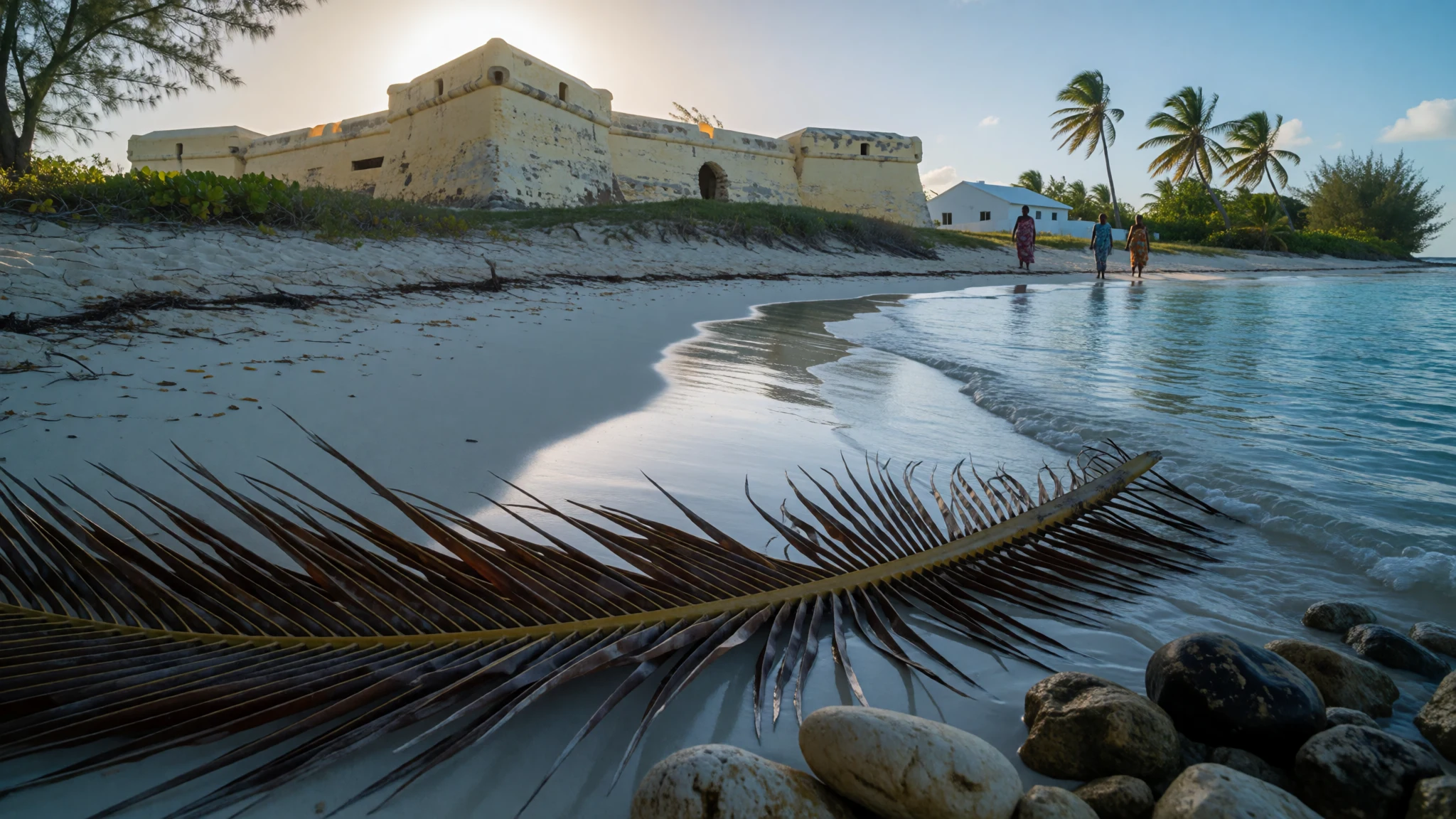
Quirimbas offers mangrove channels, reefs and quiet coral islands off northern Mozambique, with a long coastal history and very few other visitors.
The place
Quirimbas National Park lies on the northeast coast of Mozambique, in Cabo Delgado Province, and joins sea and land in one protected area. Along the coast it runs for about 110 km and takes in the southernmost 11 islands of the Quirimbas chain, among them Ibo, Matemo, Quirimba, Quisiva, Quilálea, Sencar and Rolas. Inland, the park spreads across a large mainland block that includes the Taratibua area, where bare rock hills called inselbergs rise out of the bush. The shoreline is a mix of mangrove channels, sandbanks, coral reef and small islands, so moving around usually means a boat, and the tide shapes much of the day. The climate is tropical. Rain falls from December to April, bringing humidity and storms, while May to September is drier and cooler, though the days stay warm and the sea stays comfortable for swimming all year. Places to stay range from basic beachfront cottages to luxurious villas. The best-known island lodges are small and remote, which keeps numbers low but costs high by Mozambican standards. Nothing here resembles a resort strip: there are no queues, no big towns and few roads worth the name. Supplies arrive by boat, mobile signal comes and goes, and plans bend around weather and tides. Portuguese is the official language of Mozambique, and the park's Swahili name, Hifadhi ya Taifa ya Kirimba, is a reminder that this stretch of coast has long belonged to the wider Swahili world of the Indian Ocean.
Its story
Quirimbas National Park protects a coast that was part of Indian Ocean trade long before the park existed. Swahili-speaking merchants and local communities used these islands as harbours and trading posts, and the Portuguese arrived after Vasco da Gama reached Mozambique in 1498 on the route towards India. They built forts and trading stations along the coast, and Ibo Island, with its old stone buildings and star-shaped fort, still carries that mark. The coast was tied into the spice and slave trades for centuries, a history that sits uneasily beside the island's calm today. In 1962 several anti-colonial groups joined to form FRELIMO, which fought Portuguese rule until Mozambique became independent in 1975. Conservation came much later. The park was formally established in 2002, and from 2002 to 2010 the World Wide Fund for Nature ran it under an agreement with the government, continuing to offer technical help for some years afterwards. The idea was that local communities, park authorities and tour operators would share responsibility and benefits, with a fishery management programme and support for livelihoods that spare the reefs. A review in 2010 found real weaknesses: too little money, too few incentives for rangers and slow follow-up on reported violations. It also recorded better numbers, sizes and variety of marine species, which suggests the approach has had some effect.
What to see
- Ibo Island — Ibo Island, southern Quirimbas Islands
Ibo Island is the park's main cultural stop. Its old town holds weathered colonial buildings, a star-shaped fort and quiet lanes, and the pace is slow. Walk early before the heat builds, then visit the fort and the waterfront where wooden boats are loaded. Local guides explain how the island fits into the coast's trading past.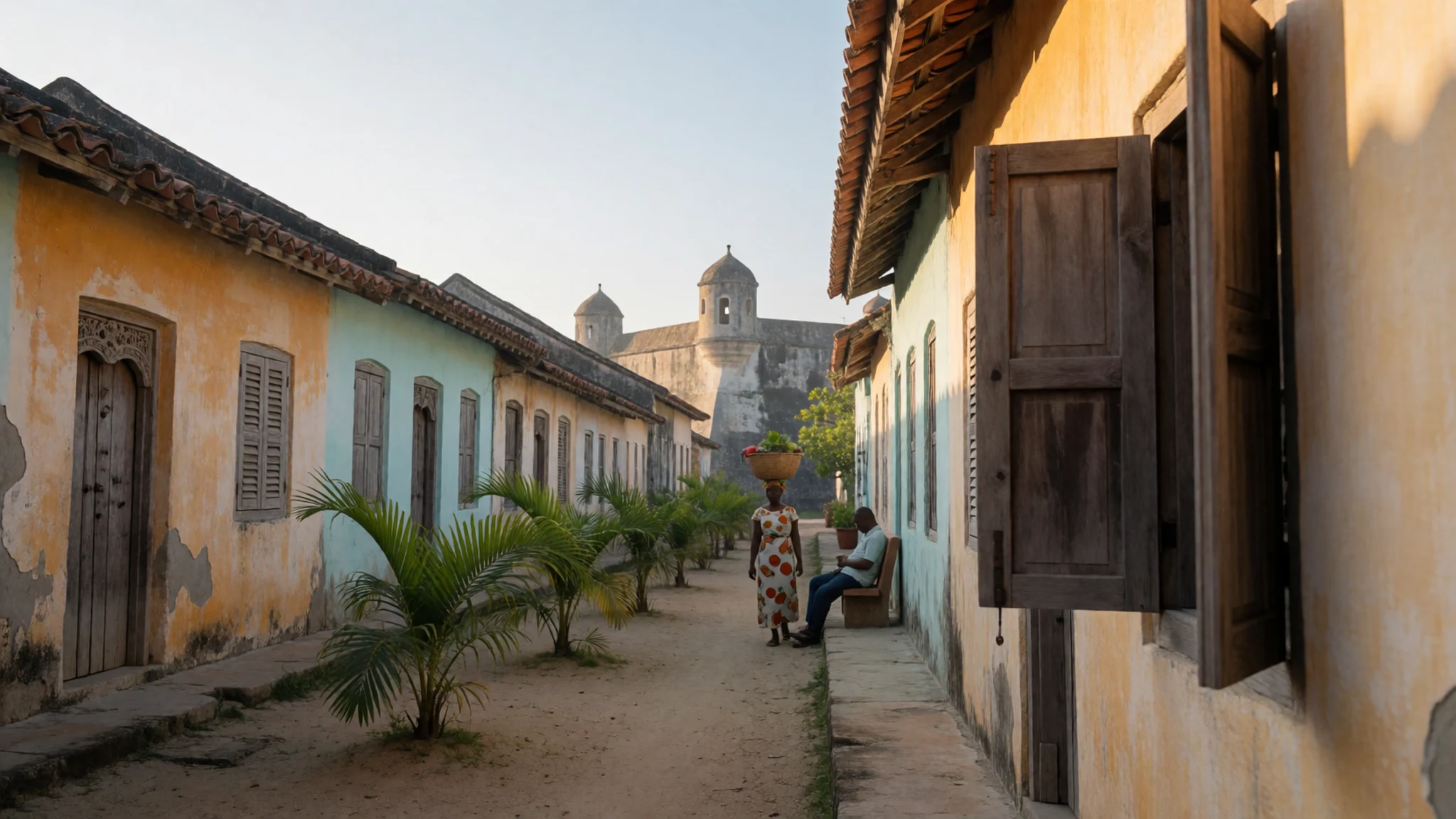
- Mangrove channels — Coastal channels around the islands
The mangroves along the park's shoreline form tangled green channels that shelter young fish, crabs and birds. Visits are by small boat or kayak, timed to the tide, since the water can be too shallow at low tide. White mangrove, with its pale bark and pencil-like roots, is among the species seen here.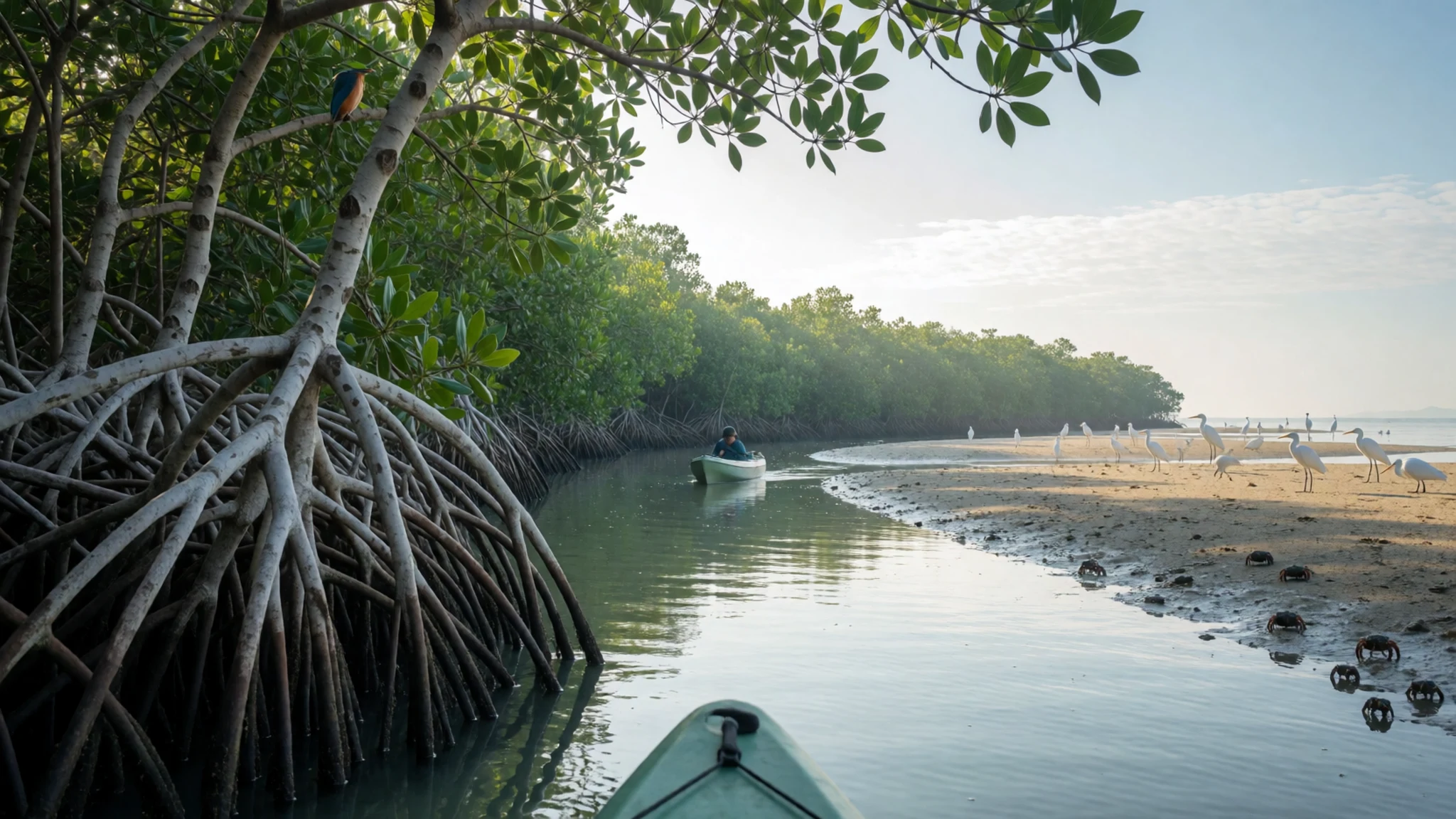
- Matemo and Quilálea reefs — Matemo and Quilálea islands, Quirimbas National Park
The reefs around Matemo and Quilálea are the main draw for divers and snorkellers. Water temperatures stay comfortable all year, and visibility is usually best in the drier months. Most trips go with a lodge or a licensed operator, who knows the tides and the sites. Check conditions and park rules before booking.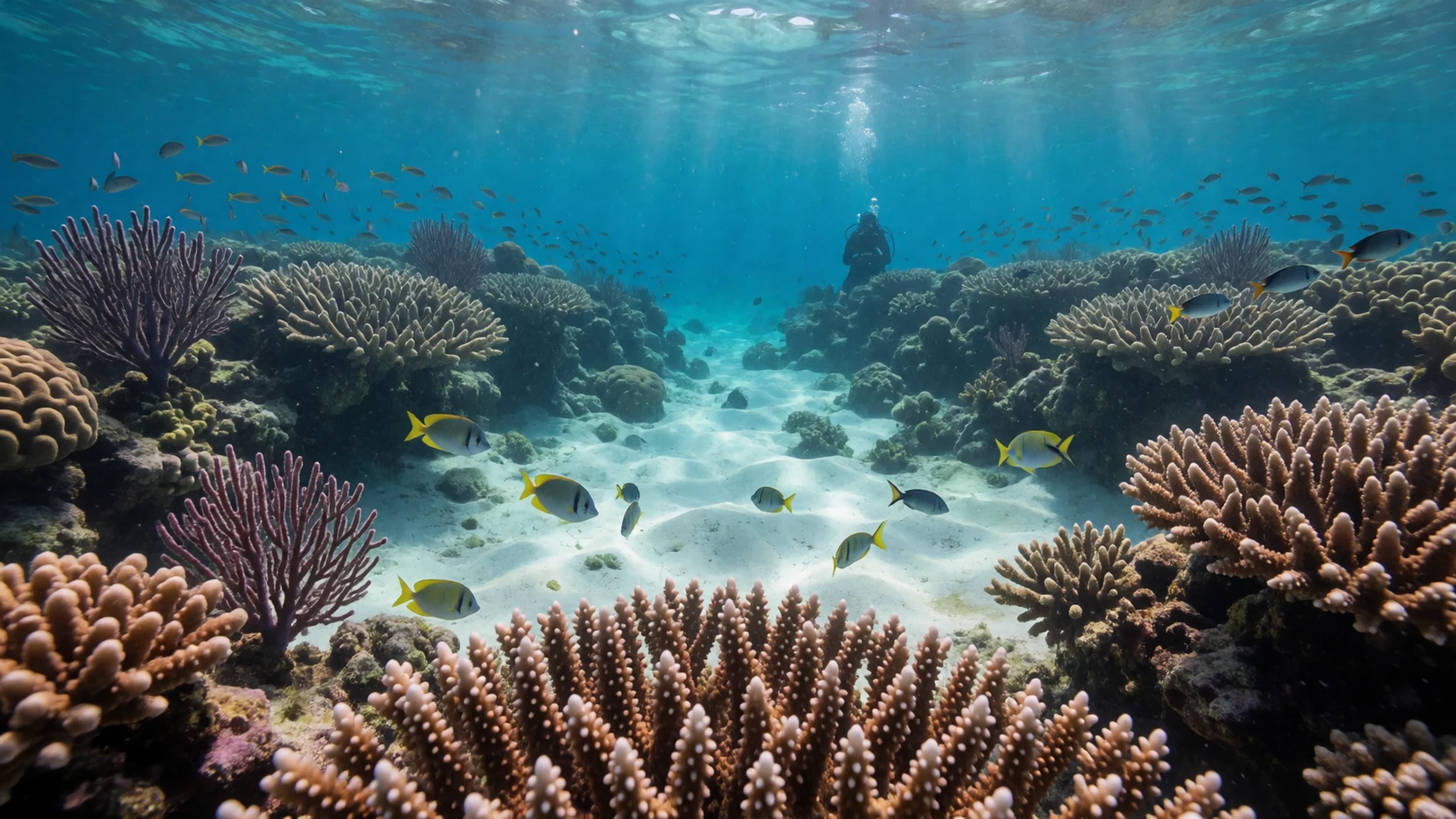
- Medjumbe lighthouse — Medjumbe Island, Quirimbas archipelago
A small lighthouse on Medjumbe has become a local curiosity. A photographer's note on Wikimedia Commons says it was built in the 1930s, worked briefly and then failed, though that story is hearsay. It is easy to reach on foot from the beach, and it makes a good subject for photos at sunrise or in the late afternoon.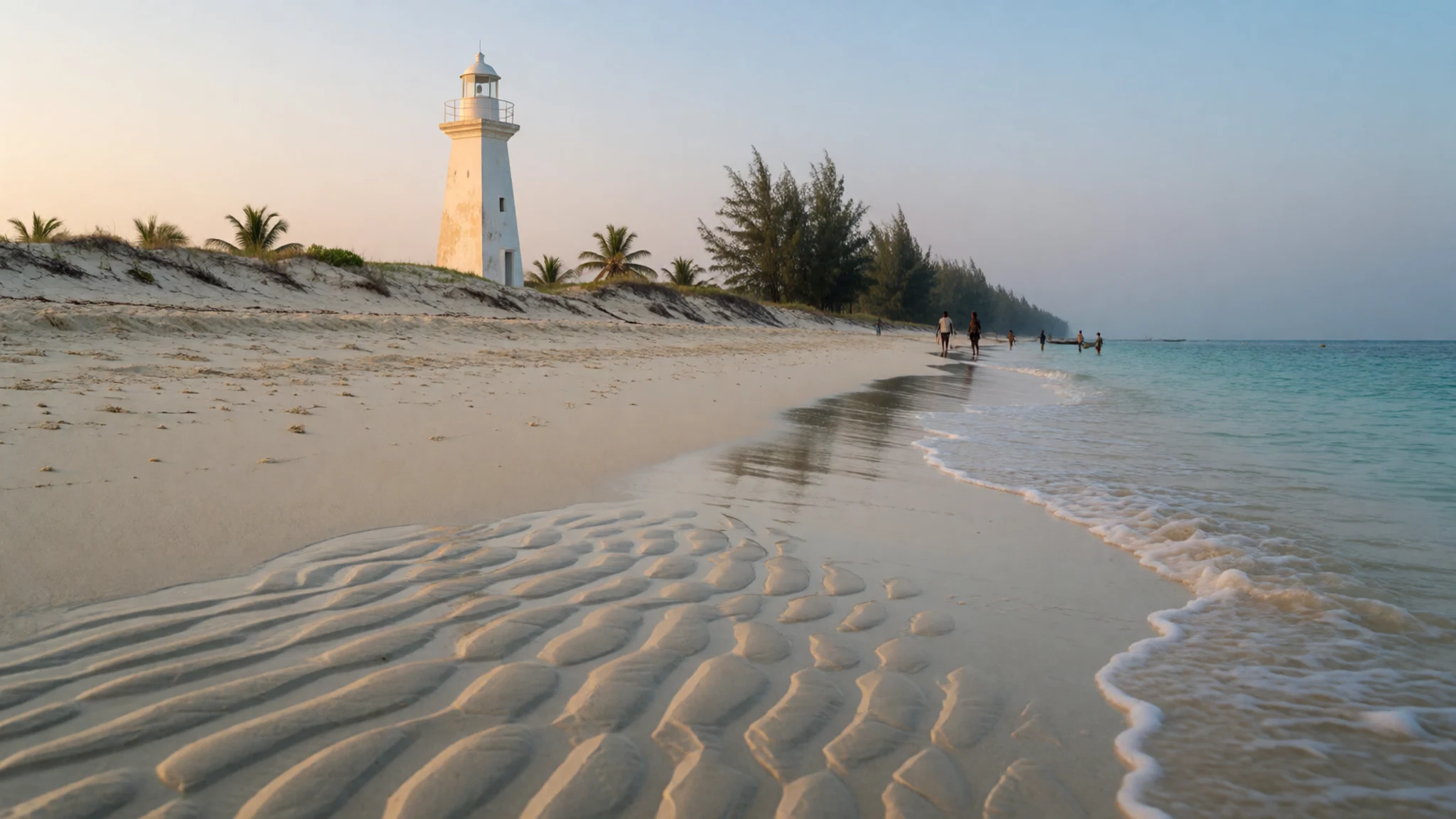
- Taratibua inselbergs — Mainland Quirimbas National Park
On the mainland side of the park, the Taratibua area holds inselbergs: isolated rock hills standing above the surrounding forest and savannah. Visits are less developed than the island trips and normally need a local guide and a vehicle. They suit travellers who want a change from the sea and an interest in wildlife and geology.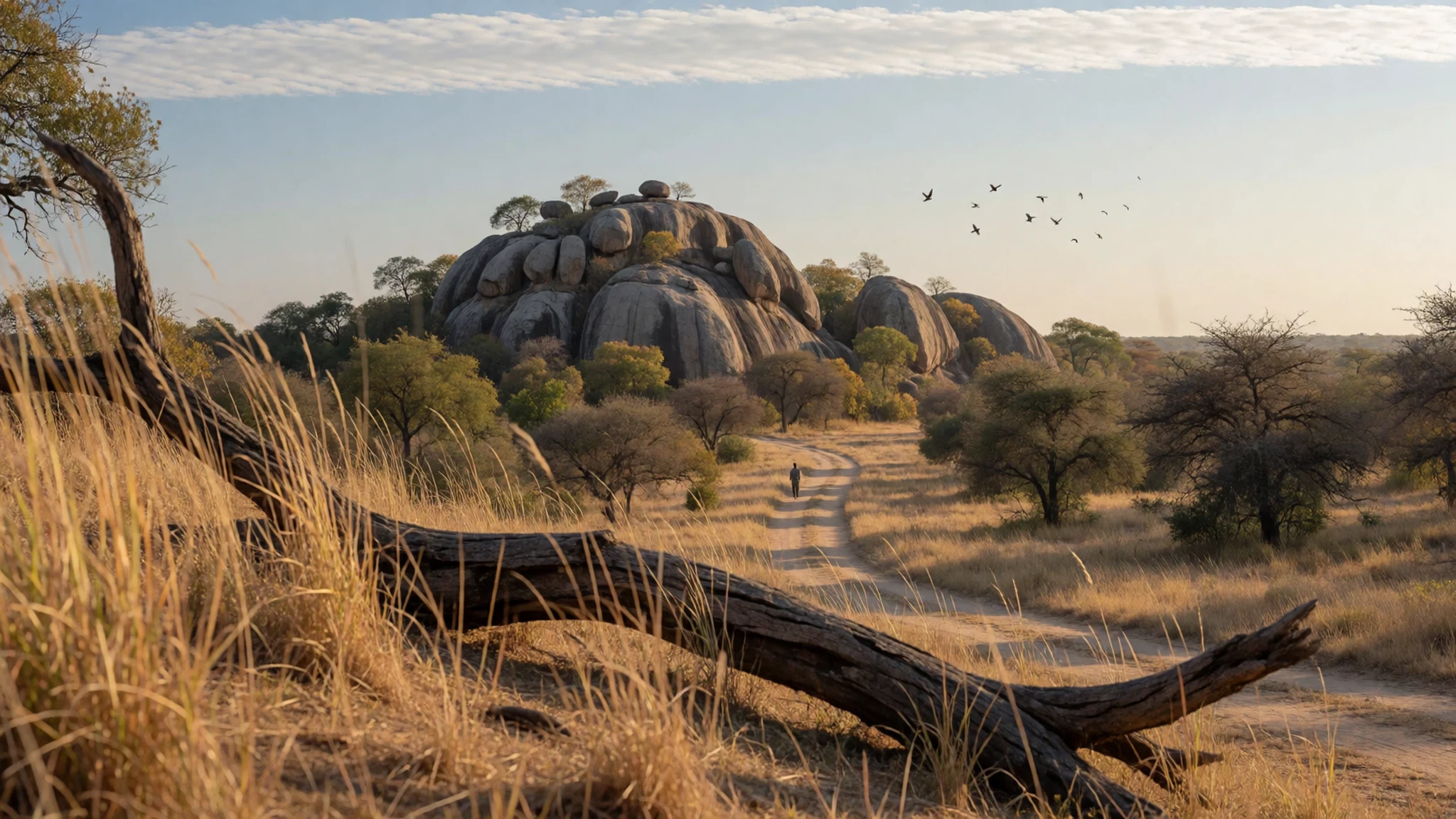
- Quirimba Island — Quirimba Island, southern Quirimbas Islands
Quirimba Island, which shares its name with the archipelago, is quieter than Ibo and mainly home to fishing communities. A visit works best with a local boatman who can arrange landing, a walk through the village and time on the shore. Respect village life, ask before taking photographs and expect very few services.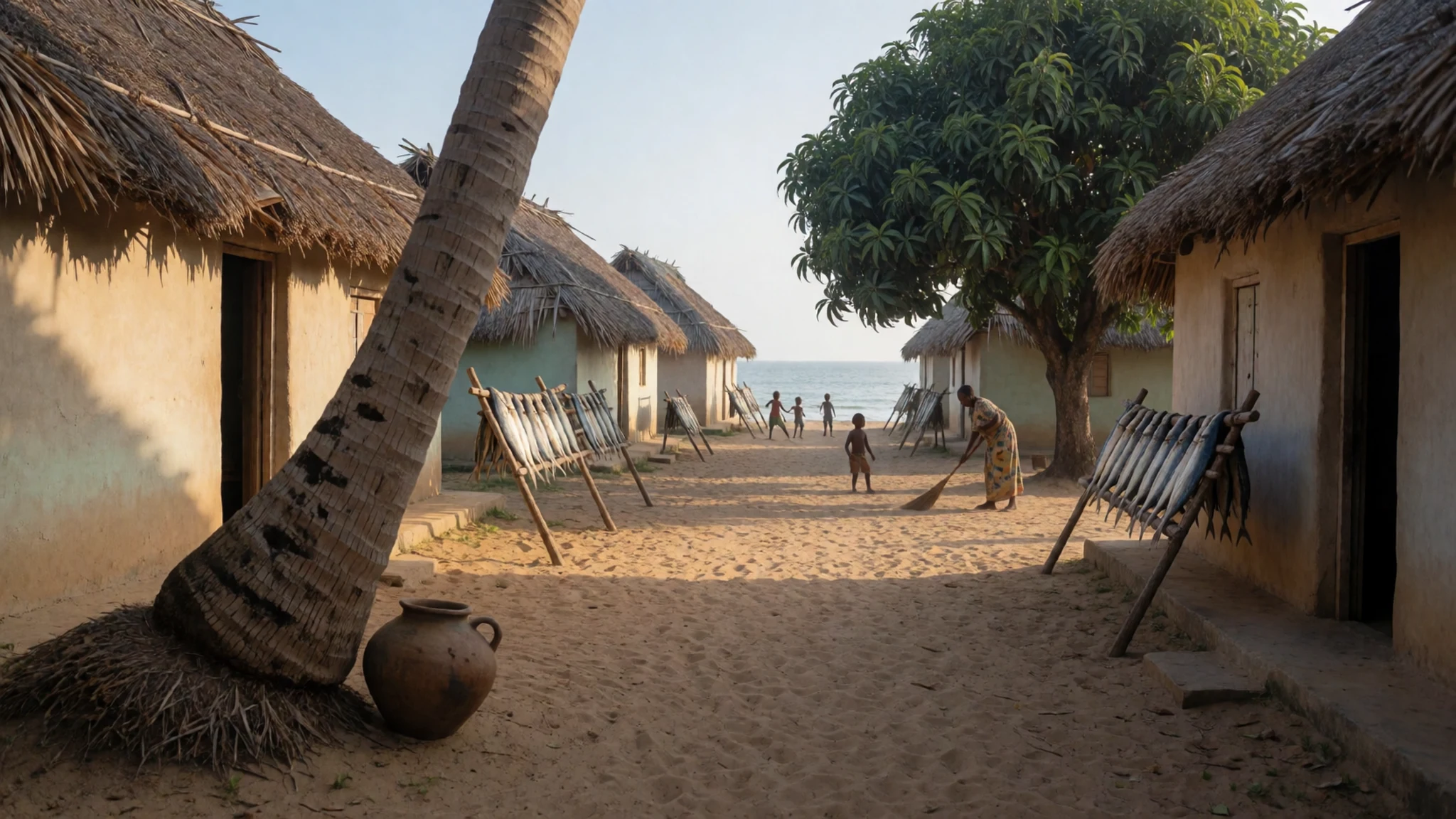
Culture
Quirimbas National Park sits in a part of Mozambique where Swahili coast traditions meet Portuguese colonial history and the rhythms of fishing villages. Many coastal communities are Muslim, and mosques, Friday prayers and the call to prayer shape daily life on islands such as Ibo. Fishing is central: dhow-style sailing boats, handmade nets and the daily landing of the catch bring villages to life in the early morning and late afternoon. Portuguese is the official language, but people also speak local languages, and a few words of greeting, whichever the language, go a long way. Ibo is known for its old buildings, a legacy of centuries of trade, and for silverwork, a craft that visitors can see and buy from local makers. Conservation is a social matter here as much as an ecological one: the park's management has aimed to share benefits with local communities, and fishing rules directly affect household incomes. Visitors will often be asked to pay for boat trips or guides at a fair local rate, and that spending matters. Safety deserves a sober word. The brief for this reading notes that women should not walk alone on beaches, and the wider province has had security problems, so it is sensible to check current government travel advice and ask lodge staff before moving about. Always ask permission before photographing people in villages, and respect local dress and prayer times.
What to wear
Quirimbas has no single national costume, but the capulana, a printed cotton cloth wrapped as a skirt, shawl or head covering, is the textile most people associate with Mozambique's coast. Women wear it daily and for celebrations, and the patterns and colours are chosen for the occasion. Many Muslim families on the islands also favour long robes, a kofia cap for men and a headscarf for women, especially on Fridays and at religious events. Some women on the northern coast wear a pale paste on the face, called mussiro, as skin care and decoration. Day to day, most people wear practical clothes: shirts, shorts or trousers for fishing and farming, and a capulana for women at home or in the village. In the lodges, the dress is casual beachwear. Visitors should pack light cotton or linen that covers shoulders and knees for village visits, a wide-brimmed hat, strong sunscreen and a long-sleeved top for sun and insects on the boat. Swimwear is for the beach and the lodge only; cover up when walking through a village. Reef shoes protect against sea urchins and sharp coral, and sandals are enough for most island paths. For the rainy season, add a light waterproof layer.
What to eat
- Matapa — Village eateries and island lodges across the park
Matapa is a stew of cassava leaves cooked down with clams, crab or prawns, usually served over rice. It is one of Mozambique's staple dishes, rich and slightly bitter, and it tastes best made with the day's local catch.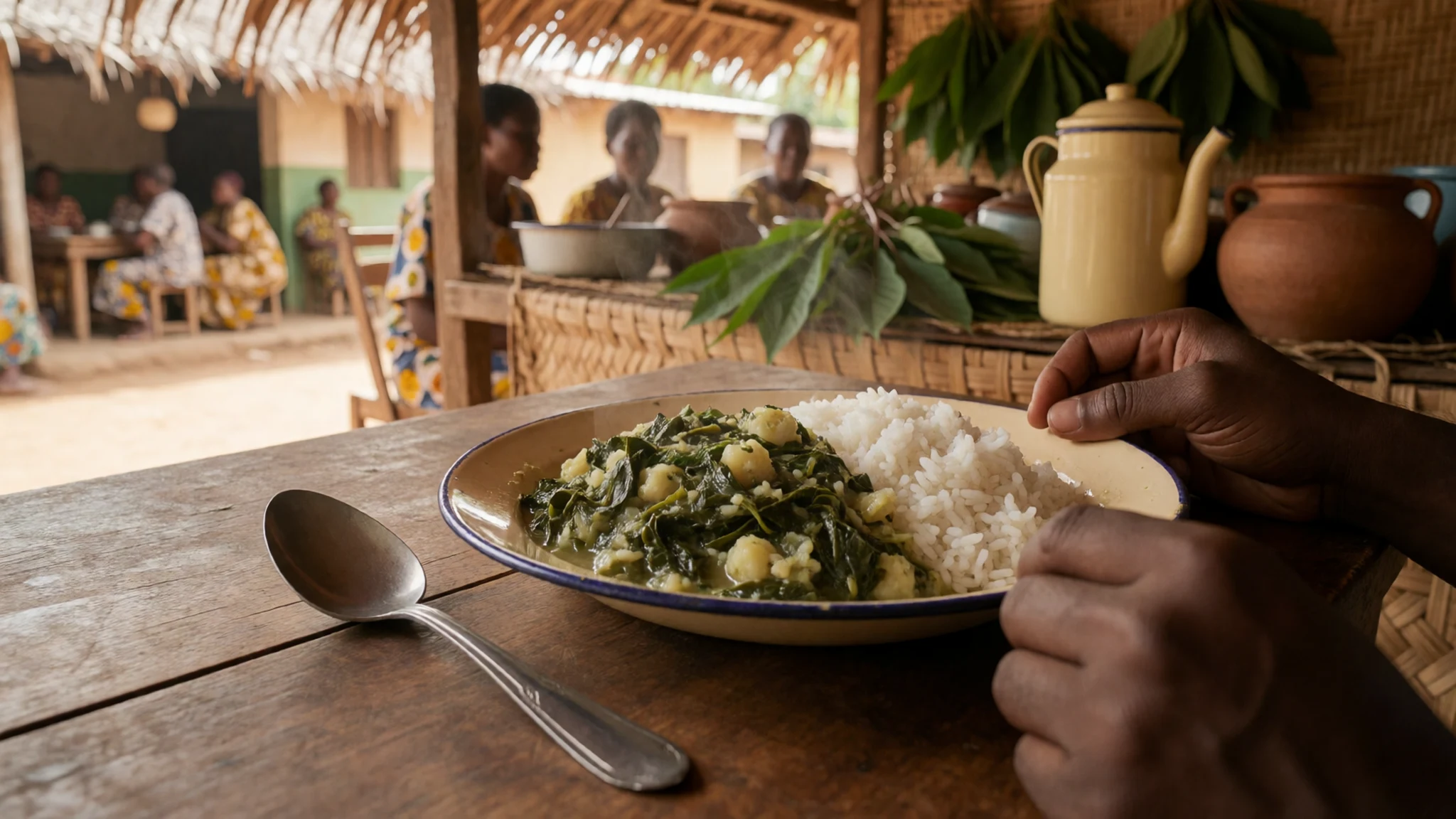
- Camarão with piri-piri — Beachfront restaurants and lodge dinners
Mozambican prawns are marinated in piri-piri, garlic, onion, lemon and vinegar, then grilled. The result is hot, sharp and fragrant. Ask for the sauce on the side if you prefer less heat.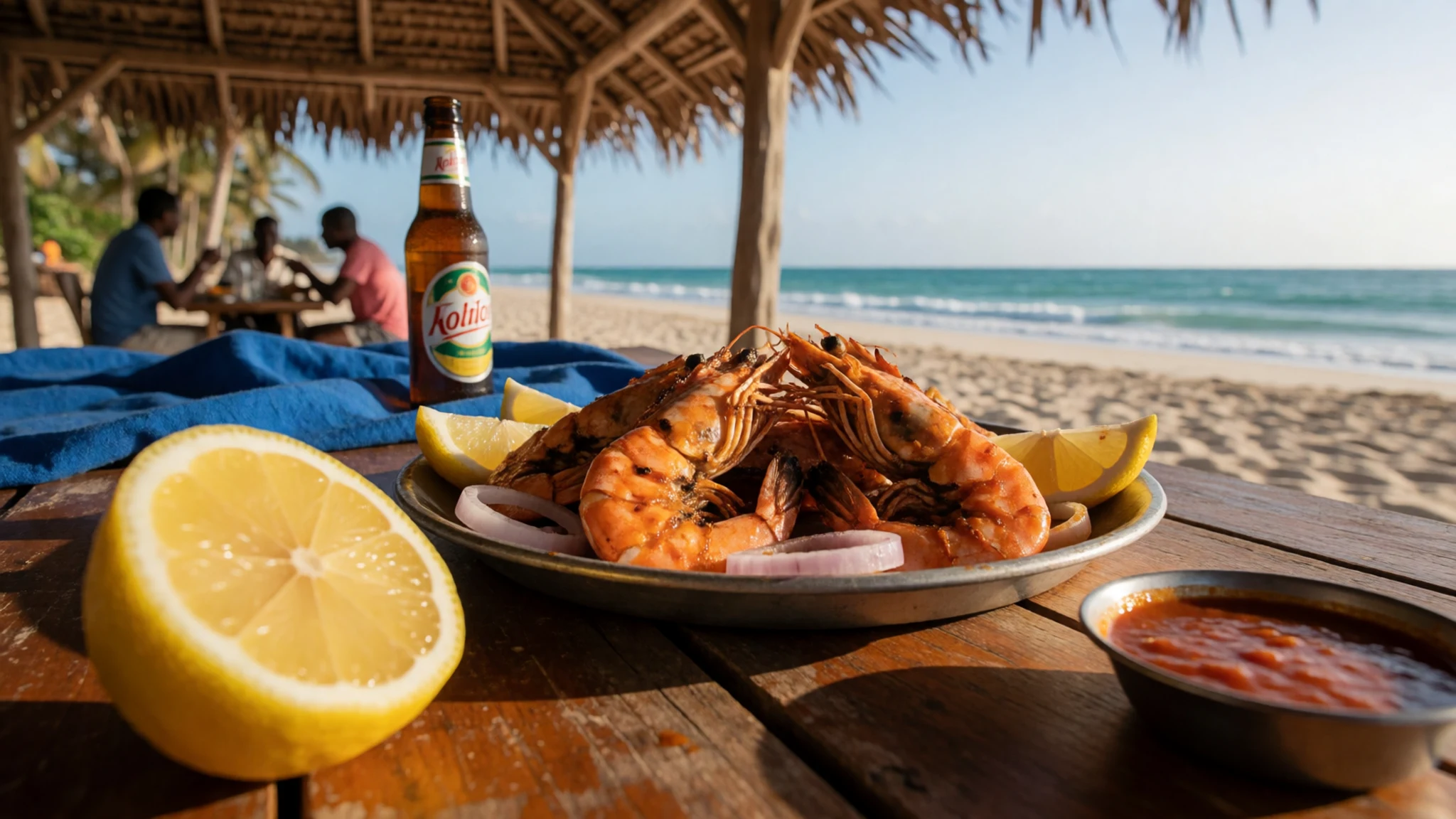
- Grilled crayfish and local seafood — Fishing villages, landing beaches and lodge kitchens
Crayfish and other seafood are often caught close to shore and grilled with a piri-piri marinade, then served with rice and matapa. The choice depends on the day's boats, so ask what came in that morning. - Pãozinho — Bakeries and small cafés on the mainland, and lodge breakfasts
Pãozinho is a soft, slightly sweet Portuguese-style bread roll, a legacy of colonial cooking. It is eaten plain with tea at breakfast or filled with meat, such as beef or fried pork, for a quick lunch. - Piri-piri sauce — On almost every restaurant table and in local markets
Piri-piri is a fiery sauce made from the African bird's-eye chilli, found on tables across Mozambique. It goes on grilled fish, prawns and chicken. Start with a drop, since it is stronger than most chilli sauces.
Plan it
Best time. May to September, when the park is drier and cooler. The rainy season runs from December to April and brings humidity, storms and rougher boat days. Sea temperatures are comfortable all year.
How long. 4–6
Getting there. Fly to Pemba Airport, usually connecting through Maputo or another larger hub, then arrange the last leg by road and boat or light aircraft through your lodge or a local operator. Island transfers depend on tides and weather, so leave slack in your schedule.
Budget. high
Tips
- Book lodges and transfers well ahead, since the islands have few rooms and transport is limited
- Carry some cash in meticais; card machines and ATMs can fail, and exchanging foreign currency is difficult outside Mozambique
- Drink bottled or treated water only, as tap water in Mozambique should be assumed unsafe
- Check current government travel advice for Cabo Delgado before booking, and check visa rules for your nationality
- Take sun protection, insect repellent and any medication with you, as supplies on the islands are limited
Etiquette
- Ask before photographing people, boats or homes in villages
- Cover shoulders and knees when walking through villages and near mosques
- Follow park and lodge rules on reefs, turtles and mangroves, and do not take coral or shells
Nearby
Sources
- Wikidata Q1546990 (CC0)
- Wikipedia: Quirimbas National Park (rev 1362899690) (CC BY-SA 4.0)
- Wikivoyage: Mozambique (rev 5364242) (CC BY-SA 4.0)
- Photo: Avicennia marina - white mangrove, Ton Rulkens (CC BY-SA 2.0)
- Photo: Medjumbe Lighthouse, Chris Chilton (CC BY 2.5)
- Photo: Mozambique relief location map, Carport (CC BY 3.0)
- Photo: Quirimbas National Park map, Snazerali (CC BY-SA 4.0)


