Skeleton Coast
Skeleton Coast, Namibia
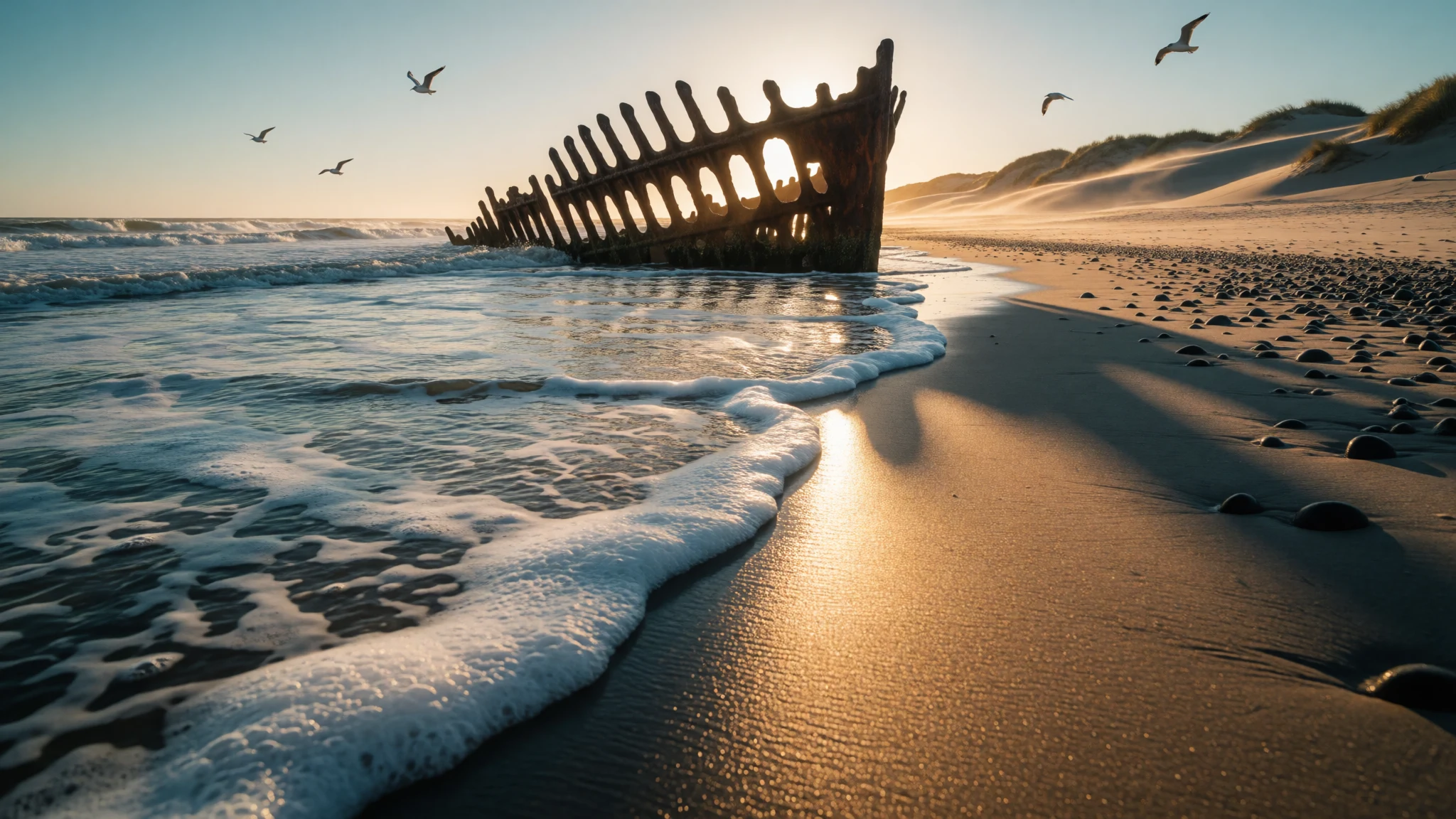
Skeleton Coast is Namibia's fog-bound desert shore, where wrecks, dunes, seals and silence replace the usual beach holiday.
The place
The Skeleton Coast forms the northern portion of Namibia's Atlantic shore, extending from the Kunene River on the border with Angola as far as the Swakop River, though the term is formally or informally broadened to include the entire desert coastline. Cold water rising in the Benguela current meets the hot air of the Namib, and the result is fog that blankets the shore for much of the year, with almost no rain. Wind blows off the land towards the sea, and a heavy surf pounds the beaches without a break. Historically that made arrival easier than departure: a boat could be driven ashore through the breakers, but launching it again was a struggle, and the only other way out was a long trudge inland across dry, hot desert. The old names tell the story. San people of the interior spoke of a land God made in anger, and Portuguese sailors called it the Gates of Hell. The ground changes as the coast runs north. Soft sand dominates, broken here and there by rocky outcrops. In the south, gravel plains spread inland, while beyond Terrace Bay the dunes grow tall. Much of it is protected as a national park, and the appeal is emptiness rather than any single monument. Expect cold grey mornings, wind, long hours on the road and very few services. Surfers know Skeleton Bay for its wave. This is a place for people who like space, silence and a little discomfort, not for anyone hoping to swim and sunbathe.
Its story
The Skeleton Coast earned its name from what the sea left on it. Ships came to grief on rocks lying just beneath the surface and in the thick fog of dusk and dawn, and any crew that reached the beach faced a broad belt of desert with no water, no food and no settlement. Long before steamships, people had already passed this way. Shell middens of white mussels along parts of the shore mark visits by the Strandlopers, beachcombing groups who lived off the tideline. Among the early wrecks is the Bom Jesus, an Iberian vessel lost near the town of Oranjemund in the sixteenth century, which researchers count among the oldest wrecks of its tradition found in sub-Saharan Africa. The twentieth century brought its own dramas. In 1942 the Dunedin Star, a British refrigerated cargo liner, was driven aground. Everyone aboard was saved in the end, but the rescue cost a tug, a South African Air Force aircraft and the lives of two rescuers. John Henry Marsh told the tale in a book called Skeleton Coast. Trouble has not stopped with modern navigation. In March 2018, Namibian authorities rescued the foreign crew of the Japanese fishing vessel Fukuseki Maru after it hit the coast close to Durissa Bay, to the south of the Ugab River mouth. The rusting hulls on the sand are a reminder that the fog and the surf have changed far less than the ships.
What to see
- Shipwrecks on the sand — Southern coast near Henties Bay and the park's southern end
Rusting hulls and scattered wreckage line the shore, left by vessels beaten by fog, current and surf. Some can be seen from authorised routes or on guided outings, while others sit in restricted areas. Stay on marked tracks, because wheel ruts in this desert last for centuries.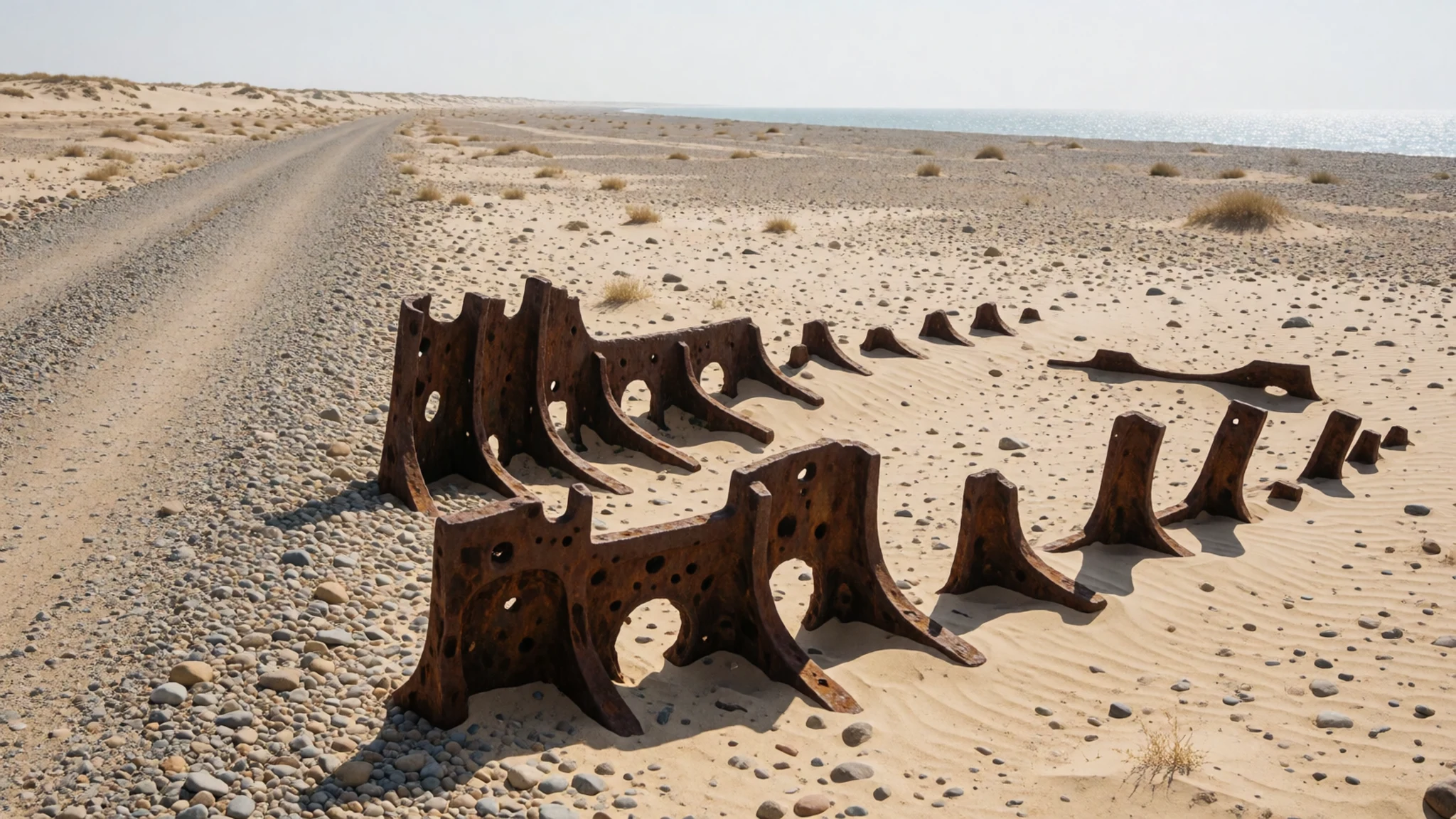
- Lichen fields — Gravel plains inland of the southern coast
Fog feeds extensive lichen fields across the gravel plains, with more than a hundred species recorded and some patches surprisingly colourful. They grow extremely slowly, so look from established roads and stopping places only. One careless footstep or a single tyre track can undo years of growth.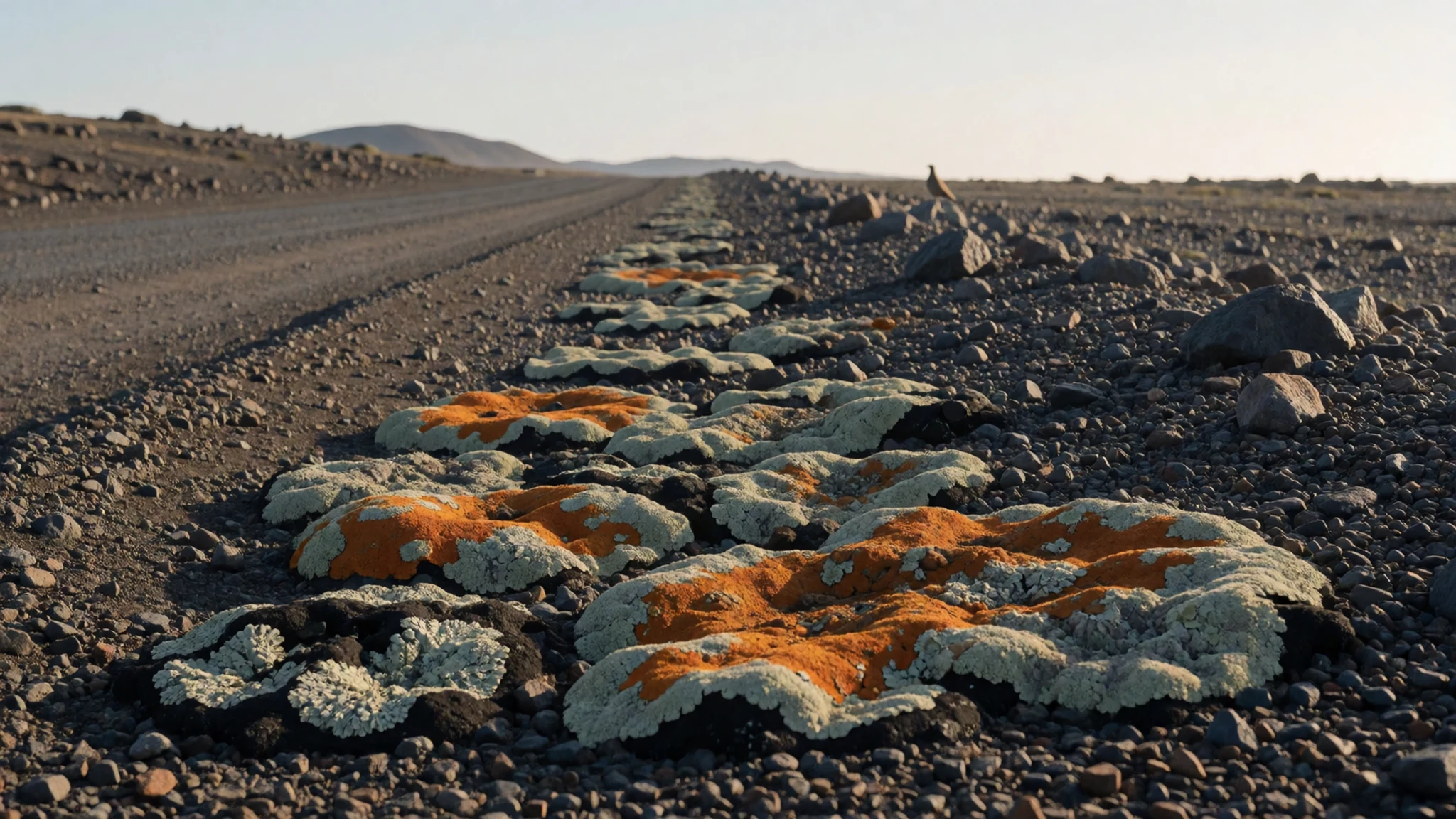
- Terrace Bay and the Uniab River Delta — Central park coast
Terrace Bay is the main base for visitors, with the park's principal public restaurant. Nearby, the Uniab delta shows how life follows water: dunes, coastal birds and animal tracks cross a river system that is usually dry. North of here, access needs a guide.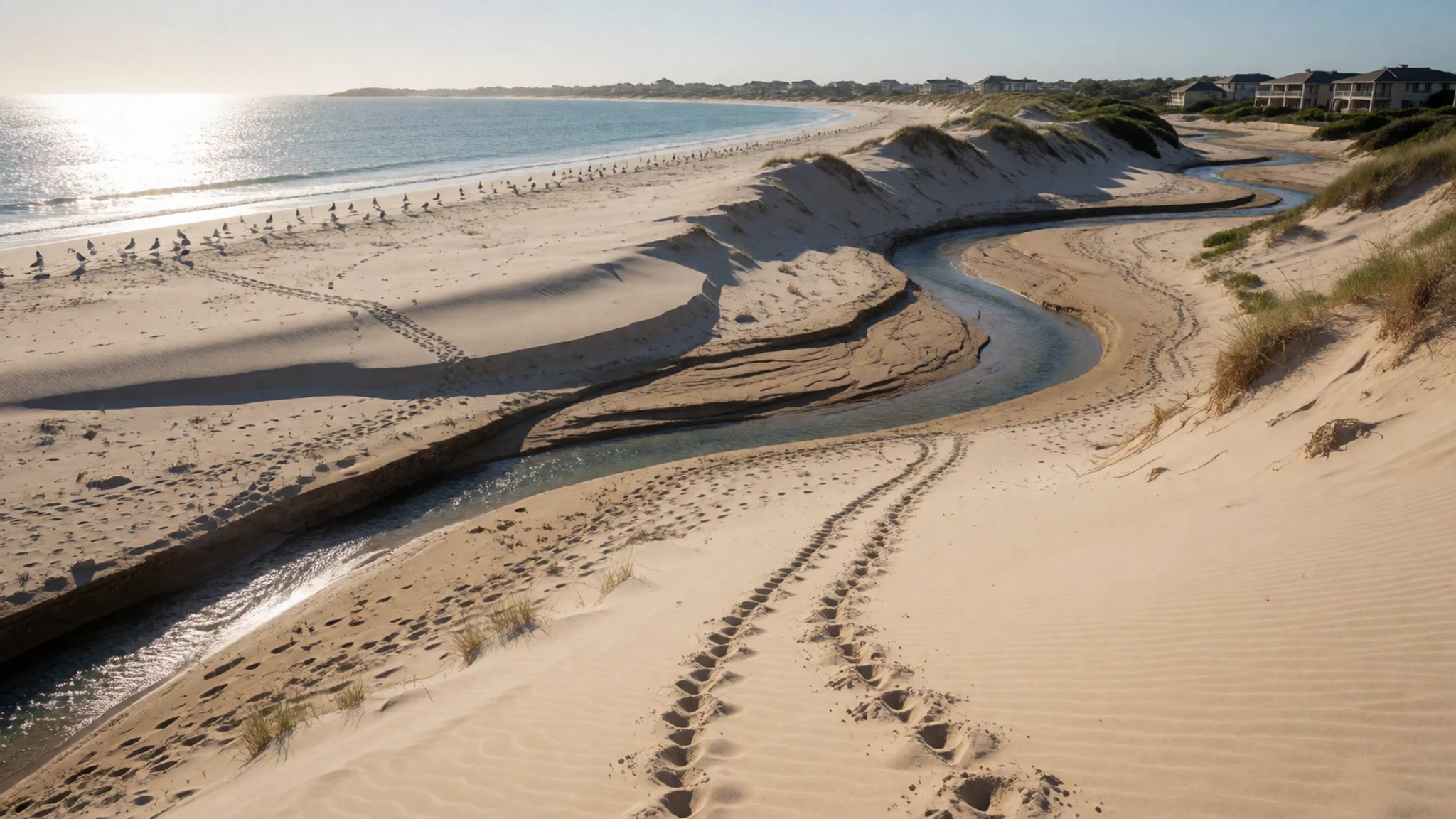
- Seals, birds and desert wildlife — Beaches, river mouths and dry river valleys
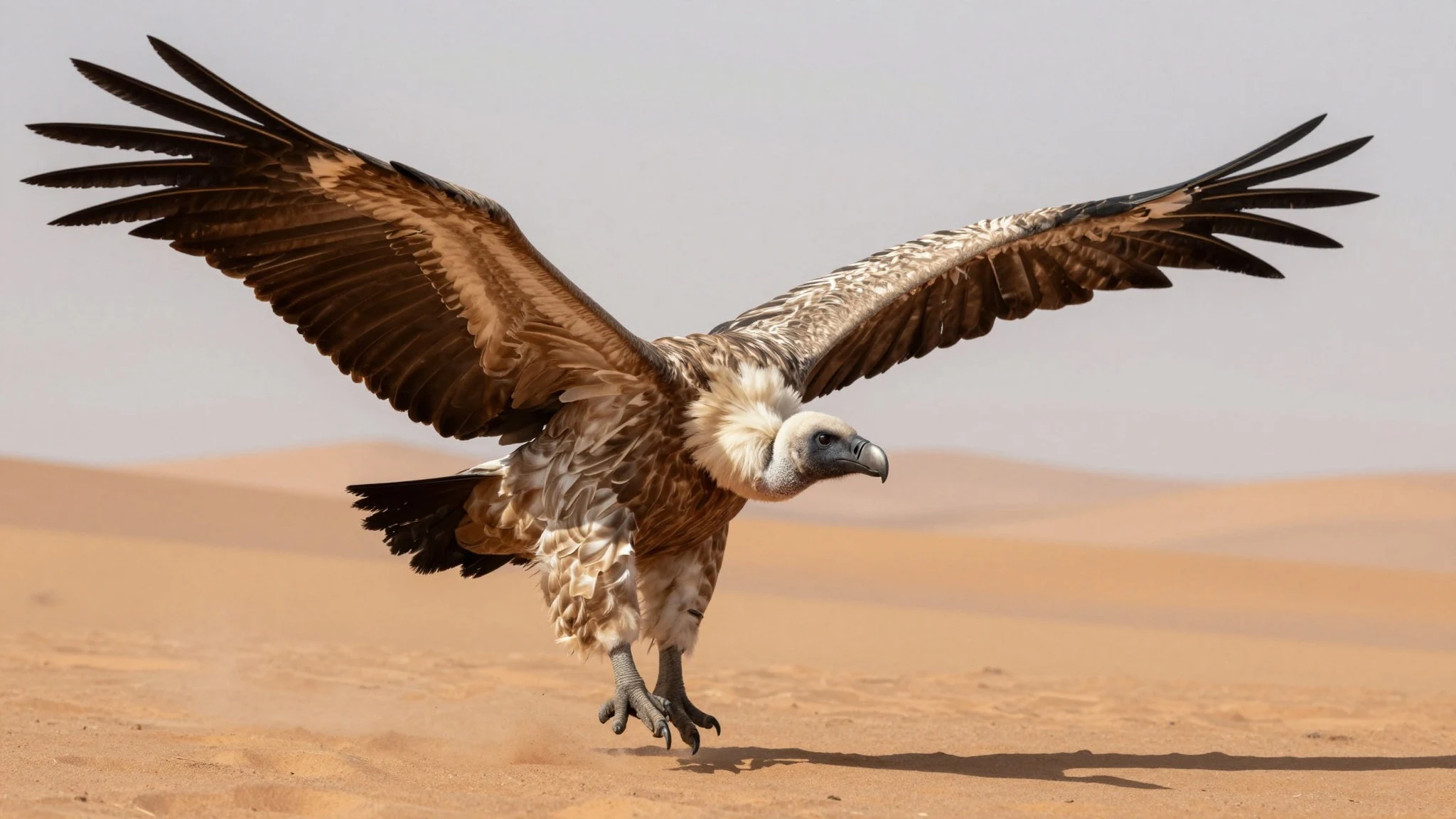
Fur seals gather on the beaches, and over three hundred bird species have been recorded, including flamingos, vultures and larks. On land, gemsbok, springbok, mountain zebra and jackals appear thinly. Desert-adapted elephants, rhinoceroses, lions and cheetahs live in the wider wilderness but are elusive.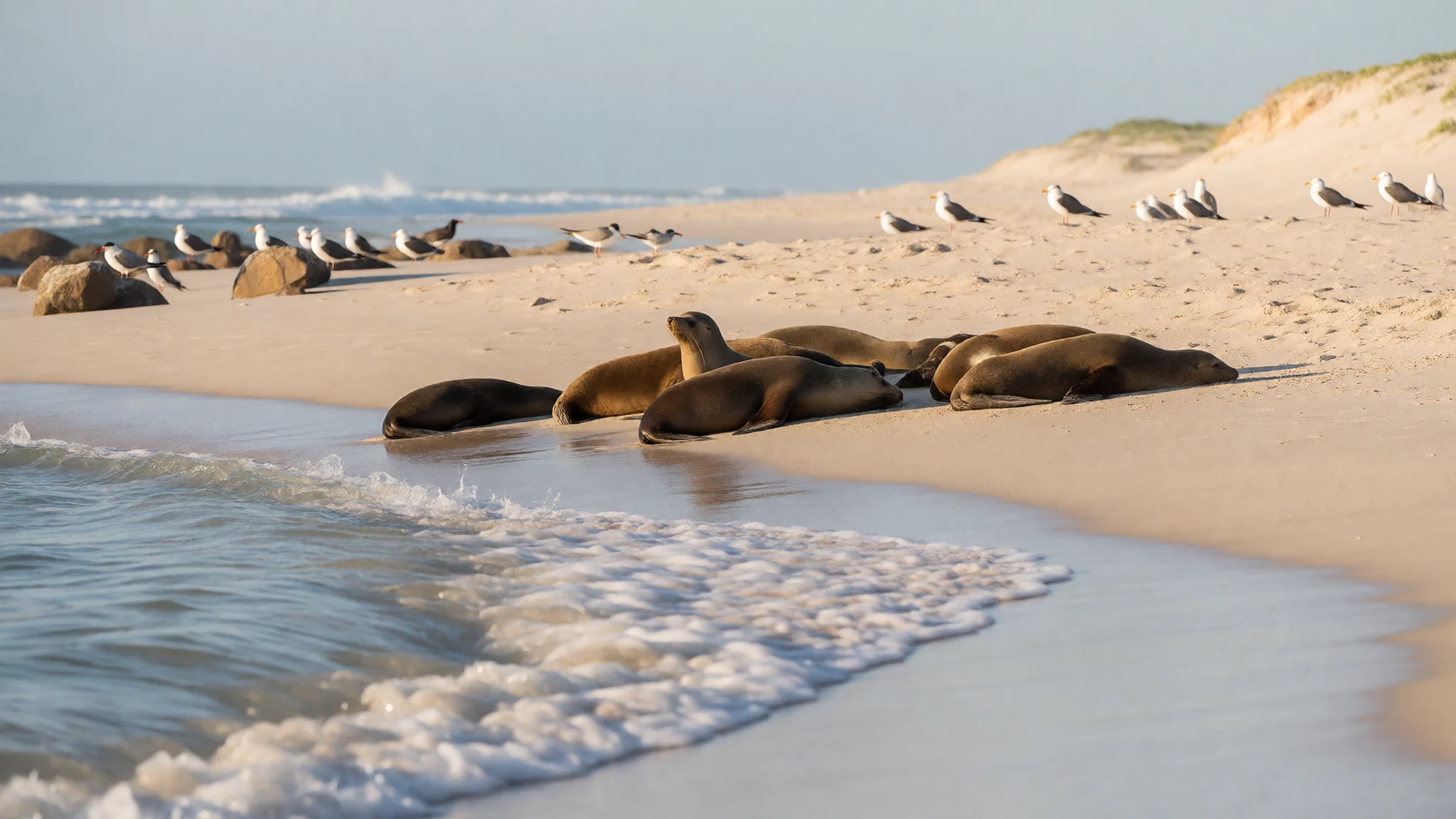
- Kunene River mouth — Northern end of the park, Angolan border
At the far northern end, the Kunene River meets the Atlantic on the Angolan border, forming a wetland that is especially important for birds. Access to this remote sector is controlled, so it is usually reached on a fly-in tour or through a lodge with the right concession.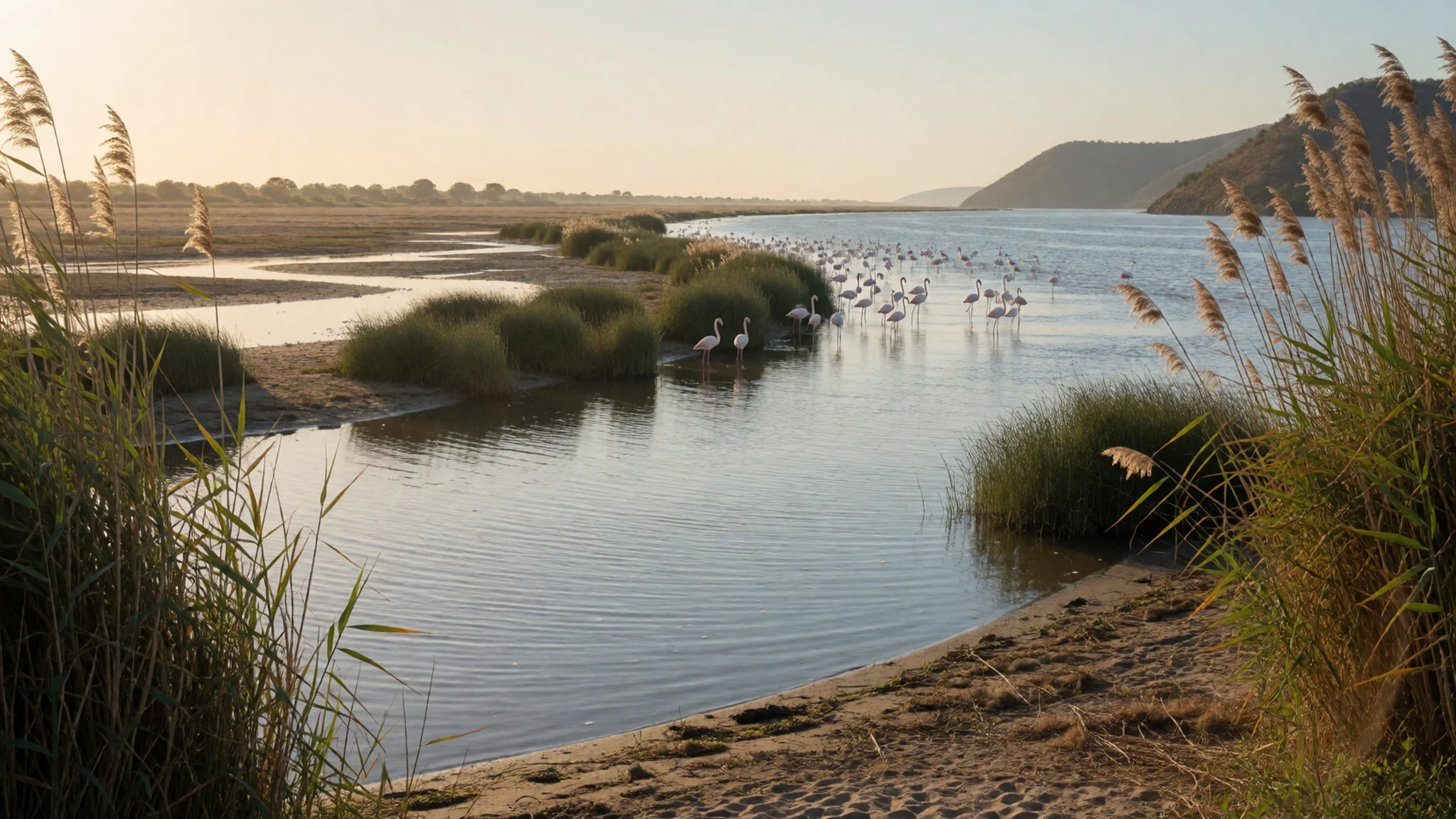
Culture
Culture on the Skeleton Coast is less about living traditions than about memory and absence. The shore has very little permanent settlement, and the stories attached to it come from those who passed through. San people of the Namibian interior gave the region a name that speaks of anger and hardship. Portuguese sailors had their own, which compared it with the gates of hell. Sailors' accounts, rescue tales and the books written afterwards keep the idea of the Skeleton Coast alive far beyond Namibia. Older traces sit quietly in the sand, such as the shell middens left by the Strandlopers. They are easy to miss and impossible to replace once disturbed. Today the culture of the place is also one of care. Because tracks and footprints last so long in the desert, the park's rules about staying on marked routes are taken seriously, and guided access to the north is part of that thinking. Namibia's wider cultures lie inland, and visitors who want to meet communities usually do so elsewhere in the country on the way to or from the coast. Many people come here for the solitude and leave with a sharper respect for how thin human presence is on this shore. Leave wrecks, shell middens and lichen exactly as found, stay on marked tracks, and take every scrap of rubbish out with you.
What to wear
Skeleton Coast has almost no permanent population, so there is no coastal costume tradition to describe, and traditional dress belongs to the wider region. In Namibia, Herero women are known for long, full Victorian-style dresses worn with a horn-shaped headdress, a look rooted in the colonial era and still worn at festivals and on formal days. Himba communities in the north-west use ochre, leather and metal ornaments. Everyday dress in Namibian towns is plain and practical: jeans, shirts, fleeces and sturdy shoes, with sports and outdoor clothing common. A visitor should dress for exposure rather than for show. Mornings are cold and foggy, the wind is steady, and the sun can be fierce once the fog lifts, so layers matter. Pack a windproof jacket, a fleece, long trousers, a hat, sunglasses and a lot of sunscreen, enough to last the whole stay. Closed shoes with a good grip suit gravel, sand and rocky outcrops; sandals are fine for camp only. There are no shrines or temples to dress for, and modest, everyday clothing is fine in lodges, though a scarf or buff is useful against blowing sand. Swimwear is rarely needed, because the water is cold and the surf is heavy and dangerous.
What to eat
- Restaurant meals at Terrace Bay — Terrace Bay Resort restaurant
The park's principal public restaurant is at Terrace Bay Resort. Meals are simple and made for people staying in an isolated place. Long supply lines mean fresh ingredients and menu choice can be thinner than in Namibian towns, so treat it as a base, not a destination.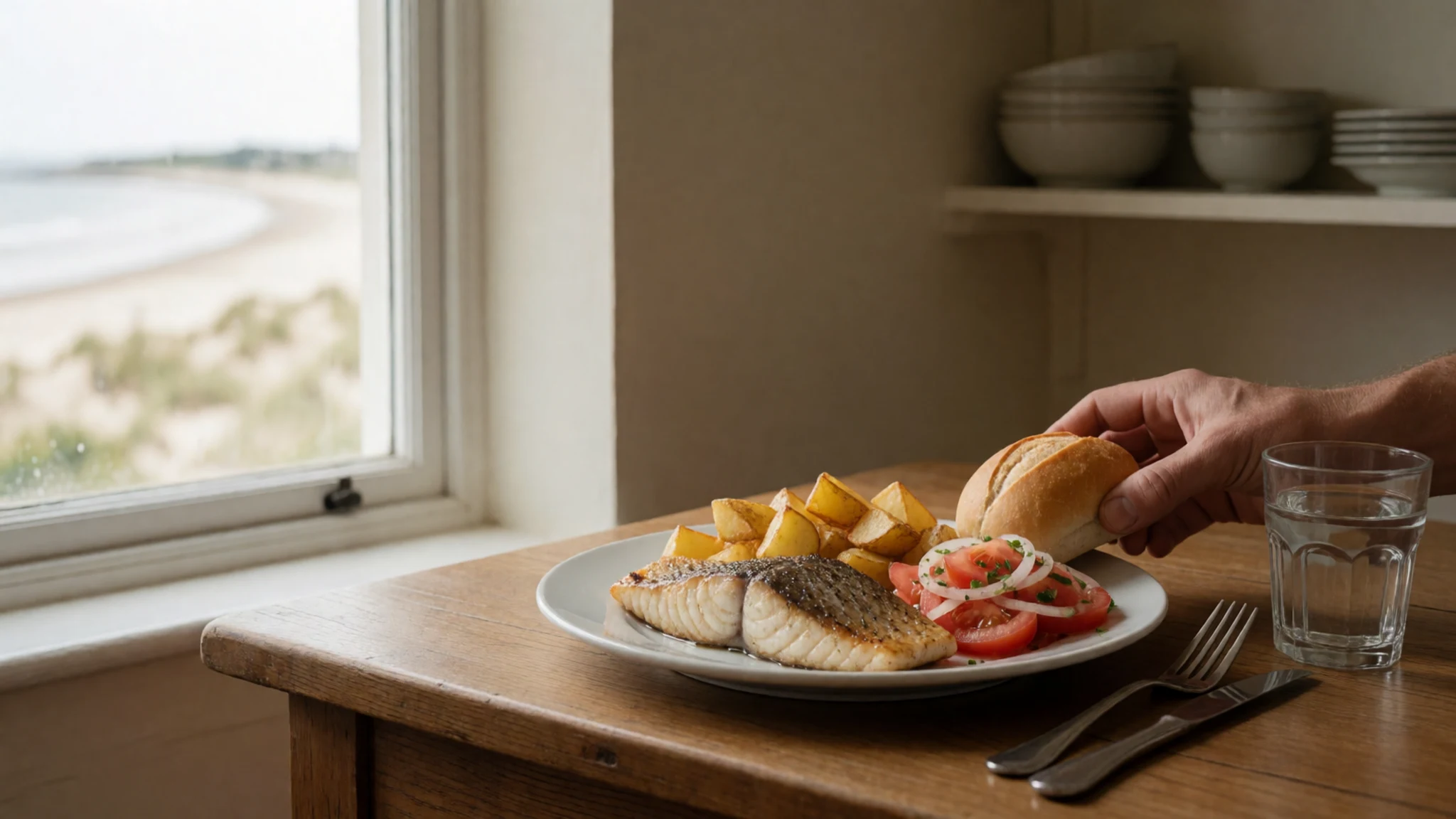
- Self-catered camp cooking — Torra Bay campsite
At Torra Bay, visitors are expected to bring all their own food and cooking equipment, plus emergency supplies. The seasonal shop stocks only a little, and no full-service restaurant is listed. Camp stoves, tinned goods and well-planned meals are the norm here.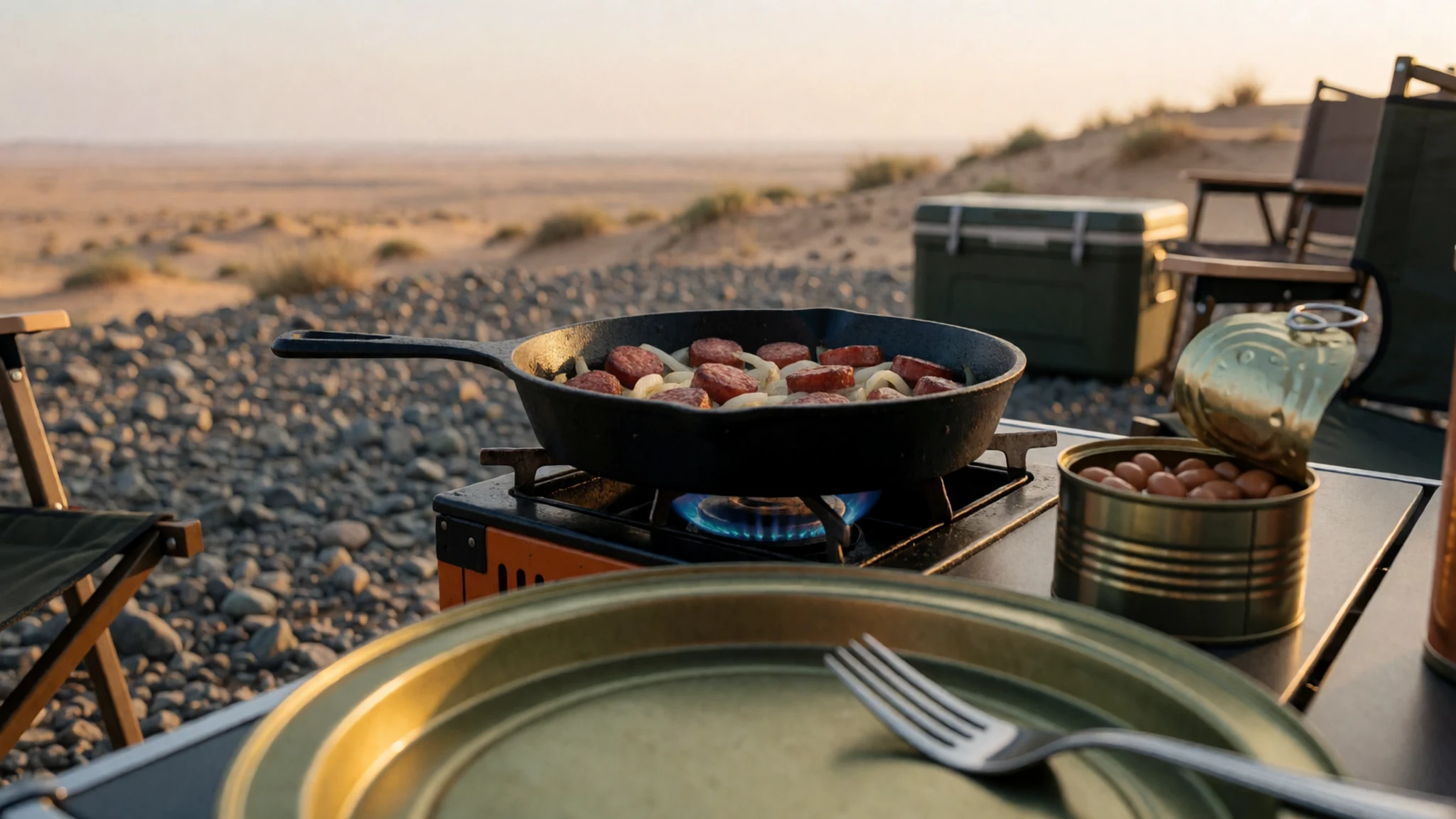
- Lodge meals on fly-in safaris — Lodges in the northern concession
Guests visiting the remote northern concession through an organised lodge or fly-in safari normally eat what the lodge serves, as meals are part of the accommodation package. It is the easiest way to eat well in the far north. - Packed lunch for the road — Bought in Swakopmund before entering the park
Day visitors should carry a packed lunch and spare food to cover delays, breakdowns or changes in weather. Sandwiches, fruit, biltong and plenty of water are sensible, since nothing is sold along most of the route. - Seafood in Swakopmund — Swakopmund seafront eateries
Many travellers eat fish and shellfish in Swakopmund before heading north, since it is the last proper town on the way to the southern gate. Look for ordinary restaurants and eateries near the seafront and ask what was landed that day.
Plan it
Best time. May to October is the usual window, with cooler days and clearer driving; fog and wind are likely in any month, and the coast gets almost no rain. Pack warm layers whatever the month.
How long. 2–3
Getting there. Fly to Windhoek's international airport, then drive to Swakopmund, the base for the southern part of the park. The coastal road north leads to the gate at the Ugab River mouth, and a second gate lies on the eastern side at Springbokwasser. The far north is reached by light aircraft or a guided tour.
Budget. high
Tips
- Only high-clearance four-wheel-drive vehicles are allowed, so arrange one in advance and check the spare tyres, fuel and recovery kit
- Book permits, camp spots and any guide or fly-in tour well ahead, and check the official park authority site for current rules
- The area north of Terrace Bay needs a certified guide with the right concession, so plan for guiding costs
- Carry extra water, food, sunscreen and a way to call for help, because breakdowns can leave you far from anyone
- Fill the tank whenever you can and carry cash for small purchases, as services are few
Etiquette
- Stay on marked roads and tracks, since vehicle marks can last for centuries
- Keep a respectful distance from seals and other wildlife, and never leave food scraps or rubbish
- Look at lichen fields and wrecks without touching or moving anything
Nearby
Sources
- Wikidata Q1135237 (CC0)
- Wikipedia: Skeleton Coast (rev 1377988990) (CC BY-SA 4.0)
- Wikivoyage: Skeleton Coast (rev 5426408) (CC BY-SA 4.0)
- Photo: Namibie Skeleton Coast 01, GIRAUD Patrick (CC BY 3.0)
- Photo: Otavi Ship Wreck, Hp.Baumeler (CC BY-SA 4.0)
- Photo: Shipwreck Zeila near Henties Bay, Olga Ernst (CC BY-SA 4.0)
- Photo: Fur seals on the Skeleton Coast, Katie Hunt (CC BY 2.5)
- Photo: Skeleton Coast aerial, Sonse (CC BY 2.5)
- Photo: South West African Homelands, U.S. Central Intelligence Agency (Public domain)
- Photo: Wreck of the Eduard Bohlen, Anagoria (CC BY 3.0)
- Photo: Dune formation Namib Skeleton Coast, Sonse (CC BY 2.5)


Wildlife
- Cape fur seal (animal)
The Cape fur seal is a brown, furry seal, a sea animal that loves to haul itself out of the water and rest on land. On the Skeleton Coast you will find these seals gathering together on the beaches. The notes do not say which season or hour is best, so ask your guide what suits your visit. Watch from a respectful distance, keep your voice low and your movements slow, let a guide lead you, and never feed them.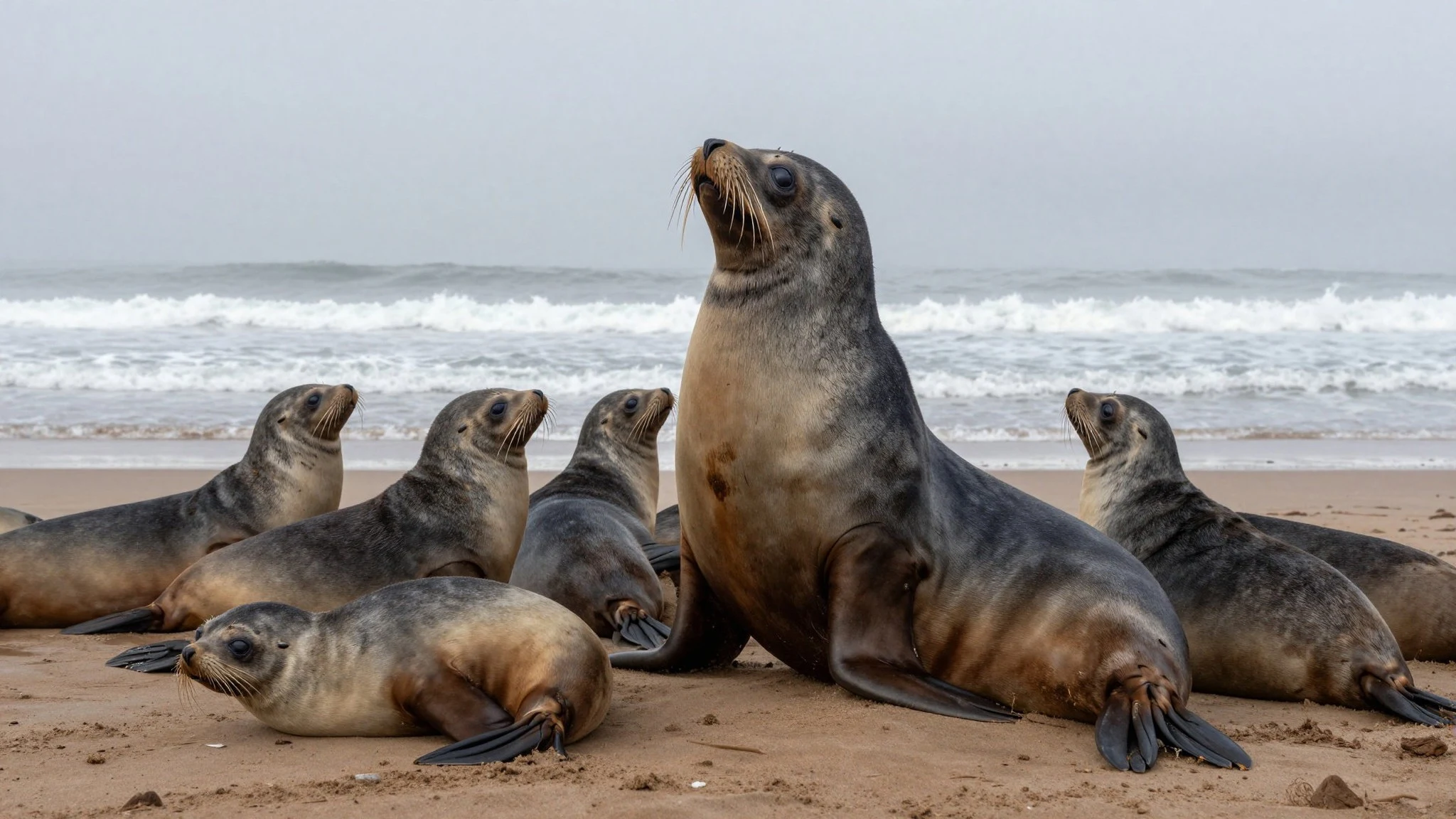
- Gemsbok (animal)
The gemsbok is a big antelope built for the dry, barren lands, a hardy desert grazer that copes where little else can. Across the Skeleton Coast's land it appears only thinly, so each sighting feels special. The notes give no season or time of day, so ask your guide where to look. Keep well back, stay quiet so it is not startled, travel with a guide, and never offer it food.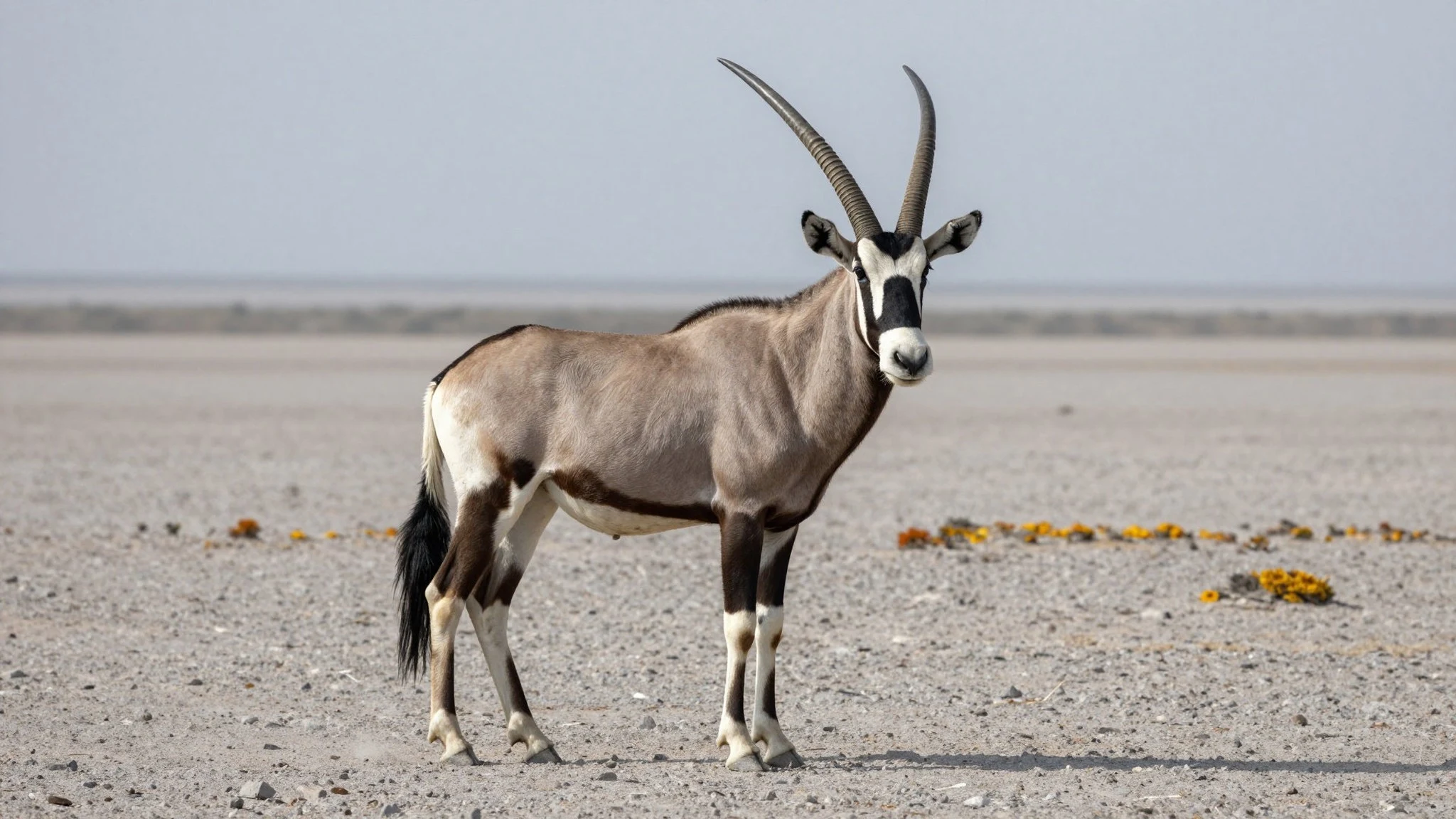
- Flamingo (bird)
The greater flamingo is the biggest of all the flamingos, a famously long-legged bird that children love to spot. Flamingos are among the many birds recorded along the Skeleton Coast, though the notes do not say exactly where or when to find them. Watch from far away so they stay calm, speak softly, let a guide choose the best viewing spot, and never feed them.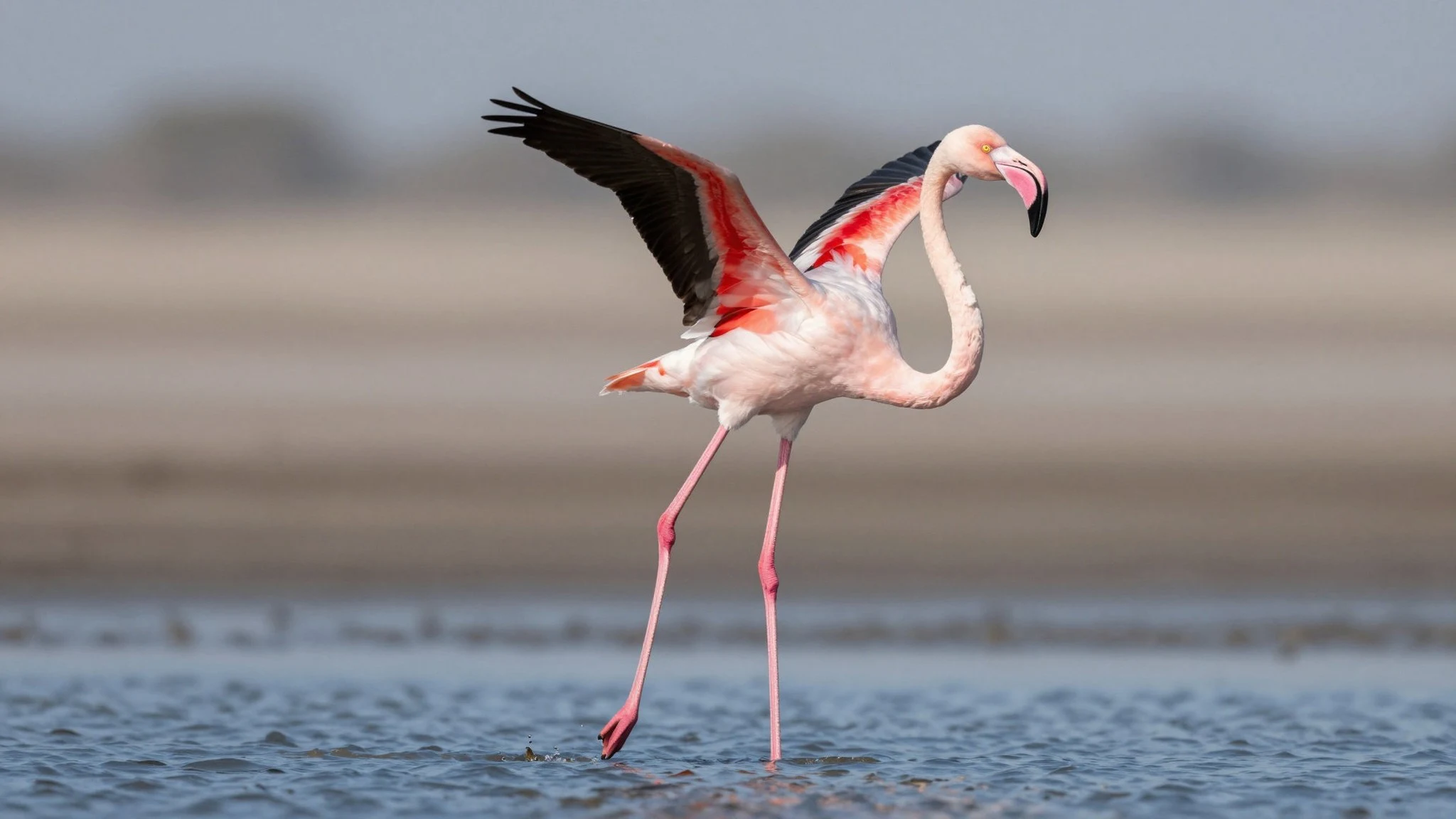
- Vulture (bird)
The white-backed vulture is a large bird that cleans up the wild, and it is the one you are likeliest to meet across Africa. It belongs to the same wider family as eagles, kites and hawks. Vultures are among the birds noted on the Skeleton Coast, but the notes say nothing about season or hour. Keep your distance, stay quiet, go with a guide, and never feed them.