Sossusvlei
Sossusvlei, Namibia
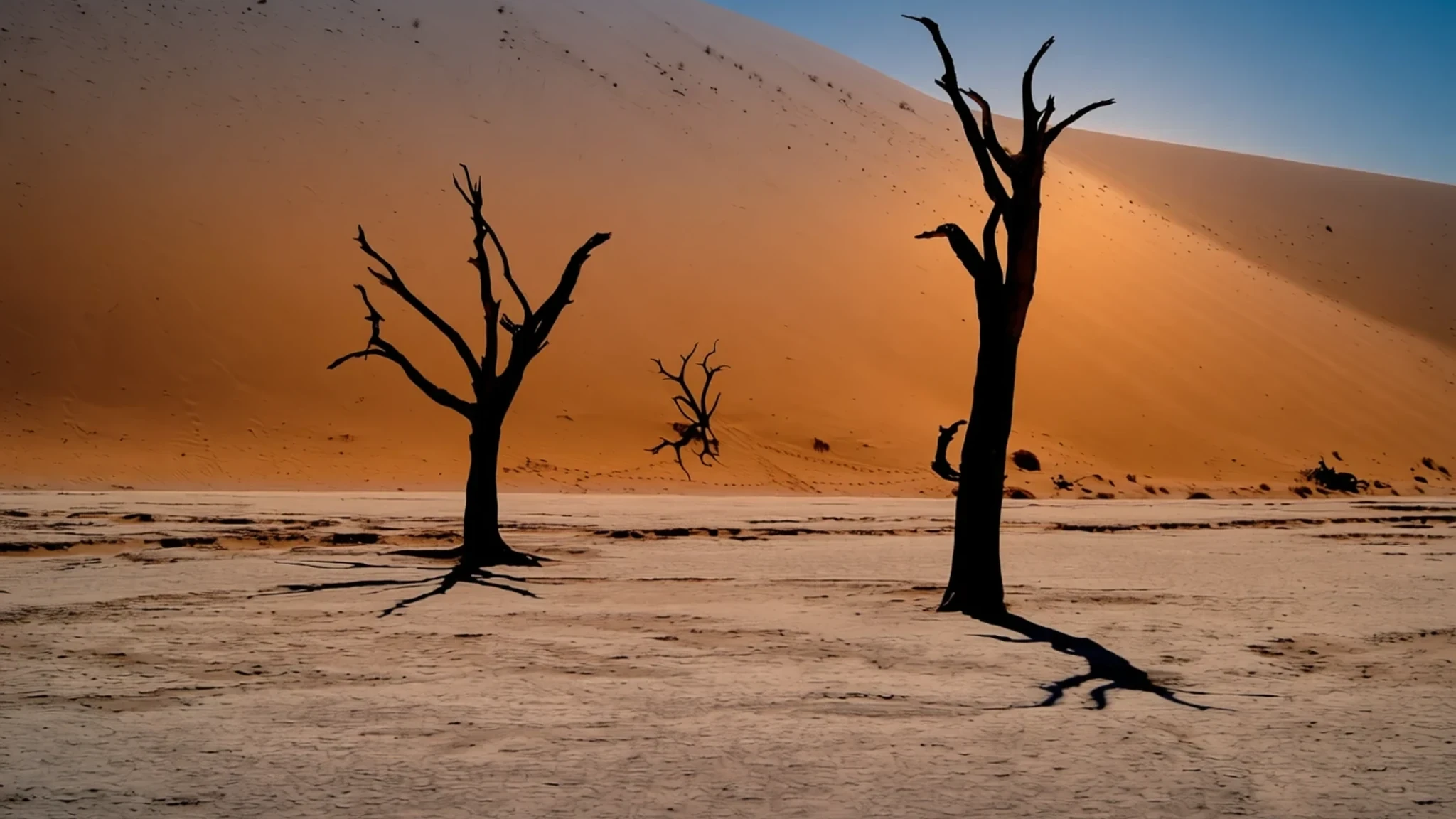
Sossusvlei offers an encounter with monumental red sand dunes, surreal white clay pans, and the vast ancient landscapes of the Namib Desert.
The place
Sossusvlei is situated in the southern reaches of the Namib Desert, tucked deep inside the expansive protected territory of the Namib-Naukluft National Park. The location is defined by towering red dunes that encircle a stark salt and clay pan, creating one of the most striking visual contrasts in southern Africa. The landscape here is shaped entirely by wind and water, though water is an exceptionally rare visitor. The ephemeral Tsauchab River feeds the basin, but its infrequent flows are blocked long before they ever reach the distant ocean. Instead, the water pools temporarily in the clay depressions before evaporating under the intense African sun, leaving behind mineral crusts and sun-baked mud. Around the basin, massive accumulations of wind-blown sand rise high above the valley floor. The changing angles of sunlight transform these towering sand ridges throughout the day, shifting their hues from pale gold to deep ochre and fiery crimson. Despite the extreme aridity, the wider area supports a surprisingly resilient ecological community. Adapted plants and specialized insects manage to thrive beneath the scorching surface, while larger herbivores such as oryx and springbok traverse the open terrain. Travelling through this remote environment requires careful planning, as the distances between settlements are vast and the daytime heat can be formidable. Visitors arriving at the park enter a landscape shaped by geological time, where every grain of sand tells the story of an ancient, shifting terrain that continues to evolve under endless blue skies.
Its story
Sossusvlei owes its existence to the slow, relentless power of geological forces acting over immense spans of time. The name itself reflects a linguistic mix that captures the nature of the terrain: vlei is an Afrikaans term for marsh or pan, while sossus is derived from Nama terminology meaning dead end or place of no return. This title describes the fate of the Tsauchab River, which carves its way down from the interior highlands only to find its path choked by towering walls of wind-blown sand. For generations, geologists and explorers have studied how the river interacts with the shifting desert. In periods of heavy inland rainfall, the river surges forward, spilling muddy water into the flat basin of Sossusvlei. Yet these inundations happen very infrequently, occurring only every few years. When the water finally stops flowing, it pools briefly before vanishing into the dry air. Over centuries, as sand ridges shifted and blocked older drainage routes, the river altered its course to carve new basins nearby, creating adjacent depressions such as the famous Deadvlei. In these isolated hollows, ancient trees that once grew along old river channels withered away when the water supply was entirely cut off, leaving stark skeletal trunks standing against blinding white clay. The entire region forms part of the Namib Sand Sea, an extraordinary desert landscape recognized for its unique combination of ancient geological formations, fog-dependent ecosystems, and monumental dune fields that stretch unbroken toward the horizon.
What to see
- The Great Sand Ridges — Namib-Naukluft National Park
Towering ramparts of wind-blown sand frame the entire valley, providing immense vertical scale and sweeping vistas across the desert horizon for those who make the steady climb to the higher summits.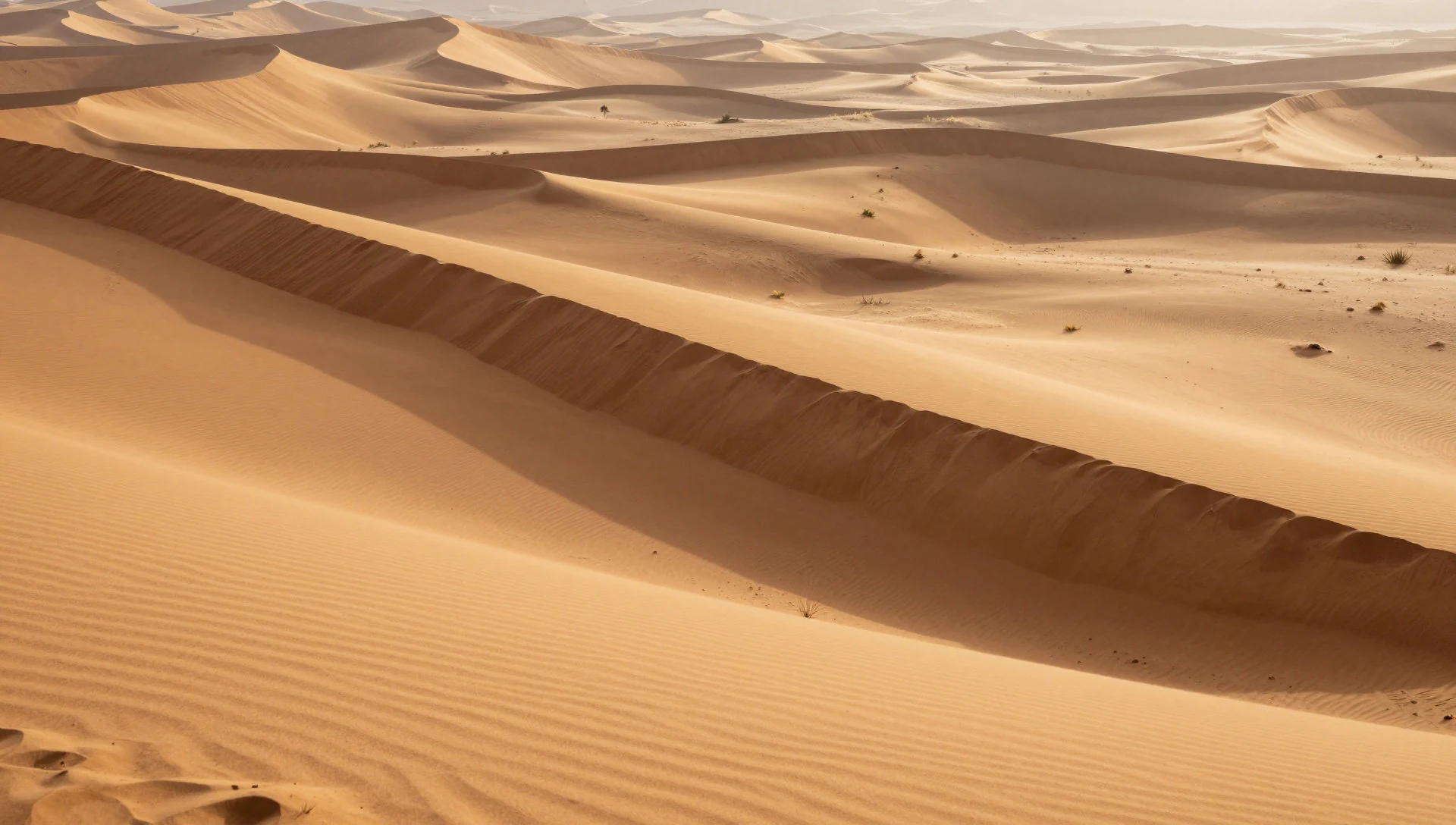
- The White Clay Basin — Endorheic basin floor
A flat, sun-baked depression of pale clay forms the dramatic heart of the valley, occasionally catching shallow water when infrequent river flows manage to reach the end of their inland journey.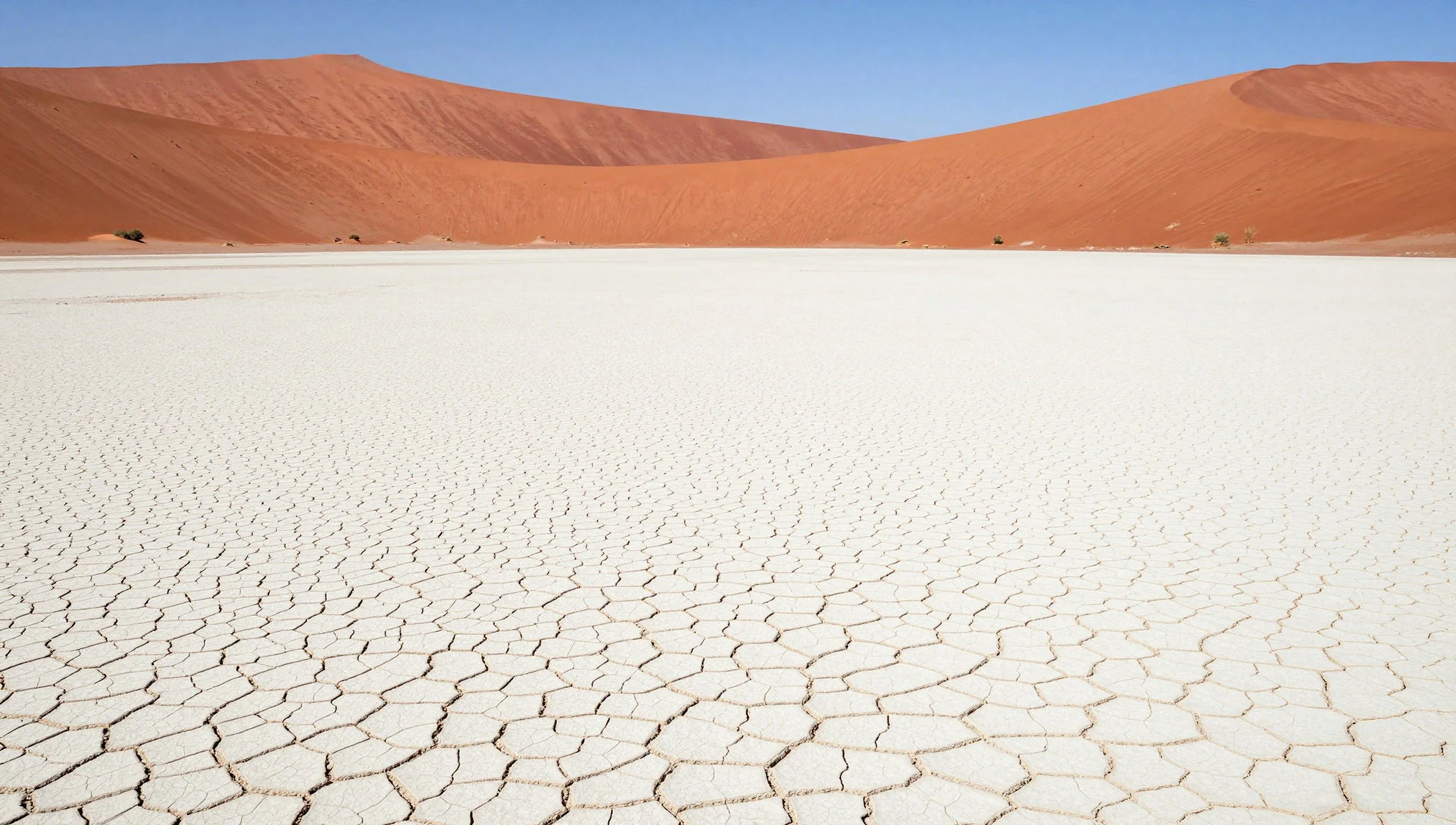
- Sesriem Canyon — Near the park entrance gate
A narrow, deep gorge carved by the ancient passage of water cuts through layers of gravel and sedimentary rock near the park entrance, offering a cool, shaded place to walk along the dry bed.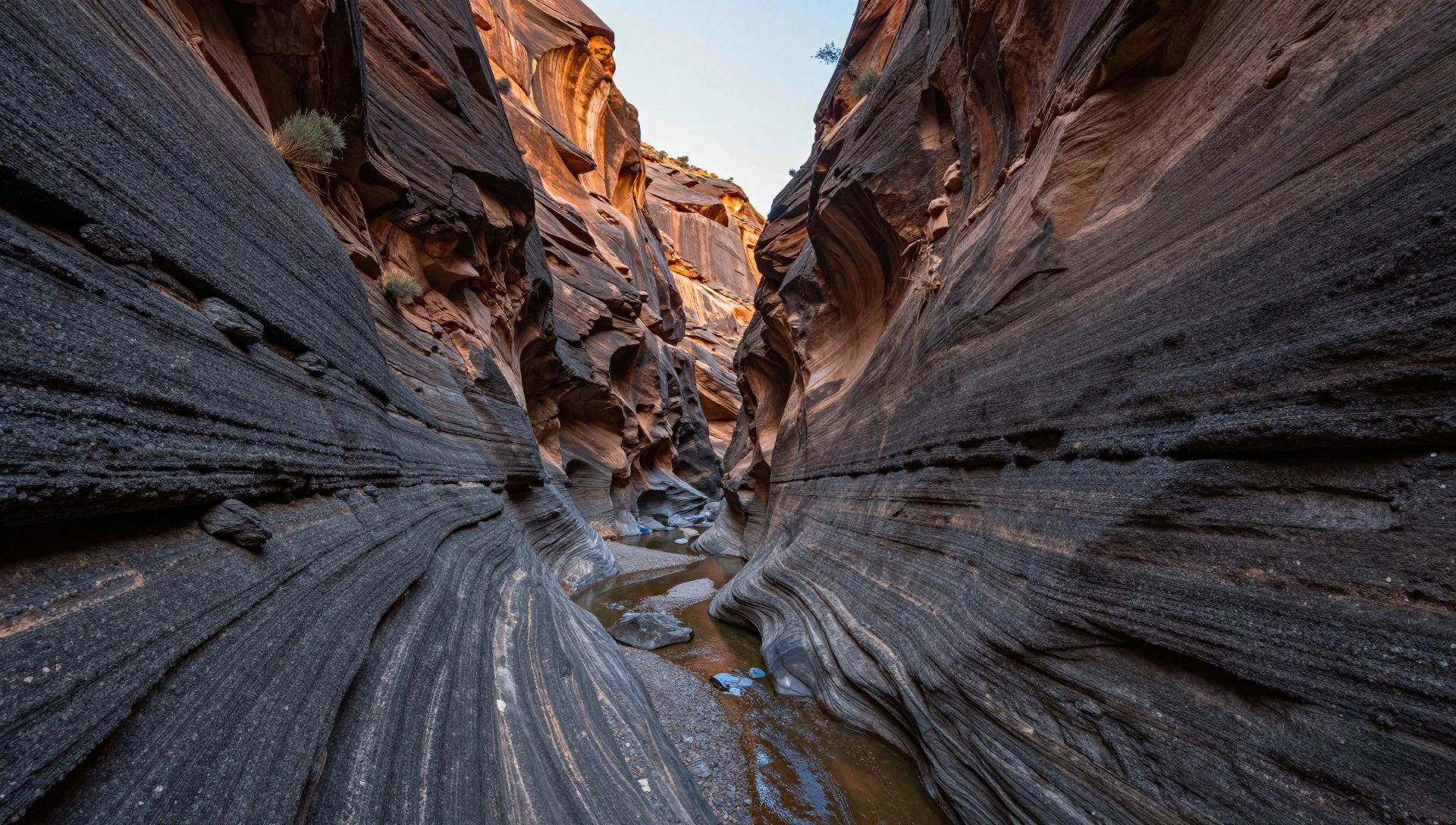
- The Petrified Wood and Desert Flora — Wider Namib-Naukluft region
Scattered across the arid expanses are remnants of ancient vegetation and resilient desert plants that have adapted to survive in harsh conditions with almost no moisture.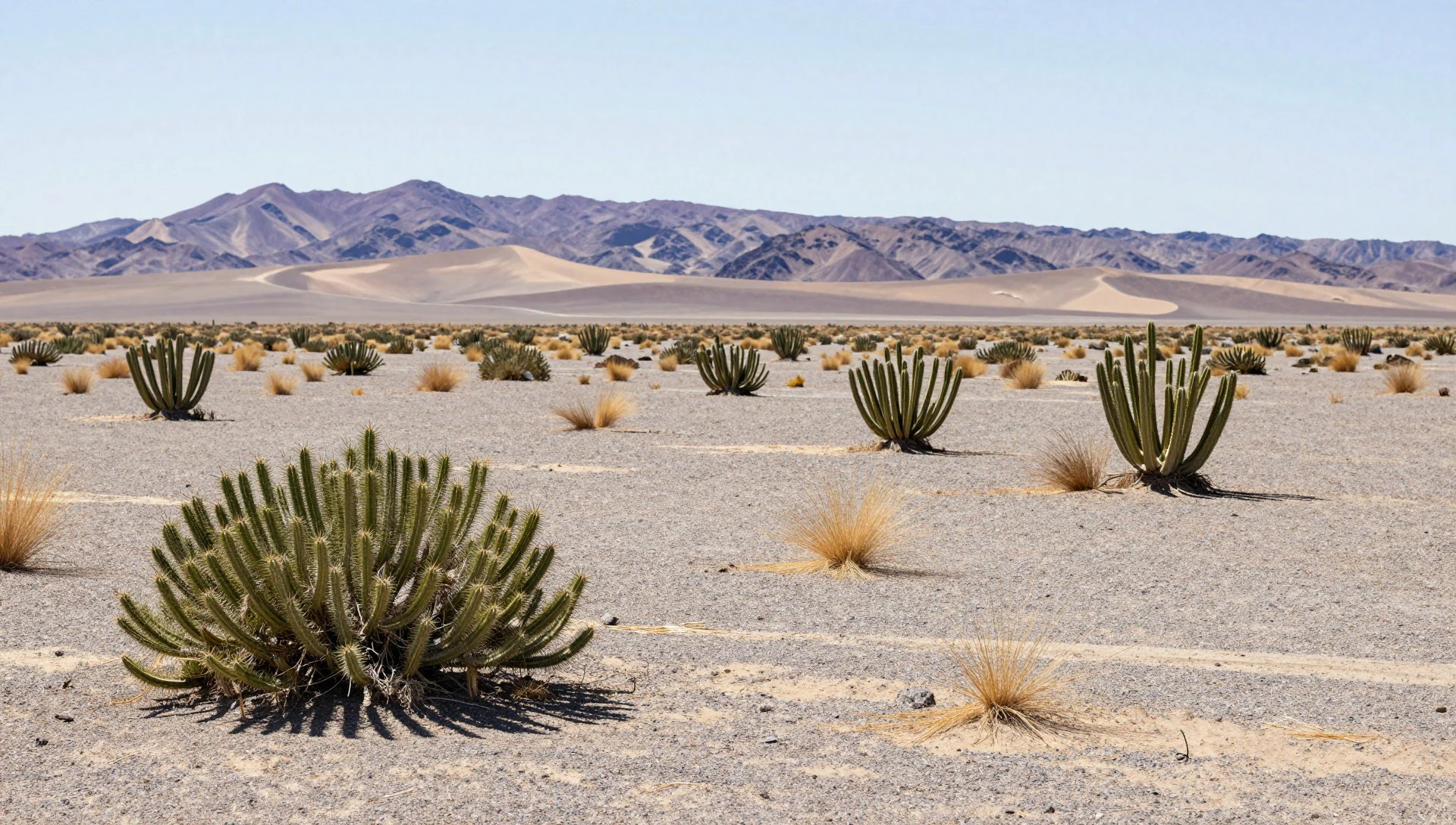
- The Skeletons of Deadvlei — Adjacent valley floor
An adjacent clay basin cradles the dark, twisted remains of ancient camel thorn trees standing motionless against a brilliant white floor beneath towering walls of rust-coloured sand.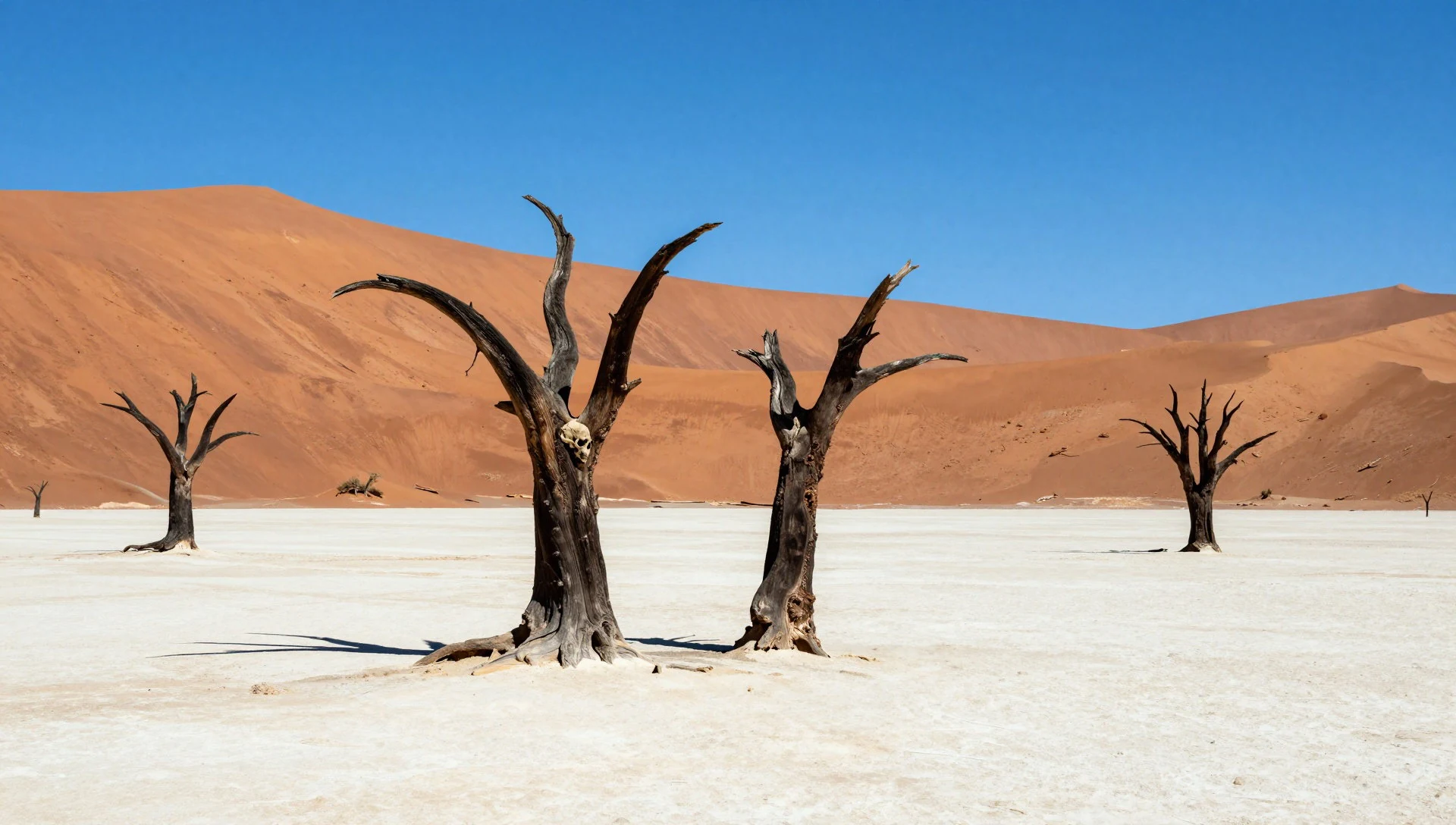
Culture
Sossusvlei sits within a deeply traditional region where rural communities maintain strong cultural connections to the arid land and its seasonal rhythms. The indigenous inhabitants and regional populations have long understood the delicate balance required to survive in an environment defined by extreme scarcity and intense heat. While the modern visitor infrastructure is designed to facilitate tourism within the protected national park, traditional ways of life persist in the surrounding settlements and farming communities across the wider Namib region. Travellers exploring these remote areas are encouraged to respect local customs, support community initiatives, and maintain an awareness of the fragile ecosystems that surround the tourism hubs. The desert environment is exceptionally sensitive to human impact, meaning that off-road driving and littering cause lasting damage to slow-growing lichen fields and delicate biological soil crusts. When visiting rural settlements or interacting with local guides and park staff, a polite greeting and respectful demeanour are always appreciated. Always pack out all of your rubbish and adhere strictly to designated park pathways and camping regulations.
What to wear
Traditional dress in the rural Namib region reflects both practical adaptation to the scorching climate and distinct cultural heritage among local communities. Historical garments were crafted from supple animal hides and adorned with intricate beadwork, designed to provide protection against the sun while allowing freedom of movement across dry terrain. Today, residents in nearby towns and settlements typically wear contemporary, lightweight clothing suited to everyday life, combining practical western attire with regional textiles and accessories. For visitors exploring Sossusvlei, proper clothing is essential for safety and comfort rather than strict formality. Lightweight, loose-fitting cotton or linen layers in neutral or light colours help deflect the intense solar radiation during midday excursions. Sturdy, closed-toe footwear is mandatory for walking on abrasive sand and climbing steep slopes, as the sand surface becomes extremely hot under direct sun. A wide-brimmed hat, UV-blocking sunglasses, and a lightweight scarf or buff are indispensable items for shielding your face and neck from wind-blown dust and glaring light during desert treks.
What to eat
- Sesriem Station Light Fare — Sesriem petrol station general store
Simple handheld meals including grilled sausages and burgers, available at the small general store situated right by the petrol station for travellers arriving on the road. - Campsite Bar Refreshments — Sesriem campground bar
Cold drinks and casual snacks served at the social gathering hub where visitors unwind and share stories after a long day of hiking through the dusty desert terrain. - Sossus Dune Lodge Dining — Sossus Dune Lodge restaurant
A more substantial seated dinner featuring hearty local ingredients and hearty dishes served in a comfortable dining room accessible to park visitors. - Solitaire Bakery Apple Pie — Solitaire settlement bakery
A legendary roadside stop on the edge of the desert known widely for serving thick slices of traditional baked apple pastry to hungry travellers passing through.
Plan it
Best time. June to August offers the coolest daytime temperatures and the driest conditions, making it the most comfortable period for hiking and exploring the desert.
How long. 2–3
Getting there. Drive from Windhoek via the scenic mountain passes such as Remhoogte or Spreetshoogte, or join an organized overland tour from the capital or Swakopmund.
Budget. mid
Tips
- Stay inside the park gate at official accommodation to gain access to the dunes before sunrise.
- Carry much more water than you think you will need, as dehydration happens very quickly in the dry air.
- Wear sturdy, closed footwear to protect your feet from the intense heat of the sand.
- Check your vehicle's brakes and tyre pressure carefully before tackling steep mountain passes.
- Bring cash for park permit fees and small purchases at remote station shops.
Etiquette
- Never drive off established tracks or roads, as tyre tracks scar the fragile desert landscape for decades.
- Pack out every piece of rubbish you bring into the national park.
- Respect park gate opening and closing times strictly for your own safety.
Nearby
Sources
- Wikidata Q1932730 (CC0)
- Wikipedia (rev 1333619460) (CC BY-SA 4.0)
- Wikivoyage (rev 5300912) (CC BY-SA 4.0)