Lüderitz
Lüderitz, Namibia
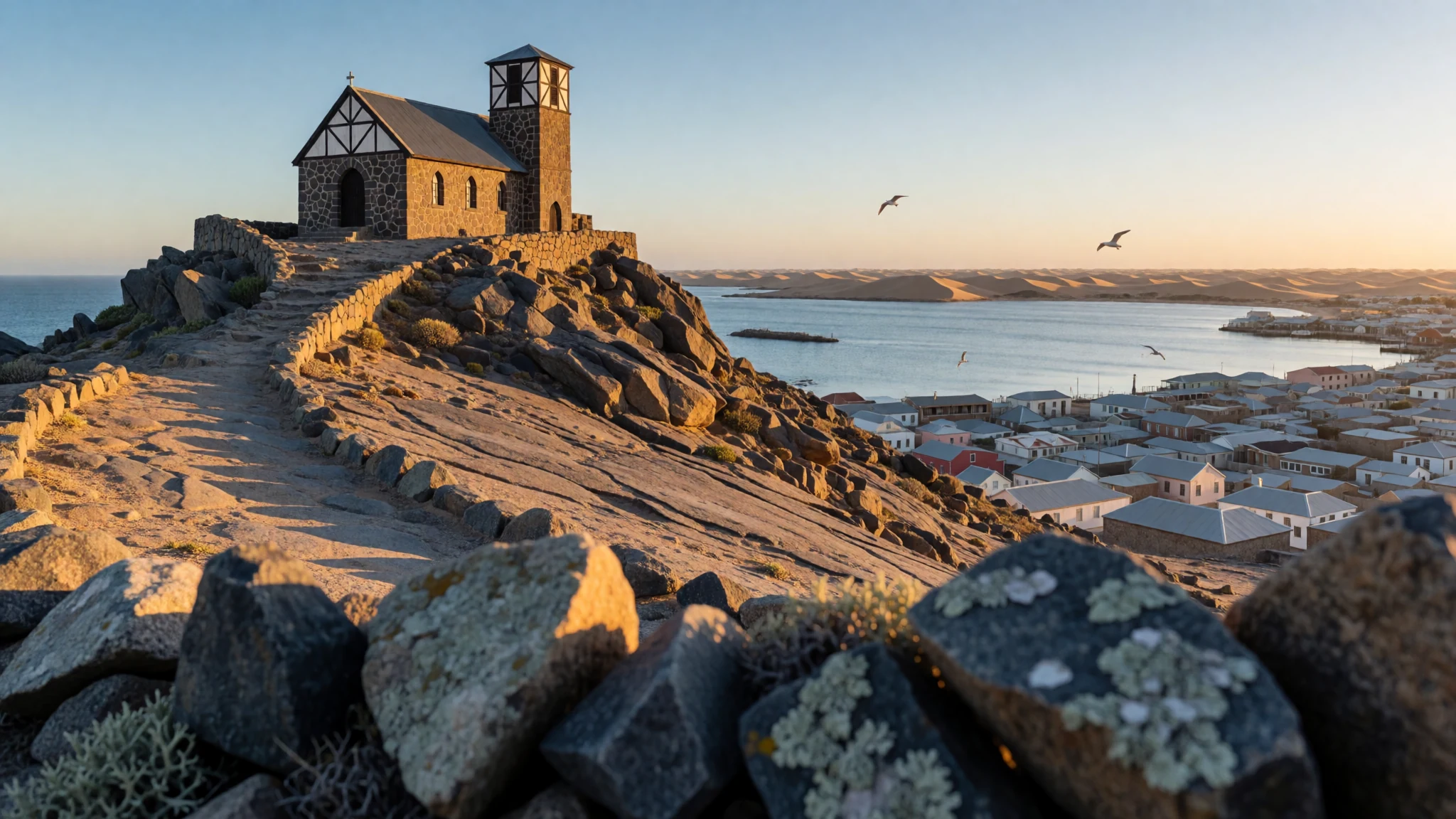
Lüderitz offers a striking blend of German colonial architecture, Atlantic wildlife, and stark desert landscapes at the edge of southern Africa.
The place
Lüderitz is a remote coastal settlement perched on one of the most rugged and least hospitable shores in southern Africa, within the ǁKaras Region of Namibia. Developed around Robert Harbour and Shark Island, the town features a stark, dramatic geography where the cold Atlantic Ocean crashes against windswept rocks while towering dunes of the Namib Desert press in from the east. Built largely upon bare rock, the settlement is shaped by its punishing winds and frequent coastal mists. Despite these harsh environmental conditions, Lüderitz supports a resilient community and acts as a vital regional port. Visitors arriving in Lüderitz are immediately struck by its surreal atmosphere, where ornate European architectural facades stand resolutely against an unforgiving desert backdrop. The surrounding coastal waters teem with rich marine life, supporting colonies of seabirds, seals, and dolphins that thrive despite the chilly currents. Just inland, the shifting sands of the Namib swallow historic remnants, creating a haunting frontier aesthetic that defines this isolated southern outpost.
Its story
Lüderitz began its recorded European history when Portuguese seafarers mapped the sheltered bay, erecting a stone cross on the southern peninsula. For generations, the surrounding coastal waters attracted adventurous parties pursuing profitable enterprises such as whaling, seal hunting, fishing, and guano harvesting, which established the bay as a reliable maritime trading post. The formal foundation of Lüderitz occurred when representatives acquired the surrounding coastal territory from local leaders on behalf of German interests. Colonial administration quickly followed, cementing European influence over the harbour and its interior trade routes. During this era of territorial expansion, tragic events also unfolded on nearby Shark Island, leaving a sombre historical imprint on the windswept bay. Over subsequent decades, the regional economy shifted dramatically with the discovery of precious diamonds in the adjacent desert sands, sparking a fierce rush that transformed nearby settlements into glittering boomtowns almost overnight. As mining operations eventually migrated southwards, those inland boomtowns were abandoned to the desert winds, leaving Lüderitz to evolve into a quieter, introspective fishing and port town that preserves its unusual architectural heritage.
What to see
- Kolmanskop — Namib Desert edge
Kolmanskop is a fascinating nearby ghost town located just a short drive from Lüderitz into the Namib Desert. Once a thriving diamond mining settlement filled with grand buildings, it has been gradually reclaimed by shifting sand dunes, offering incredible photography opportunities across its empty, wind-scoured rooms.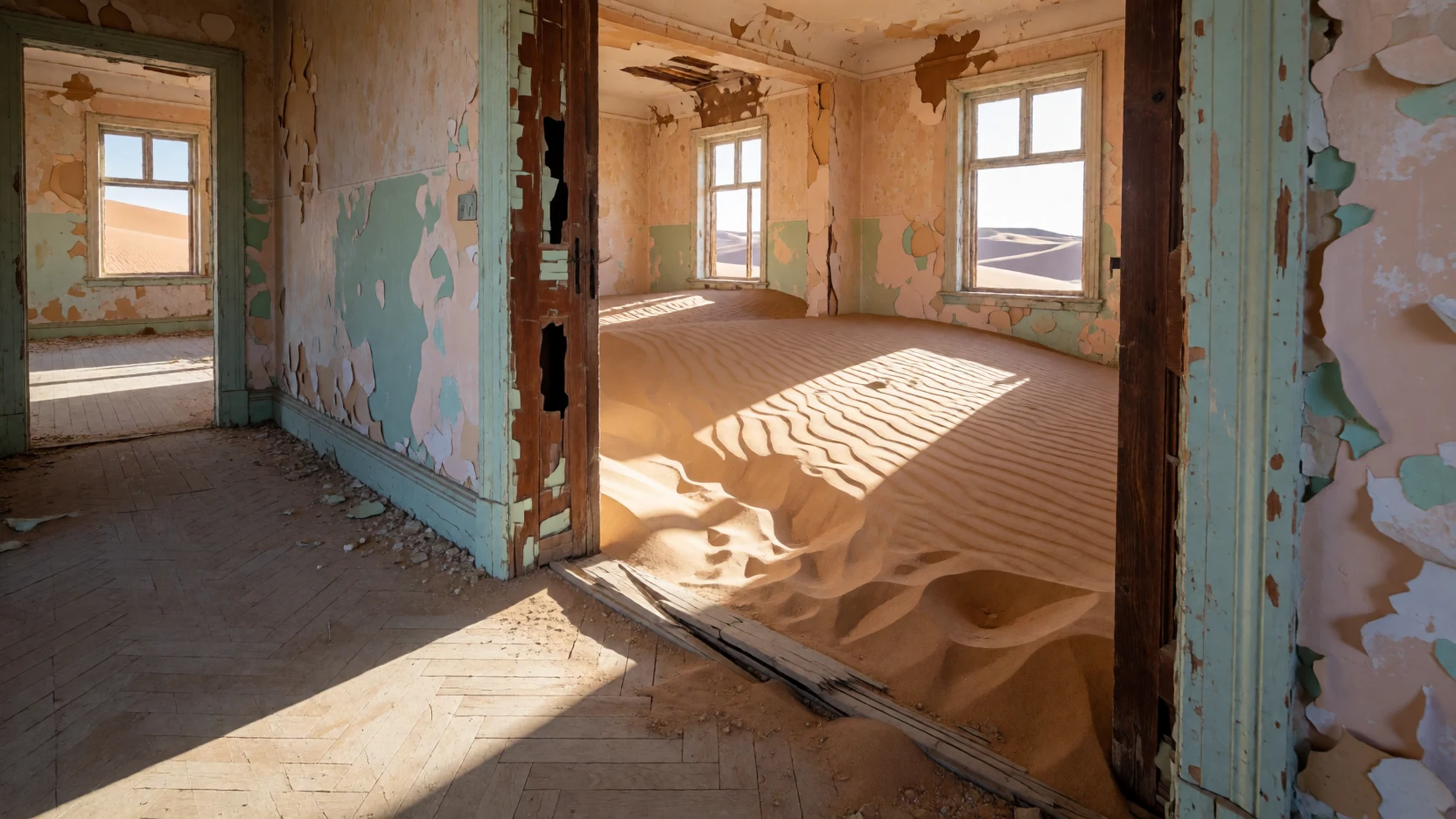
- Halifax Island — Lüderitz Bay
Halifax Island is a rocky offshore outcrop that hosts one of the region's most important breeding colonies of African penguins. Boat tours departing regularly from the harbour allow travellers to observe these charismatic seabirds up close, alongside playful dolphins and resting seals swimming through the chilly waters.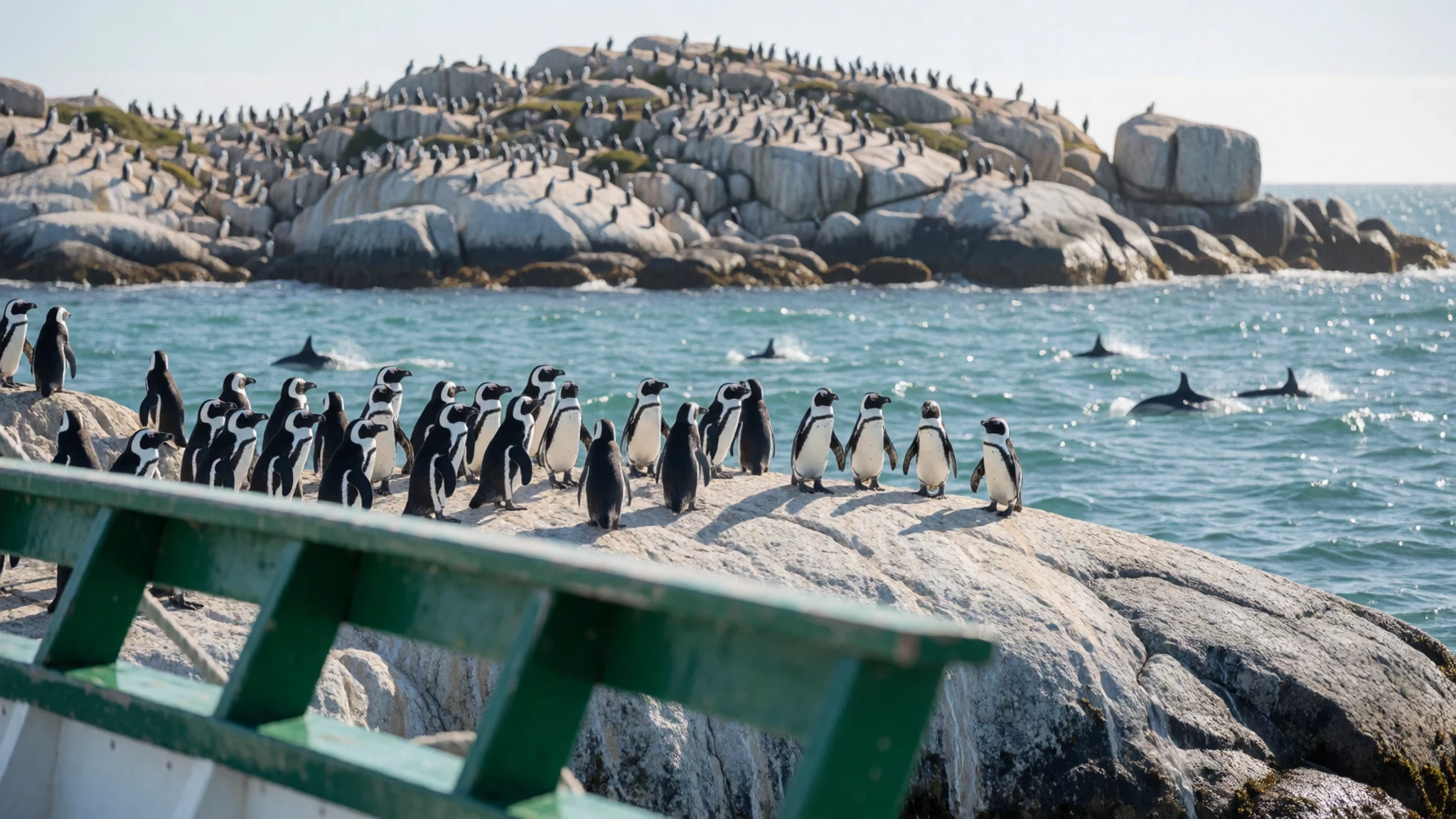
- Shark Island — Lüderitz Bay
Shark Island juts into the bay near the town centre, offering sweeping panoramic views across the harbour and surrounding waters. Although historically significant and now utilised primarily as a coastal campsite, visitors can easily walk around the peninsula to experience the raw, windswept nature of the Atlantic coastline.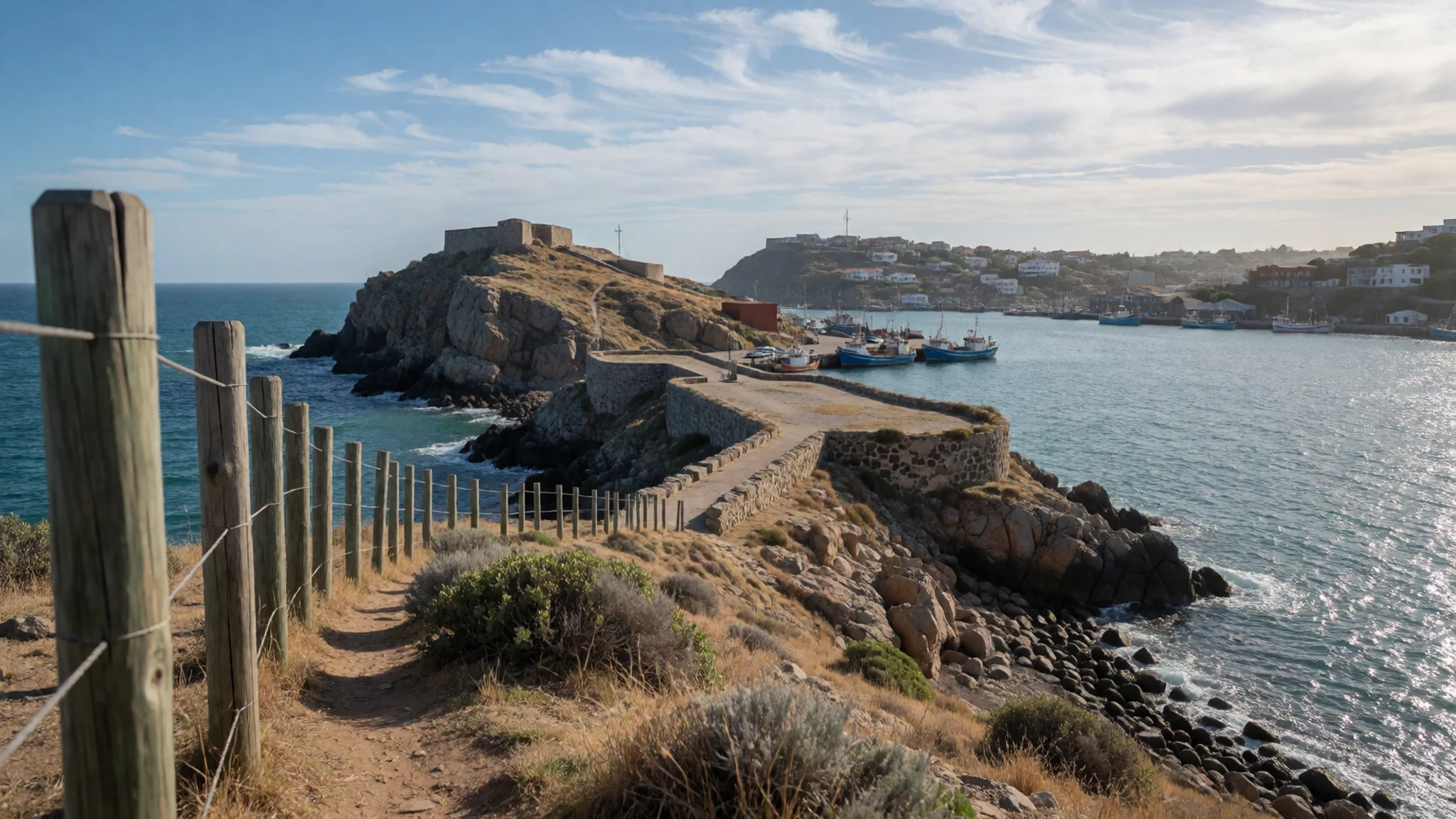
- Felsenkirche — Town centre
The Felsenkirche is an iconic Lutheran house of worship perched dramatically upon the jagged rock formations overlooking Lüderitz. Constructed with striking stained glass windows and stone masonry, this historic hilltop sanctuary stands as a masterpiece of colonial architecture, visible from almost every corner of the town below.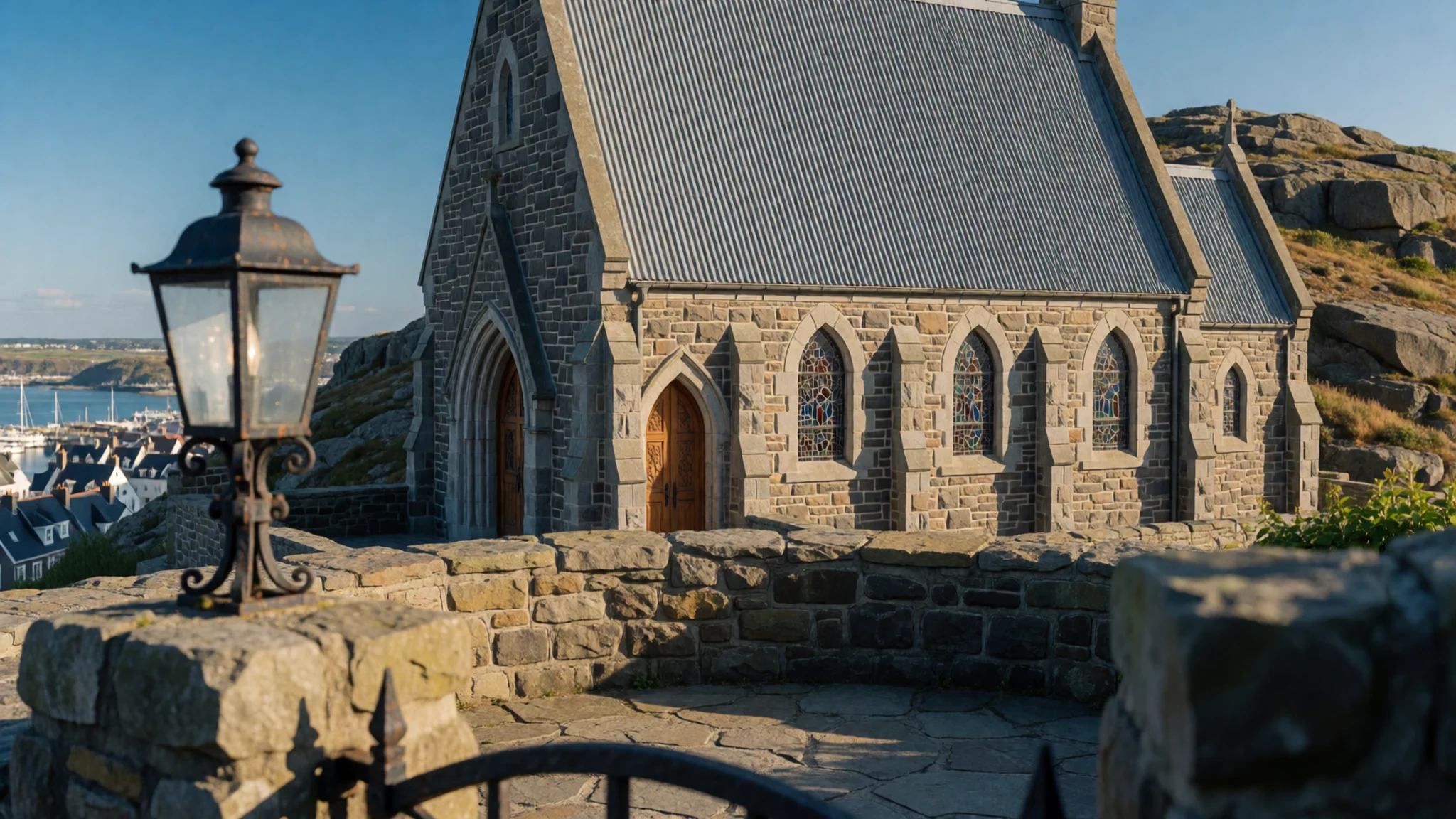
- Namibia Maritime Museum — Central harbour
The Namibia Maritime Museum celebrates the rich seafaring heritage, fishing industries, and underwater exploration tied to the treacherous southern coastline. Exhibits detail the historical trade routes, maritime disasters, and marine biology that have shaped the economy and daily life of Lüderitz across generations of coastal inhabitants.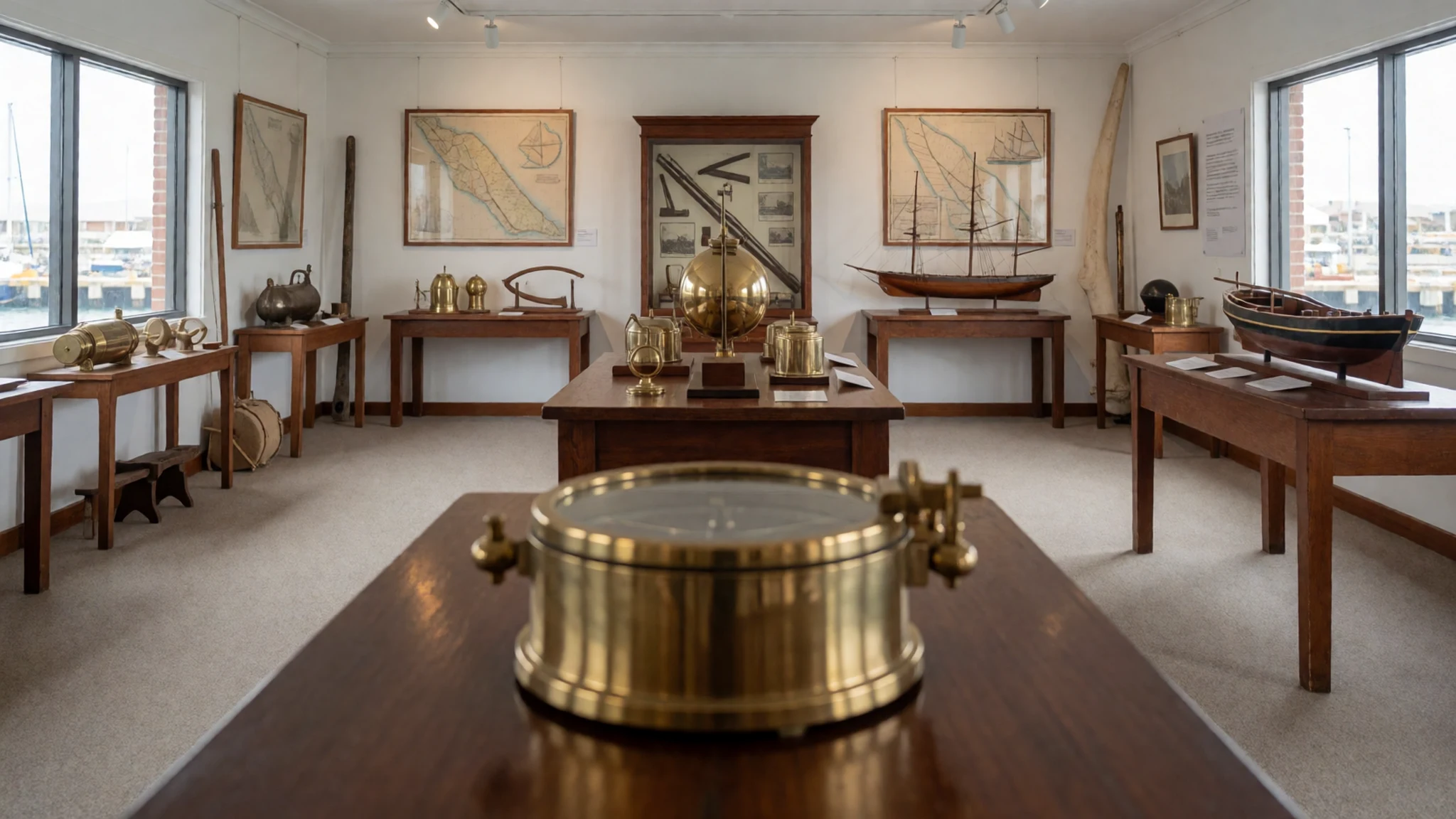
- Goerke House — Diamond Hill
Goerke House is an architectural marvel perched on Diamond Hill in Lüderitz, showcasing lavish interior wood panelling and historic fixtures from the mining boom era. Built as an opulent residence for a prominent diamond magnate, it provides a vivid glimpse into the wealthy lifestyles of early twentieth-century colonial settlers.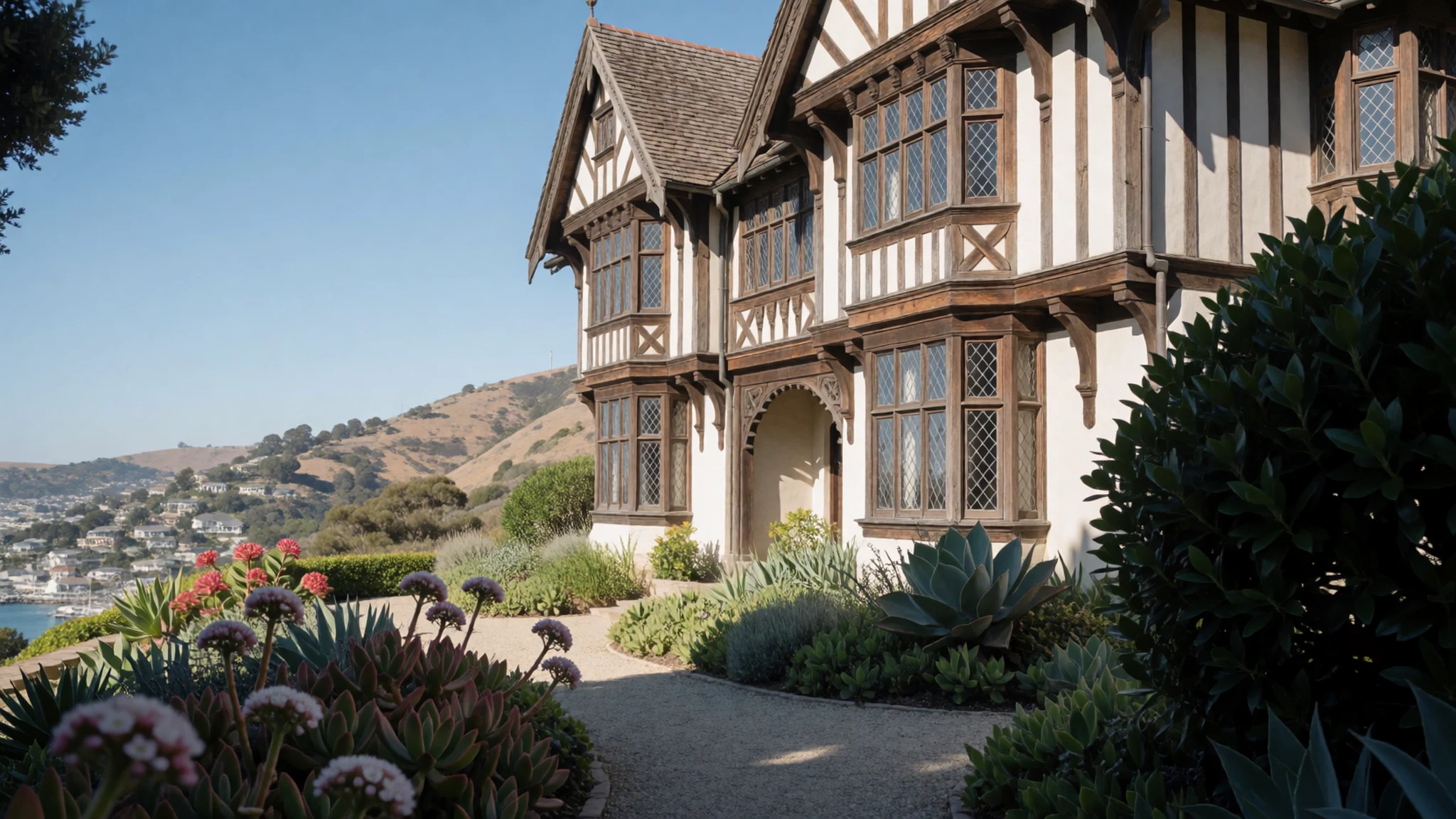
Culture
Lüderitz supports a diverse local community blending Nama heritage, Afrikaans-speaking residents, and descendants of European settlers, all connected by a shared maritime and desert identity. The town maintains a tight-knit social fabric supported by community volunteers who produce local reading material and organise annual sporting spectacles. The prominent international speed sailing challenge draws elite athletes from across the globe to test wind speeds on the crystalline salt pans. Traditional southern African hospitality blends seamlessly here with lingering elements of old European coastal customs, creating an unhurried, idiosyncratic atmosphere quite unlike any other destination in Namibia. Visitors will find residents welcoming and eager to share stories of local maritime history over a cold drink. When interacting with local residents or exploring residential neighbourhoods in Lüderitz, always ask permission before taking photographs of individuals and respect private property boundaries.
What to wear
Fashion and daily attire in Lüderitz are dictated entirely by the coastal elements rather than formal dress codes. Traditional attire is rarely seen in daily public life, replaced instead by practical, durable clothing worn by local workers, fishermen, and townsfolk. Because the town is subject to intense Atlantic winds, sudden temperature drops, and stinging coastal sandstorms, residents and visitors alike dress in sturdy layers. Practical wardrobe staples for Lüderitz include windproof jackets, fleece pullovers, rugged trousers, and sturdy walking shoes or boots suitable for uneven rocky terrain and loose desert sand. Sun protection is essential, making hats and sunglasses mandatory accessories regardless of the season. When dining out at local guesthouses or cafes in the evening, casual smart attire is entirely sufficient. Visitors should pack clothing that can withstand wind and dust rather than delicate fabrics, ensuring comfort while exploring both the historic town streets and the surrounding desert landscapes.
What to eat
- Fresh Rock Lobster — Local seafood restaurants
Lüderitz is renowned as a primary harvesting centre for succulent rock lobster, celebrated during the annual local crayfish festival. Visitors can savour this prized crustacean freshly prepared at casual coastal eateries and seafood restaurants throughout the town.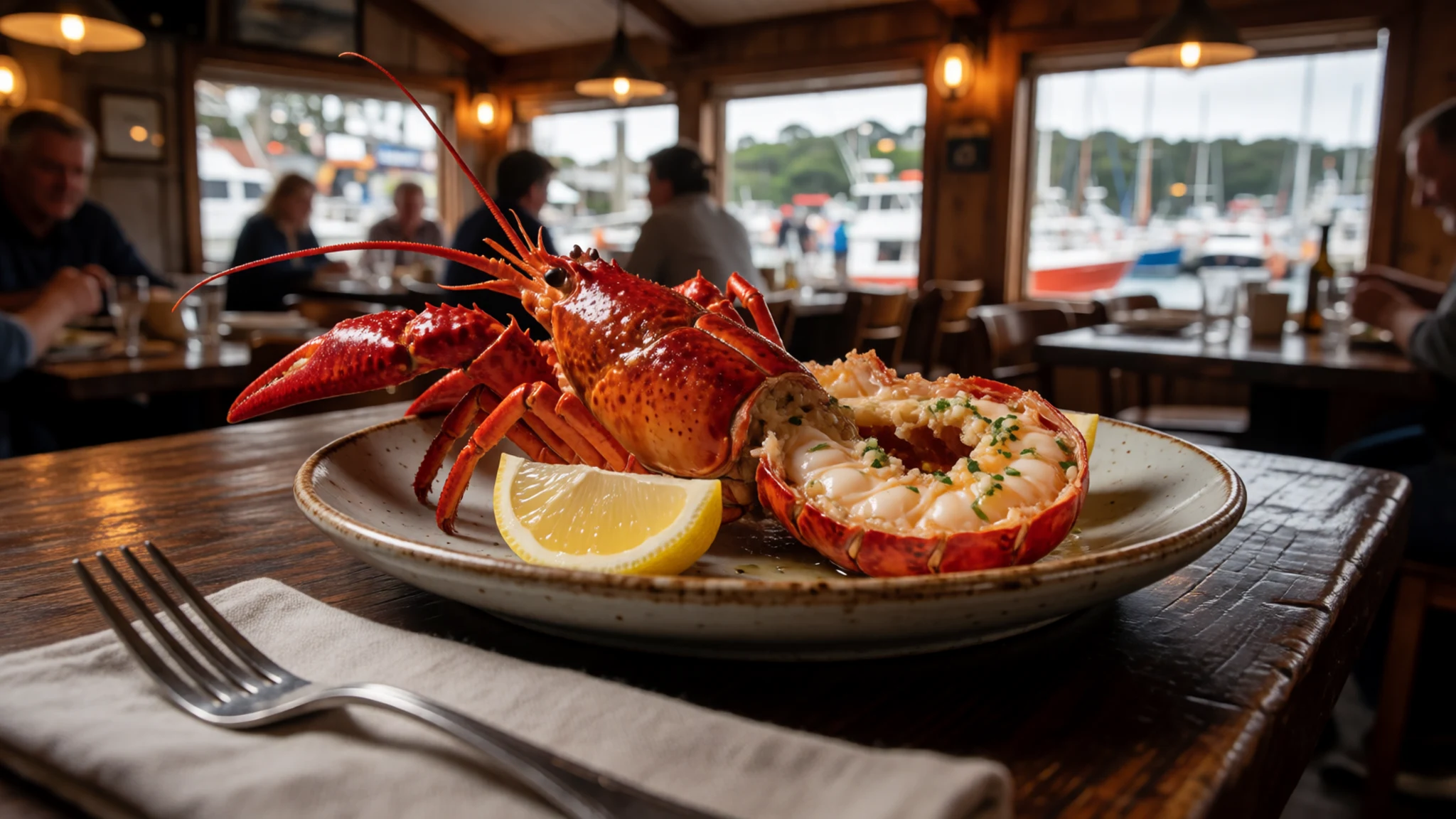
- Lüderitz Oysters — Harbour-side cafes
Grown in the cold, nutrient-rich Atlantic waters surrounding the harbour, local oysters are prized for their exceptional briny flavour. They are served fresh across local dining spots, often paired with a squeeze of lemon or a crisp beverage.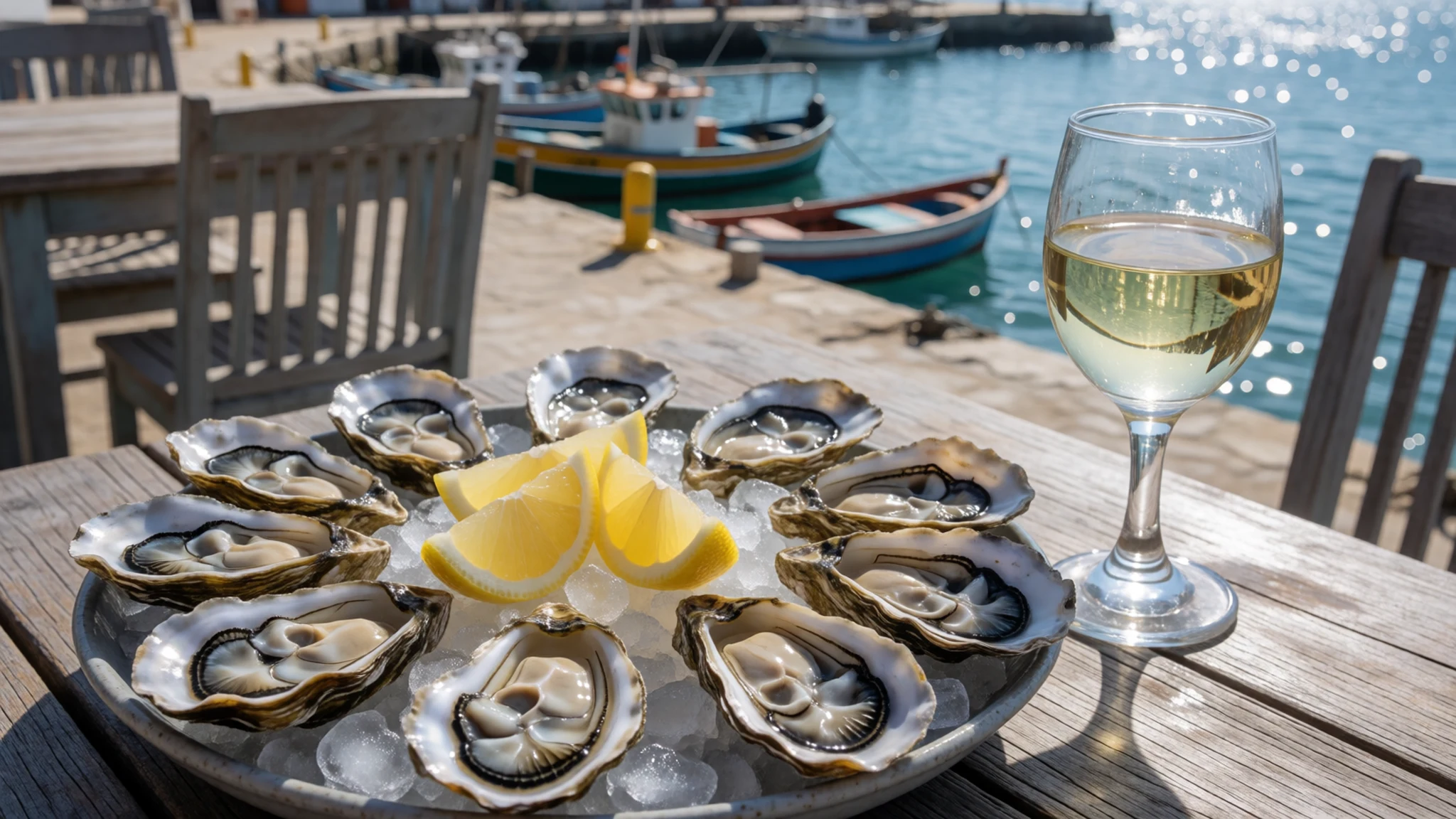
- Baked Snails — Essenzeit on Bismarck Street
A popular starter found on traditional menus in local establishments, often prepared in garlic butter and herbs. It is a hearty comfort dish enjoyed by visitors unwinding after a windy day of exploring the desert coast. - Windhoek Lager Beer — Cosy Corner Coffee Shop
Brewed in the capital according to traditional German purity laws, this crisp golden lager is the definitive accompaniment to any meal in southern Africa. It is readily available at every bar, cafe, and guesthouse counter across town.
Plan it
Best time. March to April and October to November offer pleasant daytime temperatures and calmer conditions; avoid mid-summer when fierce winds and sandstorms peak.
How long. 2–3
Getting there. Drive along the tarred B4 highway westward from Keetmanshoop across the desert hamlets of Goageb and Aus, or check regional flight connections.
Budget. mid
Tips
- Check vehicle insurance policies to ensure they cover sandstorm damage on the B4 highway
- Drive very cautiously over sand dunes piled on the tarmac to avoid severe vehicle damage
- Book ghost town excursion permits and guided tours in advance
- Carry cash for small purchases as card machines can occasionally fail in remote spots
- Wear windproof layers and secure hats tightly against sudden gusts
Etiquette
- Always ask permission before photographing local residents or private homes
- Respect sensitive desert ecosystems and historic ghost town ruins by staying on designated paths
Nearby
Sources
- Wikidata Q159325 (CC0)
- Wikipedia (rev 1378749759) (CC BY-SA 4.0)
- Wikivoyage (rev 5353281) (CC BY-SA 4.0)