Sir Bani Yas
Sir Bani Yas, United Arab Emirates
Sir Bani Yas is a hilly Gulf island of safari tracks, quiet bays and a 7th-century monastery, reached by a short water-taxi ride.
The place
Sir Bani Yas is an island in the Gulf off the western edge of Abu Dhabi emirate, roughly 170 km south-west of the capital and a short water-taxi ride from the mainland port at Marsa Jebel Dhanna. It is the largest natural island in the United Arab Emirates, and it is a long, hilly stretch of land rather than the flat sandbar the word island might suggest. The interior rises to 102 m, and from the higher points the ground drops away to a pale coast and shallow turquoise water. Much of the island is a wildlife reserve, set up in 1977 on the initiative of Sheikh Zayed bin Sultan Al Nahyan. Decades of planting and animal introductions have turned scrub into something closer to open parkland, with several million trees and shrubs and thousands of free-roaming animals. Birds use the island too, and dolphins and turtles live in the surrounding water. A visit here is not a casual affair. The island is run through resorts operated by a single company, so accommodation, transfers and most activities come as a package, and prices reflect that. There is no town to wander, no market and no public ferry timetable to improvise around. What the island offers instead is space: safari drives, quiet bays, cycling and hiking tracks, and archaeology that surprises people who expected only sand and sea. Summer heat is strong enough to shape the whole day, so the cooler months are when it feels comfortable outdoors. The honest verdict is that it suits travellers who want nature and calm and do not mind paying for them, and it is a poor fit for anyone watching the budget closely.
Its story
Sir Bani Yas takes its name from the Bani Yas, the tribal group whose roots lie in the Abu Dhabi area. Geologically, the island is the exposed crest of a salt dome, a bulge pushed up over a very long time by salt moving underground, which explains the broken, hilly interior and the varied surface colours visible in satellite photographs. People have been here for thousands of years. Archaeologists have recorded 36 sites across the island, including a Bronze Age trading port from around 1800 BC that belonged to the Dilmun network moving goods around the Gulf. Finds there included a Dilmun stamp seal and pottery fragments from the Harappan world of the Indus valley, a reminder that links between the Gulf and South Asia are very old. The most striking site is a Christian monastery, the first pre-Islamic Christian site found in the UAE. Its remains date to about 600 AD, and it came to light in 1992. The excavation team, led by Dr Joseph Elders, believes the community belonged to the Church of the East, sometimes called Nestorian, and that it was in use until about 750 AD. Later digging uncovered cells, dormitories, a kitchen and burials. The monks appear to have kept cattle, fished and traded with their Muslim neighbours along the coast. Nothing suggests the place was destroyed; it seems to have dwindled over about 150 years after Islam reached the Gulf. European writing first notes the island around 1590, when the Venetian jeweller Gasparo Balbi listed Sirbeniast among the islands near which pearls were often found. The monastery remains are now buried again under protective cover.
What to see
- Wildlife safari drive — Wildlife reserve, island interior
The reserve is the reason most people come, and a guided drive in an open vehicle is the standard way to see it. Animals roam freely across the hills and plains, and guides know where herds tend to gather. Early morning and late afternoon are cooler and usually give better sightings. Book through the resort.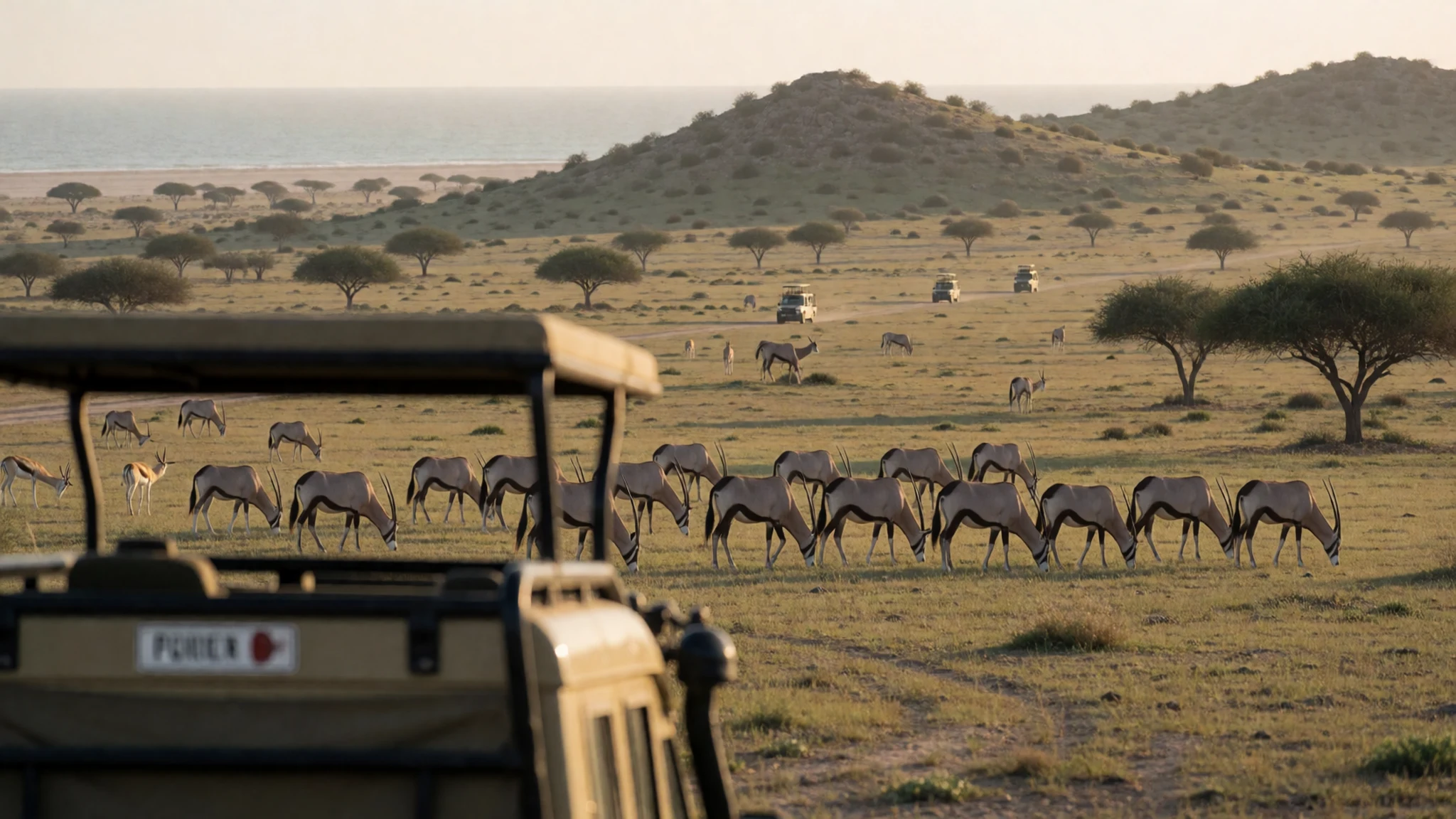
- The monastery site — Archaeological area, island coast
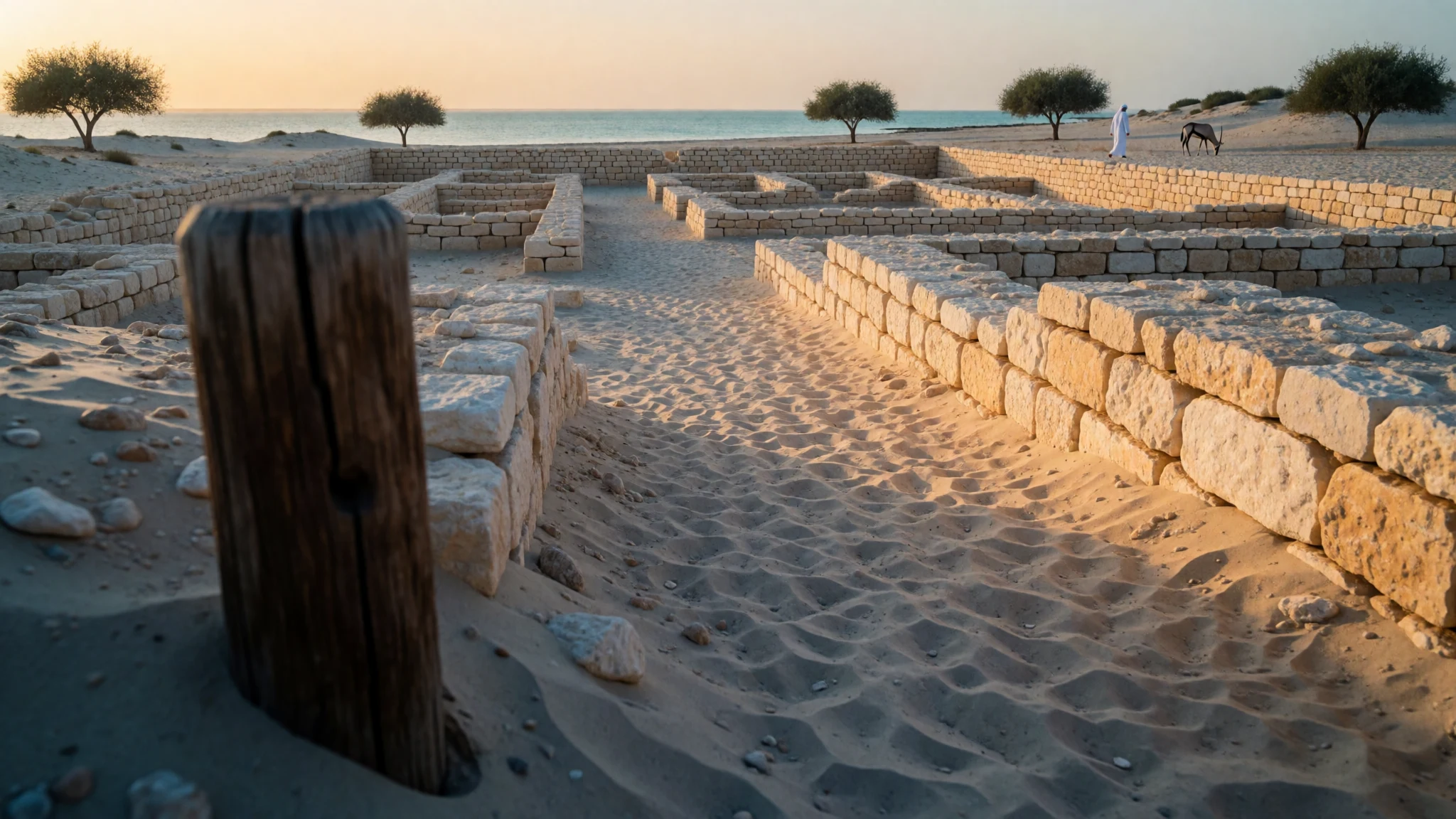
The remains of the Christian monastery are the island's most unusual historical site. Much of the excavated structure is covered for protection, so expect low outlines, information boards and guides rather than standing walls. It is worth going for the story of monks living on a Gulf island centuries ago. Ask the resort about guided visits.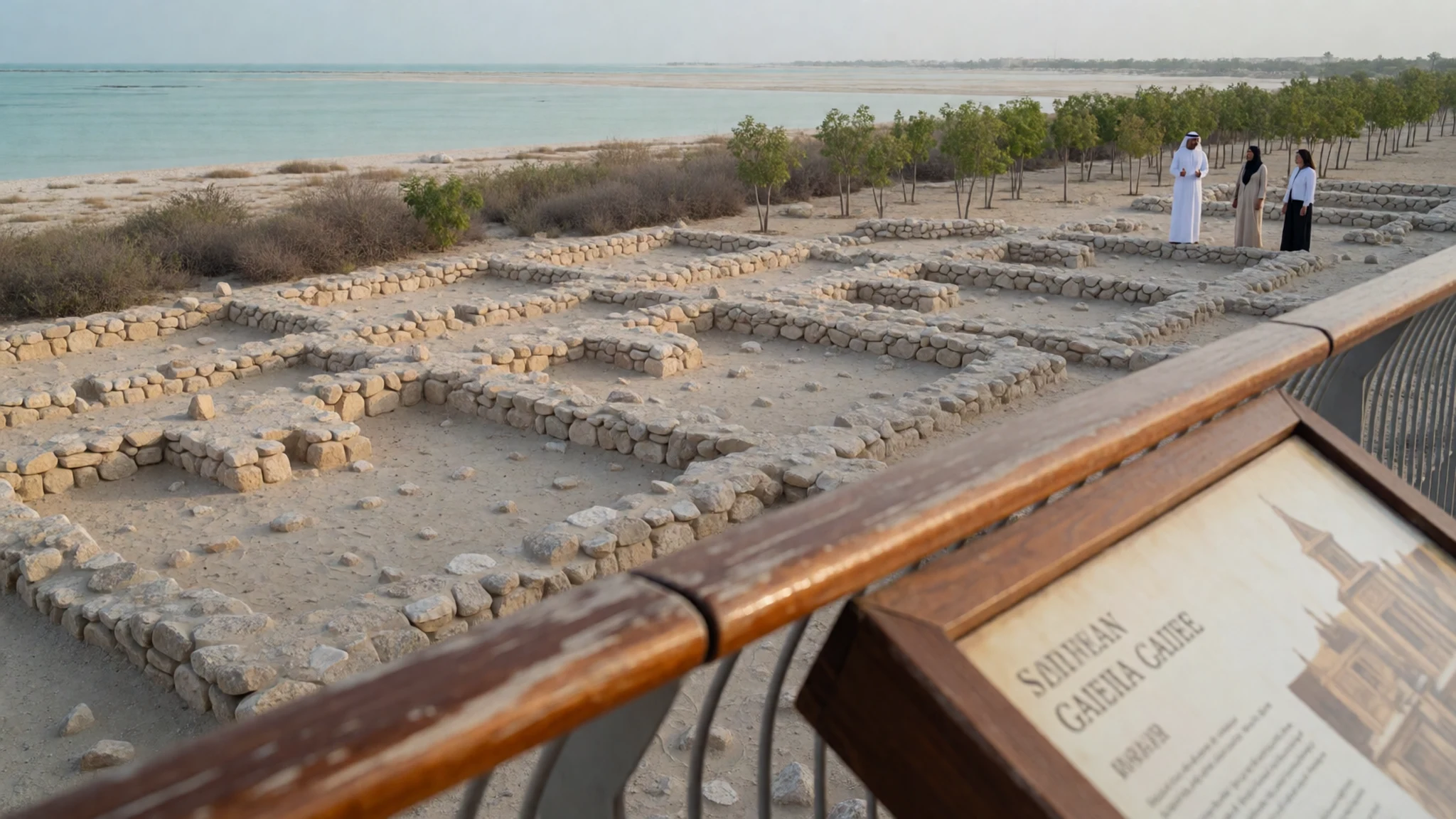
- Salt-dome hills and viewpoints — Central hills
The central hills are the visible crest of the salt dome, and their rough, banded ground looks quite different from the pale coast around them. Satellite photographs show the contrast well. On the ground, the higher tracks give wide views across the reserve and out over the water, and they are best done outside the midday heat.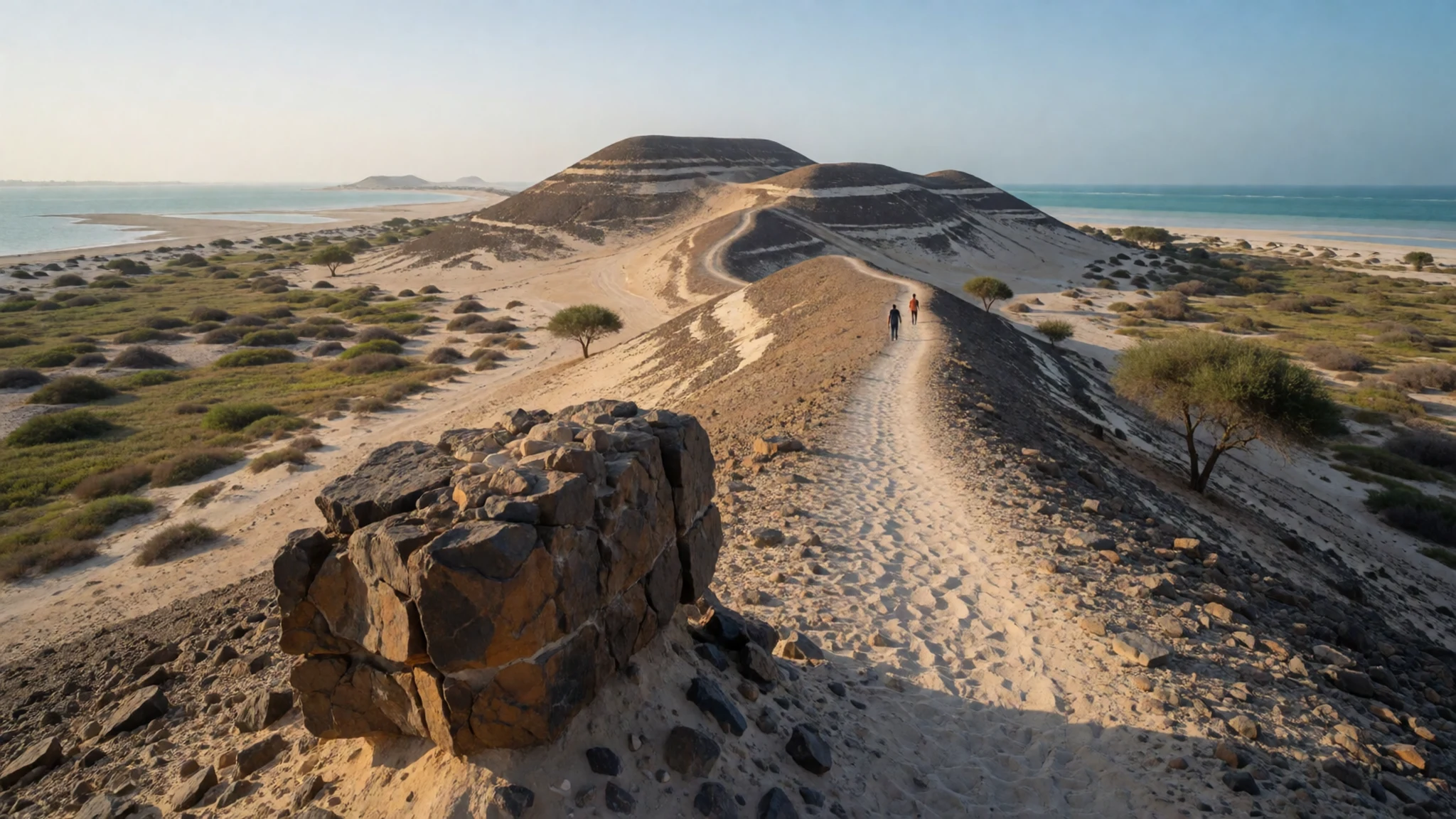
- Kayaking and snorkelling — Island coast
The sheltered shoreline is used for kayaking, and calm days suit paddling along the coast, where dolphins and turtles are sometimes seen offshore. Snorkelling is offered too. Sea conditions, water clarity and wildlife vary with the day and season, so treat any sighting as a bonus. Equipment and guides come through the resort.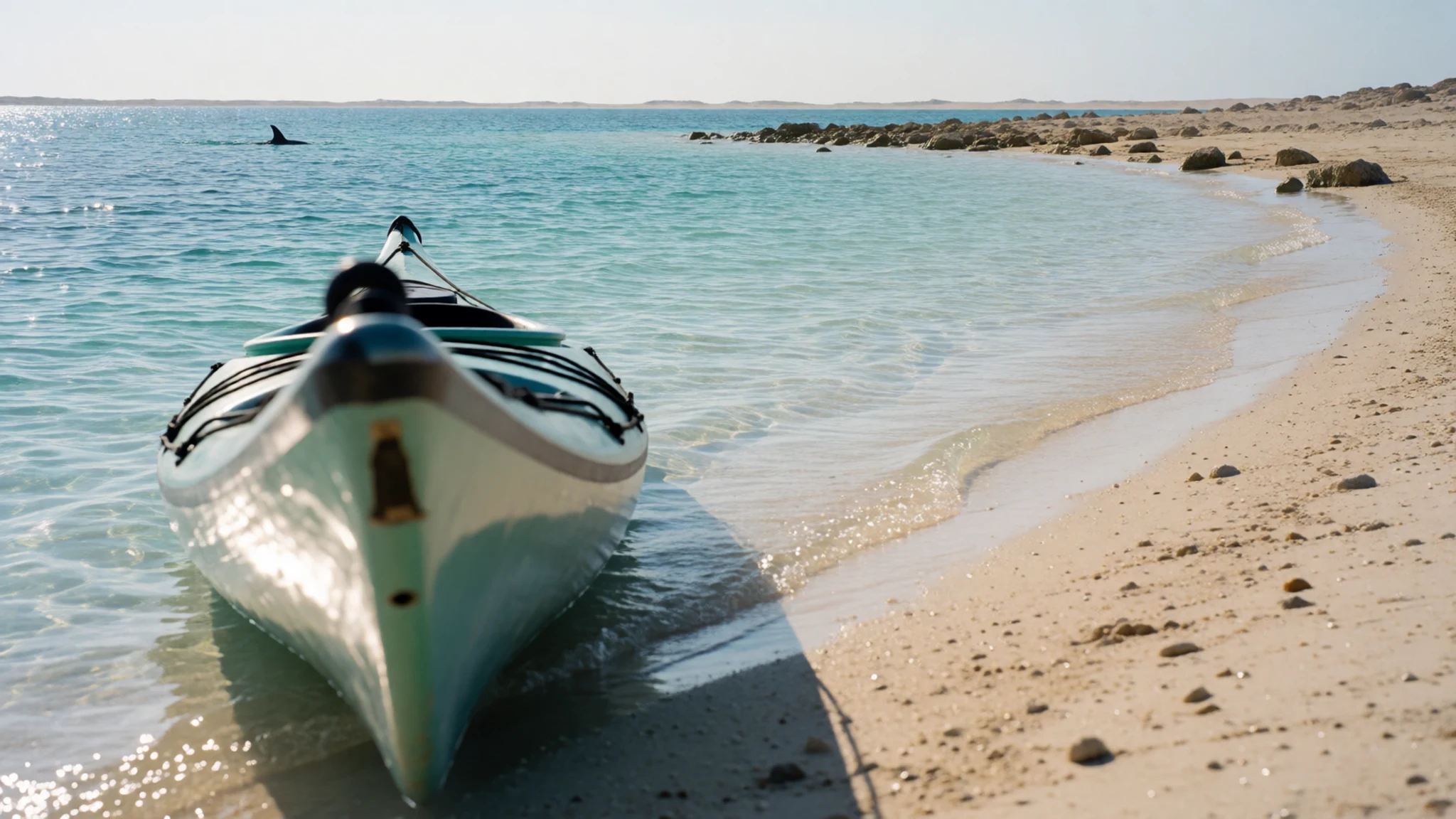
- Cycling and hiking trails — Island trails
Tracks across the hilly terrain let visitors cover ground under their own power, by mountain bike or on foot. The gradients are real, and shade is limited, so start early, carry plenty of water and choose a route that suits your fitness. Resort staff can advise on current trails and guided options.
Culture
Sir Bani Yas sits in a part of the Gulf where life long depended on the sea, date palms and herding, and where pearling was a serious trade. The island has no village life for visitors to join, so local culture reaches guests mainly through the resorts, the guides and the heritage the Emirates now present with care. Hospitality is the value to look for. Arabic coffee, gahwa, is poured in small handleless cups, usually with dates, and offered as a greeting rather than a sale. Most Emiratis are Muslim, and daily rhythm bends around prayer times and the month of Ramadan. The island's own history adds another layer: the monastery remains show that Christian monks lived here around the time Islam arrived, and the site is presented as a shared piece of regional history rather than a curiosity. The wildlife reserve, started in 1977, is part of how the country tells its story of Sheikh Zayed and the desert, and guides often weave that into a drive. Staff come from many countries, so English is the working language, with Arabic on signs and in greetings. A simple shukran for thanks is always warmly received. During Ramadan, avoid eating, drinking or smoking in public outside the resort's designated areas, and always ask before photographing local people, especially women.
What to wear
Sir Bani Yas belongs to a region where the traditional dress is still worn daily by many Emiratis. Men wear the kandura, a long white robe usually of light cotton, with a ghutra headcloth held by a black agal cord. Women wear the abaya, a loose black over-garment, often with a shayla headscarf; fabrics range from plain crepe to embroidered silk. Festive and wedding dress is more colourful and decorated. Day to day on the island, resort life is relaxed. Staff wear uniforms or practical safari clothing, and guests mostly wear beachwear by the water and casual clothes elsewhere. Visitors should dress for heat and sun first. Light, loose cotton or linen in pale colours works well, with a wide-brimmed hat, sunglasses and high-factor sunscreen. For safari drives and hikes, bring closed shoes with a good grip, since tracks are rocky and dusty, and a light layer for cool mornings and air-conditioned vehicles in winter. Away from the pool and beach, keep shoulders and knees covered as a courtesy; this matters more on the mainland and when visiting any mosque or local community. Swimwear belongs at the beach and pool only. In the cooler months an evening jumper or shawl is useful, because breezes off the water can feel sharp.
What to eat
- Machboos — Resort restaurants
A spiced rice dish cooked with meat or fish, flavoured with dried lime, onion and warm spices. It is a staple of Gulf home cooking and often appears on Arabic buffets. Look for it in the resort restaurants, especially at themed dinners.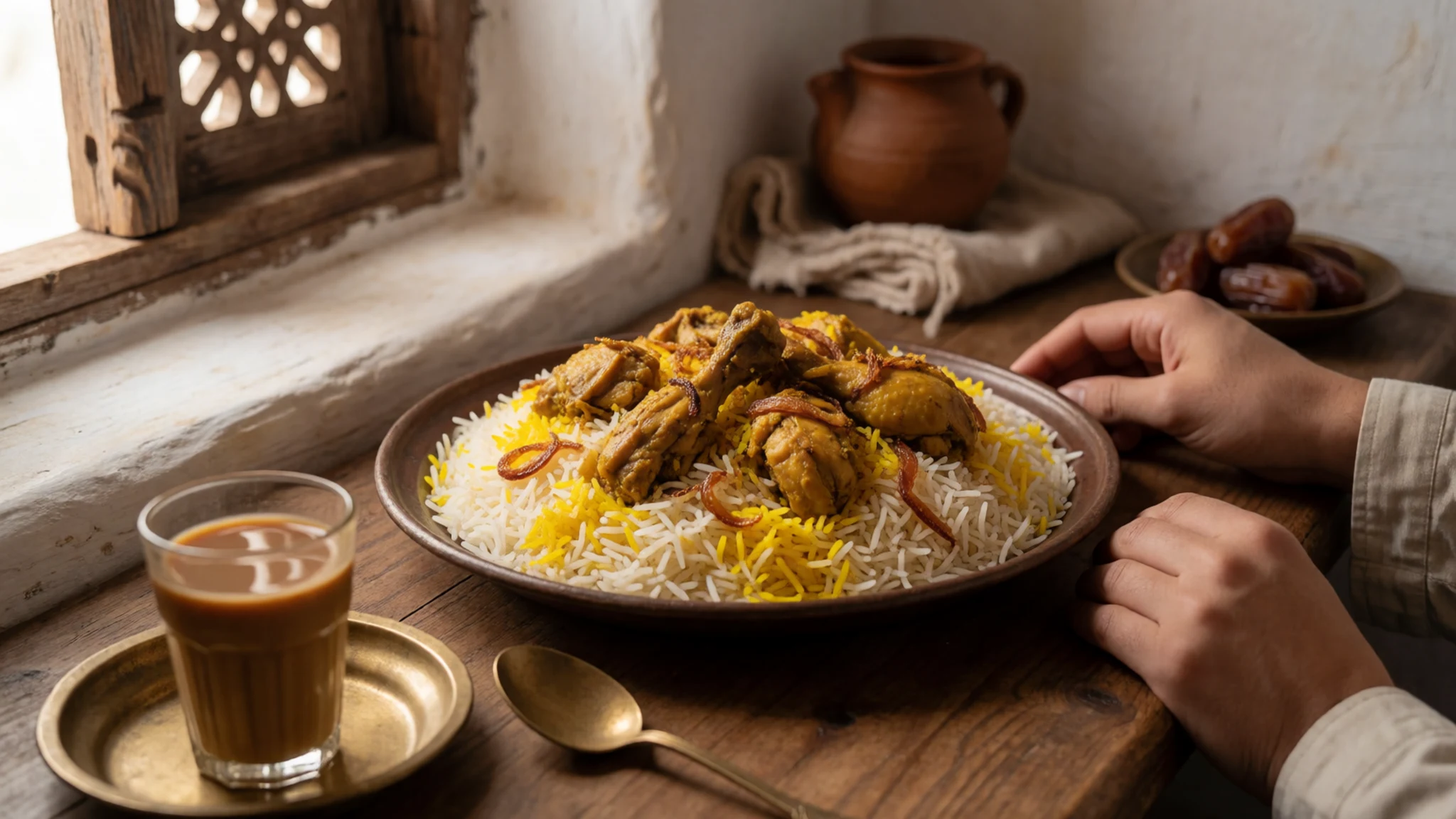
- Grilled hammour — Resort seafood restaurants
Hammour, a local reef fish, is usually grilled whole or in thick pieces with lemon and herbs. It suits the island setting well. Ask restaurant staff what the catch of the day is and how it is prepared.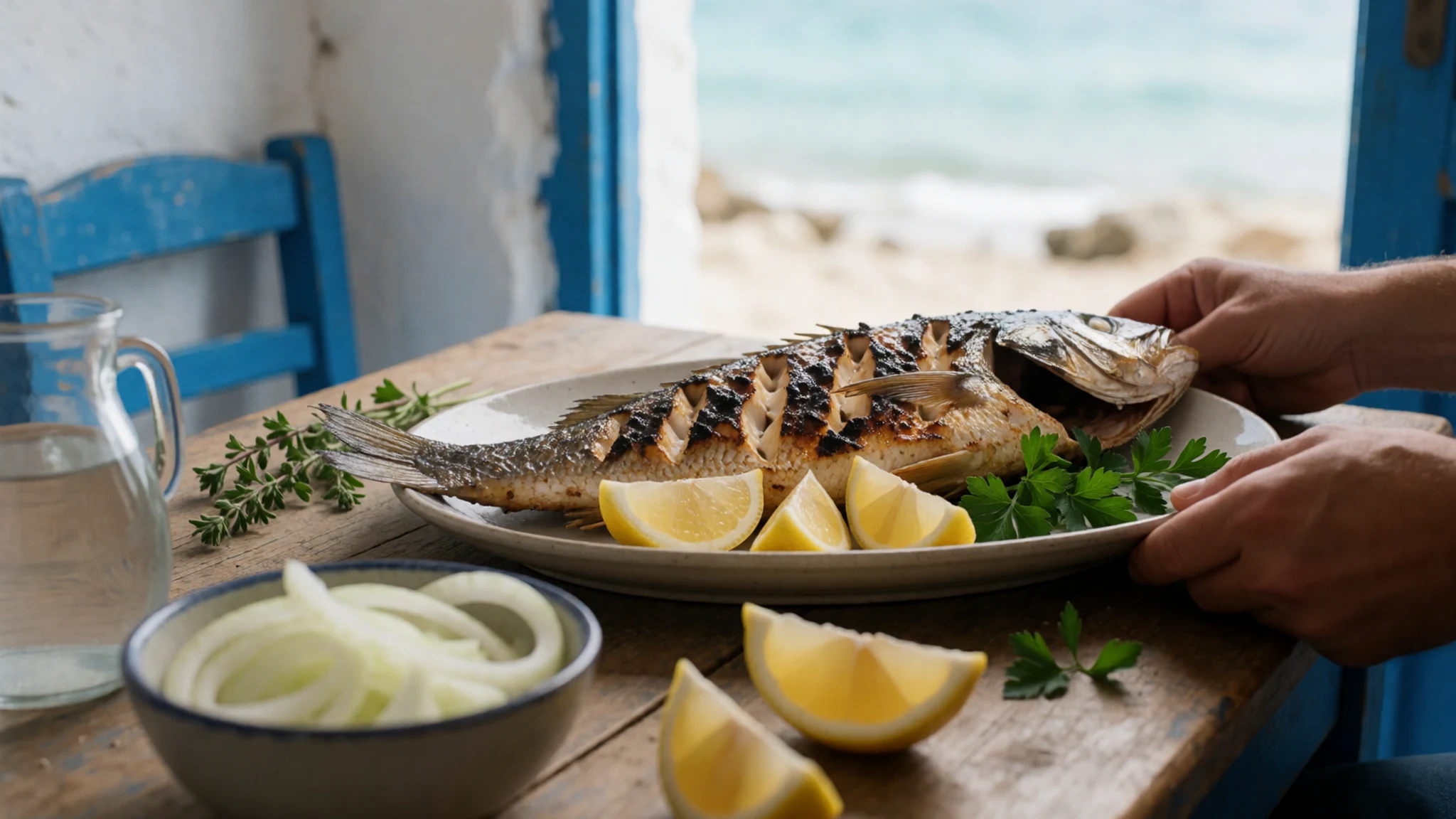
- Harees — Resort Arabic dinners, mainland family eateries
Wheat slow-cooked with meat until it becomes a soft, porridge-like dish, often served during Ramadan and on celebration days. It is plain, filling and comforting rather than spicy. It is more common in winter and at special meals. - Luqaimat — Resort dessert tables and mainland cafés
Small fried dumplings, crisp outside and soft inside, usually glazed with date syrup. They are a common sweet at gatherings and festivals across the Emirates, and they make a good end to an Arabic dinner. - Gahwa and dates — Resort lobbies and majlis-style lounges
Lightly roasted Arabic coffee with cardamom, served with fresh or stuffed dates. It is a welcome ritual as much as a drink. Accept a small cup, then shake it gently when you want to stop being refilled.
Plan it
Best time. November to March, when days are warm rather than punishing and the outdoor activities are comfortable. Summer is very hot and humid, and midday heat makes safari drives, hiking and cycling hard work.
How long. 2–3
Getting there. Fly to Abu Dhabi, then drive about three hours along the E11 towards Ruwais and follow signs for the turnoff to Marsa Jebel Dhanna. From the port, a water taxi to the island takes about 20 minutes. Resort guests should contact the resort with their reservation number to have a transfer seat reserved.
Budget. high
Tips
- Book the resort and your water-taxi seat well ahead, as there is no other place to stay on the island
- Do activities early in the morning or late in the afternoon to avoid the worst heat
- Carry water, sunscreen and a hat on every outing
- Check the resort for current activity options, schedules and prices, as none are fixed
- Allow the full road journey from Abu Dhabi or Dubai, which is long
Etiquette
- Follow your guide's instructions around the animals and keep to vehicles and marked paths on safari
- Dress modestly away from the beach and pool
- Ask before photographing local people
Nearby
Sources
- Wikidata Q2289965 (CC0)
- Wikipedia: Sir Bani Yas (rev 1383575909) (CC BY-SA 4.0)
- Wikivoyage: Sir Bani Yas Island (rev 5314723) (CC BY-SA 4.0)
- Photo: Sir Bani Yas Island panorama, Ismail.alghussein (CC BY 3.0)
- Photo: Sir Bani Yas Island, NASA Expedition 22 crew (Public domain)
- Photo: United Arab Emirates location map, NordNordWest / Uwe Dedering (CC BY 3.0)
- Photo: Gasha (1), greeeen2008 (CC BY 3.0)
- Photo: Gasha (2), greeeen2008 (CC BY 3.0)
- Photo: Gasha (3), greeeen2008 (CC BY 3.0)
- Photo: Gasha, greeeen2008 (CC BY 3.0)
- Photo: Gasha (panoramio), greeeen2008 (CC BY 3.0)


Wildlife
- Indo-pacific bottlenose dolphin (animal)
The Indo-Pacific bottlenose dolphin is a sleek, sociable sea mammal with a dark grey back and a paler belly, sometimes dotted with grey spots. Around Sir Bani Yas it lives in the waters surrounding the island, so scan the sea rather than the land. I cannot say which season or hour is best, so ask your guide what they have seen lately. Watch from a respectful distance, keep your voice low, and never feed it.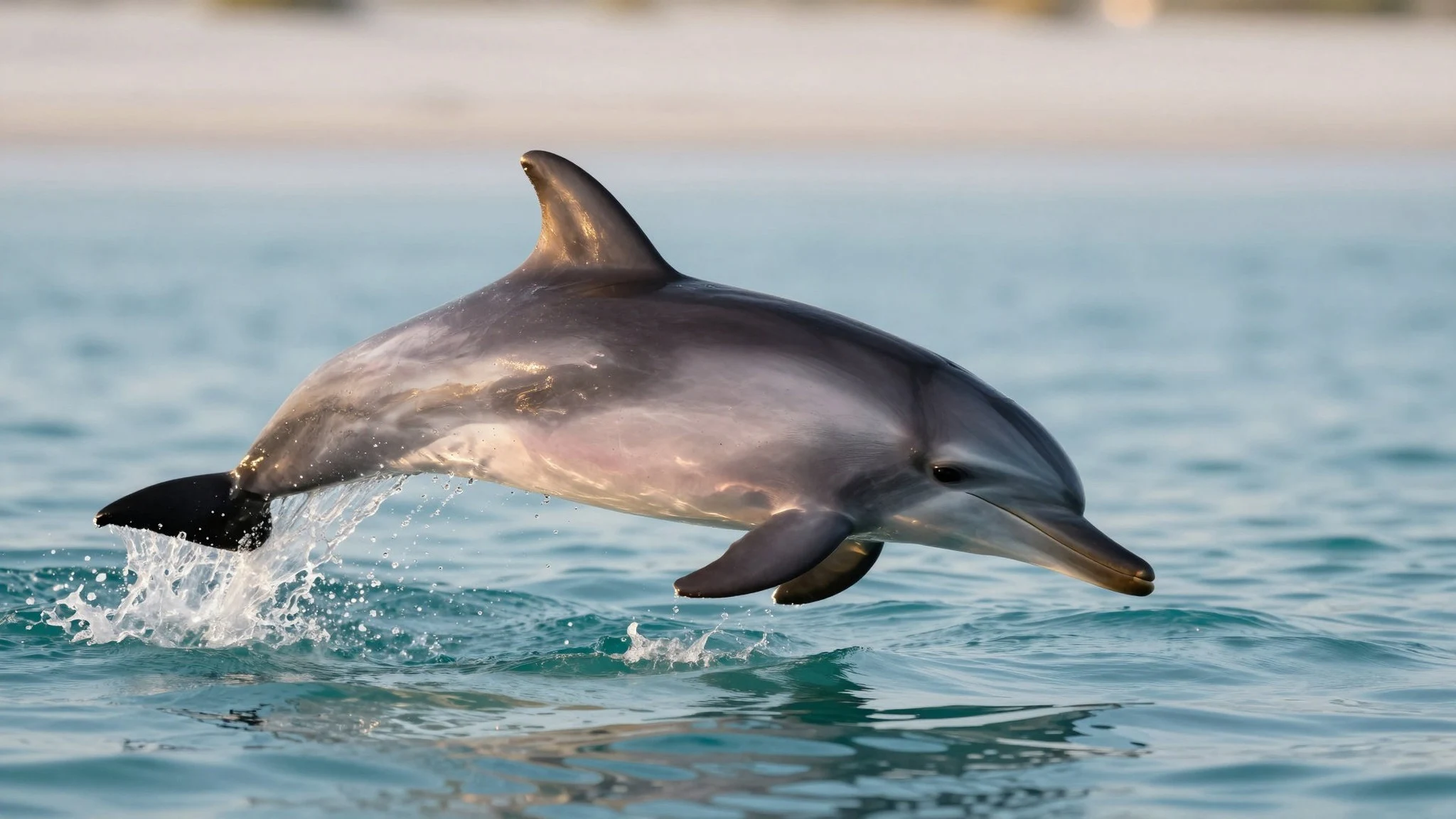
- Green sea turtle (animal)
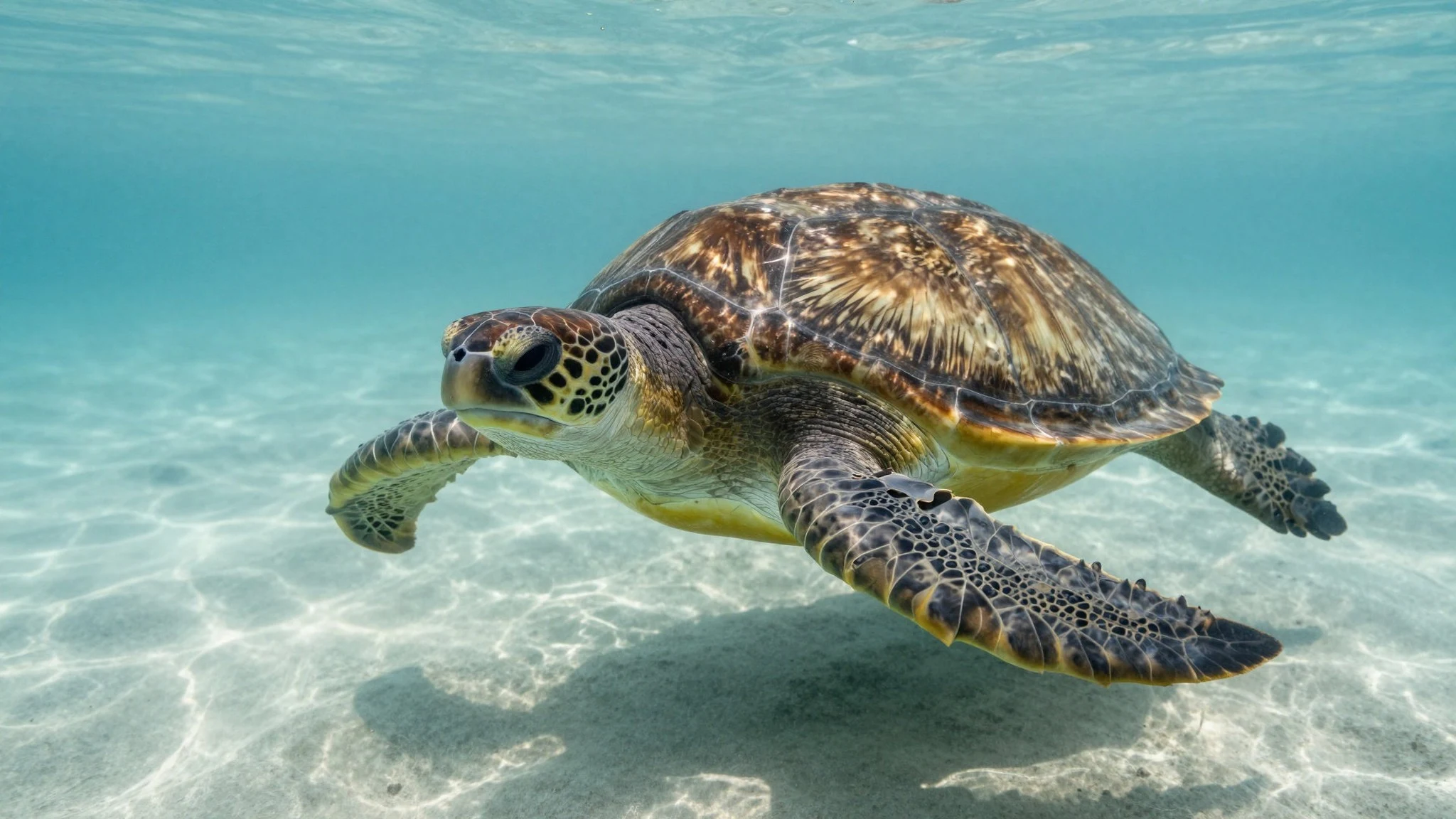
The green sea turtle is a large sea turtle that gets its name from the green fat beneath its shell, because it eats only seagrass, even though its shell is olive to black. It lives in the waters around Sir Bani Yas. I cannot say which season or time of day suits it best, so ask a guide where and when to look. Watch quietly from a distance, never touch or feed it, and let it go about its day.