Shifen Waterfall
Shifen Waterfall, Taiwan
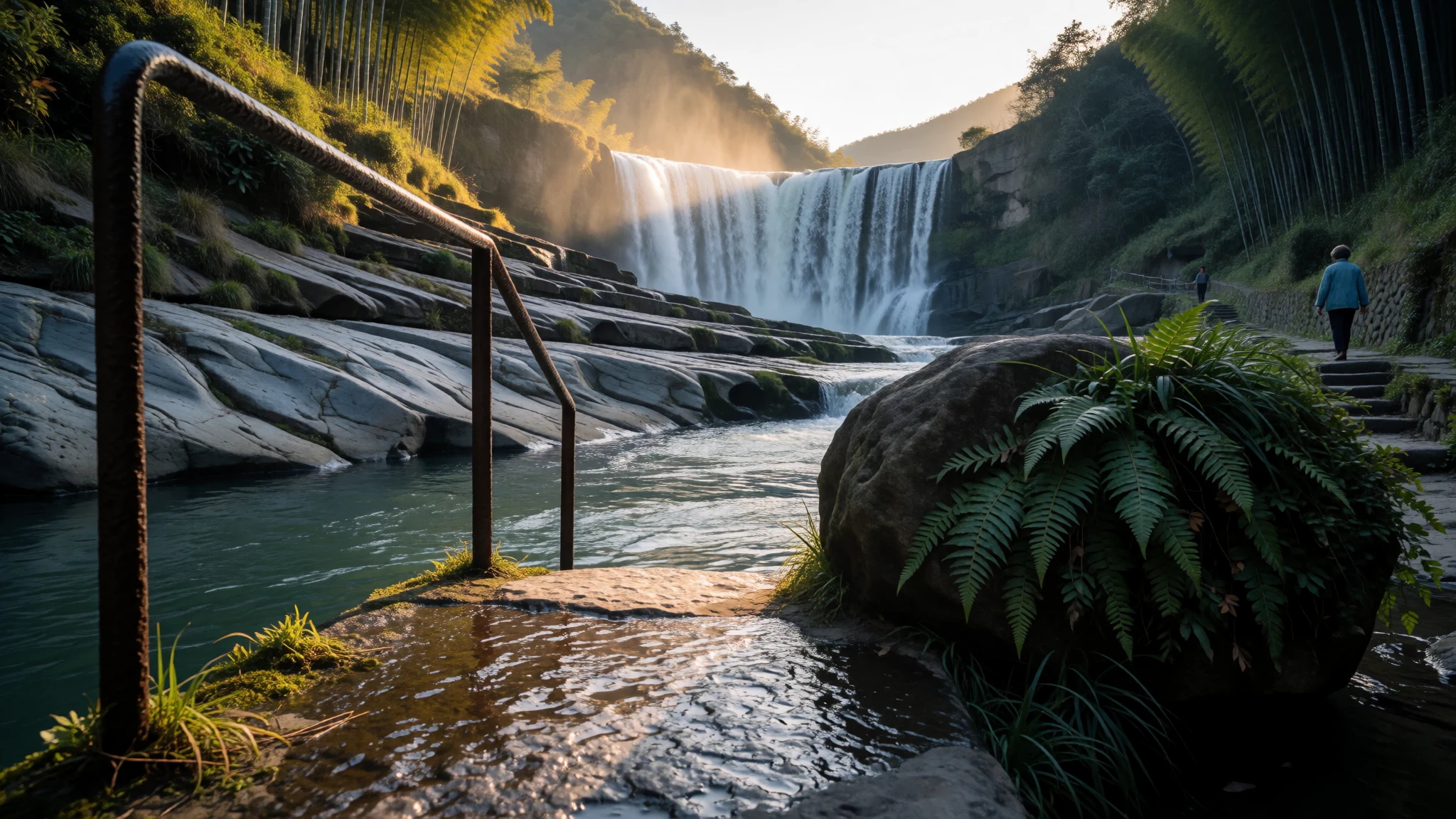
Shifen Waterfall is a wide, curtain-like fall on the Keelung River, set among old mining-railway villages an easy day from Taipei.
The place
Shifen Waterfall (十分瀑布, Shífēn Pùbù) lies in Pingxi District of New Taipei City, on the upper Keelung River, in folded green hills east of Taipei. The fall drops 20 metres and spreads 40 metres across, so it looks low and wide, more like a drawn curtain than a plunging column, and it is described as the broadest waterfall in Taiwan. The water flows in one direction while the rock beneath slopes the other way, which breaks the river into a series of veils over stepped ledges. Downstream of the lip, the riverbed is pitted with potholes. Uneven currents form whirlpools that trap stones and spin them against the bed, and over time those stones grind round hollows into the rock. After heavy rain the river runs the colour of milky tea and the roar carries far along the paths; in drier spells the veils thin and the ledges show. The falls sit inside a small park with viewing platforms and short walks along the banks, close to Shifen village. Pingxi as a whole is a district of steep valleys, small stations and former mining settlements strung along a branch railway that follows the river. Most visitors come from Taipei for the day, pair the waterfall with a lantern release in the village and a ride on the branch line, and head back by late afternoon. Weekends and public holidays are crowded, with queues at the main viewpoints, so a weekday morning gives far more room to look.
Its story
Shifen Waterfall sits in a valley that coal shaped as much as water did. In the early 1900s, Pingxi thrived as a major coal-mining hub, and the local settlements along the river expanded around the industry. The money it generated is still visible: the Tsai Mansion, dating from 1939, was built by Tsai Chuan, a local businessman who made his fortune in mining. Elsewhere in the district, Jingtong Coal Memorial Park marks a former underground mining site, and Pingxi Guanyin Temple sits above a tunnel leading to a bomb shelter that can still be entered. When mining wound down, the settlements were left with steep lanes, a branch railway and fewer reasons for anyone to stay. Tourism filled part of that gap. The Pingxi Line became a scenic ride, the streets beside the track became markets, and the waterfall became one stop on a loop of small stations. Pingxi is also home to the source of the Keelung River, so the falls lie near the start of the river's long journey. The sky-lantern custom grew onto this stage: paper lanterns with messages written on them are released from Shifen Old Street, and Pingxi is now popular across Taiwan for it. Museums in the district, including the Taiwan Coal Mine Museum and the Jingtong Mining Industry Museum, keep the mining story in view with displays on the landscape and the trade that built it.
What to see
- Shifen Waterfall — Shifen, Pingxi District
The main draw sits in a small park in Pingxi District, where the river spreads 40 metres wide and falls 20 metres over stepped rock. Viewing platforms at several levels give different angles, and the potholes in the riverbed are worth a look from the lower viewpoints. Go early on weekdays, because weekend platforms fill and photographs get hard.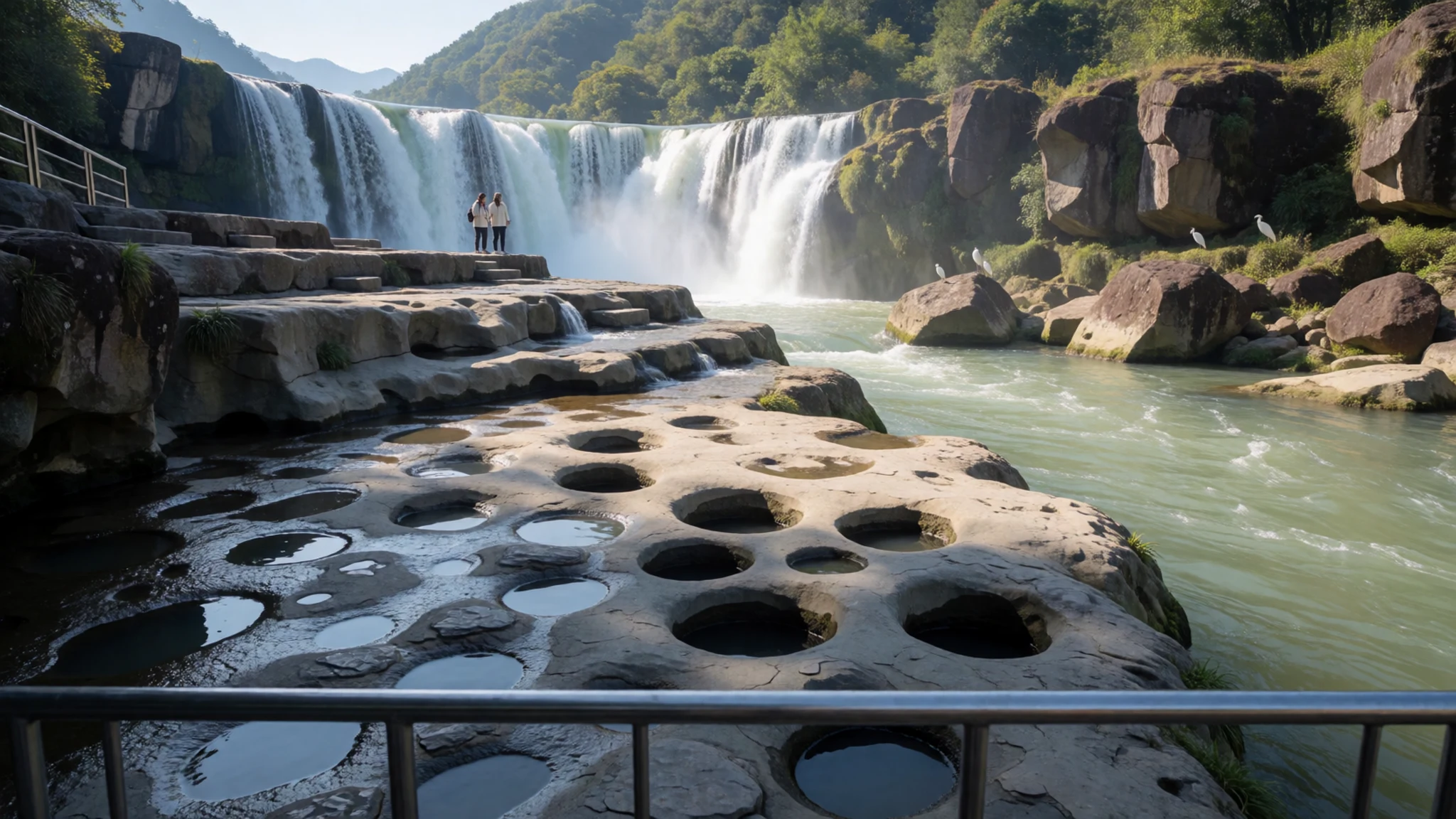
- Shifen Old Street — Shifen village, Pingxi District
Shifen Old Street is a lane of snack stalls and souvenir shops with the railway laid straight along its centre. When a train is due, the crowd steps back to the edges and then closes in again behind it. Sky lanterns with handwritten messages are released here, and the street is loud, busy and best seen early.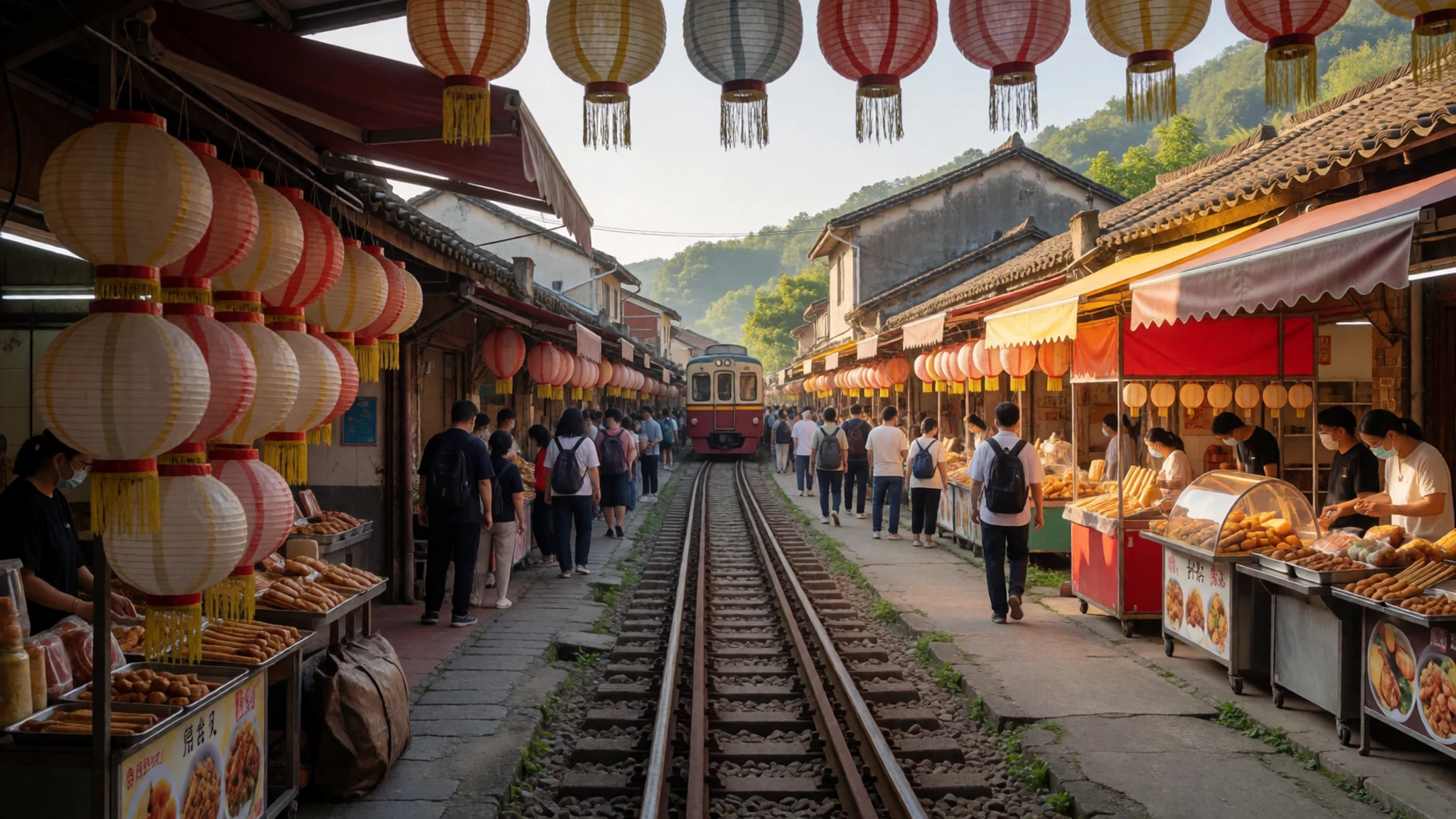
- Lingjiao Waterfall — Near Pingxi station, Pingxi District
Lingjiao Waterfall is a modest fall close to Pingxi, reached on foot from the nearby station, so it fits easily into the gap between trains. It makes a quieter contrast with the broad falls at Shifen, and the approach runs through damp, green hillside. Shoes with grip help, since stone and boardwalk stay slippery after rain.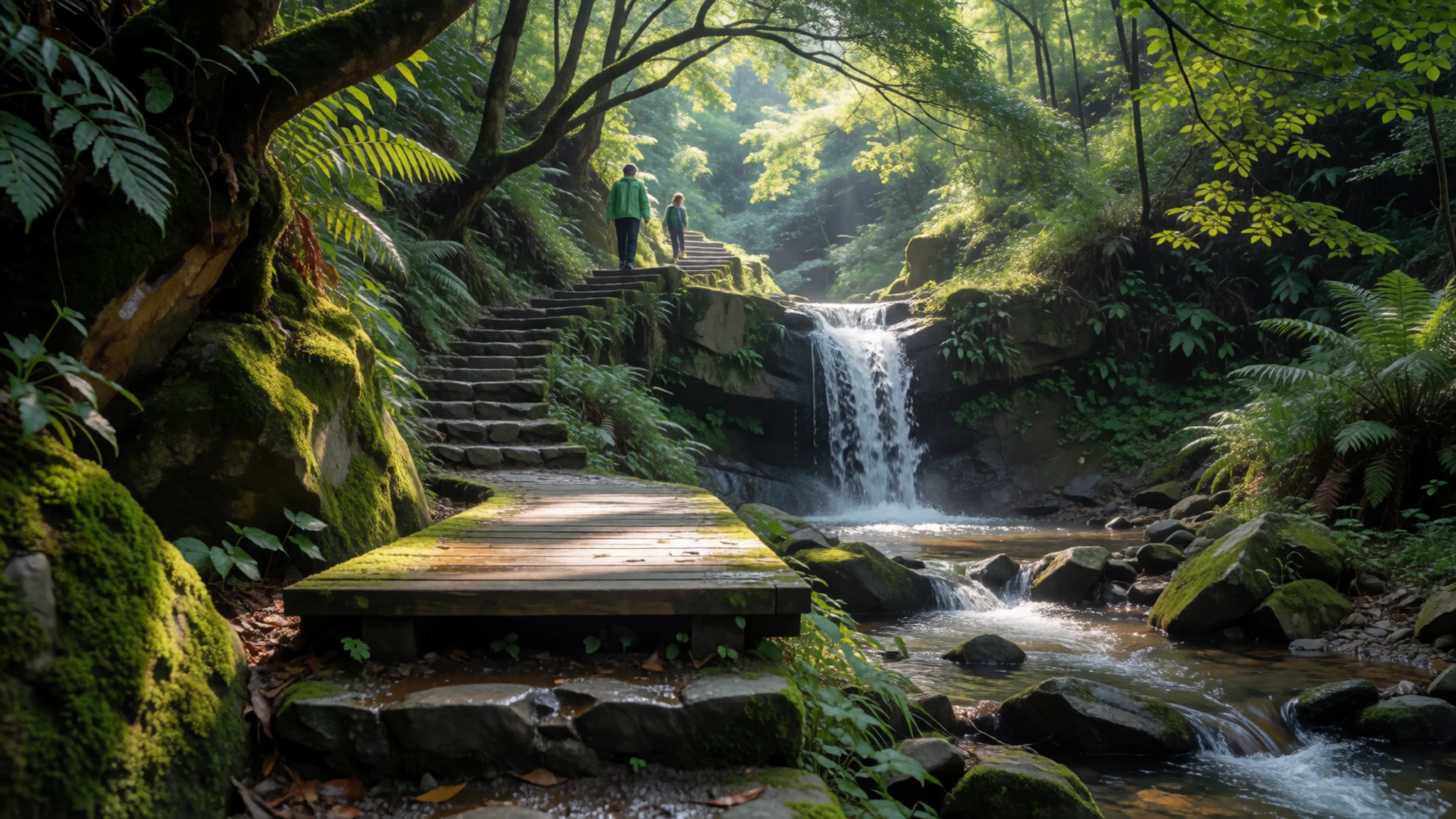
- Zhongpu Iron Bridge — Jingtong area, Pingxi District
Zhongpu Iron Bridge was built in the 1940s and is now a spot where visitors leave handwritten wishes and affections on lengths of bamboo tied to its sides. It is a short stop rather than a destination, but the notes keep changing, so the bridge looks different from one visit to the next.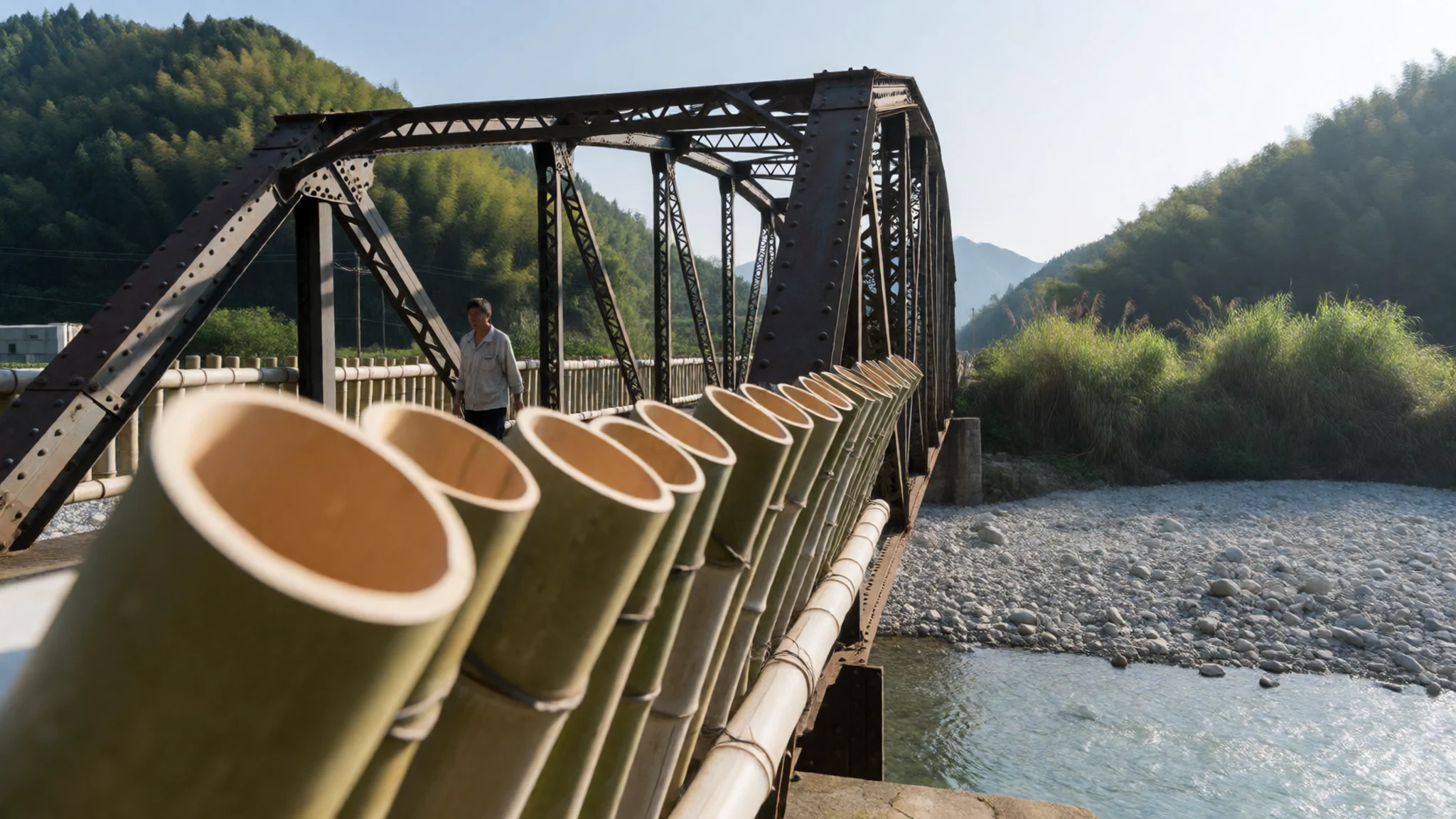
- Pingxi Old Street — Pingxi village, Pingxi District
Pingxi Old Street is a narrow lane of small shops and snack stalls in the village at the heart of the district. It is calmer than Shifen on weekdays and a good place to browse, eat and watch the branch train pass. Pingxi Guanyin Temple, dedicated to the goddess of mercy, stands close by.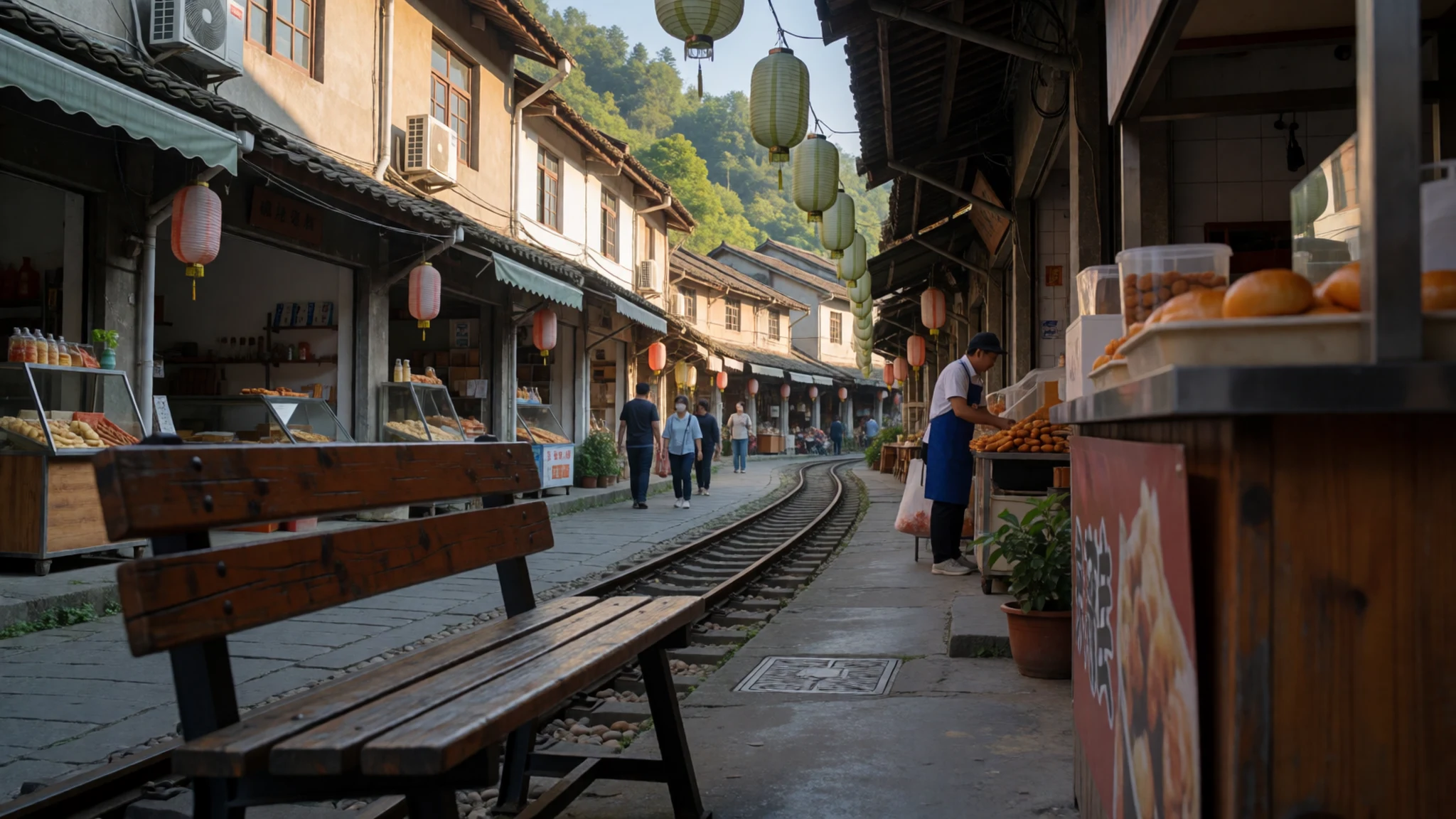
- Taiwan Coal Mine Museum — Pingxi District
The Taiwan Coal Mine Museum in Pingxi District occupies a former mine, the New Pingxi Mine, from the later years of the Tai-Yiang mining company. It gives the waterfall trip some context, showing the industry that built the valley's villages. Check the official listing before going for opening times.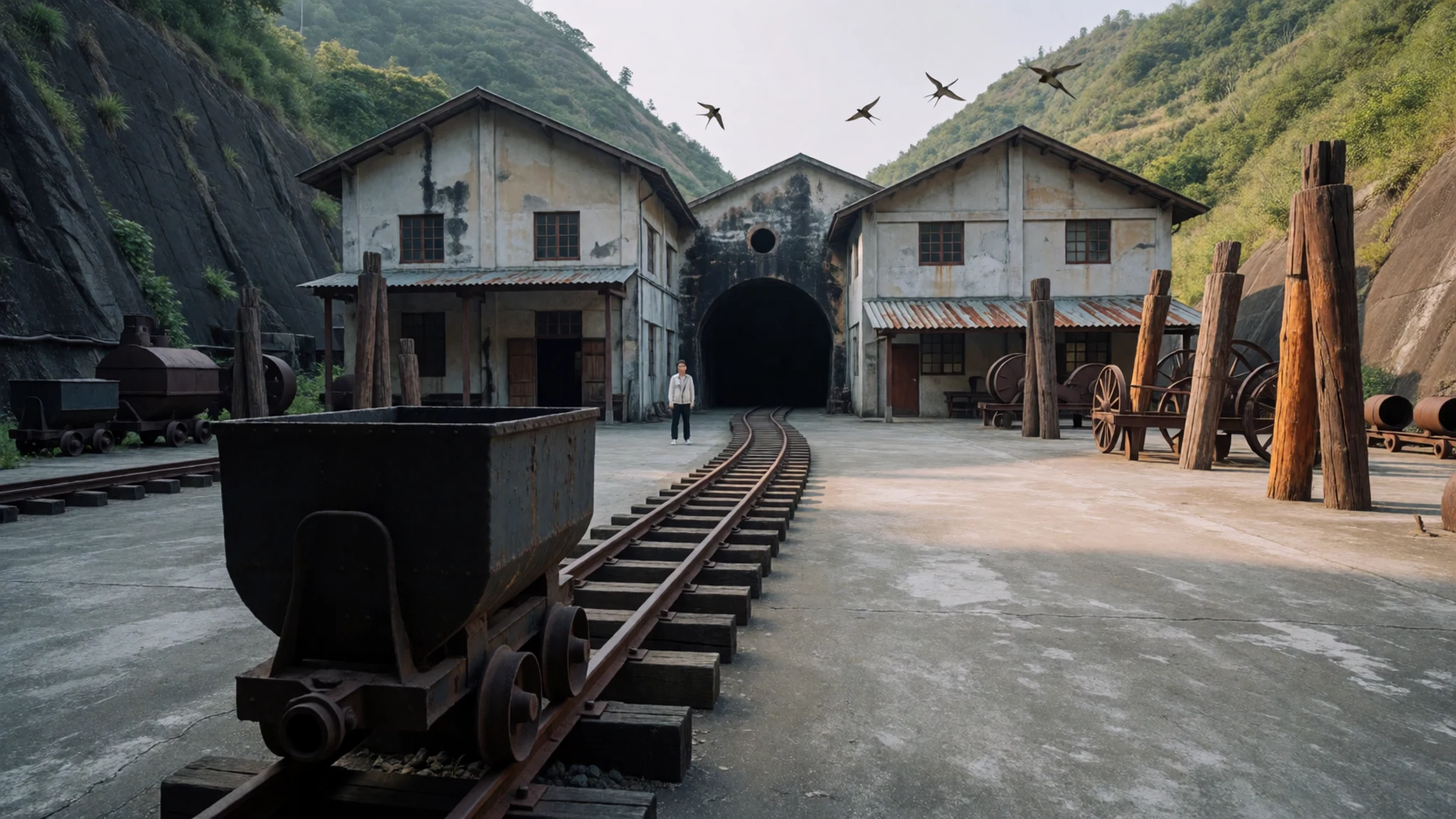
Culture
Shifen Waterfall sits in a district where industrial memory, folk custom and day-trip leisure overlap. Pingxi was a coal town, and its museums, old mansions and tunnels present that history as local heritage rather than a curiosity. Religion is part of the picture too: Pingxi Guanyin Temple is dedicated to the goddess of mercy, and a tunnel beneath it leads to a bomb shelter. The best-known custom is the sky lantern. Visitors write wishes or messages on paper lanterns and release them from Shifen Old Street, a practice tied to the Lantern Festival and popular across Taiwan. The writing is the real point, so it helps to decide what to say before the lantern goes up. Zhongpu Iron Bridge carries a quieter version of the same impulse, with handwritten notes tied along its sides. Hiking is the other local habit, with plenty of trails through the valleys. The mood is relaxed and cheerful rather than solemn, though the temple and the mining memorials still call for lowered voices. Please do not stand on the railway tracks in Shifen Old Street when a train is due, and ask the stall staff how to release a lantern safely before lighting anything.
What to wear
Shifen Waterfall is a day-out destination, so what people wear there is mostly practical, but Taiwan's traditional dress sits behind it. Among the island's Indigenous peoples, woven cloth in ramie and cotton, often with bold geometric bands, is made for ceremonies and festivals and now also appears on bags and scarves sold as souvenirs. Hakka communities are associated with indigo-dyed cotton, cut into plain jackets and worn mostly for festivals, performances and heritage events today. The qipao and other long gowns appear at weddings and formal occasions rather than on the street. Everyday dress in and around Pingxi is casual: trainers, shorts or light trousers, caps, and a rain jacket or umbrella tucked into a bag, because the hills catch showers. Local families on a day trip dress much like hikers. Visitors should wear quick-drying layers in cotton-blend or synthetic cloth, with a light waterproof shell for the humid months and a warm layer for winter, when the valley feels damp and cool. Shoes need real grip, as viewing platforms, stairs and riverside stone get slick. A sun hat and sunscreen are useful in summer. At Pingxi Guanyin Temple, covered shoulders and knees are a courteous choice, while the waterfall and old streets call for nothing formal.
What to eat
- Grilled Taiwanese sausage (xiāngcháng) — Snack stalls along Shifen Old Street and Pingxi Old Street
A sweetish, garlicky pork sausage grilled over charcoal and eaten from a stick, often with a slice of raw garlic or a pickle on the side. It is an easy walking snack for the lanes beside the rails.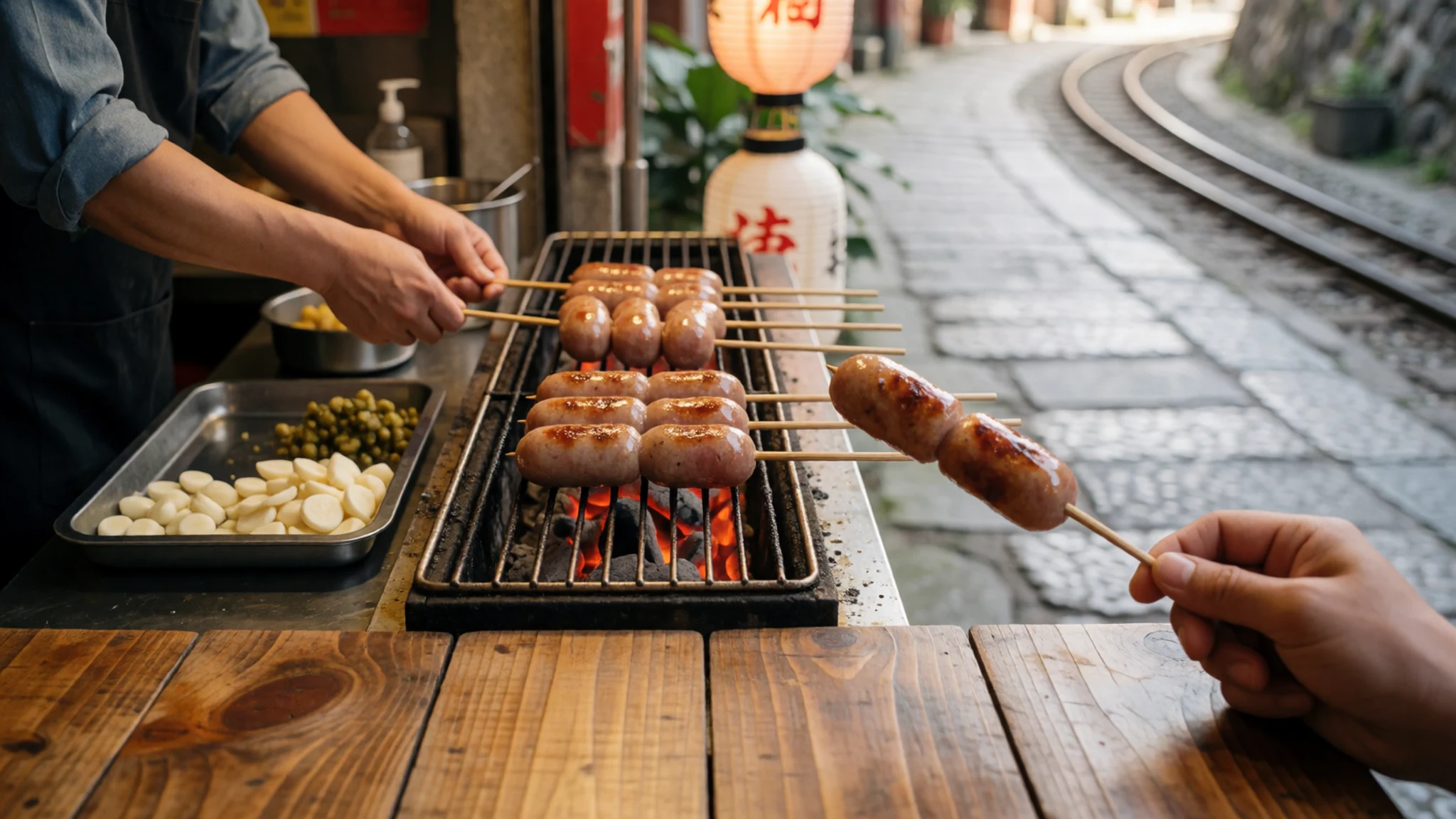
- Stinky tofu (chòudòufu) — Street stalls in Shifen and Pingxi villages
Fermented tofu, deep-fried until crisp and served with pickled cabbage and chilli sauce, or braised in a spicy broth. The smell is strong and announces the stall long before it appears; the taste is milder and savoury than the smell suggests. Try a small portion first.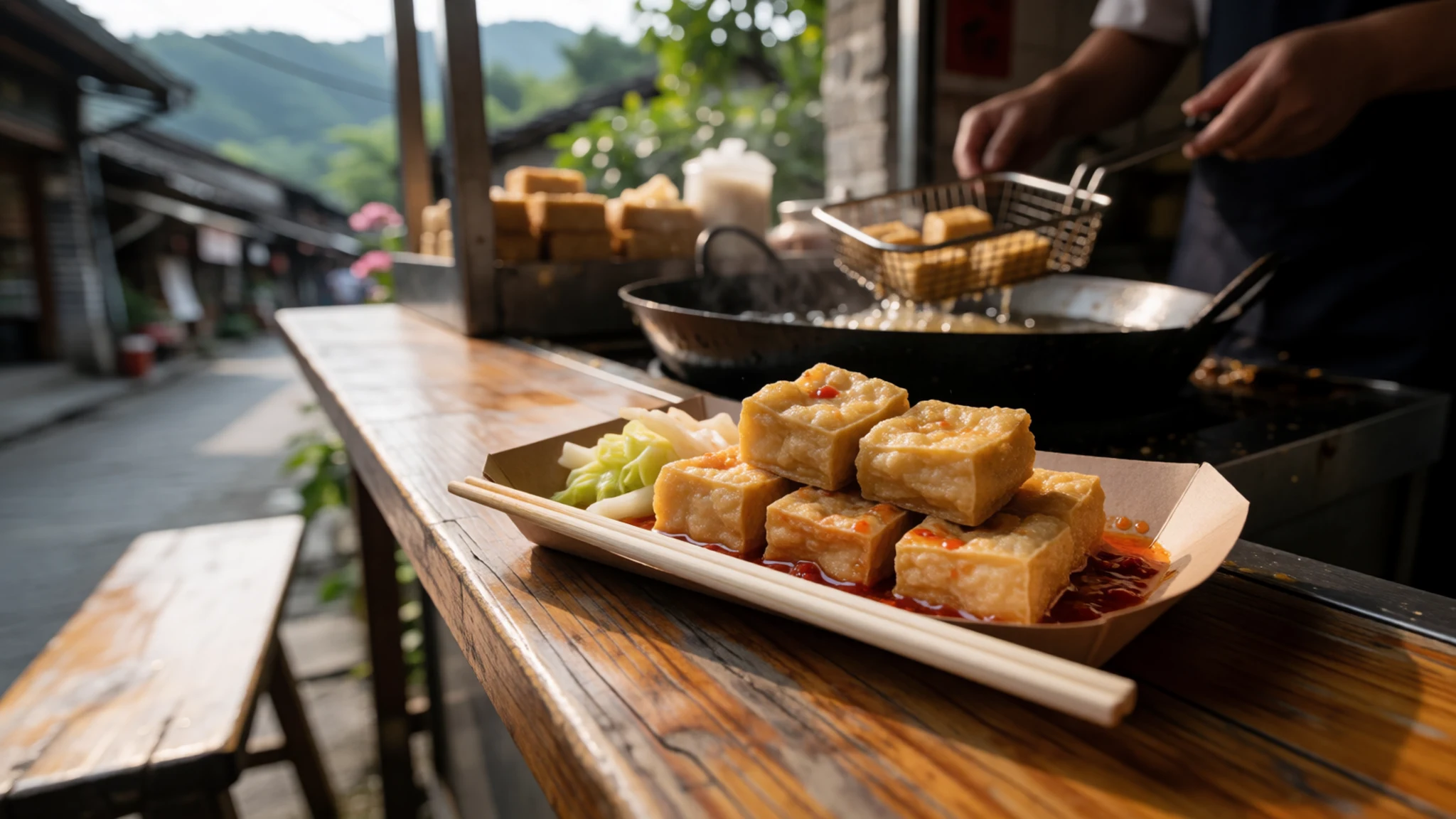
- Braised pork rice (lǔròufàn) — Small eateries in Pingxi and Shifen villages, and around Ruifang station
Minced or diced pork belly simmered slowly in soy sauce, rice wine and spices, then spooned over steamed rice, usually with a halved braised egg and some pickled radish. It is Taiwanese home cooking in a bowl, filling after a morning of walking. - Bubble milk tea — Drink shops on both old streets and near the stations
Black tea shaken with milk and topped with chewy tapioca pearls, sipped through a wide straw. Sweetness and ice can usually be adjusted when ordering, so ask for less sugar if you like. A cold cup is welcome on a humid day. - Scallion pancake (cōngyóubǐng) — Breakfast stalls and griddle carts in the villages and around Ruifang station
A flaky, layered flatbread flecked with spring onion, pan-fried until crisp outside and chewy inside, often with an egg cracked on top and brushed with sweet soy or chilli. Eaten hot from the griddle, it makes a light breakfast before the waterfall.
Plan it
Best time. March–April and October–November, when the valley is mild and showers are less persistent than in the hot, humid, typhoon-prone summer; winter is cool and damp, and rain makes the paths slick in any season.
How long. 1–2
Getting there. Fly into Taiwan Taoyuan International Airport and continue to Taipei Main Station. Take a Yilan-bound train to Ruifang, then change to the Jingtong-bound Pingxi Line train, which runs through Shifen. From Shifen station the waterfall is reached on foot along signed paths; check the TRA timetable for current services.
Budget. low
Tips
- Go on a weekday morning, as weekends and public holidays bring queues at the viewpoints and on the branch line
- Check the current TRA timetable before planning the day, since branch services are far less frequent than city trains
- Carry some cash for small stalls and shops, plus water and a rain jacket
- Wear shoes with grip, because paths and platforms near the falls stay wet
- Leave time for a second stop such as Pingxi Old Street, Jingtong or Lingjiao Waterfall
Etiquette
- Keep clear of the rails on Shifen Old Street whenever a train is due
- Release sky lanterns only where the stalls direct you, and ask staff how to do it safely
- Keep voices low and shoulders covered at Pingxi Guanyin Temple
Nearby
Sources
- Wikidata Q38369 (CC0)
- Wikipedia: Shifen Waterfall (rev 1364832192) (CC BY-SA 4.0)
- Wikivoyage: Pingxi (rev 5269253) (CC BY-SA 4.0)
- Shifen Waterfall@Pingsi Township, Taipei County, Taiwan (Weihao.chiu) (CC BY 3.0)
- Shifen Waterfall on the Keelung River (lumoplank) (CC0 1.0)
- Shifen Waterfall (xiquinhosilva) (CC BY 2.5)
- 226, Taiwan, 新北市平溪區南山里 (10) (牛糞) (CC BY 3.0)
- 226, Taiwan, 新北市平溪區南山里 (11) (牛糞) (CC BY 3.0)
- 226, Taiwan, 新北市平溪區南山里 (12) (牛糞) (CC BY 3.0)
- 226, Taiwan, 新北市平溪區南山里 (13) (牛糞) (CC BY 3.0)
- 226, Taiwan, 新北市平溪區南山里 (14) (牛糞) (CC BY 3.0)


