Shennongjia Forest District
Shennongjia Forest District, People's Republic of China
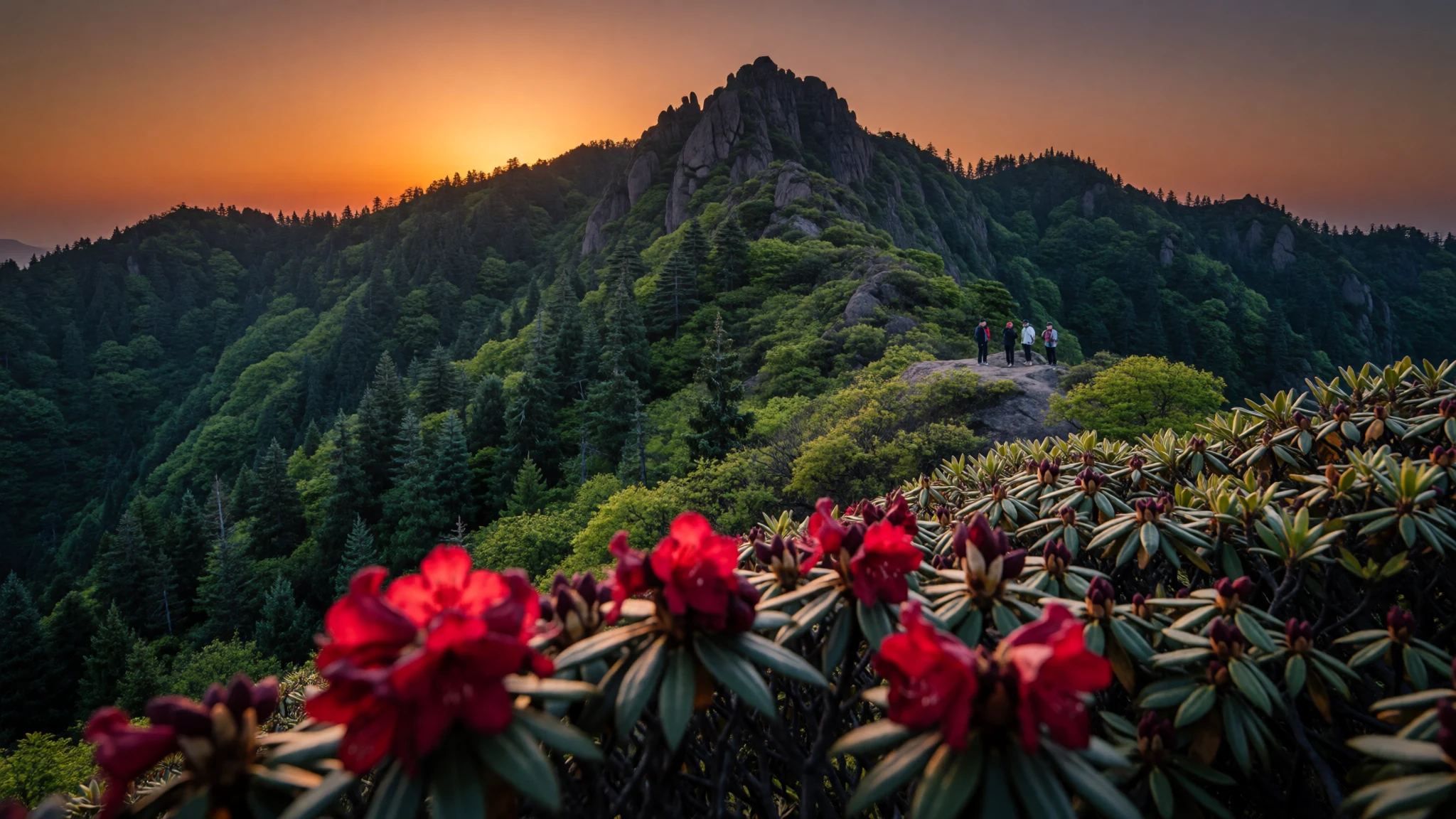
Shennongjia is a misty mountain forest in Hubei, quiet and wild, best for hiking in spring and autumn.
The place
Nestled in the northwestern corner of Hubei province, Shennongjia is a densely wooded district where the Daba Mountains rise sharply toward the sky. Administratively, it functions as a county-level forestry district, directly reporting to the provincial government rather than to a surrounding city. The landscape is rugged, with peaks exceeding three thousand metres and dense valleys that drain into different river systems. Most of the southern area flows toward the Yangtze, while the northern and central regions feed the Han River. This geographic variety creates small, isolated pockets of nature that have remained largely untouched by heavy development.
A short drive up the main mountain road brings travellers to Muyu, the bustling town where most visitors spend their nights. Beyond this town, the district becomes sparser. Tourism has grown steadily as the local economy shifted away from timber logging. Once an industry dominated by the movement of large quantities of wood, the focus moved toward conservation and preservation of the forest. While the district retains mining and forestry activities, and runs small hydroelectric plants, the primary attraction now is the quiet, wild character of the mountains. It is a place for those who prefer a slower pace, observing the local Tujia and Han communities over crowded urban plazas.
Its story
The name Shennongjia translates to the 'herbalist's rack', referencing the legendary mythical emperor Shennong. This ancient figure is said to have tasted hundreds of plants in these highland forests to identify their medical uses, a title that lingers in local knowledge today. For most of the last two centuries, life in what now forms the district was dictated strictly by the demands of the timber trade. Trees were the primary resource, and the towns developed along the logging roads. The shift in local emphasis has been more recent. By the early part of the two thousand’s, systematic tree-cutting in the natural forests mostly stopped. Rather than becoming a sterile protected area, Shennongjia emerged from the logging era with a wealth of tourist infrastructure. Small guesthouses, local eateries, and mountain trails developed along the main road. Today, the narrative of the forest district is a balance of economic transition, where residents navigate the growth of tourism alongside a newly protected environment.
What to see
- Jingxing Ancient Code Tower — Yinping, near Muyu
A small, rustic wooden structure built on a cliff, over 400 steps higher. The ancient code at the peak explains local history and geography, while the view from the platform overlooks deep forested ridges and narrow valleys. A well-loved stop on the main sightseeing bus route.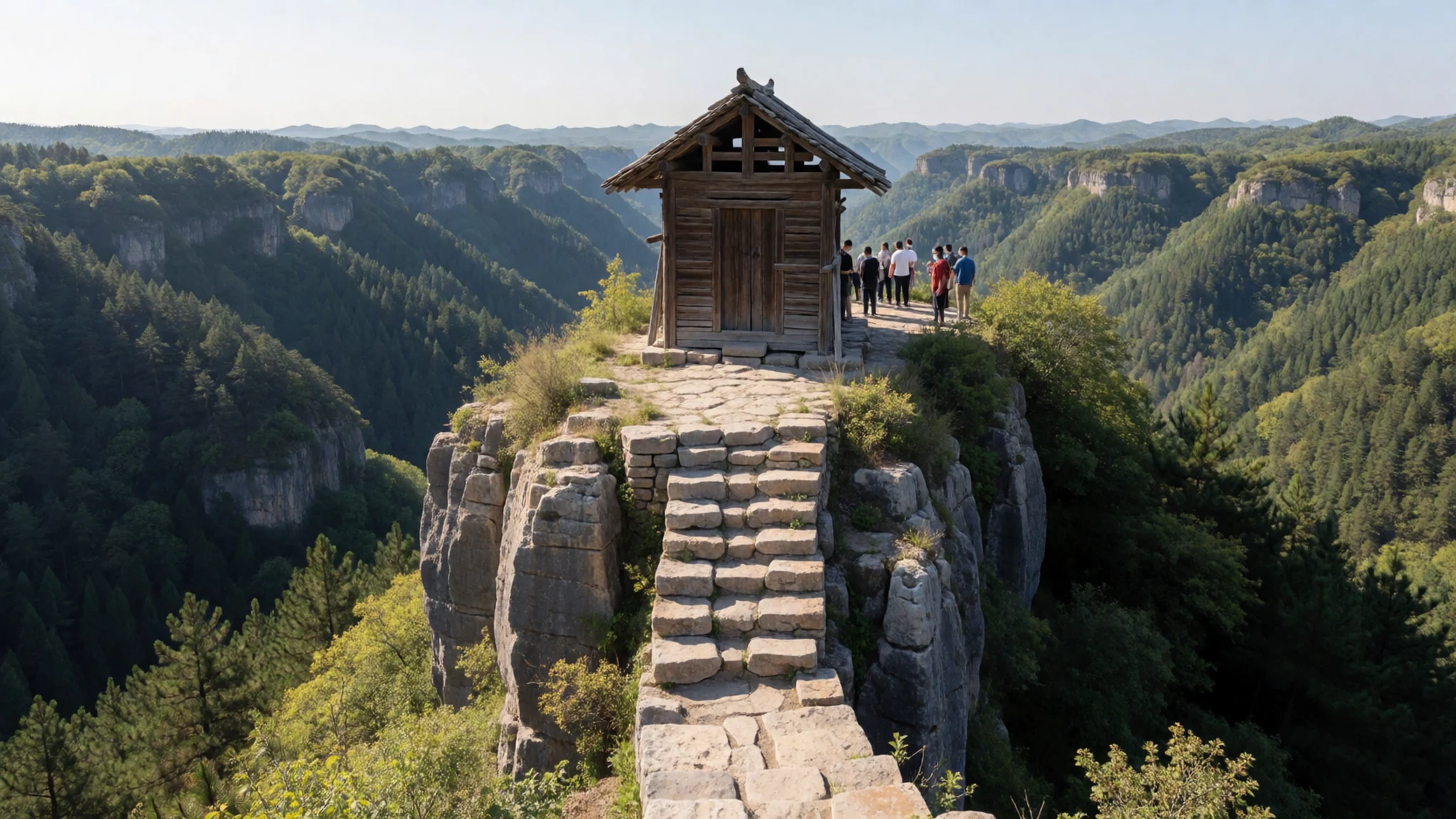
- Tianchuang Cave — Yinping Village
A dark, deep cave system where millions of bats roost, visible huddled on the natural rock ceiling. During the day, the entrance is cool and muggy; at night, the ceiling fills with hanging groups. The pathways inside are narrow and slippery.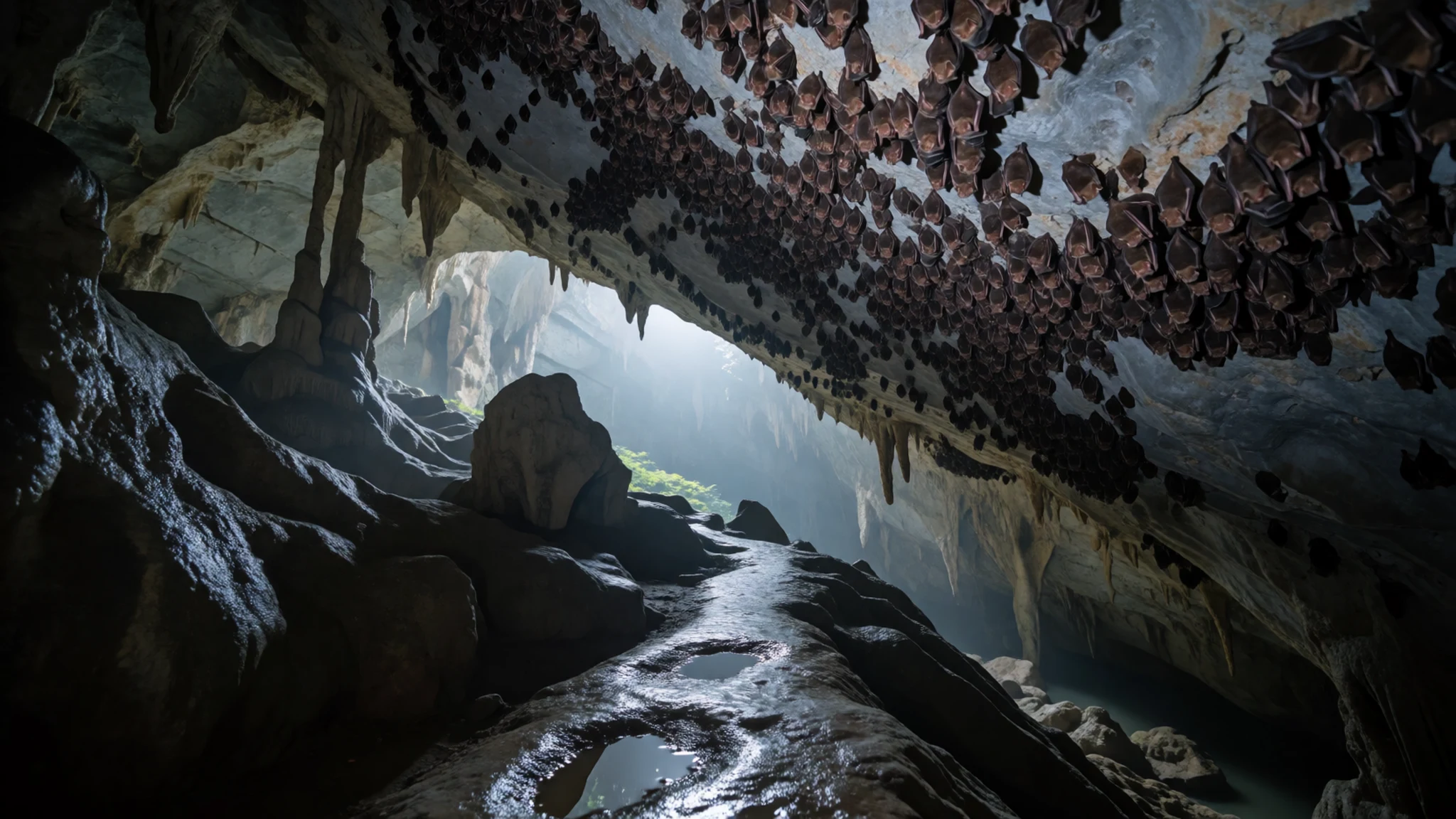
- Wuchang Scenic Area — Wuchang
An open, rolling area of steep pastures featuring sweeping panoramas of distant mountain ridges and seasonal alpine meadows. The views are particularly striking in late summer when the ridges are clear of mist. It operates as a temporary grazing ground.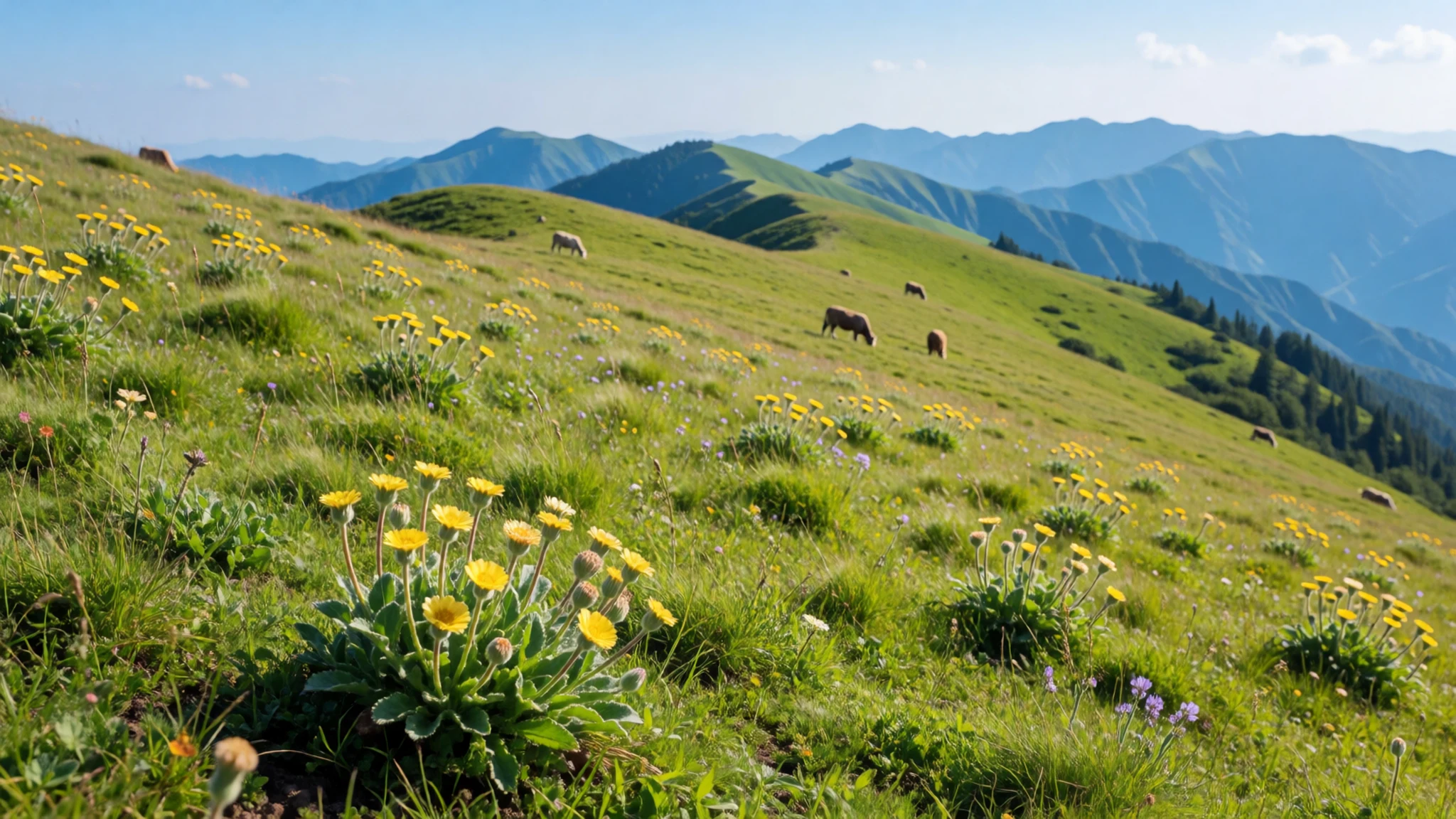
- Shennongjia National Park — Shennongjia
A collection of protected forest trails extending across multiple villages, reaching into highland ridges. The largest natural area in the district, this zone is where many of the older, robust tree populations and forest underbrush remain intact.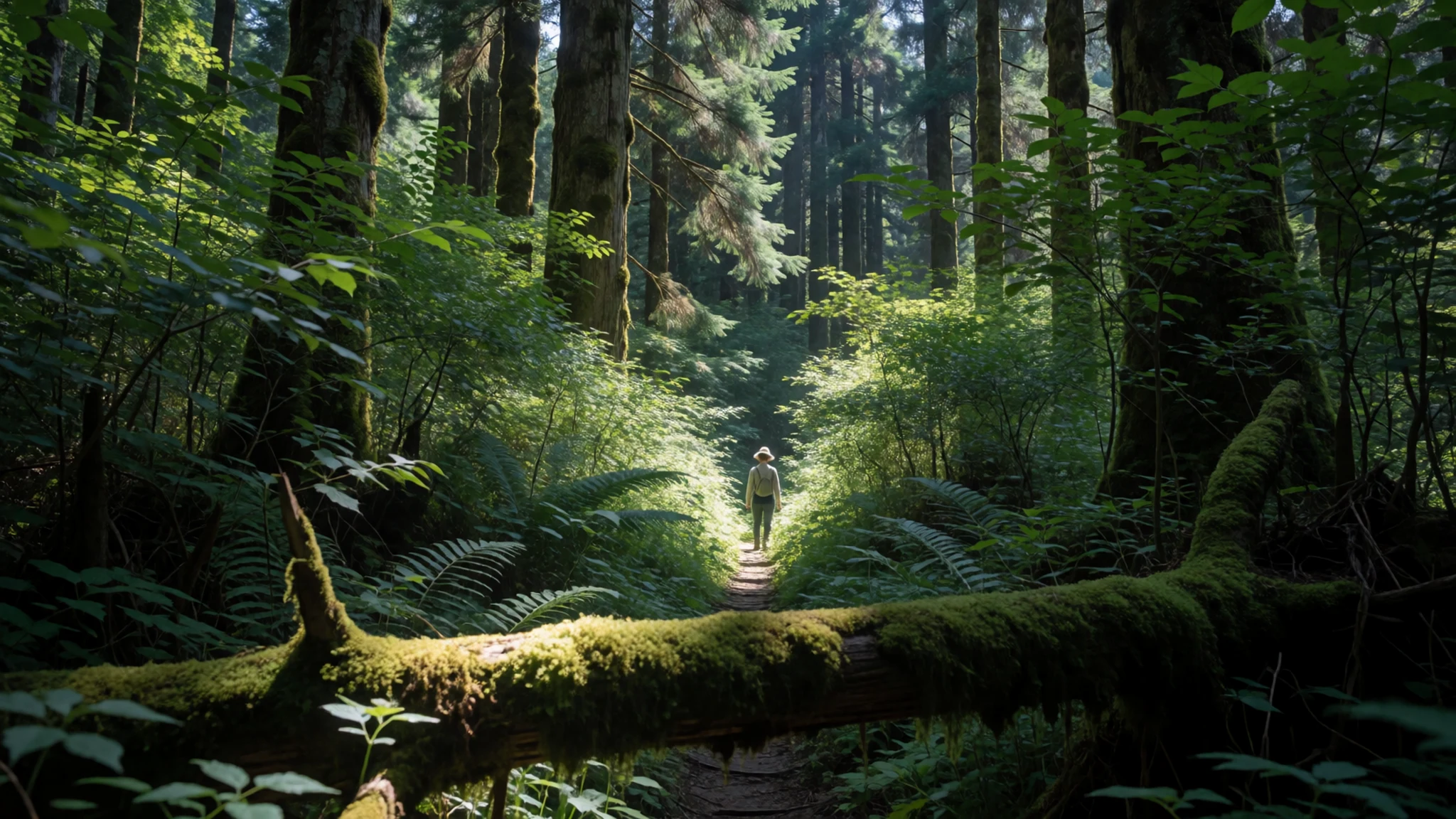
- Yingxi Village — Yingxi
A tranquil settlement with traditional wooden homes built into the hillside. Visitors use this small village as a gateway to hike out to the steep, grassy ridges surrounding the valley. The local houses display simple, rustic timber architecture.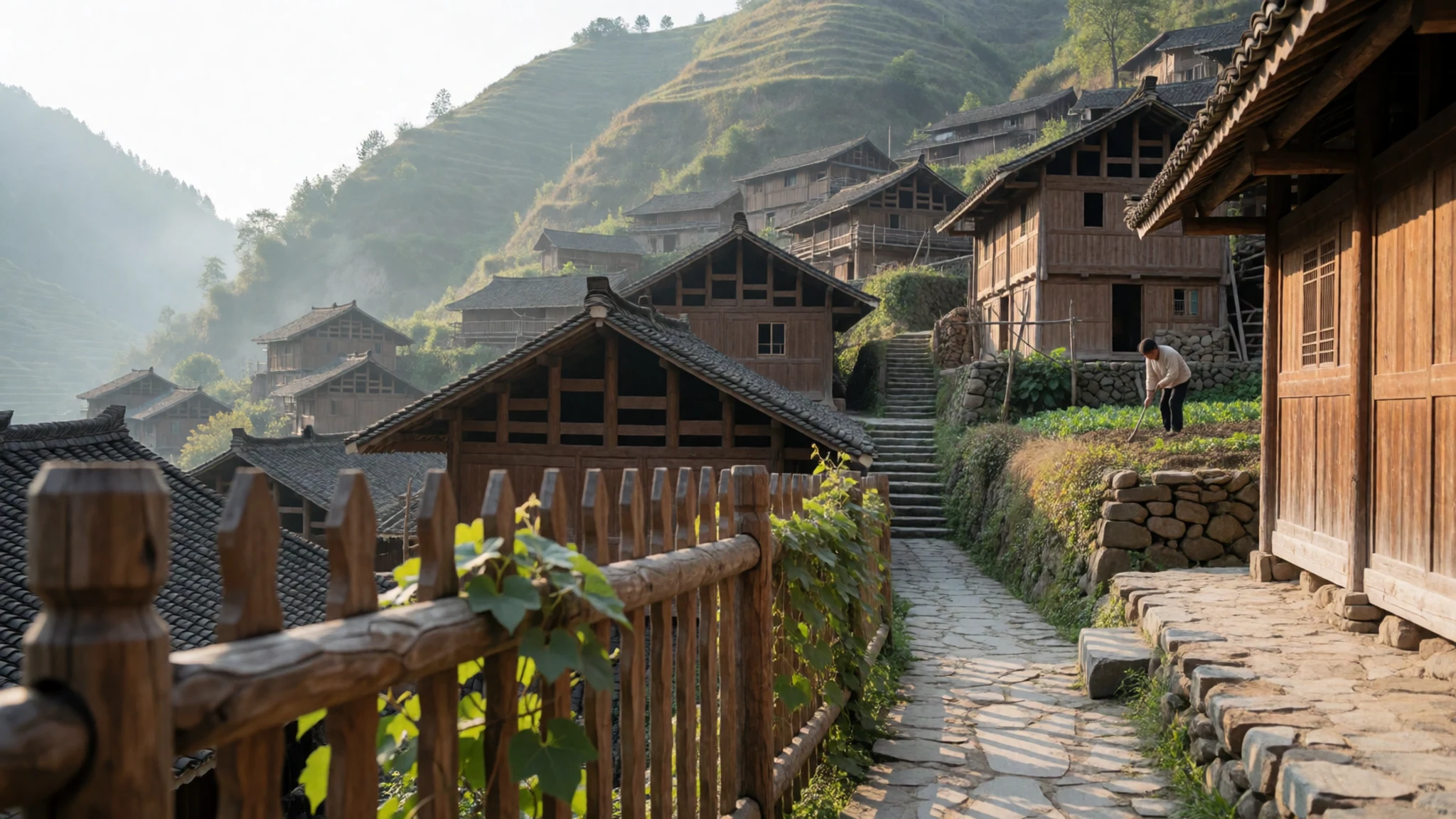
Culture
The local population in Shennongjia is a mix of the Han ethnic group and indigenous Tujia people, who have lived in these highland valleys for centuries. Traditional customs are less rigid than in neighbouring, highly urbanised parts of China, giving the area a relaxed, rural feel. Locals often still cultivate tea on the upper slopes of the mountains, a industry that has become one of the few remaining distinct economic identifiers. Daily life is dictated by the weather; when the winter mist settles in the valleys, the towns get quiet, and the main road serves nearly everyone living up in the remote ridges. The hospitality in remote villages is marked by residents moving their livestock out of way, preparing small amounts of local honey. For visitors, a major cultural norm is maintaining a respectful silence in the forests. Do not encourage wildlife, stay on the official trail routes, and keep your distance from resting animals. Leaving any trash in the valleys is locally frowned upon as villagers have to hand-carry the light plastic waste out on steep mountain paths.
What to wear
Local dress here reflects a practical blend of traditional Tujia attire and generic, rural Chinese fashion. Tujia clothes, when worn, often feature bright, woven patterns and the use of hand-loomed cotton or bamboo textiles, though this is more common during official regional festival periods than on a regular Tuesday. In daily work, residents wear simple, utilitarian clothing suited for highland farming and livestock care: durable jackets, sturdy trousers, and rolled-brim hats. For the visitor, practicality is paramount. The trail network includes uneven, steep steps, muddy paths, and some exposed tree roots. Hikers should bring closed-toe, water-resistant shoes and a reliable raincoat, as local micro-climates shift. In summer, the highland elevations pull away the heat, so long sleeves and a light fleece are better than sandals. In winter, snow can obscure the paths, meaning good thermal layers and warm gloves are a necessity. There are no formal religious dress codes for the villages, so the only outfit requirement is for protection against the mountain weather.
What to eat
- Shenyou Honey — Mountain village stalls
Naturally produced honey harvested by locals on the forest trees. It is a thick, dark golden colour, often sold in small glass bottles at village walkway stalls. It has a raw, unprocessed taste.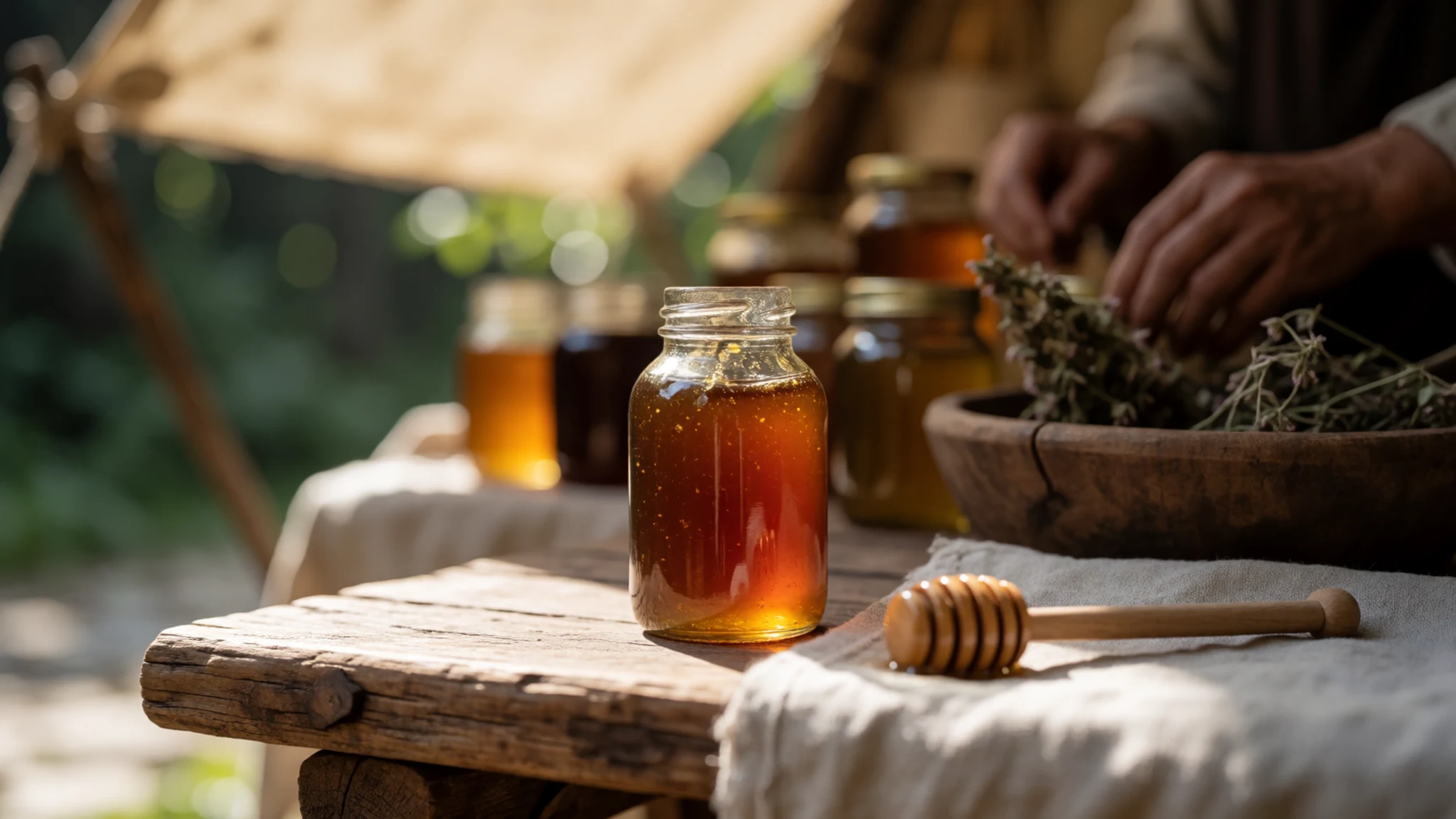
- Forest Berry Wine — Local village bars
A simple, fruit-fermented alcohol made from wild mountain berries, served at local villages or the larger town restaurants. It has a clear, crisp taste when consumed on a cold evening in the highlands.
- Mountain Plum Sweet Fungus — Mountain dining halls
A small, translucent mushroom soaked in clear liquid with plum blossoms and herbs. It is a cooling, nutrient-rich local pickled dish, typically served as a side plate at the larger mountain area dining rooms. - Tujia Rice Wine — Village guest houses
A cloudy, locally brewed rice-based spirit. It is strong, fermented in small ceramic soil jars by home cooks, and is historically a staple beverage of the Tujia ethnic groups. - Preserved Wild Mushrooms — Local cook houses
A traditional dish involving foraged, dried forest mushrooms, boiled into a large, clear vegetable and local meat soup. It is a common, filling main dish at local highland cook houses.
Plan it
Best time. Spring (April to May) and autumn (October to November) are the most comfortable seasons, while summer is the hottest and wettest. Summer offers plenty of green and high mountain elevations, though heavy monsoon rains can flood valleys; winter frequently brings extreme cold and regular snowstorms.
How long. 3
Getting there. Fly into Enshi (EHS) or Yichang (YIH). From the arrival terminals, private charter buses and individual buses head up the G209 highway to the district. The final stretch up the mountain is winding and can take several hours from the city centre.
Budget. mid
Tips
- Winter roads close to the highland due to ice; check the mountain pass status by phone before visiting
- Do not bring food containing processed protein or meat into forest zones
- Trails to remote ridges are dangerous after heavy rains; carry a safety whistle
- The evening mist over the peaks is thickest during autumn mornings
Etiquette
- Keep a low noise level around dens and resting areas
- Step over wood piles and cattle rather than placing luggage on top
- When visiting the Tujia villages, do not take photographs of interior family rituals without explicit permission
Nearby
Sources
- Wikidata Q1359055 (CC0)
- Wikipedia 1376853922 (CC BY-SA 4.0)
- Wikivoyage 5120136 (CC BY-SA 4.0)