Shark Bay
Shark Bay, Australia
Visit Shark Bay for ancient living fossils, wild dolphins, and some of the most pristine coastlines in Western Australia.
The place
Shark Bay is a remote, shimmering expanse of the Indian Ocean located on the westernmost edge of the Australian continent. It is a place where the desert meets the sea in a stark, beautiful contrast of red earth and turquoise water. The region is most famous for its extraordinary biodiversity, hosting vast seagrass meadows that support large populations of dugongs and various threatened marine species. The landscape is dominated by the long Peron Peninsula, which splits the bay and leads visitors toward the small hubs of Denham and Monkey Mia.
For a traveller, Shark Bay feels like a journey back in time. The environment is harsh and sun-drenched, but the rewards are found in the stillness of the lagoons and the strange, rocky formations of the shoreline. While the area is a protected World Heritage site, it remains an active spot for fishing and eco-tourism. The heat can be intense, and the distances are vast, meaning a sturdy vehicle and plenty of water are essential. It is not a place of luxury hotels, but rather one of campsites, coastal resorts, and the raw, unfiltered beauty of the Australian Outback. Whether watching dolphins play in the surf or exploring the wind-swept dunes of the national park, the experience is defined by a sense of isolation and natural wonder.
Its story
The story of Shark Bay is written in the rising and falling of the tides over millennia. Aboriginal occupation here dates back thousands of years, with evidence from midden sites showing how the Malgana people gathered food from the land and sea. Much of what is now the bay was once dry land, only to be swallowed by rising sea levels several thousand years ago, transforming the geography into the sheltered inlet seen today.
European contact arrived in fits and starts, beginning with the Dutch explorer Dirk Hartog in the early 17th century. The area was later named by the English explorer William Dampier at the end of the 1600s, followed by a series of French expeditions in the 1800s. By the mid-19th century, the region became a frontier for pastoralists and pearl divers, with a pearling industry that grew rapidly. This era of extraction continued into the 20th century with commercial whaling, where factory ships harvested hundreds of humpback whales each season.
Today, the narrative has shifted from exploitation to preservation. The focus has turned toward the geological marvels of the bay, particularly the microbial mats that form hard, dome-shaped deposits. These living fossils provide a glimpse into the earliest forms of life on Earth. The transition from a whaling and pearling hub to a sanctuary for marine life reflects a broader Australian effort to protect its most fragile ecosystems.
What to see
- Monkey Mia
A marine park famous for its resident population of Indo-Pacific bottlenose dolphins. These social creatures frequently visit the shore, providing an intimate look at their behaviour in a natural setting. It is a popular gathering spot for visitors, though it can get crowded during the peak morning hours.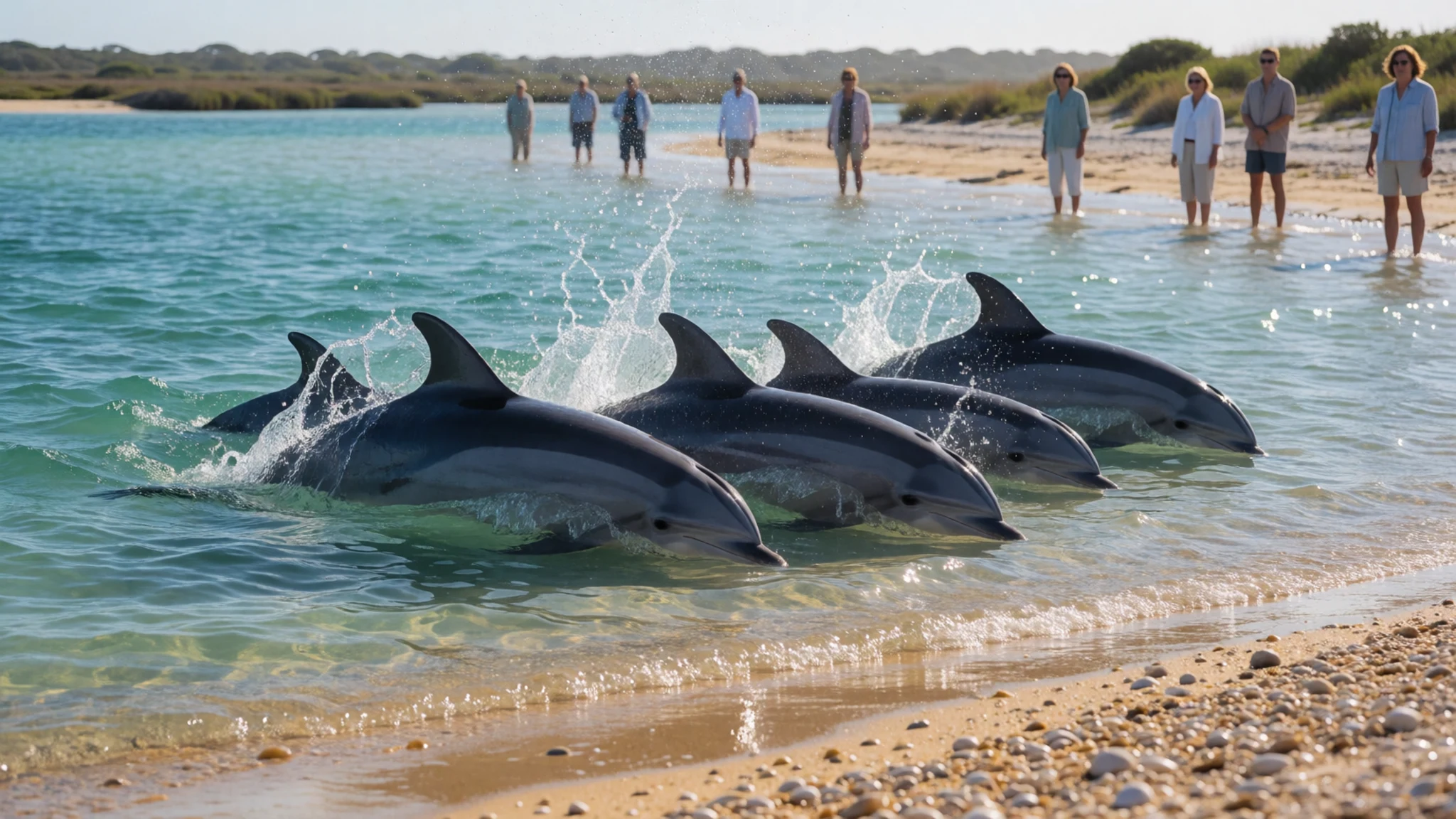
- Hamelin Pool
The premier site to see stromatolites, the oldest living life forms on the planet. These calcified microbial structures look like strange, grey boulders rising from the hypersaline water. Walking along the designated boardwalks allows you to witness these biological ancestors without damaging the fragile environment.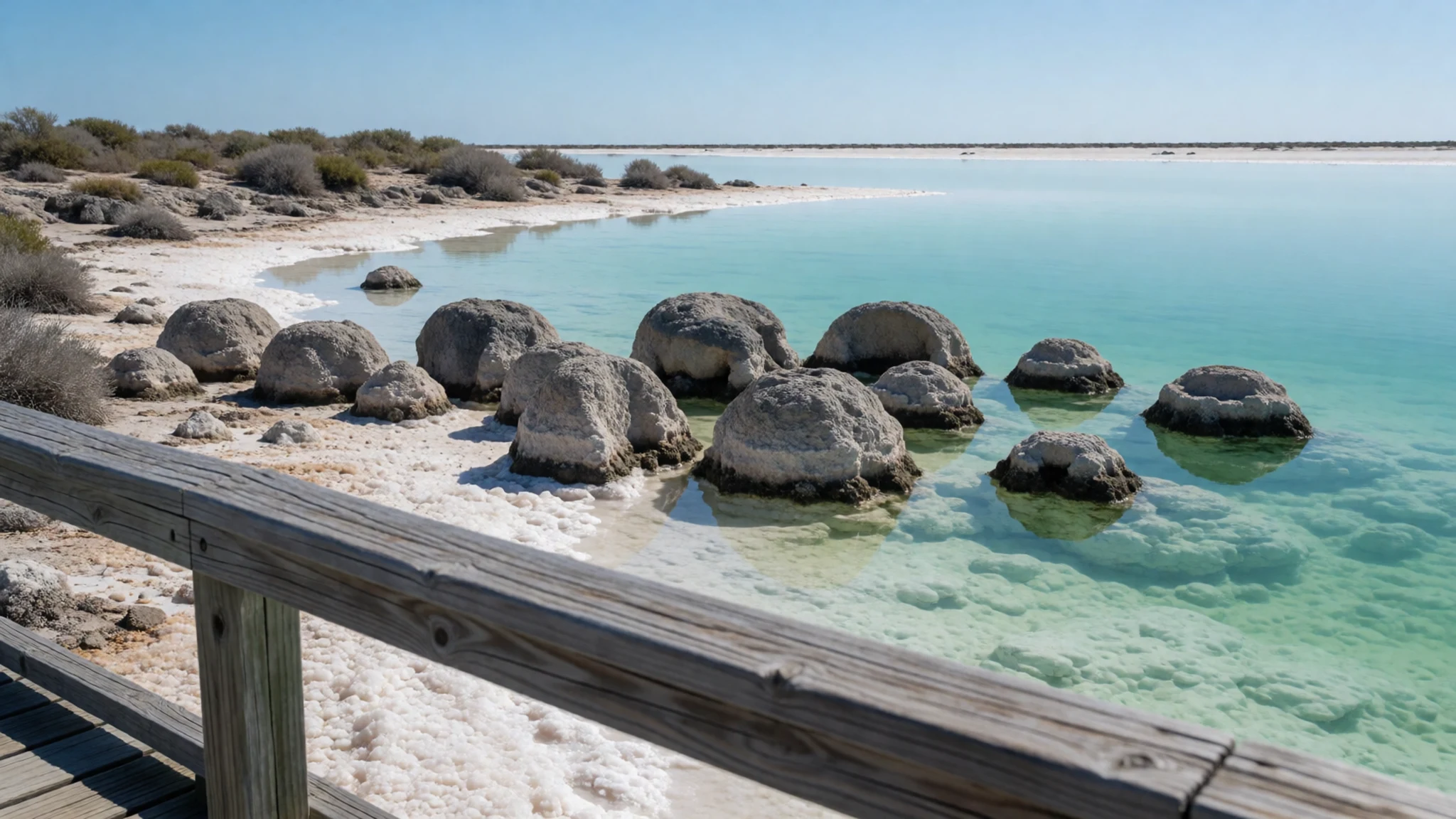
- Francois Peron National Park
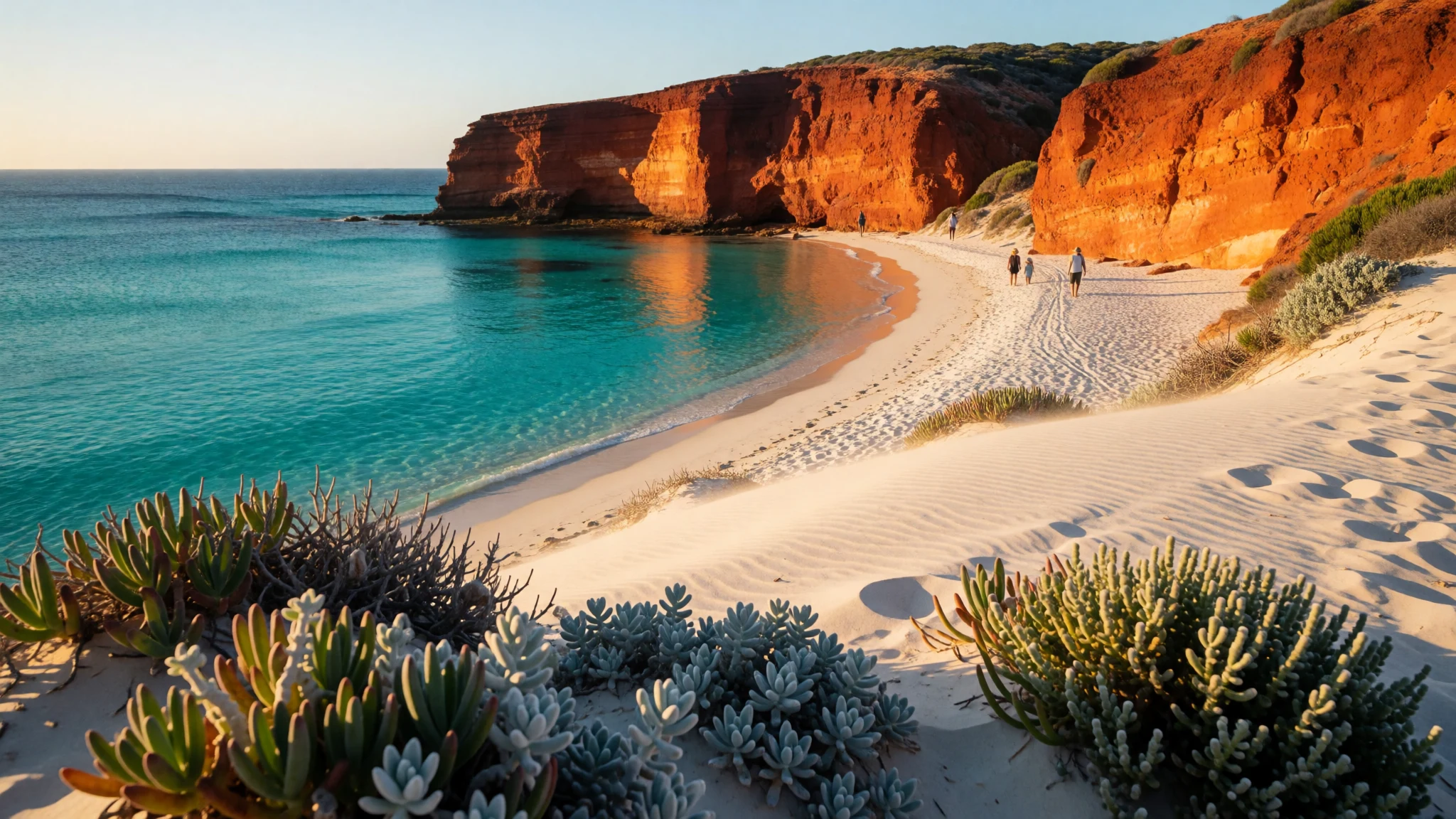
A wilderness area covering the northern peninsula. It features striking white sands and red cliffs. While 2WD vehicles can reach the old homestead, a 4WD is necessary to explore the deeper sandy tracks and reach the most secluded beaches and viewpoints.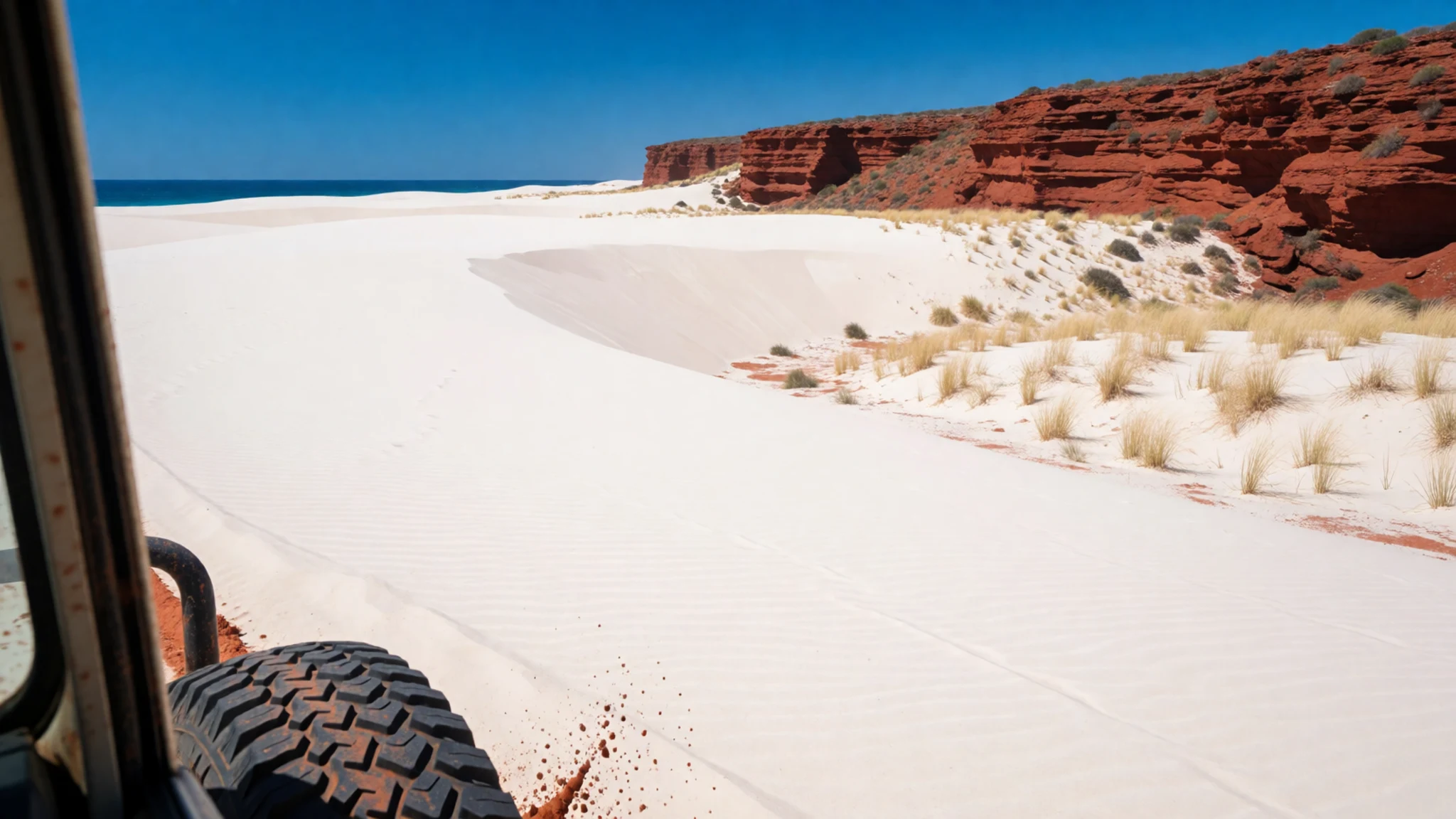
- Dirk Hartog Island
A remote, scrub-covered island that serves as a historic landmark of European exploration. It is a rugged landscape of desert and coast, offering a quiet escape from the mainland. Access is typically via tour or specialized transport given its isolation.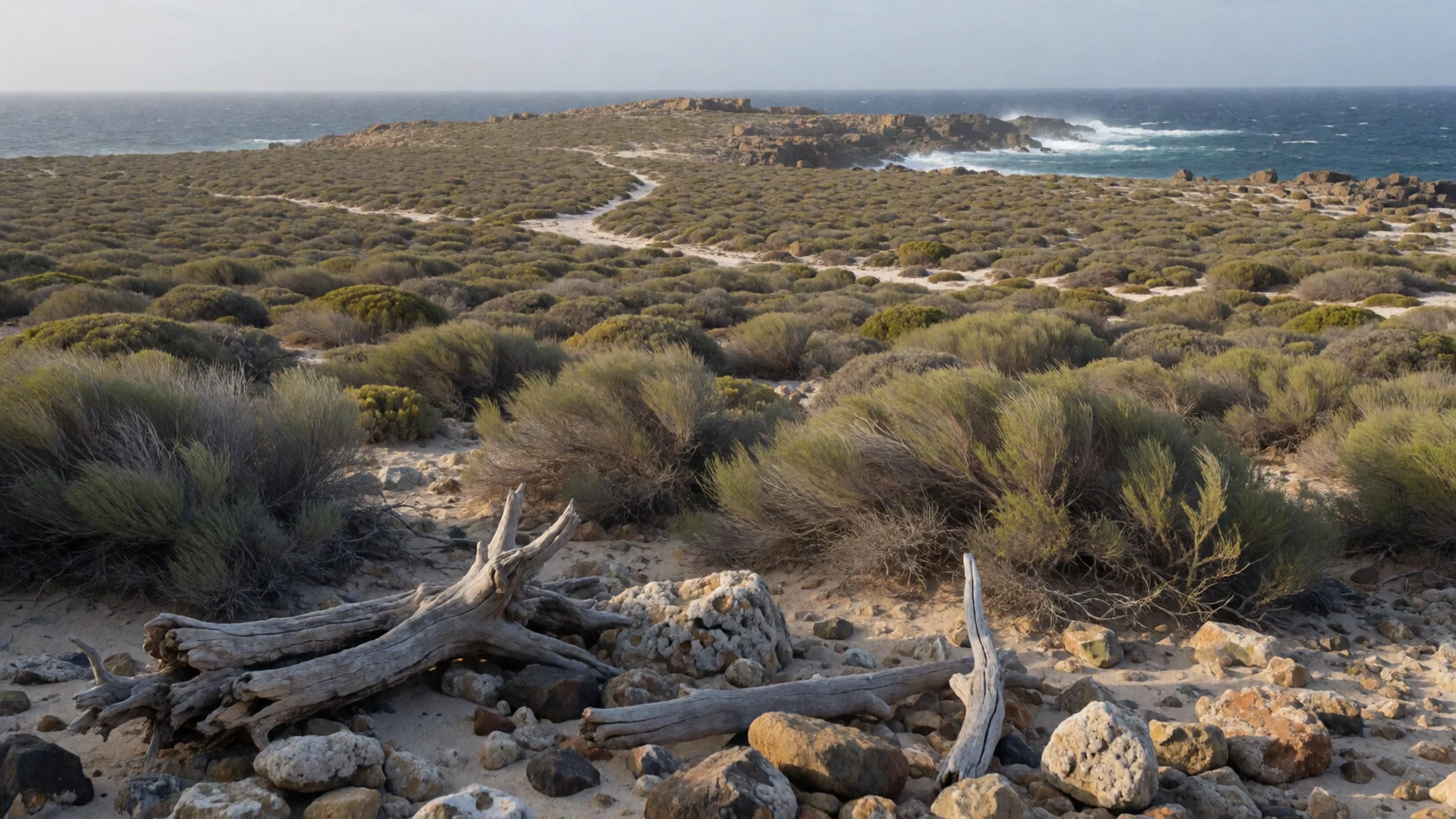
- Shark Bay World Heritage Discovery Centre
An essential first stop in Denham. The centre provides a detailed orientation of the region's ecology and explains the scientific significance of the World Heritage listing, helping visitors understand the delicate balance of the bay's ecosystems.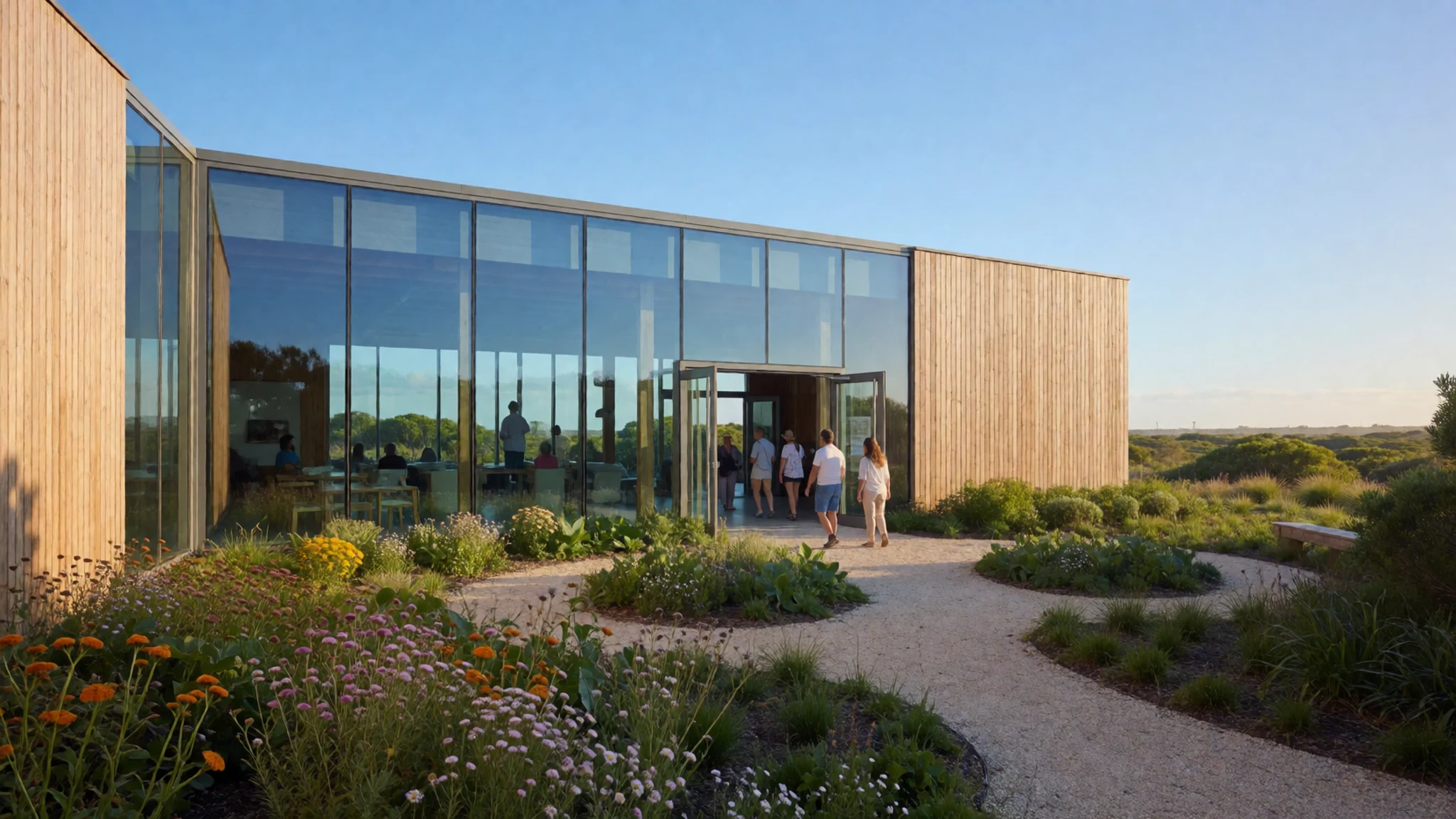
Culture
Culture in Shark Bay is a blend of deep Indigenous heritage and a rugged, frontier-style Australian spirit. The Malgana people have a profound spiritual and physical connection to the land and waters, which they call Gathaagudu. Their knowledge of the tides and seasonal migrations remains a vital part of the region's identity. Alongside this, there is a lingering legacy of the pearling and pastoral eras, where resilience in the face of a harsh environment was the primary virtue. Today, the local community is small and tightly knit, centered around sustainable tourism and environmental stewardship. There is a strong collective pride in protecting the bay's unique species, from the dugongs to the dolphins. Life here moves slowly, dictated by the heat of the day and the rhythms of the ocean. Visitors will find the locals warm and unassuming, often sharing tips on the best quiet spots to watch the sunset. Please keep a respectful distance from the wild dolphins and never feed them yourself.
What to wear
There is no specific traditional dress for Shark Bay, but the region's history is tied to the textiles of the pearling industry—sturdy canvases and salt-worn cottons. In modern times, the attire is purely functional. Locals and visitors alike wear lightweight, breathable fabrics to combat the intense heat. Wide-brimmed hats, polarized sunglasses, and high-SPF clothing are non-negotiable essentials. Footwear varies by activity: sturdy sandals or flip-flops are common for the towns and beaches, but enclosed hiking boots are recommended for exploring the rocky terrain of the national park. For those heading into the bush or onto Dirk Hartog Island, long-sleeved linen or synthetic shirts are preferred to protect against both the sun and insects. Modesty is not a major concern here, as the vibe is very casual, but swimwear is strictly for the beach and pools.
What to eat
- Fresh Local Seafood — local seafood restaurants in Denham
The bay's abundance makes fresh fish and shellfish the primary draw, best found at small seafood eateries in Denham.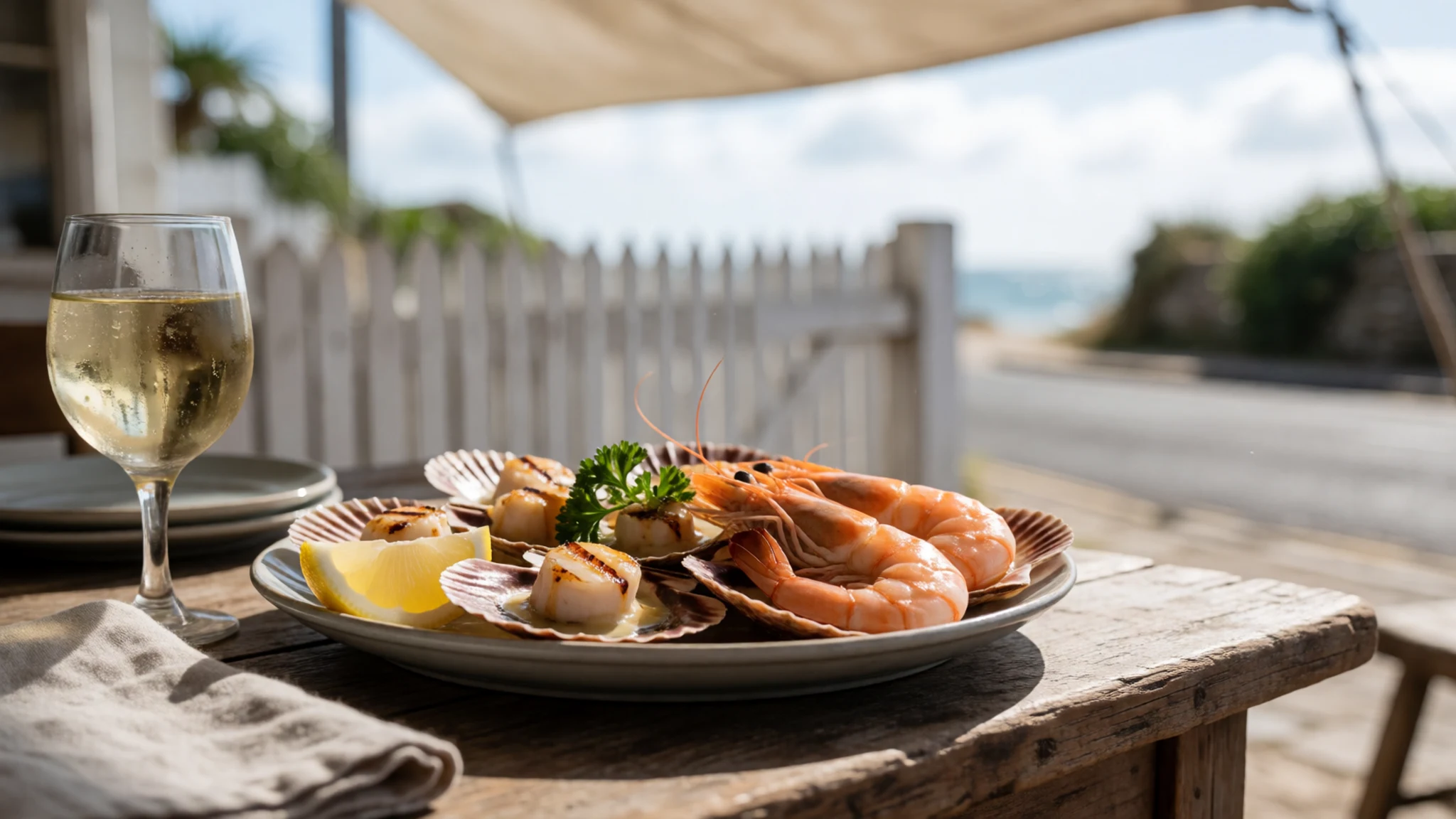
- Artisan Gin — regional resorts and boutique liquor stores
Botanical gins distilled on Dirk Hartog Island, which vary based on the local seasonal plants.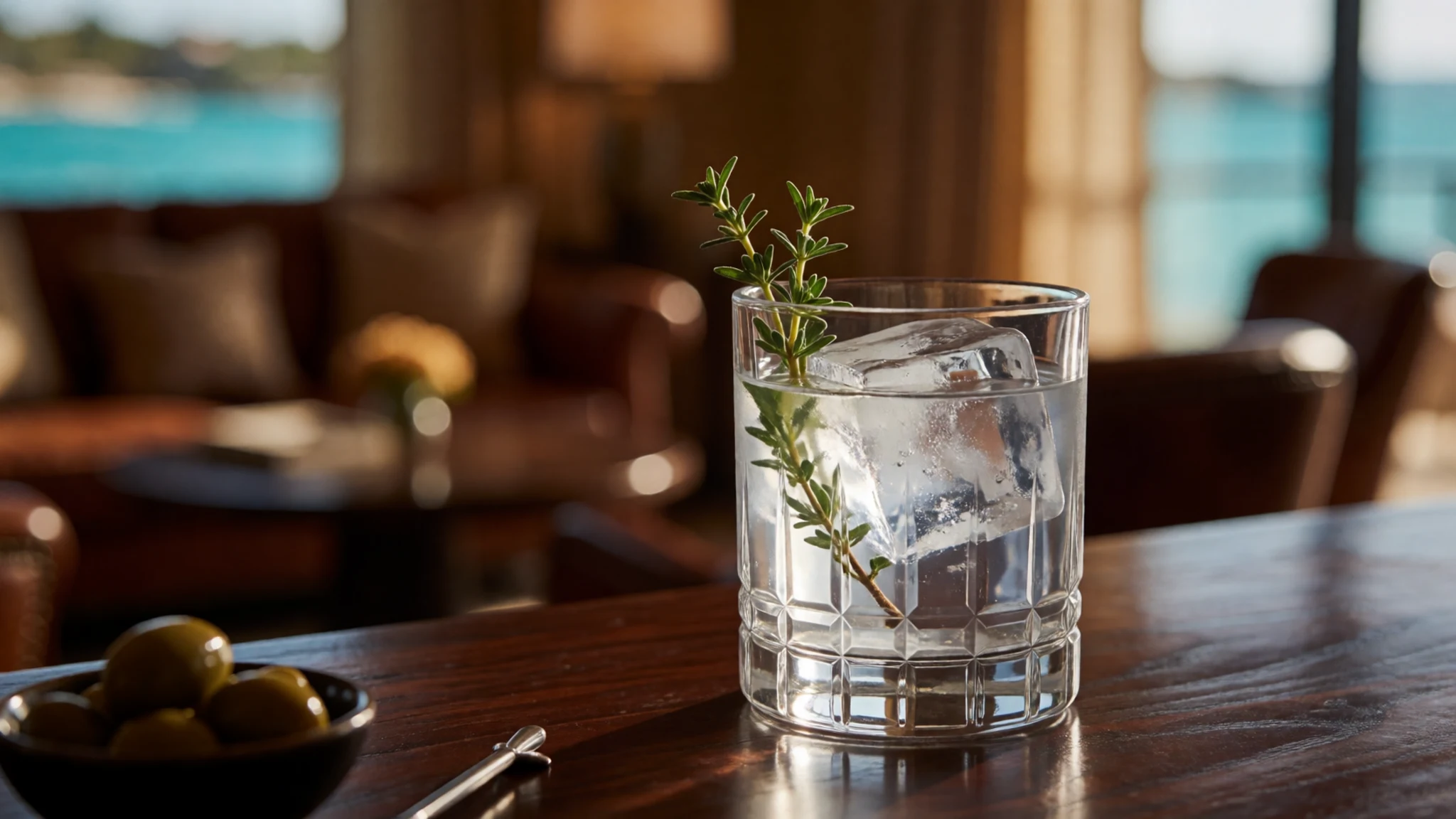
- Freshly Baked Pies — the local bakery on Knight Terrace
Hearty Australian meat pies and pastries, a staple for road-trippers heading north. - Classic Pub Fare — resort pubs in Monkey Mia
Standard burgers and grilled meats, typically served in a relaxed, open-air setting.
Plan it
Best time. May to September for mild winters and lower humidity; summers are hot and dry, making outdoor exploration difficult.
How long. 3–5
Getting there. Fly Rex Airlines from Perth to Shark Bay Airport (MJK), or drive approximately 850 km north of Perth.
Budget. mid
Tips
- Rent a 4WD if you plan to explore Francois Peron National Park
- Deflate tyres to 20psi or less at the park entrance for sandy tracks
- Carry significantly more water than you think you need
- Book seafood restaurants in Denham in advance as they are small
- Arrive at Monkey Mia very early to beat the crowds for dolphin sightings
Etiquette
- Do not touch or feed the wild dolphins
- Stay on marked boardwalks when visiting stromatolites
- Pack out all rubbish to protect the World Heritage environment
Nearby
Sources
- Wikidata Q217487 (CC0)
- Wikipedia (CC BY-SA 4.0)
- Wikivoyage (CC BY-SA 4.0)
Wildlife
- Dugong (animal)
A dugong is a gentle sea mammal that grazes on underwater grass, rather like a cow in a field. In Shark Bay you will find it above the broad seagrass meadows that carpet the shallows and feed so many of its kind. For the best view, go with a local guide who knows the water, keep a respectful distance and stay quiet. Let them graze undisturbed, and never try to touch or feed them. Patience is your best tool.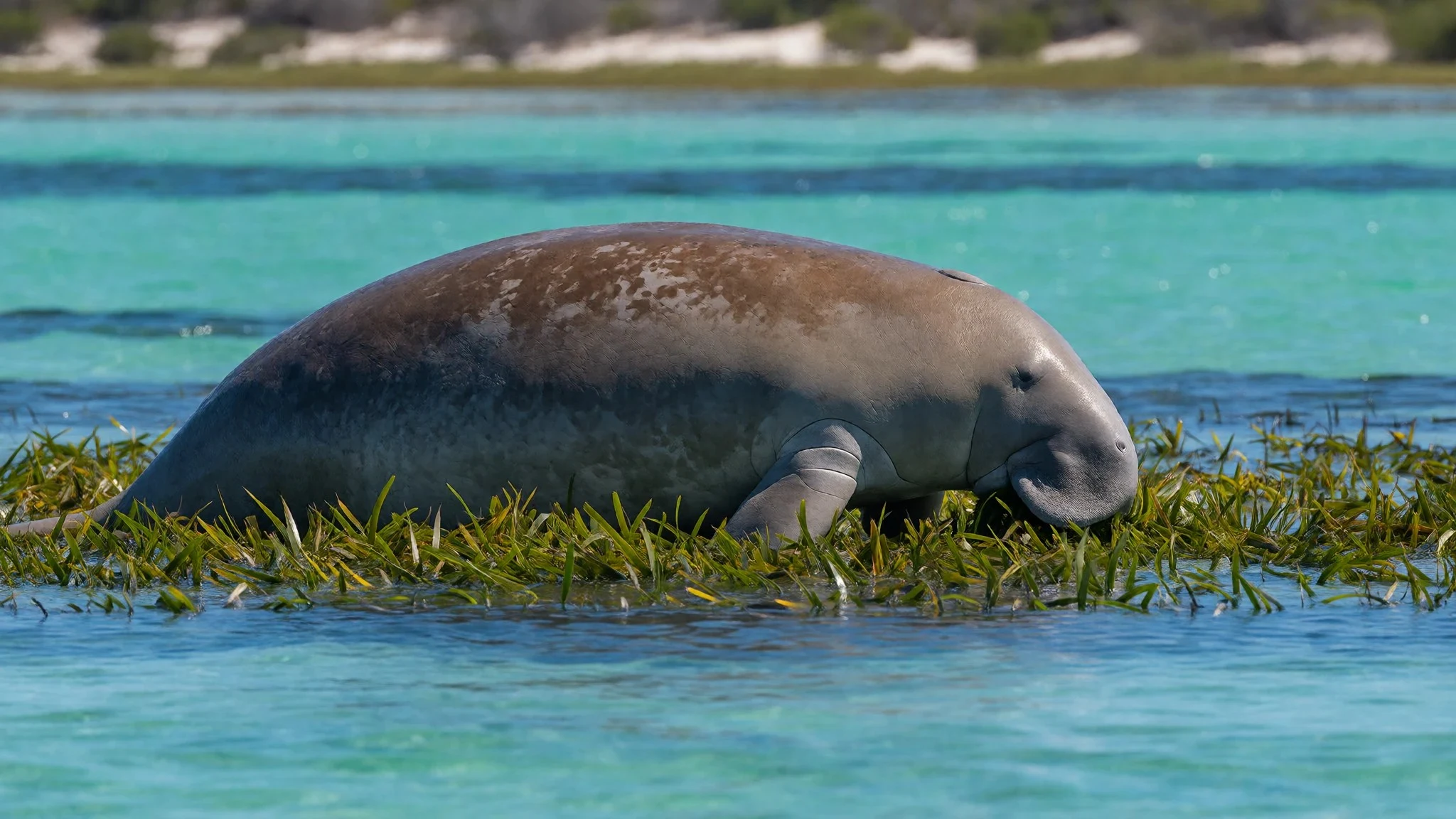
- Dolphin (animal)
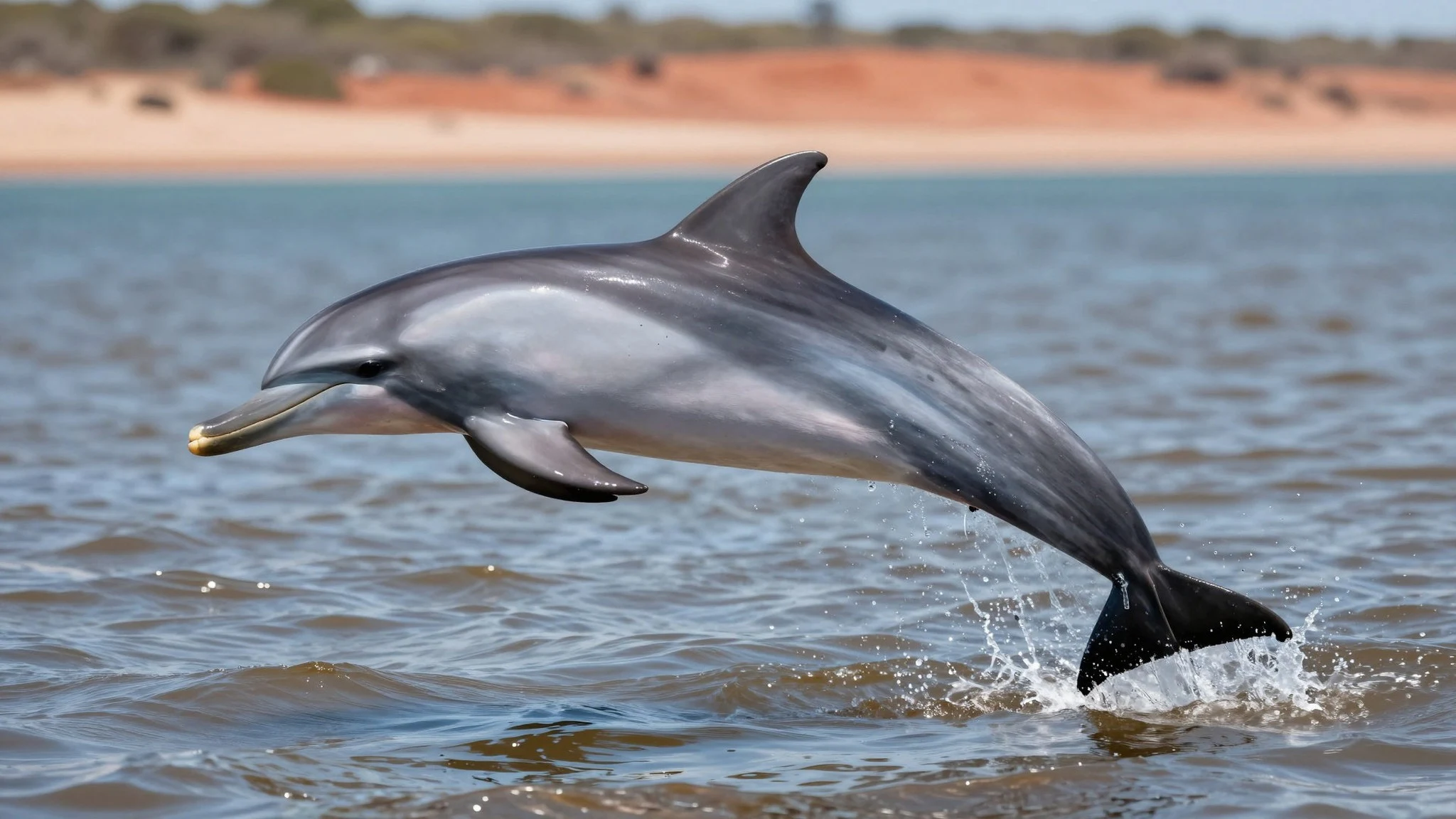
The Indo-Pacific bottlenose dolphin is a sea mammal with a dark grey back and a pale belly, a little like a swimmer in a two-tone coat. Shark Bay's best-known meeting place is Monkey Mia, where a resident group has made the marine park famous. Watch quietly, keep a sensible distance, and follow the guides who look after the visits. Never feed the dolphins or reach out to touch them; let them stay wild and simply enjoy their company.