Shangri-La
Shangri-La, People's Republic of China

Shangri-La is a high Tibetan-influenced town in north-west Yunnan, where a borrowed fictional name sits above real monasteries, grassland and thin mountain air.
The place
Shangri-La is a small city in the far north-west of Yunnan, on a plateau about 3,160 metres above sea level, with a population of roughly 186,000. It is the capital of Diqing Tibetan Autonomous Prefecture and lies close to the Sichuan border, with Lijiang a short distance to the south. The surroundings are wide grassland, pine slopes and snow-capped ridges, and the thin air is noticeable on the first flight of stairs.
The name is recent. Until 2001 the town was called Zhongdian, and some coach-station signs still use that name; the Tibetan name is Gyelthang. The change borrowed a fictional paradise from a 1933 novel and was frankly a tourism move. Even so, the town draws far smaller crowds than Lijiang, and the Tibetan side of the region remains easy to find once the main square is behind.
Historically this was part of Kham, the eastern Tibetan cultural zone, and the Qing placed it under Yunnan in the eighteenth century. The town today is mixed, with Tibetan and Han residents alongside Naxi, Bai, Yi and Lisu communities, while the villages and pastures around it are almost entirely Tibetan.
The climate is cool for Yunnan. Winters are cold and bright, summers are mild and wet, and nights turn sharp outside the rainy months. Heavy snow between November and March can cut roads and leave the area briefly isolated, so season matters more here than in most of the province. Anyone arriving from the lowlands should plan for a slow first day.
Its story
Shangri-La has had three names, and the story of the place is partly the story of how they arrived. The Tibetan name is Gyelthang, and for centuries the plateau belonged to Kham, an eastern Tibetan region of pastures, monasteries and trade routes. In the eighteenth century the Qing government made it part of Yunnan, and the Chinese name Zhongdian followed.
In 1933 James Hilton published Lost Horizon, a novel about a secret valley where people live far longer than usual. Several corners of south-west China and the Himalaya later laid claim to being its inspiration. In 2001 Zhongdian made its own claim official and renamed itself Shangri-La, a choice made largely to attract visitors. A fictional paradise thus became the label for a working county town.
The biggest modern shock came on 11 January 2014, when a fire started in Dukezong, the Tibetan old quarter, whose age is usually given as about a thousand years. Roughly 242 homes and shops burned, around 2,600 people were displaced, and about half the old town was lost. Residents were allowed back soon afterwards, rebuilding began before the year was out, and tourists returned. The big prayer wheel and the temples stood undamaged, and many of the area's main sights lie outside the old town, so visitor numbers barely dipped.
One result is that much of Dukezong is now new construction in traditional style, which is worth knowing before arriving in search of weathered timber. The older layers of the area's history are better read at the monasteries and in the villages beyond town, where Tibetan craft and belief continue with less staging.
What to see
- Dukezong Old Town — South end of the town
Dukezong is the old quarter at the southern end of Shangri-La, rebuilt in traditional style after the 2014 fire. Parts of it have turned into shops, dance shows and souvenir stalls, so an early walk or a quiet evening suits it best. The big prayer wheel on the hill and the nearby temples are the parts worth the climb.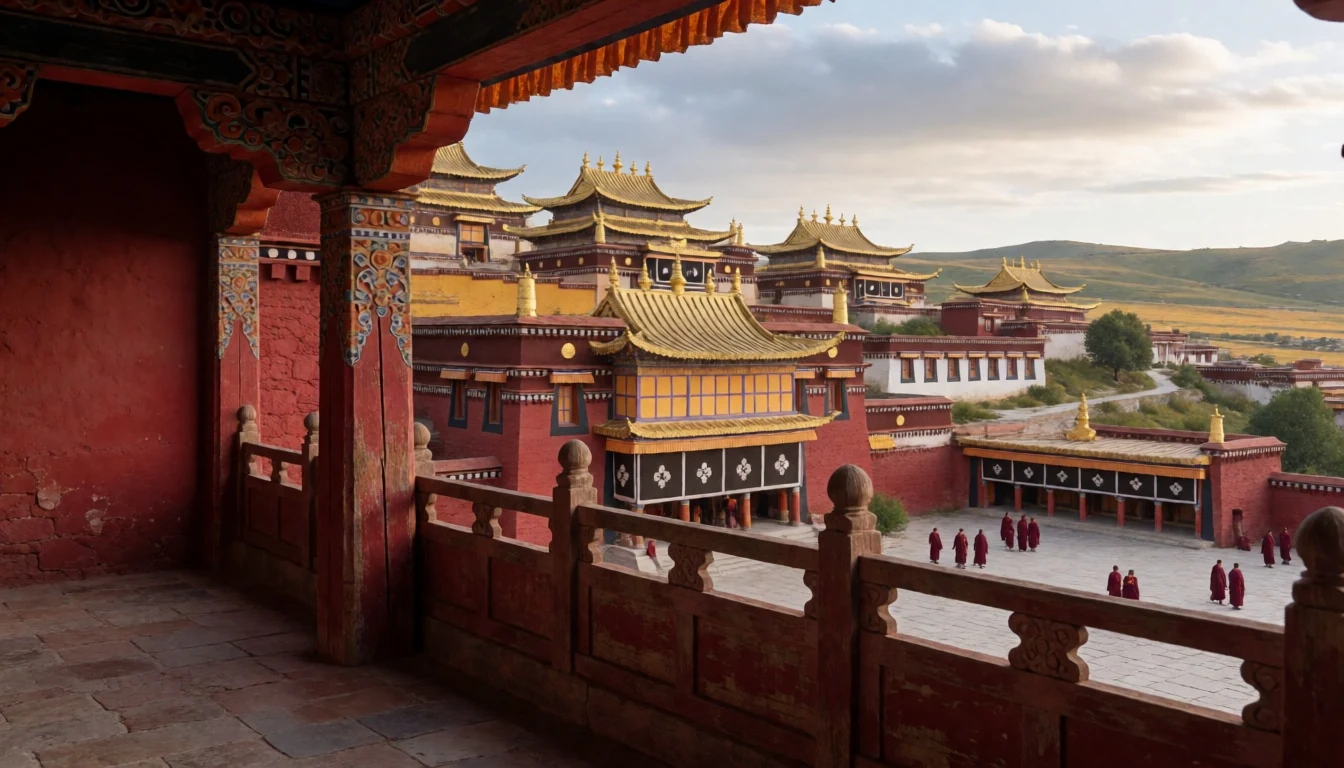
- Songzanlin Monastery — North of the town centre
Songzanlin is a large Tibetan Buddhist monastery, its halls climbing a hillside north of town. It was restored in 2005 and now works partly as a tourist site. Look for the small side temples near the white chorten, including a Bon chapel with fierce guardian images, and take the stairs up to a roof for the view.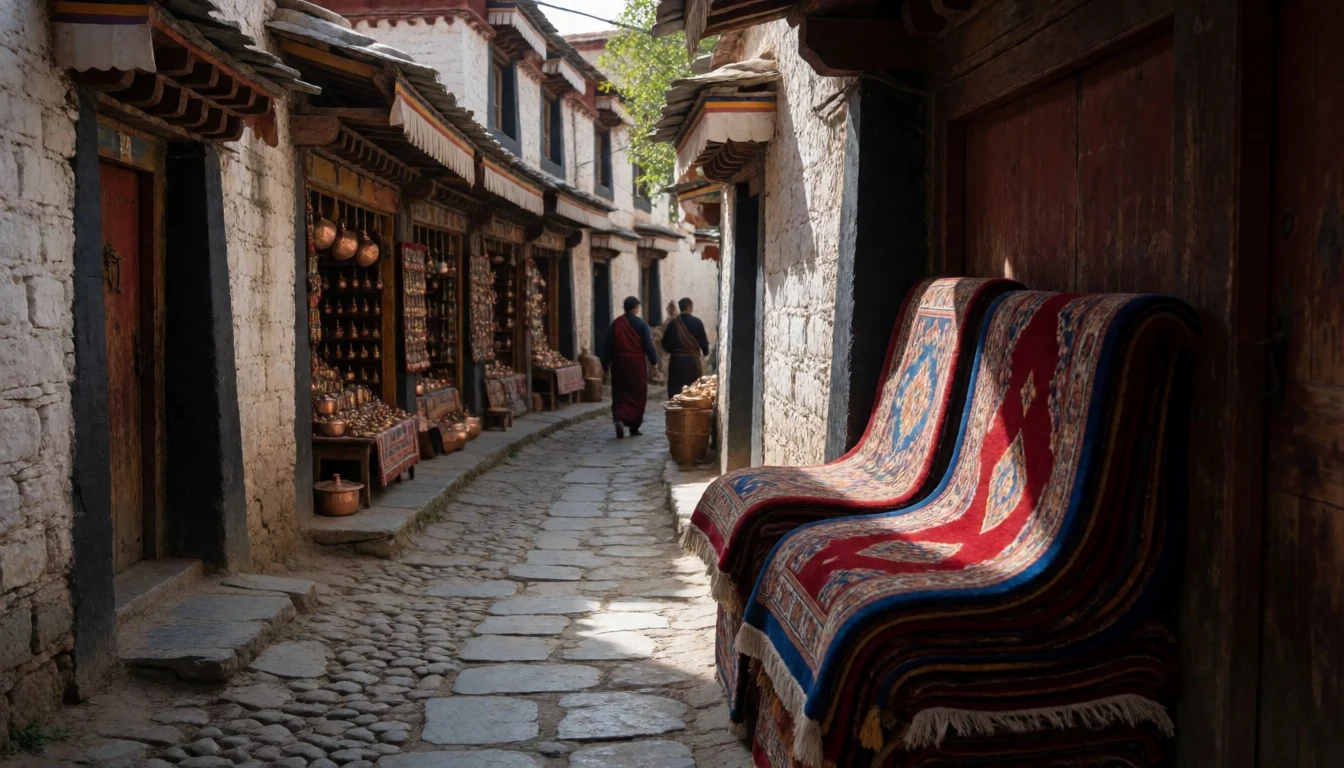
- Pudacuo National Park — East of the town
Pudacuo National Park is a plateau reserve east of the town, with lakes, wetland and forest. Allow at least half a day, and a full day for unhurried walking along the water. Weather turns quickly at this altitude, so carry a rain layer and check the official site for current access arrangements.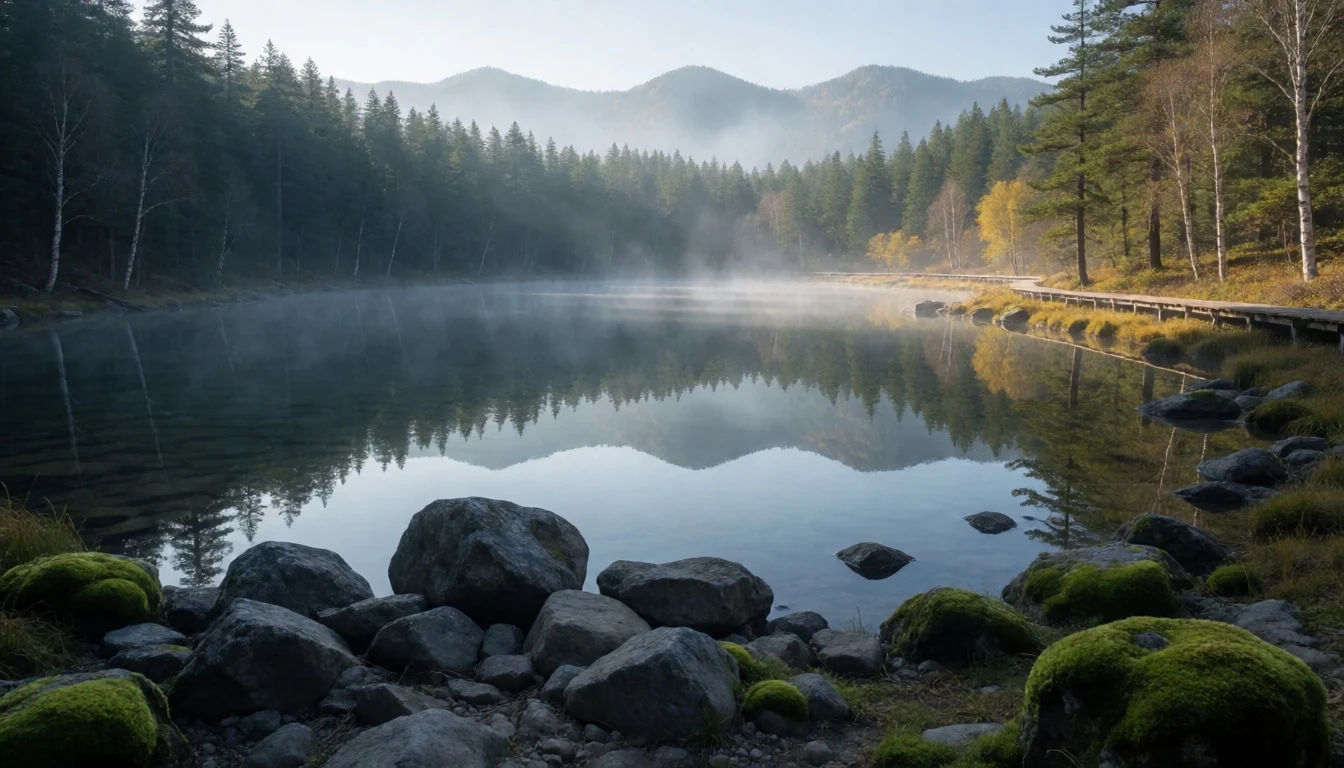
- Napa Lake grasslands — West of the old town
West of the old town, the grassland around Napa Lake is open pasture that suits cycling or a short ride on a hired Tibetan horse. Roads here have checkpoints where cyclists may be asked to pay an entry charge, so ask locally about current arrangements. Morning light over the herds and low hills is the best.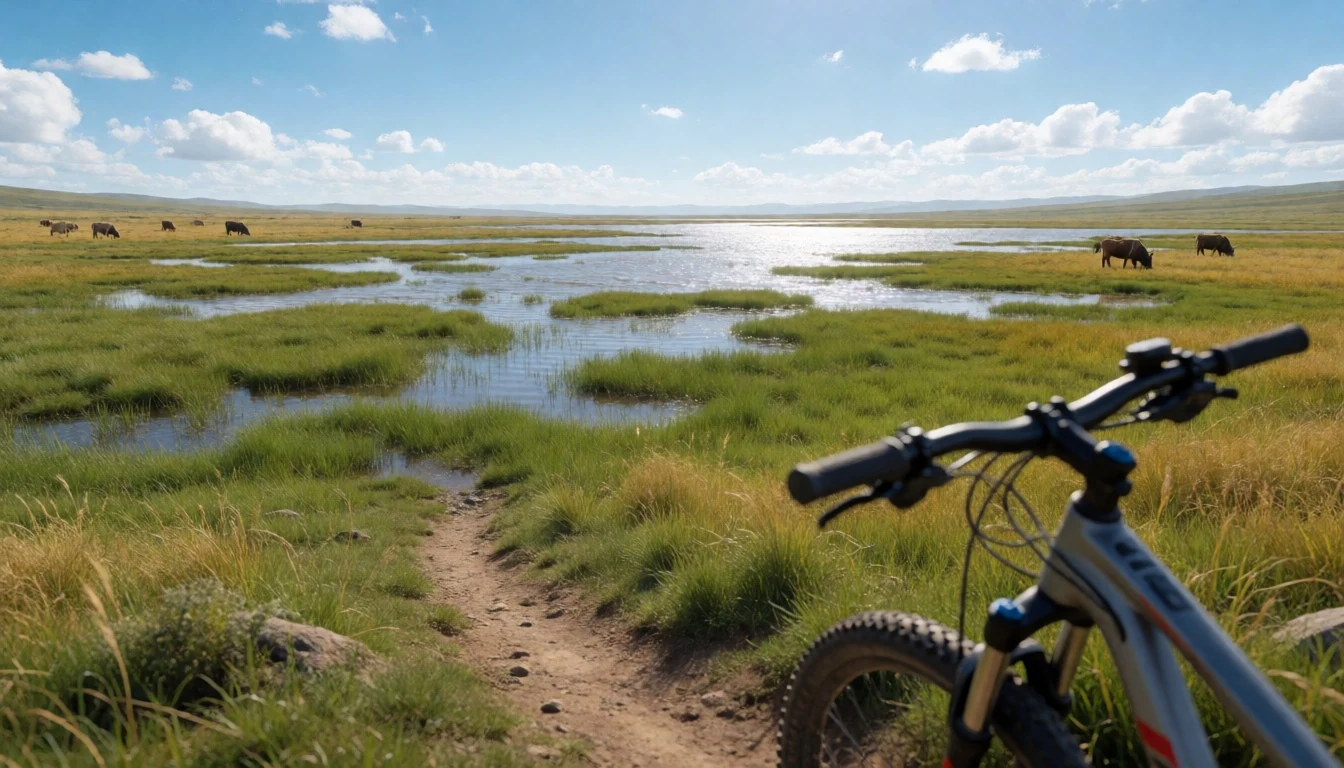
- Nixi Tibetan Village — Countryside outside the town
Nixi is a Tibetan village known for its pottery, a craft that archaeological evidence places at least 2,000 years back. A local driver or guide can arrange a stop at a workshop. Buying a piece directly from the potter is a more useful way to spend money than at the old-town shops.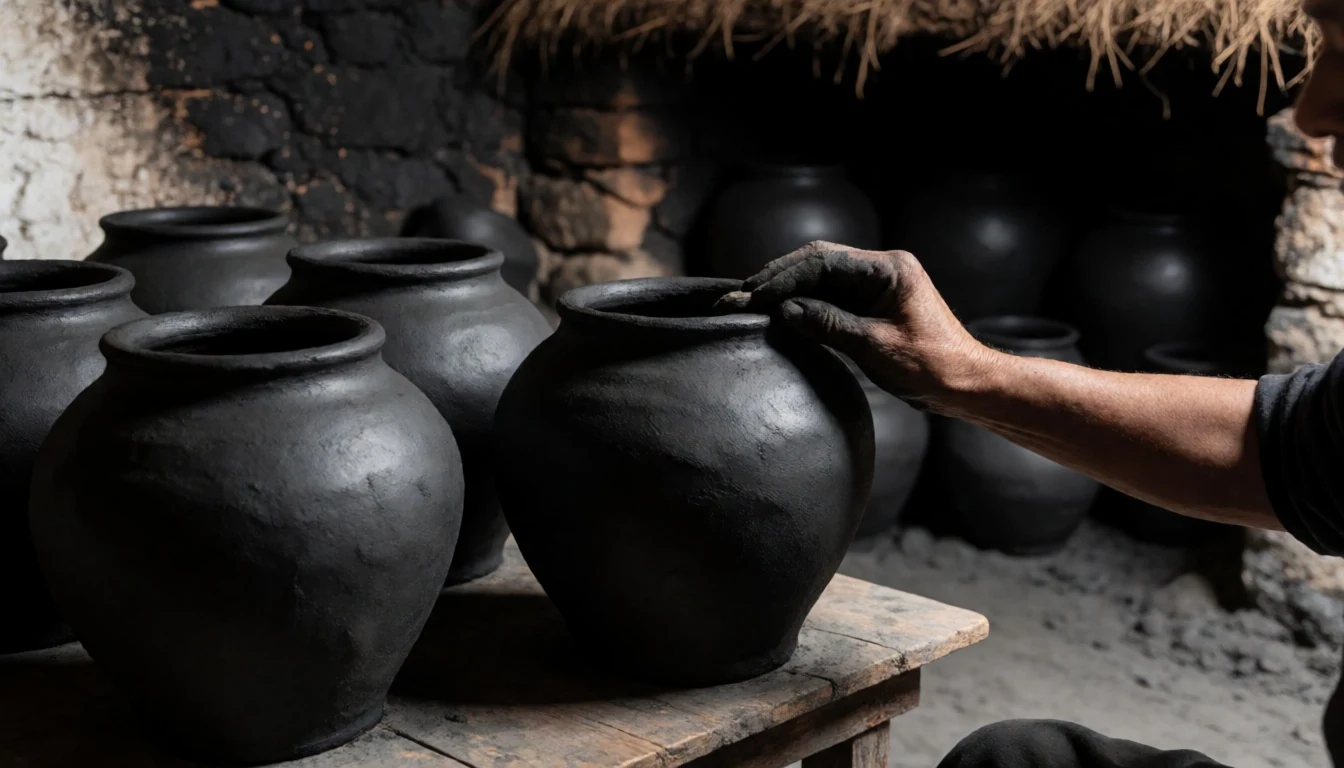
Culture
Shangri-La sits in Tibetan cultural country, and Tibetan Buddhism runs through daily life: prayer flags above rooftops, butter lamps in temple halls, and older residents turning hand-held prayer wheels as they walk. Songzanlin and the smaller temples around town are places of worship as well as sights, so visitors share the space with pilgrims.
Older than Buddhism's acceptance in Tibet is Bon, the belief system that honours mountains, water and other forces of nature. Bon chapels exist inside the monastery, sometimes with dark, fierce imagery that surprises first-time visitors. Mountains are treated as sacred here, and the snow peaks to the north and west carry that meaning for local families.
The community is mixed. Tibetan families hold the countryside, while Han, Naxi, Bai, Yi and Lisu residents live in town, and festivals bring out costume, dance and horse events. Some locals open their homes to guests and ask for a small contribution towards the food; accepting is a good way to meet people, provided the invitation is offered rather than pressed.
Tourism has turned parts of the old town into a showcase, and the contrast with village life is part of the experience. Buying from craftspeople and eating at family-run places puts money where it helps most.
Walk clockwise around chortens, prayer wheels and temple buildings, remove hats inside the halls, and ask permission before photographing monks, worshippers or the inside of any shrine.
What to wear
Traditional dress in Shangri-La is Tibetan, and the Kham style is the local reference. The chuba is a long wraparound robe tied at the waist with a sash, made of wool or sheepskin for herders and of silk or brocade for festivals and weddings. Women often wear a striped wool apron over the robe, and jewellery of turquoise, coral and amber is common in families that own it. Felt or fur hats and tall leather boots suit the cold. Red thread braided into the hair, especially for men at horse festivals, is a Khampa tradition.
In daily life the town looks modern and practical. Many residents wear fleeces, padded jackets and trainers, and the chuba appears mostly on older people, at festivals, on monastery days and at family occasions. Costumed dance shows in the old town are staged for visitors and are a poor guide to what neighbours wear day to day. Outdoor-brand jackets, many of them copies, are sold in the shops.
Visitors should dress for altitude rather than Yunnan's lowland reputation. Layers matter: a warm base, a fleece and a windproof or down jacket, with a hat and gloves outside summer because nights are sharply cooler. Summer needs a waterproof shell. The strong sun at 3,160 metres calls for sunglasses and sunscreen. At monasteries cover shoulders and knees and wear shoes that slip off easily. For grassland and park walks, sturdy shoes with good grip beat thin-soled trainers.
What to eat
- Butter tea (po cha) — Tibetan family homes and village teahouses
A salty tea churned with yak butter and served constantly in Tibetan homes. It tastes closer to thin soup than to tea, and it works well against the cold and altitude. Sip slowly, because hosts will keep refilling the cup.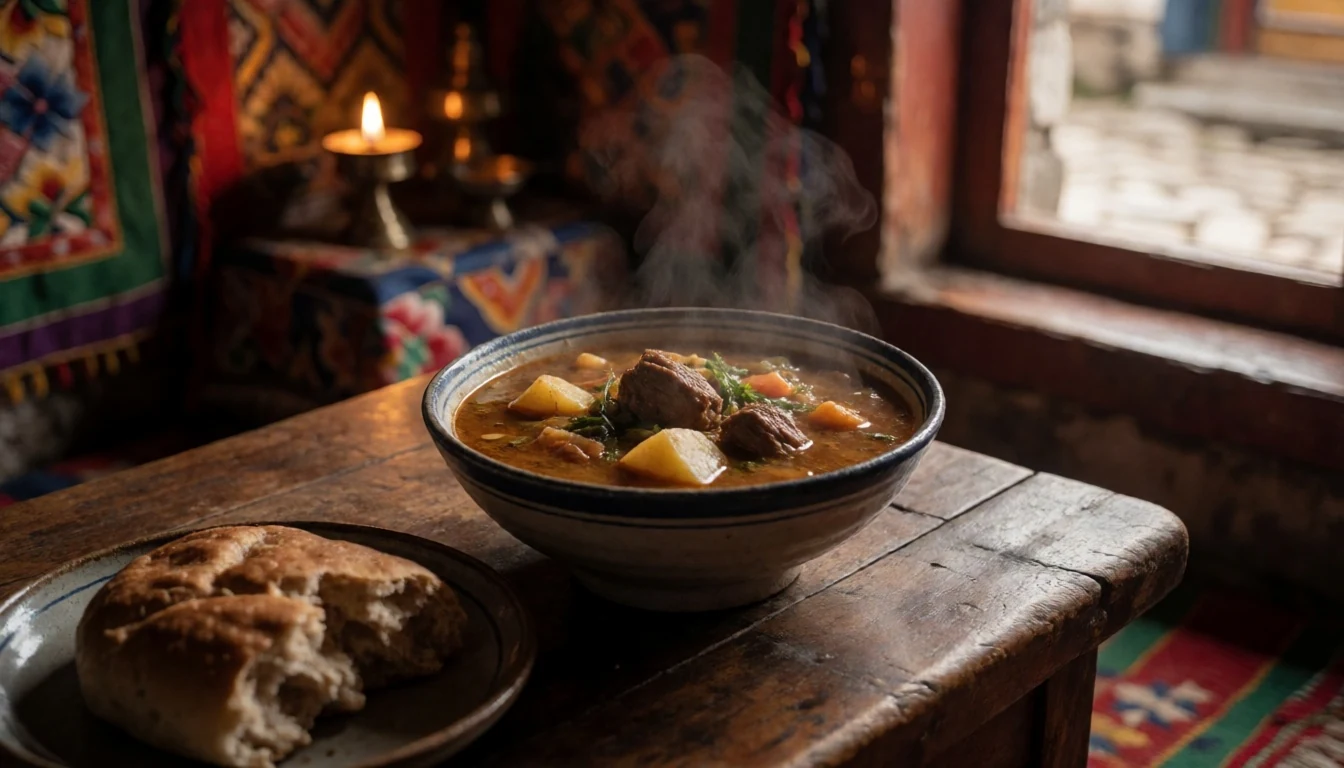
- Tsampa — Tibetan homes and the town's food markets
Roasted barley flour, usually kneaded with butter tea into a doughy ball. It is plain, filling and the everyday staple of Tibetan households. Most visitors find a few mouthfuls enough to understand it, and better as a taste than a full meal.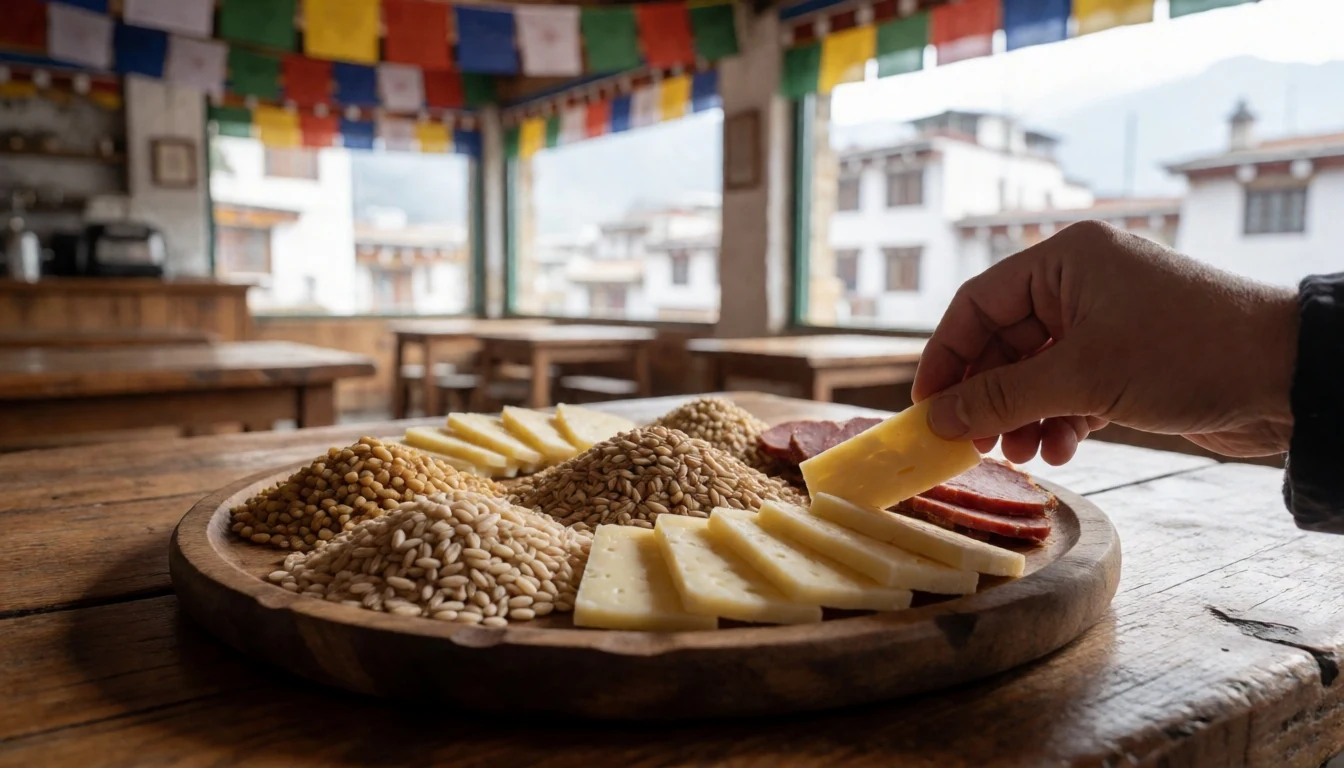
- Momo — Tibetan eateries around the old town
Steamed or fried dumplings filled with yak or beef, sometimes with vegetables, served with a sharp chilli sauce. They make an easy first order on a cold afternoon and usually arrive in a basket meant for sharing. - Yak hotpot — Tibetan restaurants and hotpot eateries in town
Yak meat simmered in a pot at the table with potatoes, radish and mountain greens. It is warming and good for a group, though yak is leaner than beef and has a stronger flavour. - Thukpa — Small noodle shops and Tibetan eateries
A noodle soup of wheat noodles in meat broth with vegetables, eaten at lunch or after a long day in the cold. It is quick, filling and a reliable choice when the appetite is weak at altitude. - Chang — Family homes and festival gatherings
Tibetan barley beer, cloudy and mildly sour, offered in homes and at festivals. It is not strong, but alcohol hits harder at this altitude, so take it slowly, especially on the first evening.
Plan it
Best time. Late April–May and October are the most comfortable: days are clear and the rains have not yet set in or have finished. June–September is cool and wet, with most of the year's rain. November–March is cold and sunny, but snow can cut roads and isolate the area.
How long. 2–3
Getting there. Most visitors arrive by road. Lijiang to Shangri-La takes about 2½ hours on the expressway, Dali about 6 hours and Kunming about 12, with day and night buses on the longer routes. Check the official site (http://xianggelila.diqing.gov.cn/) and current timetables for flights and rail.
Budget. mid
Tips
- Spend the first day gently and drink plenty of water, because the town stands at about 3,160 metres.
- Pack layers even in summer; nights are sharply cooler outside the rainy months.
- Visit the old town early or late, when tour groups thin out.
- Carry some cash for village visits, homestays and small entry gates.
- In winter, check road conditions before travelling in or out; snow can close routes.
Etiquette
- Walk clockwise around prayer wheels, chortens and temple buildings.
- Ask before photographing people, monks or the inside of temples.
- Take shoes and hats off when entering a hall or a Tibetan home if the hosts do.
Nearby
Sources
- Wikidata Q933866 (CC0)
- Wikipedia: Shangri-La, Yunnan (rev 1382532397) (CC BY-SA 4.0)
- Wikivoyage: Shangrila (rev 5417888) (CC BY-SA 4.0)
- Photo 01-2025-05-07-02.jpg (CC BY-SA 4.0)
- Photo 02-2025-05-07-09-cropped.jpg (CC BY-SA 4.0)
- Photo 03-57450-shangri-la-28450195392.jpg (CC BY 2.5)
- Photo 04-2025-05-08-04.jpg (CC BY-SA 4.0)
- Photo 05-.jpg (CC BY 3.0)
- Photo 06-grassland-panoramio-2.jpg (CC BY 3.0)
- Photo 07-zhongdian-festival-6170322414.jpg (CC BY 2.5)
- Photo 08-57244-shangri-la-28273611770.jpg (CC BY 2.5)


