Sassandra
Sassandra, Ivory Coast
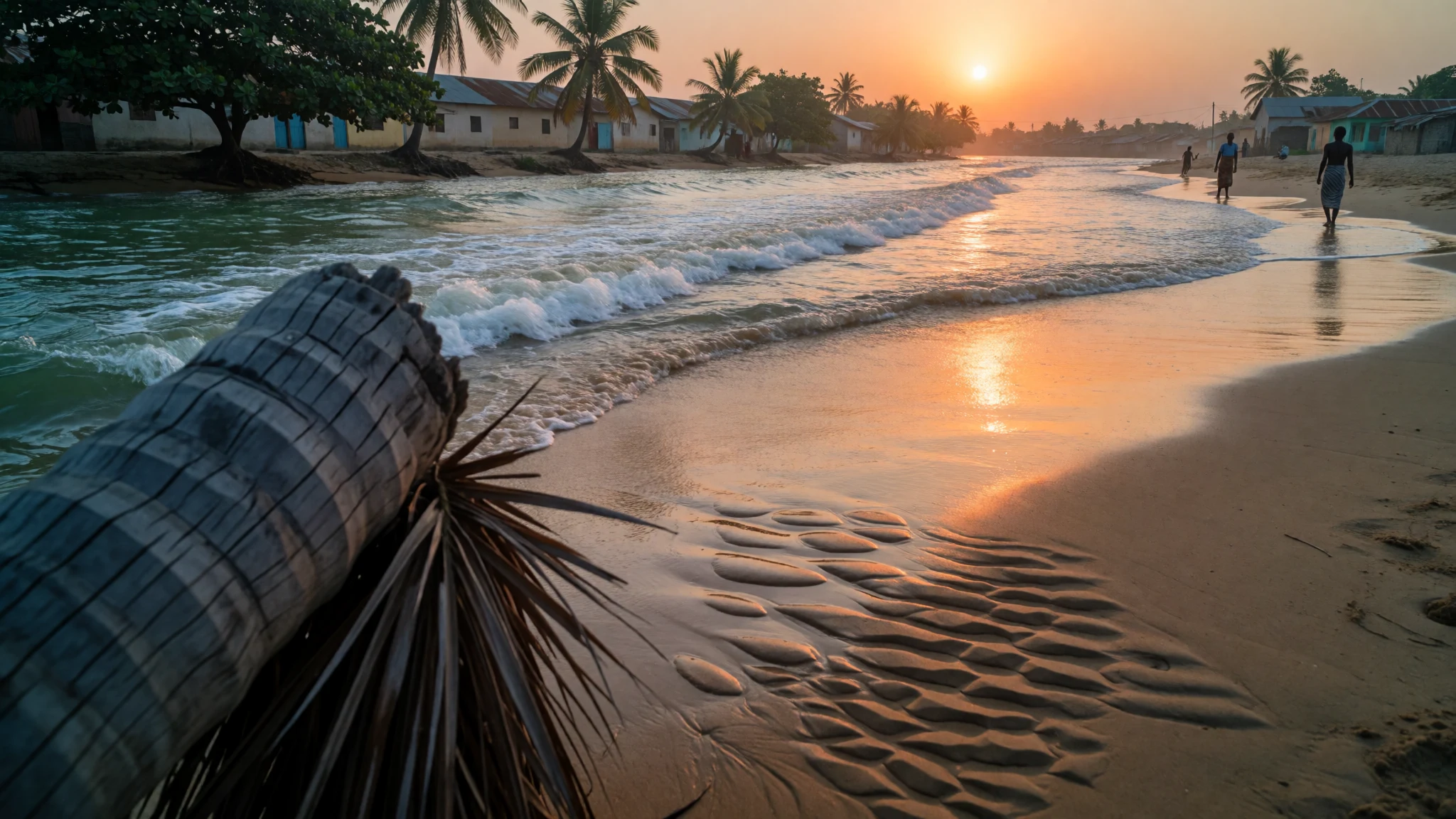
Sassandra is a river-mouth harbour on the Gulf of Guinea, where a working fishing shore meets a long Atlantic beach.
The place
Sassandra sits on the south-west coast of Côte d'Ivoire, where the Sassandra River finishes its run and opens into the Gulf of Guinea. The town takes its name from that river. A low shore, a sandy beach and the river mouth give the place its outline: open ocean on the seaward side, river water meeting salt on the other, and a small harbour settlement pressed between them. Houses, the market and the landing all face that meeting of waters. The light is strong and the air stays humid for much of the year. Shade comes from palms, broad-leaf trees and the verandahs of low houses, not from hills. This is a flat coastal town. Streets run between the waterfront, the market and residential quarters of concrete block, painted plaster and corrugated roofs. The sea is the daily reference point. Fishing pirogues come in with the catch, nets are spread to dry, and the beach works as both a landing and a place to walk. Beyond the surf, the south-west is forest country and the river is the old route inland. Sassandra serves the coast around it, quieter than the large port cities further along the shore, and scaled to fishing, small trade and the road that follows the sea. Rain falls hard and warm when the wet season is on; in drier weather the sand pales and the water looks clearer. Nights ease the heat only a little.
Its story
Sassandra grew up as a landing on a coast that European ships had been skirting long before any modern town stood here. The river's name passed to the settlement. Trade, not ceremony, set the early pattern: goods moving between the forest interior and ships that could anchor off the beach. The Portuguese founded the landing as Santo André, and the British, then the French, ran it as a timber seaport. Timber from the south-west forests and the everyday needs of a coastal district gave the town its work. Fishermen on this coast are often Ghanaians, and some English is heard at the landing, while farming and trade stayed with the coastal district. Independence folded Sassandra into the Ivorian state as a departmental town on the Atlantic. The big commercial energy of the country shifted towards the larger ports, and Sassandra stayed a secondary harbour: important to its own coast, easy to miss on a map of national industry. Fishing pirogues, the road, and the river continued to matter more than any single monument. A street in town honours Tamou Dable Maurice, remembered locally as the first deputy of Sassandra, which says something about how the place marks its own political memory — with a name on an avenue, not with a large museum. Sassandra's past is still readable in the way the town meets the water: the river mouth that named it, the beach that fed it, and a harbour kept to the scale of the coast.
What to see
- The Atlantic beach — The open shore in front of town
Sassandra's Atlantic beach is a long open stretch of sand on the Gulf of Guinea, with surf in front and the town sitting just inland. The same sand holds a walk, a swim and a working day: pirogues come ashore, nets are mended and people cross to the landing. Midday light is hard; early morning and late afternoon are the kinder hours on the shore.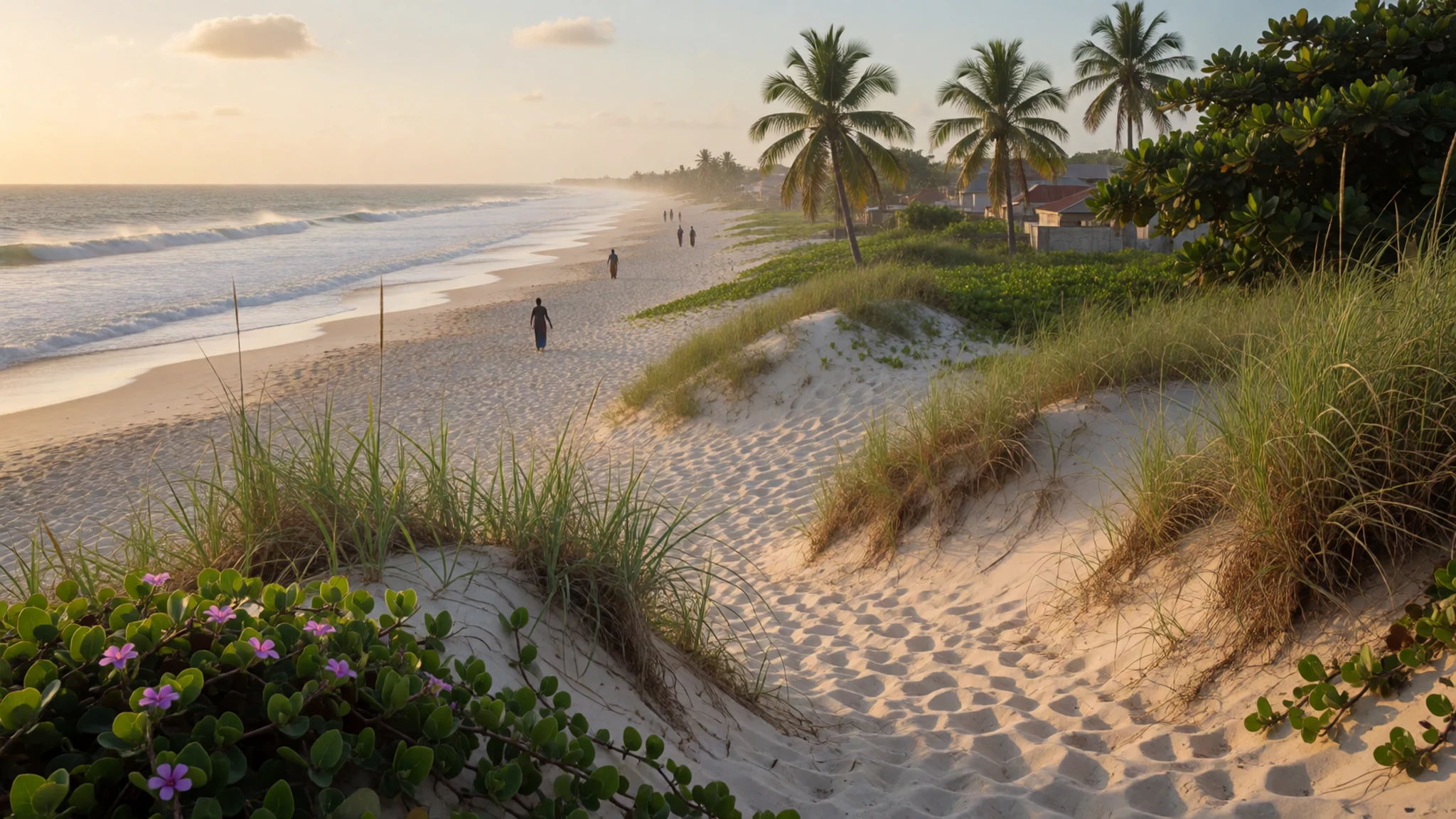
- Mouth of the Sassandra River — Where the river meets the Gulf
The mouth of the Sassandra River is the geographical reason the town exists, a meeting of brown river water and Atlantic surf at the edge of the settlement. Standing here makes the plan of the coast obvious: the river is the way inland, the sea is the highway that brought ships, and the town occupies the corner between them.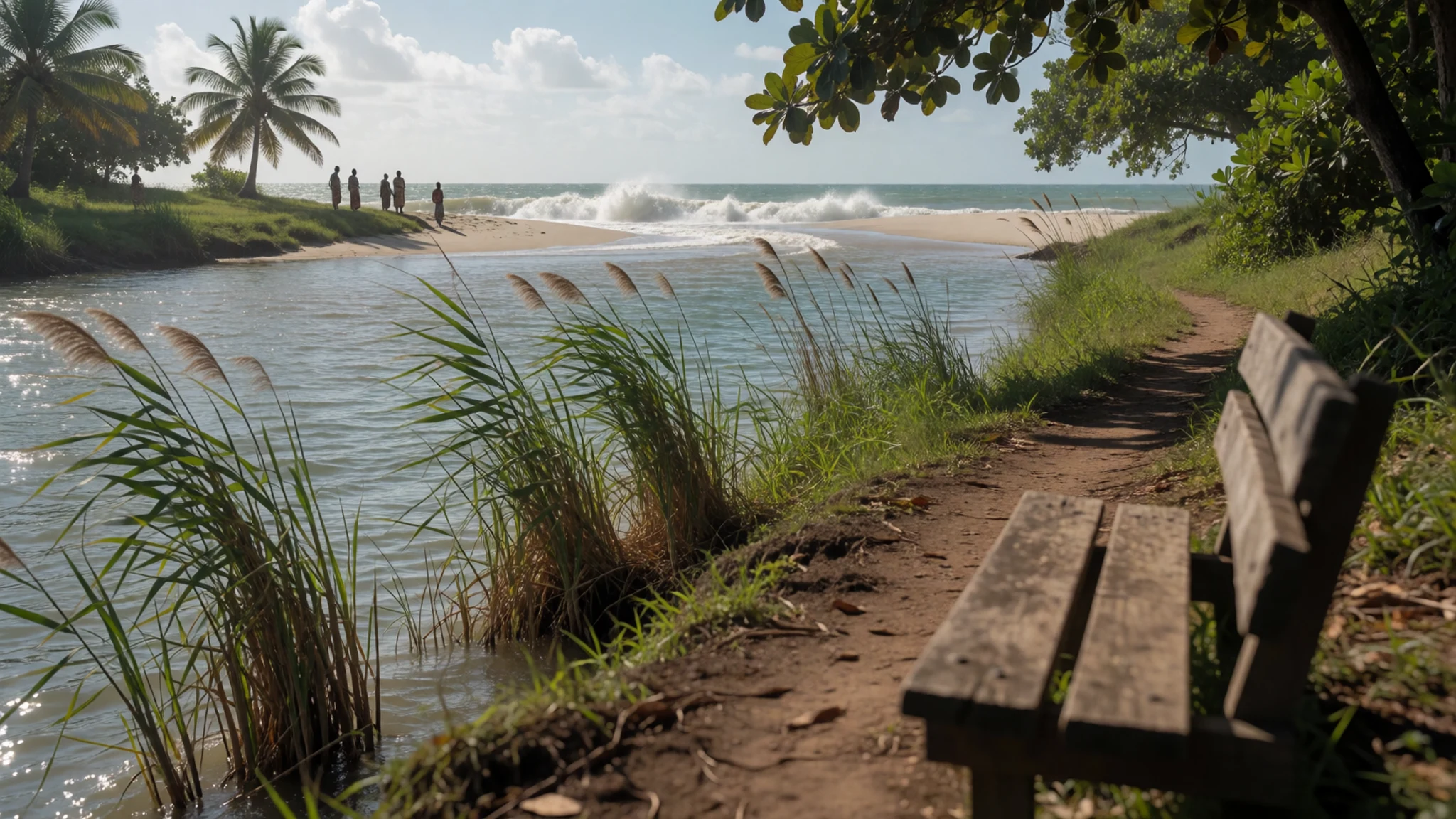
- The fishing landing — The waterfront
Sassandra's fishing landing is the working heart of the waterfront, where pirogues are beached and the catch comes off the boats. It is not a marina. Wood hulls, outboards, nets and basins set the scene, and the rhythm follows the sea rather than a posted schedule. The shore fills up when boats return.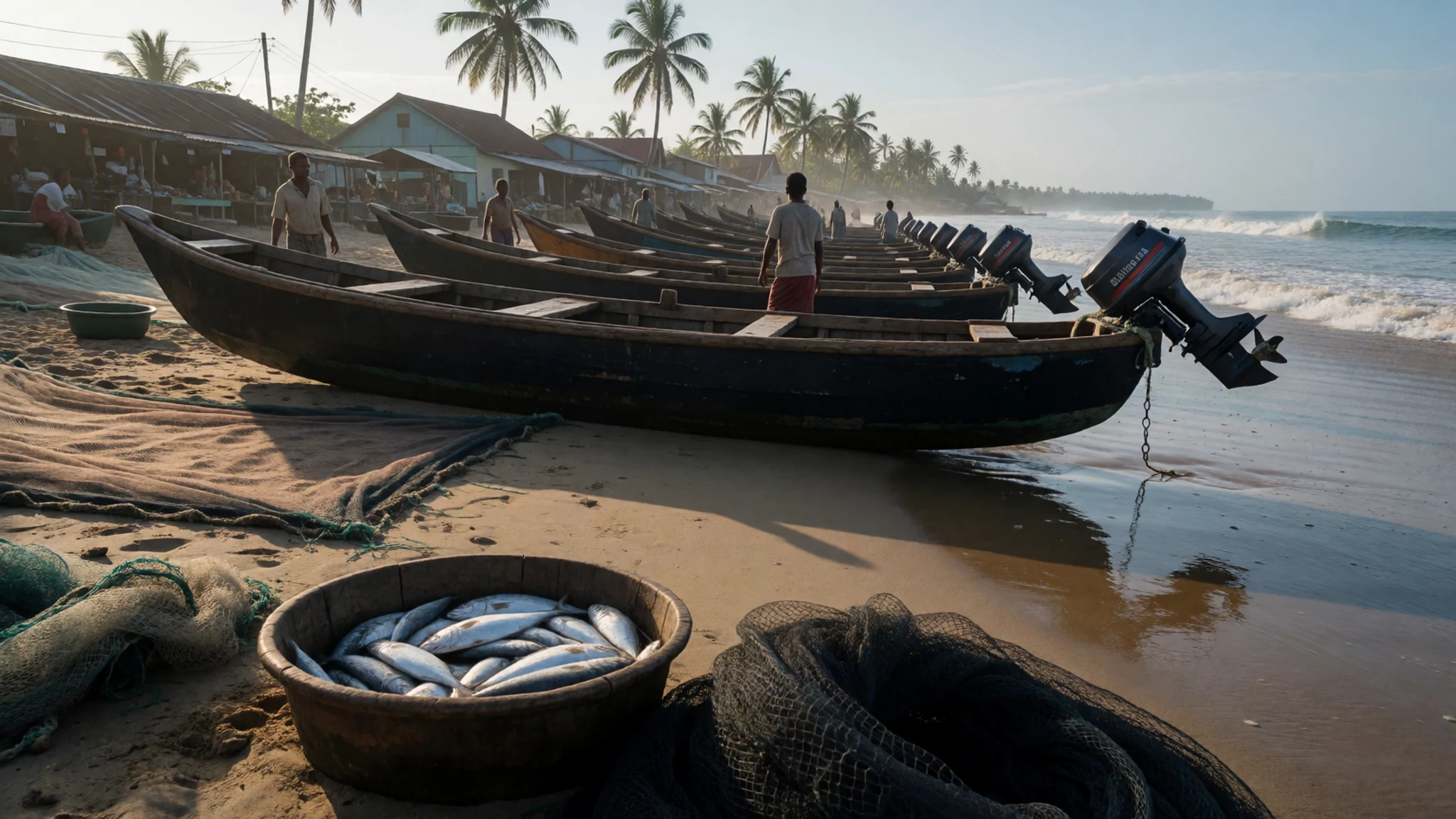
- Avenue Tamou Dable Maurice — In town
Avenue Tamou Dable Maurice is a Sassandra street named on its sign for Tamou Dable Maurice, honoured as the town's first deputy. The avenue shows how the town keeps political memory: a board at the roadside, not a large monument. Around it are low buildings, shade and ordinary traffic. The sign is worth a stop; the neighbourhood around it is the rest of the visit.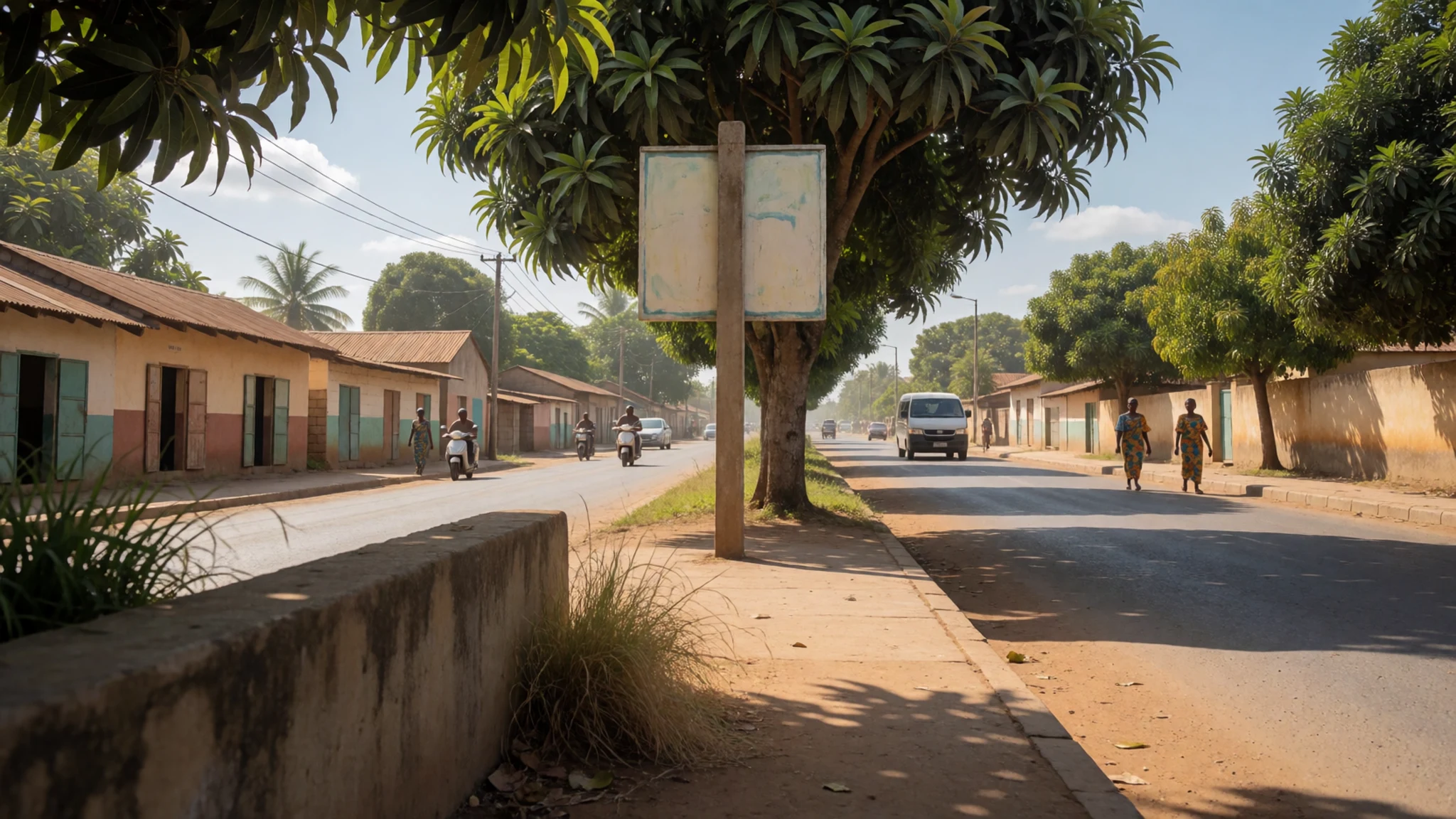
- The Sassandra corridor — The road approach into town
The corridor of Sassandra is the signed approach into town, marked by a roadside welcome board rather than a gate. This is where the coastal road becomes the town: houses thicken and the sea, alongside for much of the journey, turns into Sassandra's own shore. The board is a greeting and a ready portrait of arrival.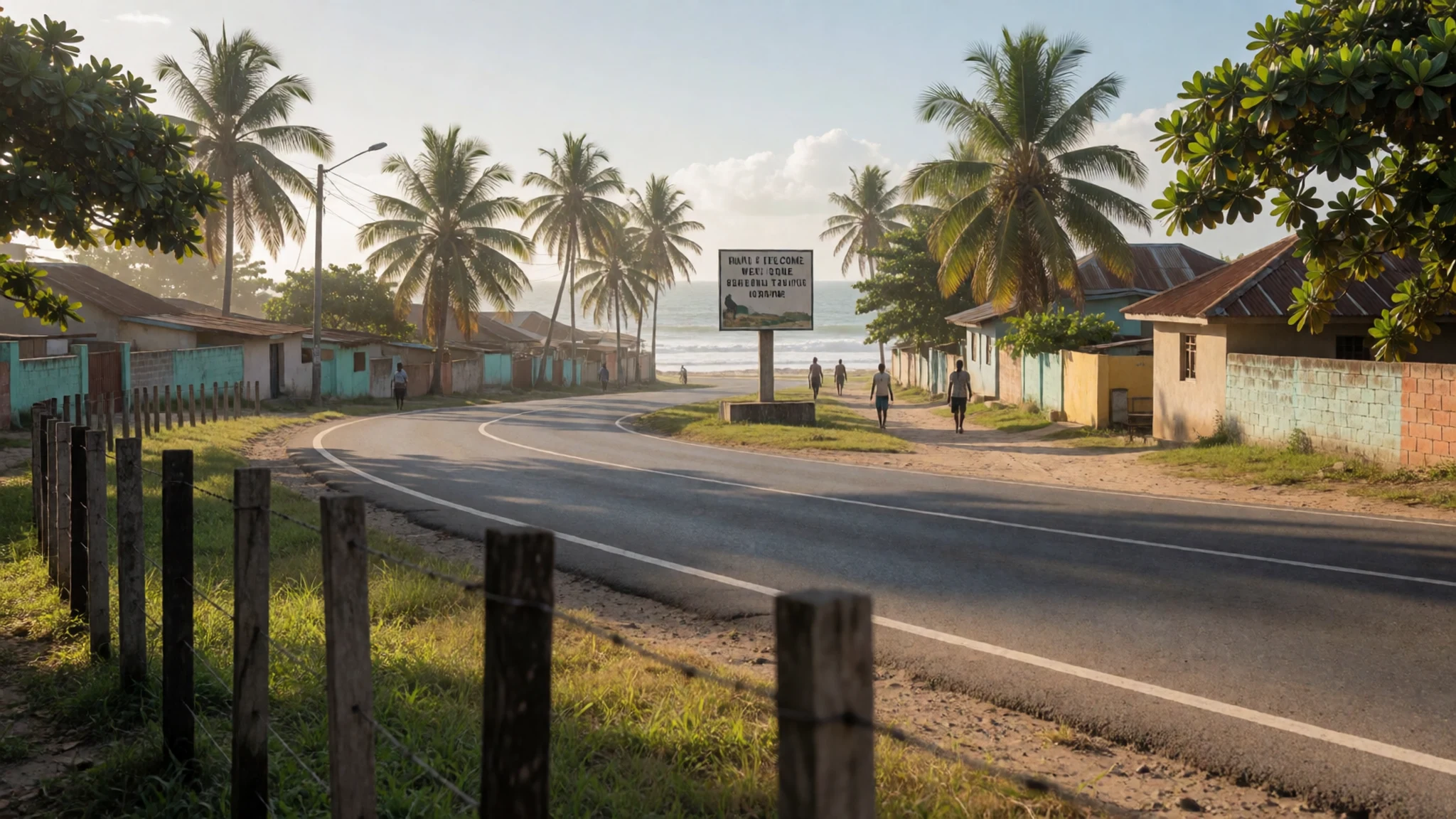
Culture
Sassandra's culture is that of the south-west coast: Kru-speaking communities, French as the language of school and administration, and a daily life shaped by fishing and by the church calendar as much as by the market. Greetings matter. A person enters a conversation with a hello, a handshake or a nod, and with time to ask after family before any request. Sundays slow the town; mornings may be for worship, and the shore still has to be worked. Music, football shirts and the radio sit beside older ritual. Funerals, naming celebrations and family gatherings pull people home from Abidjan and from other towns along the coast. Hospitality is practical: a seat in the shade, a shared piece of fruit, a chance to look at the catch. Shared meals follow the same unhurried courtesy as talk in the shade. The beach as landscape is generally fine to photograph; a person's face is not a public view. Ask before photographing people at the landing, in the market or at a church door, and greet them before the camera comes up.
What to wear
Sassandra dresses as coastal Côte d'Ivoire does, with a clear split between ceremony and the working day. For celebrations, church and formal visits, women wear tailored wax-print ensembles — a fitted top, a wrapper and a headtie cut from the same pagne — and men wear embroidered boubous or a wax shirt with trousers. The cloth is cotton wax print, the bright industrial pagne sold in lengths at the market, rather than a weave found only in this town. Patterns change with fashion; matching a whole outfit from the same cloth remains the formal habit. On an ordinary day the landing and the market look different. People wear T-shirts, football shirts, jeans, simple dresses and plastic sandals or flip-flops, because sand, salt and fish slime spoil anything delicate. Wax print still appears, often as a wrapper over a plain top, especially among older women. Children wear school uniform on weekdays and shorts the rest of the time. A visitor is comfortable in light cotton or linen, a hat and sandals that can be rinsed, with swimwear kept to the beach. In town, and above all at church, shoulders and knees should be covered; a wrapper or a long shirt over swimwear makes the switch.
What to eat
- Poisson braisé — Grills beside the landing
In Sassandra, poisson braisé is whole fish grilled over wood or charcoal, scored and salted, often with oil and chilli. It is the obvious plate, the fish having come off nearby boats. Eaten with attiéké, fried plantain or bread, it tastes of smoke and the sea.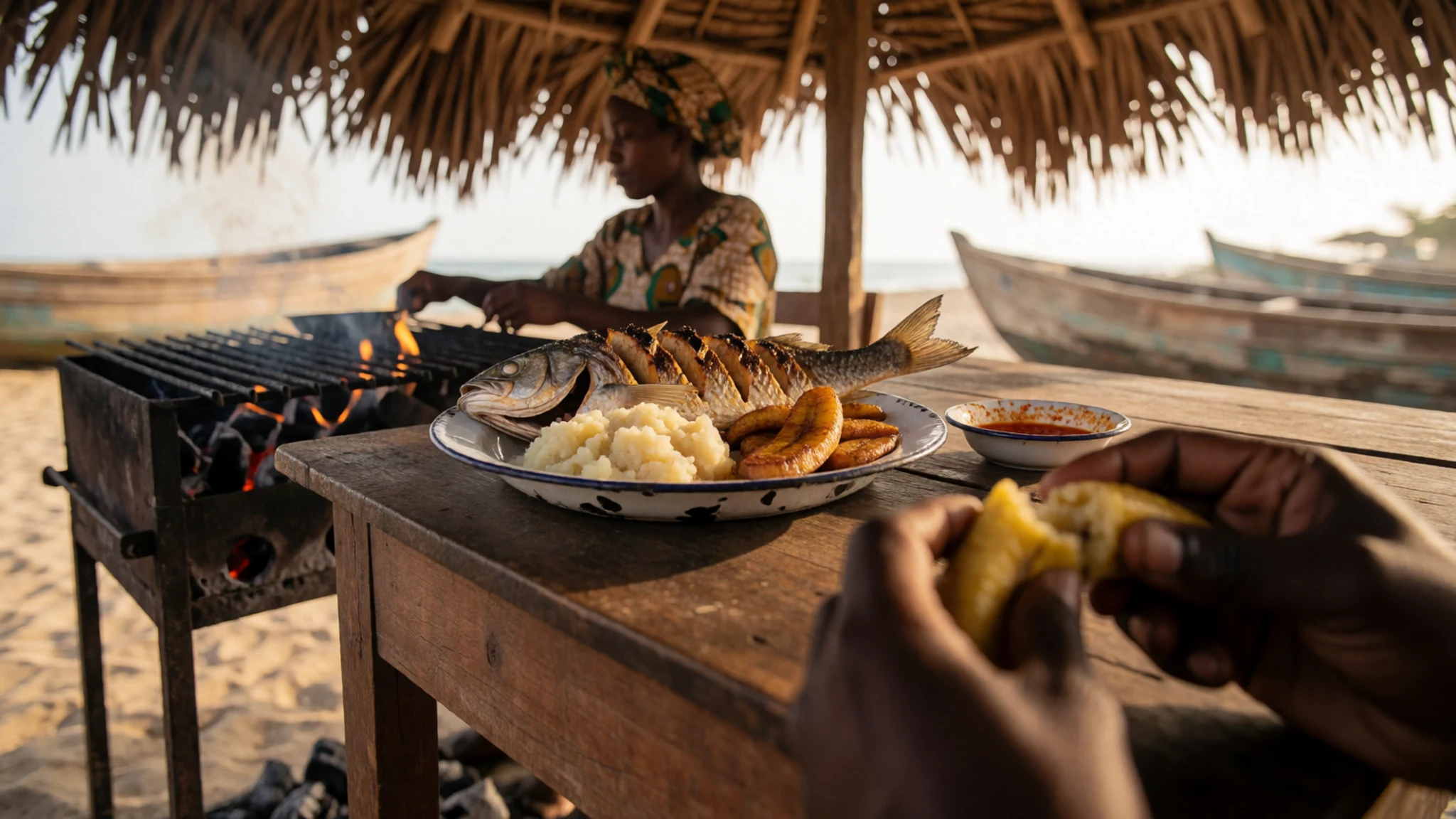
- Alloco — Street stalls near the market
Alloco in Sassandra is ripe plantain fried in pieces until the edges colour, sold in a paper twist or beside grilled fish. A pinch of chilli and salt is the usual finish. Stalls near the market and along the waterfront fry it through the day.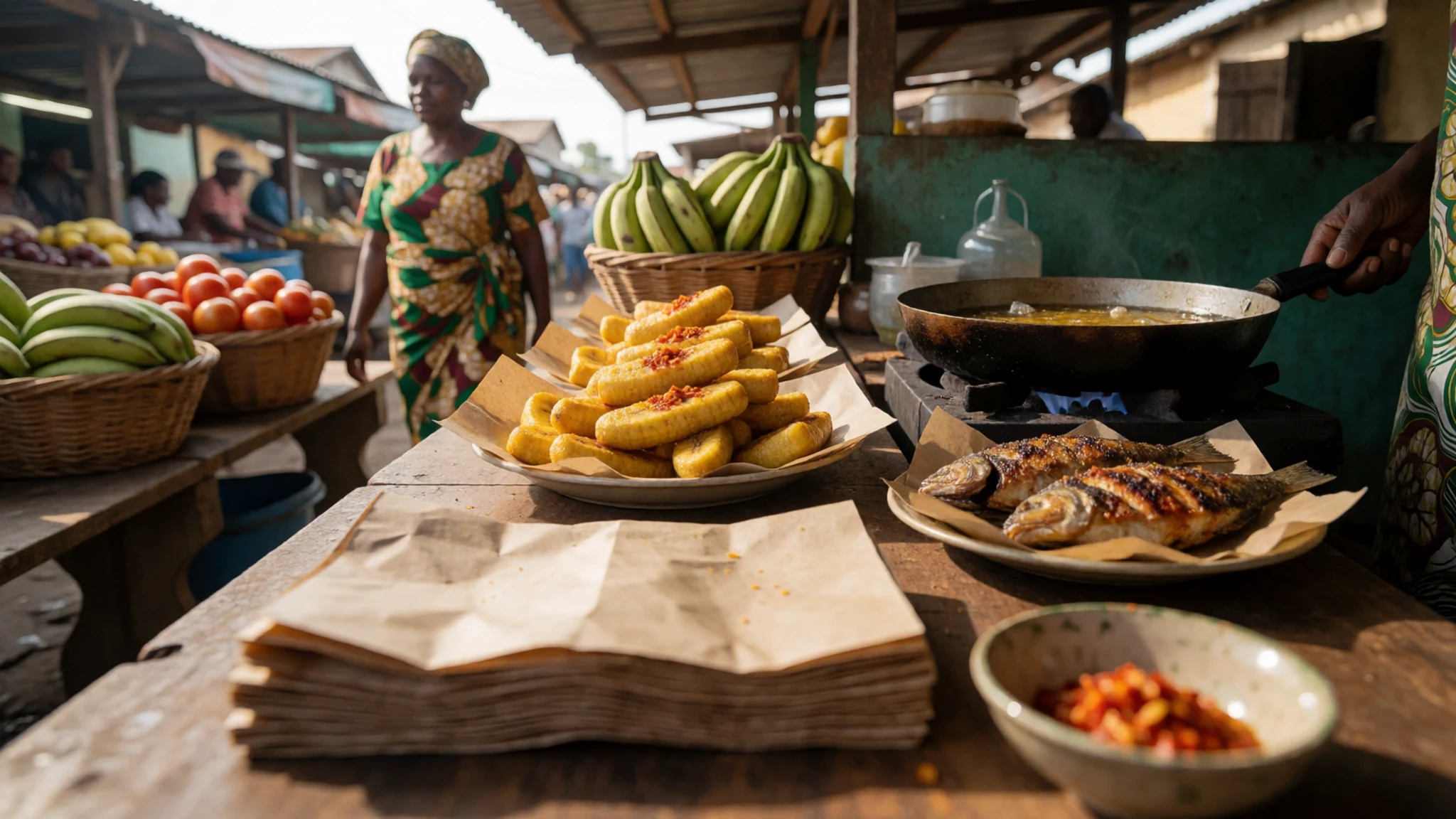
- Attiéké with fish — Eateries around the market
Attiéké is cassava couscous, steamed until the grains are slightly sour, and in Sassandra it belongs with fried or grilled fish and a spoon of pepper sauce. The combination is a full plate, common at midday, and filling in the heat. - Kedjenou — Sit-down eateries in town
In Sassandra, kedjenou is chicken or fish cooked slowly in a sealed pot with vegetables, tomato and chilli, the sauce reducing without added water. The fish version suits a town that lands its own catch. It arrives with rice, attiéké or foutou. - Sauce graine — Home-style eateries
Sauce graine is a palm-nut sauce, rich and red-orange, eaten in Sassandra with rice or with foutou made from plantain, cassava or yam. Fish or smoked fish is the natural addition on this coast. It is heavier than grilled fish and more of a midday meal.
Plan it
Best time. The clearer harmattan runs from mid-December to mid-March: January is driest and most comfortable, February the hottest, and June the wettest, so March is already less easy. April into July brings the long rains, heavy and warm, with thick humidity. A shorter dry spell around August is another window, before rains return towards the end of the year. In the wet season, plan short hours on the sand and extra time on the road.
How long. 2–3
Getting there. Sassandra has no international airport of its own. Travellers can use Sassandra Airport, or fly into Félix Houphouët-Boigny airport at Abidjan or San-Pédro and continue along the coastal road. No railway reaches the town. By road the last leg is often a shared taxi, and rain can slow the laterite stretches.
Budget. low
Tips
- Carry cash, because small stalls and shared taxis often cannot take a card.
- Walk the beach early, before the sun is high and before nets and hulls cover the sand.
- After heavy rain, ask locally about the coastal road before assuming the journey will be smooth.
- Drink bottled water rather than relying on the tap.
- For grilled fish, wait until the boats are back instead of expecting a fixed lunch hour.
Etiquette
- Greet before you ask a favour, bargain or lift a camera.
- Ask before you photograph faces at the landing, the market or a church door.
- Cover shoulders and knees away from the beach, and do so to enter a church.
Nearby
Sources
- Wikidata (Sassandra facts block) (CC0)
- Wikipedia (CC BY-SA 4.0)
- Wikivoyage (CC BY-SA 4.0)