Taï National Park
Taï National Park, Ivory Coast
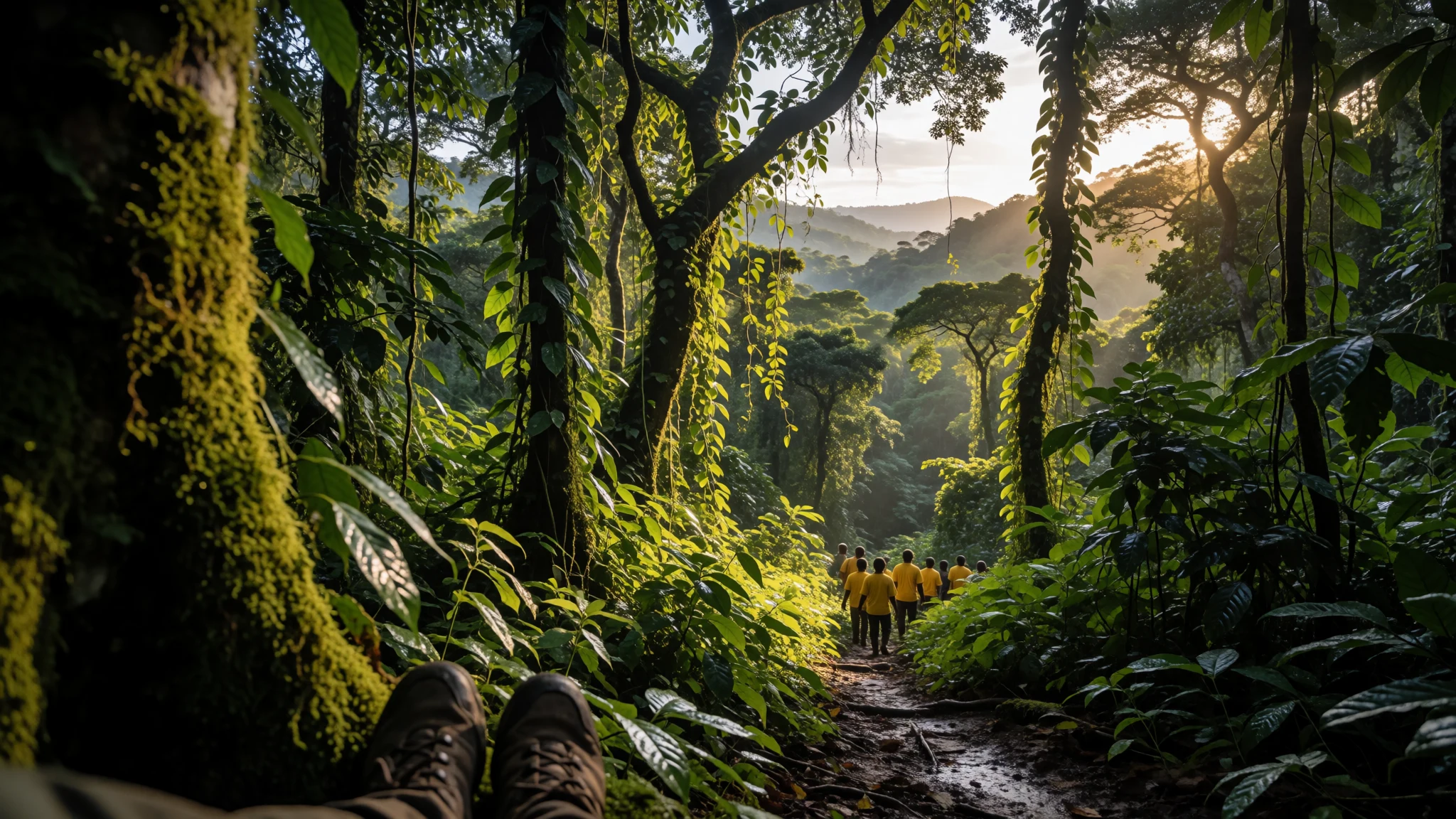
Taï National Park is a rare pocket of primary rainforest in West Africa where primates and birds can turn an ordinary day into a living checklist.
The place
Taï National Park (Parc National de Taï) sits in south-west Côte d'Ivoire, on the edge of Liberia, and it still holds stretches of primary rainforest that West Africa otherwise lost long ago. Elevations inside the park vary from 80 metres to 396 metres, with landscapes that shift between wetter forested valleys and drier, more open ground in the north. The rain pattern matters: there are two main climatic zones, and rainfall is heavier in the south-west, with a wet season running from March/April to July and a shorter wet spell in September to October.
The park is large and continuous in feel rather than “touristy lanes”. It covers thousands of square kilometres of tropical evergreen forest and is managed as a protected area that visitors access through entry points at Tai and Niebe. Movement is typically organised and guided, because the rainforest is tough terrain and because the wildlife is best encountered with local knowledge.
Taï’s wildlife reputation comes from diversity and from what the forest still shelters: chimpanzees, leopards, colobus monkeys, and several species listed as threatened. The park’s conservation importance is also recognised internationally, with UNESCO-linked status recorded under World Heritage listings, plus related biosphere recognition.
If this park is sounding like a dream, it is—but the practical reality is that weather, access, and hygiene standards shape the experience as much as the animals do. Plan around the drier months and expect a trip that feels more like fieldwork than sightseeing.
Its story
Taï National Park feels like a place that has absorbed centuries of rainforest noise: leaves that never quite settle, insect life that keeps going long after sunset, and the constant sense that the canopy is hiding something moving. The first time visitors hear primates calling through thick vegetation, it doesn’t sound dramatic—it sounds normal, like the forest’s daily soundtrack.
A big part of Taï’s story is that it remained primary forest long enough for complex ecosystems to keep functioning. That’s why wildlife here is so varied. Chimpanzees aren’t just a “sighting”; their presence changes how guiding works, because teams set up movement carefully and pay attention to what the forest is telling them.
Access is its own chapter. The park is not something people wander into independently. Entry happens from Tai or Niebe, and the accommodation and guiding model is built around small groups. The Tai option is associated with an NGO camp inside the park, focused on observing primate populations, while Niebe is reached from a different side and is typically described as more expensive.
Then there’s the health reality that travellers sometimes forget to plan for: the forest area is described as a natural reservoir for Ebola virus, and the main defence is rigorous hygiene and careful handling around bodily fluids. That doesn’t mean the trip is hopelessly complicated, but it does mean it’s a place where discipline matters.
Put it together—rainforest depth, wildlife-focused guiding, structured entry, and strict hygiene—and Taï reads less like a holiday itinerary and more like an intentional encounter with a living, changing habitat.
What to see
- Primate viewing with local guides (Tai camp area) — Tai camp area
Taï National Park’s best primate moments come through local guidance near the Tai entry area, where chimpanzee and other monkey activity is tracked on foot.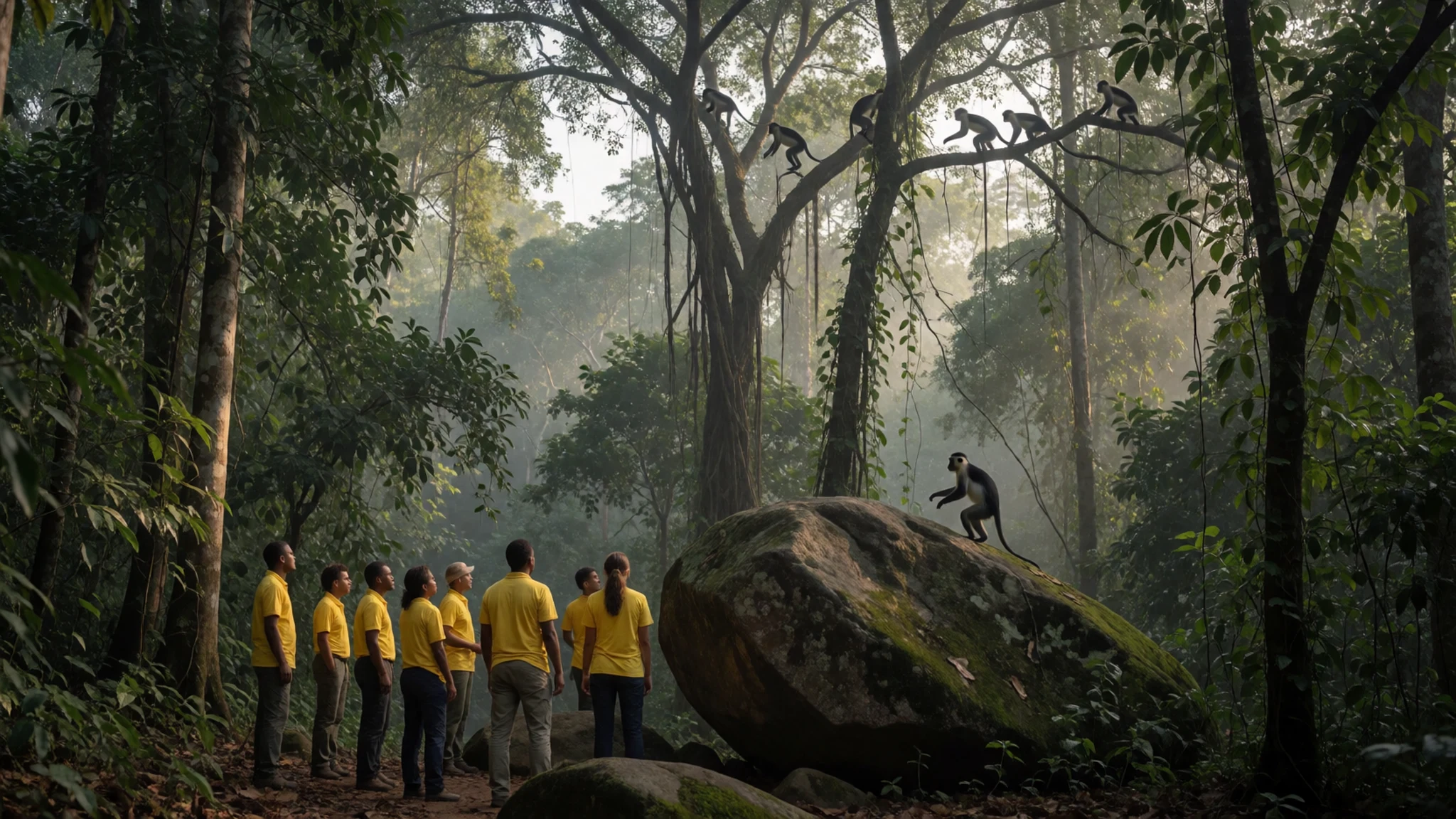
- Chimpanzee encounters in the tropical evergreen canopy — Primary forest trails inside Taï
Chimpanzees can show up as movement and calls in the canopy, and sightings often depend on timing and how guides read the forest sounds and signs.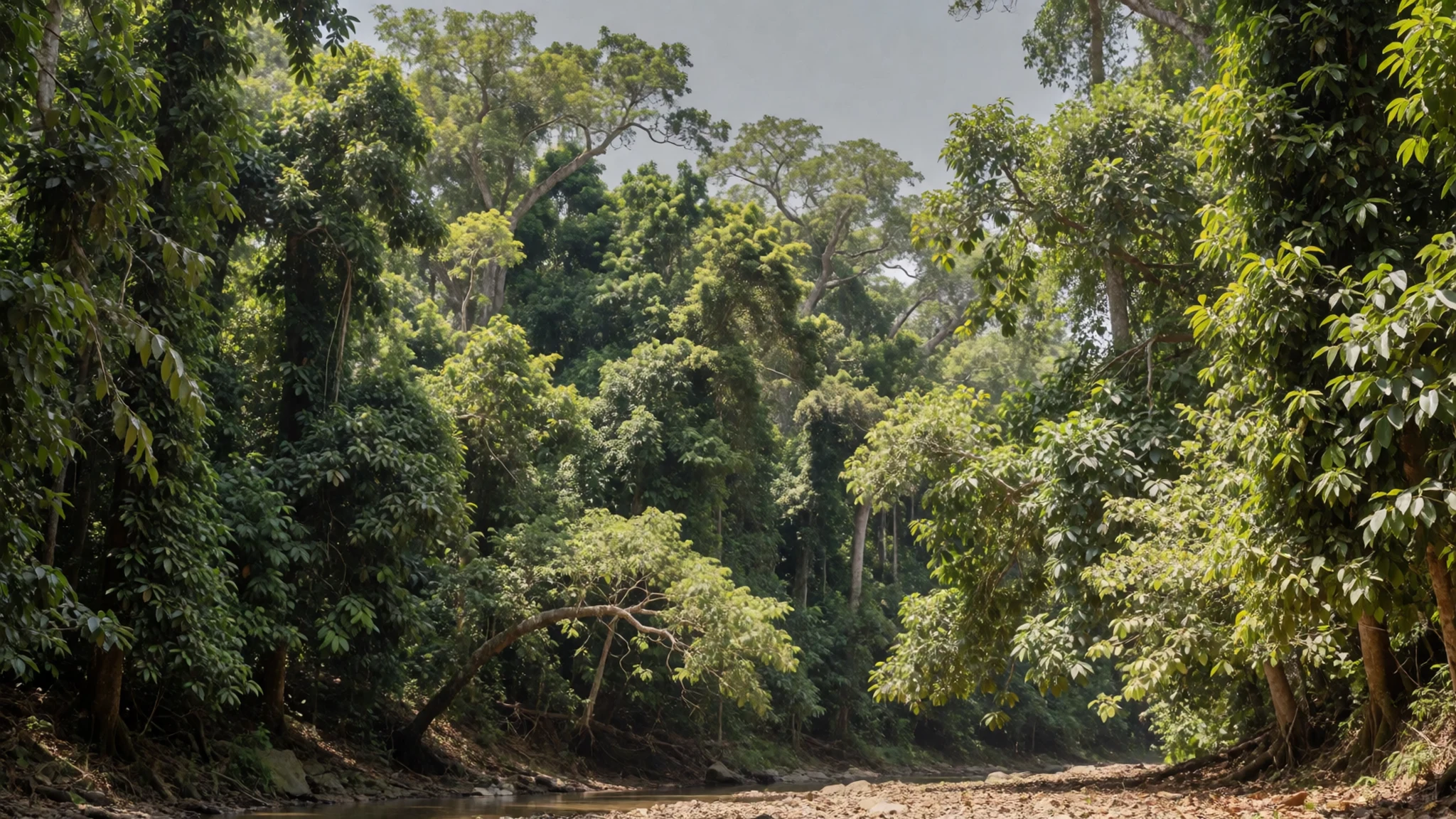
- Bird-and-biodiversity watch inside the primary rainforest — Primary rainforest zones across the park
Taï National Park rewards slower watching: small bursts of movement, calls above the canopy, and a steady stream of rainforest species when conditions are calm.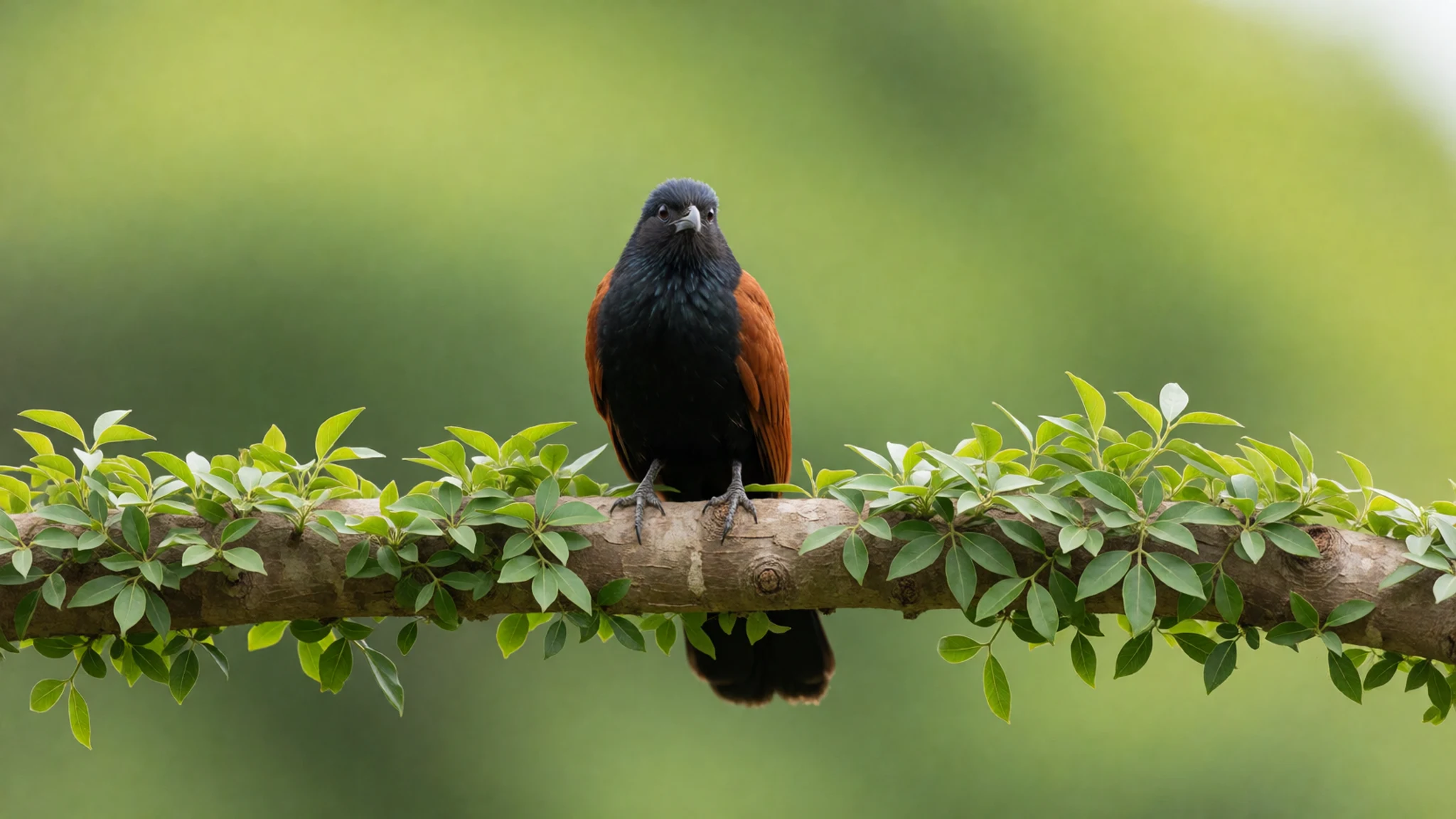
- Insect life and rainforest textures (best in the understory) — Understory and shaded forest edges
Insect life is relentless here, and the understory textures—mossy patches, damp leaf litter, and webbing—are often the easiest “always there” highlights.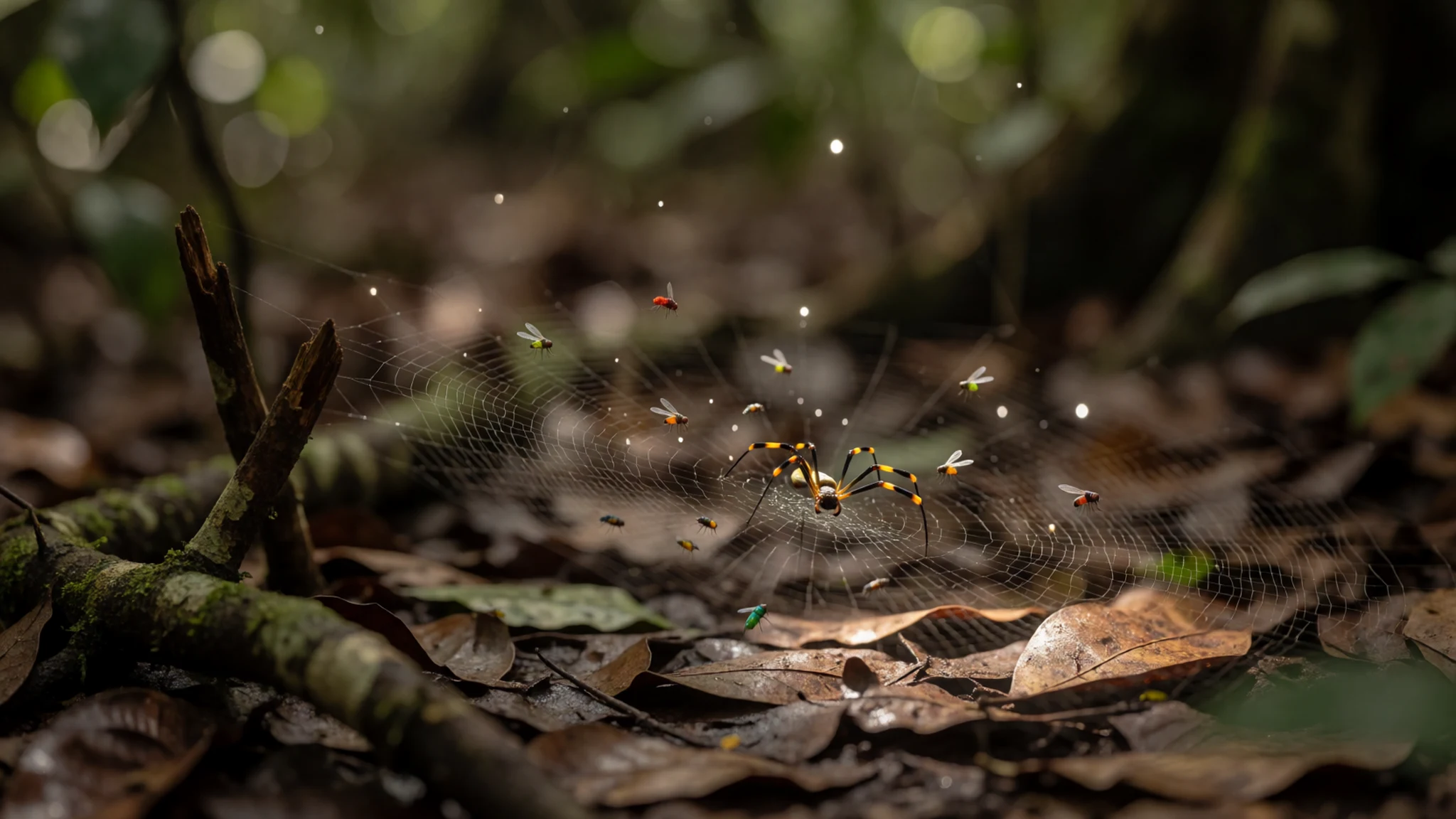
- Wet vs dry season river edges and forest trails — River systems draining through Taï
River edges change character through the year: wider in wetter months and narrower in the dry season, with forest trails that feel different after rain.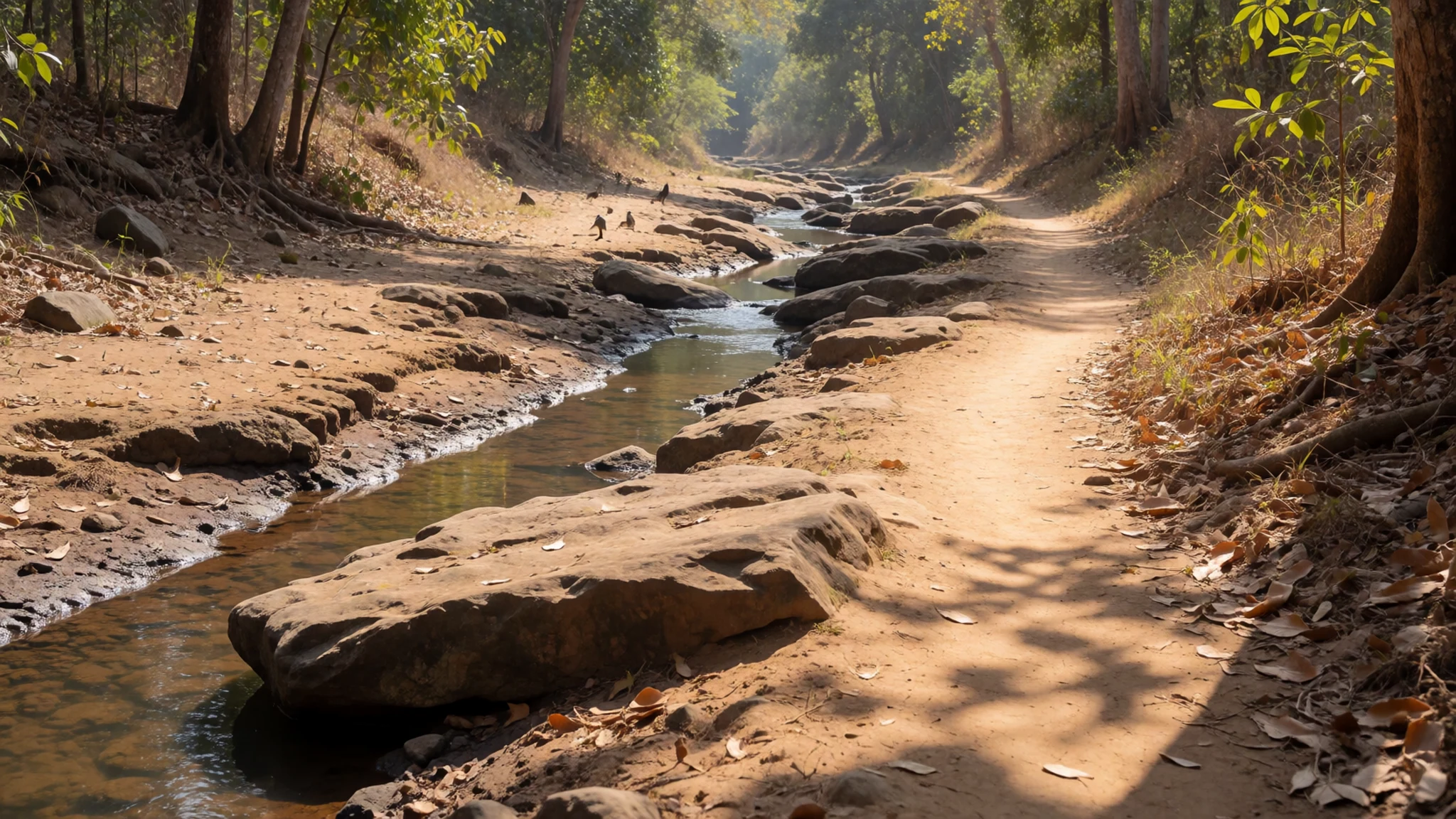
Culture
Taï National Park is a protected rainforest, and the “culture” here is mainly how people work with wildlife and how hygiene is handled. Visiting isn’t framed as casual tourism; entry is organised through the Tai and Niebe access points, and people rely on local expertise to move safely through thick vegetation and to interpret animal signs. That means following instructions matters as much as spotting species.
Taï’s forest is recognized as a natural reservoir for the Ebola virus, so the core defence is strict hygiene to prevent exposure to infected animals’ or humans’ wounds or waste. Practically, that translates into disciplined behaviour—careful use of gloves where appropriate, avoiding risky contact, and keeping hands and surfaces clean during the day’s trekking.
Because guides are doing the hard work of locating primates, timing and respect for the group’s pace are part of the etiquette too. Expect that the day can be unpredictable: you might hike, stop, wait, and move again depending on what the forest shows.
Visitor etiquette: listen closely to your guide, maintain strict hygiene practices, and avoid any contact with wildlife or bodily fluids.
What to wear
Taï National Park doesn’t have a single “visitor uniform”, but clothing has to work for tropical rainforest. In and around the park, you’ll usually see practical everyday wear rather than elaborate traditional outfits on trekking days—think lightweight fabrics that can handle heat and humidity.
For religious or ceremonial contexts outside the forest, modesty norms often guide choices in West Africa: shoulders covered and clothing that isn’t too revealing are safer bets. Footwear is more critical than style. Choose closed shoes or sturdy sandals with grip for muddy patches, wet leaf litter, and uneven ground; thin sneakers that soak through quickly can become uncomfortable fast.
What to wear for the park itself: long sleeves and long trousers (to protect against insects and scratchy vegetation), a lightweight rain layer for wet periods, and a hat or cap for sun breaks when clouds thin. Bring a small daypack with essentials and keep spare clothing accessible in case conditions change quickly.
If visiting during wetter months, expect garments to stay damp; quick-dry materials help. If visiting in drier months, you’ll still want long sleeves—the understory can be dense and insects can be active year-round.
What to eat
- Meals at the Tai camp (NGO-run base) — Tai camp area
The Tai camp model is set up around primate observing, with meals included for staying visitors, so food is typically part of the guided package rather than a separate hunt for restaurants.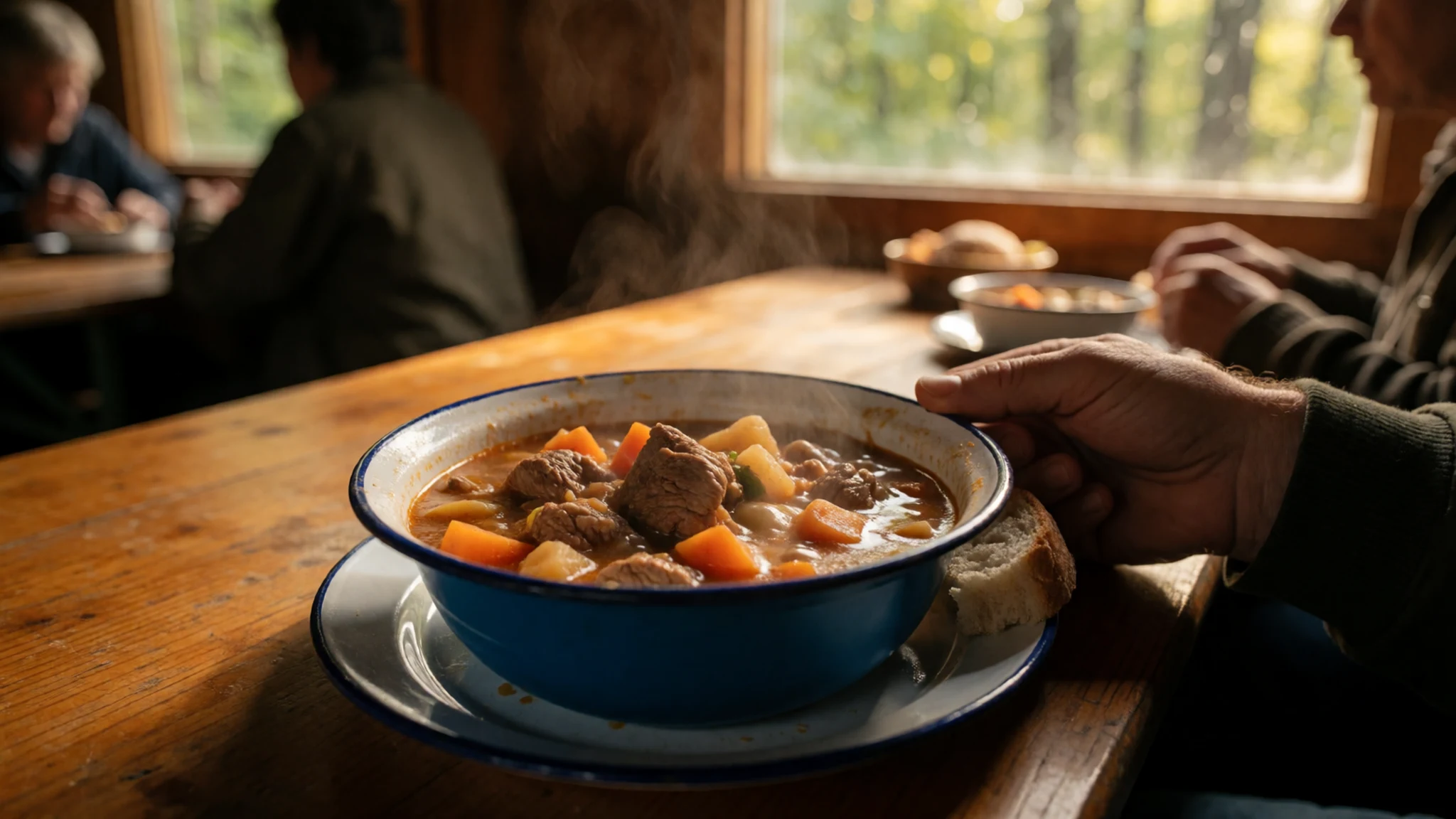
- Village dinners in Tai — Tai village
Outside the camp, village eating tends to be simple and filling—what’s available locally, prepared in bulk for the evening crowd after trekking.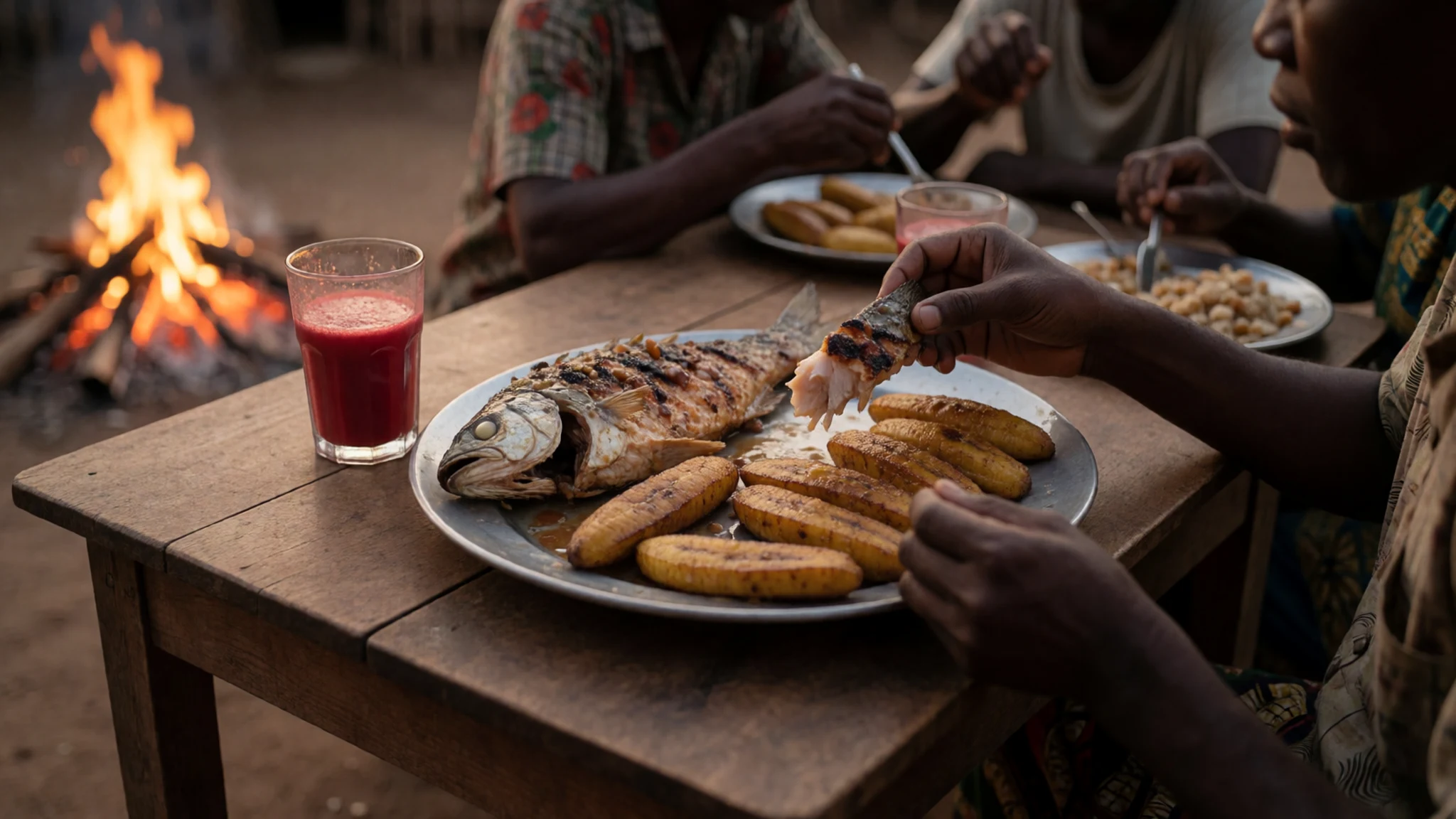
- Nuts, fruit and snack breaks — Along the access routes and village stores
In a place where days run by wildlife activity, snacks matter. Expect easy, portable things like fruit and nuts, often available through local shop stops. - Local vegetables and stews in village eateries — Village eateries near Tai and Niebe
Local vegetables and stews are commonly served in village eateries, especially as a hearty dinner after a day in the forest. It’s usually flavoursome rather than fancy. - Street-style tea and coffee stops — Town stopovers around Guiglo and Tabou routes
Tea and coffee show up as quick breaks between travel legs. It’s less about a specific shop and more about refuelling while conversations and logistics happen.
Plan it
Best time. March–April and December–January are the most practical months for Taï National Park, because the rain eases compared with the wettest mid-year period and the heaviest downpours are concentrated from May through June.
How long. 3–4
Getting there. Reach the Tai or Niebe entry areas from the north via Guiglo or from the south via Tabou, then take the final unpaved road approach to the park access point.
Budget. high
Tips
- Only enter with the organised access model from Tai or Niebe; don’t plan independent entry.
- Schedule primate-focused time early, since movement can depend on how animals react to the day’s conditions.
- Pack for a wet forest even when you’re not travelling in the rainy season—damp leaf litter is a constant.
- Follow the hygiene guidance closely in case the team discusses Ebola-related precautions; it’s part of responsible participation.
- Bring a method to carry and manage small cash payments in remote settings.
Etiquette
- Keep distance from wildlife and avoid any contact with bodily fluids; hygiene is non-negotiable here.
- Move only when your guide signals—don’t rush ahead in thick vegetation.
- Stay quiet when you’re waiting for primates, so you don’t mask calls and movements.
Nearby
Sources
- Wikidata Q328577 (CC0)
- Wikipedia (rev 1384422312) (CC BY-SA 4.0)
- Wikivoyage (rev 5282037) (CC BY-SA 4.0)
- Photo photos/01-ta-national-park-24148248710.jpg (CC BY-SA 2.0)
- Photo photos/02-schimpansen-im-nationalpark-tai.jpg (CC BY-SA 4.0)
- Photo photos/03-centropus-nationalpark-tai.jpg (CC BY-SA 4.0)
- Photo photos/04-nephila-nationalpark-tai.jpg (CC BY-SA 4.0)
- Photo photos/05-chimpanzee-in-tai-national-forest.jpg (CC BY-SA 4.0)


