Korhogo
Korhogo, Ivory Coast
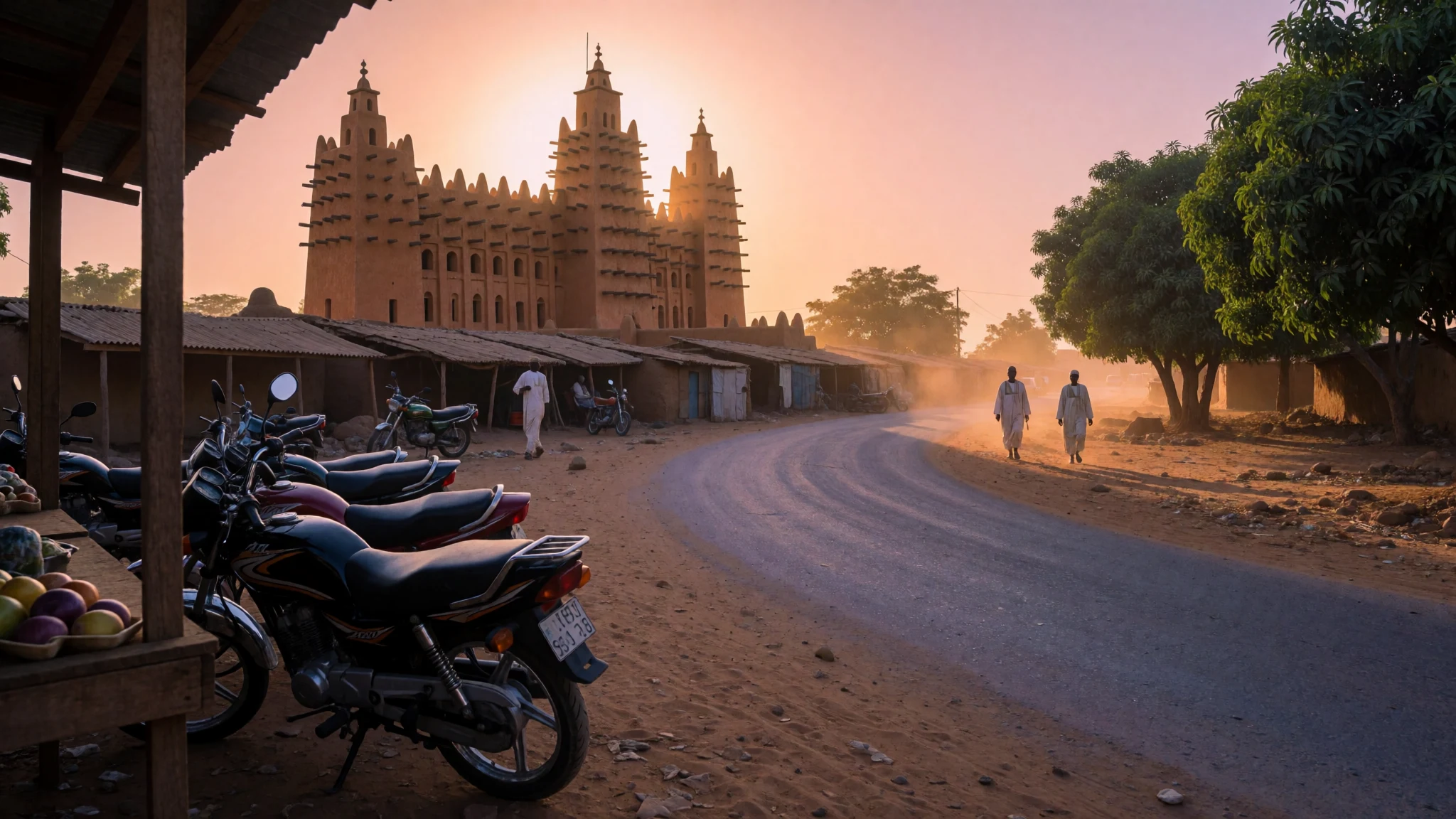
Korhogo is northern Ivory Coast's working Senufo capital, where carvers, painted cloth, mud-built mosques and busy markets reward unhurried, curious travellers.
The place
Korhogo is the main city of northern Ivory Coast, a low-slung, busy town of about 243,000 people on open savannah, 386 metres above sea level. It is the administrative seat of both the Savanes District and the Poro Region, and the cultural capital of the Senufo, who make up most of its residents. Mont-Korhogo rises over the south-western quarter and gives the flat town its one clear landmark. The farmland around it supplies cotton, kapok fibre, rice, millet, groundnuts, maize and yams, along with sheep and goats, and the wider region also yields diamonds. Long before colonial rule, the settlement sat on a trade route running towards the Atlantic coast, and trade still sets its rhythm: a large market, workshops, mosques and a constant stream of motorbikes. Even inside the built-up area, vegetable plots are worked along the river. The airport takes domestic flights only, so most visitors arrive overland. This is a working regional capital rather than a resort. Tourist facilities are thin, French is the language of daily business, and the welcome is courteous to anyone who greets people properly. Rain falls mostly from June to September, and the hottest stretch runs from February to May, when afternoons belong in the shade. The drier months before that stretch are easier for walking the town and making day trips to villages in the surrounding countryside.
Its story
Korhogo's origins are told in two ways. Local tradition names Nangui, a Senufo patriarch, as the founder, while written accounts credit Nanguin, a warrior of Seku Watara. Both place the town long before the French arrived, and its position on a route towards the Atlantic coast made it a trading stop that kept growing. The best-remembered ruler is Gbon Coulibaly. As a young man he was sent as a hostage to the army of Babemba Traoré, which had just captured nearby Sinématiali. When his father Zwakognon, a descendant of the founder's sister, died in a plague, Gbon came back from Sikasso to take the chieftaincy. Two forces threatened the town, those of the warlord Samory Touré and of the French, and Gbon relied on patient diplomacy so that neither sacked it. The regional museum now carries his name. Korhogo's recent history is harder. When civil war divided Ivory Coast, rebel soldiers seized Korhogo and Bouaké, and the north lay outside the government's control. Factional fighting went on after the formal ceasefire, and United Nations staff found mass graves in the town. After the disputed election that followed, the former president Laurent Gbagbo was held under house arrest here before being sent to The Hague. Anyone planning a trip should read current travel advice first, since the region's calm has not always been dependable.
What to see
- Péléforo Gbon Coulibaly Regional Museum — Central Korhogo
Korhogo's regional museum is named for the chief who steered the town through the colonial scramble. A museum in a Senufo capital is the sensible place to put carving, ritual and local history in context before wandering the workshops. Ask locally about opening times rather than relying on printed ones.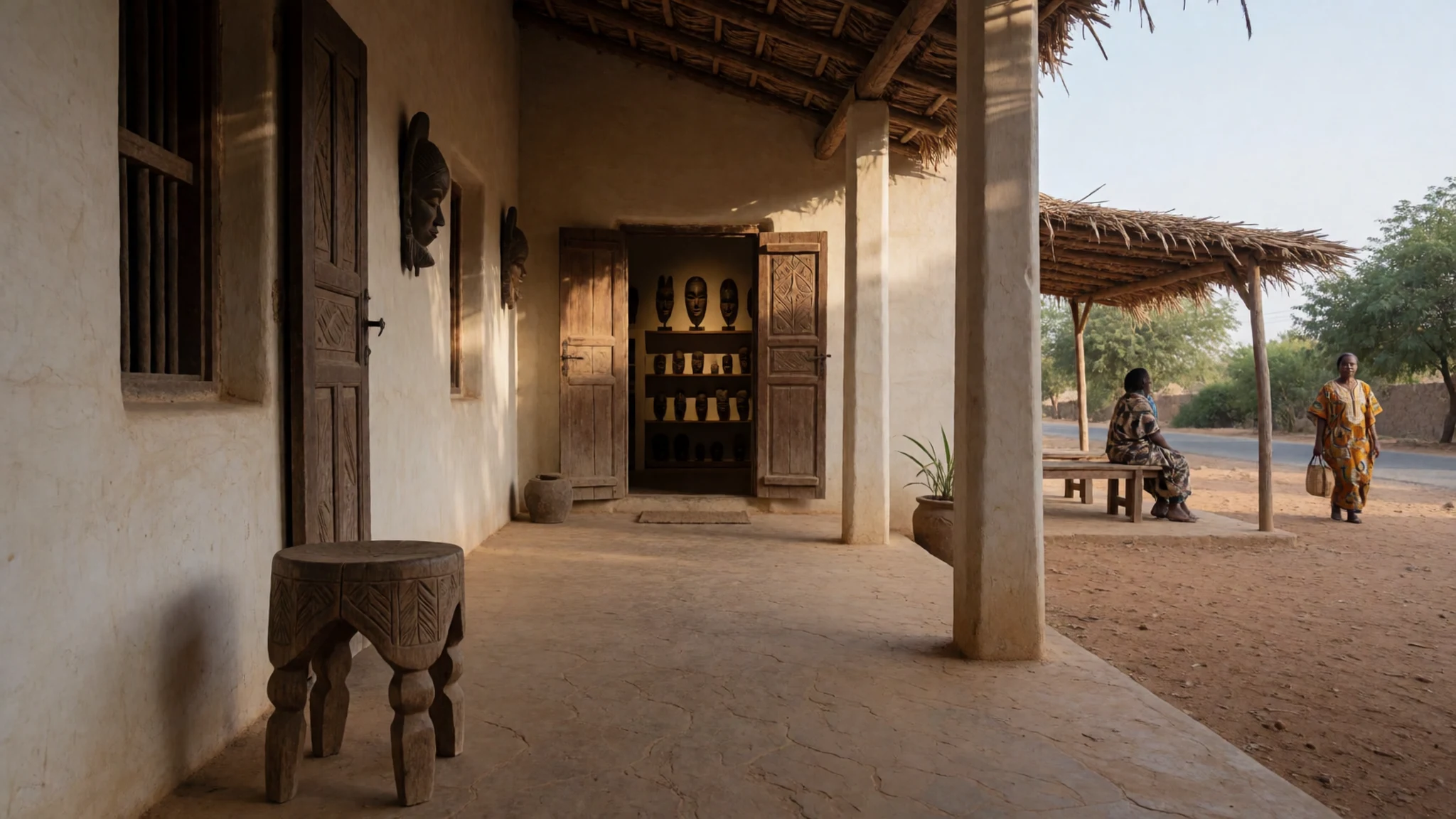
- Woodcarvers' quarter — Korhogo town
Sculptors work in the open all around this quarter, so a visit is less a gallery stroll than a chance to watch figures and masks emerge from raw timber. Greet the carvers first, ask before photographing, and take time over any purchase. A local guide can smooth introductions.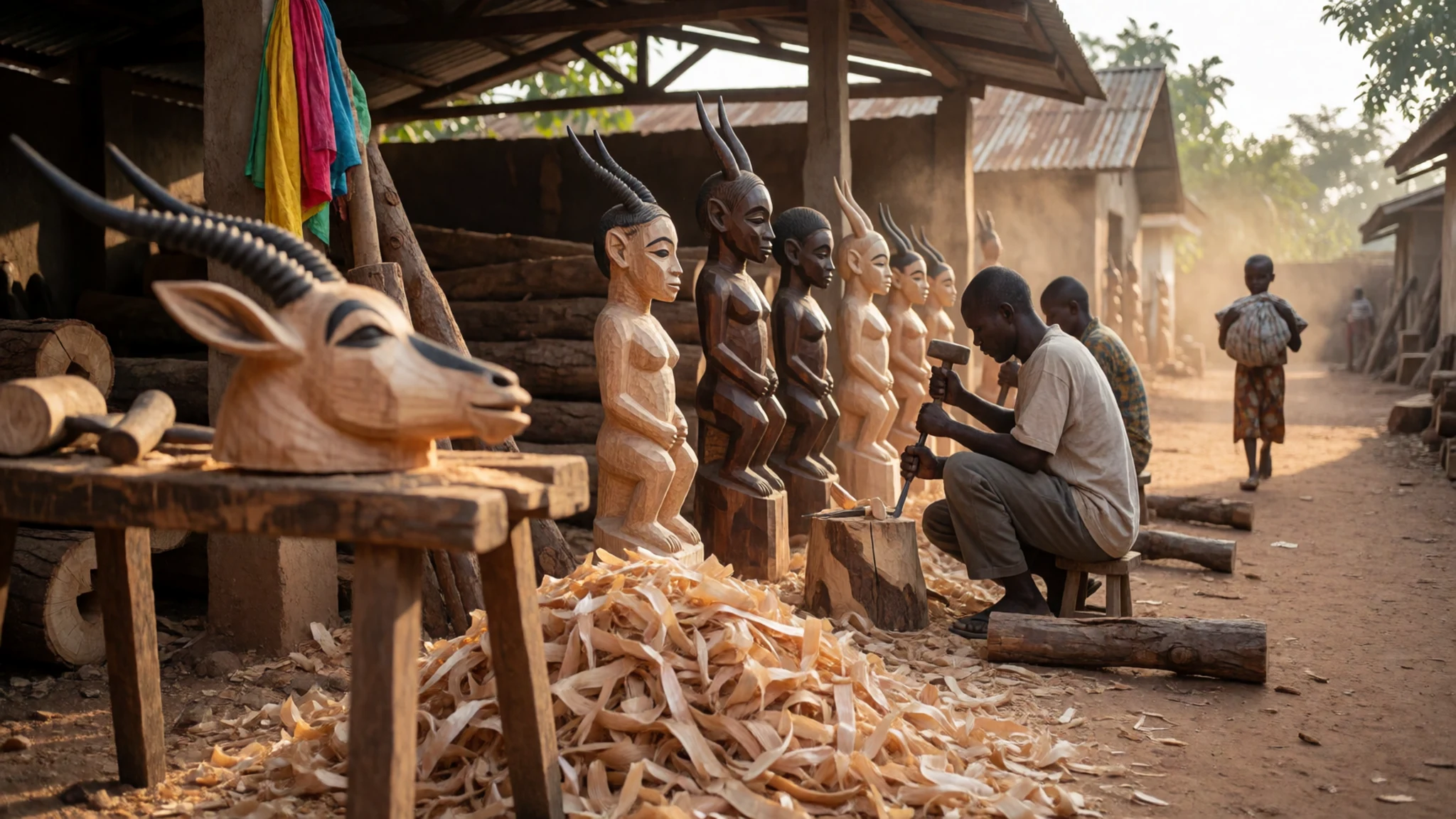
- Mosquée de Korhogo — Town centre
The city's main mosque stands in the centre of town and doubles as a navigation landmark. Most visitors will admire it from outside. Dress modestly, ask permission before going near the entrance, and keep away at prayer times, especially on Fridays.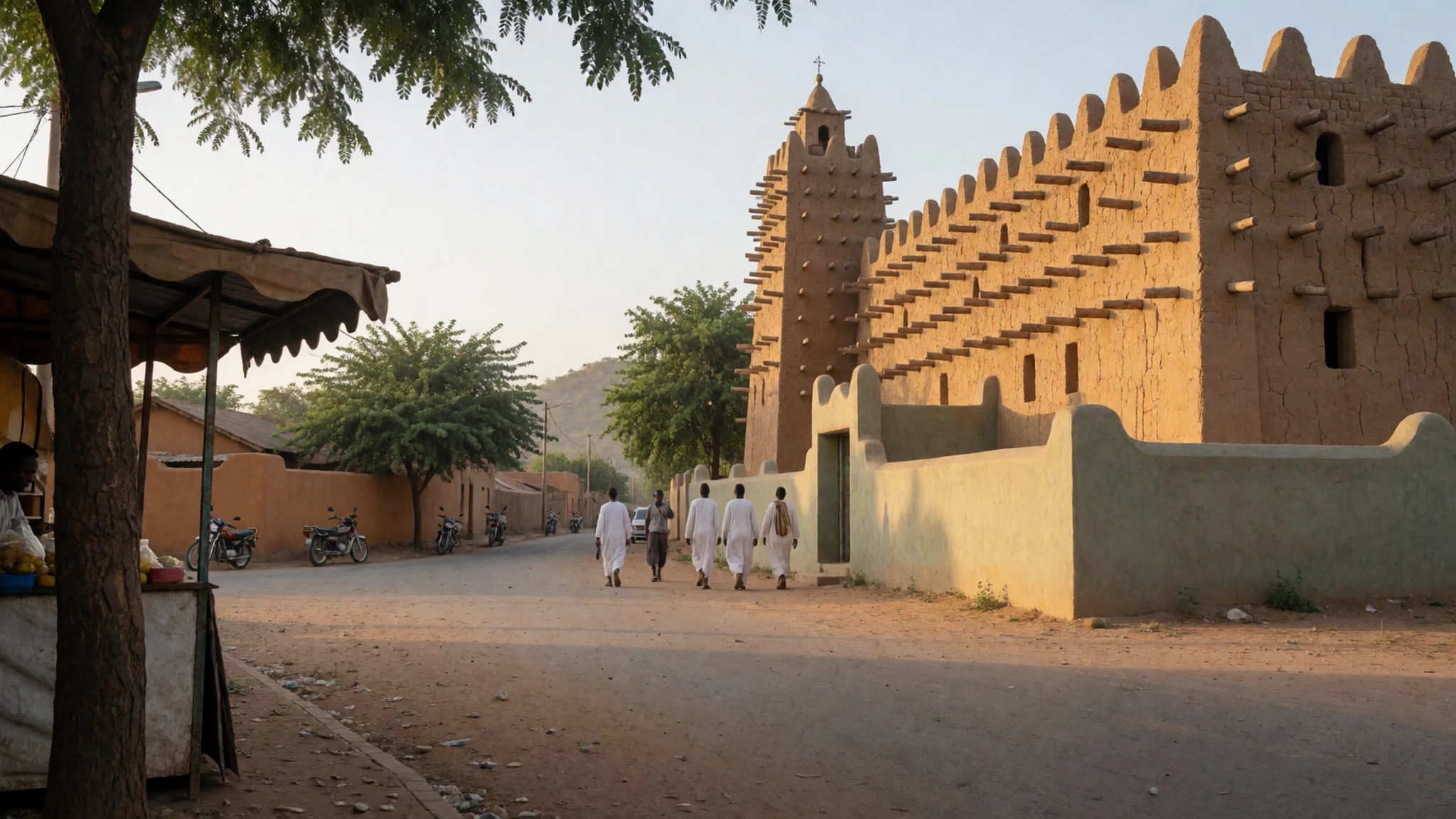
- Sacred rock — Just outside Korhogo
Just outside the city, a rock is still used for worship by people who follow indigenous Senufo belief. This is a living religious site, not an attraction. Go with a local guide who can explain what is appropriate, and be ready to be told when to stay back or put the camera away.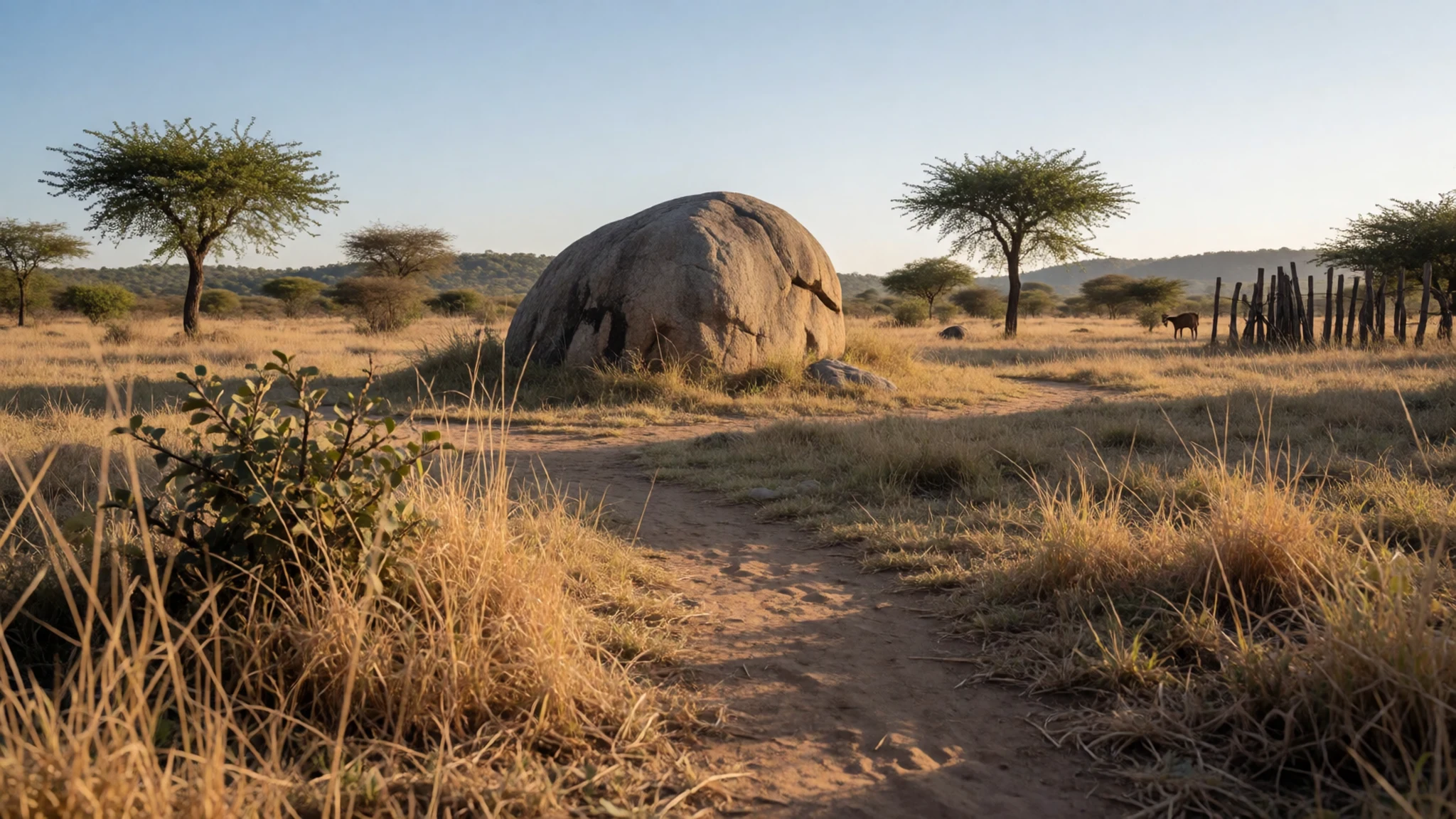
- Sudanese-style mosques of the north — Kouto and villages north and west of Korhogo
Several mud-architecture mosques stand in towns and villages around Korhogo, among them Kouto and Nambira. Distances on rough roads are long, so a driver or guide makes sense. Plan a full day for one or two, and check locally on access and etiquette before setting out.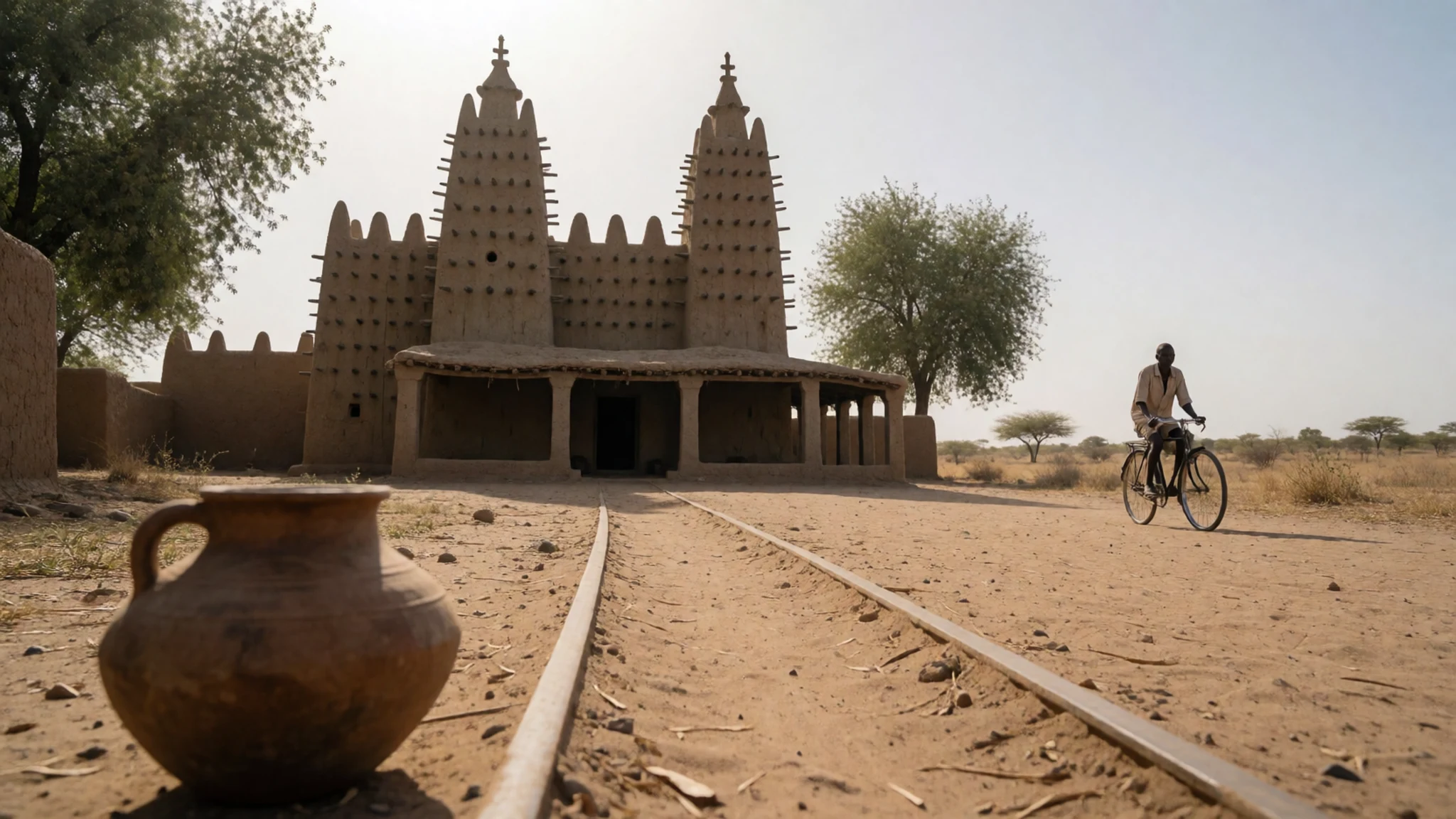
- Craft villages around Korhogo — Surrounding villages
Villages outside town are where many of the region's handicrafts are made. A local guide can arrange visits and explain what is being made and how. Carry small cash for purchases, agree prices before work begins, and treat each visit as a conversation rather than a shopping stop.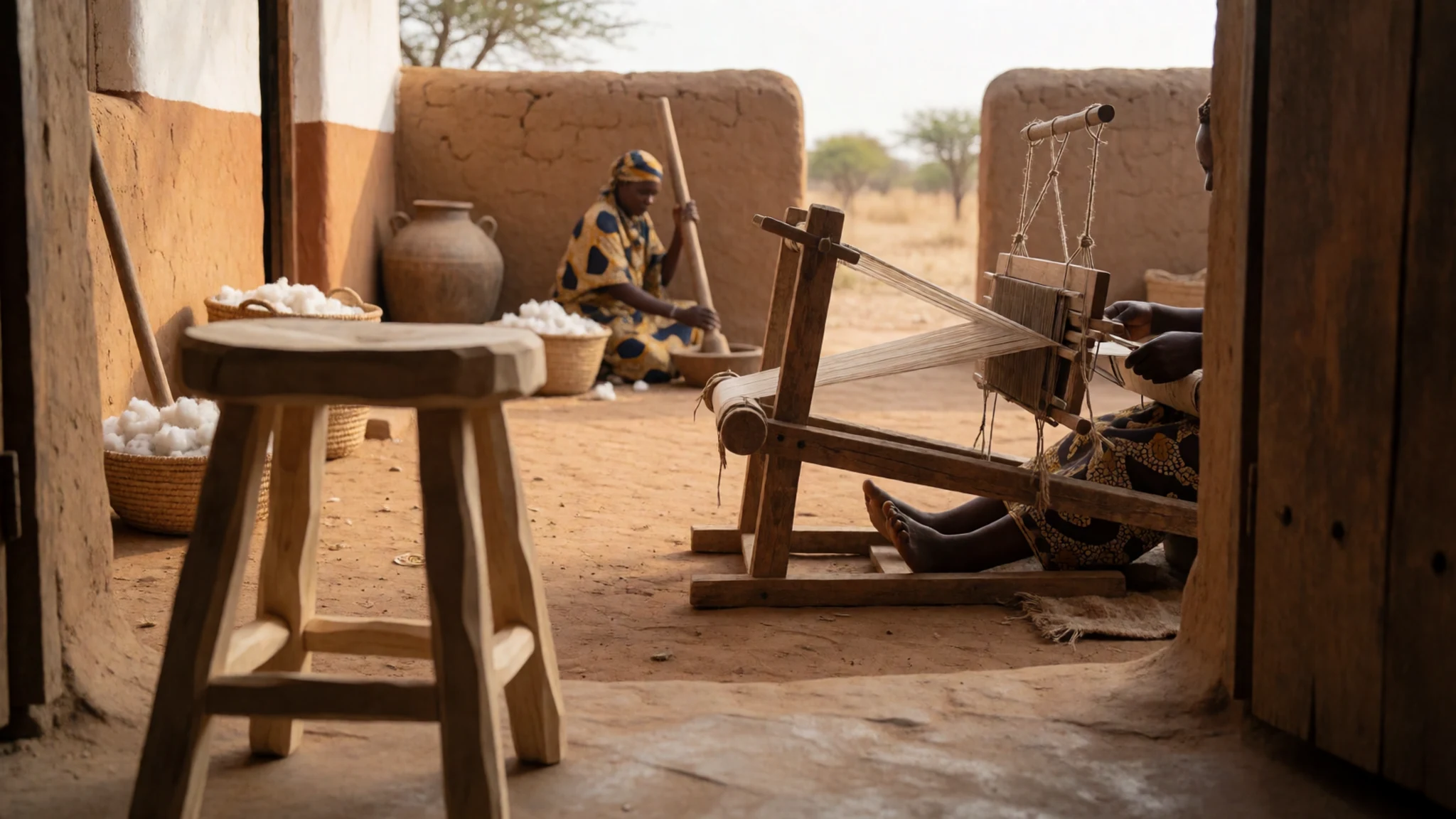
Culture
Korhogo is the cultural centre of the Senufo, and the region around it takes its name from Poro, the initiation tradition that has long organised Senufo social and spiritual life. Much of it is private, and outsiders are not expected to see it. What visitors do meet are its visible products: carved masks and figures, painted cloth, and a habit of treating elders with formal respect. Islam is widely practised in the city, and the main mosque anchors the centre, while some families hold to indigenous beliefs, which is why a sacred rock outside town remains in use. Greetings matter. Conversations open with long exchanges about health and family before any business is done, and rushing past them reads as rude. Markets and workshops are places for bargaining, but at a friendly, unhurried pace. Farming runs through everything; even inside town, vegetable plots grow along the river, and the working calendar follows the rains. Craft is a livelihood here, not a performance, so carvers and cloth-makers expect a purchase to follow a long visit, though no one will press for it. Greet people properly before asking anything, and always ask before photographing people, ritual places or the sacred rock.
What to wear
Korhogo's best-known textile is Senufo painted cloth, made from hand-woven cotton and decorated with dark, mud-based pigment in repeating patterns of animals, masks and figures. It was historically linked to ritual and hunters' dress, and today it is mostly sold as wall hangings and bags. Everyday traditional dress follows wider West African patterns: men wear the boubou, a loose, flowing robe often paired with trousers and a cap, especially for Friday prayers and festivals, while women wrap pagne, factory-printed wax cotton, and have it tailored into fitted tops and skirts, often with a matching head wrap. Day to day, the town wears a mix: jeans and football shirts on the streets, bright tailored wax-print outfits for church, mosque and celebrations, and workwear in the fields and workshops. Tailors are everywhere, and cloth bought at the market is usually made up into clothes within days. Visitors should wear light cotton or linen that covers shoulders and knees, both for the heat and for local modesty. Long sleeves and a hat help against the sun, and women should carry a scarf for mosque visits. Sturdy closed shoes or sandals with a firm sole suit dusty lanes, workshop floors and uneven village paths.
What to eat
- Aloko — Roadside stalls and street corners, especially in the evening
Aloko is fried plantain, crisp outside and soft within, usually served hot with a spicy tomato and onion sauce. It is a snack as much as a side dish, and it is cheap, filling and best eaten fresh from the pan.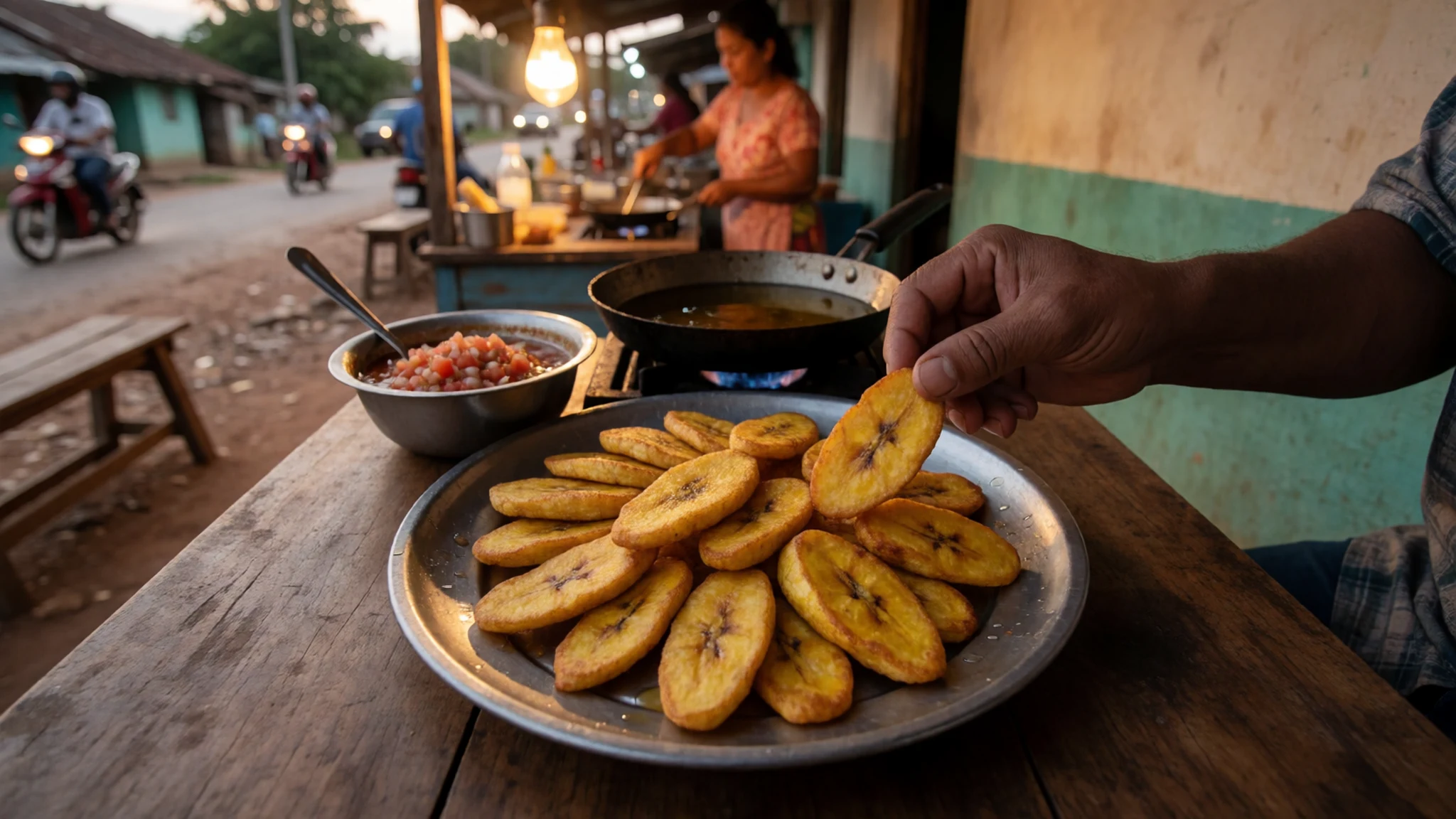
- Attiéké with chicken — Local restaurants and casual eateries around the market
Attiéké is fermented cassava, steamed into fine grains a little like couscous, and here it typically comes with grilled or fried chicken, onions and chilli sauce. It is the most dependable plate in most local restaurants and eateries.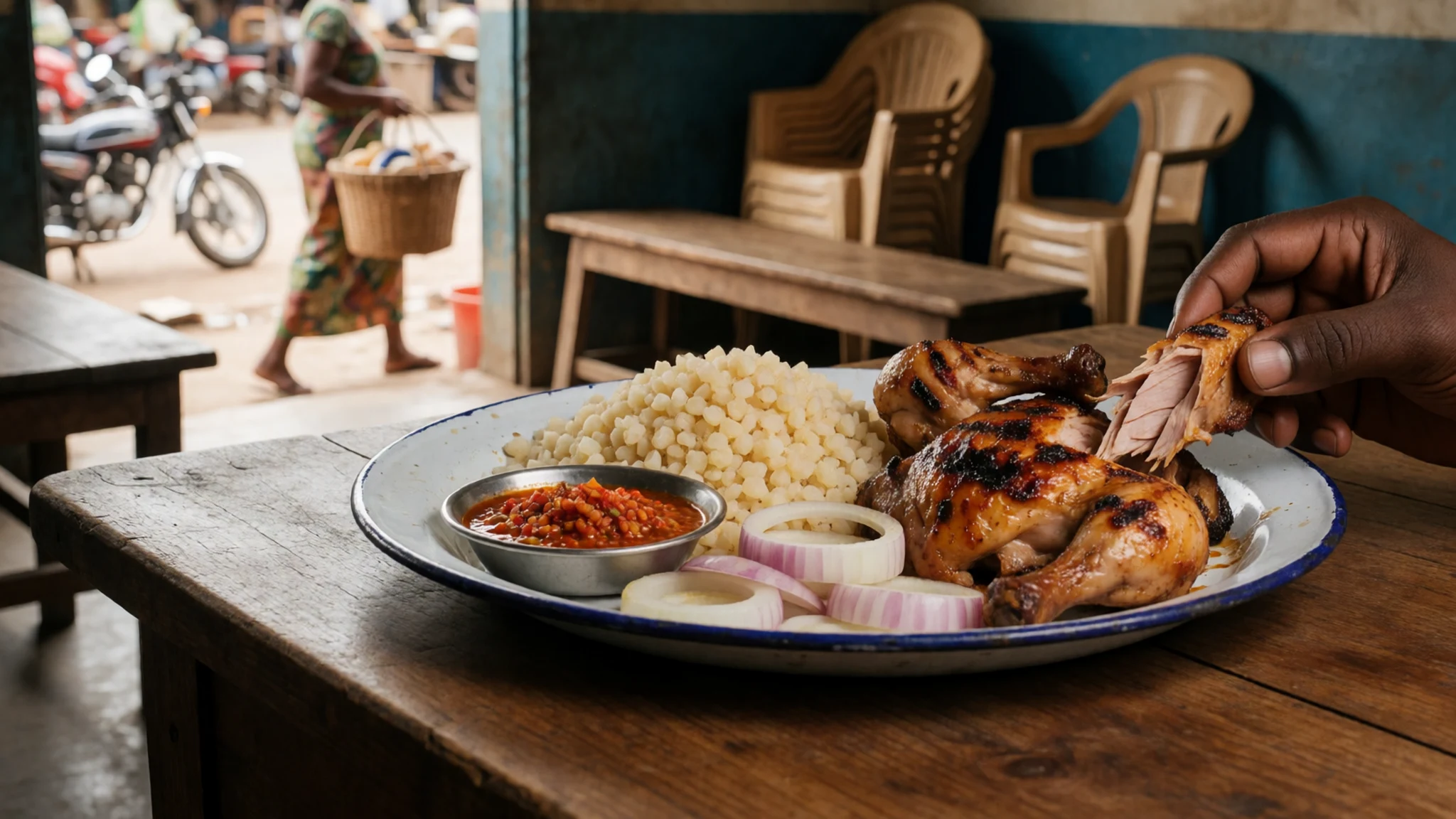
- Tchèpe — Busy lunchtime eateries in town
Tchèpe is rice cooked in a tomato and vegetable base with fish or meat, an Ivorian cousin of Senegalese thieboudienne. It is usually a lunchtime dish. Choose a busy eatery with fast turnover, particularly if ordering fish this far from the sea. - Chapallo — Small cafés, by asking locally
Chapallo is a local brew made from sorghum, said to be sharp and spicy. It is not sold at the market but in some small cafés, so ask around. It is an acquired taste and best tried in small amounts, with a local friend. - Bandji — Informal drinking spots, by asking locally
Bandji is palm wine, tapped and drunk fresh. It is not widely available in Korhogo, so finding some is a matter of luck and local contacts. Where it is offered, it is shared socially, often in a small group, and is mildly sweet before it turns sour.
Plan it
Best time. November to January, when the rains of May to October have ended and the heat of February to April has not yet built. Those hot months are the hardest for walking, and the wet season can slow village trips on unmade roads.
How long. 2–3
Getting there. Korhogo Airport (HGO) takes domestic flights only, so check current airlines from other Ivorian cities. Buses run from several Ivorian destinations, and bush taxis cover the last leg to surrounding villages.
Budget. low
Tips
- Carry plenty of small cash; card use is limited outside a few larger businesses
- Hire a local guide for the sacred rock and for craft villages
- Start walks and village trips early, before the midday heat
- Drink bottled or treated water and be cautious with fish
- Read current travel advice before booking, as the region has seen unrest
Etiquette
- Greet people properly before asking anything
- Ask before photographing people, carvers' work or ritual places
- Dress modestly near mosques and sacred sites
Nearby
Sources
- Wikidata Q985627 (CC0)
- Wikipedia: Korhogo (rev 1379292409) (CC BY-SA 4.0)
- Wikivoyage: Korhogo (rev 5386461) (CC BY-SA 4.0)
- Photo: Mosque in Korhogo, Ariel Palmon (CC BY-SA 4.0)
- Photo: Korhogo street, GuillaumeG (CC BY-SA 4.0)
- Photo: Agriculture urbaine à Korhogo, Ebenezer Esdras (CC BY-SA 4.0)
- Photo: Agriculture urbaine au bord de la rivière Logokaha, Ebenezer Esdras (CC BY-SA 4.0)
- Photo: Alimentation à Korhogo, Kone If (CC0 1.0)
- Photo: Artisanat à Korhogo, Ebenezer Esdras (CC0 1.0)
- Photo: Atelier de fabrication de matériaux de construction et agricole, Ebenezer Esdras (CC0 1.0)
- Photo: Atelier de sculpture à Korhogo, Kone If (CC BY-SA 4.0)


