Comoé National Park
Comoé National Park, Ivory Coast
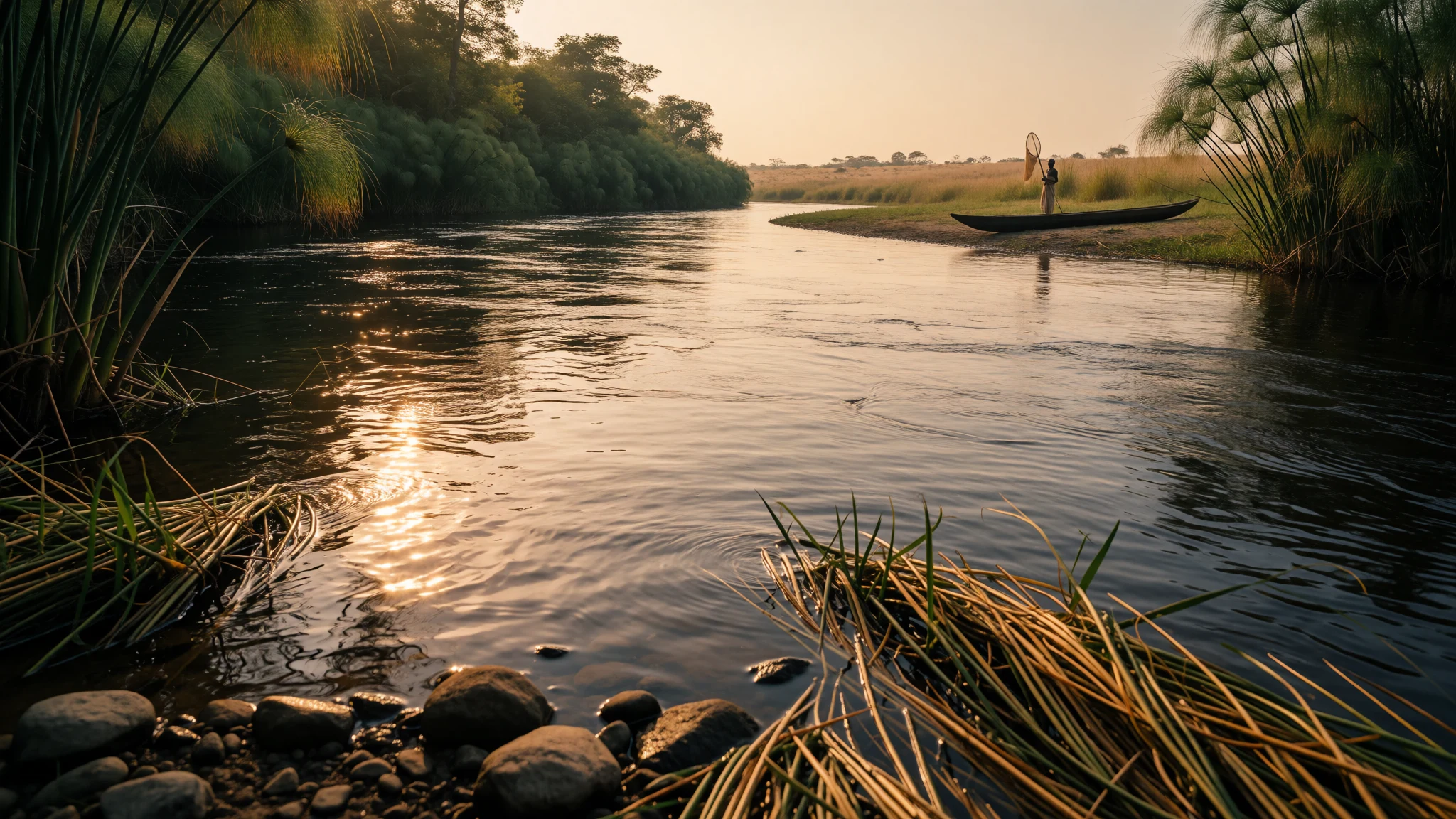
Comoé National Park is a huge West African wilderness where habitats change fast and wildlife concentrates around river corridors.
The place
Comoé National Park (Parc national de la Comoé) sits in north-eastern Ivory Coast, stretching across the Zanzan and Savanes districts. It’s protected in several ways at once: it’s a national park, it’s also a biosphere reserve, and it carries UNESCO World Heritage status (and that label has been tied to conservation efforts over time).
What makes Comoé feel different from many “savannah safari” destinations is the pace of change. As the land runs north–south, climate shifts and so do habitats—moving from the wetter edge associated with Guinea savanna to the drier Sudanian zone. The park’s patchwork includes savannah, gallery forests along waterways, riparian grasslands, forest islands, and rocky outcrops. Those transitions matter because they create multiple ecological “rooms” inside one landscape, giving the park real variety in where animals can feed, hide, and drink.
The Comoe River is the practical backbone of a visit. It threads through the park for a long stretch and brings water, wetlands, and lush margins where life gathers. Elsewhere, the ground is more open—broad plains and eroded terrain—with soils described as relatively infertile, which helps explain why the landscape can feel both austere and alive.
On the ground, expect big distances, a landscape shaped by seasons, and wildlife viewing that feels more about patience and timing than certainty.
Its story
The Comoé National Park story starts with the fact that the region around the Comoe River was historically sparsely populated. Accounts point to a combination of relatively barren soils and health pressures connected to disease risk in river-adjacent areas—especially where tsetse flies are present.
Protection efforts came in steps. Back in 1926, the stretch of land between the Comoé River and Bouna was set aside as a “Refuge Nord” for Côte d’Ivoire, and it eventually grew into a wildlife reserve. By 1968, the protected area in the west was brought into the form we recognise today: national park status with a defined area.
Conservation highs and lows followed. In 1983, Comoé became a biosphere reserve and a UNESCO World Heritage Site, largely tied to the park’s ecological variety, including plant life connected to river habitats. But the park also faced serious pressure during conflict years. After the first Ivorian civil war, it was placed on the World Heritage in Danger list, with issues including poaching, a management vacuum, and grazing impacts from cattle. Those challenges intensified when the conflict situation worsened.
After the second civil war, the park’s outlook improved as management returned and a research station was re-inaugurated. That recovery is part of why UNESCO listed Comoé off the danger list again following reported improvements in conserving fauna and habitat.
Today, Comoé’s history is a reminder that “wilderness” isn’t just geography—it’s also ongoing protection work.
What to see
- Comoe River margins and wetlands — Along the Comoe River
Comoé National Park’s best viewing often tracks water. River-adjacent wetlands and riparian grasslands concentrate animals and make habitat feel greener and more layered than the open plains.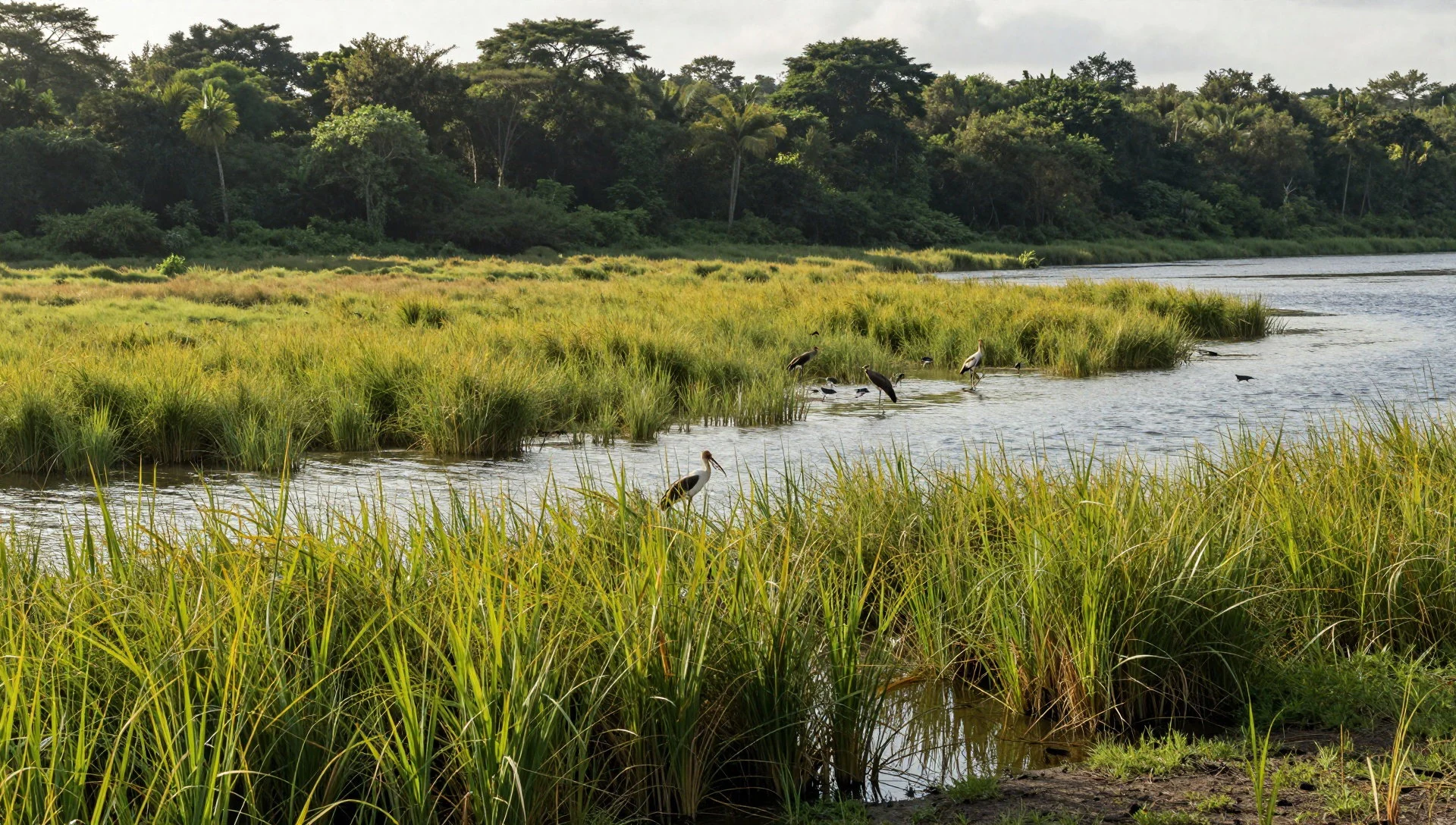
- Savannah expanses (Open Savannah) — Northern and central savannah zones
Head into the broad open country where visibility is good and the landscape stretches for kilometres. The views are classic savannah: low cover, big sky, and wildlife movements that you notice by shifts in the grassline.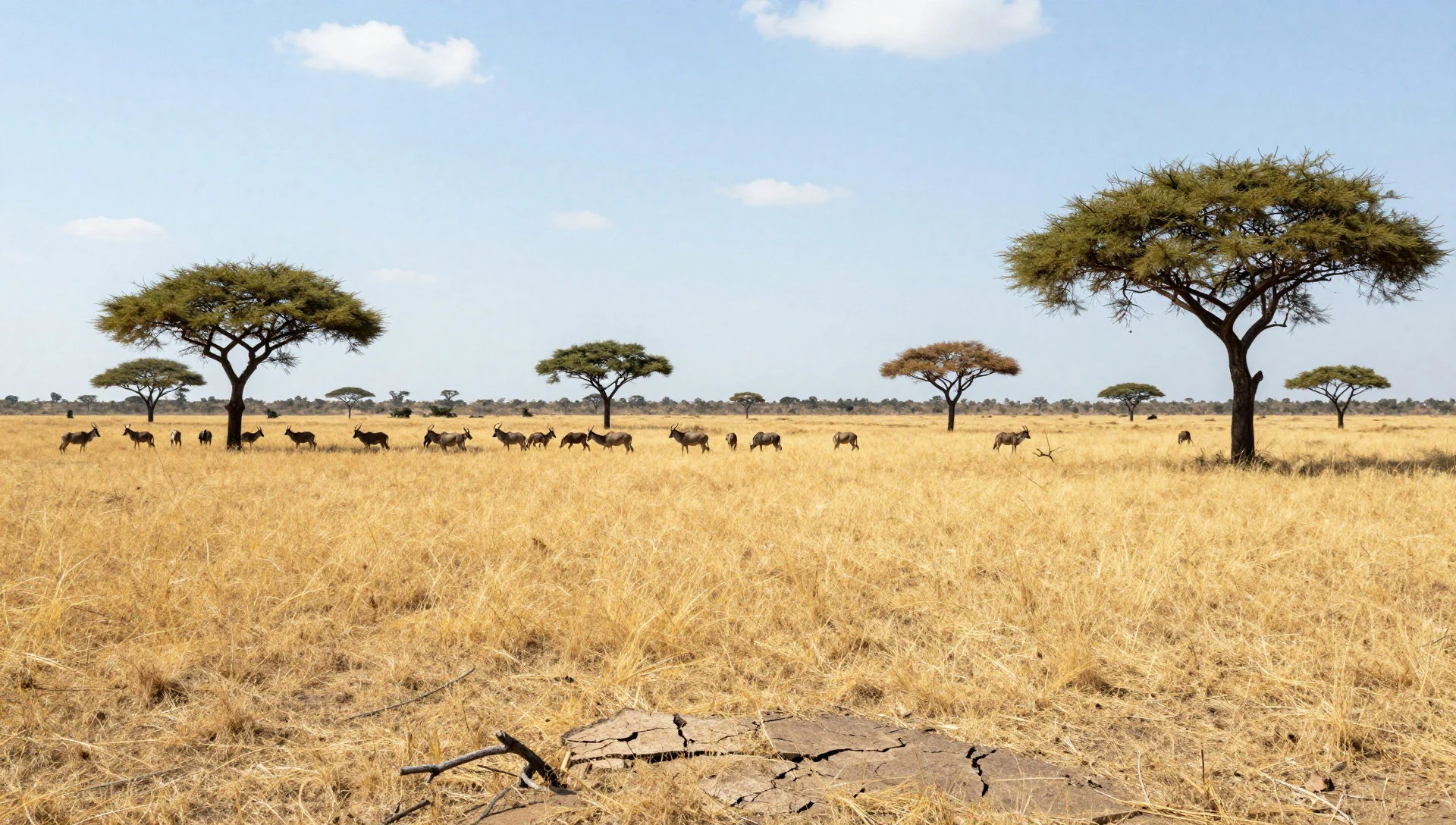
- Gallery forest corridors — River-linked forest strips
Along waterways, gallery forests create a cooler, shaded band that contrasts with surrounding savannah. Birdlife and smaller mammals often feel easier to spot here because the habitat is structurally diverse.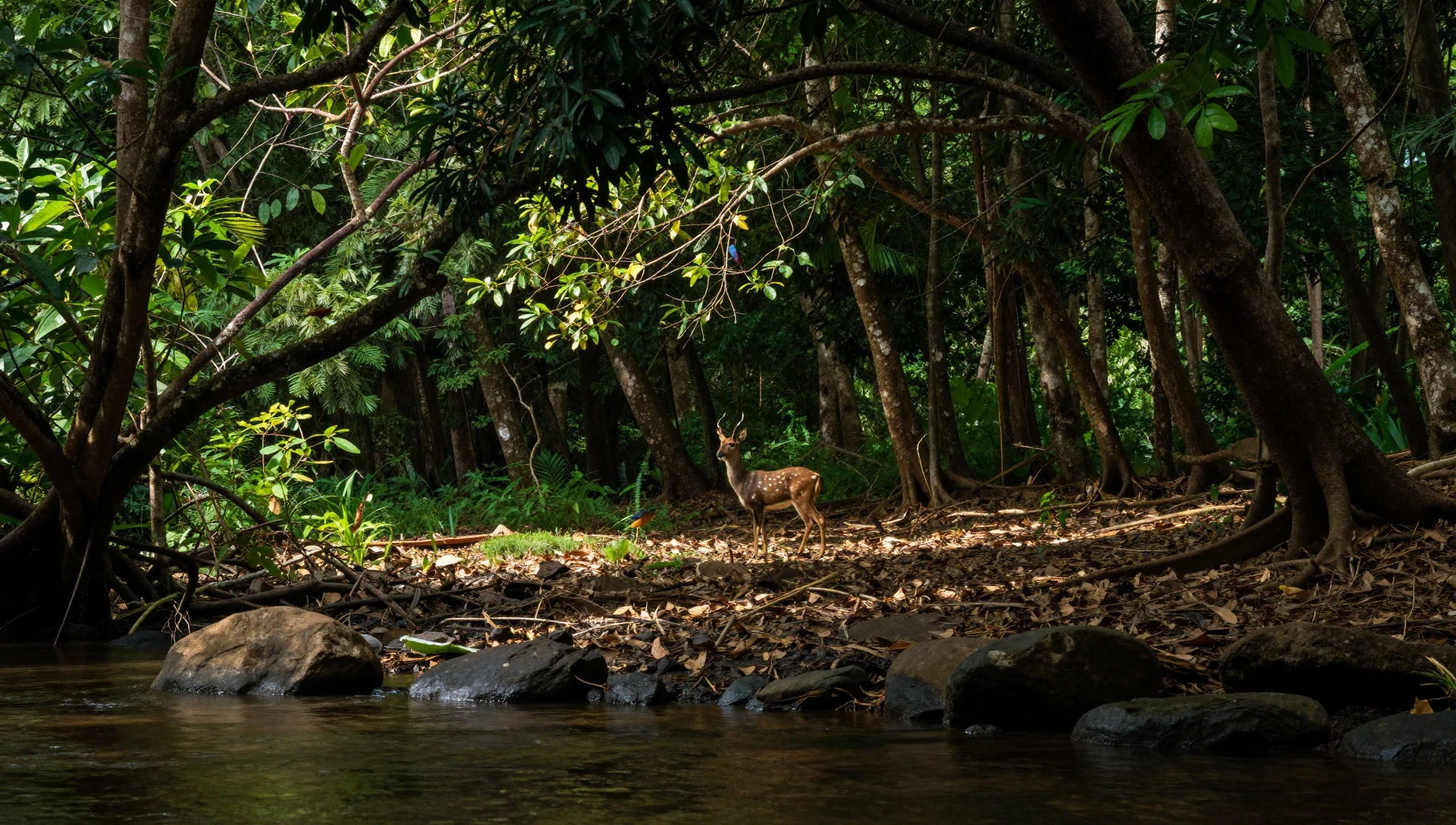
- Wildlife from the safe vantage point of a track — Open woodland and savannah edge
Game sightings in Comoé are less about ticking a list and more about watching carefully. You may see species like bushbuck, and raptors cruising above the open patches.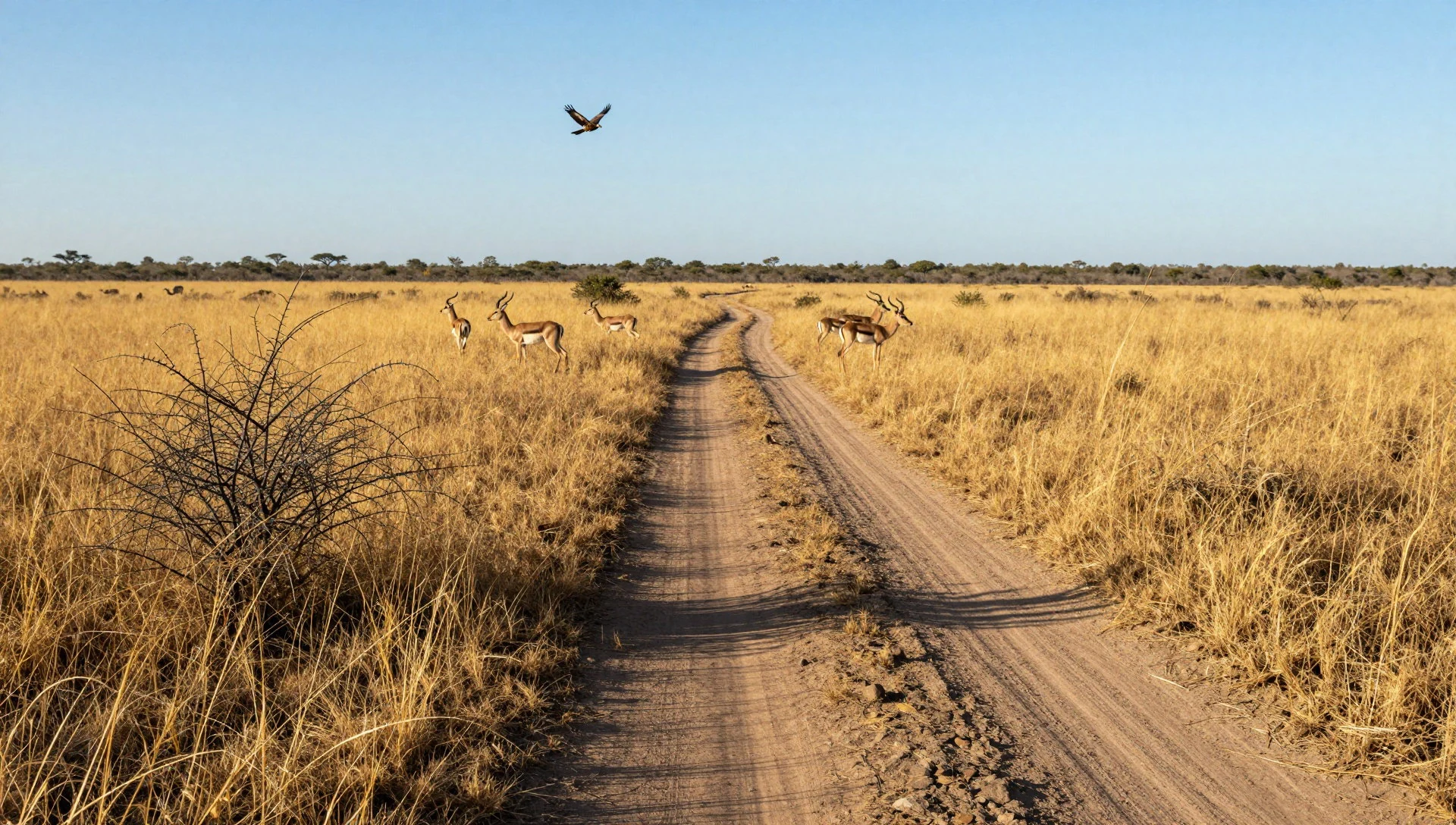
- River-life sightings (including hippos) — Deeper river stretches
Where the river is deep enough, larger animals become the day’s headline. A hippo sighting turns the whole landscape from “savannah” into “river ecosystem”.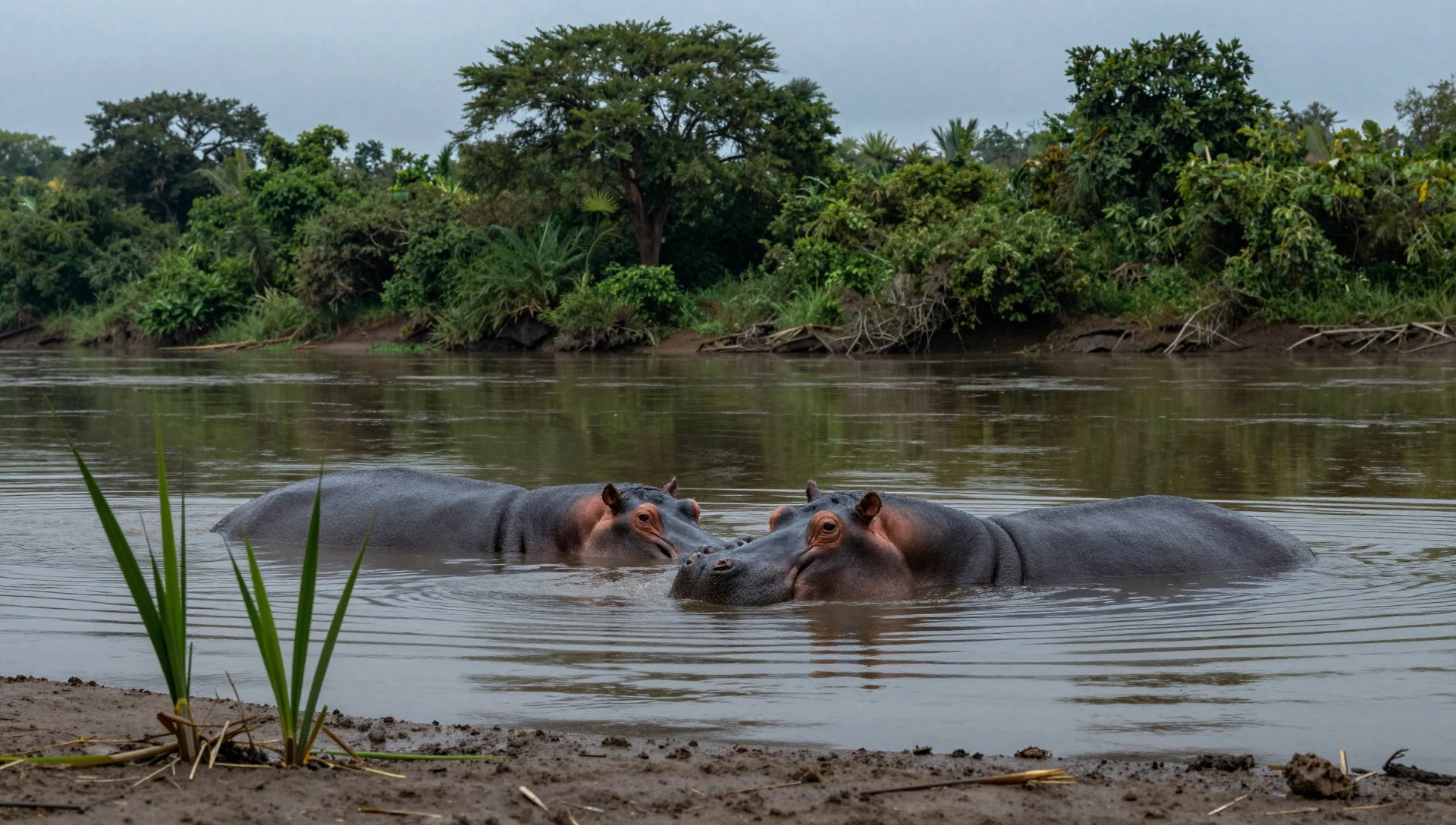
- Research station atmosphere — Near the park research station
For a different kind of “site”, the park’s research station is a reminder that this is an active conservation landscape. Solar panels and lab spaces show how monitoring supports long-term protection.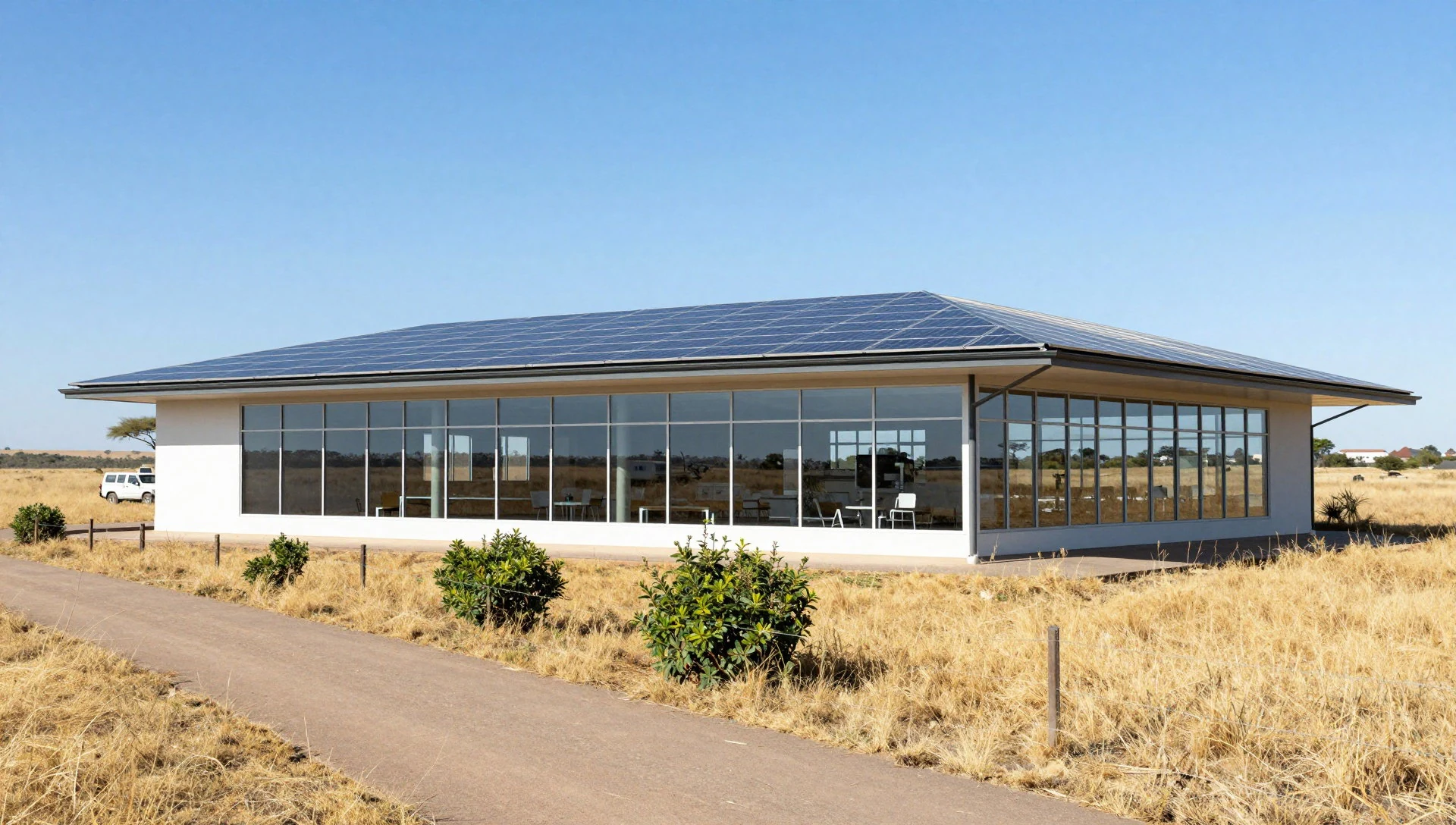
Culture
Comoé National Park is mostly about wildlife and habitat, but the human side matters too—because conservation here has a complicated recent history. The park’s protected status and UNESCO attention reflect how important management, anti-poaching work, and habitat protection are to keeping ecosystems functioning.
When you’re in and around the park, keep interactions low-key and practical. Movements inside protected areas are usually managed, and the best “culture” is often just calm behaviour: stay with your guide, follow any vehicle rules, and don’t wander off-track. Wildlife can be sensitive, especially when it’s using narrow river corridors and shaded gallery forest edges.
Dress and gear should match the reality of West African savannah: heat, insects near water, and long, dusty stretches. Simple, lightweight clothing and a hat help. If you’re visiting communities linked to park areas or research activities, expect opportunities for conversation—listen more than you speak, and ask before photographing people.
Visitor etiquette: stay on authorised tracks, keep noise down around wildlife, and ask before photographing people.
What to wear
In and around Comoé National Park, clothing needs to work for sun, insects, and dust, while also fitting modest expectations common around protected areas and community spaces. Traditional dress in northern Ivory Coast commonly features wrap-style fabrics and patterned cloth worn as body wraps or skirts for women, and matching cloths for men—often in bright, patterned textiles that hold up well in warm weather. These garments are typically worn during everyday life and community events, with colours and weaving patterns varying by region and household.
What people wear now for daily life and movement around town is usually practical: lightweight shirts or tunics, trousers or skirts, and head coverings when the sun is strong. In park areas, you’ll still see many people in long, breathable layers that double as insect protection.
For visitors, pack light but cover: long sleeves and long trousers or a long skirt for early mornings and near-water hours, plus sturdy closed footwear for uneven ground and sandy tracks. A cap or hat, sunglasses, and a light rain layer are useful in a region where the weather can turn. If you plan to visit any community settings or research facilities, err on the side of covered arms and legs.
What to eat
- River-side grilled fish (seasonal) — Local market areas near the river routes
Where markets and cooking stalls cluster near water, grilled fish is a common go-to. Look for simple charcoal grills and ask what’s fresh that day—flavour is usually strong even when the seasoning stays basic.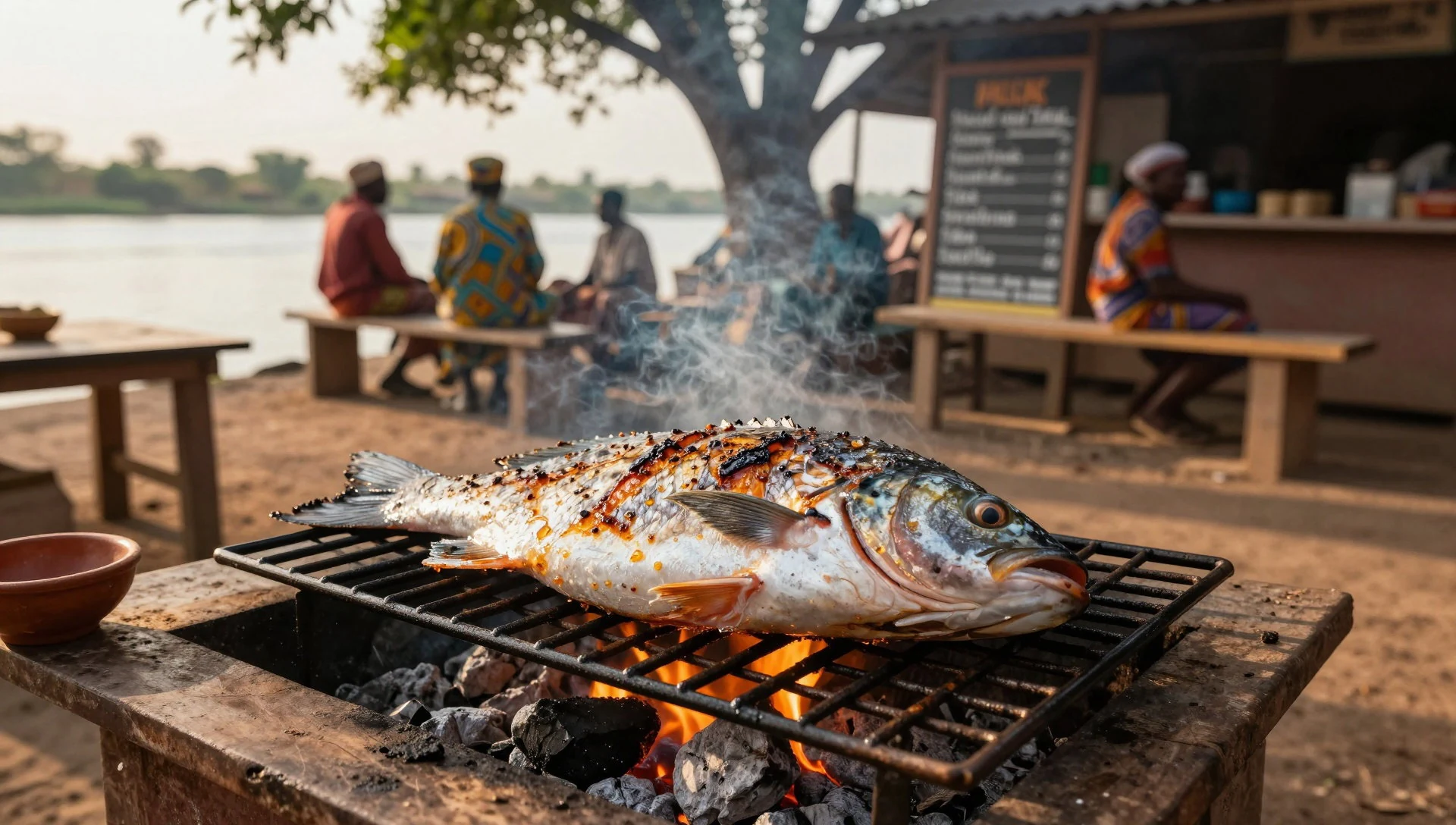
- Fufu-style staple with soup — Roadside eateries in nearby towns
A filling staple served with a thick sauce is a dependable choice after a long day out. Expect a starchy base eaten with fingers or a spoon and paired with a vegetable or meat soup depending on what’s available.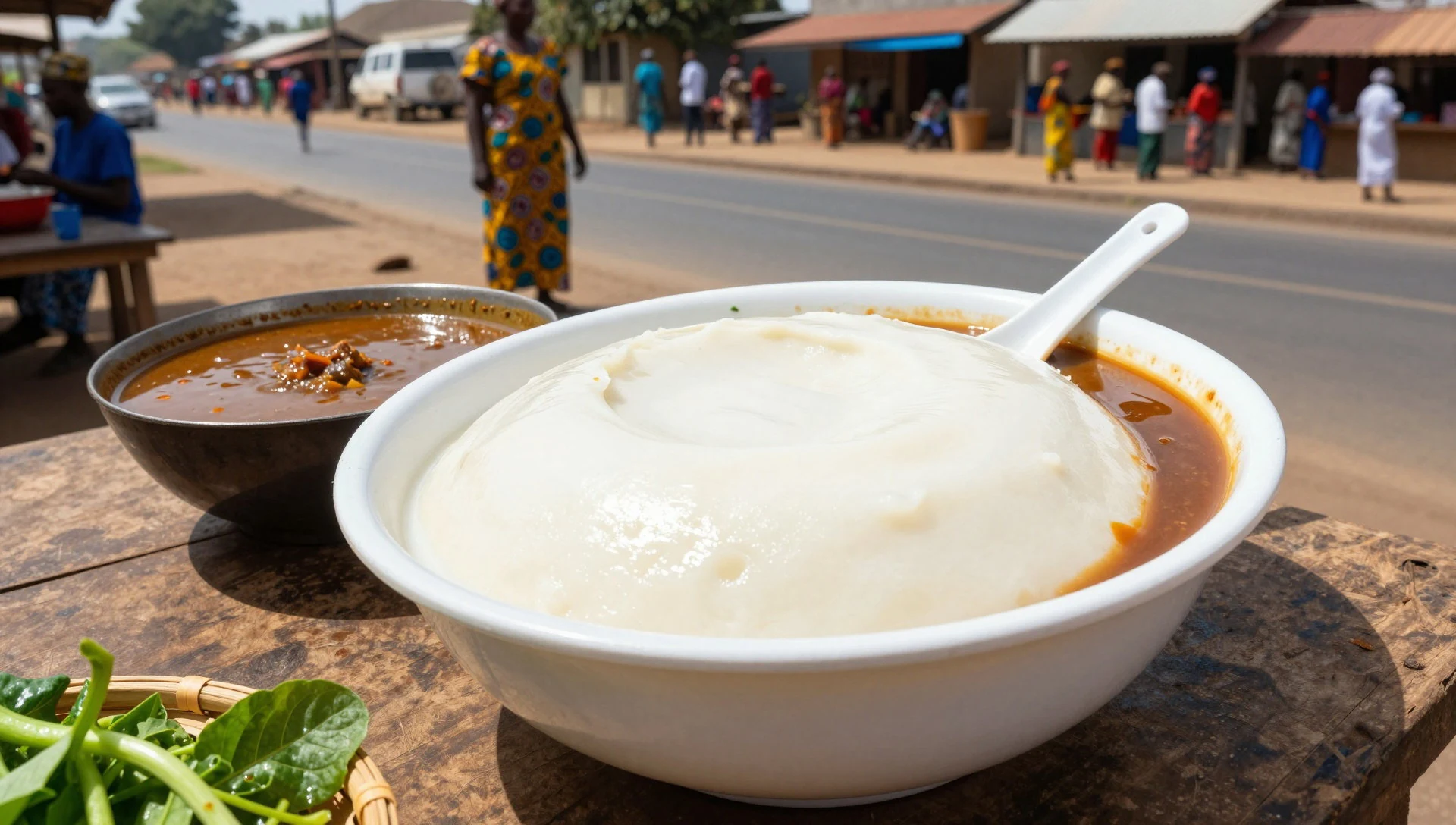
- Grilled chicken with spicy sauce — Street food stops and small roadside restaurants
Simple grilled chicken shows up in many West African roadside spots. It’s often served with a hot, tangy sauce and a starchy side, making it easy to eat quickly before heading back to the park area. - Peanut-based stews — Family-run eateries and local dining rooms
Peanut sauces and stews are common across the region, with a rich, nutty flavour and a gentle heat level that can be adjusted. It’s a comforting option when you want something filling after dusty travel. - Fresh fruit and sweet drinks (seasonal) — Market edges and roadside stalls
Across northern Ivory Coast, simple fruit drinks and fresh fruit are often sold outside markets or along busy roads. They’re a good reset between meals and can help when the day feels humid or hot.
Plan it
Best time. March–May for the wet season building toward the heaviest rains, with June–September as the wettest stretch; July–August are also the hottest by daytime temperatures. October–November are the drier months, with November especially low-rain, making for the most comfortable touring.
How long. 3–4
Getting there. Fly into Côte d’Ivoire’s main international gateway at Abidjan, then connect north by road towards the north-eastern areas around Bouna and onward to the park access points. The last leg is usually by car with an organised local transfer and a guide.
Budget. mid
Tips
- Plan for long drives and check conditions before committing to remote stretches.
- Start outings early to beat heat and to improve animal activity around water.
- Carry insect protection and water; river-adjacent areas can feel much more buggy.
- Use a local guide and follow park rules—this landscape changes fast between open savannah and river corridors.
- Keep small cash for everyday purchases in town; card acceptance can vary.
Etiquette
- Stay on authorised tracks and follow instructions from your guide around wildlife.
- Keep noise low, especially near water and in shaded gallery forest corridors.
- Ask before photographing people or small community activity near the park.
Nearby
Sources
- Wikidata Q501344 (CC0)
- Wikipedia (rev 1362715711) (CC BY-SA 4.0)
- Wikivoyage (rev 5387250) (CC BY-SA 4.0)
- photos/01-nationalparkcomoe4.jpg (CC BY 3.0)
- photos/02-comoe-savannah.jpg (CC BY-SA 4.0)
- photos/03-comoe-river.jpg (CC BY-SA 4.0)
- photos/04-comoe-savannah-2.jpg (CC BY-SA 4.0)
- photos/05-comoe-bushbuck.jpg (CC BY-SA 4.0)
- photos/06-comoe-raptor.jpg (CC BY-SA 4.0)
- photos/07-comoe-river-with-wetlands.jpg (CC BY-SA 4.0)
- photos/08-como-researchstation-lab-and-solar-panels.jpg (CC BY-SA 4.0)


