Mount Nimba Strict Nature Reserve
Mount Nimba Strict Nature Reserve, Ivory Coast
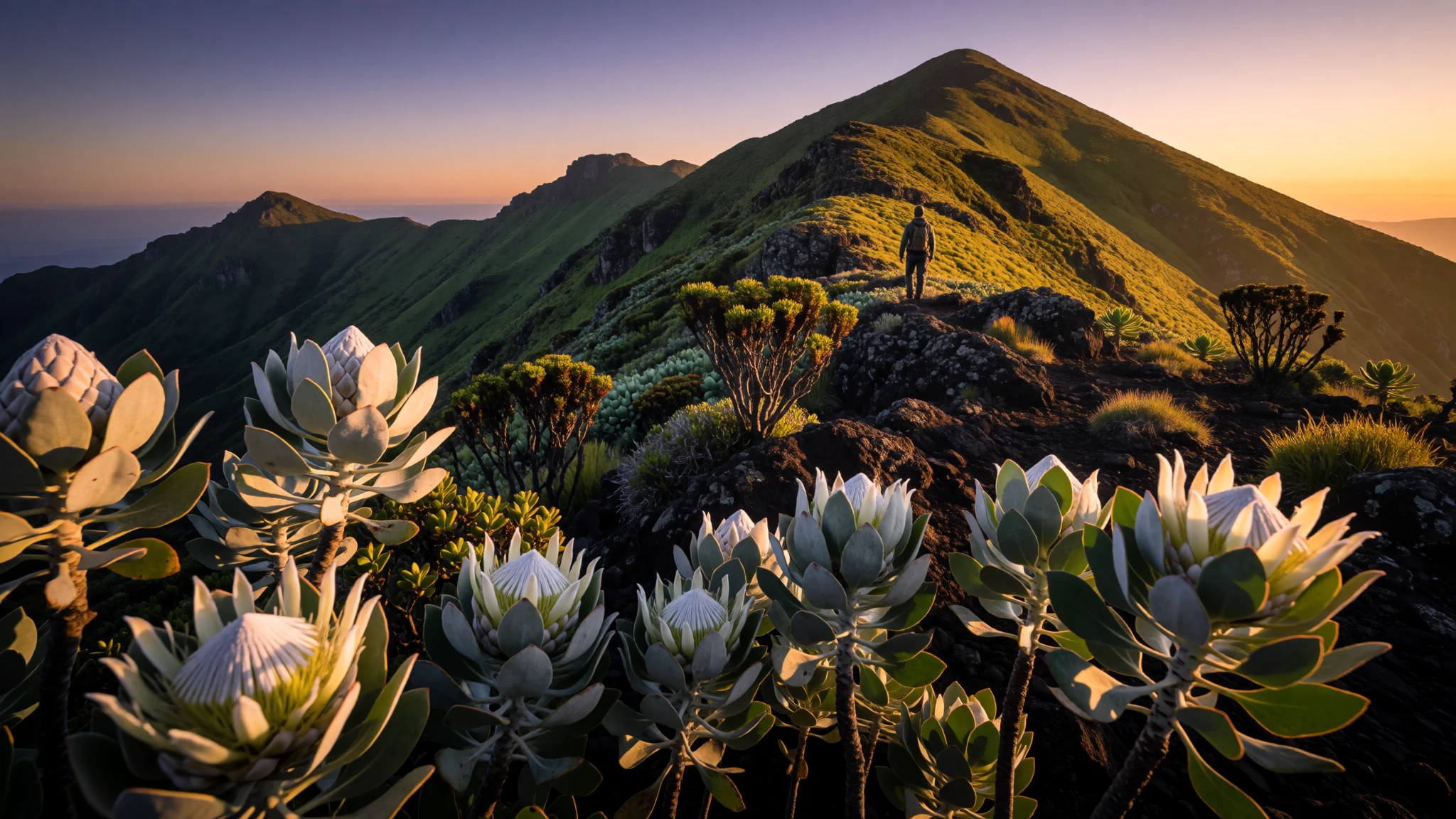
Mount Nimba Strict Nature Reserve is a remote UNESCO-listed mountain wilderness where different ecosystems stack within short hikes.
The place
Mount Nimba Strict Nature Reserve (French: Réserve naturelle intégrale du Mont Nimba) sits along the tri-national border area of Guinea and Côte d’Ivoire, protecting a slice of the Nimba Range. The landscape is essentially a narrow ridge of high ground—about 40 km long—tilted across Guinea Highlands terrain, with valleys, springs, and steep slopes dropping away to moister and drier sides.
What makes the reserve feel different from many “single vista” mountains is the way life changes with altitude. Even within the same day’s movement, it can go from lowland forest-like shade to higher, cloudier zones, and then out towards more open vegetation around the mountain’s edges. The reserve is also known for endemism: small mammals, toads, and bats that have evolved in place and don’t occur much elsewhere.
Because the ridge runs across countries and protected boundaries, the reserve is really a mosaic of habitats rather than one continuous trail experience. The Guinean side is often described as still intact, while parts on the Liberian side have been degraded by earlier iron-ore activity—so your sense of “wildness” can vary depending on which access routes and sectors you’re using.
Logistically, it’s not a place to stroll into. Nimba’s remote setting and strict conservation status mean guided access is the norm, and plans should be built around travel time, weather, and the realities of mountain conditions—especially the temperature swing between day and night.
Its story
Mount Nimba’s story starts with protection on paper, then gets complicated by what people wanted from the ground underneath. The strict nature reserve was set up in Côte d’Ivoire in 1943 and in Guinea in 1944. Later, the Guinean sector gained recognition as a biosphere reserve, and the two sides were brought together as one World Heritage Site in the early 1980s—an acknowledgement that this mountain is biologically distinct.
For travellers, the “human history” here isn’t a museum; it’s visible in the surrounding context. The reserve sits in a remote region far from capital cities, so there’s less day-to-day pressure from mass tourism. Instead, the pressure has been industrial: iron-ore exploration began in the most vulnerable montane zone in the early 1990s, and the site has been on the World Heritage list in danger since then.
That conservation tug-of-war helps explain what you’ll feel on the ground. This is not a theme-park reserve with frequent signs and casual routes. It’s a place where access and behaviour matter, and where the mountain’s microclimates—warmer daytime conditions at lower elevations and colder nights higher up—turn every outing into a carefully timed effort.
There’s also a practical thread to the story: ongoing protection planning, including a conservation management centre being built to improve management, reflects how long-term safeguarding of montane habitats takes coordination, funding, and rules enforced across borders.
In short, Mount Nimba feels like a living negotiation between rare ecosystems and the land’s economic temptation—yet the Guinean side’s ecological integrity is the reason many guided visits focus there.
What to see
- Mount Nimba ridge and viewpoints — Mount Nimba ridge (Nimba Range)
Mount Nimba Strict Nature Reserve centres on the ridge itself, where the trail effort quickly turns into sweeping ridgeline views. Look for the way vegetation changes along the slope—dense cover below, lighter growth higher up, and cloud moments that can arrive fast.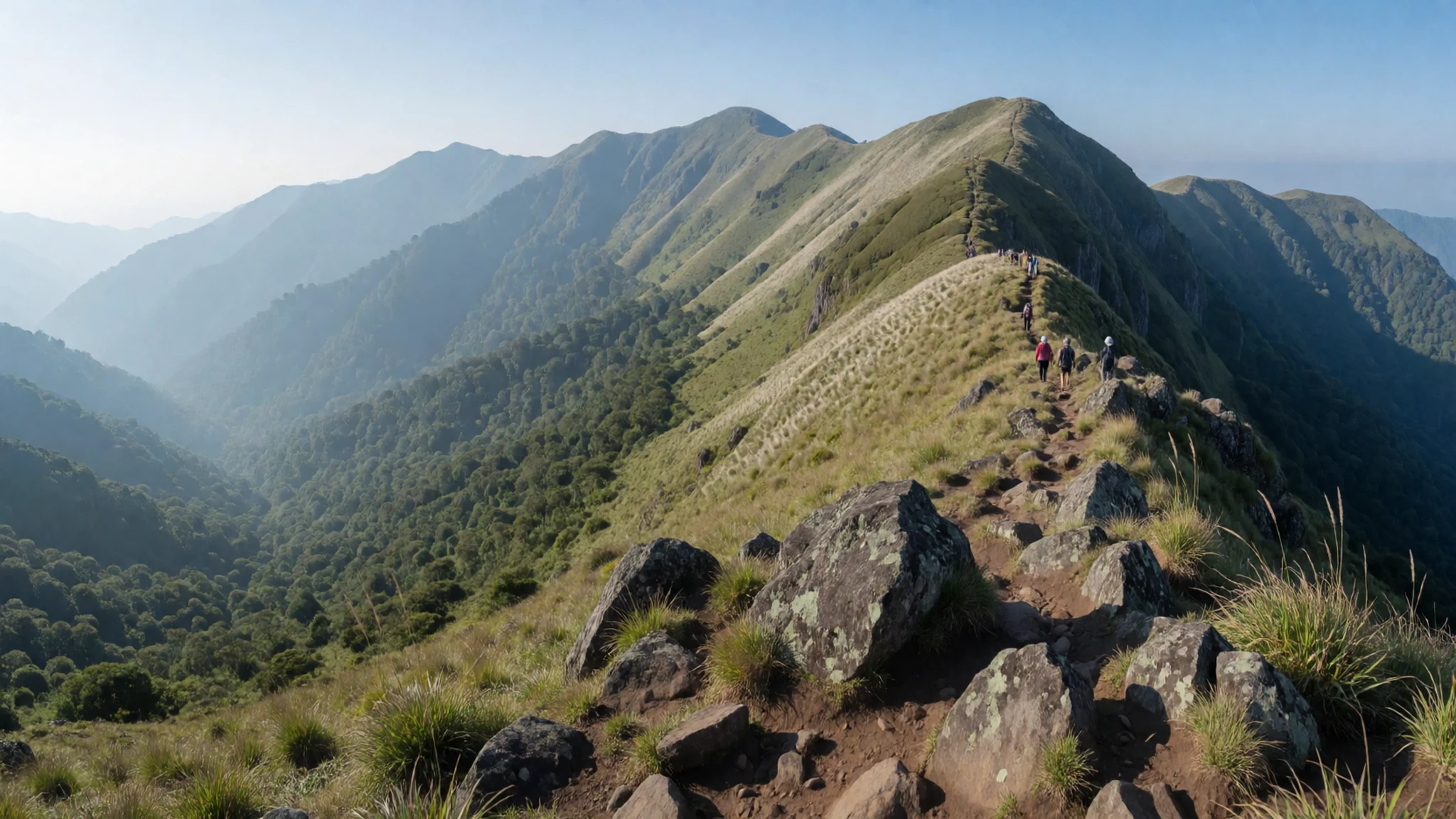
- Mountain rainforest pockets — Moister mountain slopes
In the wetter, more protected zones, the reserve holds montane rainforest characteristics—cooler shade, richer undergrowth, and a heavier “soundscape” of insects and birds. These areas are where you’ll feel the altitude shift most clearly.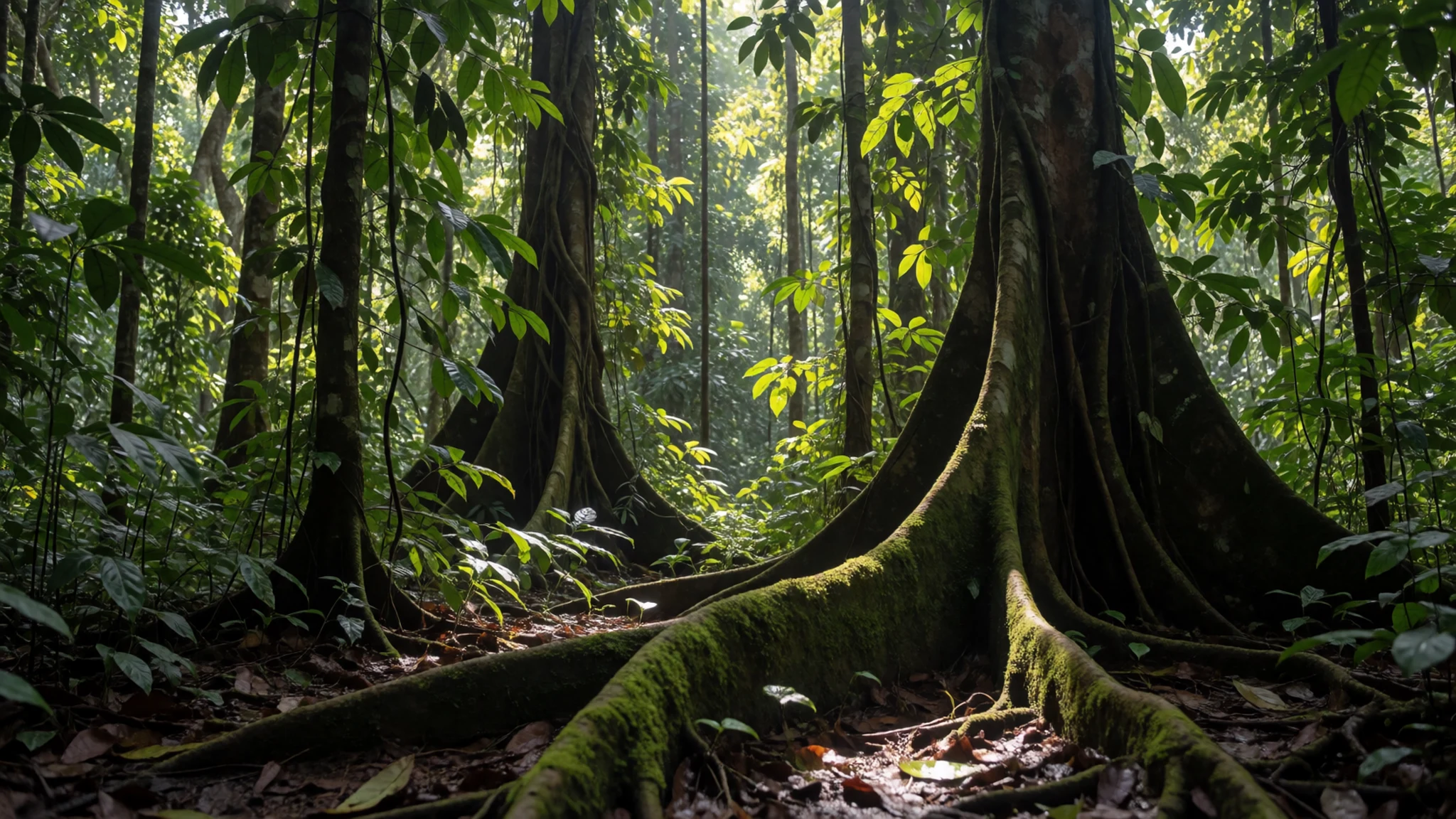
- Cloud-forest atmosphere — Higher elevations of the reserve
Higher elevations bring mist and low cloud that can sit in the canopy. The air often feels damp even on clearer days, and visibility can change within minutes—good for photography, but not for rushing.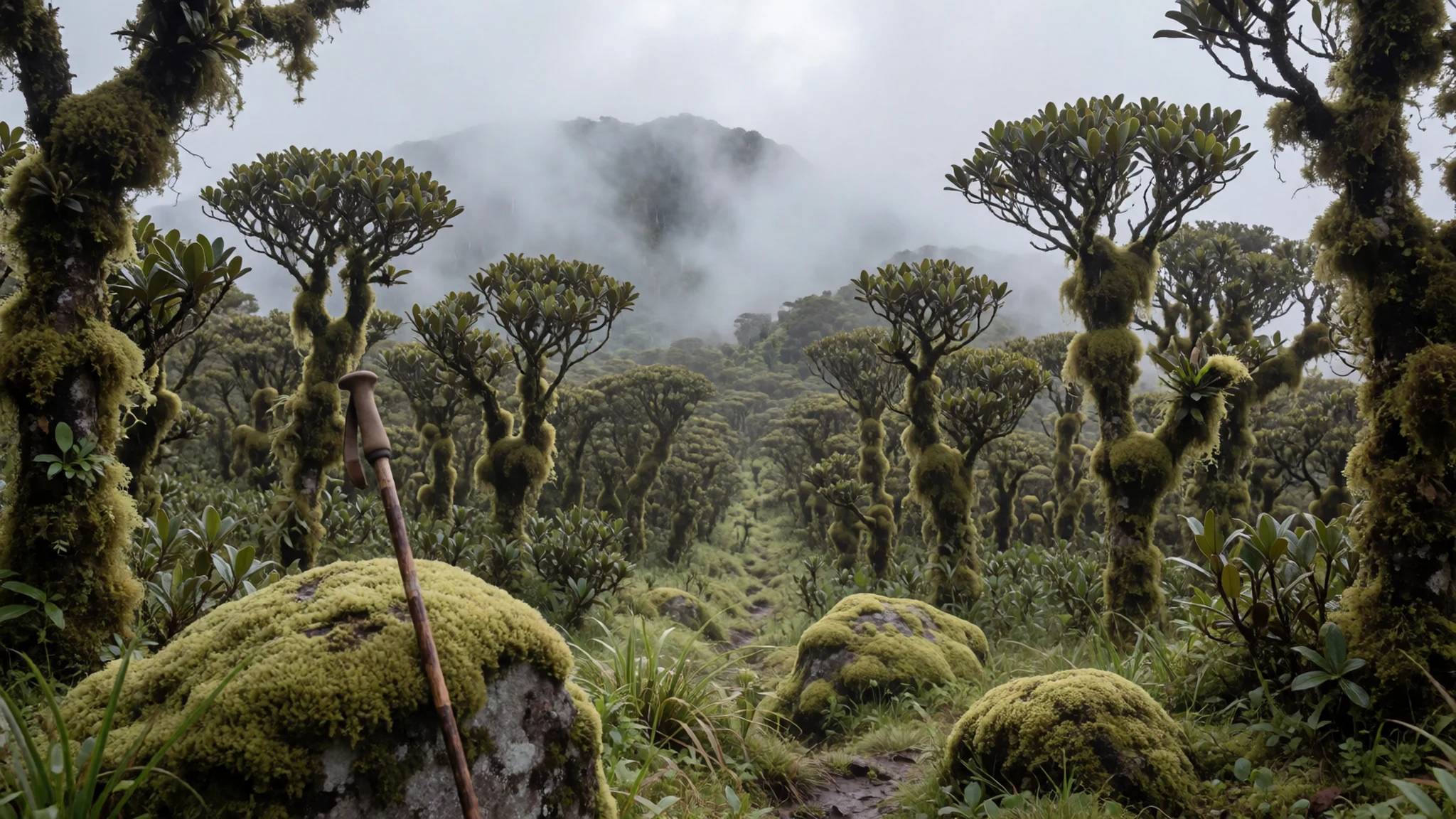
- Savanna around the mountain edges — Reserve perimeter and surrounding savanna
Not every approach is deep forest. Parts of the surrounding country open out into savanna-like grassland where you can see how the mountain rises abruptly from lower terrain. It’s a nice counterpoint before entering denser habitats.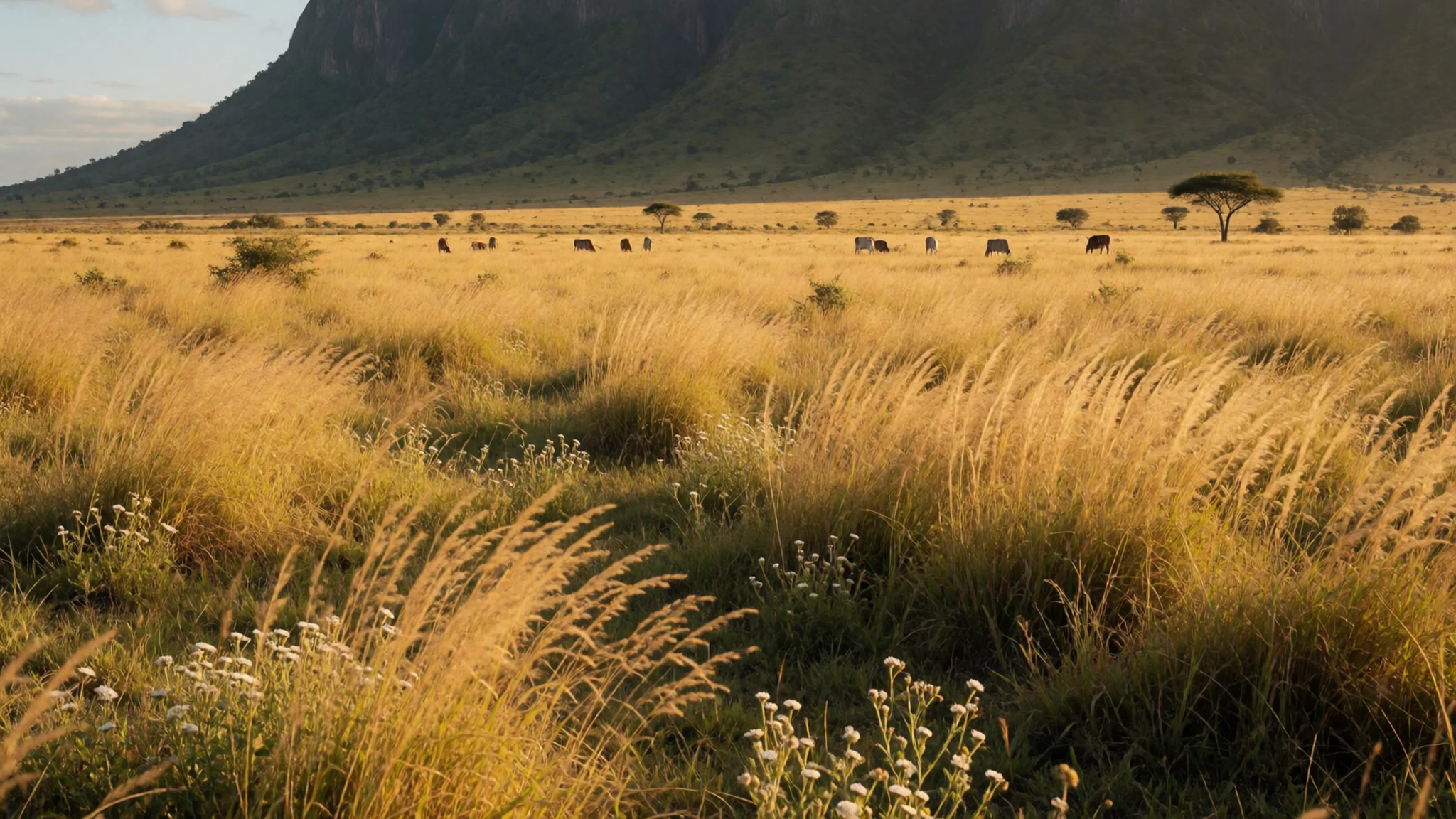
- Border landscape and protected sectors — Reserve border areas
Because protection is shared across borders, the “feel” of the mountain can differ by sector. Even from vantage points, you may notice signs of past use outside the strictly protected core—so keep your itinerary within the boundaries your guide confirms.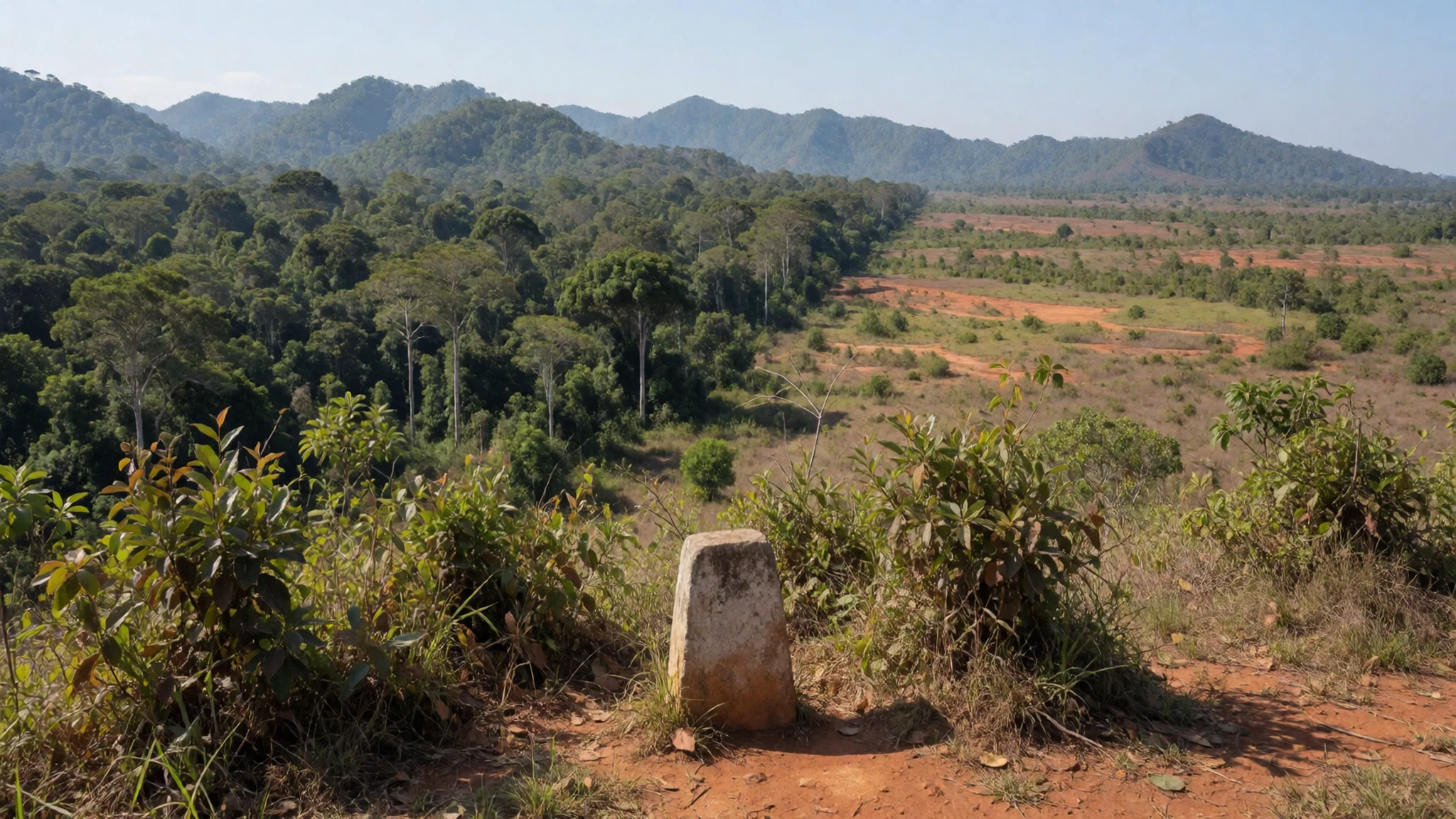
Culture
Mount Nimba Strict Nature Reserve is first and foremost about conservation, but your experience will also reflect local mountain livelihoods and borderland travel patterns. In the Guinea side, visits are commonly arranged through local tour operators based around Conakry, because remote access needs coordination and knowledgeable guidance.
Expect that guidance is not just for navigation: it helps you follow conservation rules, move safely on rugged ground, and respect the fact that ecosystems here include small, easily disturbed species that don’t recover quickly from off-route impacts. The reserve’s status as a strict nature reserve means you shouldn’t assume the flexibility of more open parks—routes, timing, and behaviour are typically set with protection in mind.
There’s also a cultural rhythm to travel in this kind of region: early starts are often practical (morning weather and lower trail fatigue), and evenings may mean settling in quickly while temperatures drop. Communication can be part of the adventure, especially when conditions change and guides adjust plans to match visibility and safety.
Visitor etiquette should match the conservation intent: stay within the route your guide sets, minimise noise in dense vegetation, and treat every encounter—wildlife sightings, plants, even the ground cover—as something you’re borrowing, not taking.
What to wear
Mount Nimba Strict Nature Reserve sits in a sub-equatorial montane environment where altitude-driven temperature swings are real. Daytime can feel warm in lower zones, but nights higher up can feel much colder than you’d expect, so layering matters more than any single “right” outfit.
Traditional dress in the broader region varies by community, but for most visitors the key is modest, practical clothing that won’t snag on vegetation. When you’re around any local facilities or meeting points, choosing breathable tops and long trousers (rather than shorts) usually fits better with conservative norms and makes you more comfortable in humid stretches.
What people wear day-to-day often blends everyday basics—t-shirts, long trousers, practical footwear—with weather adjustments like light rain protection. For a visitor, plan for wet and muddy ground: sturdy walking boots or shoes with grip are essential, along with quick-dry socks.
A good kit for Nimba is a moisture-wicking base layer, a warm mid-layer for the evenings, and a rain jacket or poncho. If you’ll be moving into cloud-forest zones, bring a hat and consider light gloves for cooler morning air. Avoid delicate fabrics; the ridge is rugged, and the forest edges can be rough.
What to eat
- Guinea-leaning roadside meals — Roadside eateries en route from Conakry
In the Conakry-to-mountain travel flow, you’ll often find simple, hearty meals at roadside stops—stews and rice-based plates that are made for travellers with long transit days.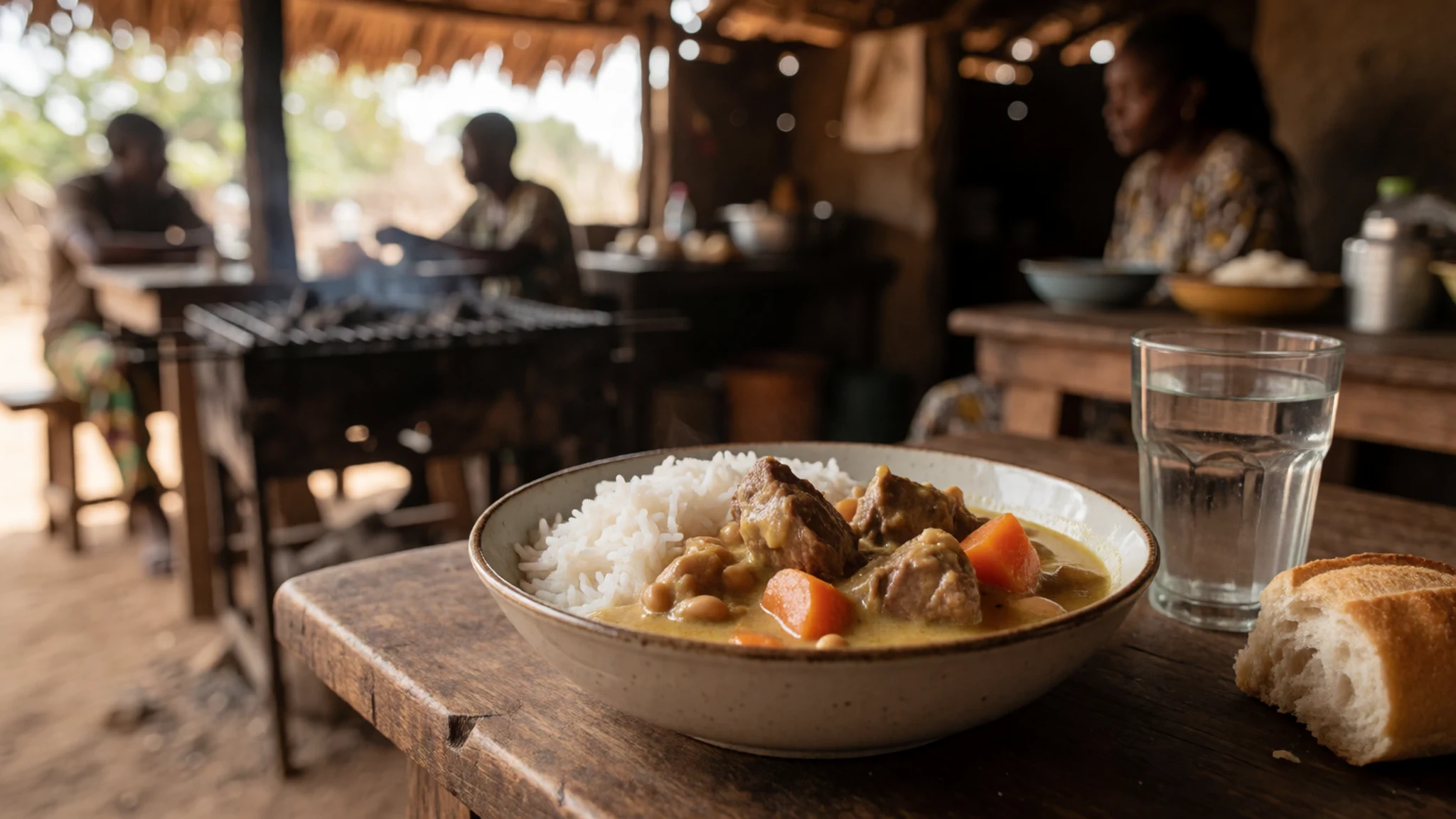
- Rice with local sauces — Town markets and small eateries near transport hubs
Rice frequently anchors meals across West African borderland routes, served with spiced sauces and vegetables or meat when available. It’s filling and works well before early starts.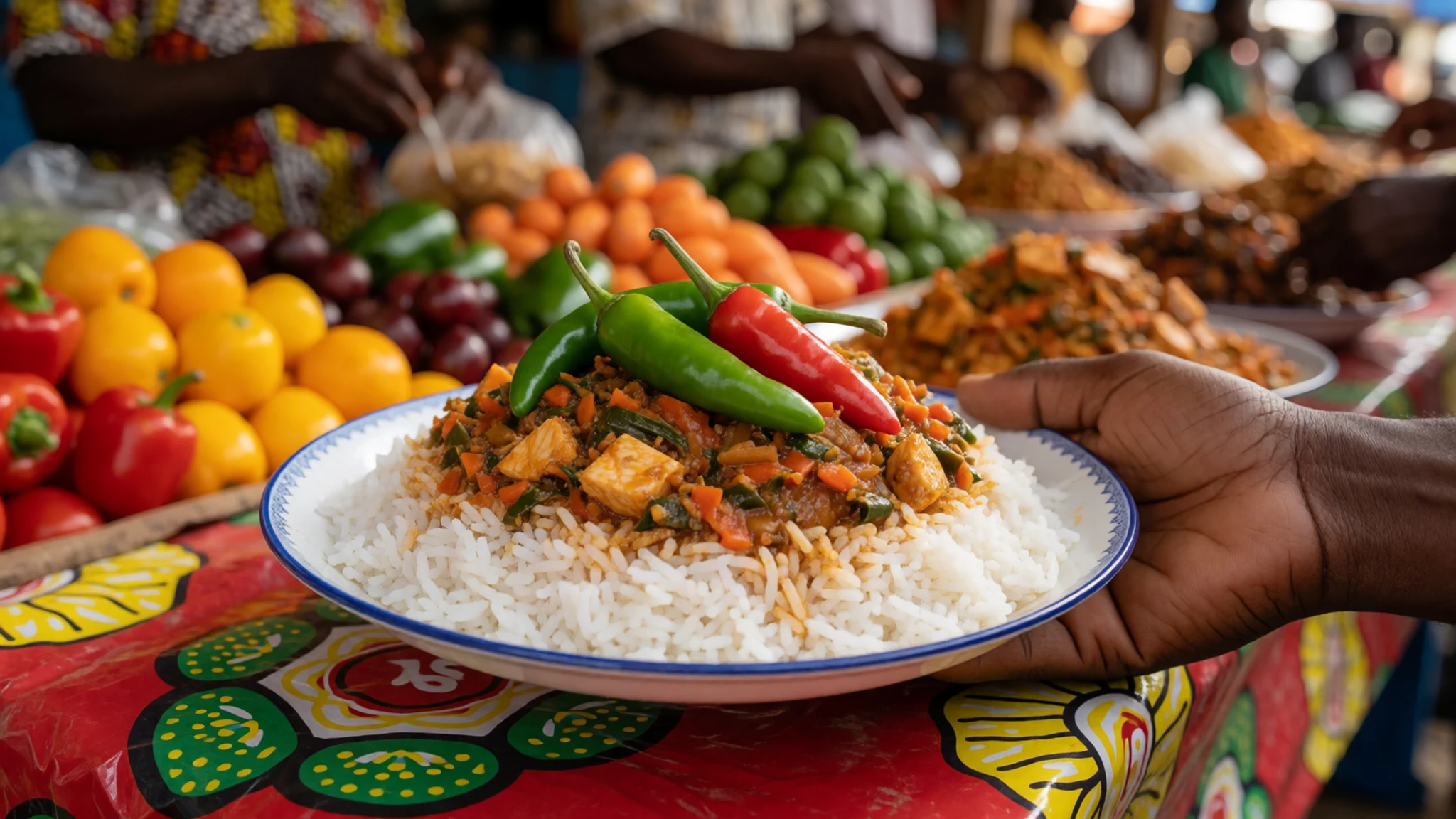
- Grilled fish or meat — Evening food stalls in nearby towns
Grilled options show up at casual eateries and food stalls when fresh supply allows. They’re a reliable choice when the day has been active and you want something quick and warming. - Fruit and snack stops — Market edges and rest stops
Between travel legs, fruit and simple snacks can be the easiest way to keep energy up when schedules are tight. Choose vendors with steady turnover and fresh-looking produce. - Tea and coffee breaks — Guesthouses and small cafés along the route
Tea and coffee are common “pause points” during long journeys. They’re useful for warming up after cooler mountain air, especially before the last push to accommodation or a meeting point.
Plan it
Best time. March–April and October–November are generally easier months for mountain hiking because temperatures and conditions are more comfortable; June is the rainy season, and August tends to be hot and humid. Altitude also means cooler nights than the daytime feel.
How long. 3–4
Getting there. Fly into Conakry (Guinea) and arrange guided access via a local operator; expect the final approach to be slow because Mount Nimba sits in a remote border region far from capital cities. The key last leg is whatever your chosen route uses to reach the reserve sector your permits cover.
Budget. mid
Tips
- Choose a guide/operator before you travel; access is organised and strict-nature rules are easier with local coordination.
- Start early on trekking days to make use of better visibility and reduce stress on the steep slopes.
- Pack layers: warm daytime clothing plus something genuinely warm for nights at altitude.
- Bring water and expect limited convenience—plan for where you’ll eat and refill on multi-hour ground time.
- Keep your schedule flexible when cloud and rain roll in; at higher elevations conditions change fast.
Etiquette
- Stay on the route your guide sets and don’t step off into sensitive vegetation.
- Move quietly in forest and avoid shouting; wildlife and small species can be easily disturbed.
- Ask before photographing people or guide them to safe spots—this is a conservation area and a working local environment.
Nearby
Sources
- Wikidata Q924276 (CC0)
- Wikipedia (rev 1365374338) (CC BY-SA 4.0)
- Wikivoyage (rev 4436649) (CC BY-SA 4.0)
- Photo photos/01-mount-nimba-strict-nature-reserve-123989.jpg (CC BY-SA 3.0 igo)
- Photo photos/02-mount-nimba-strict-nature-reserve-108442.jpg (CC BY-SA 3.0 igo)
- Photo photos/03-nimba-mountainridge.jpg (CC BY-SA 4.0)
- Photo photos/04-nimba-savana.jpg (CC BY-SA 4.0)
- Photo photos/05-mount-nimba-rainforest.jpg (CC BY-SA 4.0)
- Photo photos/06-nimba-westernchimps.jpg (CC BY-SA 4.0)
- Photo photos/07-mount-nimba-cloud-forests.jpg (CC BY-SA 4.0)
- Photo photos/08-nimba-proteabush.jpg (CC BY-SA 4.0)


