São Miguel
São Miguel, Portugal
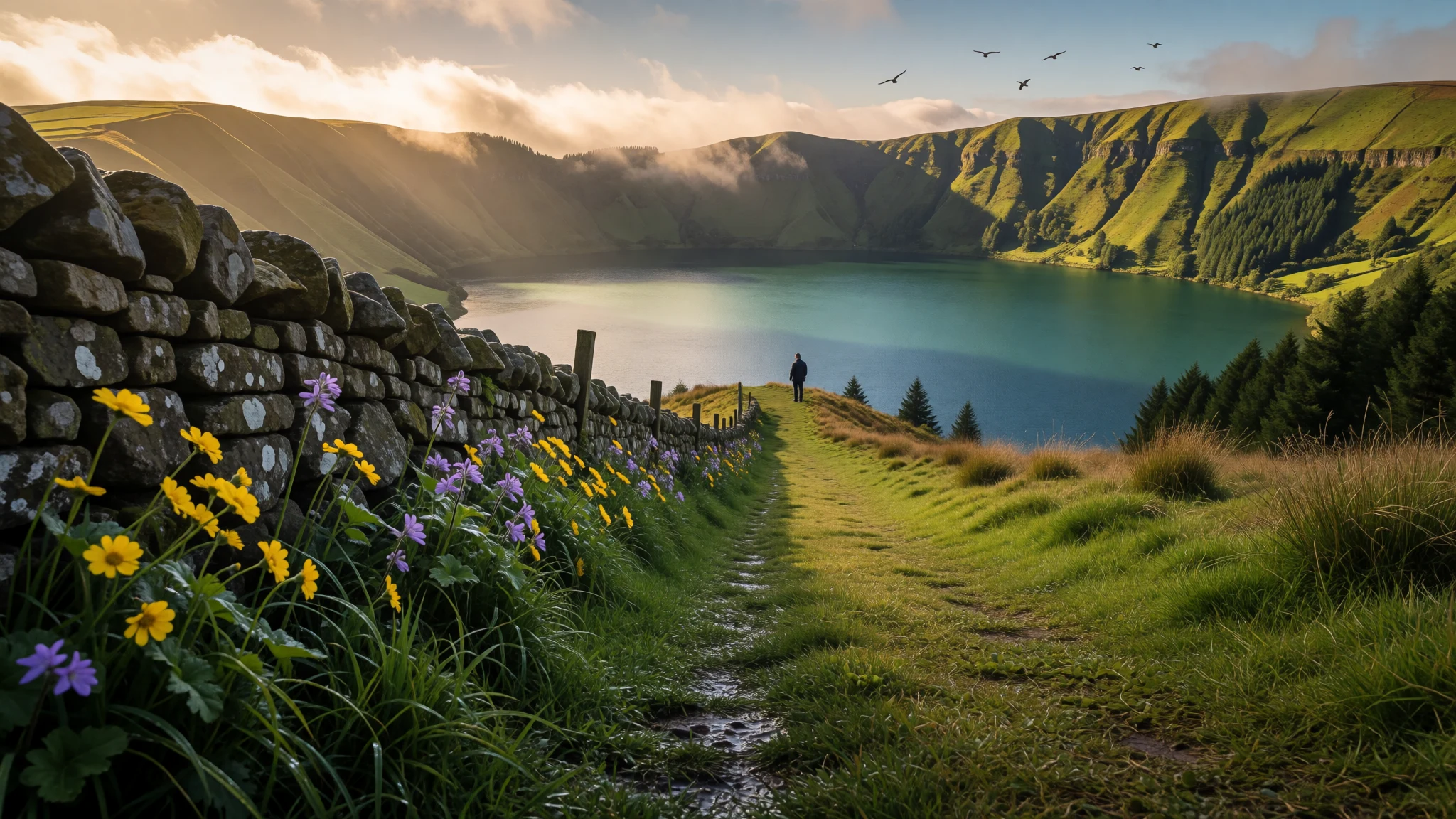
São Miguel is a green volcanic island of crater lakes, hot springs and tea fields, mild enough to visit nearly all year.
The place
São Miguel is the biggest island of the Azores, the Portuguese archipelago in the middle of the Atlantic, and it is home to about 138,557 people. Most of them live along the southern coast, with Ponta Delgada as the main town, port and airport. Locals call it the Green Island, and the name is earned: dairy pastures, hydrangea hedges, tea bushes and dense forest cover almost everything that is not black volcanic rock.
The island is really a chain of volcanoes. Sete Cidades fills the western end, Fogo sits in the middle, and Furnas lies to the east, each with a great crater at its heart. Faults run across the island from northwest to southeast, along a line where three of the earth's tectonic plates meet, which is why the ground still steams and bubbles in places.
The weather is changeable. A day can start with sun, turn to drizzle by lunch and clear again by teatime, and cloud often sits on the crater rims just when a viewpoint is the goal. Visitors learn to check the sky, drive to wherever it looks clear and keep a waterproof in the bag.
Distances are modest, so one base, usually Ponta Delgada, works for most trips. The roads are narrow and winding, though, and a short hop on the map can take longer than expected. The pace of life is slow and rural, with cows on the verges and small villages tucked into ravines. It suits people who like walking, bathing in warm water and eating well more than those wanting nightlife or long sandy beaches.
Its story
São Miguel was the second island of the Azores to be settled from mainland Portugal, in 1427, though the exact date of its discovery is uncertain. Navigators who sailed under Gonçalo Velho Cabral are thought to have found it somewhere in the second quarter of the fifteenth century, and it appears on sea charts from the middle of that century. Prince Henry the Navigator authorised settlement, and colonists came from Estremadura, Alto Alentejo, the Algarve and Madeira.
The first settlement was Povoação Velha on the southeastern coast. Early settlers lived in simple earth and straw huts, and the chronicler Gaspar Frutuoso, who wrote the great history of the islands, Saudades da Terra, described an island that was then thickly forested, wet and full of ravines.
Not long after landing, the new arrivals met the island's volcanic nature. Frutuoso recorded that people in Povoação heard roars and felt tremors for the best part of a year. Ships returning to the island then found the western end transformed, with tree trunks and pumice floating in the sea. An eruption had reshaped the Sete Cidades area, which was then uninhabited, and the crater that now holds its twin lakes is the legacy.
That pattern, of settlement, farming and occasional upheaval, has shaped the island ever since. The fertile volcanic soil made it a place of orchards, pasture and later tea and pineapples, while the hot springs that once frightened settlers eventually became a draw in their own right. The landscape visitors admire today is a working one, shaped by both fire and farming.
What to see
- Lagoa das Sete Cidades — Western São Miguel, northwest of Ponta Delgada
Two lakes, one looking green and the other blue, sit inside a huge caldera in the west, with steep walls all round. The classic view is from the rim viewpoints above. Go early, as cloud often fills the crater by midday. A path runs down to the shore.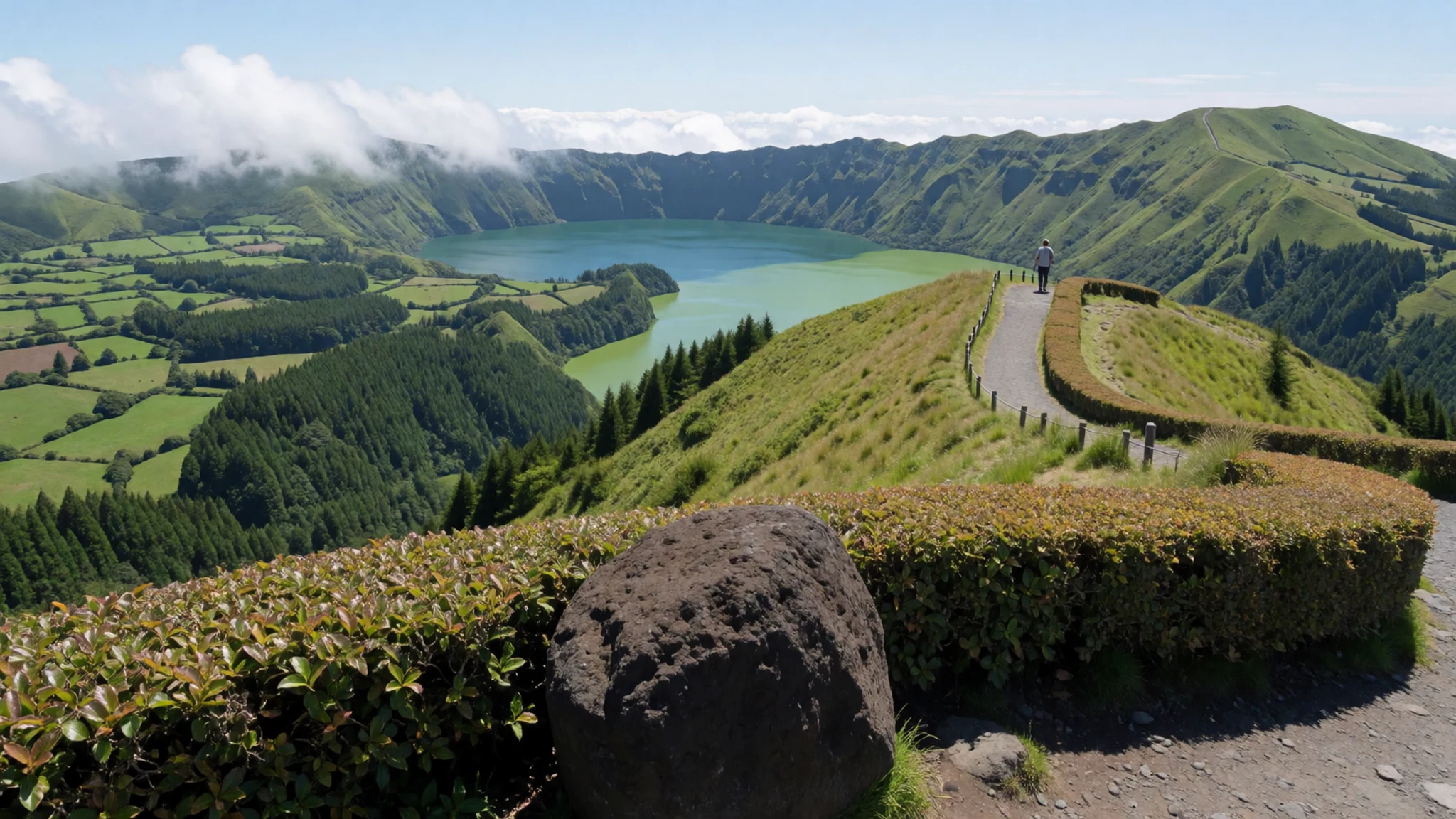
- Lagoa do Fogo — Central highlands, near Furnas
A crater lake high in the mountains near Furnas, inside a nature reserve. It has a pale sand shore and a dramatic bowl of green slopes. The road up can be misty, so check the weather first. Walking down to the water is steep, and the climb back takes effort.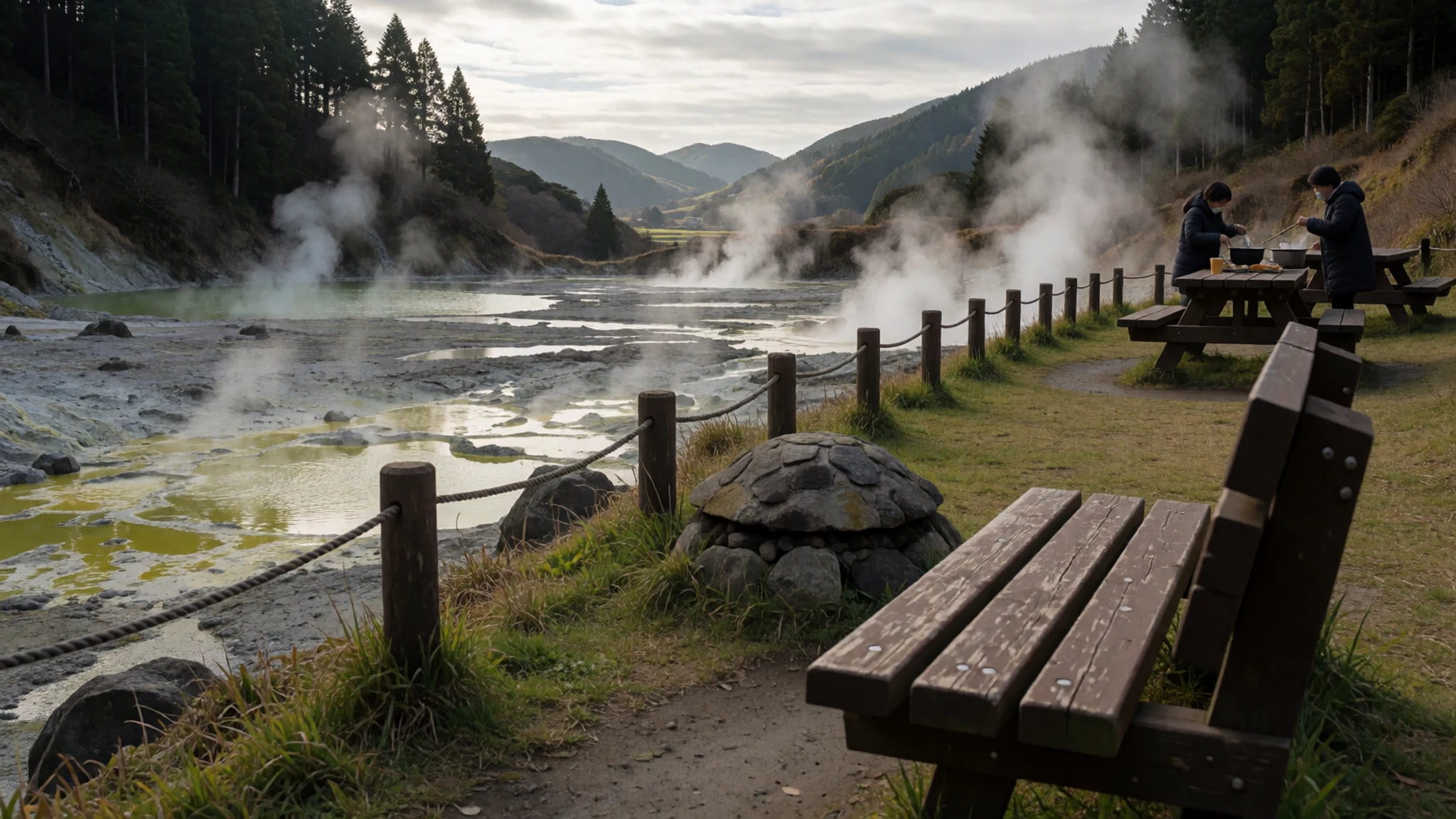
- Furnas lake and fumaroles — Furnas, eastern São Miguel
The Furnas crater is still active, with steam vents, mud pots and hot springs beside the lake. Locals cook stew underground here in the heated earth, and a café sells it. The sulphur smell is strong but you stop noticing it. Allow a few hours to wander.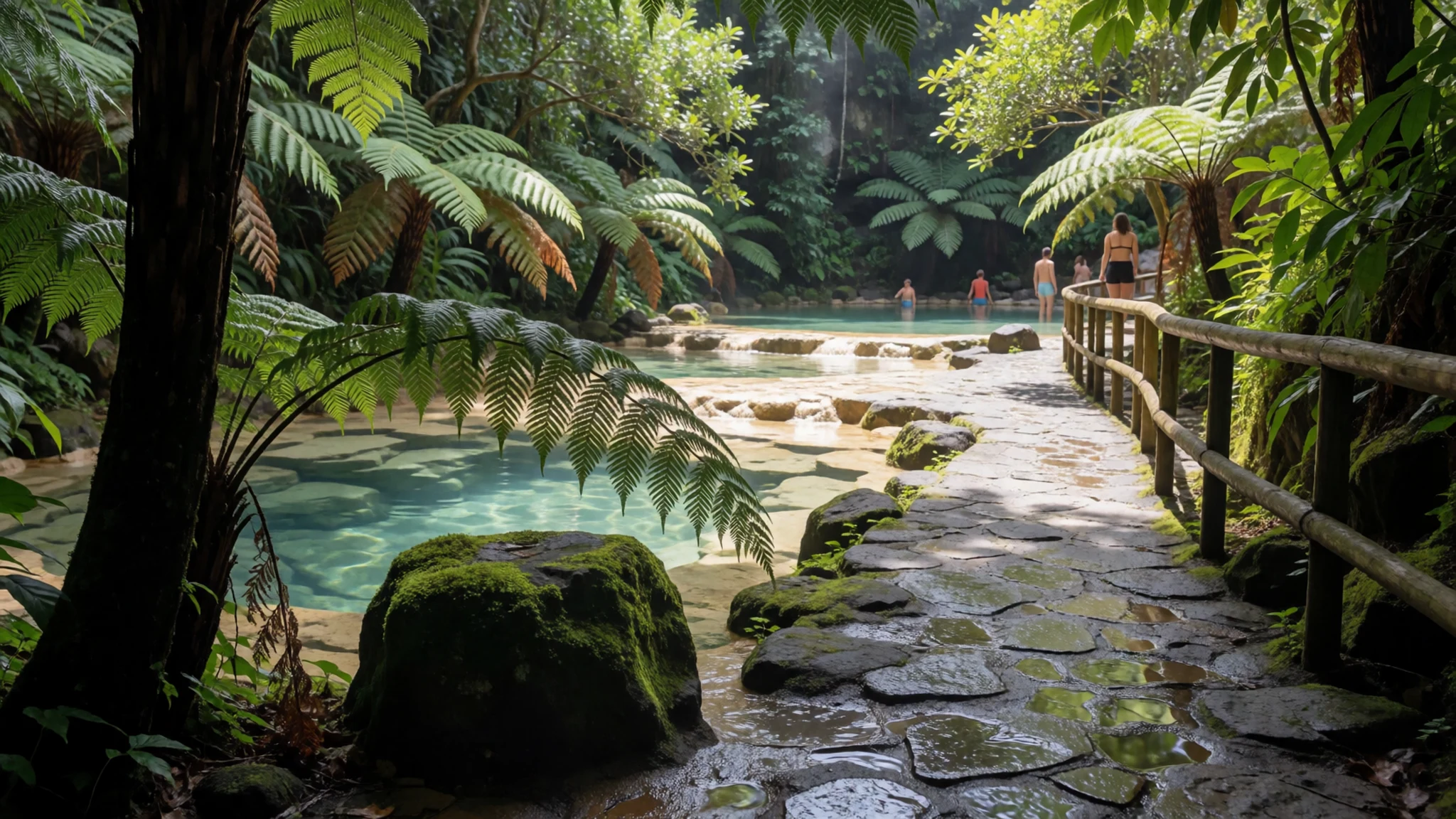
- Caldeira Velha — North-central slopes, near Ribeira Grande
A small valley of tropical-looking vegetation where hot spring water runs into bathing pools among ferns. It is easy to combine with a drive across the island. It can be busy at midday, so early or late is calmer. Bring swimwear and a towel.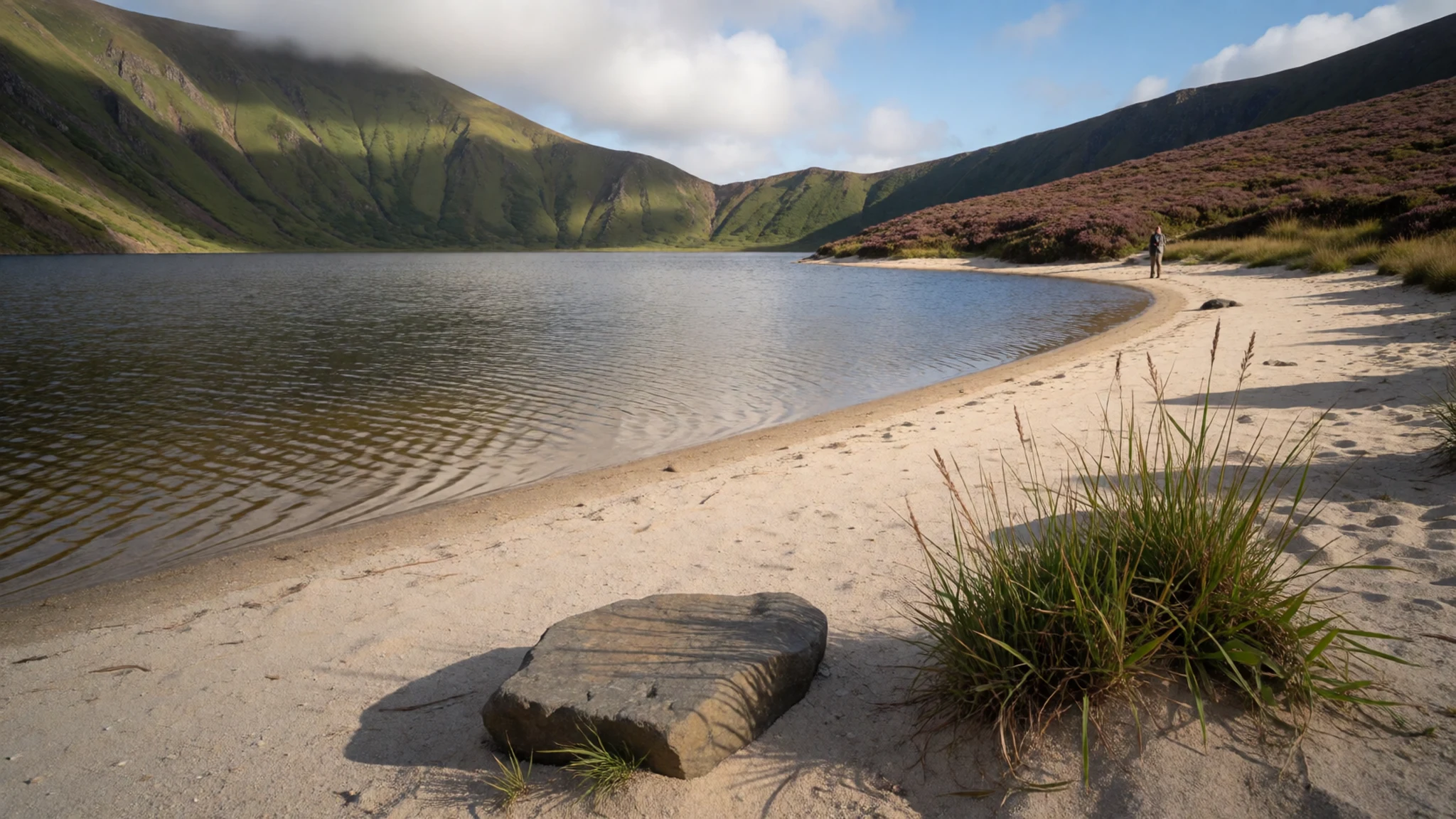
- Ponta da Ferraria — Far west coast, near Mosteiros
On the western tip, hot spring water flows into the sea beside black rock, and people have used it for its supposed healing qualities since the fifteenth century. Tide matters here, and low tide is the best time. Sea conditions can be rough, so be careful on the rocks.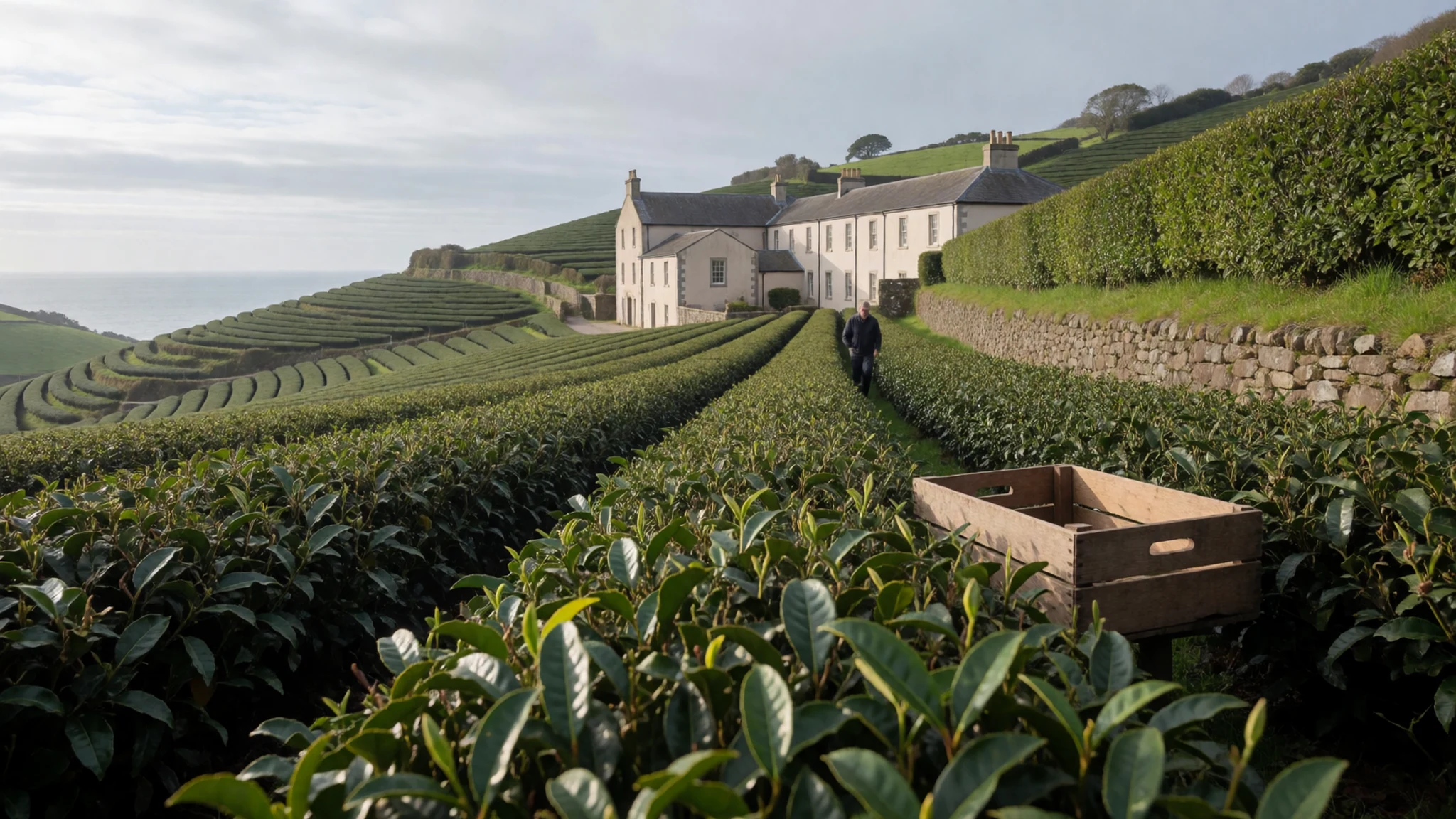
- Gorreana tea plantation — North coast, near Ribeira Grande
A working tea factory on the north coast, where tea bushes run in rows down to the Atlantic. It is described as the only operating tea factory in Europe. Visitors can look round the production floor, then sit with a cup. The terraced fields are lovely in soft light.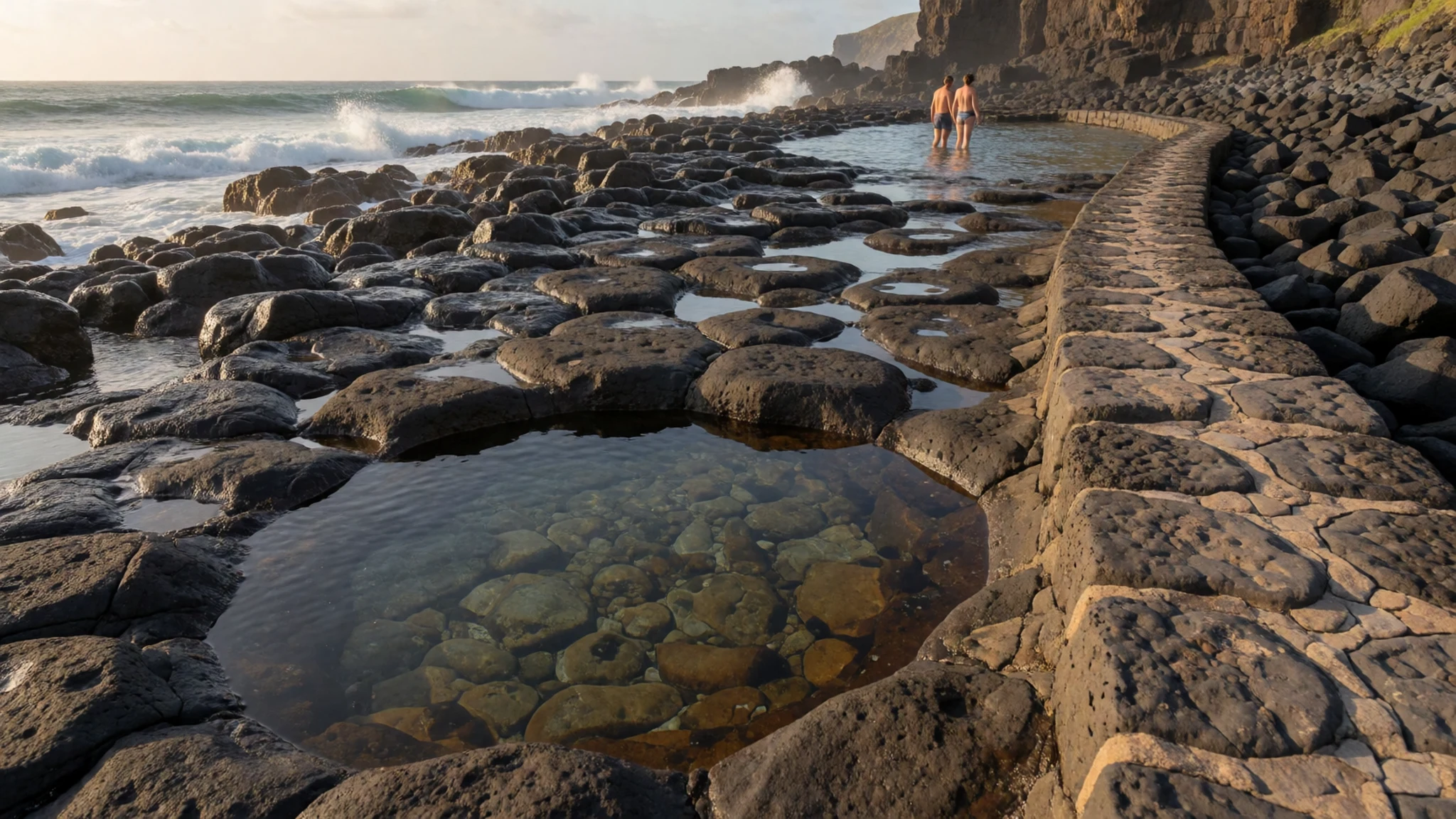
Culture
São Miguel has a strongly Catholic, rural and seafaring culture. Village churches, often built of black basalt trimmed with white lime, anchor each community, and processions and festivals mark the calendar. The best known is the Senhor Santo Cristo dos Milagres procession in Ponta Delgada, which draws people from across the island and from Azorean families overseas.
Farming defines daily life. Dairy herds graze year round on the green pastures, and cheese and butter are important exports. Tea, pineapples grown in glasshouses and fruit liqueurs add to the picture. Many families have relatives in North America, as emigration has long been a feature of Azorean life, and that link shows up in language, food and the number of people who have returned.
Islanders tend to be reserved at first but helpful once you start talking. Portuguese is the everyday language, and English is common in Ponta Delgada and at tourist sites, though less so in remote villages. The pace is relaxed, meals are long, and people greet each other in shops and on trails.
The volcanic setting also shapes habits, from cooking in hot ground to bathing in thermal pools to building with local stone. Locals treat the crater lakes and trails as shared places for weekend picnics and walks as much as tourist sights. When you pass someone on a hike or in a village lane, a quiet "bom dia" is expected, and you should keep to marked paths and close any farm gates you open.
What to wear
São Miguel has no single everyday costume now, but traditional dress survives in folk groups and at festivals. Women's outfits typically include full skirts, embroidered blouses, aprons and shawls, in wool and linen, with kerchiefs or small hats. Men wear dark trousers, white shirts, waistcoats and caps. Hand embroidery and local weaving are still practised, and you may see them on sale in craft shops.
In daily life people dress practically for a mild, damp climate. Waterproof jackets, fleeces, jeans and sturdy shoes are common, with farm boots in the countryside. In Ponta Delgada, people dress a little smarter for church, dinners and celebrations, but the style stays casual and neat rather than showy.
Visitors should plan for layers. A light waterproof jacket is essential at any time of year, along with a warm layer for crater rims, which can be windy and cool even in summer. Walking shoes with good grip suit wet, muddy and rocky trails. For thermal pools pack swimwear, a quick-dry towel and sandals, and be aware that iron-rich water can stain light swimwear orange or brown. When entering churches, cover bare shoulders and avoid beachwear, and in towns away from the coast, people generally dress more modestly than at a resort.
What to eat
- Cozido das Furnas — Restaurants around Furnas lake
A stew of meats, sausage and vegetables, cooked for hours in pots buried in hot volcanic ground. It tastes rich, a little earthy and very tender. It is the dish of Furnas, and the whole experience is as much about watching it unearthed as eating.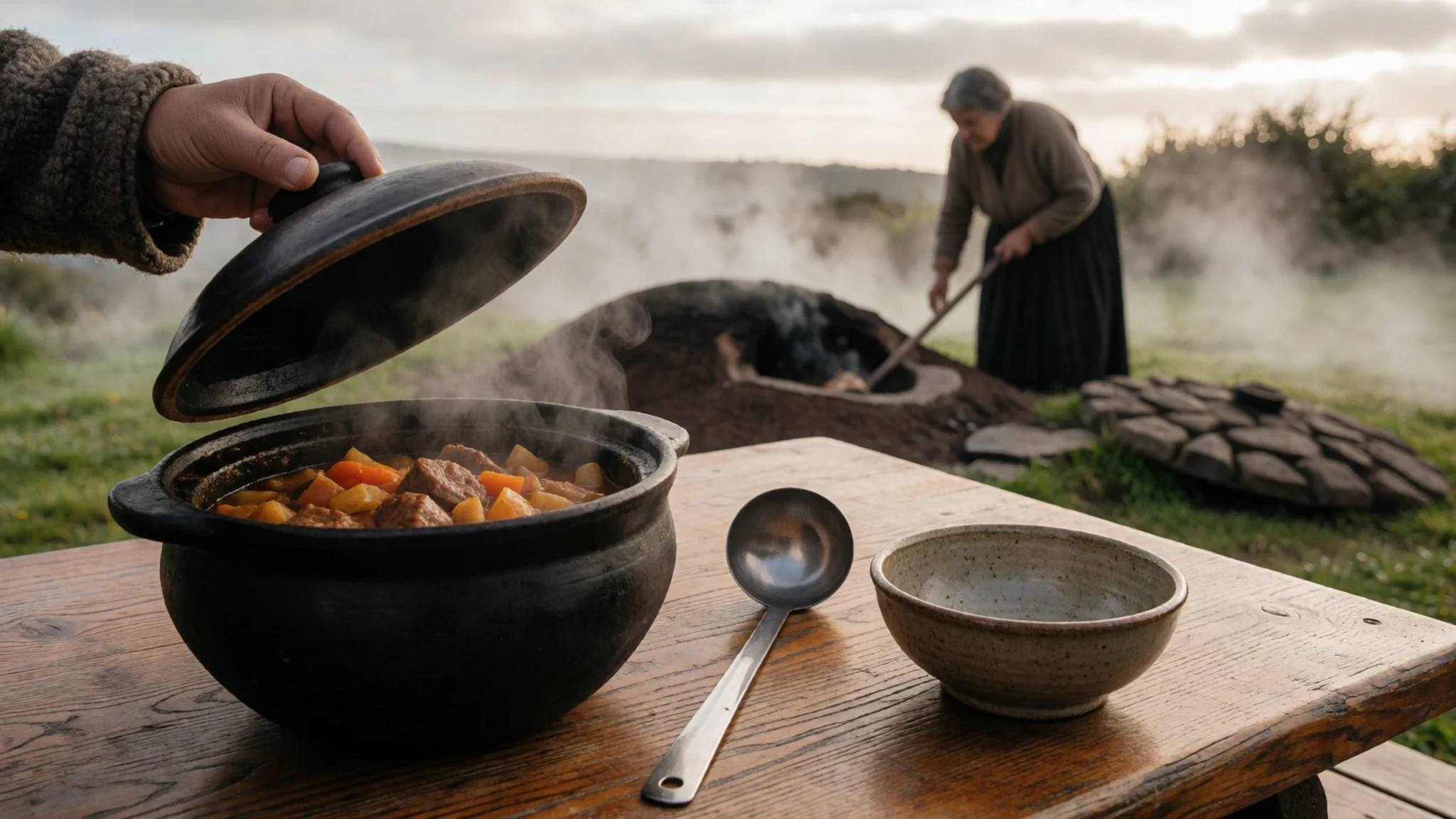
- Lapas — Seafront eateries and snack bars along the coast
Limpets grilled in their shells with butter, garlic and lemon, served sizzling. They are small, chewy and salty, and a favourite with a cold beer. They come in summer especially, and locals eat them with bread to mop up the juices.
- São Jorge-style island cheese — Markets and grocers in Ponta Delgada
Cheese from the Azores, firm and tangy, often served as a starter with bread or pepper mash. Dairy is central to the island's economy, so cheese turns up everywhere, from picnic tables to breakfast spreads in guesthouses. - Bolo lêvedo — Bakeries and cafés in Furnas and Vila Franca do Campo
A soft, slightly sweet griddled muffin, often split and filled with butter, cheese or ham. It is common at breakfast and as a snack, and the best are eaten warm from the pan, often in Furnas. - Azorean tea and pineapple — Tea factories, plantations and island supermarkets
Tea grown on the north coast is served in cafés and at the factory, light and gently grassy. Local pineapple, grown under glass, is sweeter and less acidic than imports and appears as fruit, jam and liqueur. - Fruit liqueurs — Liqueur factories and gift shops across the island
Small producers make sweet liqueurs from passion fruit, pineapple and other local fruits, plus brandy. They are served after meals in small glasses and make popular gifts. Factories offer tastings, so you can try a few before buying a bottle.
Plan it
Best time. June to September is warmest and driest, with the best chance of clear crater views and sea swimming. Spring and autumn are quieter and still mild, though showers are likely in any month.
How long. 4–6
Getting there. Fly to Ponta Delgada airport, the island's main gateway, with direct and connecting flights from Lisbon and other European cities; check airline sites for current routes. Cruise ships dock close to the centre, and a seasonal summer ferry links São Miguel with Santa Maria and Terceira. Hire a car to explore.
Budget. mid
Tips
- Hire a car for flexibility, but expect narrow, winding roads and blind bends
- Check the weather and webcams before driving to a crater viewpoint, as cloud can hide it
- Do not leave valuables visible in a parked car, especially at trailheads
- Book rental cars and busy summer accommodation well ahead
- Pack a waterproof jacket whatever the season
Etiquette
- Keep to marked trails and close farm gates behind you
- Greet people with a friendly bom dia in villages and on paths
- Rinse off and respect the rules at thermal pools
Nearby
Sources
- Wikidata Q209036 (CC0)
- Wikipedia: São Miguel Island (rev 1369344705) (CC BY-SA 4.0)
- Wikivoyage: São Miguel (rev 5419347) (CC BY-SA 4.0)
- Photo: Lagoa das Sete Cidades, Miradouro da Vista do Rei (Public domain)
- Photo: São Miguel, Azores (ESA) (CC BY-SA 3.0 igo)
- Photo: Position of Sao Miguel (Public domain)
- Photo: Desembarcoislasterceiras (Public domain)
- Photo: Azores-StMichael1845 (Public domain)
- Photo: Lagoa do Fogo (Jwp1234) (CC BY 3.0)
- Photo: São Miguel Green Island (Bjørn Christian Tørrissen) (CC BY 3.0)
- Photo: Ilha de São Miguel map (Kelisi) (CC BY-SA 4.0)


