Batalha Monastery
Batalha Monastery, Portugal
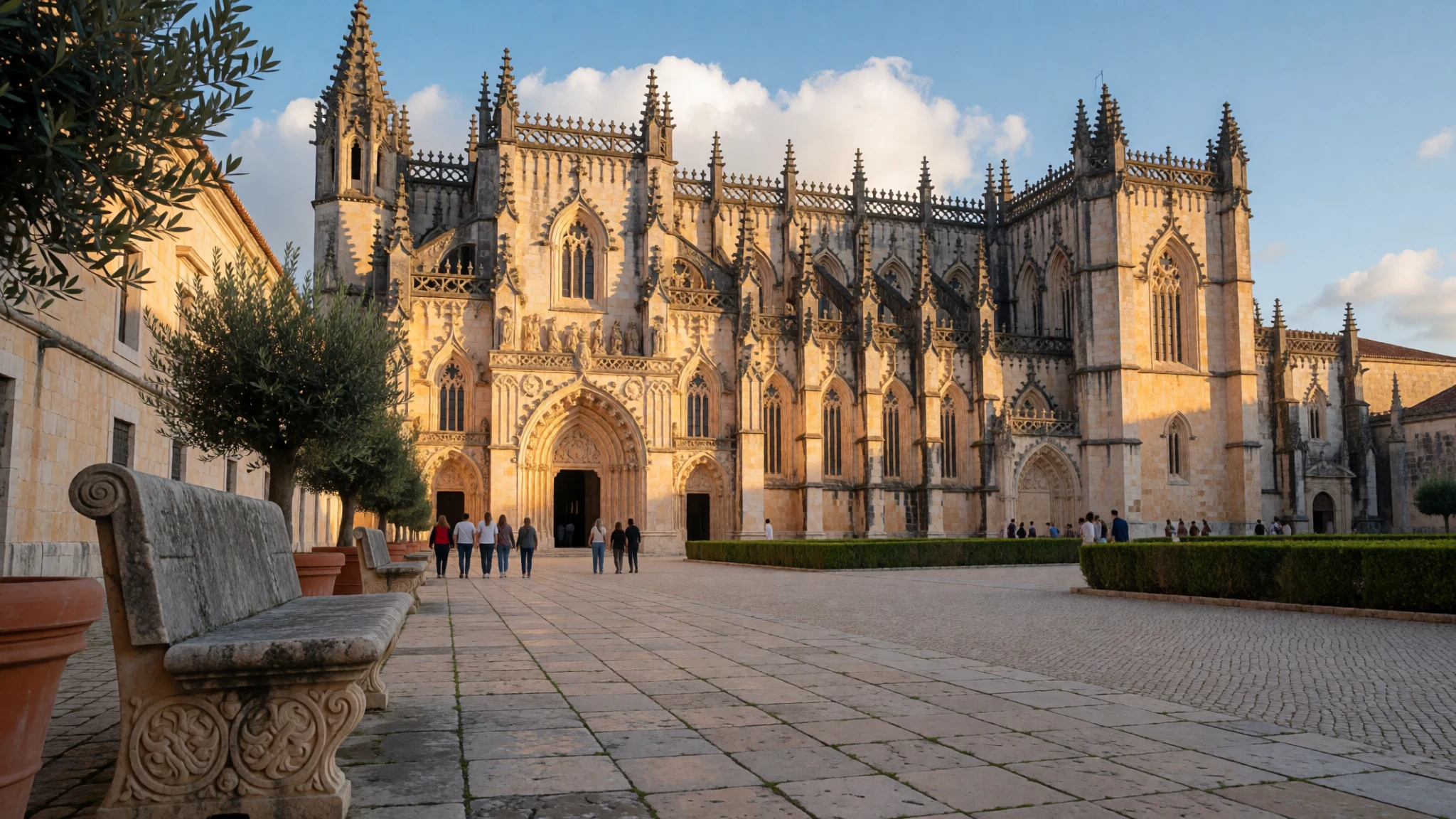
Batalha Monastery is a Gothic-and-Manueline monument built to memorialise a 1385 victory, with cloisters and chapels that reward slow looking.
The place
Batalha Monastery (Mosteiro da Batalha) sits in the town of Batalha in central Portugal, a little inland from the coast. It’s a Dominican convent church and shrine connected to the Portuguese dynasty, and it was originally named the Monastery of Saint Mary of the Victory (Mosteiro de Santa Maria da Vitória). The story it carries is clear as soon as you start walking: this is not just “a beautiful church”, it’s a building commissioned because of a promise and a battle.
What makes the monastery feel special is how many different architectural languages you can spot without needing a history degree. The church is described as late Flamboyant Gothic with Manueline touches braided into it, so the façade and interior details have that Portuguese mix of lace-like stonework and sea-world flourish. Even if you’ve seen plenty of European churches, Batalha stands apart because of the overall composition and the way chapels, cloisters, and spaces look like they were designed to be explored in sequence.
Crowds are usually manageable in the courtyard and the main areas, but they can bunch up at the most photogenic spots—especially when tour groups arrive. The monastery is a serious place of worship as well as a historic monument, so the atmosphere inside can shift from sightseeing to quiet reflection quickly. Plan time for lingering: the details (portals, chapels, tomb settings, and cloister views) are where the “wow” really lands.
If you’re travelling through Portugal by car, Batalha is easy to fit in as a cultural stop; if you’re coming by rail or bus, it still makes sense as a day trip with a calm pace rather than a rushed photo dash.
Its story
Batalha Monastery’s history begins with gratitude—specifically, a vow tied to victory in 1385. The Portuguese won the Battle of Aljubarrota, which helped settle the struggle for the crown, and King João I is described as having fulfilled a promise to the Virgin Mary by commissioning a monastery near the battlefield. Over time, the settlement that supported the building project grew into the town of Batalha.
Construction is the real drama. Work started in 1386 and stretched on for more than a century, ending around 1517, with several kings’ reigns in between. That kind of timeline shows on the stone: the monastery doesn’t feel like a single “one-era” monument. Instead, it reads as a long-running project where styles, priorities, and techniques evolved.
Different architects shaped different parts. Afonso Domingues is associated with the early plan and many elements in the church and cloister, while later building is linked with a more flamboyant Gothic expression. The story doesn’t just mention the styles; it also hints at why the interior feels the way it does—changes to proportions, additions to the transept and the chapter-house dome, and the ongoing adjustments to chapels.
There’s also a sense of continuity between the religious function and the political symbolism. The monastery was meant to serve as a burial church for the Aviz dynasty, and that’s why tomb settings are part of the visit rather than an afterthought. By the time later work reached portals and cloisters under subsequent architects, the building had become a living record of Portuguese ambition—turned into stone and then carried forward as heritage.
UNESCO status matters here because it reflects the monastery’s significance, but the best “story moment” is actually on site: standing in the cloister and realising that the building’s complexity was created by decades of change, not by a single clean blueprint.
What to see
- Mosteiro da Batalha (main church & monastery complex) — Mosteiro da Batalha (monastery complex)
Batalha Monastery is the anchor of the visit: a Late Flamboyant Gothic and Manueline-style church built to commemorate the 1385 Battle of Aljubarrota. Look from the outside first to understand the façade shapes, then step in to see how chapels, naves, and cloister views work together.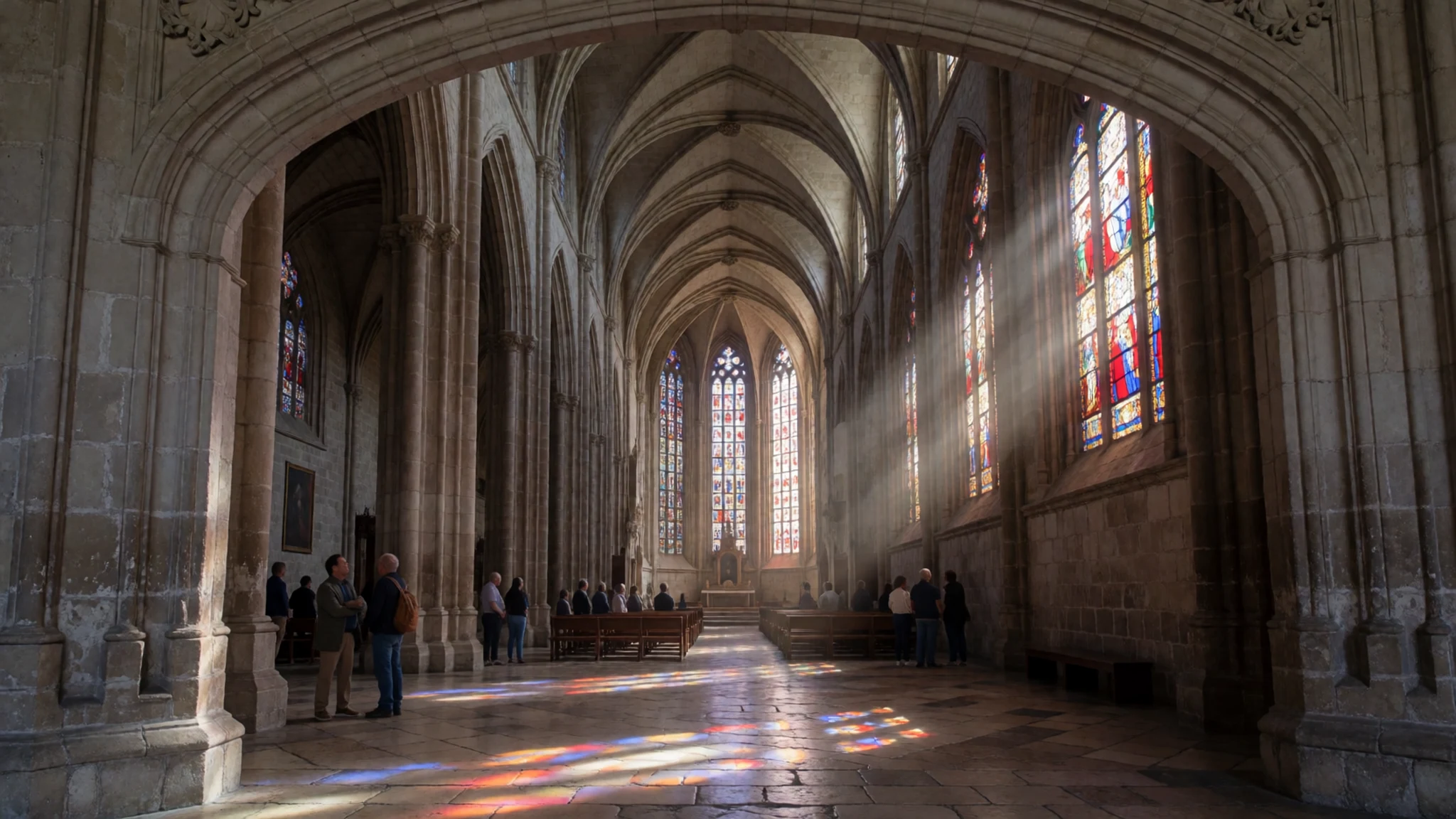
- Capelas Imperfeitas (Unfinished Chapels) — Mosteiro da Batalha (chapel area)
The Imperfect Chapels look like they’re mid-sentence—an arresting contrast to the finish elsewhere. You can appreciate them best from the exterior viewpoint so you register the massing and the stonework intentions before you ever compare them with the more completed sections inside.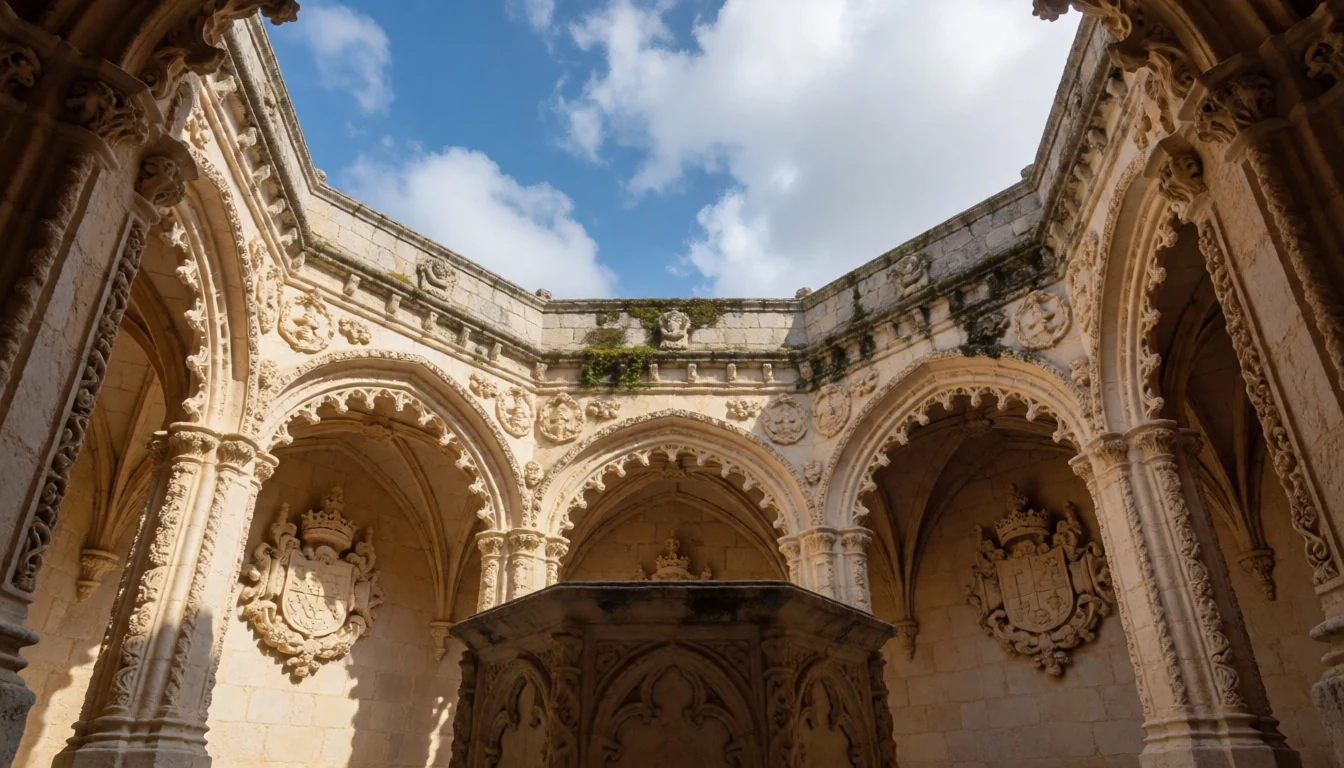
- Cloister of D. João I — Cloister (within the monastery)
The cloister gives you the monastery’s calm rhythm: a place to pause, frame photos, and notice how light moves across stone. It’s also a good reset point after busier indoor spaces, letting the architecture sink in without the pressure of a guided script.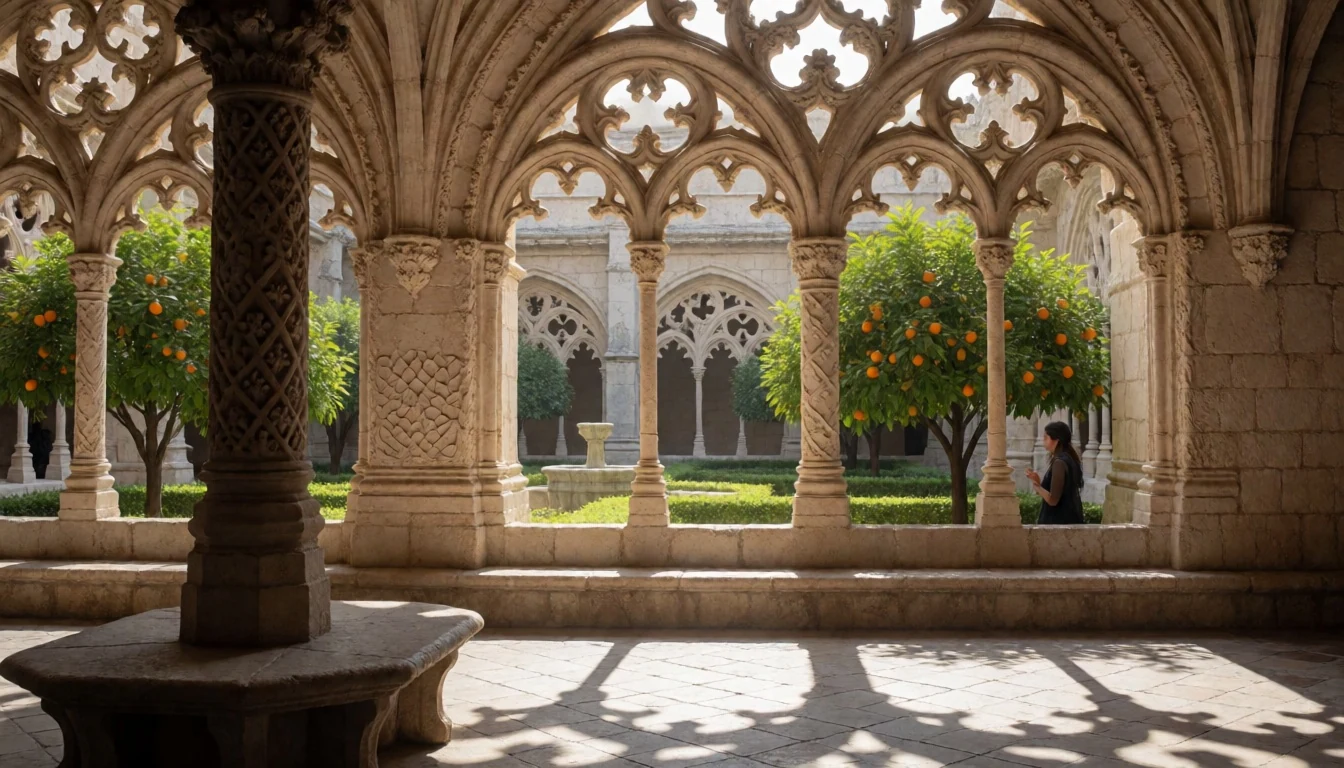
- Main portal — Façade & entrance
If the façade is the headline, the portal is the close-up. Take a slow walk around it and focus on the carving density—this is where the Late Flamboyant Gothic feel turns tactile. It’s an easy spot to over-photograph, so do it once, then move on.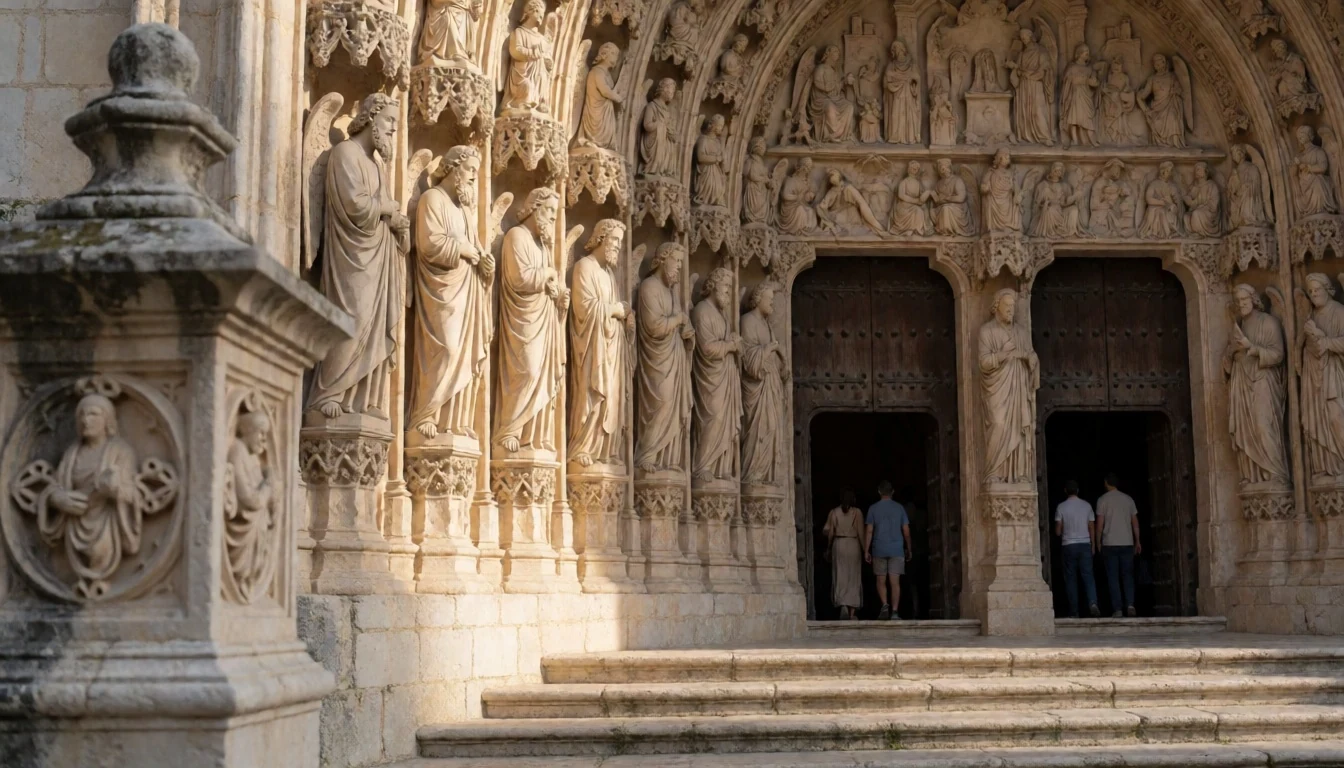
- Tombs of King John I and Philippa of Lancaster — Monastery interior (tomb area)
The monastery’s role as a burial church becomes tangible around the tomb areas. Spend a little time here rather than treating it as a quick glance: the layout helps you understand how royal history and religious architecture were designed to meet in the same space.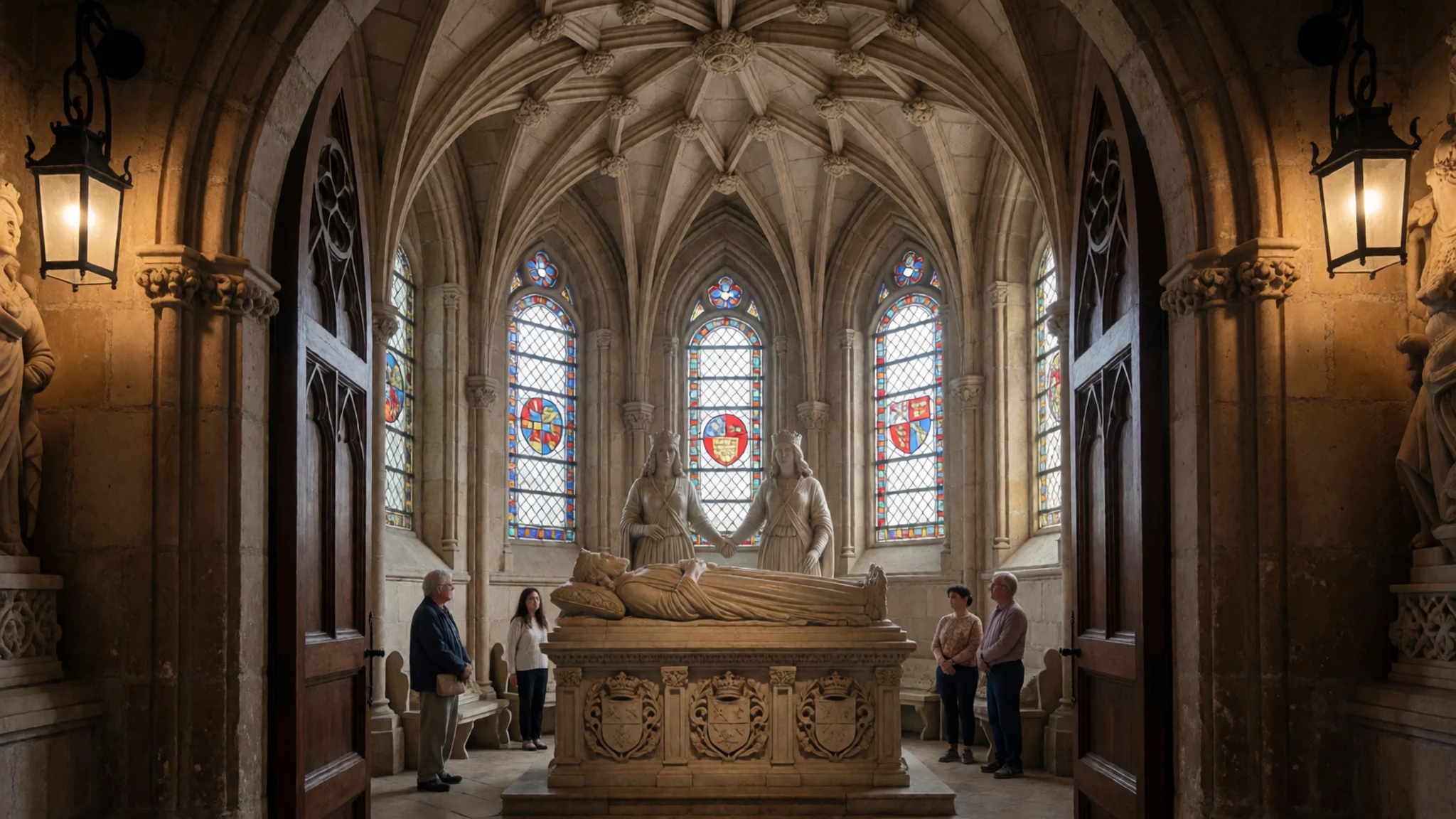
Culture
Batalha Monastery works on two levels: it’s a Dominican convent site and also a heritage monument. That means you’ll notice a shift in tone as you move between photo-friendly viewpoints and more solemn areas inside. Some visitors treat the visit like a museum circuit—fast, up, click—while others slow down because the architecture naturally encourages it.
Dress matters. The spaces are religious and can feel cool even on warmer days, so bring something light that still covers shoulders if you’re prone to sunwear. If you’re wearing shorts or very thin sandals, you may feel out of place in quieter sections.
Photography is generally part of the experience, but keep an eye on any signage or staff guidance—places like this often have areas where silence is expected or where specific activities restrict filming. When you reach the most popular points (façade angles, chapels, cloister corners), expect temporary traffic from tour groups. Let people clear out before trying to capture details; it’s usually faster and gives you better shots.
Also: take your time with the “in-between” spaces. Cloisters and side views are often less crowded than the main hotspots, and they’re where you begin to understand the building’s long, layered construction story.
What to wear
At Batalha Monastery you’re dressing for two things: a religious setting and stone-and-walking terrain. The monastery is an active convent environment, so modest clothing is the safe default—think tops with shoulders covered and bottoms that aren’t too short.
In Portugal, traditional dress is often associated with regional folk costumes rather than everyday wear, and you’ll usually only see it during festivals. When people dress traditionally, it typically involves tailored garments, textured fabrics, and ornamental details suited to public ceremonies—not something you’d wear for a normal visit.
What people actually wear now is mostly practical: summer clothes like T-shirts and light dresses, plus a layer for indoor cool. Good footwear matters because there’s a lot of paved walking and you may move between sun and shade.
For visitors, aim for comfort and coverage: closed-toe shoes for steadiness on uneven stone, a light layer for temperature changes inside, and clothing that won’t draw attention in solemn areas. If you plan to visit outside in warmer months, bring a hat and sunscreen—but keep it paired with sleeves or a scarf if you enter quieter spaces.
What to eat
- Roasted suckling pig — Mosteiro do Leitão
Roasted suckling pig is a classic Portuguese treat, and it shows up around Batalha in local dining options. Expect a savoury, crisp skin and rich meat—comfort food after a day of stone-and-stairs walking.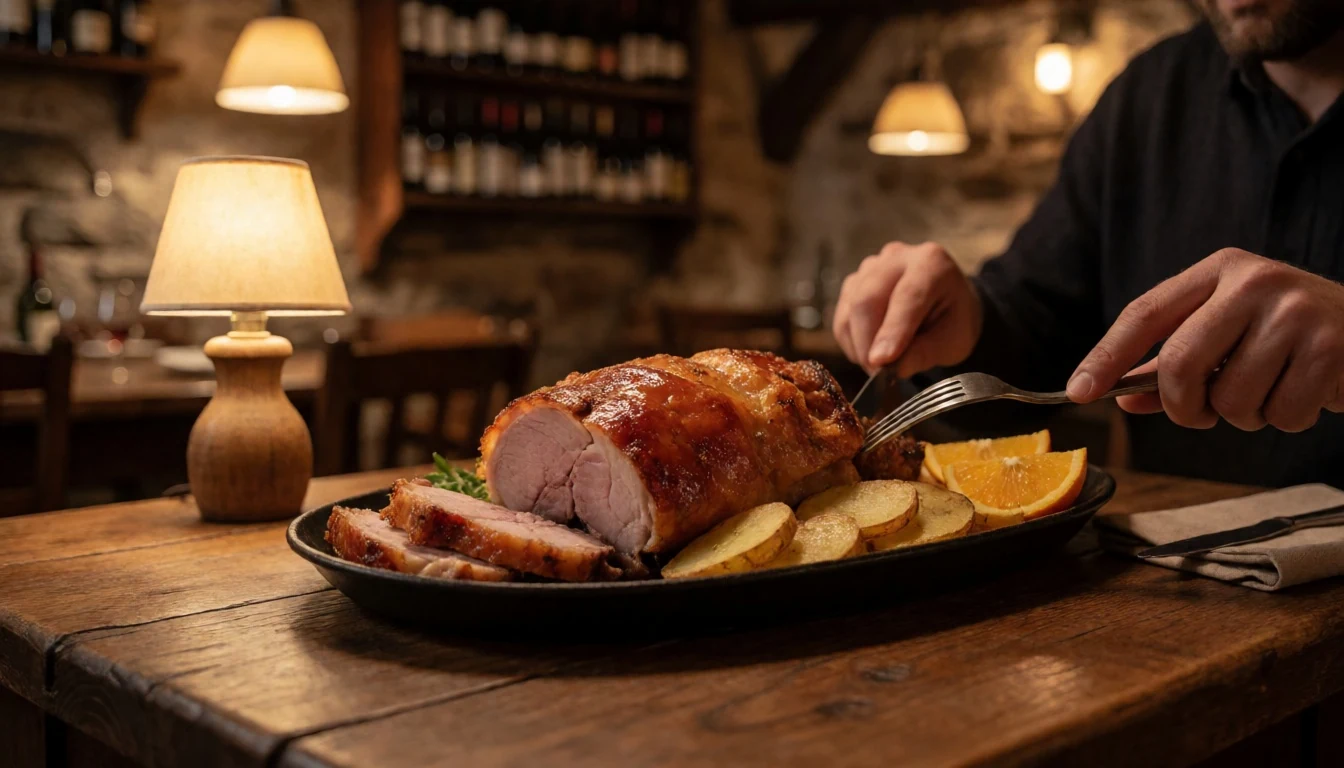
- Picnic-friendly Portuguese bread & cheese — Town-centre eateries and takeaway spots in Batalha
If you’re pacing the monastery slowly, build a simple picnic-style stop: local bread with cheese and something fresh. It’s the kind of easy meal that keeps you moving without turning the visit into a sit-down mission.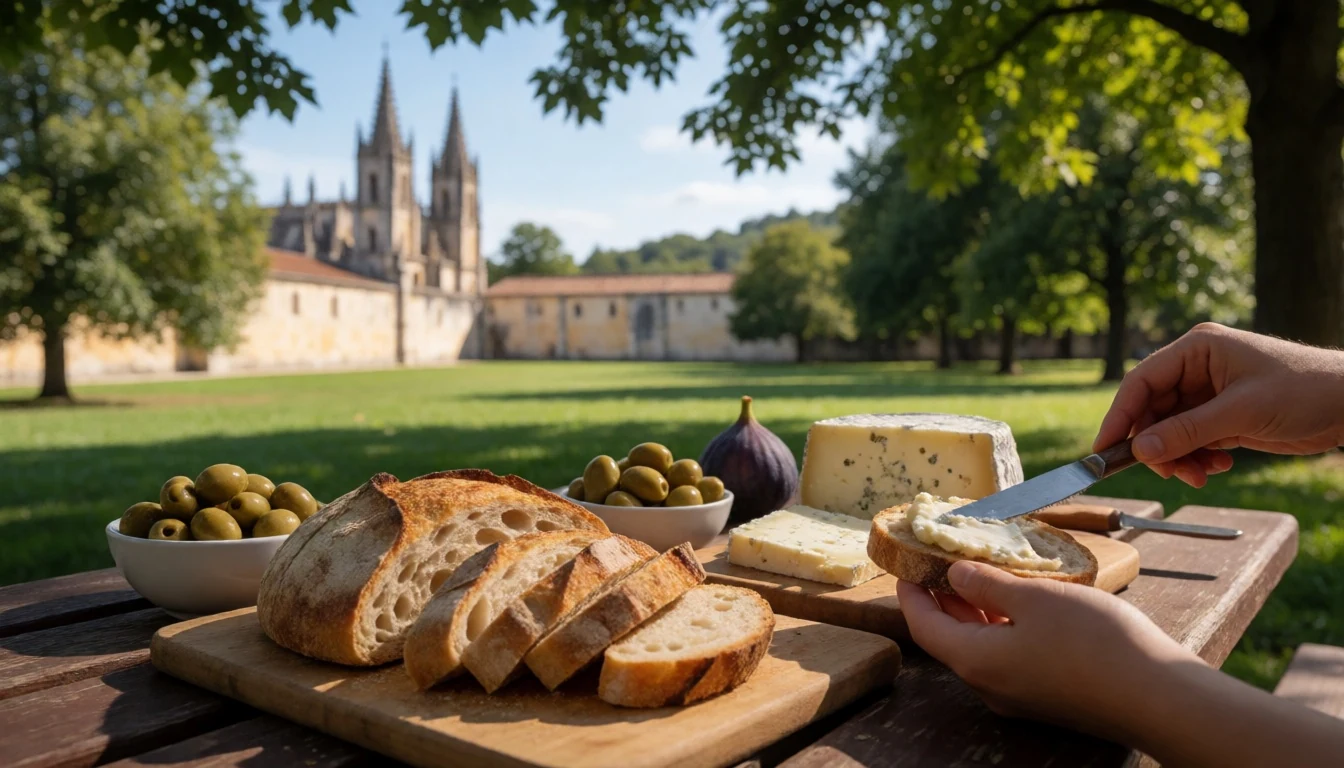
- Seasonal vegetable sides — Local restaurants around Batalha and nearby towns
In central Portugal, simple vegetable sides often accompany heavier mains. Look for seasonal preparations—roasted or stewed—so you balance the richness of meat dishes while staying with local flavours. - Seasonal fruit & pastries — Local bakeries and snack counters in Batalha
After sightseeing, a pastry and fruit-style snack is a common way to recharge. It’s an easy, non-fussy option if you don’t want a full meal between the monastery and the next stop.
Plan it
Best time. May–August are the hottest months for walking around the monastery grounds; rain is heaviest in October–November (and also December), while summer is usually relatively dry (with June particularly low-rain compared with the autumn).
How long. 2–3
Getting there. Check the route options into Leiria or Fátima, then take the last leg by local transport to Batalha. By road, Batalha is served by the A19 connecting to A8 and IC9, and also by the EN1 (now also designated IC2).
Budget. mid
Tips
- Aim to arrive earlier in the day to beat tour-group rush around the main viewpoints.
- Keep an hour spare for the cloister and chapels—those are the areas where you’ll naturally slow down.
- Wear closed-toe shoes: you’ll be on stone surfaces and in and out of shaded areas.
- Carry water, especially in the hot months, and take breaks if you feel your pace dropping.
- Before you go, check the monastery’s official site for visitor information relevant to your travel dates.
Etiquette
- Keep voices low in interior religious spaces and follow any staff guidance on photography.
- Dress with modesty in mind, particularly around quieter worship areas.
- Be patient at the tightest photo spots—let groups move through before you step in.
Nearby
Sources
- Wikidata Q174779 (CC0)
- Wikipedia (Batalha Monastery) (CC BY-SA 4.0)
- Wikivoyage (Batalha) (CC BY-SA 4.0)
- Photo 01-batalha-september-2021-53.jpg (CC BY-SA 4.0)
