Algarve
Algarve, Portugal
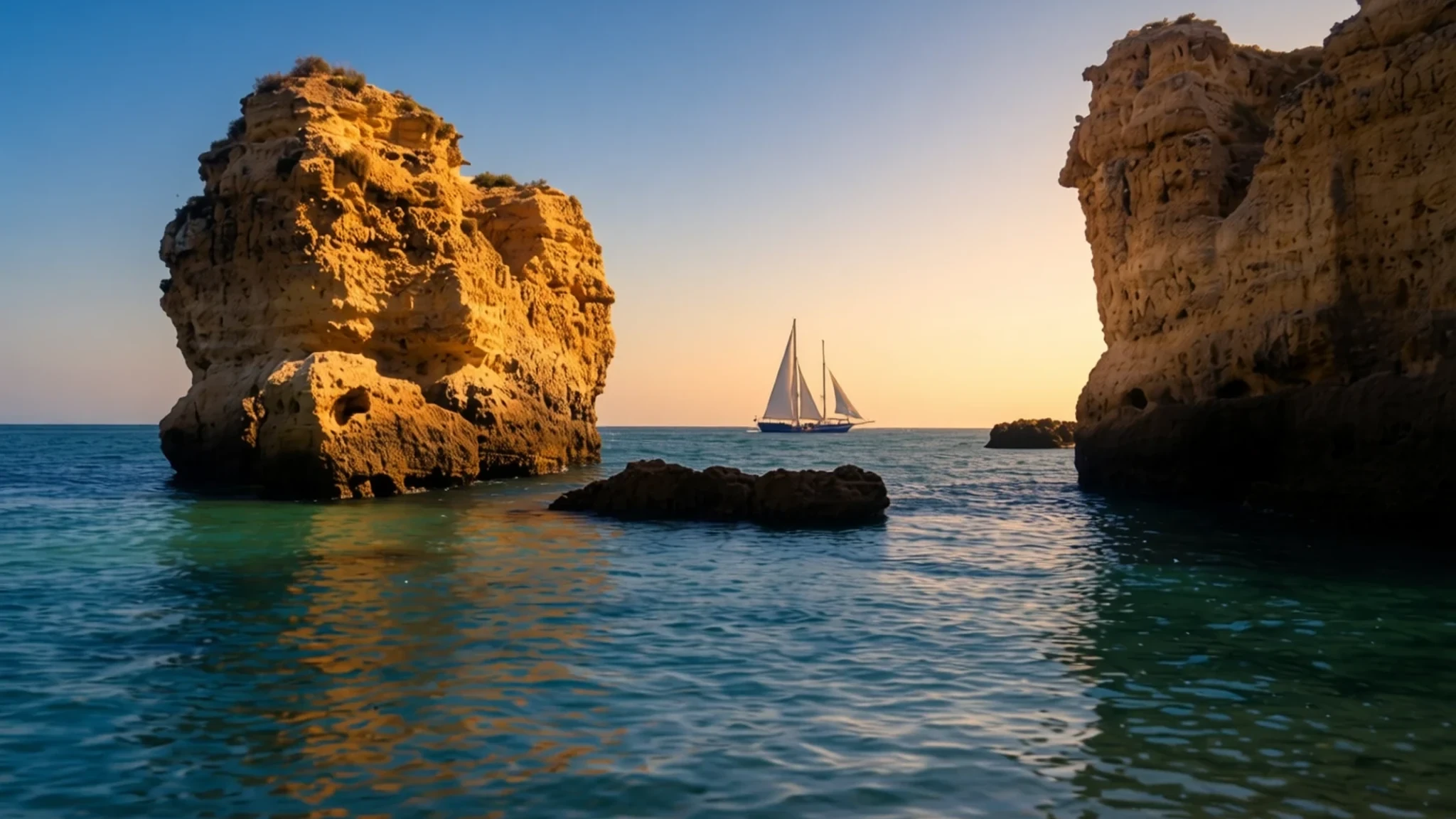
The Algarve offers dramatic golden cliffs, sheltered coves, lively coastal towns, and a rich culinary tradition warmed by southern Atlantic breezes.
The place
The Algarve forms the southernmost stretch of mainland Portugal, framed by the Atlantic ocean on its western and southern flanks. Administrative life centres on the coastal city of Faro, home to the region's main international gateway. Geographers divide the territory into two distinct halves: the rugged western Barlavento, known for wave-sculpted rock formations and dramatic overhangs, and the gentler eastern Sotavento, characterised by sandy barrier islands, shallow lagoons, and calmer waters. While urban centres hum with activity during the peak summer holiday season, rural areas retain a quieter rhythm defined by agriculture and fishing. Orchard farming yields sweet oranges, figs, plums, and carob pods alongside avocados and almonds. The coastal economy relies heavily on catches from the Atlantic, including sardines, octopus, and shellfish. Tourism drives a massive seasonal influx, multiplying the local headcount during the warmest months when travellers flock to the shorelines. Inland, rolling hills provide a cooler contrast to the sun-baked coast, dotted with whitewashed villages and cork oak forests that stretch toward the northern boundary.
Its story
The Algarve carries layers of history shaped by successive civilisations drawn to its strategic position on the edge of Europe. Long before Roman rule, Paleolithic and Neolithic communities left their mark across the landscape through megalithic stone monuments and burial sites found in areas such as Vila do Bispo and Lagos. Around the year one thousand BC, Phoenician traders established coastal ports, followed later by Carthaginian sailors who named settlements along the shoreline. Ancient Greek and Latin writers referred to the territory as Cyneticum, inhabited by early groups whose origins remain a subject of academic debate. Subsequent centuries brought Roman conquerors, whose administrative and agricultural hubs left substantial ruins complete with mosaic floors and bath complexes. Following the fall of Rome, Visigothic governance preceded a lengthy period of Islamic rule that profoundly influenced local architecture, agricultural irrigation techniques, and urban layouts. The Christian Reconquista eventually brought the region under the Portuguese crown, permanently integrating southern traditions into the wider national identity while preserving the distinct architectural legacy of whitewashed chimneys and tiled courtyards.
What to see
- Benagil Cave — Lagoa
Benagil Cave, located along the shoreline in Lagoa, stands out as one of the region's most famous natural marine sights. A circular opening in the vaulted ceiling lets sunlight stream down onto a secluded sand beach inside the rocky dome, accessible only by water.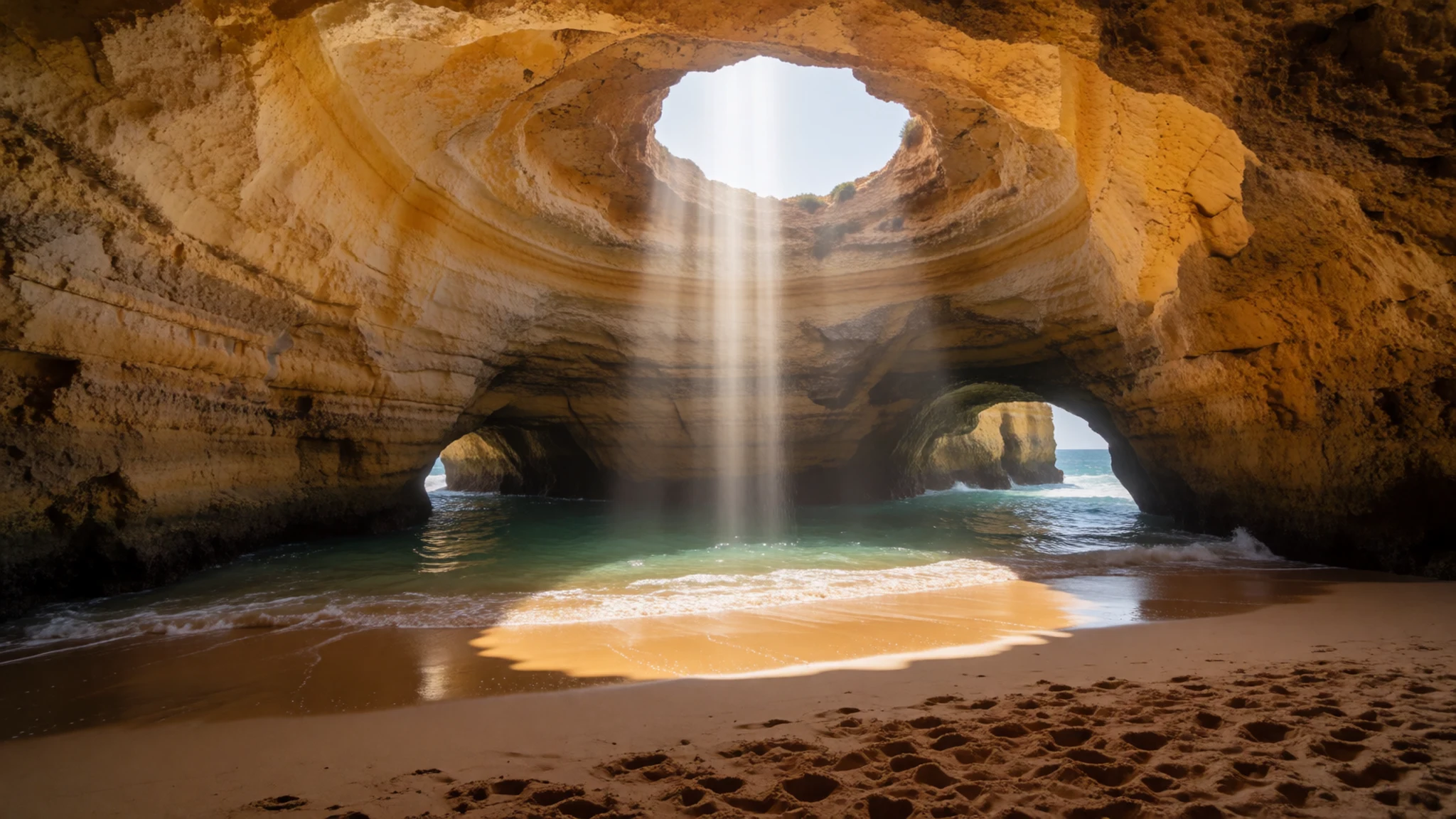
- Ria Formosa Natural Park — Faro
Ria Formosa Natural Park near Faro protects a labyrinth of saltwater lagoons, barrier islands, and tidal marshes that stretch along the eastern coast. This protected wetland serves as a vital resting stop for migratory birds and supports traditional shellfish gathering.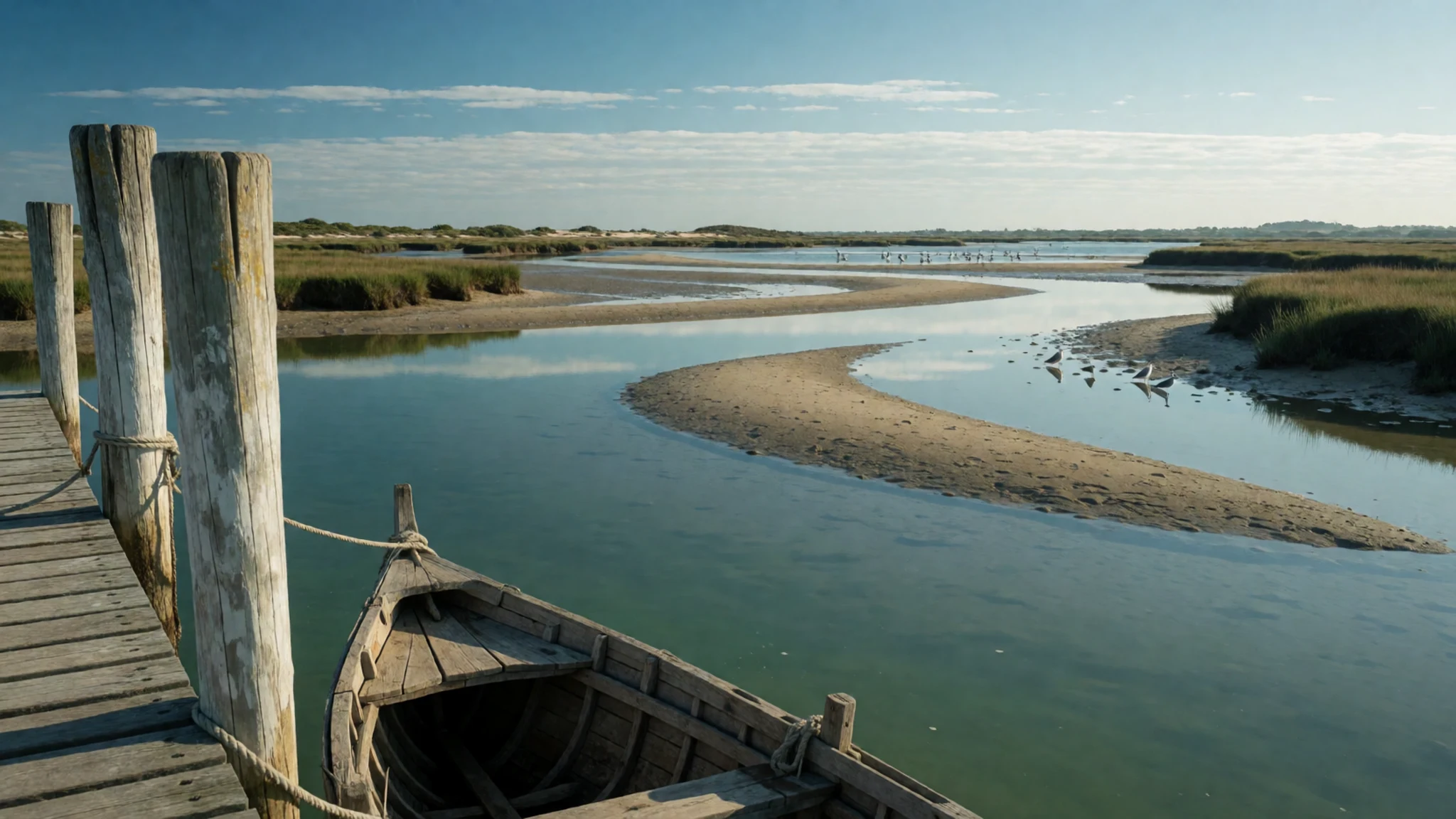
- Cape St. Vincent — Sagres
Cape St. Vincent near Sagres marks the dramatic southwestern corner of continental Europe where sheer cliffs drop precipitously into turbulent Atlantic waters. A historic lighthouse stands guard over the windswept headland, once considered by ancient mariners to be the edge of the world.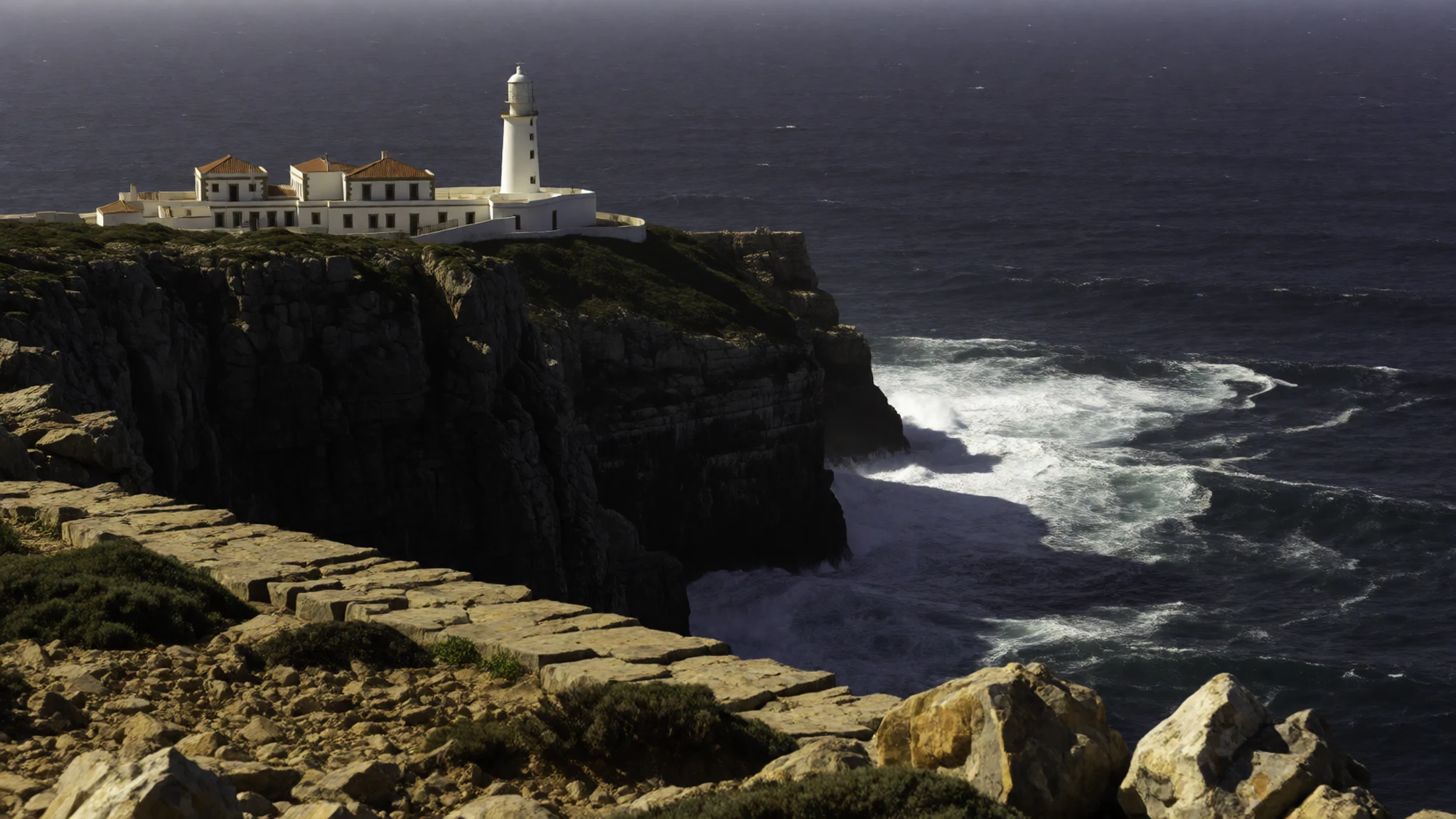
- Monchique Mountains — Monchique
Monchique Mountains rise green and forested behind the coast, offering a cooler highland retreat from the bustling beaches below. Winding roads lead up through eucalyptus and pine trees to panoramic viewpoints overlooking the entire southern coast of the region.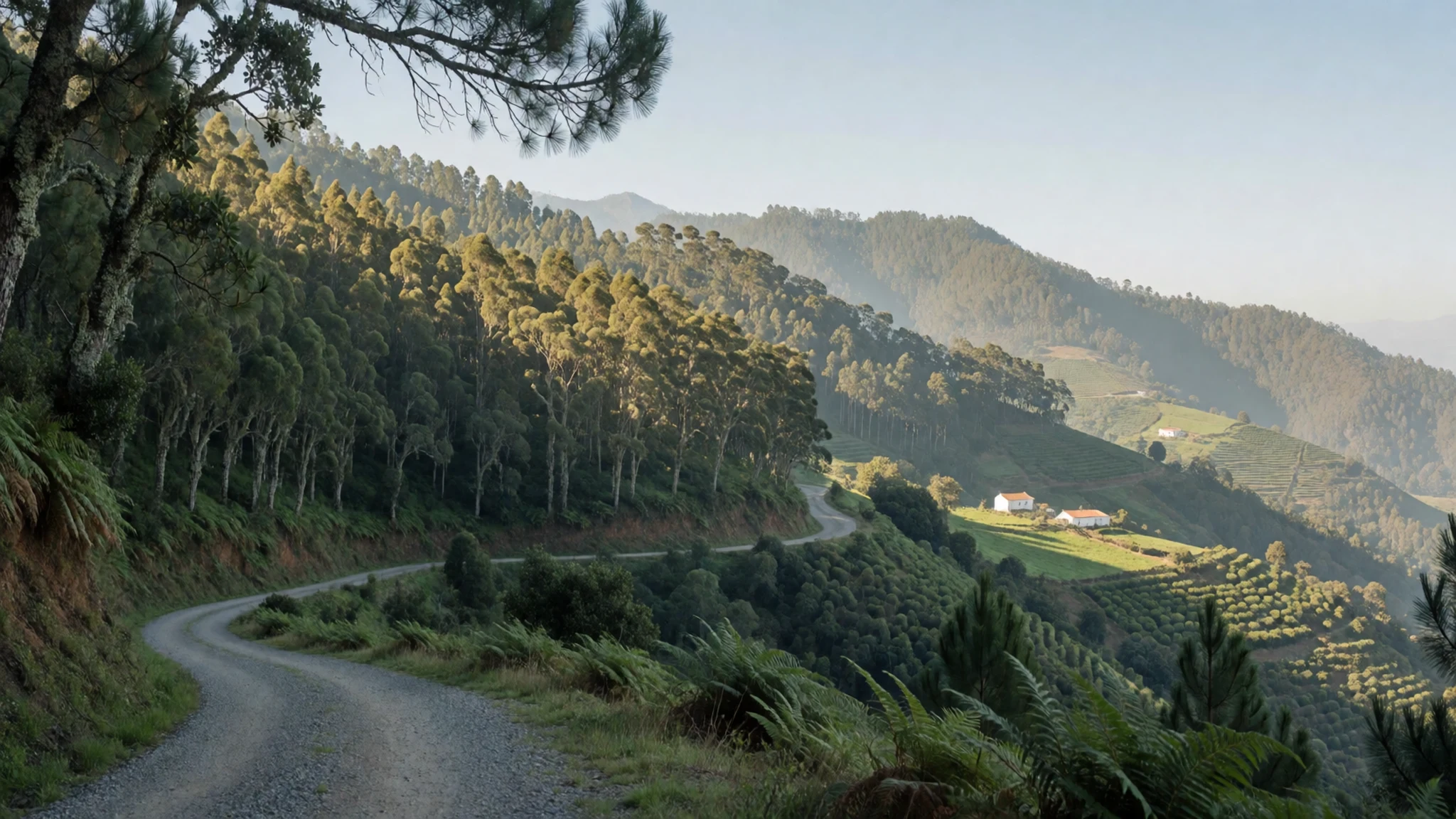
- Via Algarviana — Interior Algarve
Via Algarviana provides a long-distance walking path that traverses the interior hills from Alcoutim on the eastern border down to Cape St. Vincent in the far west. Waymarked trails lead hikers through quiet valleys, cork oak forests, and traditional agricultural hamlets.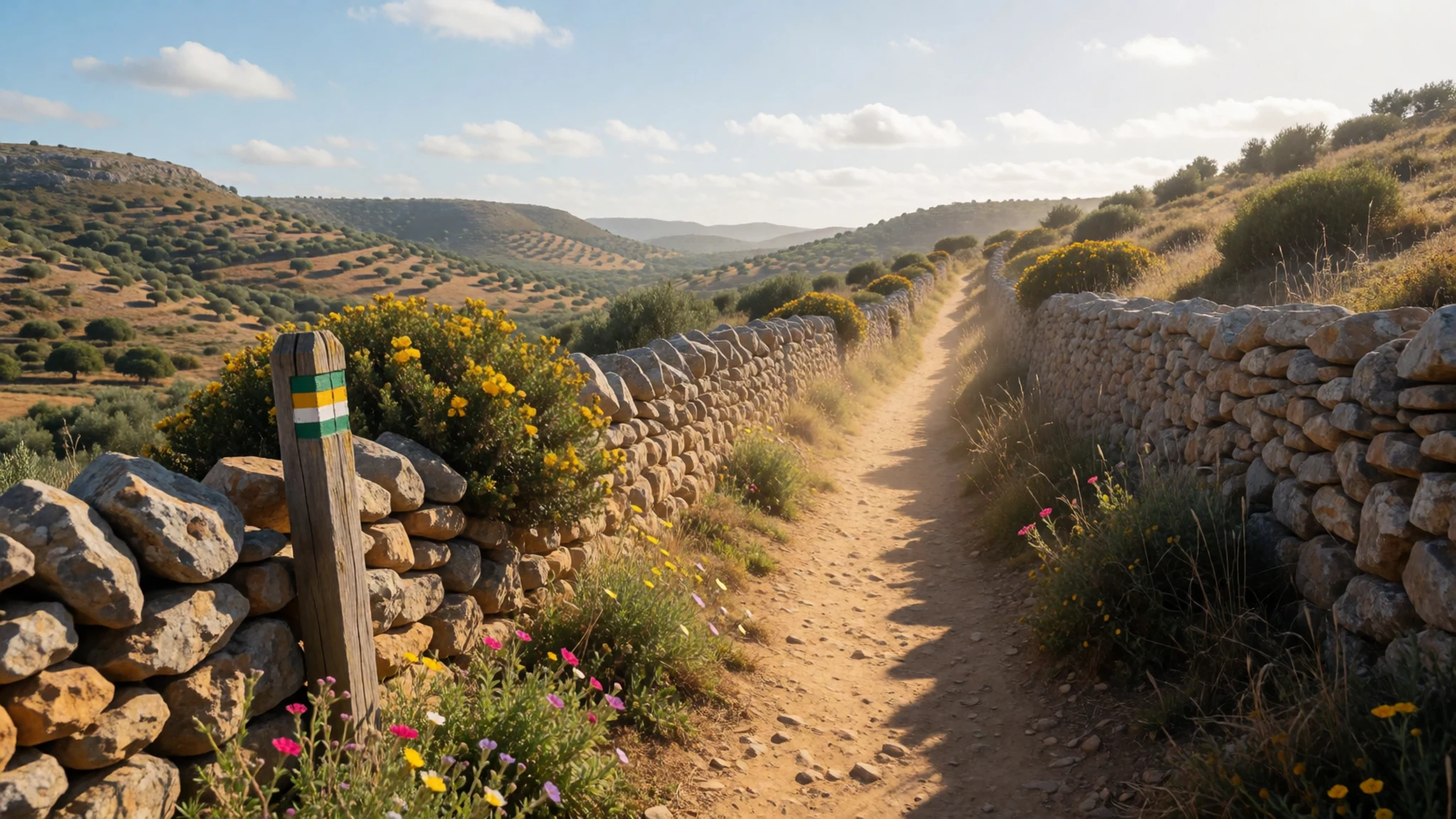
Culture
The Algarve preserves a multifaceted ethnographic heritage forged by centuries of interaction between indigenous populations and Mediterranean or North African settlers. Traditional craftspeople continue to weave baskets from palm fronds, hammer intricate copper cookware, and paint decorative ceramics with cobalt blue patterns inherited from centuries past. Festivities throughout the year celebrate local saints, agricultural harvests, and maritime traditions with street processions, folk music, and communal outdoor dining. Historical sites such as Roman villas and medieval castle walls are carefully interpreted through dedicated visitor centres, allowing travellers to explore the deep roots of the local community. Visitors should always greet shopkeepers and servers with a polite polite morning or afternoon greeting before starting any conversation.
What to wear
Traditional attire in the Algarve historically reflected the practical needs of agricultural workers and coastal fishers, featuring heavy woollen capes for winter chill, wide-brimmed straw hats for sun protection, and embroidered linen shirts. Traditional festive wear showcased vibrant local needlework and colourful skirts worn during regional folk dances and village fairs. Today, daily dressing across the region is casual, light, and practical, favouring breathable cottons, linen shirts, denim, and comfortable sandals suited to warm weather and coastal breezes. For a trip to the Algarve, travellers should pack lightweight layers, swimwear, sunglasses, and sturdy walking shoes or trainers for exploring uneven cliff paths and cobbled town streets. While beachwear is standard by the shore, visitors should wear cover-ups and smart-casual clothing when entering town restaurants, churches, or traditional inland villages out of respect for local norms.
What to eat
- Piri Piri Chicken — Local grills and chicken houses throughout the region
Piri Piri Chicken is a famous regional speciality featuring roasted poultry marinated in fiery chilli oil, garlic, and local spices. It can be found sizzling in neighbourhood grills and casual eateries across every municipality.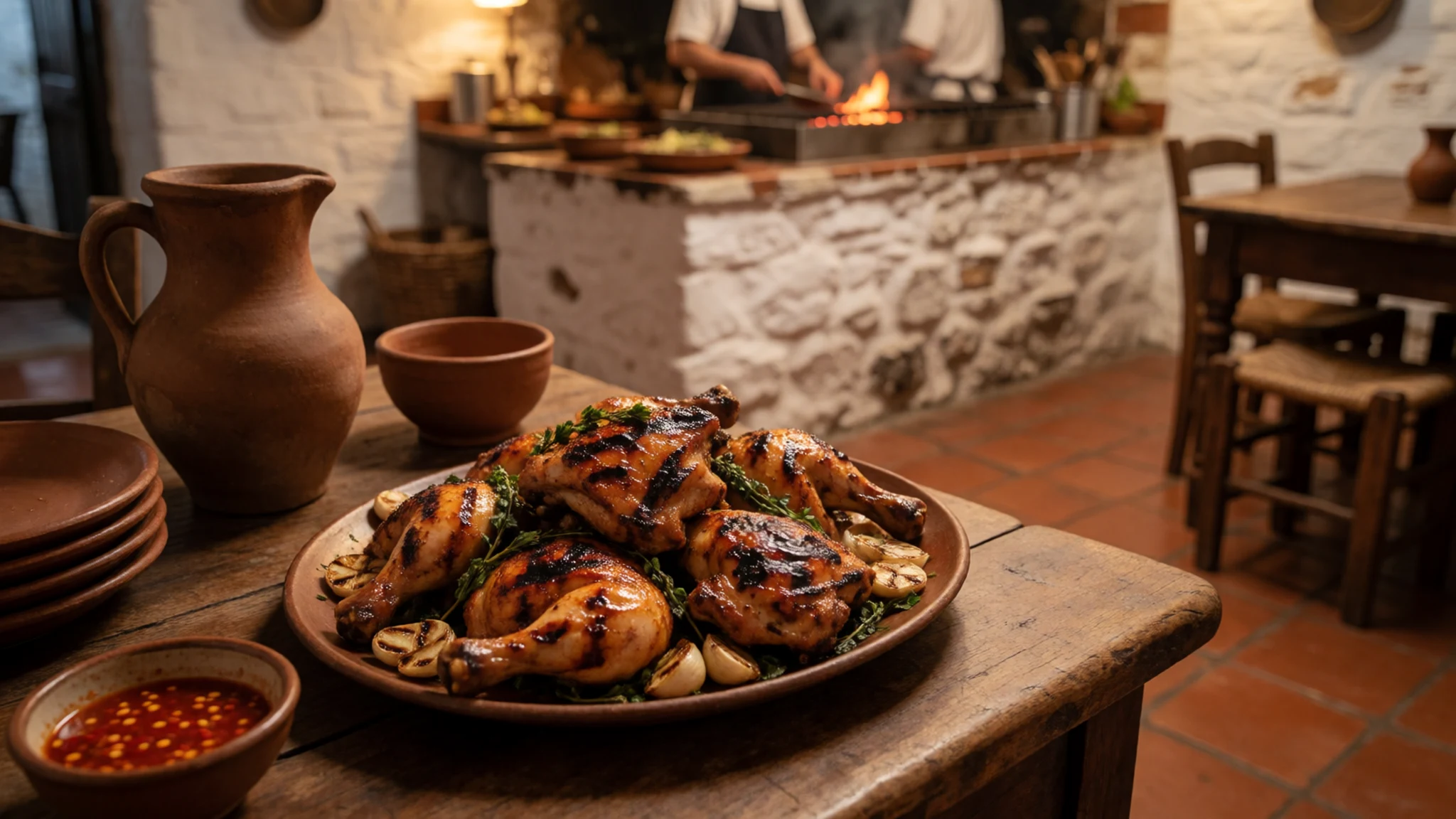
- Cataplana de Marisco — Seafood taverns along the coast
Cataplana de Marisco is a rich seafood stew named after the hinged copper cooking vessel used to steam fish, prawns, and clams with tomatoes and herbs. It is served fresh in coastal seafood taverns.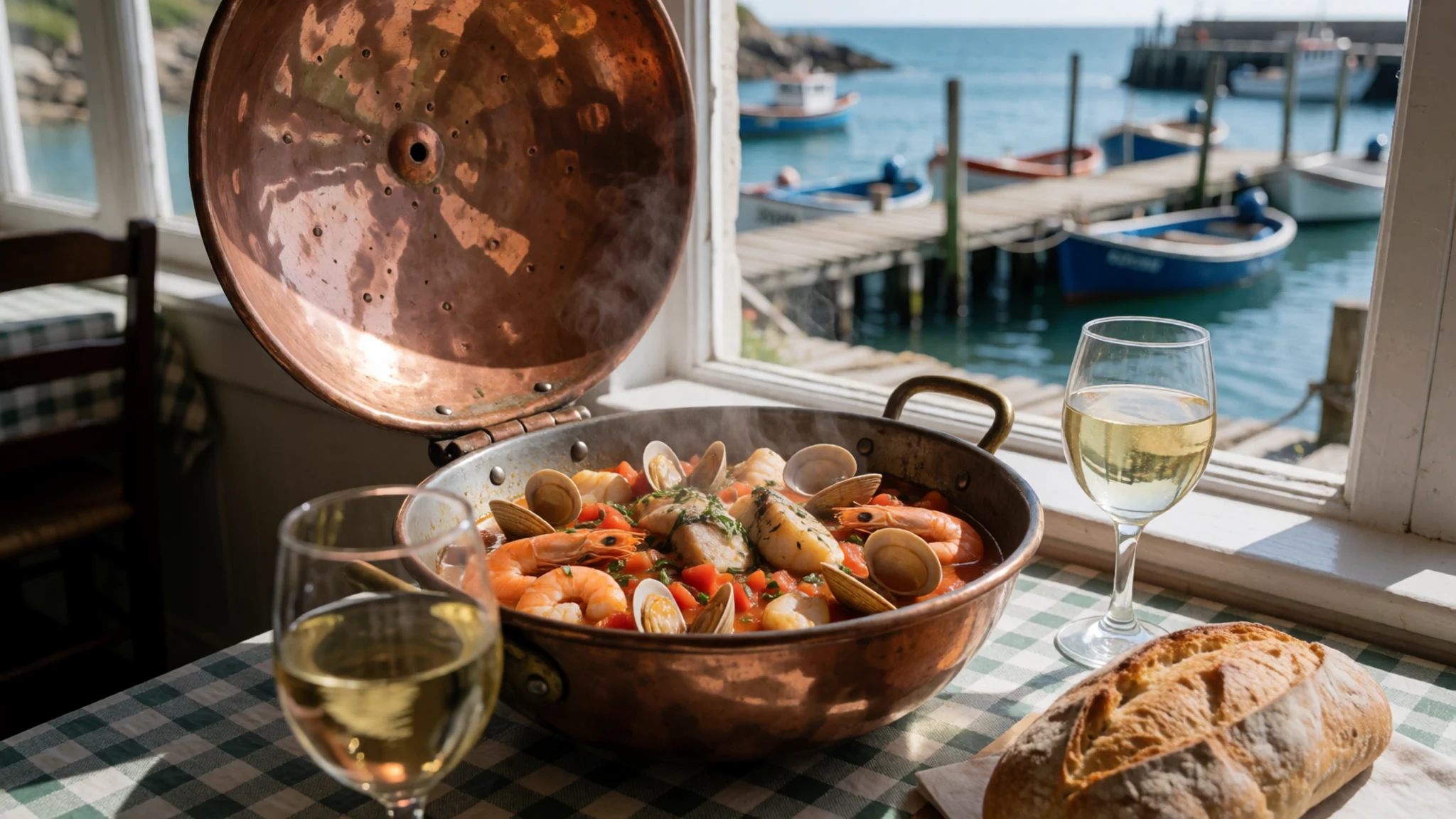
- Grilled Sardines — Harbourfront eateries and summer street stalls
Grilled Sardines are a simple coastal staple caught fresh from the Atlantic, seasoned simply with coarse sea salt, and charred over open charcoal grills. They are traditionally eaten at harbourfront snack bars and summer street festivals. - Medronho Brandy — Inland village tascas and mountain destilarias
Medronho is a potent traditional fruit brandy distilled from the fermented berries of the strawberry tree that grows wild in the interior hills. It is served as a digestif in rural taverns and family-run country bars. - Almonds and Fig Sweets — Traditional pastelarias and municipal markets
Almonds and fig sweets are traditional confectionery items combining locally harvested dried fruits, honey, and cinnamon into dense, decorative cakes and moulded treats. They are sold in historic town bakeries and municipal markets.
Plan it
Best time. March and April offer mild weather and fewer crowds, while May, September, and October run close to midsummer heat, though holiday congestion is lighter.
How long. 4–5
Getting there. Fly into Faro Airport, then take a local bus or taxi to the central train station or hire a car to explore the coast.
Budget. mid
Tips
- Hire a car to easily reach hidden coves and secluded hill villages
- Book popular boat tours to sea caves well in advance during summer
- Carry some cash for small rural cafés and family-run bakeries
- Wear sturdy footwear when walking along sandstone cliff tops
Etiquette
- Greet shopkeepers and servers politely before making requests
- Dress respectfully with a cover-up when leaving the beach to enter towns
Nearby
Sources
- Wikidata Q26831 (CC0)
- Wikipedia (rev 1382591302) (CC BY-SA 4.0)
- Wikivoyage (rev 5252981) (CC BY-SA 4.0)