Corvo
Corvo, Portugal
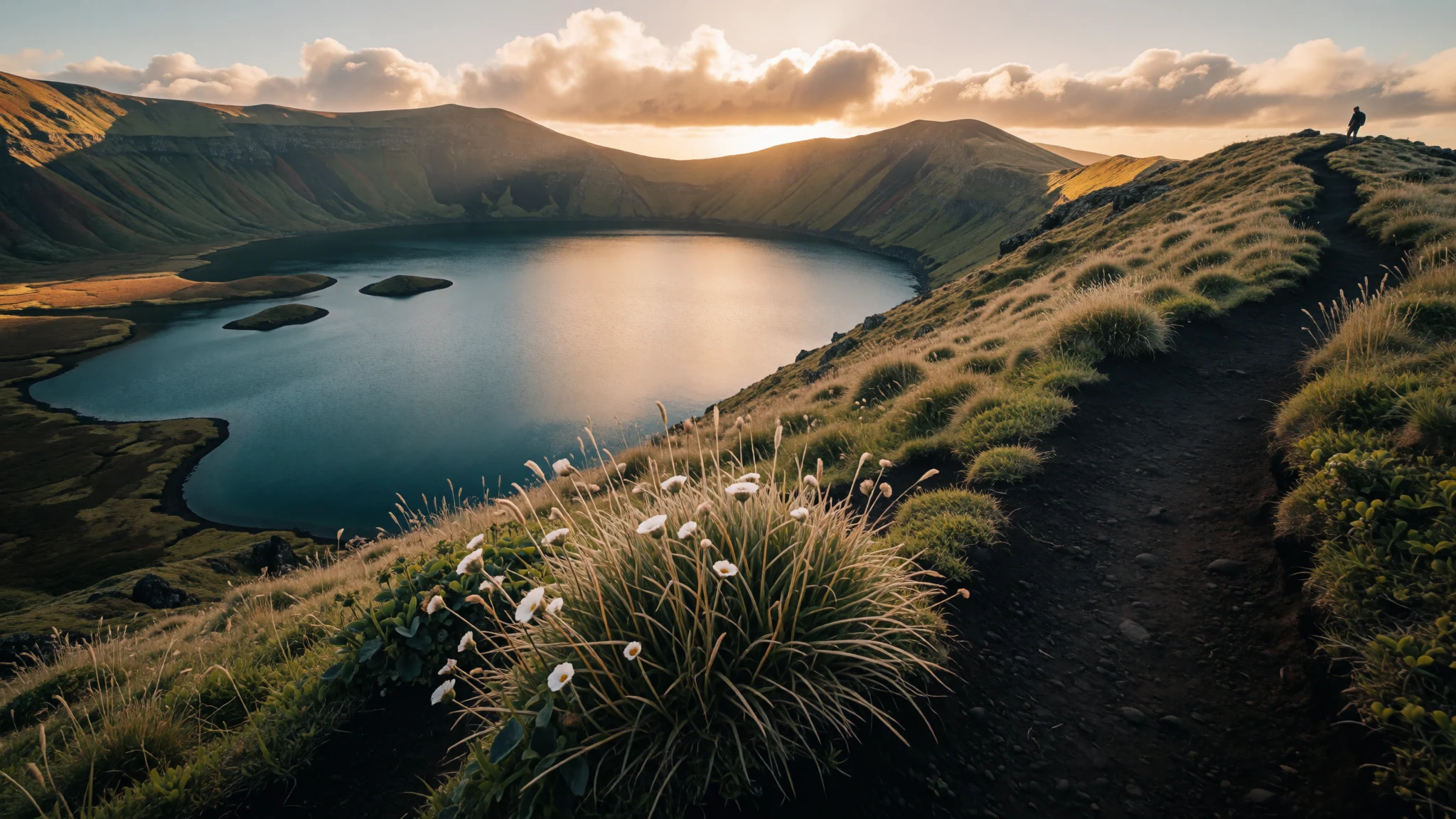
Corvo is a tiny Atlantic volcano with a crater lake, a single village and more birds than people, reached only by boat or small plane.
The place
Corvo is the northernmost and smallest island of the Azores, a Portuguese archipelago in the middle of the Atlantic. Its population in the facts block is 434, which makes it a single village, Vila do Corvo, tucked on a low shelf of land at the foot of steep green slopes. The name means crow in Portuguese. The island sits on the North American Plate, west of the Mid-Atlantic Ridge, and it is the top of a volcano that rose from the sea floor. Its centre collapsed long ago into a wide bowl called the Caldeirão, and inside that bowl are small lakes, peat bogs, little islets and low cones of volcanic cinder. The highest point, Morro dos Homens, rises to 718 m above the sea. Climate matters more here than almost anywhere. The Gulf Stream keeps the island mild and very humid all year, and the wind rarely drops. Fog sits on the high ground for much of the time, and rain falls far more heavily on the summit than at the coast. The average temperature in the village is about 17.5 °C, with gentle winters and warm but never hot summers. Corvo is a place for walking, birdwatching and quiet. There is one beach, a handful of eateries, a small airfield and a lot of weather. Visitors usually stay on neighbouring Flores and come across for the day.
Its story
Corvo's early history is a tangle of old maps and guesses. Medieval charts from the fourteenth century show an island of the marine crow, a name that in Portuguese means cormorant, among a group of islands in the Atlantic. Historians doubt it was Corvo itself, though the name may have started there, perhaps for Corvo and its neighbour Flores together. The Portuguese navigator Diogo de Teive is credited with finding both islands in 1452, on his way home from the fishing banks off Newfoundland. The royal chronicles add a strange detail. They say he found a statue of a man on a horse, standing on a plinth with writing no one could read. Someone tried to carry it back to Portugal and it was broken in the attempt. A hoard of coins said to have been dug up in 1749 fed theories that ancient seafarers, even Carthaginians, had reached the island long before. Nothing has proved it, and the tale lives on as local legend rather than established fact. The geology is better documented. The volcano grew from the sea floor, reached perhaps a kilometre in height, and then collapsed in a huge eruption into the crater that visitors walk to today. The island's stories and its rock are both about things that rose and fell.
What to see
- Caldeirão crater and lake — Summit of the island
The collapsed heart of the volcano is a bowl about two kilometres across and 300 m deep, holding small lakes, peat bogs and islets. A road and a path climb from the village. Cloud often fills it, so go on a clear morning and carry a windproof layer.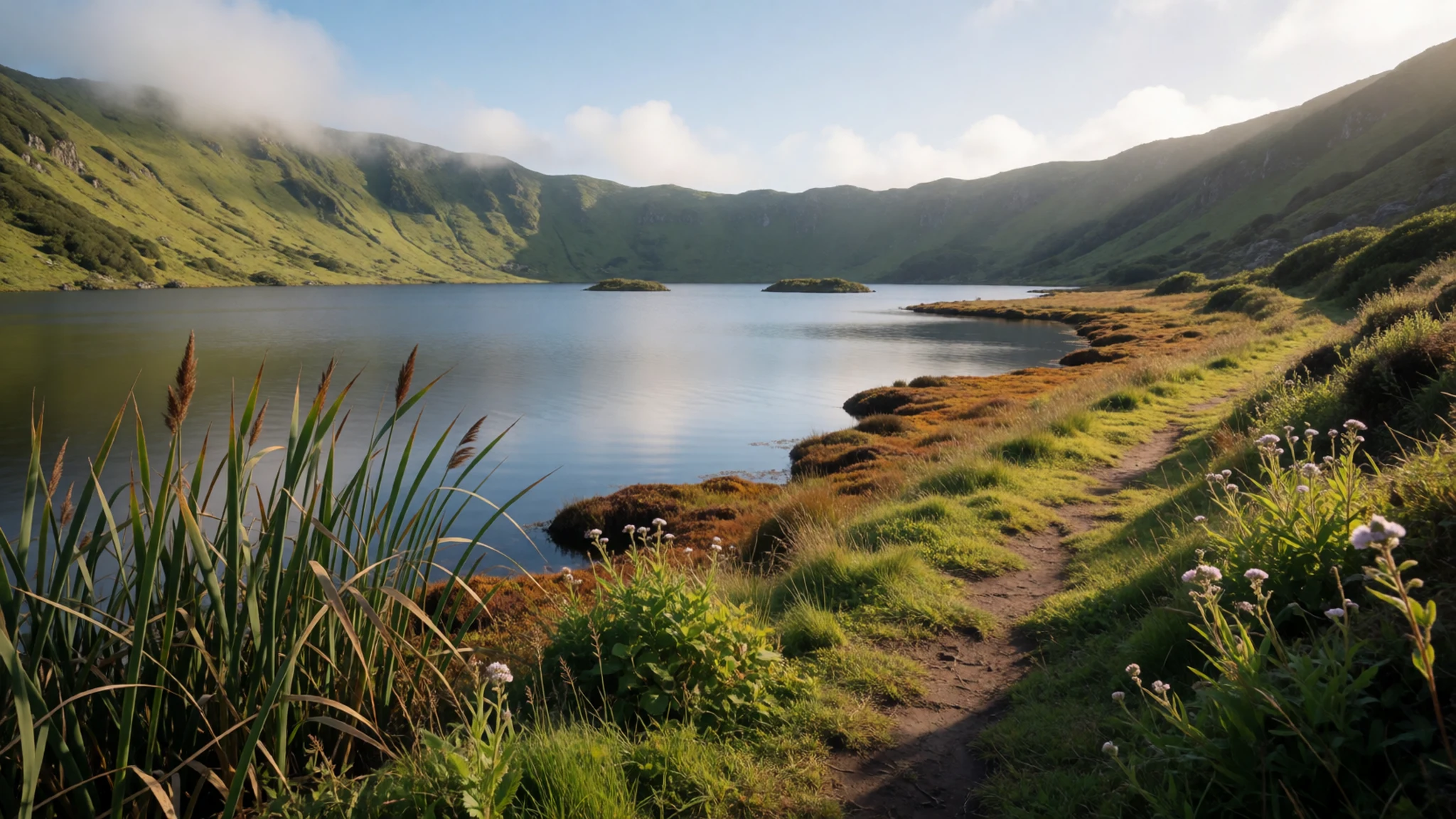
- Vila do Corvo — South of the island
The island's only settlement is a close huddle of stone houses and narrow lanes on the southern shelf of land. It is easy to see in an hour or two, and the pace of life is the attraction: boats at the harbour, washing on lines, and neighbours who all know each other.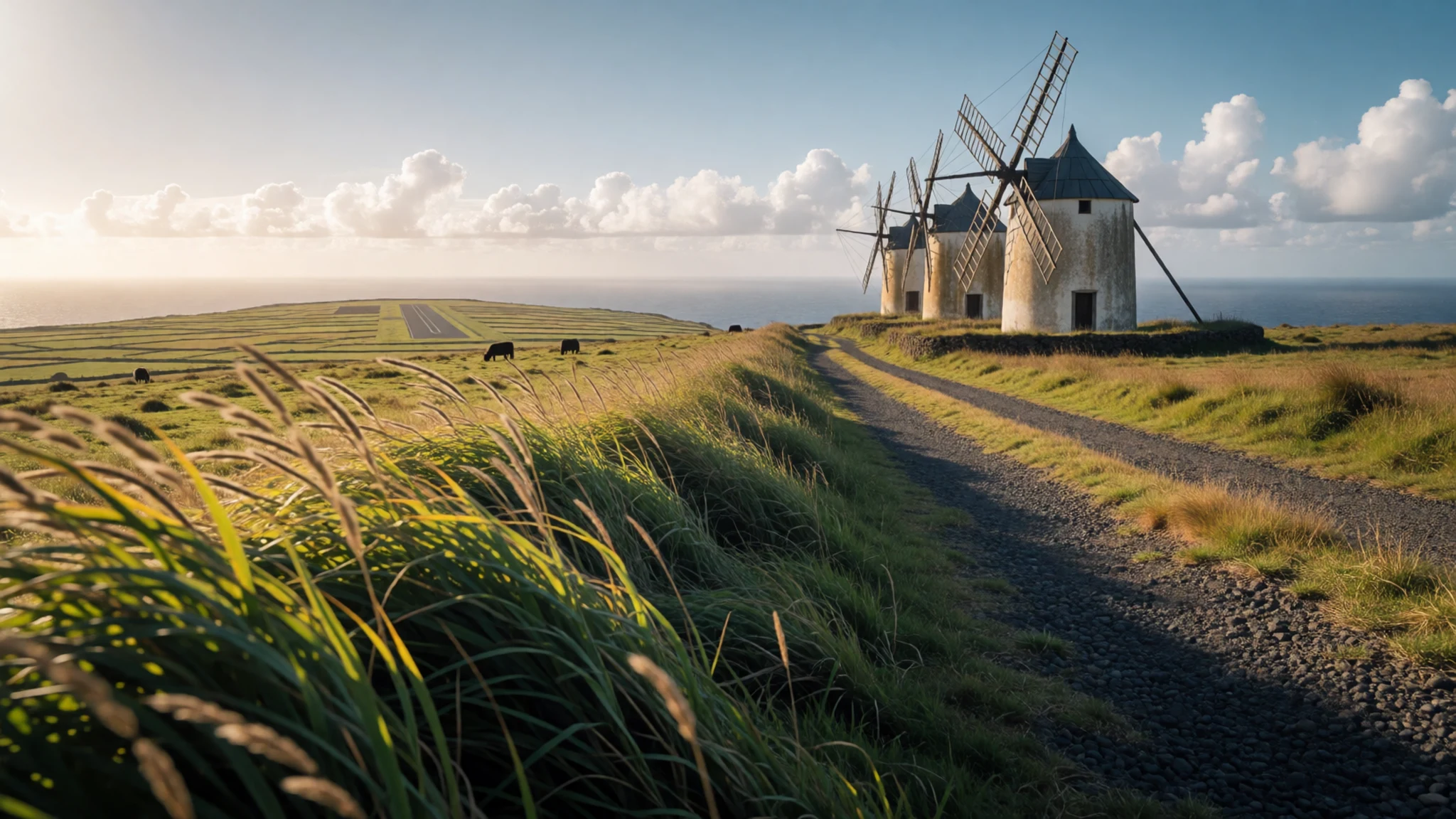
- Windmills and Ponta Negra lighthouse — Ponta Negra, southern tip
Three old windmills stand on a sloping patch of land at the southern tip, built in the late nineteenth or early twentieth century. A lighthouse from 1910 watches over the cliffs beside them. It is a short walk from the village and good for sunset.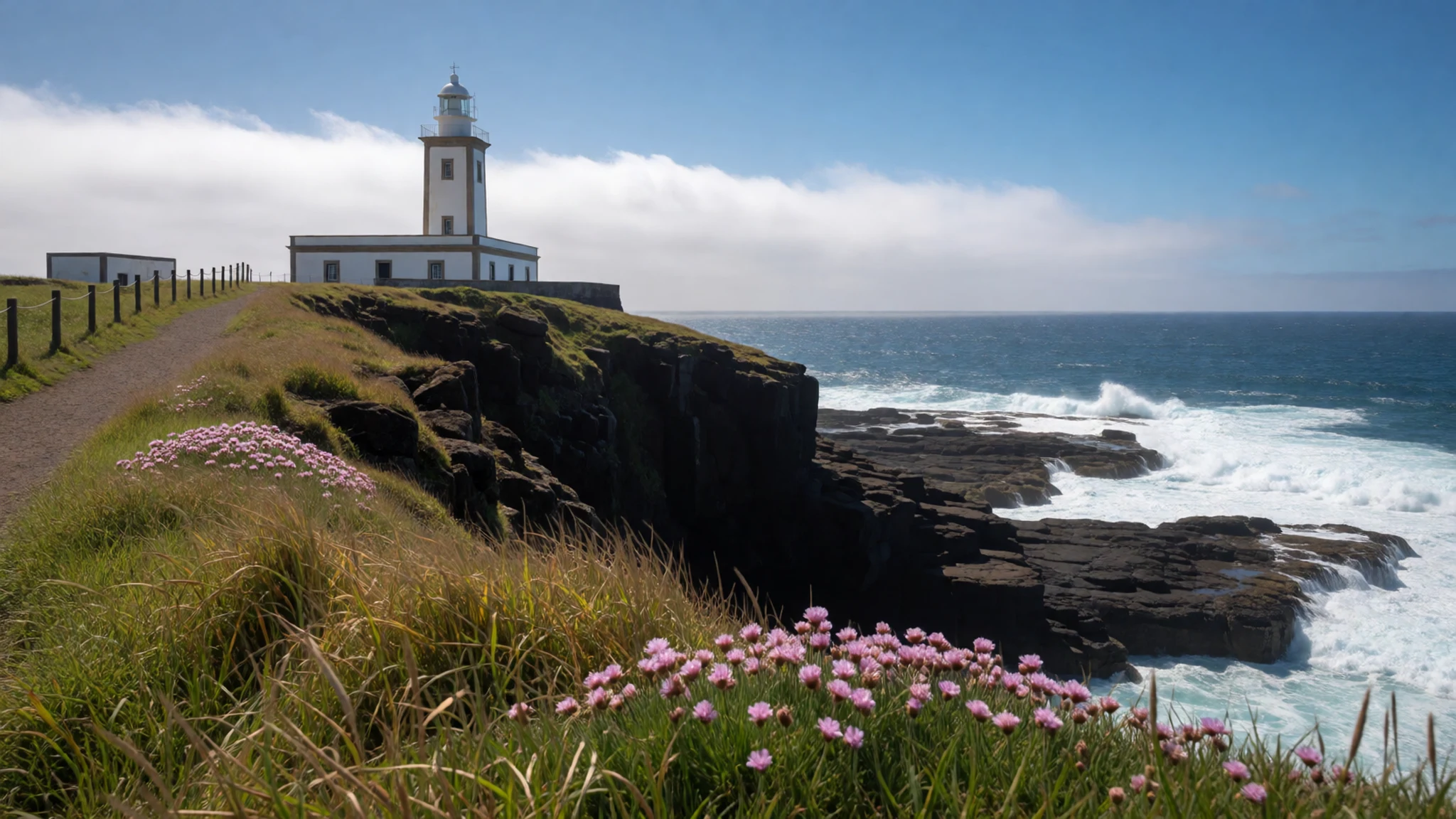
- Portinho da Areia — Near the airfield
The island's only beach is a small, sheltered cove close to the airfield and the campsite. Divers like it, and ordinary visitors can paddle and picnic. The Atlantic stays cool and can be rough, so check conditions locally before swimming.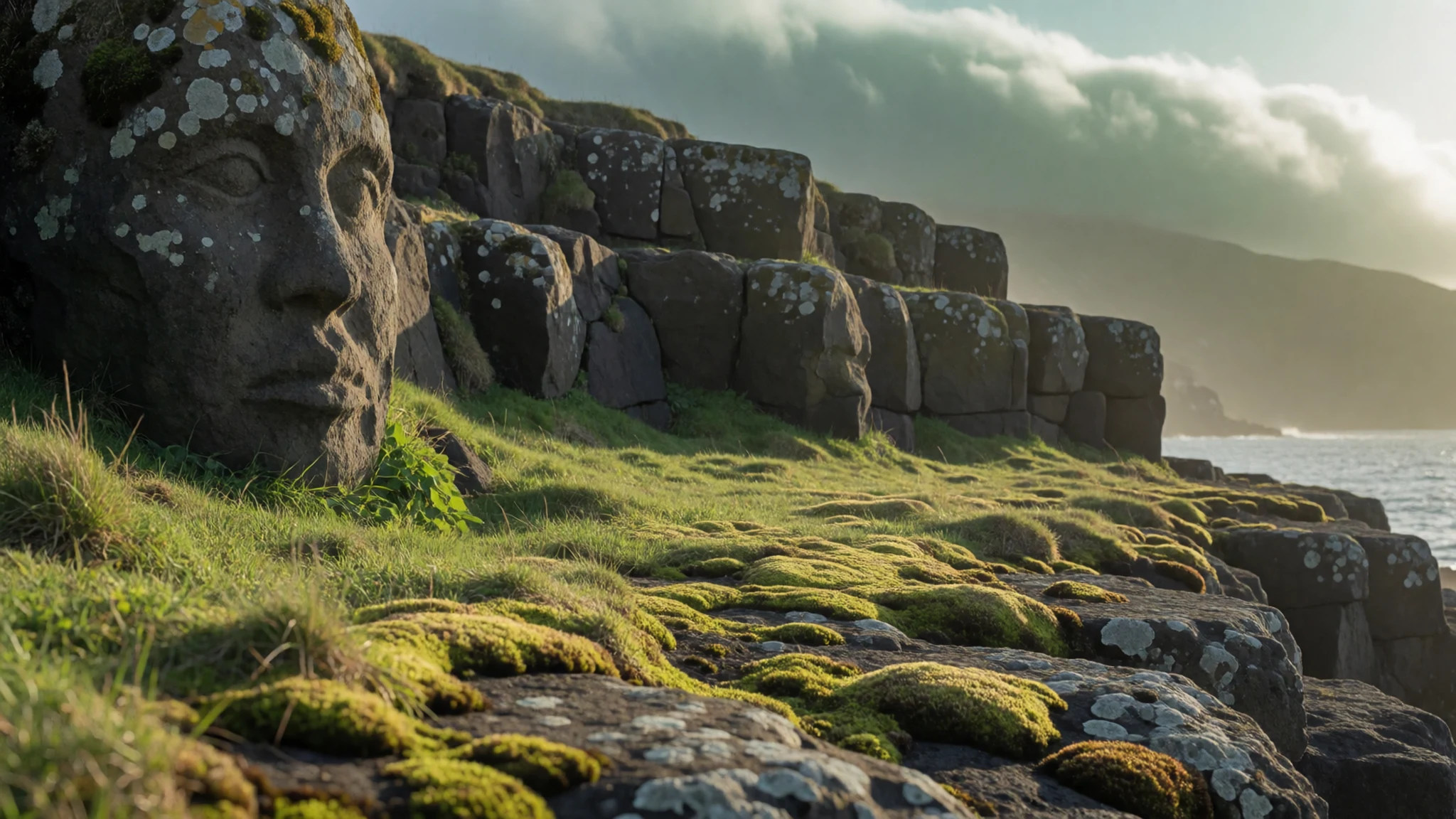
- Birdwatching on the coast — Coast and crater rim
Corvo is known to birders for seabirds such as Cory's shearwater, which fish offshore and nest on the island. Autumn can also bring vagrant birds blown across from North America. Bring binoculars, patience and a good waterproof jacket.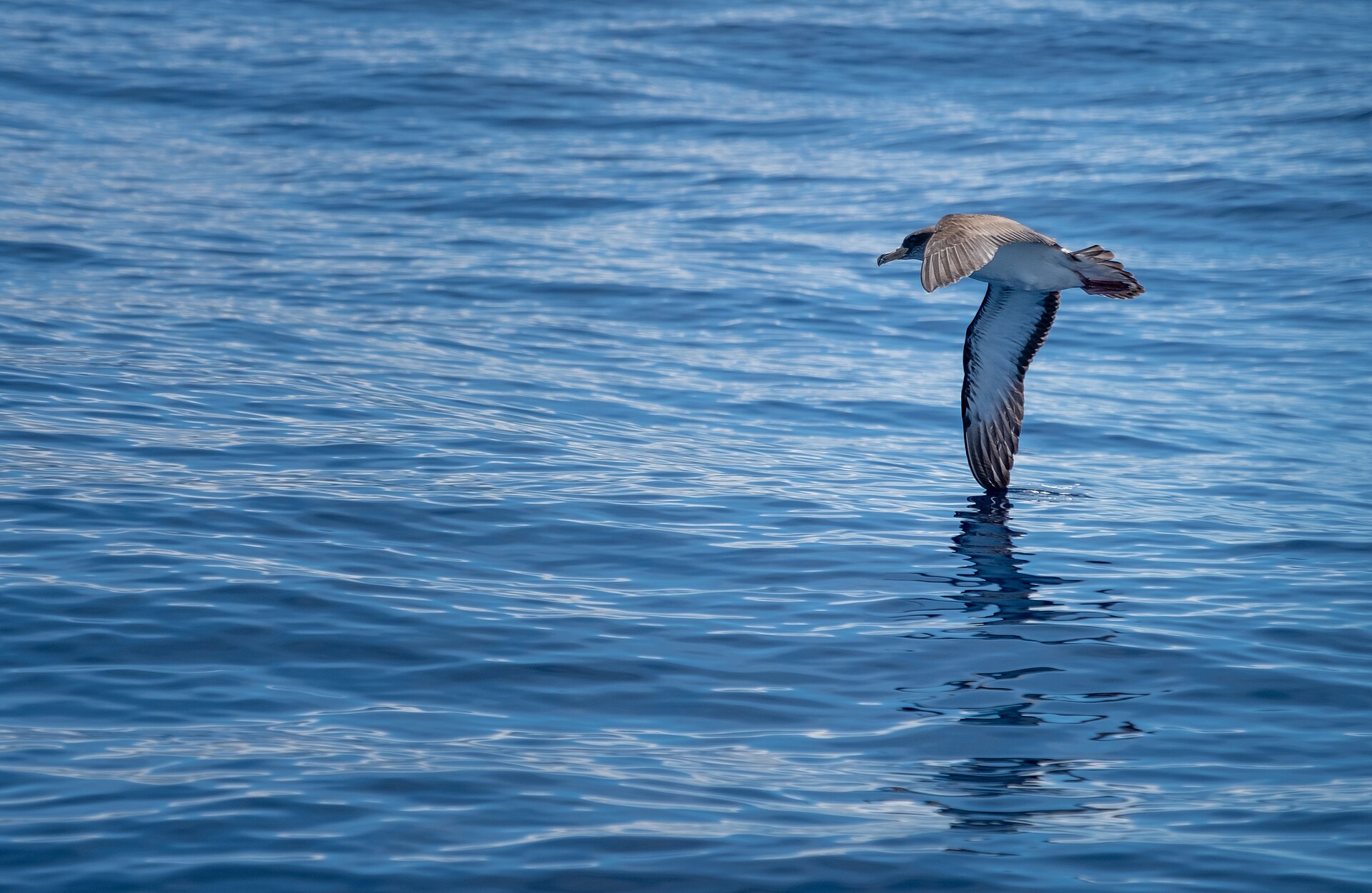
Culture
Corvo is a community of a few hundred people, and its culture is that of a small, closely knit Portuguese island. Life here has long depended on farming small plots, keeping cattle, fishing and the sea, and the village still runs on neighbourly habits rather than on shops and schedules. Portuguese is the everyday language, and a few words of greeting, bom dia in the morning and obrigado or obrigada for thanks, go a long way with people who see few visitors. The island belongs to the Azores, so its calendar follows Catholic feast days, and village festivals in summer bring families home from Flores, the mainland and abroad. Boats and the weather decide much of what happens, and plans change when the wind rises or fog closes the airfield. Islanders take that calmly, and visitors do better when they do the same. The island is also a protected landscape for wildlife, which shapes how people think about the crater, the cliffs and the nesting birds. Because everyone knows everyone, small courtesies are noticed. Greet people you pass on the lane, ask before photographing anyone, and do not hurry a conversation. Please keep to marked paths in the crater and near the cliffs, and never disturb nesting birds or leave rubbish behind.
What to wear
Corvo has no famous costume of its own to point to in this brief, and visitors should not expect one on the lanes. Traditional island dress in the Azores was practical work clothing: wool and heavy cotton, knitted caps and shawls, and sturdy boots for fields and boats. Wool mattered because the climate is damp and breezy all year. Today people on Corvo dress as most rural Portuguese do: jeans or work trousers, fleeces, waterproof jackets, rubber boots for the fields and trainers or sandals in town. Church on Sundays and feast days brings out smarter clothes, with neat shirts and dresses. A visitor should dress for weather rather than for show. The village averages about 17.5 °C, with mild winters and warm summers, but wind, drizzle and fog can arrive on any day, so bring layers: a light fleece, a proper waterproof shell and a hat that will not blow away. Walking in the crater needs shoes with grip, because paths turn muddy and slippery. Swimwear is fine at the beach but not in the village. If you step into a church, cover bare shoulders and avoid very short shorts. Sun cream and sunglasses are worth packing for clear spells, which can be bright.
What to eat
- Fresh local fish — Village eateries and the harbour
Fish landed at the harbour is the island's most dependable meal, usually grilled simply or cooked in a stew with potatoes. Ask what came in that day. It is as fresh as fish gets, and the choice depends on the sea.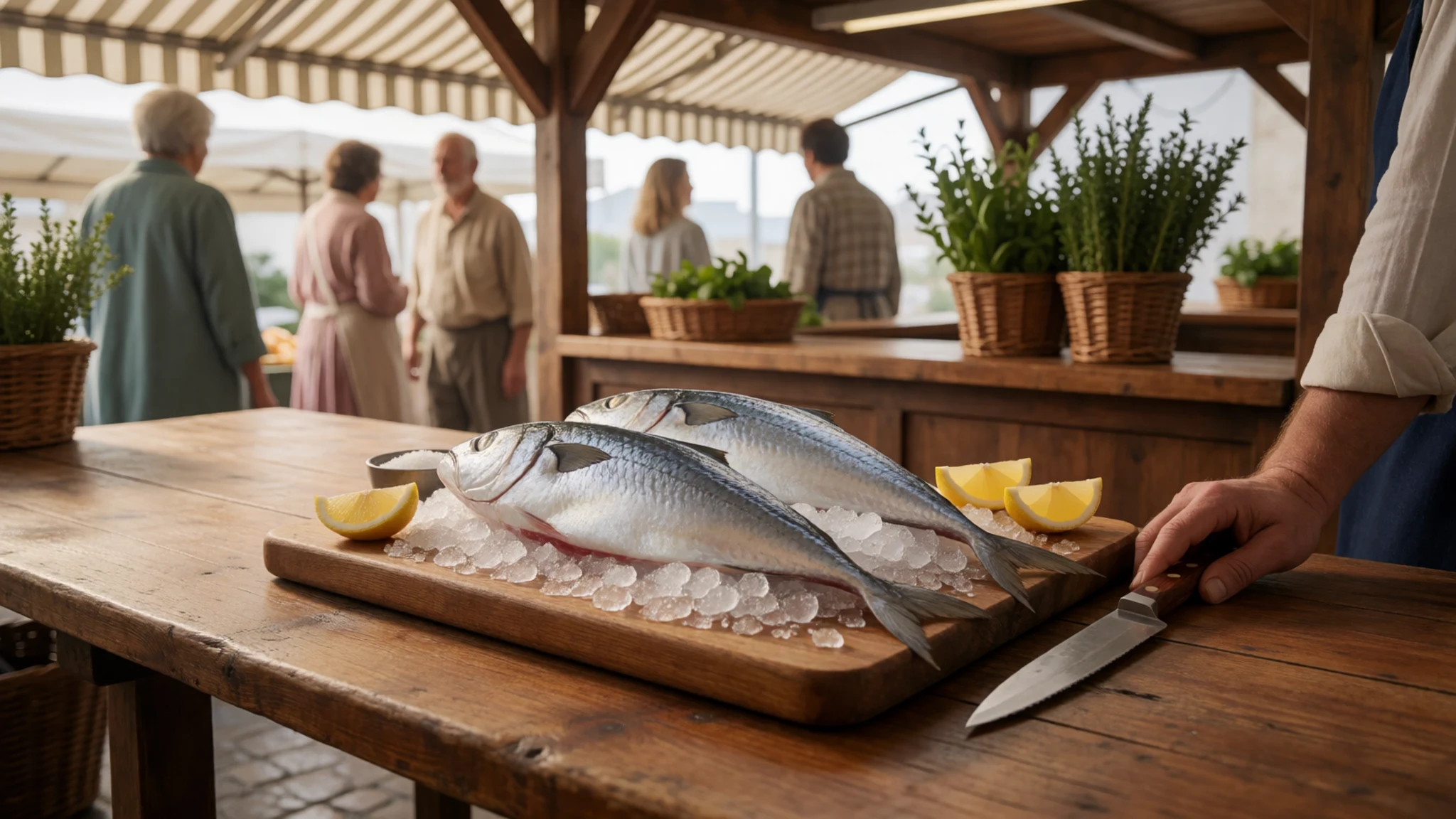
- Fish stew with potatoes — Village eateries and home kitchens
A Portuguese island stew built on the day's catch, simmered with potatoes, onion and herbs until the broth is rich. It suits cool, windy evenings and is typical home cooking rather than restaurant showpiece.
- Local meat — Village market and eateries
Beef and other meat come from the island's small farms, where cattle graze the green slopes. Expect it grilled or slow cooked with simple seasoning, served with potatoes or vegetables. Ask at the village market or eatery what is available that day. - Island wine — Village eateries and the local market
Locally made wine is part of Portuguese table culture, and the Azores produce their own with a distinct texture and smoothness. Try a glass with a meal rather than looking for a bottle to carry home, and ask the staff what is local. - Market ingredients — The village market
With so few places to eat, many visitors buy fish, meat, wine and spices at the local market and cook for themselves. If your accommodation has a kitchen, this is the best way to taste the island's produce.
Plan it
Best time. June to September for the mildest weather: summers are warm at around 22 °C on average, and the walk to the crater is more likely to be clear. Winters are mild but wetter and windier, and fog is common at height all year.
How long. 1–2
Getting there. Corvo can only be reached by boat from Flores or by plane to Flores or Horta, with the final leg by sea or the small airfield. Check ferry and flight times with the official operators, because weather can cancel them, and many visitors stay on Flores.
Budget. mid
Tips
- Check boat and flight times before you travel, and keep a spare day in case weather disrupts them
- Carry a waterproof jacket and layers, as wind and fog can arrive in any month
- Bring cash and food supplies, as the island has few places to eat and shop
- Go to the crater early on a clear morning before cloud builds
Etiquette
- Greet people on the lanes and ask before photographing anyone
- Stay on marked paths in the crater and near cliffs, and do not disturb nesting birds
Nearby
Sources
- Wikidata Q954488 (CC0)
- Wikipedia: Corvo Island (rev 1364037390) (CC BY-SA 4.0)
- Wikivoyage: Corvo (rev 5248468) (CC BY-SA 4.0)
- Photo 01-sat-corvo.jpg, NASA (Public domain)
- Photo 02-azoren-corvo.jpg, Dreizung (Public domain)
- Photo 03-corvo-pos.png, Varp (Public domain)
- Photo 04, Luissilveira (CC BY 3.0)
- Photo 05, Luissilveira (CC BY 3.0)
- Photo 06, Angrense (Public domain)
- Photo 07, Jules Verne Times Two (CC BY-SA 4.0)
- Photo 08, Jules Verne Times Two (CC BY-SA 4.0)


