Faial
Faial, Portugal
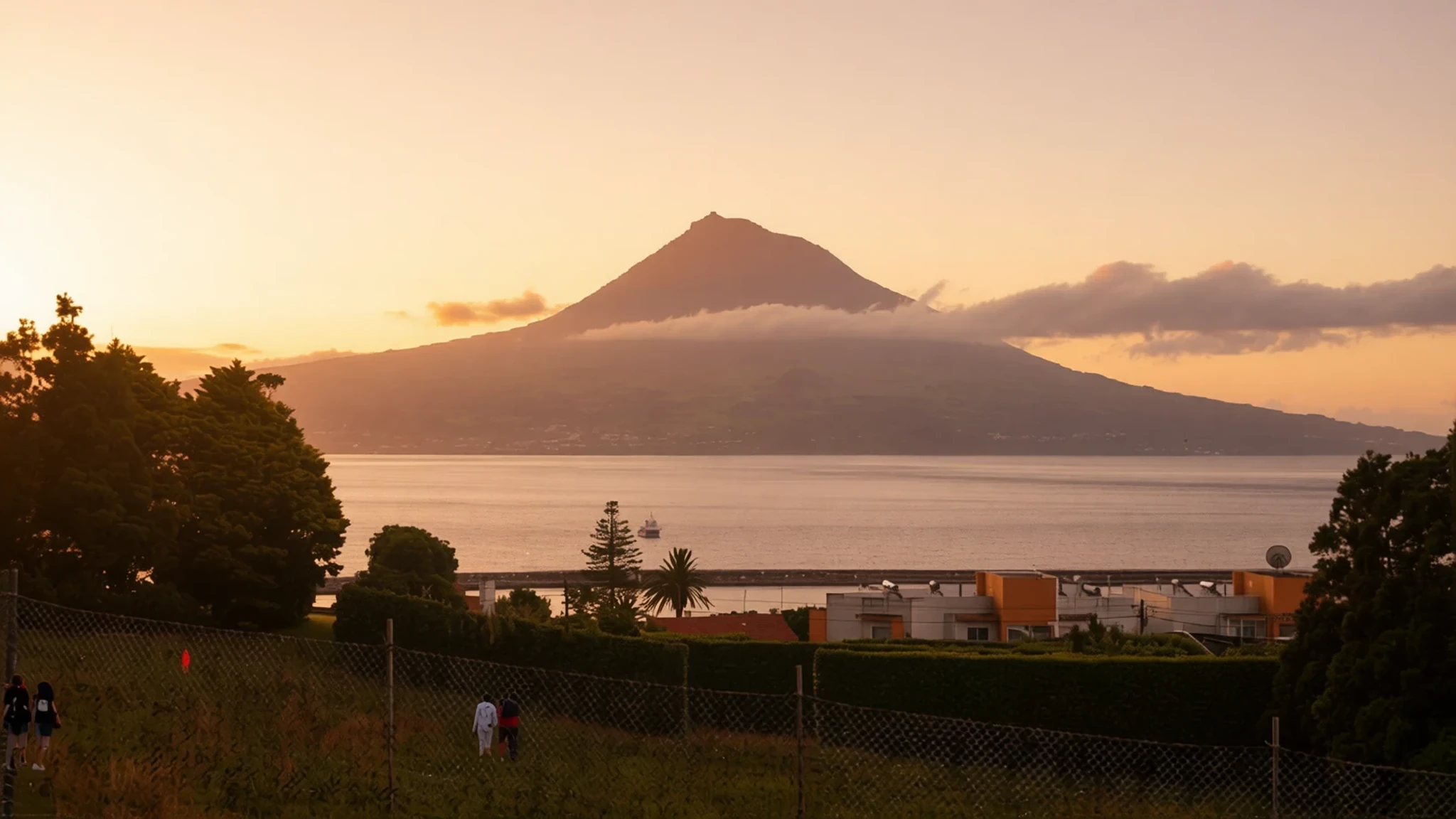
Faial is a small volcanic island of hydrangea lanes, a vast crater and a yacht harbour where Atlantic sailors leave their paintings.
The place
Faial is an island in the Central Group of the Azores, in the middle of the Atlantic and part of Portugal. About 14,331 people live here, and roughly half of them are in Horta, the only real town, which doubles as the island's port, market and administrative centre. The rest of the population is spread across farming villages linked by a single ring road.
The interior is dominated by the Caldeira, a huge crater that sits at the heart of the island and is often wrapped in cloud while the coast stays clear. From its rim the land slopes down in pastures divided by hedges, with cattle grazing on the slopes. In the far west the Capelinhos volcano marks the end of the island, and in geophysical terms it can be counted as the westernmost point of Europe, apart from the Monchique islet.
Faial is nicknamed the Blue Island. The name comes from the poet Raul Brandão, who wrote about the hydrangeas that line the roads in summer, and he thought their blue was more intense here than anywhere. Across a narrow channel lies Pico, whose peak dominates the view from Horta, and São Jorge sits beyond it; together the three islands are known as the Triangle.
This is a place for walking, sailing, swimming in rock pools and slow evenings in the harbour. Expect changeable weather, soft light and very few crowds outside the sailing season.
Its story
Faial appears on a Catalan map of the fourteenth century under the name Venture Island, long before settlement. Portuguese navigators reached the mid-Atlantic islands in the following century, and the coast of Faial was explored by Diogo de Teive. The friar-historian Gaspar Frutuoso wrote that the first visitors found a hermit living in a cave in the interior with a small flock, so the island was not quite empty.
Settlement came largely through Flemish connections. A nobleman from Flanders, Josse van Huerter, is credited with bringing settlers, and Flamengos, the village on the road to the crater, still carries the memory of them in its name. The island's first wealth came from woad, a plant that yielded blue dye. For a time it was the only source of that colour in Europe, until trade routes from Asia brought indigo and undercut it. Rumours of tin and silver at the royal court also drew people in.
Horta later grew into an Atlantic crossroads, a place where sailing ships stopped to take on supplies. That tradition survives in the marina today.
The island's modern story turned on 1957, when the Capelinhos volcano erupted at the western tip. The eruption ran for thirteen months and buried farmland and homes under ash. Many families left for North America, encouraged by promises of help from the American senator John F. Kennedy. After the Carnation Revolution of the 1970s an airport opened, and tourists began to arrive.
What to see
- Horta Harbour — Horta
The marina wall and quay in Horta are covered in paintings left by sailors who have crossed the Atlantic, some of them faded, others fresh. Tradition says it brings luck to add one. Walk the length of it in the late afternoon, when yachts come in and the light turns golden.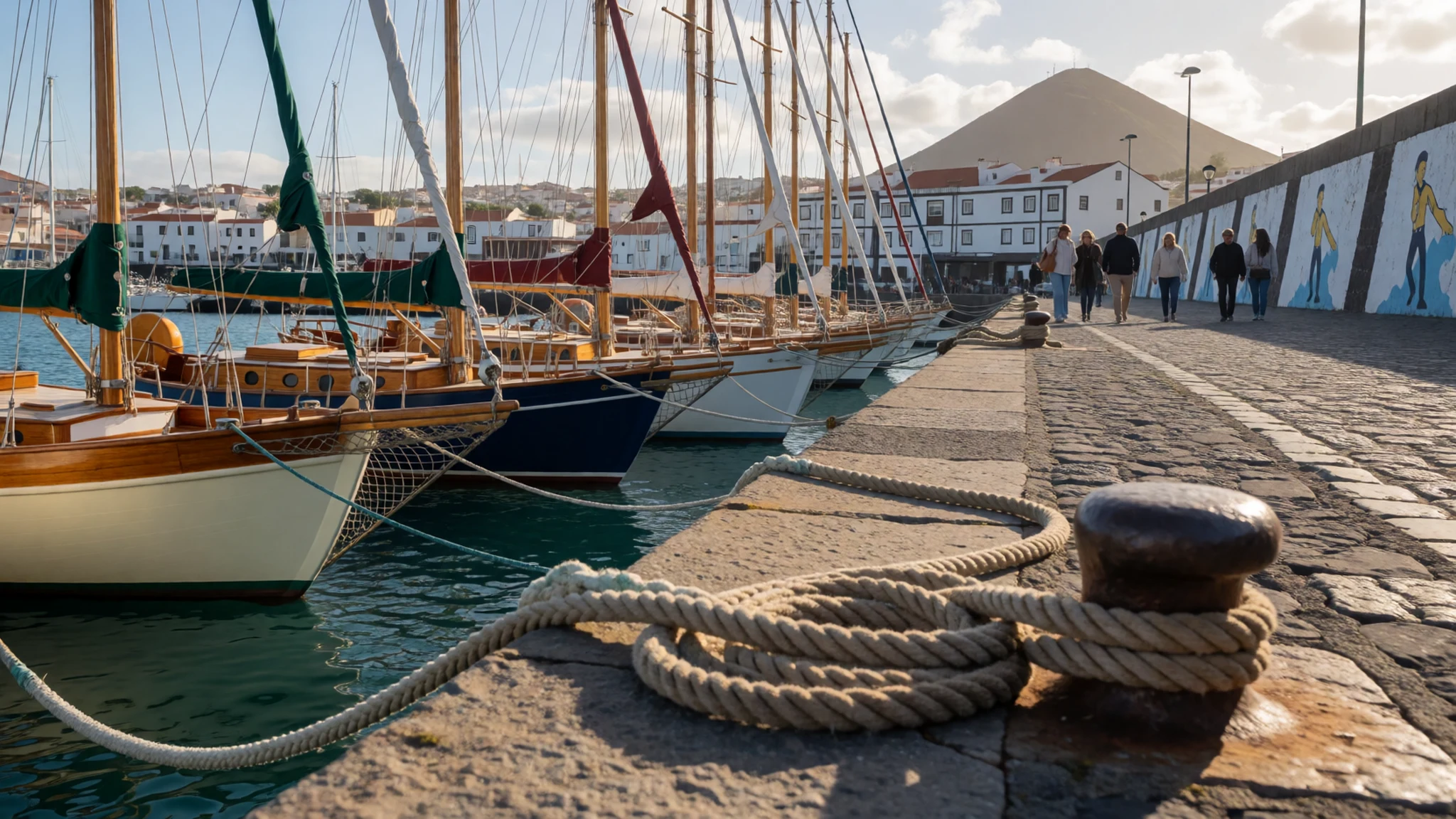
- Caldeira — Centre of the island
The great crater in the middle of the island is the main natural sight. The road up from Horta passes through Flamengos, the first village founded by settlers, near a botanical garden. Clouds often fill the bowl, so go on a clear morning and carry a layer, as the rim is windy.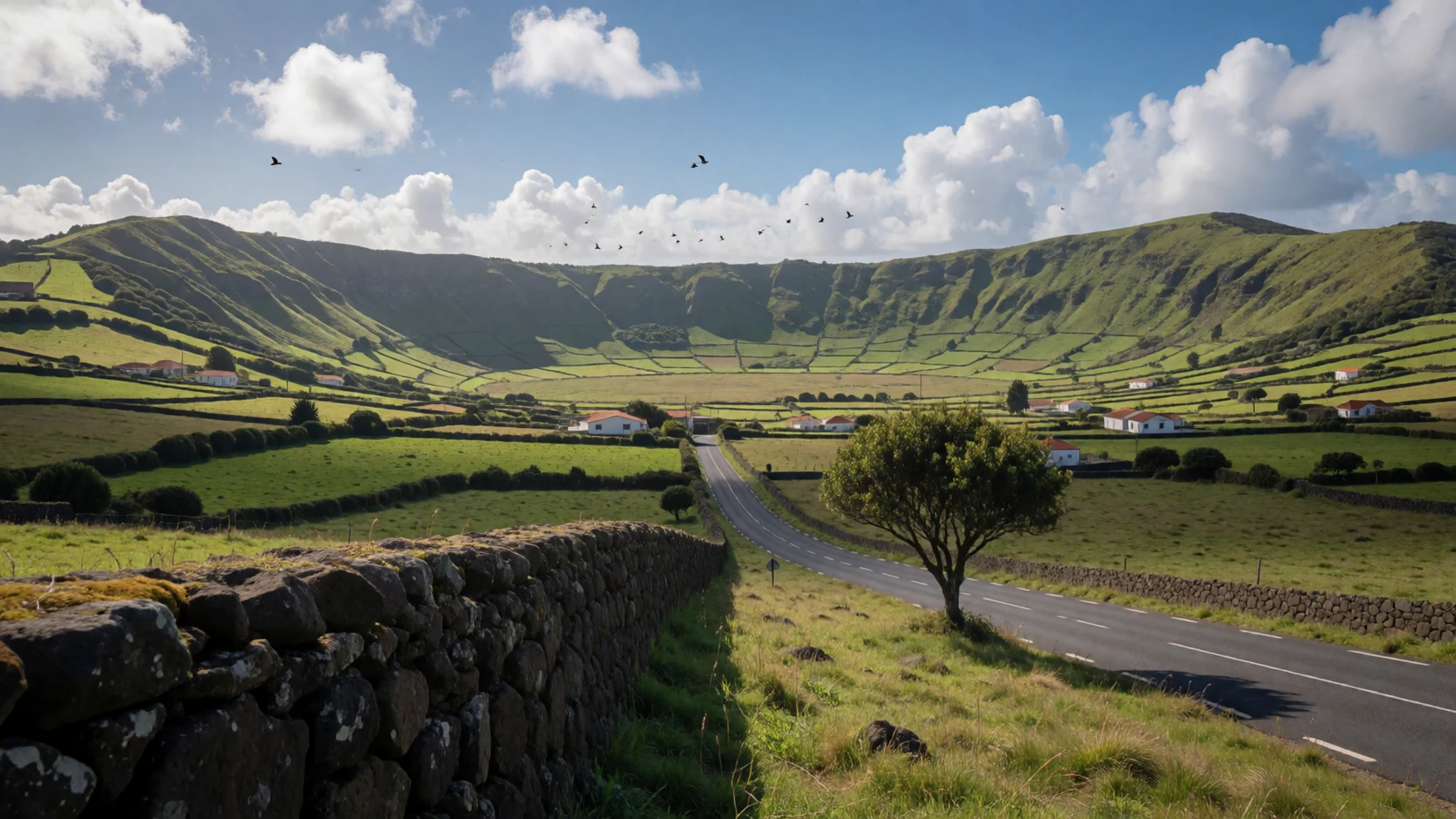
- Capelinhos volcano — Western end
At the western tip, the land is a bare landscape of ash and cinder created when the volcano erupted from 27 September 1957 to 24 October 1958. The old lighthouse stands half buried at the edge of the new ground. It is exposed, so expect strong wind and bring a jacket.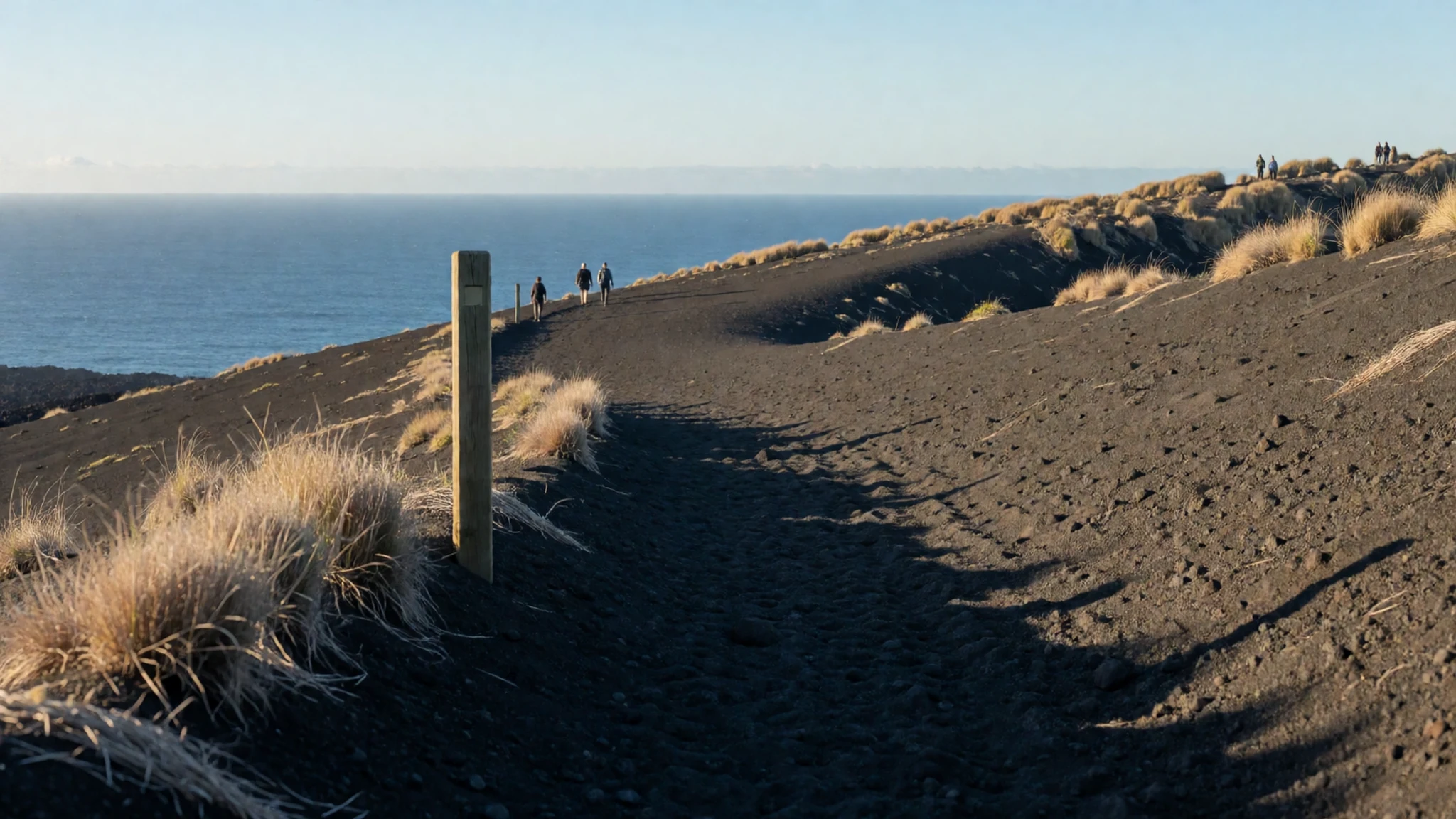
- Lighthouse of Ponta dos Capelinhos — Capelinhos peninsula
This lighthouse was built in the late nineteenth century on the peninsula at the western end, and the eruption left it stranded among ash. It is an odd, striking building, and the walk around it gives wide views over black cliffs and the open Atlantic. Check locally for visitor access and opening arrangements.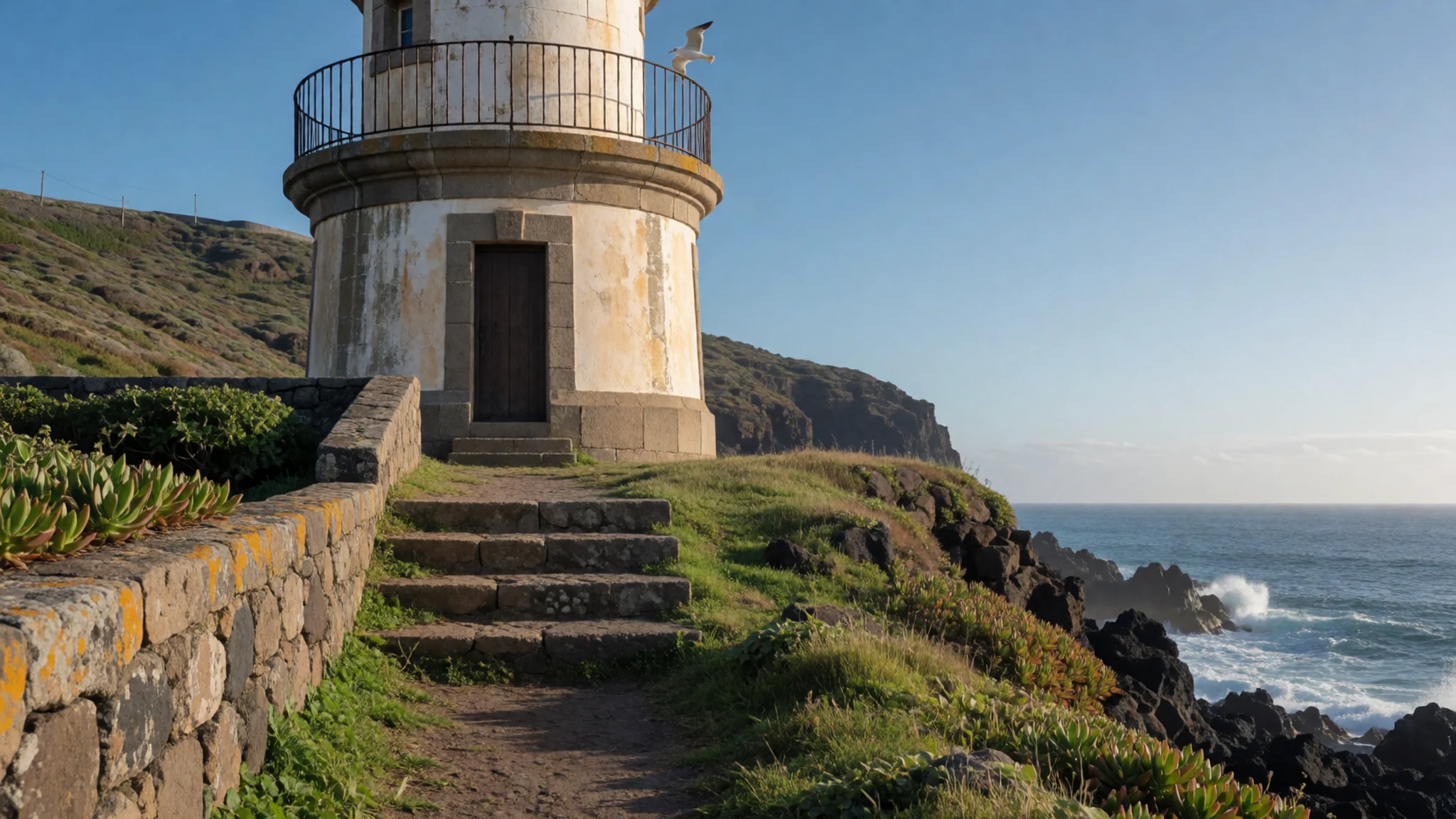
- Fortress of Santa Cruz — Horta seafront
Built in 1597, this fortress overlooking the bay of Horta is a national monument and now houses a hotel. Even without staying, the setting makes it a good place to appreciate how the port was once defended. Walk along the seafront from the harbour to reach it.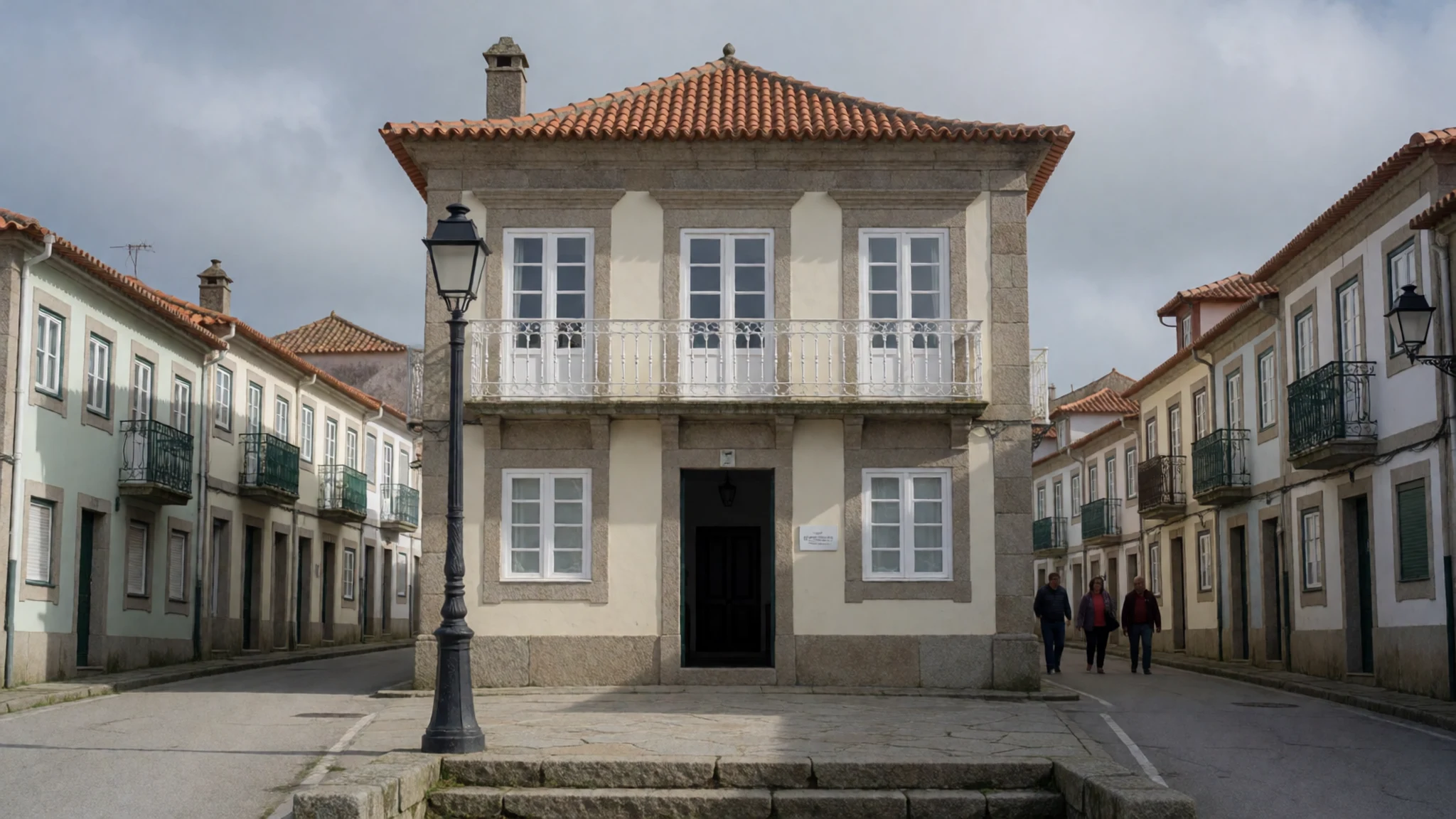
- Manuel de Arriaga Museum — Horta
This museum occupies the house where Manuel de Arriaga was born. He became the first elected President of Portugal, in 1911. It is a small, quiet stop in town, worth a short visit to understand how local people have shaped national life. Check the official site for opening times.
Culture
Faial's calendar is built around church and community festivals, and the most important ones fall in summer. From Ascension Day until August, the feasts of the Holy Spirit take place in each parish and neighbourhood. A procession walks to the local church for mass, then returns to the small chapel-house known as the império, where meat broth and soup are served to invited guests. Massa sovada, a sweet bread, is handed out as a sign of penitence.
On Faial these feasts are usually by invitation, whereas on some other islands they are open to the public, so a visitor should not expect to join in uninvited. The patron saint is Saint John, celebrated as São João da Caldeira on 24 June.
Island life is shaped by farming and the sea. Dairy and cattle are important, and the long habit of emigration to North America means almost every family has relatives overseas. The harbour adds another layer: sailors from many countries pass through, and the town is used to quiet, friendly foreigners.
People are polite and a little reserved. A greeting in Portuguese, bom dia or boa tarde, is always appreciated in shops and cafés.
If you come across a festival procession, stay behind the crowd, keep your voice low and ask before photographing people at prayer.
What to wear
Faial has no single formal costume that people wear day to day. Traditional Azorean dress, seen at folklore groups and festivals, uses wool and linen in dark colours, with embroidered shawls and kerchiefs for women and waistcoats and caps for men. It appears mainly at parades and on feast days, and it is an occasion, not everyday wear.
In daily life, islanders dress practically. Farmers wear boots and waterproofs, and in Horta people wear ordinary European casual clothes, smart for church and festivals. Sailors and walkers add fleece jackets and sturdy trainers, so technical outdoor clothing looks entirely normal.
For visitors, the weather is the main consideration. The Atlantic climate changes quickly, so layers and a light waterproof are more useful than anything heavy. Sun can be strong even when it is breezy, so bring a hat and sun cream. Walking shoes with a good grip are important on wet cobbles, volcanic ash and crater paths. A swimsuit and quick-dry towel are useful for rock pools and the small beach at Almoxarife.
Churches ask for modest dress: cover shoulders and avoid very short shorts when going inside. Otherwise the island is relaxed, and no special clothing is needed for restaurants or cafés.
What to eat
- Local cheese — Horta cafés and grocery shops
The island and its neighbours make cheeses and other dairy products from grass-fed cattle. Try a plate with bread at a café or buy a wedge from a shop in Horta. Flavours vary from mild to sharp.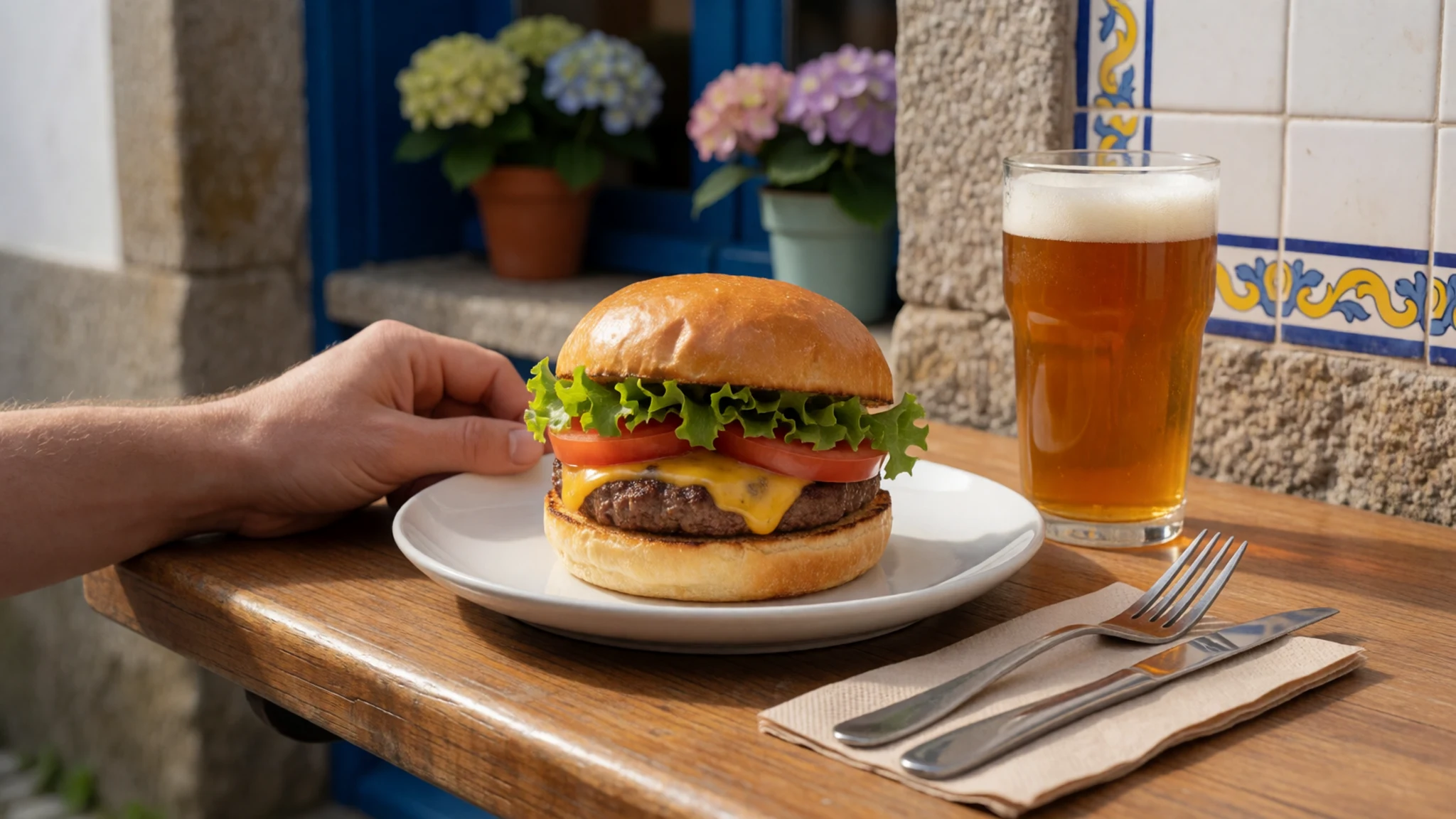
- Azorean beef — Village restaurants and eateries
Beef is a local speciality, because cattle graze across much of the island. It is usually grilled or stewed and served with potatoes. Ask for the local cut at a village restaurant rather than a tourist spot.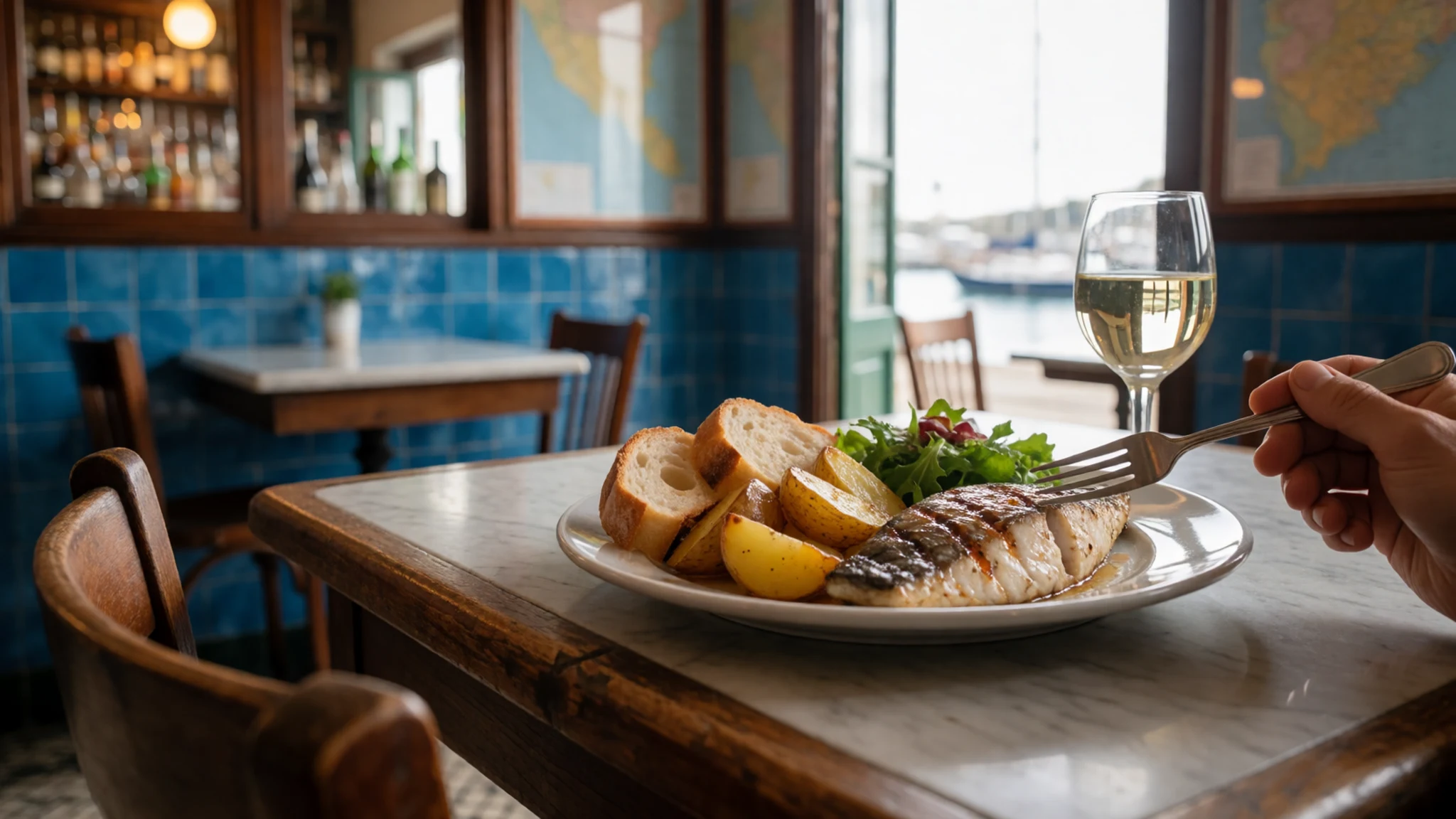
- Fresh seafood — Harbour-front eateries in Horta
Fish and shellfish come in daily from the Atlantic and appear grilled, in stews or in rice dishes. Ask what the catch of the day is and let the staff recommend it. - Holy Spirit soup — Parish feasts, May to August
A meat broth served at the Holy Spirit feasts, usually with bread. It is mostly for invited guests, but some parishes sell portions or share it with visitors who are invited by local friends. - Massa sovada — Bakeries and parish feasts
A sweet, soft bread handed out at festivals and sold in bakeries. It is lightly sugared and good with coffee for breakfast or an afternoon snack. - Burgers with local ingredients — Central Horta
Several casual eateries in Horta cook burgers using local beef and Azorean flavours, often with local beer. It is an easy, relaxed meal after a day of walking.
Plan it
Best time. June to September is the most settled time, with warm days, hydrangeas in bloom and the sailing season in full swing. Spring is greener and quieter but showers are frequent. Winter is mild and wet and the crater is often in cloud.
How long. 3–4
Getting there. Fly to Horta airport, usually via Lisbon or another Azorean island, then take a taxi or bus to town. Ferries link Faial with Pico, which is a short crossing away across the channel; check the operator's site for timetables.
Budget. mid
Tips
- Book flights and car hire early for July and August
- Go to the Caldeira early, before cloud builds
- Carry a waterproof even on sunny mornings
- Hire a car to reach Capelinhos and the villages
- Cards are widely accepted in Horta but carry some cash for small cafés and villages
Etiquette
- Greet shopkeepers with bom dia or boa tarde
- Ask before photographing people at festivals
- Do not remove stones or ash from Capelinhos
Nearby
Sources
- Wikidata Q657187 (CC0)
- Wikipedia: Faial Island (rev 1370623415) (CC BY-SA 4.0)
- Wikivoyage: Faial (rev 5401866) (CC BY-SA 4.0)
- Photo: Vista parcial da cidade da Horta (Public domain)
- Photo: Island of Faial from Pico (Public domain)
- Photo: Position of Faial Island (Public domain)
- Photo: American privateer General Armstrong (Public domain)
- Photo: Azores Sentinel-1A radar image (CC BY-SA 3.0 igo)
- Photo: Faial Caldera (Public domain)
- Photo: Praia do Almoxarife (Public domain)
- Photo: Dragoeiros, Garden of Florêncio Terra (Public domain)


