Convent of Christ
Convent of Christ, Portugal
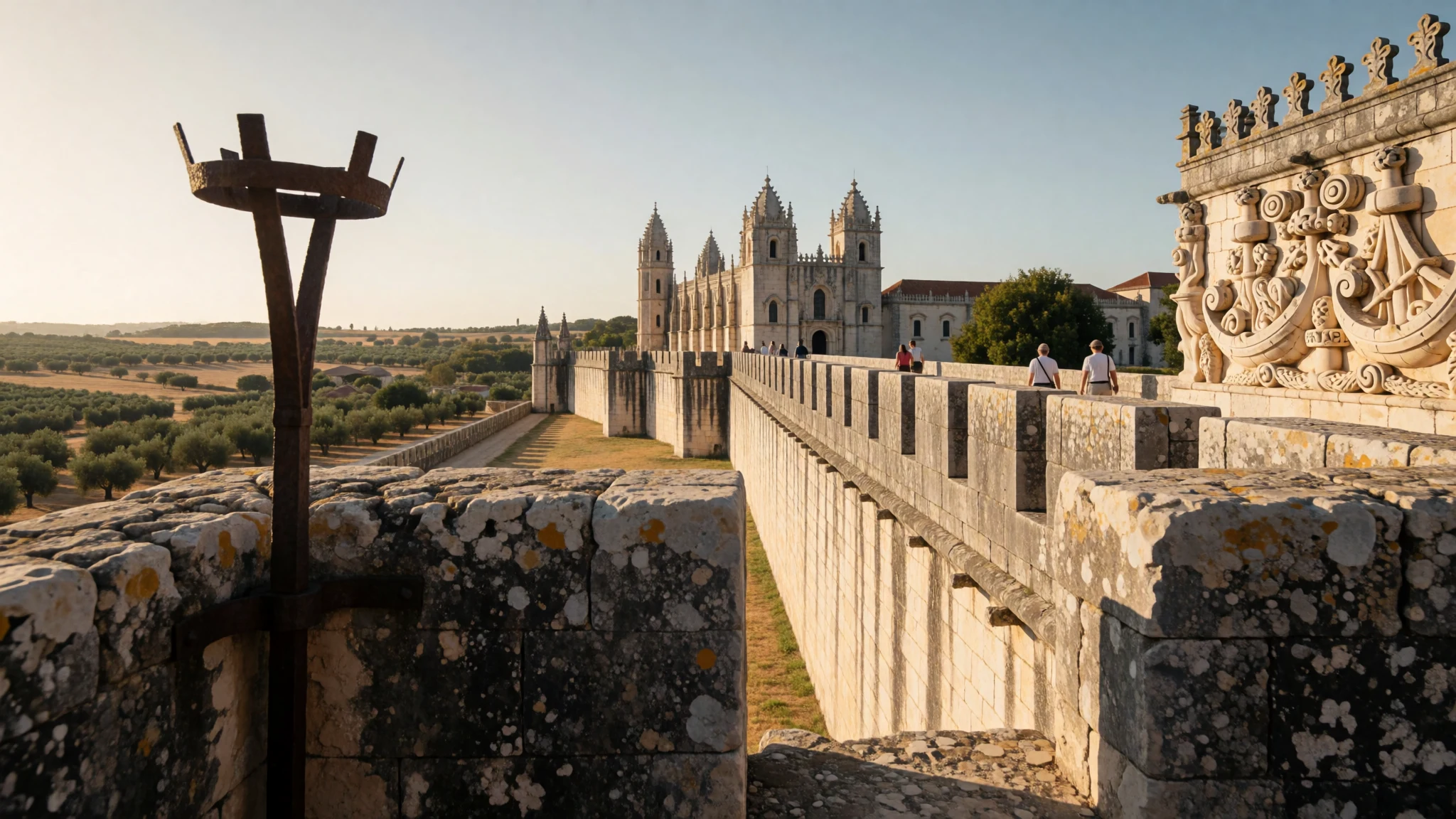
Convent of Christ in Tomar blends Templar defence, a circular church and Portuguese seafaring history in one compact, walkable site.
The place
Convent of Christ (Convento de Cristo de Tomar) sits in Tomar, Portugal, within a fortified complex that grew from a medieval stronghold into a major religious and political centre. It’s a former Catholic convent and monastery, but visitors mainly come for the dramatic mix of stonework and symbolism: defensive walls, the feel of a castle circuit, and a church known for its round “rotunda” form. The layout makes it easy to read the story of the place as you walk—at times you’re in a courtyard, at times you’re inside structures that feel like they were built for both worship and protection.
In real terms, the experience is part architecture, part atmosphere. The buildings are substantial and detailed, from cloister-like spaces to passages that lead toward the centre of the complex. If it’s sunny, the pale stone throws crisp shadows and the walls look almost carved; if it’s overcast, the colours flatten a little but the walking feels cooler and more comfortable. Crowds are usually manageable outside peak holiday weeks, yet the “World Heritage” label does draw the steady flow of coach visitors—so arriving earlier in the day can help you move through the key areas without constantly threading around groups.
Planning-wise, it’s less about long museum-like galleries and more about guided wanderings: take your time with the viewpoints within the castle grounds, then pivot to the standout religious structures and the broader setting of Tomar’s historic centre, which was shaped around this complex.
Its story
Convent of Christ in Tomar begins with the Knights Templar. The castle was founded by the Order of Poor Knights of the Temple and construction continued through the late 12th century, including the oratory placed within the castle grounds. Tomar’s location mattered: the complex was designed as a fortified seat for controlling territory and defending a border area that, at the time, extended roughly toward the Tagus.
When the Templars later gained control of Tomar and made it their seat, the castle became part of a wider defence system. That medieval role eventually gave way to change after the dissolution of the Templar Order. In Portugal, the assets and membership were transferred, and the seat of the former Templars was converted into the new Order of Christ, which took over the same stronghold and continued the site’s importance.
One of the most distinctive spiritual statements is the rotunda-style church within the castle. Its design reflects medieval curiosity and cross-cultural influence: it was modelled on the Dome of the Rock in Jerusalem, a reference point believed by crusaders to connect back to the Temple of Solomon. Whether you read it as devotion, architecture, or political theatre, it helps explain why Convent of Christ isn’t just “old buildings”—it’s a deliberate design for meaning.
From here, the story ties into Portugal’s wider maritime ambitions, with the Order of Christ acting as a successor institution. That blend—defence, faith, and a state-backed pathway toward overseas expansion—is what makes the complex feel more layered than a typical monastery visit.
What to see
- Convent of Christ and Castle of Tomar
Convent of Christ and Castle of Tomar is the heart of the UNESCO-listed complex in Tomar. Walk the castle grounds to see how the site shifts from fortified layout to religious spaces after the Templars’ transition.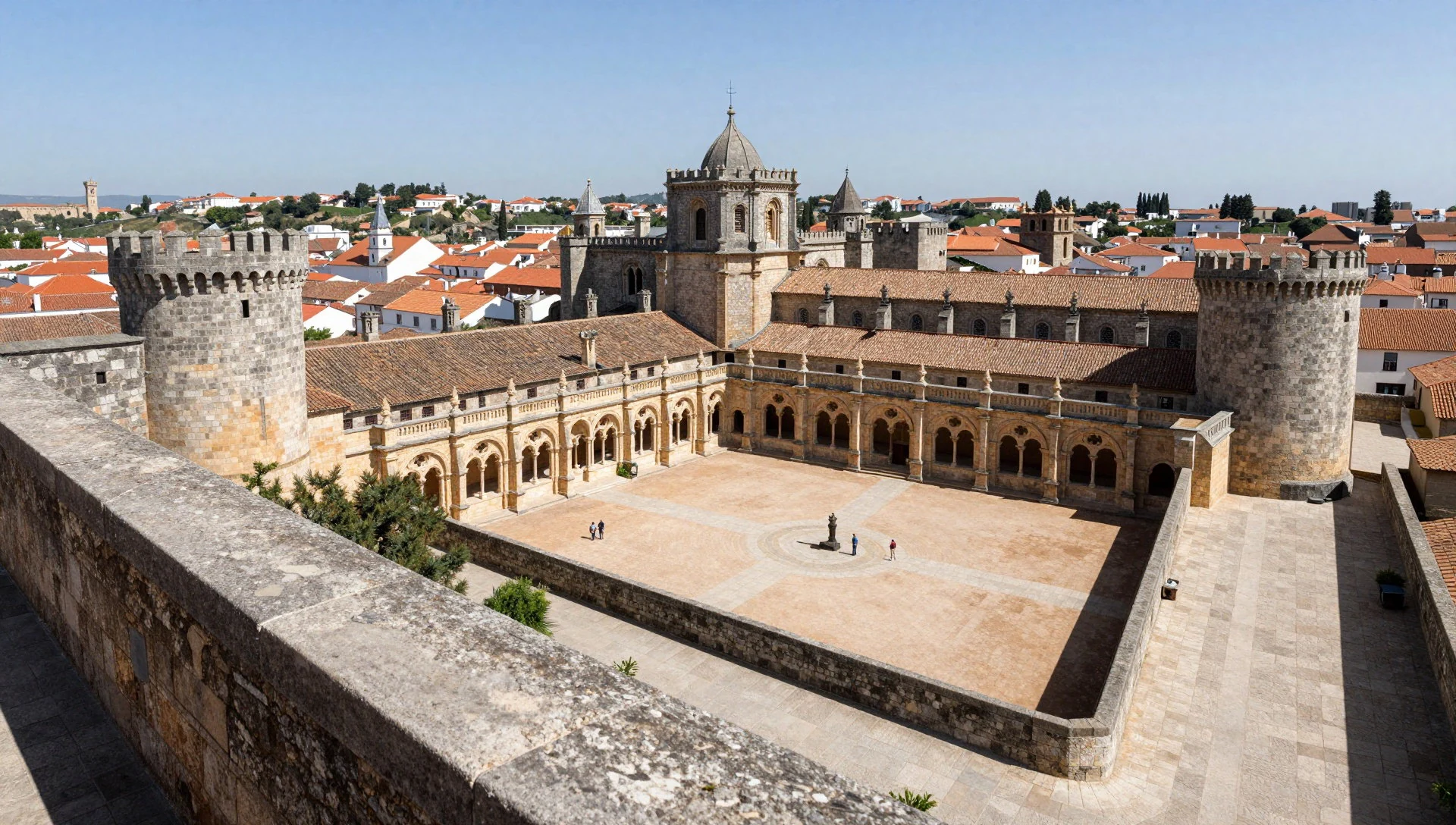
- Rotunda church inside the castle
Inside the castle stands the rotunda church of Convent of Christ, built in the late 12th century. Its circular form is tied to medieval models associated with Jerusalem, creating a striking contrast with the fortress feel around it.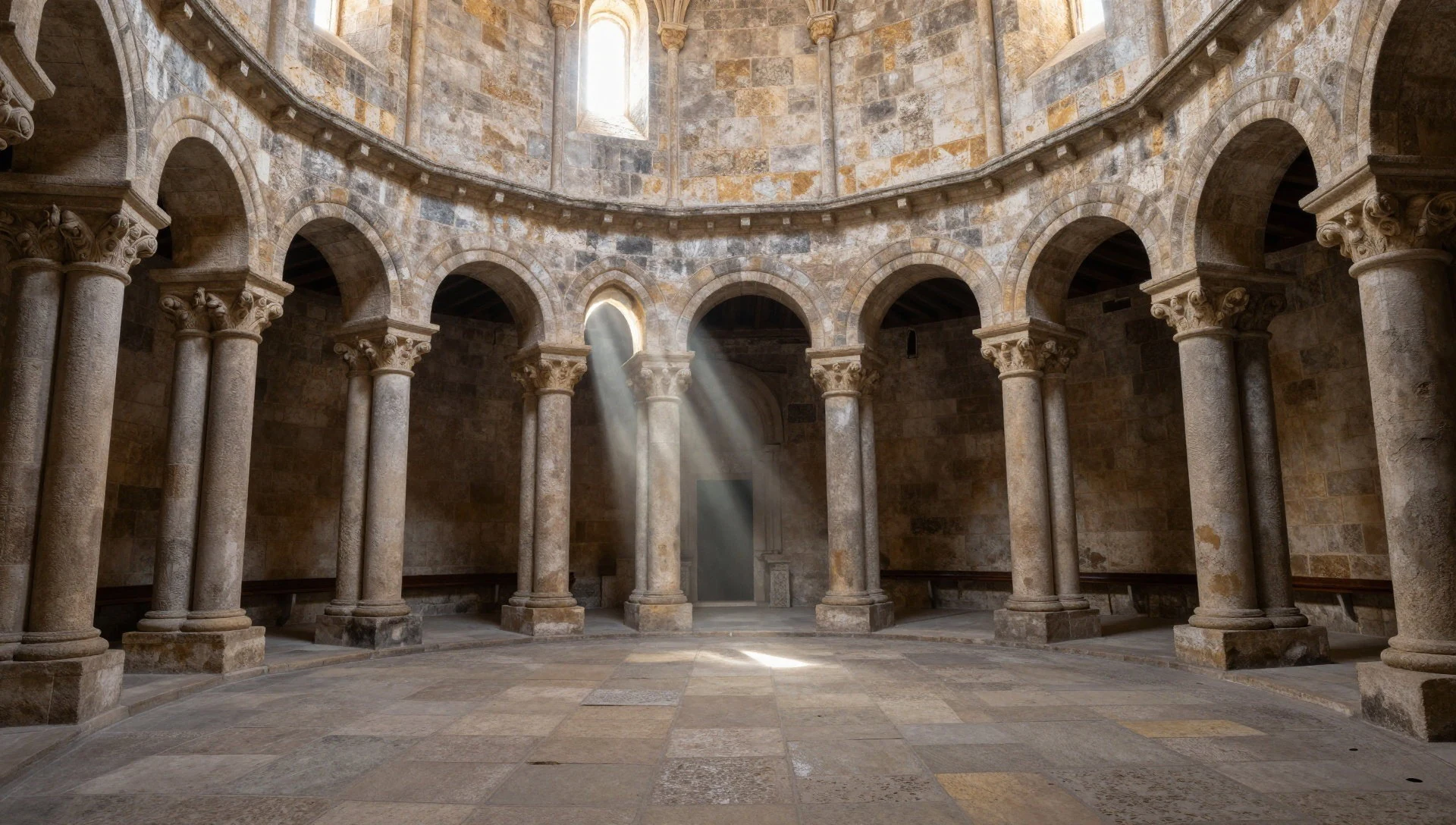
- Church of Santa Maria do Olival
Church of Santa Maria do Olival is another key historic stop near Tomar’s medieval core. It was constructed in the second half of the 12th century and is linked to the Knights Templar’s presence in Portugal under Gualdim Pais.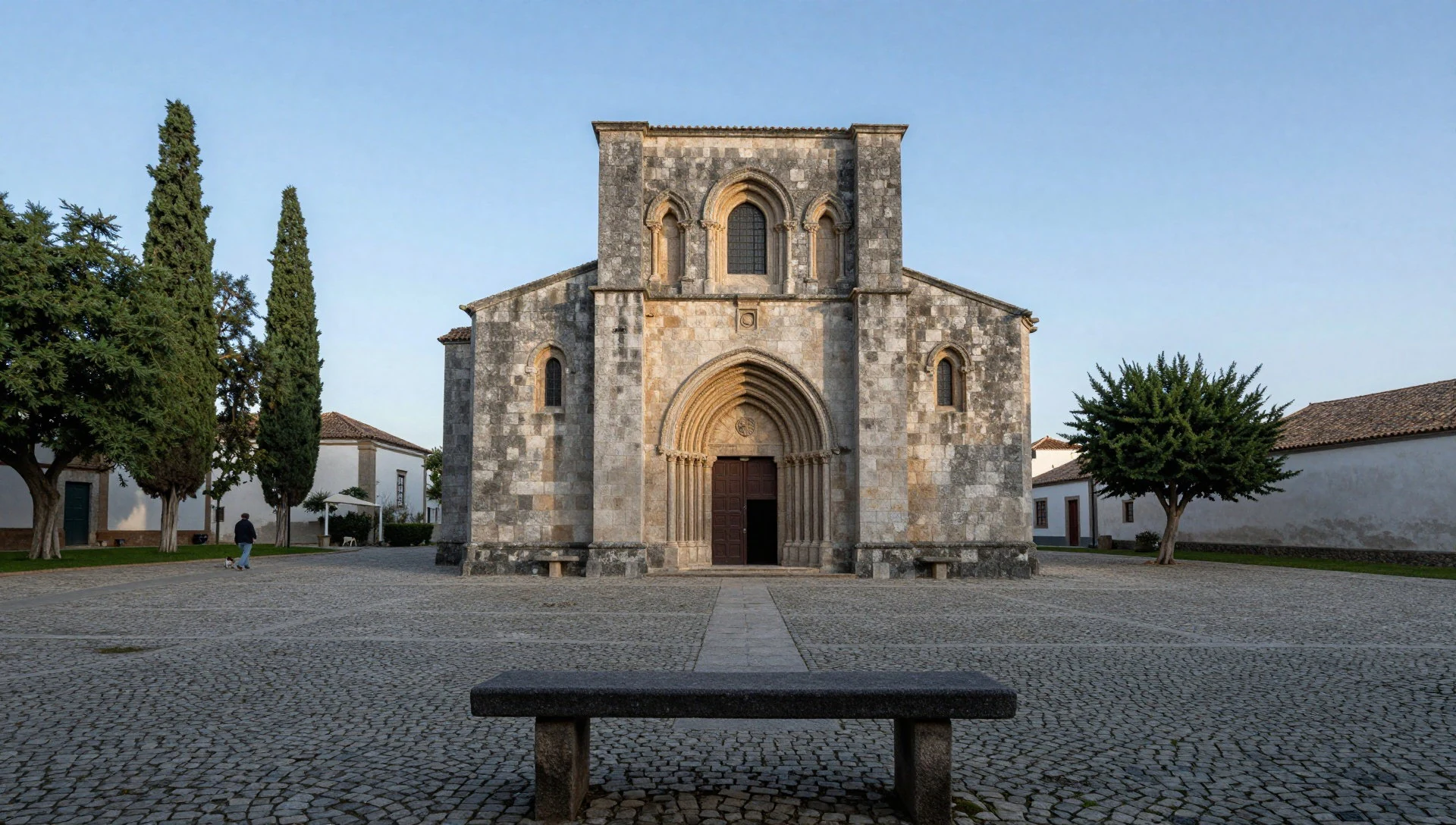
- Synagogue of Tomar
Synagogue of Tomar is the best preserved medieval synagogue in Portugal and includes a small Jewish Museum. It’s set in Tomar’s historic centre, making it an easy add-on on the same day as the main complex.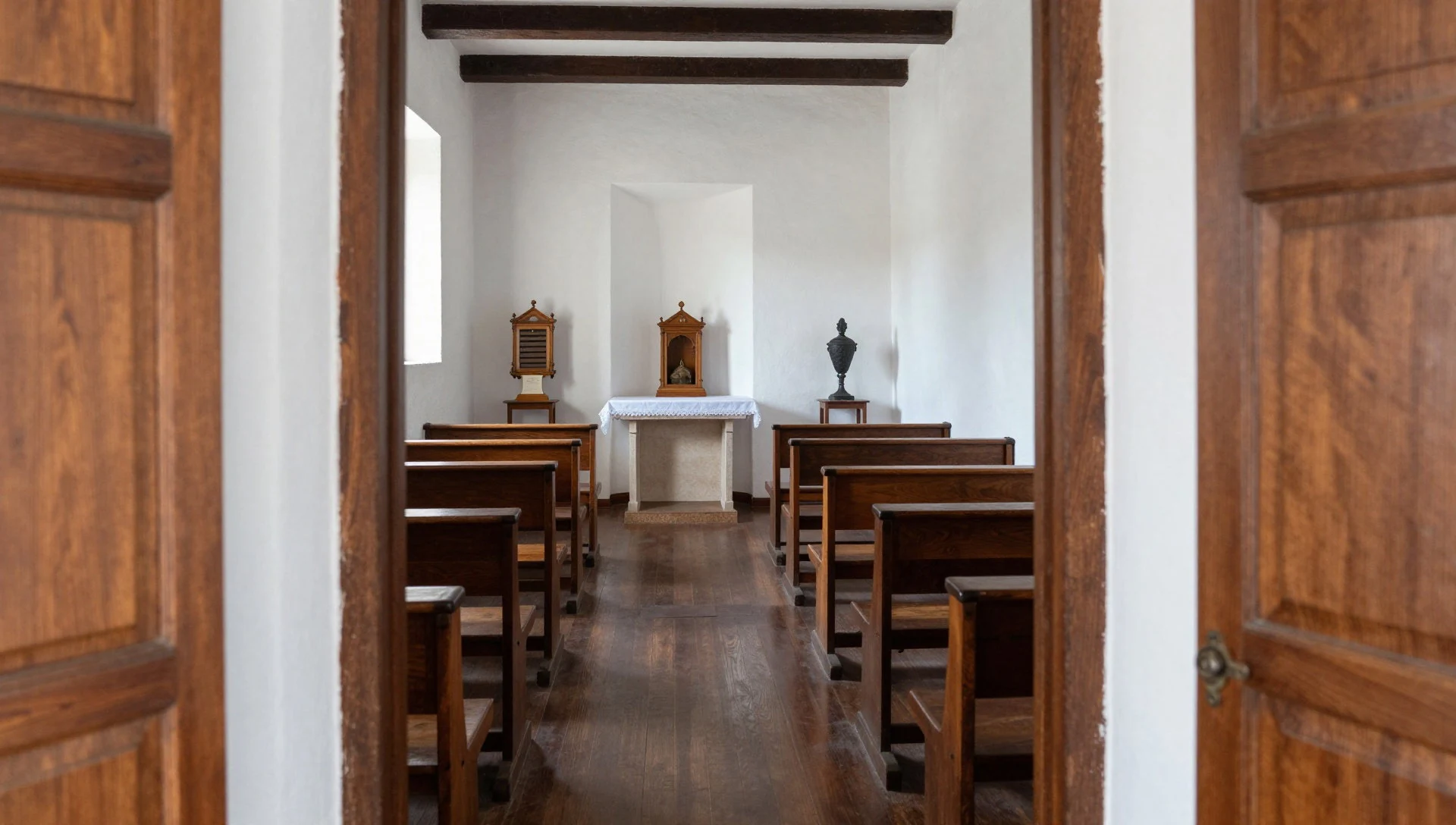
Culture
Convent of Christ in Tomar is a working heritage site, so you’ll encounter a mix of visitors: history buffs, families on a structured day, and people who simply want the calm of historic stone. The complex reads best when you slow down—group tours can be loud, especially near the main courtyards, and you’ll often see people hovering for photos in the same spots. If you want quieter sightlines, aim for earlier entry and keep a little patience when a coach group funnels everyone into the same corridors.
Dress norms are straightforward but important. Even when you’re outdoors in the castle grounds, you’re moving through religious spaces, so modest clothing and covered shoulders are a safe call. Shoes matter too: the terrain includes cobbles and uneven ground around the castle perimeter, so comfortable footwear helps you concentrate on the architecture rather than your footing.
Most importantly, be mindful of how you photograph and where you stand. People come to read the place as much as to see it, and blocking steps, doorways, or view lines makes the experience worse for everyone. Convent of Christ is best appreciated when you keep walkways clear and avoid talking loudly inside worship areas.
What to wear
At Convent of Christ in Tomar, the dress code is about respect more than formality. Traditional Portuguese dress isn’t something you’ll see regularly in daily life around the complex, but the broader cultural context is still visible through textiles and craftsmanship in local markets and festivals. If you’re visiting during cooler months, you might spot people in heavier fabrics; in warmer months, lighter layers make sense for walking the castle grounds.
What people actually wear now is mostly practical: jeans or trousers, T-shirts or light shirts, and trainers or sturdy walking shoes. In and around religious spaces, many visitors choose to cover shoulders and avoid overly revealing outfits. For a comfortable visit, wear breathable tops in spring and autumn, carry a light layer for evenings, and pick footwear with grip for uneven stone and steps.
A good rule of thumb is to dress for a full walking day and for entering sanctuaries. If you’re planning photos, avoid very busy, bright colours that distract from the building’s pale stone background, and keep a shawl or light scarf in your bag if the site asks for additional coverage.
What to eat
- Cervejaria do Fernando — Tomar (restaurant listings near the historic centre)
Cervejaria do Fernando is a practical stop for typical Portuguese meals in Tomar. If you want something straightforward after the long castle walk, it’s the kind of place locals and travellers both use to refuel without fuss.
- Chez Gilbert — Tomar (restaurant listings)
Chez Gilbert offers French and Continental-style cooking in Tomar. It’s a good option when Portuguese classics feel too heavy after a day of stone-and-history wandering, while still keeping the meal feel relaxed.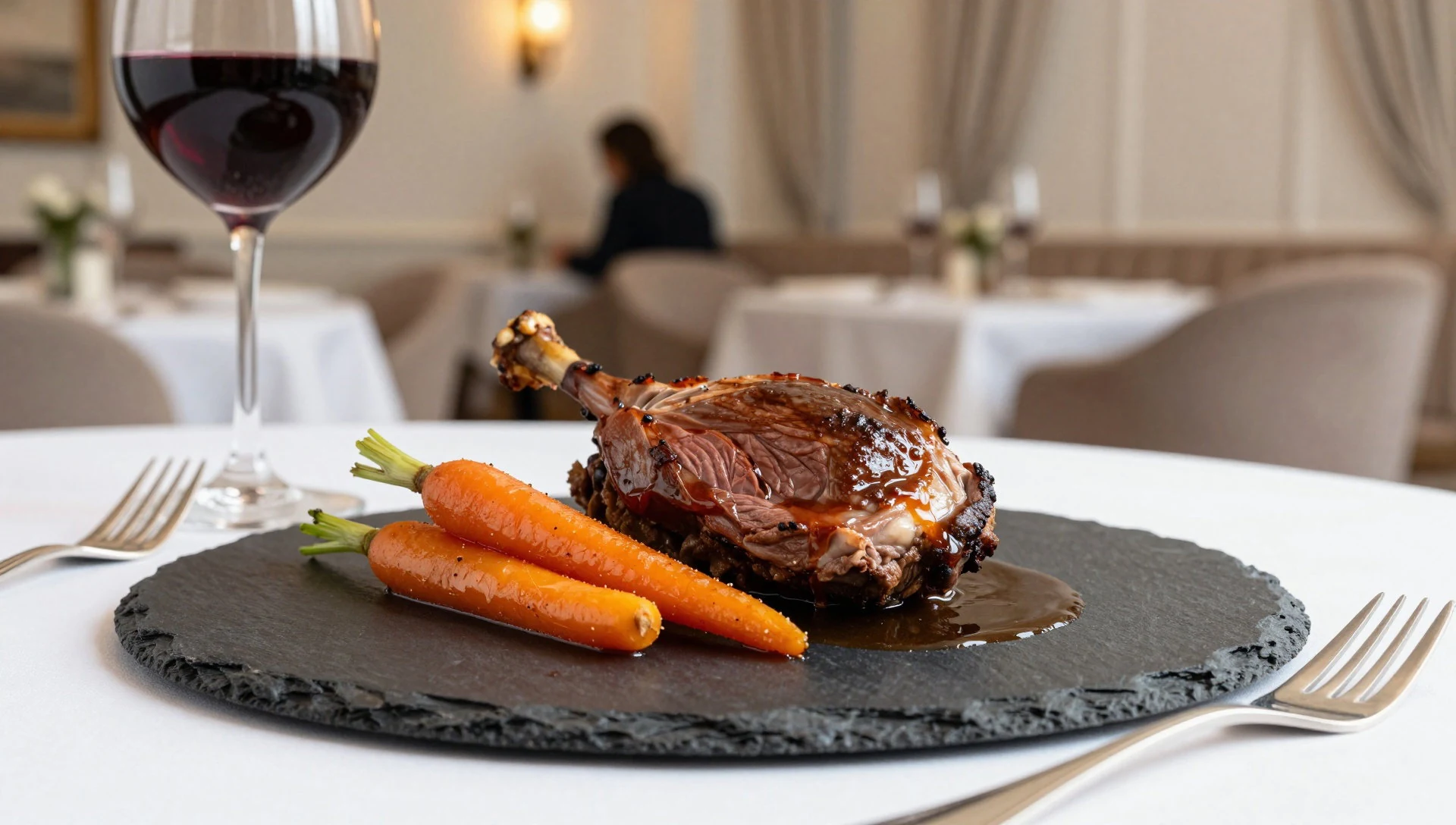
- Taverna Antiqua — Tomar (restaurant listings)
Taverna Antiqua leans into a medieval-themed dining concept. It can be a fun way to extend the vibe of the castle visit, especially in the evening when the main sites have quietened down. - Café Paraíso — Main street in Tomar
Café Paraíso sits on the main street and is known as one of Tomar’s long-running bars. Pop in for a coffee break or a pause between sights, then head back out before the late-afternoon crowds build. - Fatias de Tomar — Sweet shops in Tomar’s centre
Fatias de Tomar are a local speciality associated with the town’s sweets tradition. Look for them in sweet shops around the historic centre, often alongside other egg-based pastries. - Beija-me depressa — Estrelas Confeitery and nearby sweet stalls in Tomar
Beija-me depressa (“kiss me quickly”) is a Tomar sweet made by the Estrelas Confeitery. It’s the sort of souvenir pastry that tastes best the same day—sweet, eggy, and unmistakably local.
Plan it
Best time. March–April and October–November are the comfortable months for Convent of Christ in Tomar, with spring light and autumn temperatures. June can be rainy, and August is hot and humid.
How long. 2–3
Getting there. For Convent of Christ, use trains or buses into Tomar. From Lisbon, there are hourly direct services taking about 2 hr; from Porto, expect several per day with a change around the way. From the station, it’s an easy local leg into the historic centre to reach the castle complex.
Budget. mid
Tips
- Start with the main castle complex early to reduce the biggest visitor clumps.
- If you visit in June or August, build in breaks and carry water for the hotter or wetter parts of the day.
- Pair the main Convent of Christ with the synagogue stop while you’re already in Tomar’s historic core.
Etiquette
- Follow any posted guidance for photography, especially in indoor worship areas.
- Keep noise down in quieter parts of the complex and don’t block doorways or steps while filming or posing.
- Wear comfortable shoes for cobbles and steps around the castle grounds.
Nearby
Sources
- Wikidata Q736692 (CC0)
- Wikipedia (Convent of Christ (Tomar)) (CC BY-SA 4.0)
- Wikivoyage (Tomar) (CC BY-SA 4.0)