Alcobaça Monastery
Alcobaça Monastery, Portugal
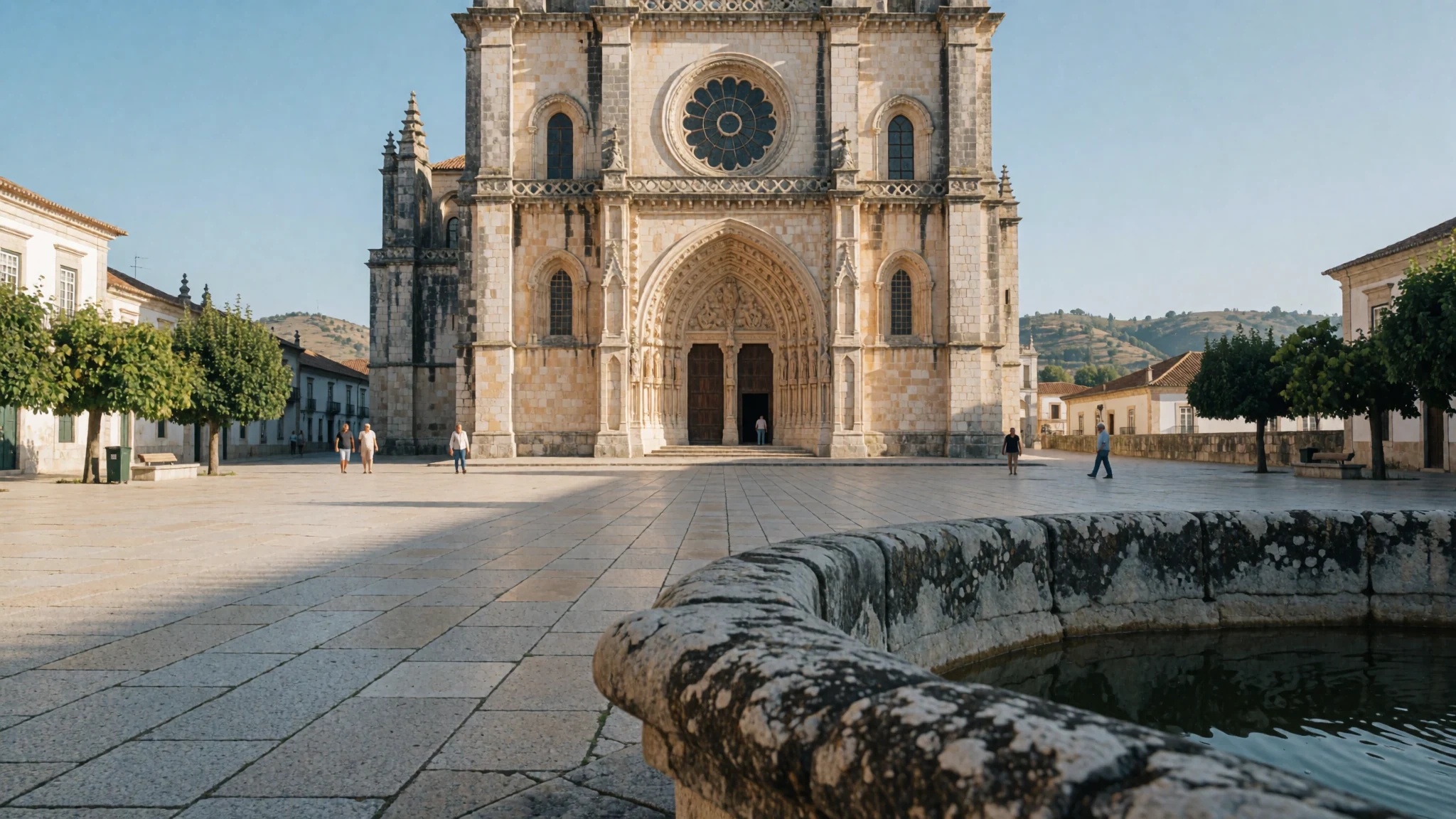
A Cistercian abbey in central Portugal with Gothic roots, royal tombs and a cloister that rewards a slow walk round.
The place
Alcobaça Monastery stands in the town of Alcobaça in the Oeste region of central Portugal, roughly 120 km north of Lisbon and a comfortable drive inland from the Atlantic coast. The complex belongs to the Cistercian tradition, a reformed monastic order that favoured plain living, steady work and austere architecture. That character still shows in the long, uncluttered nave of the church. Size is what most visitors notice first. The church, cloister and monastic buildings spread across a wide site, and the stonework is weathered and unpainted.
The town grew up on the banks of the Alcoa and Baça rivers, a landscape of farmland, pine-covered hills and small market towns. Alcobaça itself is compact. The monastery sits near its heart, so the main sights can be reached on foot, and the approach offers a clear view of the façade before entering.
Inside, the monastery rewards a slow pace. The church is best appreciated from the crossing, looking down the nave, where the proportions feel deliberate and calm. Side chapels hold royal tombs, and the cloister offers a quieter circuit around an open courtyard. A couple of hours is a sensible allowance for the main complex. The buildings are old and floors are uneven, so comfortable shoes help. Summer afternoons can be very hot, with highs near 40 °C, while winter visits are cool and quiet.
Its story
Alcobaça Monastery was among the first houses of the Cistercian Order in Portugal. It was founded in 1153, when the first Portuguese king, Afonso Henriques, gave the land to Bernard of Clairvaux. The gift followed the king's capture of Santarém from the Moors in 1147, and it fitted a wider plan: to secure newly conquered territory during the Reconquista by settling it with monks who would farm and build. Work on the site began in 1178, roughly twenty-five years after the first Cistercian monks had arrived in the region. Those early monks lived at first in timber houses and moved into the stone monastery only in 1223. The church was finished in 1252 and was the largest in Portugal at the time. It was also among the earliest truly Gothic buildings in the country, which matters to architectural historians.
The community grew into a major power. By 1300 it was the richest and most influential monastery in Portugal, with close ties to the crown, almost a thousand monks, and interests in farming, fishing and trade. Its scriptorium produced illuminated manuscripts, and the monks compiled an early authoritative history of Portugal in several volumes. In the late thirteenth century King Denis ordered the Gothic cloister, known as the Cloister of Silence, which completed the ensemble. The community was dissolved in 1834 during the wider closure of religious houses in Portugal. Recognition came in 1989, when UNESCO listed the site for its artistic, cultural and historical importance.
What to see
- The church and nave — Alcobaça town centre, inside the monastery
The long nave is the place to begin. Stand near the entrance and look towards the altar: the columns and tall arches draw the eye forward with a plain, orderly rhythm typical of early Gothic building. The church was the largest in Portugal when it was completed, and it still feels expansive. Keep voices low, since the space remains a working place of worship.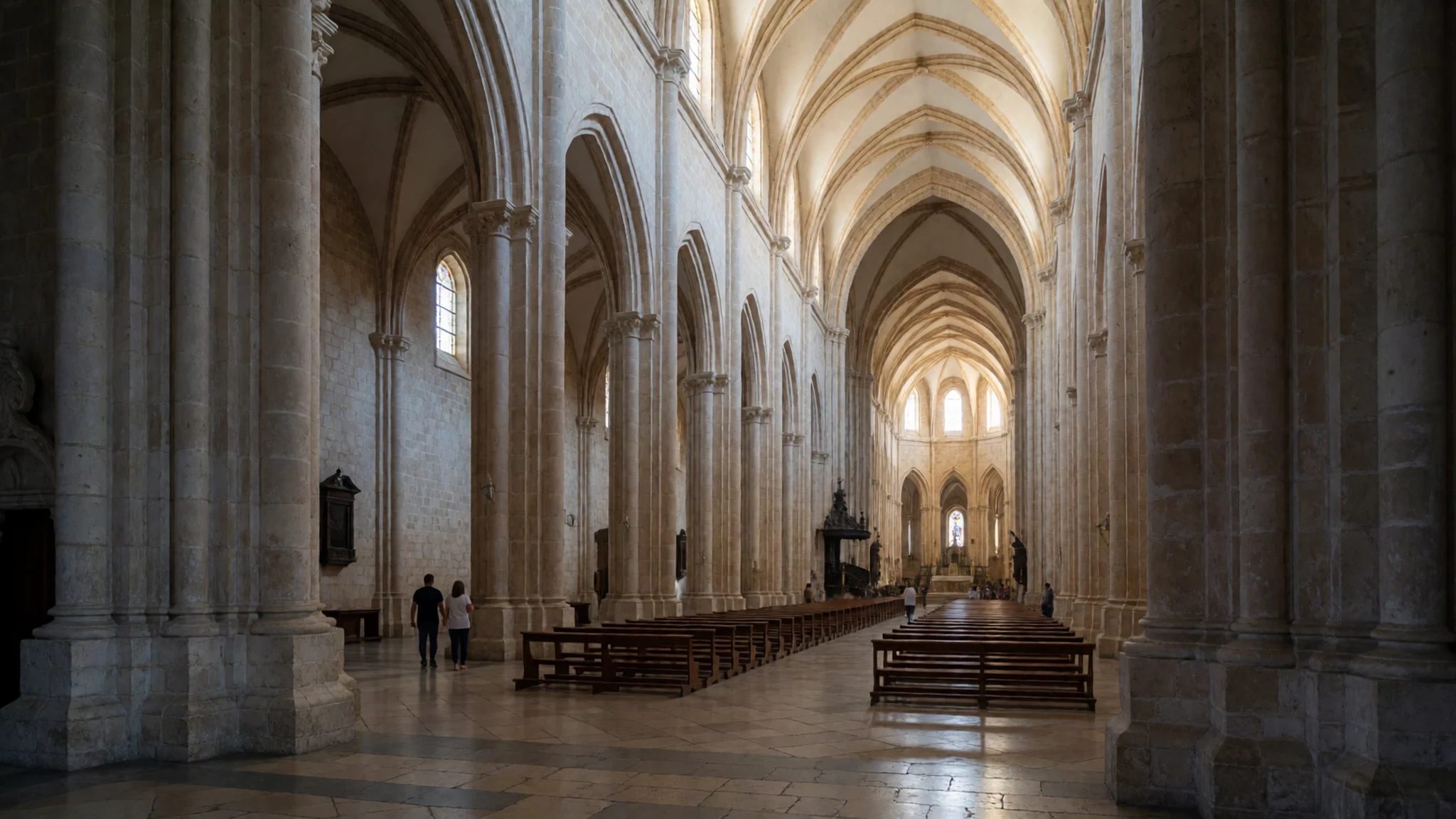
- The royal tombs — Alcobaça town centre, inside the monastery
The tombs of King Pedro I and Inês de Castro are among the monastery's most famous features. Their carved monuments commemorate a well-known royal love story that ended in tragedy, and it is still told in Portugal. The tombs draw steady attention, so the area can get busy around midday.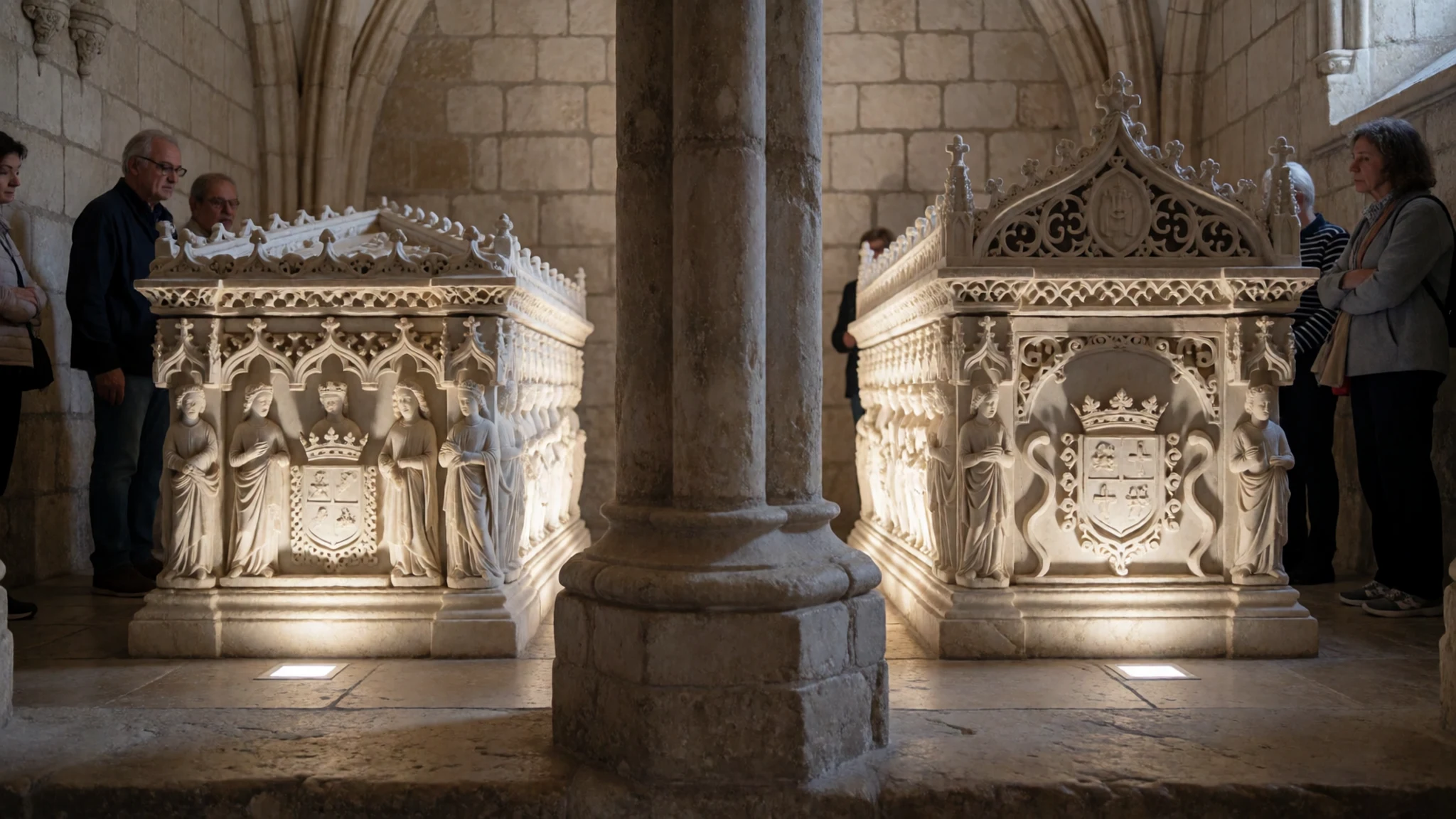
- The Cloister of Silence — Alcobaça town centre, inside the monastery
King Denis ordered the Gothic cloister in the late thirteenth century, and it is still called the Cloister of Silence. Its arcades frame an open courtyard, and the stillness here makes it a pleasant place to rest between the church and the tombs. The covered walks show how the monks moved through their daily routine. It suits a slow, unhurried look.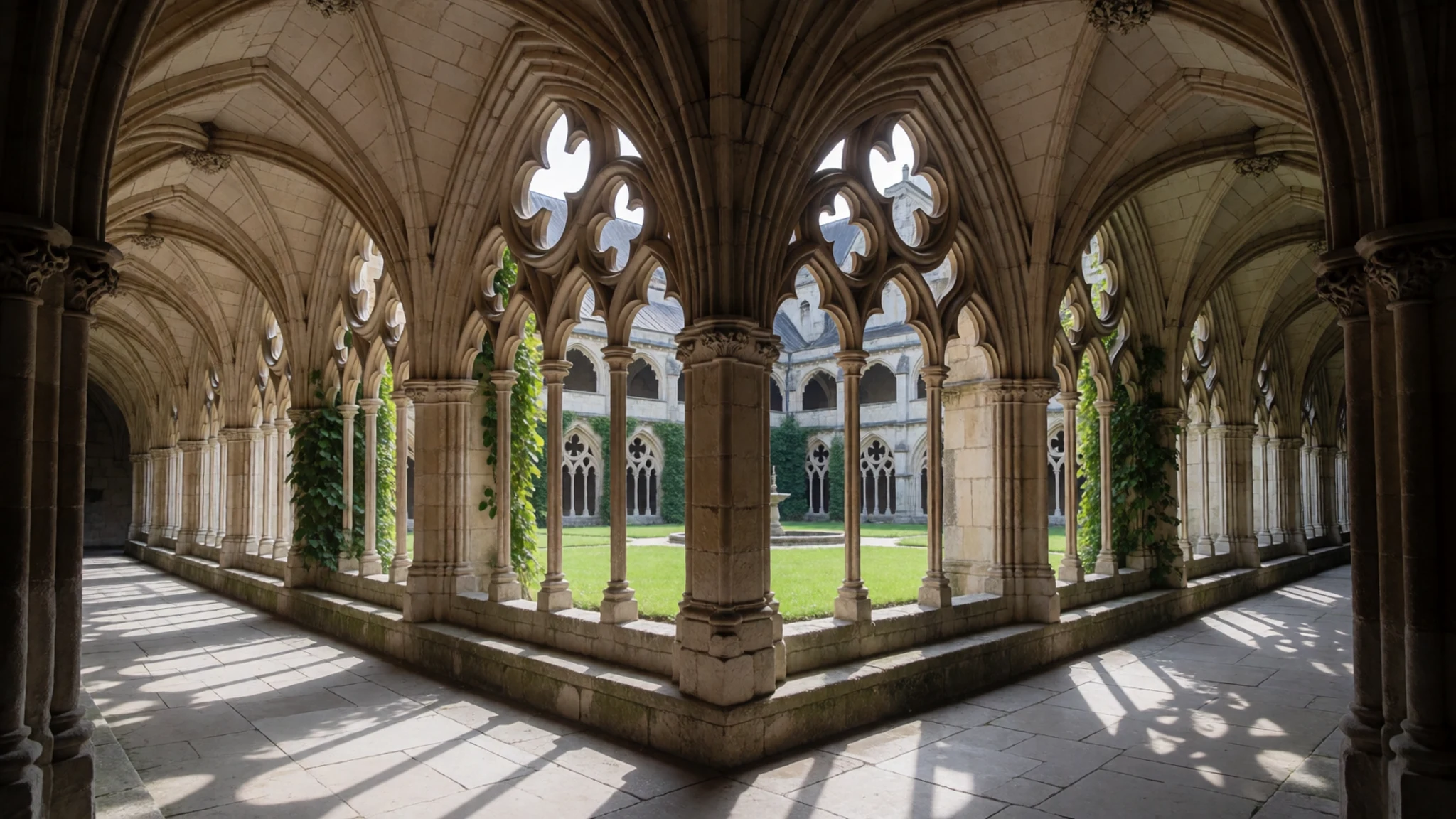
- The Wine Museum — Alcobaça town, near the monastery
The Wine Museum is listed among the town's sights, close to the monastery, and makes a useful companion visit. Opening hours and any entry arrangements can change, so check the official site before planning a day around it.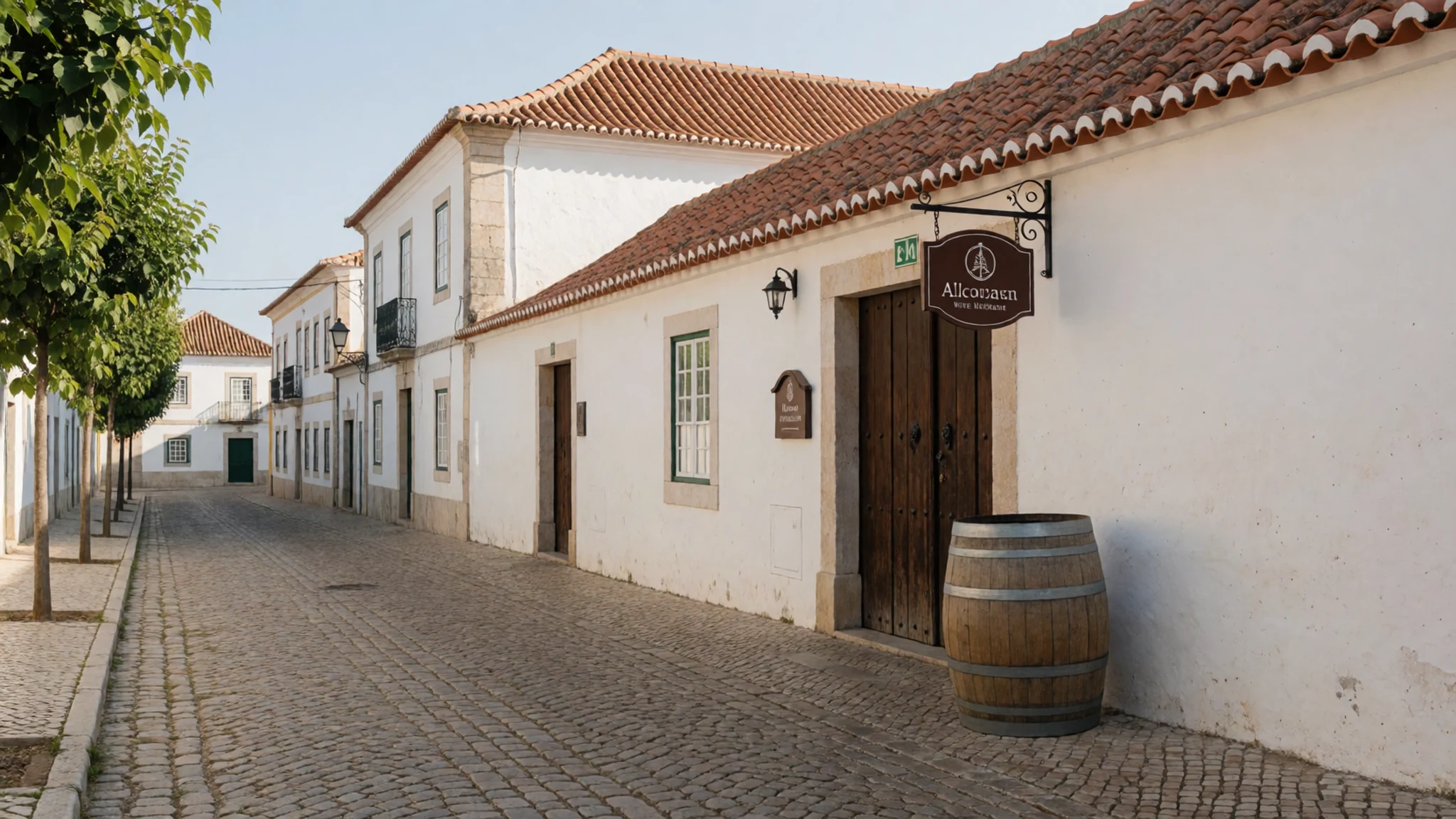
- The bay at São Martinho do Porto — São Martinho do Porto, on the coast
The bay at São Martinho do Porto is a different kind of stop: a sheltered stretch of calm water that suits families with small children and anyone wanting an easy swim or a slow afternoon. It works well as a half-day counterweight to the monastery, particularly on a warm day.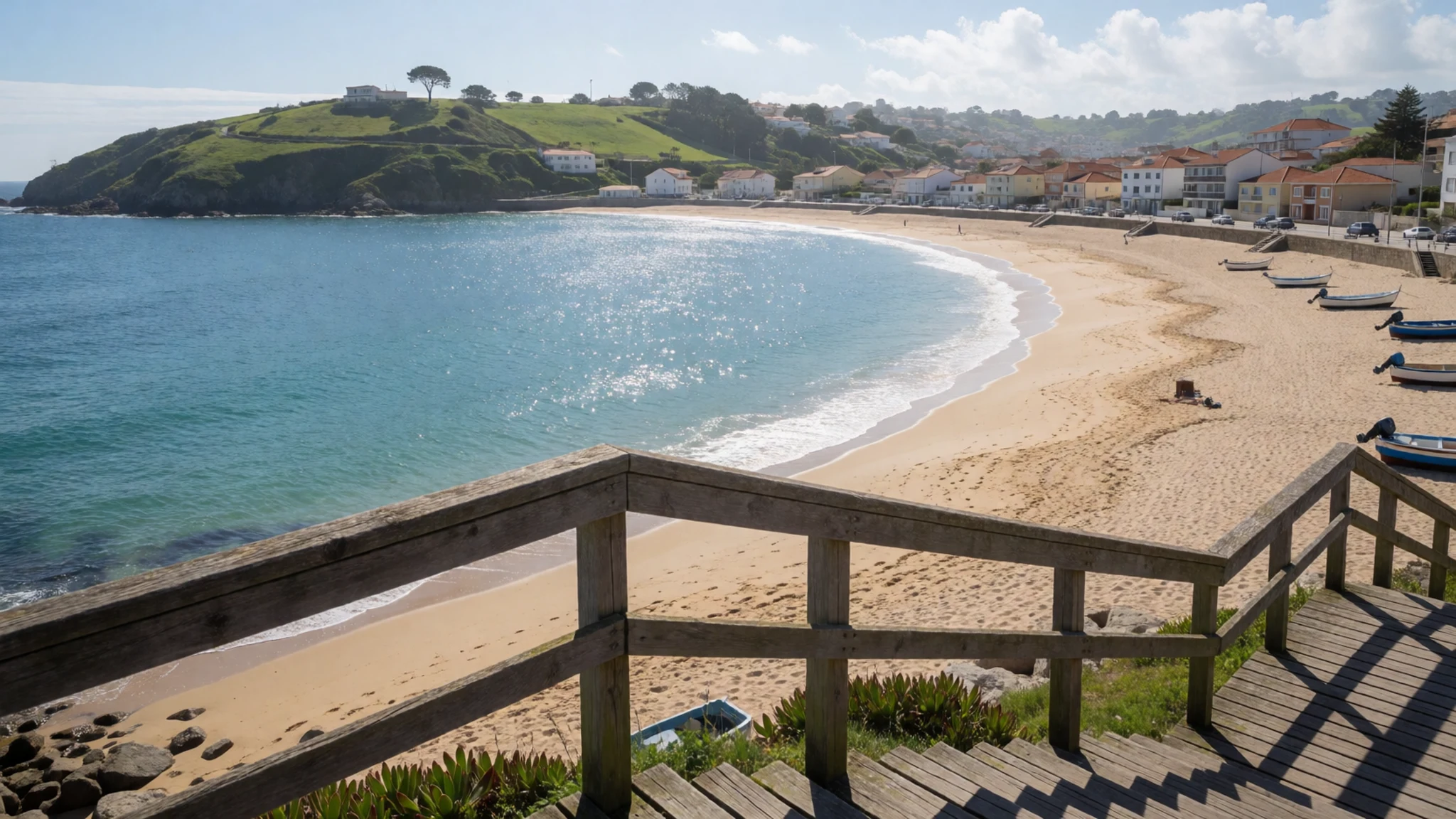
Culture
Alcobaça Monastery is a Catholic monastic site, and although the monks left in 1834, the building was made for prayer and still reads as a sacred space. Its atmosphere is closer to a church than to a museum, so many visitors slow down, speak quietly and pause at the chapels. The Cloister of Silence takes its name from the monastic ideal of quiet, and that tradition still shapes how the place feels. The town has a livelier side too. In November the monastery hosts an exhibition of conventual sweets and liqueurs, drawing crowds and stalls of religious and secular producers. Greetings in Portugal are polite and a little formal, and a simple bom dia in a shop or café goes a long way. Tipping is not expected in cafés, and rounding up the bill is enough. Keep voices low inside the church and cloister, and ask before photographing anyone at prayer.
What to wear
Traditional dress in the countryside around Alcobaça was practical and varied from village to village. Women's costume often combined a full skirt, an embroidered apron, a shawl and a headscarf, usually in dark wool, cotton or linen, with brighter embroidery kept for feast days. Black was once worn for mourning, and some older women in rural areas still wear it. Hand embroidery and simple weaving survive mainly in folk groups and craft shops, where the cloth is valued as much for its patterns as its wear.
What people wear now is ordinary modern clothing: jeans, jackets and trainers in town and on the coast, with smarter clothes for Sunday Mass, weddings and family occasions. Summer dress is light and relaxed in seaside places.
Visitors should dress modestly for the monastery, since it is a working church. Covering shoulders and knees is the safest choice. Wear comfortable closed shoes, because the old floors and town streets are uneven. Layers suit the weather, and a light jacket helps in the cool stone interior even in summer. Bring a hat and water for walking on warm days.
What to eat
- Conventual sweets — the November sweets exhibition inside the monastery, and the pastry shops of the town centre
Conventual sweets are the monastery's best-known edible tradition, made by religious houses across Portugal with egg yolks and sugar. In November the monastery hosts an exhibition of sweets and liqueurs, and some stalls are run by monks and nuns. It is the best place to sample them in one go.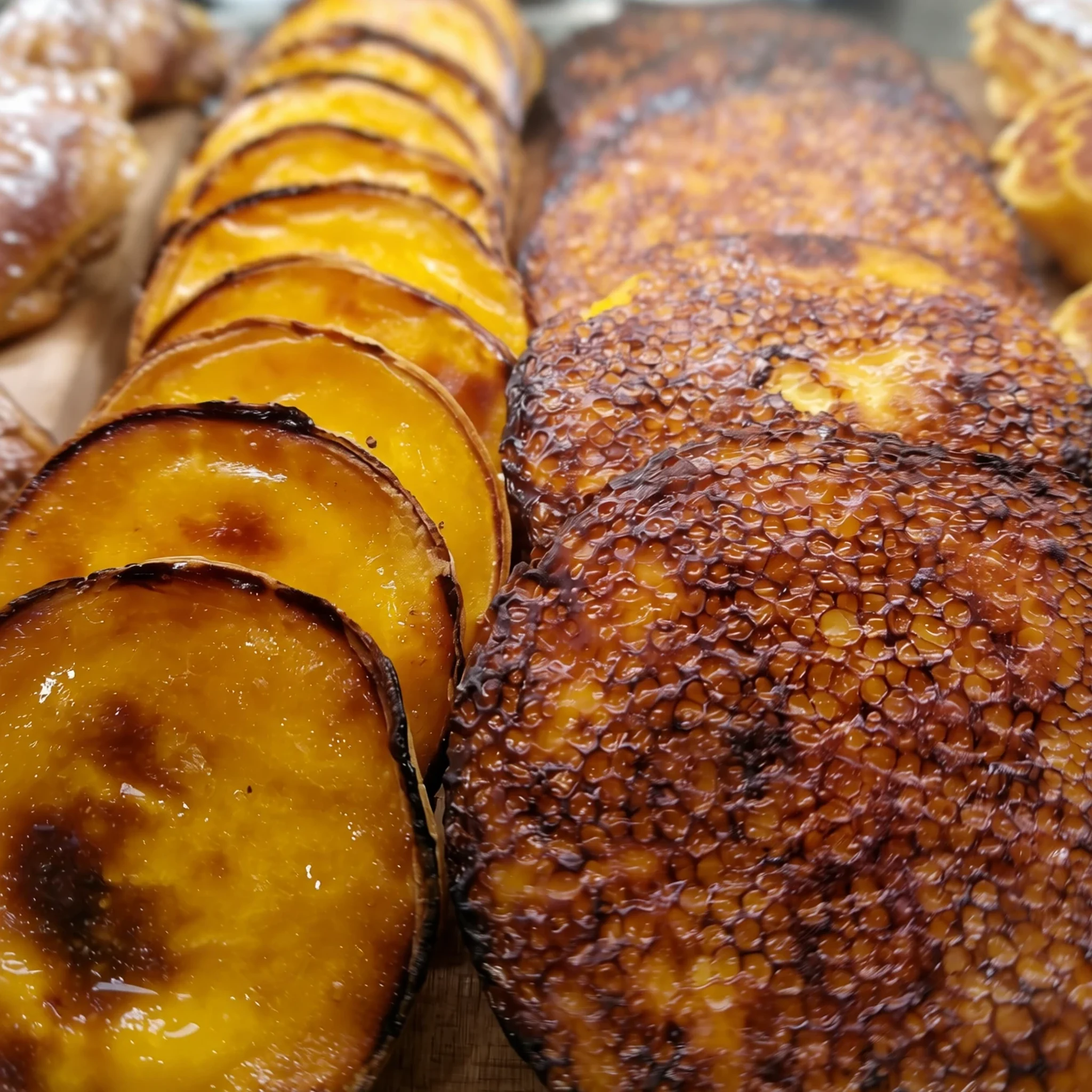
- Grilled fish — the seafront eateries at São Martinho do Porto
Grilled fish is the simplest way to eat on the coast. At São Martinho do Porto, seafood places line the water, and the catch is usually grilled whole with salt and olive oil. Lunch is the usual time, and the menu follows what the boats have landed that day.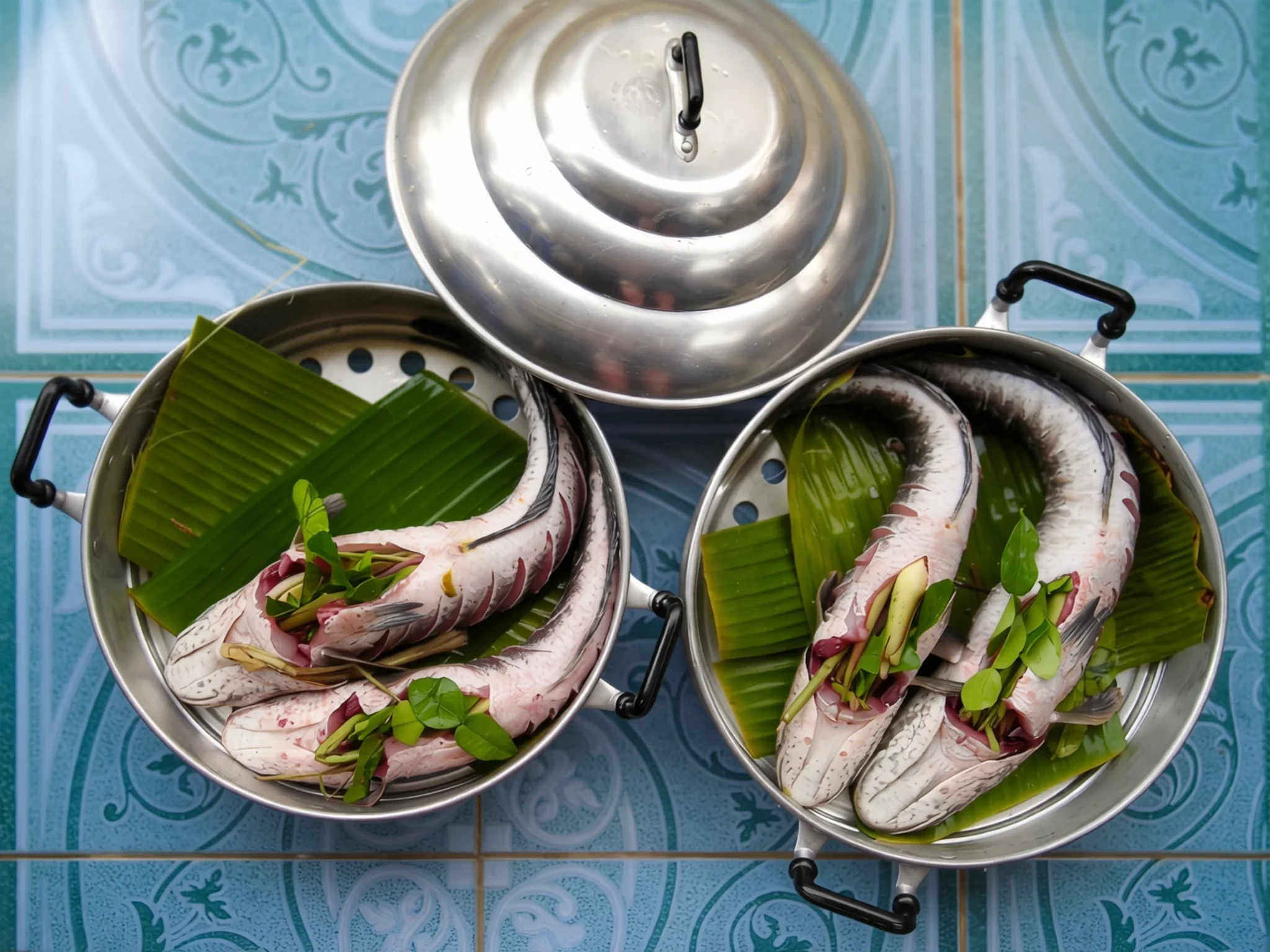
- Caldo verde — small tascas in the centre of Alcobaça
Caldo verde, a soup of potato, finely shredded kale and slices of chouriço, is a staple of Portuguese home cooking. Small tascas in the town centre serve it as a starter, usually with bread. It is warming on a cool day and filling without being heavy.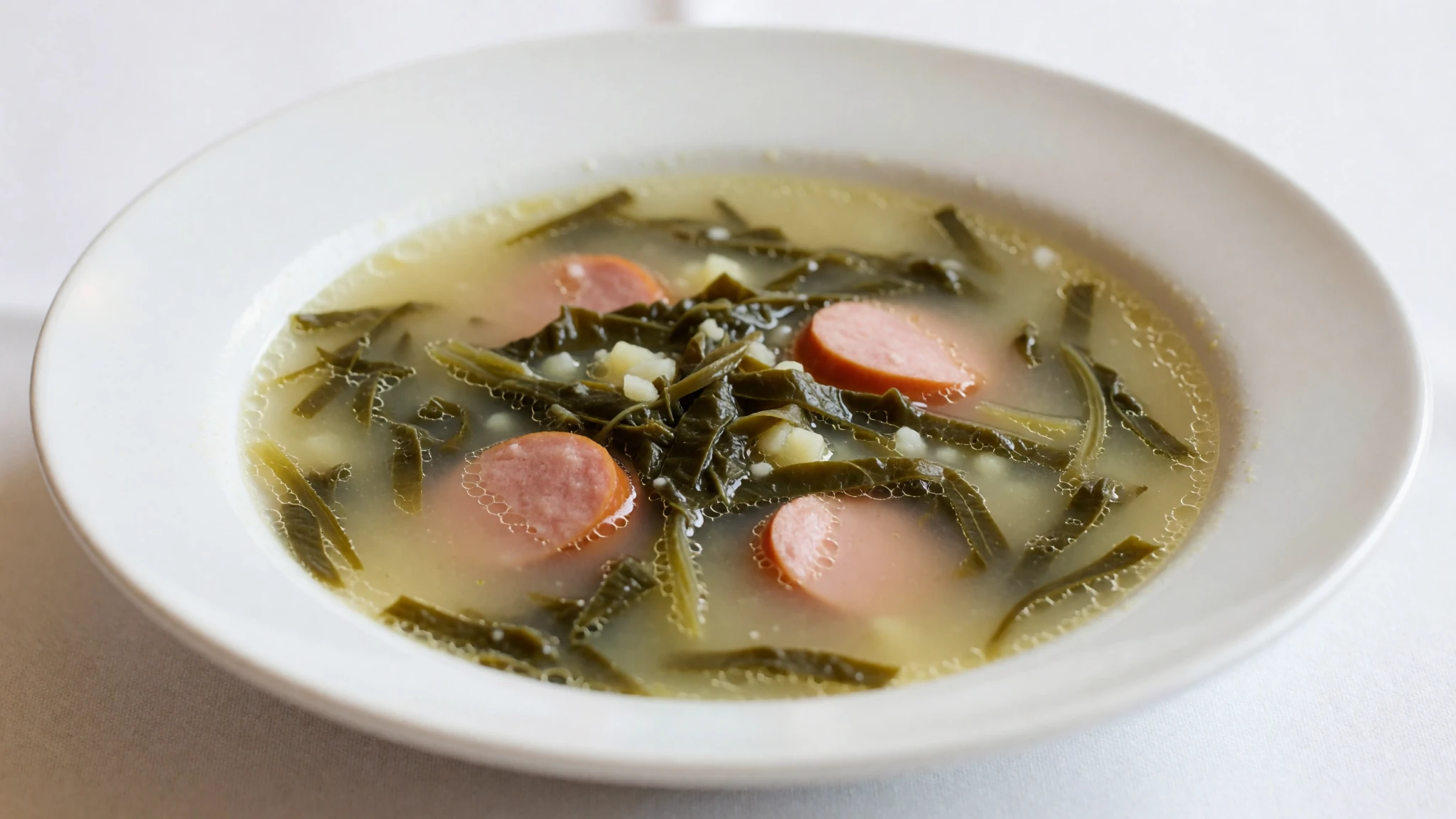
- Salt cod — older eateries and grill houses in the centre of Alcobaça
Salted cod, or bacalhau, appears in many forms across Portugal, often baked with potatoes, onions and olive oil. The older eateries in the town centre are the places to find it, often on a chalkboard menu. Ask whether the daily dish is cod that day. - Ginjinha — small bars around the square by the monastery
Ginjinha is a sweet cherry liqueur, usually served in a small glass, sometimes with a cherry at the bottom. Small bars near the square by the monastery are the usual place to try it, often standing at the counter. It is strong, so one glass is enough for most people.
Plan it
Best time. Spring (March and April) suits a visit best, with the mildest weather for walking the town and the coast, while November brings the sweets exhibition, though it is also the wettest month. Summer is hot, with July and August highs near 40 °C, and the bay is busier.
How long. 2–3
Getting there. Lisbon is the nearest large airport and city, about 120 km south of the monastery. The final leg is by car, with the A8 motorway coming closest to Alcobaça, or by bus or train. Check current timetables before travelling, as connections change.
Budget. mid
Tips
- Visit the church in the morning, when it is usually quieter
- Check the official site for opening times and any guided visits before travelling
- Book ahead for the November sweets exhibition, as it draws crowds
- Carry a light layer for the stone interior, even in summer
Etiquette
- Dress with covered shoulders and knees inside the church
- Keep voices low in the nave and cloister
- Ask before photographing anyone at prayer
Nearby
Sources
- Wikidata Q593147 (CC0)
- Wikipedia: Alcobaça Monastery (CC BY-SA 4.0)
- Wikivoyage: Alcobaça (CC BY-SA 4.0)
- Alvesgaspar, Main façade of the Monastery of Alcobaça (CC BY-SA 4.0)
- Vitor Oliveira, Mosteiro de Alcobaça (54590074011) (CC BY-SA 2.0)
- Vitor Oliveira, Mosteiro de Alcobaça (54590285988) (CC BY-SA 2.0)
- Vitor Oliveira, Mosteiro de Alcobaça (54590285918) (CC BY-SA 2.0)
- Vitor Oliveira, Mosteiro de Alcobaça (54590264584) (CC BY-SA 2.0)
- Vimacopeca, Alcobaça e Vestiaria – Mosteiro de Alcobaça (CC BY-SA 4.0)
- Alvesgaspar, Main nave of the church (CC BY-SA 4.0)
- Alvesgaspar, Tomb of King D. Pedro I (CC BY-SA 4.0)


