Azores
Azores, Portugal
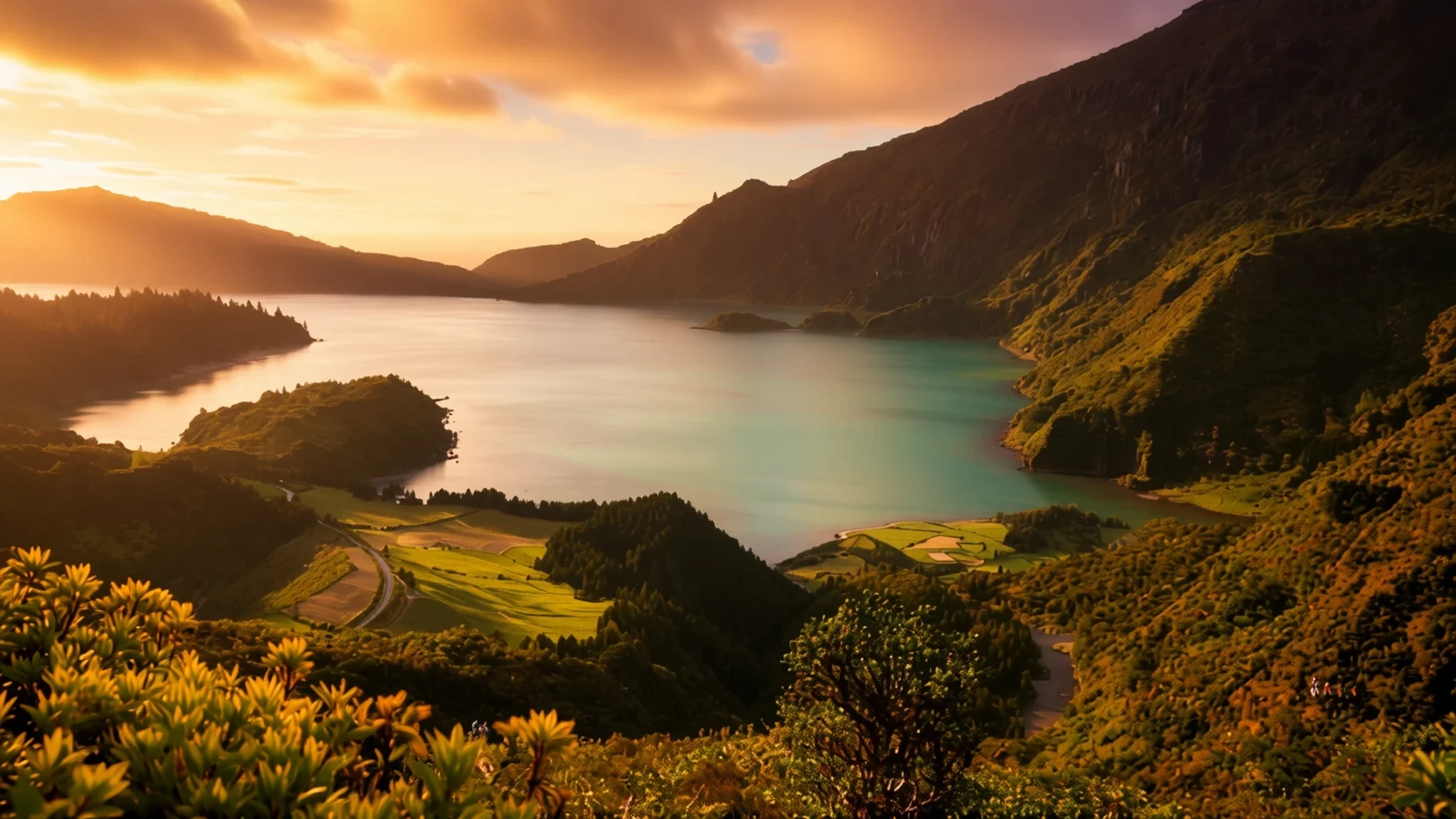
Nine volcanic islands in the North Atlantic, with whale watching, hiking and slow village life, a flight away from mainland Portugal.
The place
The Azores is an archipelago of nine volcanic islands in the North Atlantic, roughly 1,400 km west of mainland Portugal. It forms one of the two autonomous regions of Portugal, the other being Madeira, and it holds the westernmost land in the country. The islands run in a long northwest to southeast line for more than 600 km, and they fall into three loose groups. In the west are Flores and Corvo. The central group includes Pico, Faial, São Jorge, Terceira and Graciosa. In the east lie São Miguel, Santa Maria and a few small islets.
Every island is volcanic in origin, though some have been quiet for as long as people have lived there. Pico is the highest point in Portugal, its summit reaching 2,351 m above the sea. Its slopes show how young much of this landscape is: dark lava fields and cones sit close to green pasture, hedges of hydrangea and small harbour towns.
The population is about a quarter of a million, and much of it lives on São Miguel, which has the main airport and the largest town, Ponta Delgada. Life elsewhere follows farming, fishing and the weather. Dairy cattle graze the hills, boats leave harbours at first light, and the sea shapes almost every conversation. The regional government dates from 1976, when the islands became an autonomous region, and that arrangement still shapes how the islands run their own affairs within Portugal.
Its story
The Azores has a short recorded history, but its landscape and wildlife have their own story to tell. Archaeologist Nuno Ribeiro has identified a small number of possible hypogea, underground structures cut into rock, on Corvo, Santa Maria and Terceira. He has speculated that some could be older than the Portuguese settlement, but the evidence is thin. Dating has not been carried out in a way that settles the question, so it remains unclear whether the chambers are natural or human-made. Settlers later used some of them to store grain, and the idea that others were burial sites has not been confirmed.
The written record is more concrete. When Diogo de Teive reached Corvo during the exploration of the islands, he reported finding a statue of a man on horseback, a find that has long fed local legend. Corvo's rocky coast and crater setting make it one of the most isolated places in the group, which helps explain why its early stories have survived so well.
Nature offers a second thread. A study of mouse mitochondrial DNA suggests that the local mouse population has Scandinavian roots rather than Portuguese ones, a result that surprised some researchers. Sediment cores from a lake point to a period when scrub was cleared and livestock were introduced, which marks the arrival of farming. Taken together, these findings show how people and animals reshaped the islands within a short span of time.
What to see
- Ponta Delgada, São Miguel — Ponta Delgada, São Miguel
Ponta Delgada is the largest town in the Azores and the usual first stop for visitors. Its old harbour, church squares and black-and-white pavements give a good sense of island town life. The fresh food market sits in the centre and is busiest in the morning, when fishermen and farmers sell their catch and produce. Give yourself a slow afternoon here before heading into the countryside.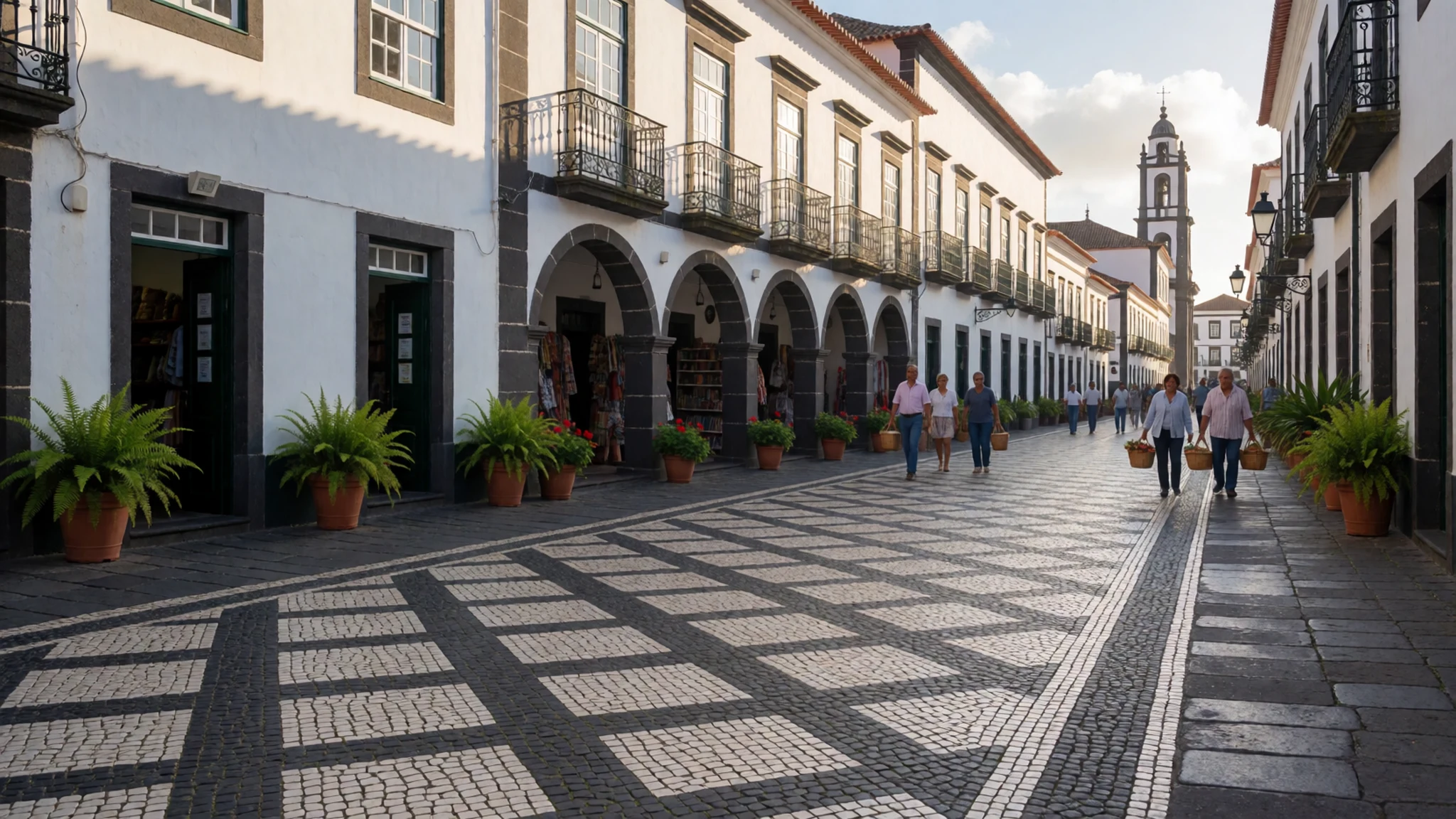
- Mount Pico, Pico Island — Pico Island, north of the central volcanic cone
Mount Pico is the highest point in Portugal, at 2,351 m, and it dominates the island that carries its name. The climb is a full day's effort on a steep volcanic path, with loose stones and changeable weather near the top. Go with a licensed guide if you can, and check conditions the day before. On a clear morning the view across the channel to neighbouring islands is worth every step.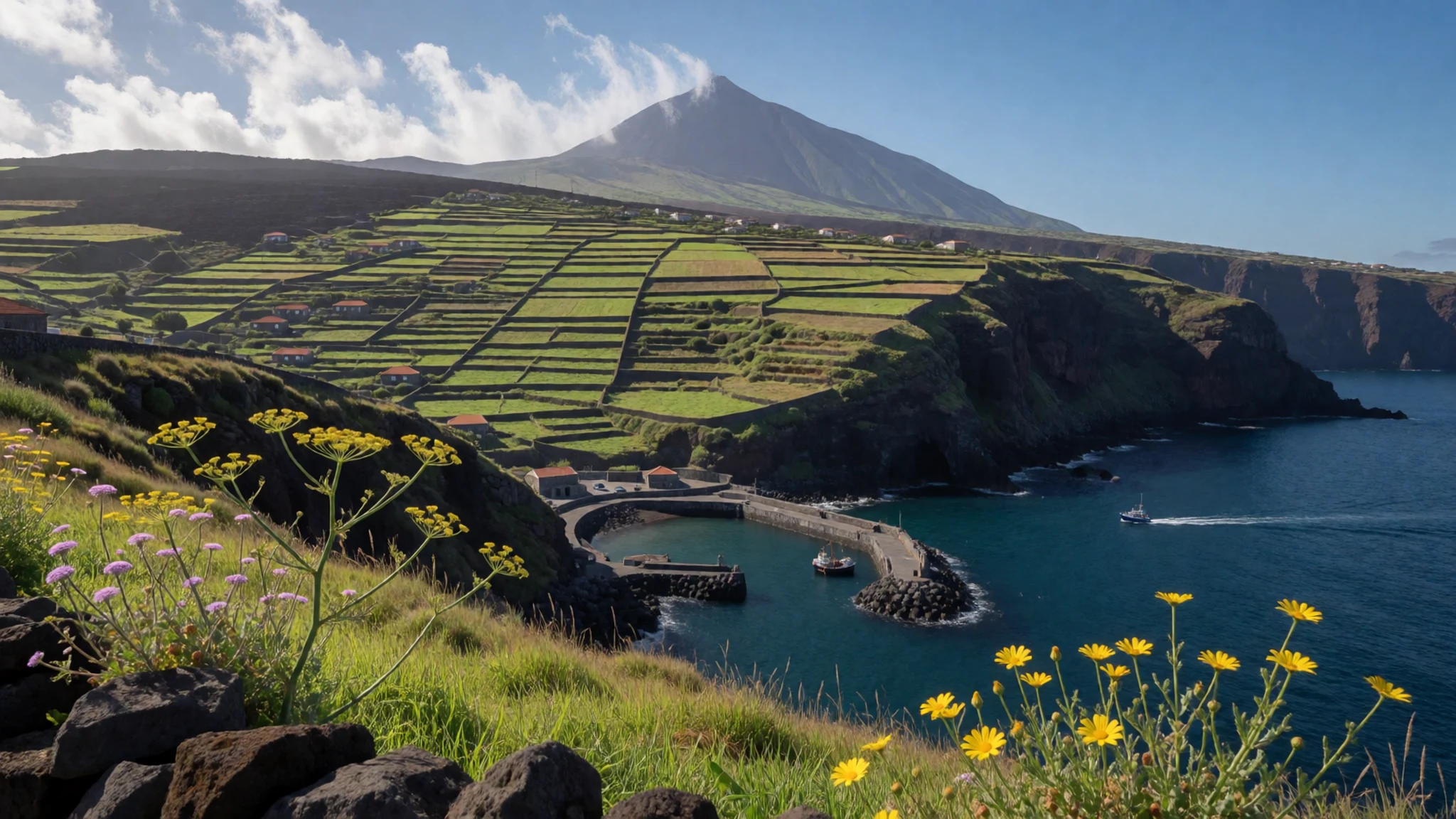
- Whale and dolphin watching — Horta marina, Faial, and other island marinas
Most marinas in the Azores run boat trips to watch whales and dolphins, and the waters around Pico and Faial are a favourite. Boats are small, so expect to get close, and follow the skipper's instructions to keep the animals undisturbed. Trips are weather-dependent, so keep a spare day in your plans. Book with a well-regarded operator and check the official tourism site for current guidance.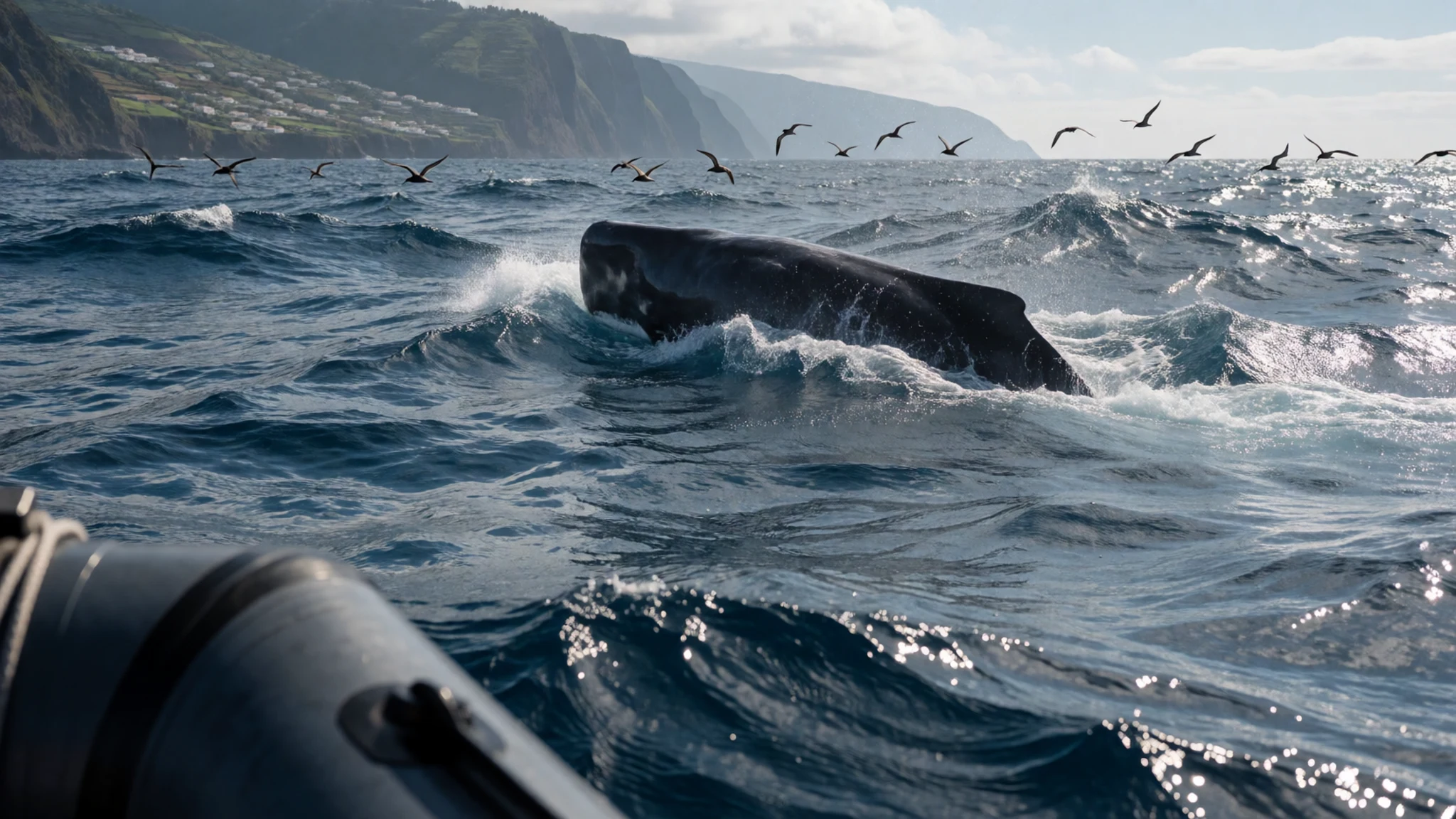
- São Jorge's cliffs and viewpoints — Northern and southern coasts of São Jorge
São Jorge is a long, narrow island with steep sea cliffs on one side and green plateaus above. Roads wind along the ridge, and several lookout points give views across the water towards Pico. The cliffs are exposed, so stay behind railings and keep children close. The island is quiet, with few visitors outside summer, which suits anyone who wants wide views without crowds.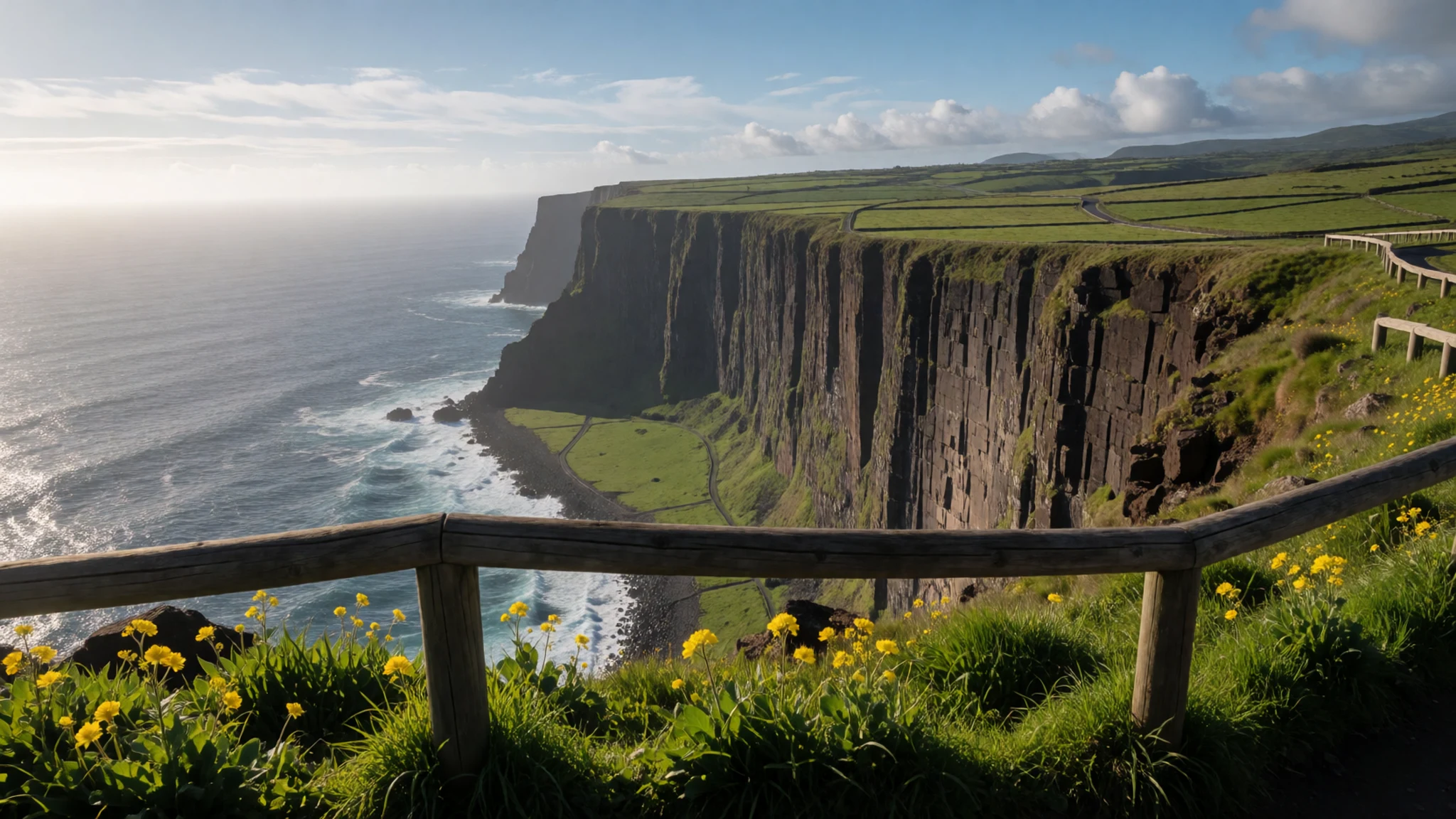
- Terceira's painted impérios — Parishes across Terceira, with Angra do Heroísmo as a base
On Terceira, the small festival buildings called impérios have grown into ornate structures, painted and looked after by local brotherhoods in each parish. They are used to store the regalia of the Holy Spirit festivals and to host meals and charity. Visit outside festival time to see them calmly, and treat them as active places of worship and community life rather than museum pieces. Angra do Heroísmo, the island's historic town, is a good base for seeing them.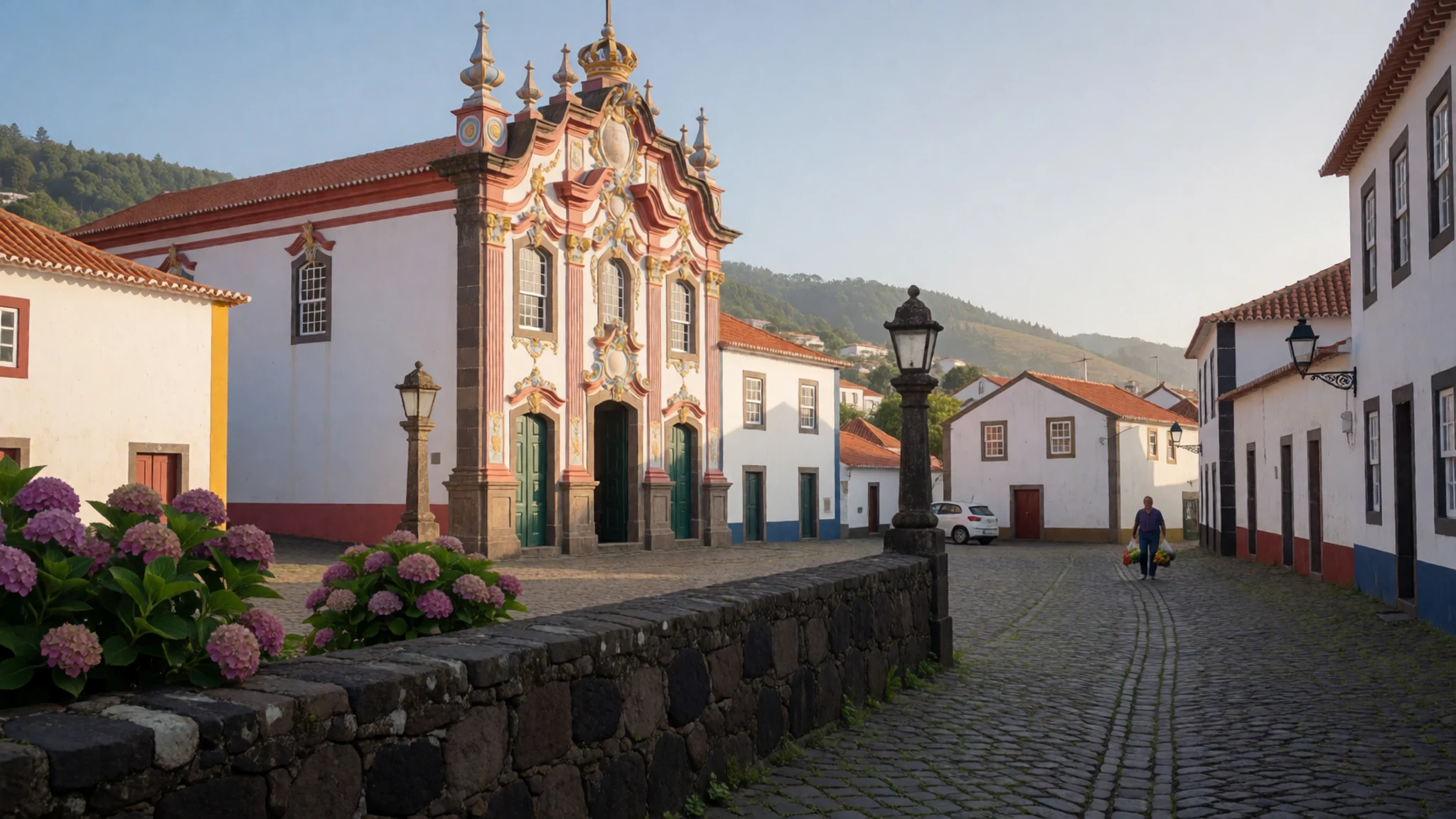
Culture
Religion and community shape the Azorean calendar more than anything else. Most residents are Roman Catholic, and the most important events are the festivals of the Holy Spirit, known as Espírito Santo, which run on every island from May to September. These festivals combine religious ritual with processions, and they celebrate generosity and equality between neighbours. Meals, prayers and the distribution of food happen in small buildings called impérios or tronos, which are used to store festival objects and host the community. On Terceira in particular, the impérios have become ornate, brightly painted buildings cared for by local brotherhoods.
The festivals focus on parish members, but visitors are welcome because sharing is central to them. Expect a relaxed but structured atmosphere, with clear roles for those carrying banners, leading processions and serving food. Locals are proud of their traditions and will often explain them if asked politely.
When you are invited into a festival meal or procession, accept with a smile, and ask before photographing people or the interior of an império.
What to wear
Traditional dress in the Azores is closely tied to religious festivals, especially the Holy Spirit celebrations. In many parishes, participants wear white clothing for processions and ceremonial duties, often with dark skirts, embroidered or lace-trimmed blouses and dark jackets for men. Cloth was usually wool, linen or cotton, chosen for practicality in a damp, windy climate, and lace and embroidery provided the decoration. The exact styles vary from island to island and from parish to parish, so the best way to see them is to visit a festival and watch the people who take part.
Everyday dress is much closer to mainland Europe. Locals wear jeans, jumpers, fleeces and waterproof jackets, and the look is practical rather than formal. Younger people dress much as they would in any European city, while older residents may still wear traditional dark clothing for church and ceremonies.
For a visit, pack in layers. Weather can change within an hour, so bring a windproof, waterproof outer layer, a warm mid-layer and quick-drying clothes. Walking shoes with good grip are essential for wet basalt paths and volcanic trails. Cover shoulders and knees when entering churches or attending a festival, and bring a light scarf to make this easy.
What to eat
- Bife à Regional — Traditional restaurants in Ponta Delgada and Angra do Heroísmo
This is the signature dish of the islands: a grass-fed beef steak served with a local sauce that pairs well with the fresh, simple sides. Beef from the islands is known for its flavour, and this steak shows it off. Order it at a traditional restaurant in Ponta Delgada or Angra do Heroísmo, where it is a regular feature on the menu.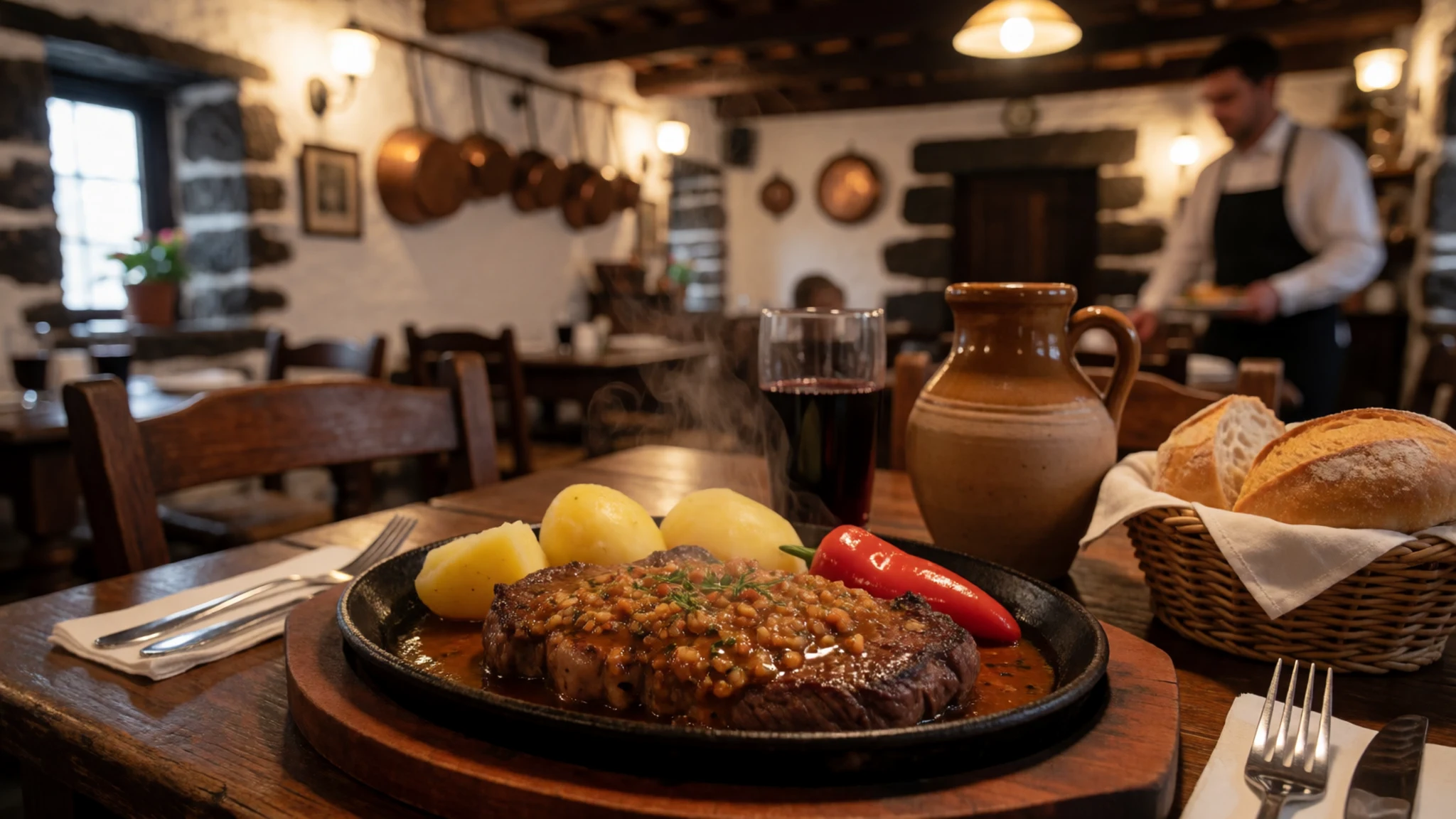
- Fresh grilled fish — Harbour eateries in Horta, Faial, and in fishing villages on the islands
The islands are surrounded by deep water, so fish is abundant and usually very fresh. Grilled or simply fried fish with boiled potatoes and a salad is a typical lunch. Ask what came in that morning and let the eatery choose the simplest preparation. Harbour restaurants are often the best places to eat it.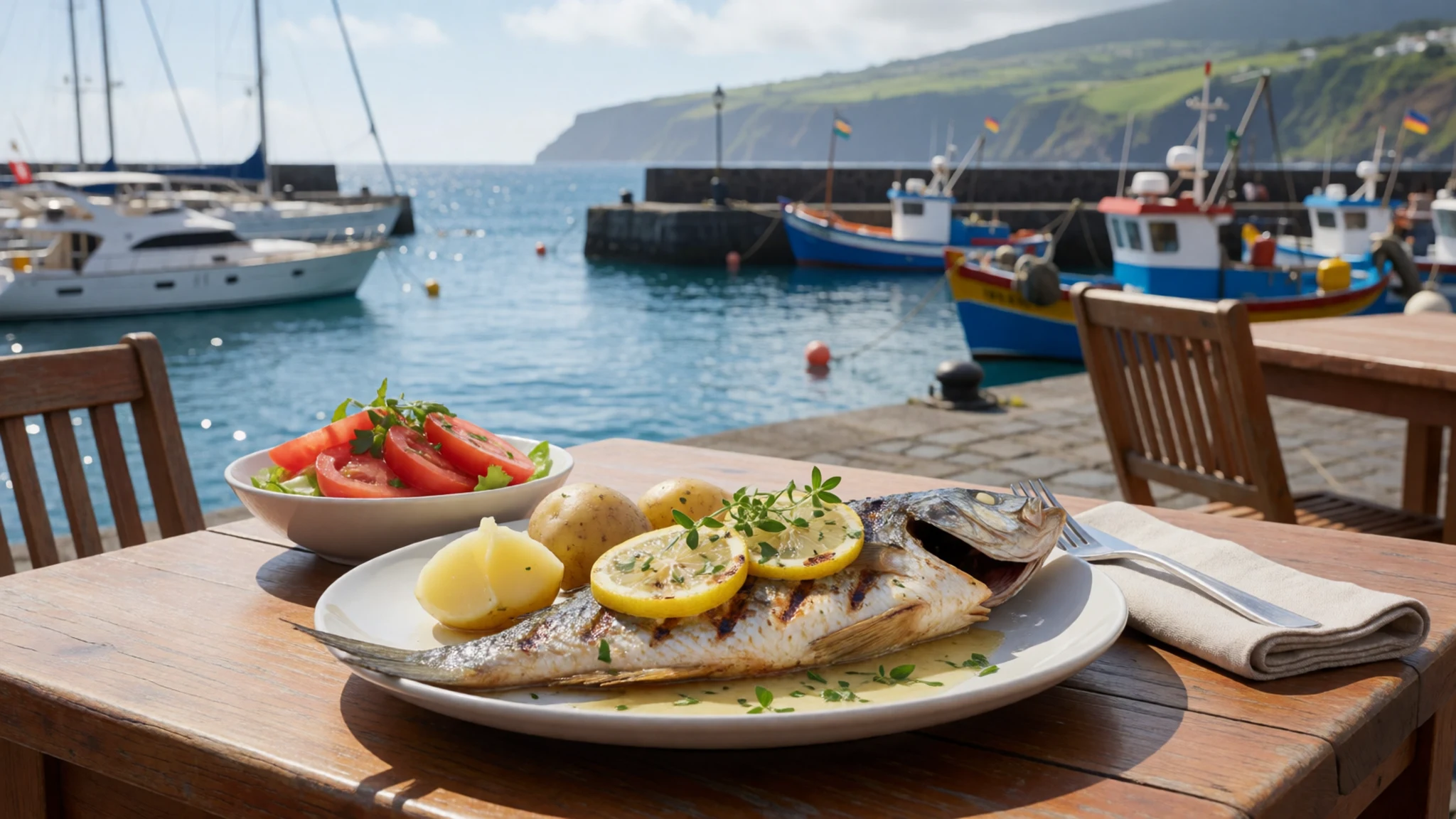
- São Jorge cheese — Dairy shops and grocery stores on São Jorge
São Jorge is famous for its cheese, a firm, rich cow's milk variety with a deep, nutty flavour. It makes a good gift to take home, though check your airline's rules on carrying dairy products. Look for it in small grocery shops and at dairy shops on the island, where the cheese is often sold by the piece.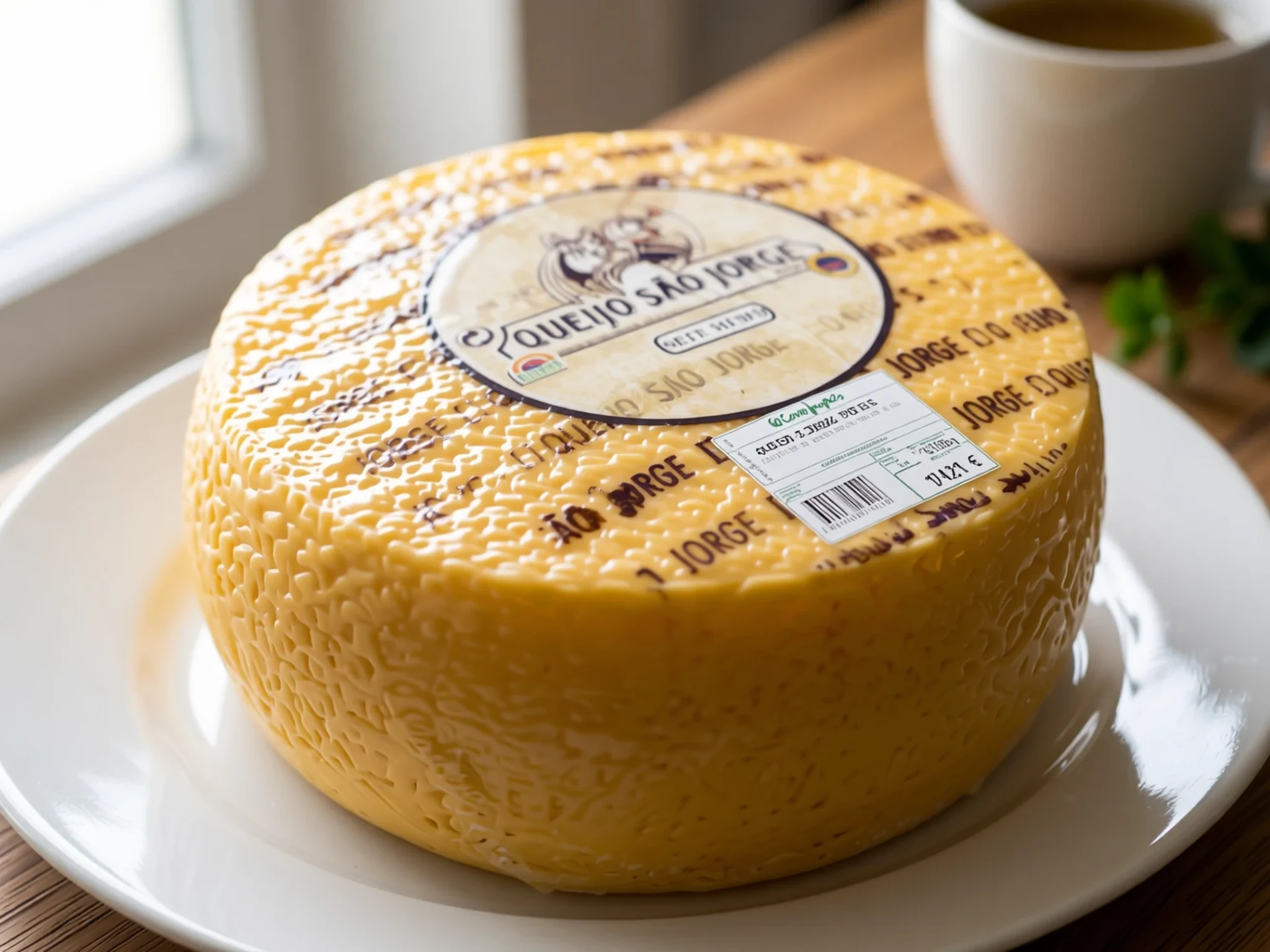
- Pineapple from São Miguel — Fruit stalls and the central market in Ponta Delgada, São Miguel
Pineapples grown on São Miguel are sweet and juicy, and they are widely sold as a fruit in their own right. Buy a whole one at a fruit stall or in the market and eat it fresh, ideally the same day. It is a simple way to taste something that is distinctly local. - Dry white wine from Pico — Wine cellars and vineyards on Pico Island
Local wine is mostly dry white, and Pico produces a good share of it from vineyards grown in dark volcanic soil. Visit a small wine cellar on the island to taste and buy bottles. Wine from the mainland is also widely available, so compare a few before you commit.
Plan it
Best time. Late spring through early autumn gives the mildest and driest days, though the Azores are damp and windy at any time of year. Check the forecast before planning boat trips or a summit day, because conditions can change quickly.
How long. 3–4
Getting there. Ponta Delgada Airport (PDL), also called João Paulo II Airport, on São Miguel is the main entry point. International airports also serve Faial, Flores, Santa Maria and Terceira, and Pico has its own airport. Inter-island flights and ferries connect the islands, and a multi-island trip is easiest by flying in to one island and out of another.
Budget. mid
Tips
- Consider an open-jaw ticket, arriving on one island and leaving from another, so you can see more islands without doubling back
- Pack for changeable weather, with a waterproof layer and walking shoes with good grip
- Book whale watching and guided trips ahead in summer, and check the official site for current operator guidance
- Allow extra time at departure, because passport control comes after security
- Carry some cash for small cafés and rural shops, and check card acceptance before heading into remote areas
- Bring a reusable water bottle, and plan drinks and snacks for long drives between villages
Etiquette
- Keep a respectful distance from whales and dolphins, and follow the skipper's instructions
- Ask before photographing people at festivals or inside impérios
- Stay behind railings on sea cliffs and volcanic viewpoints
Nearby
Sources
- Wikidata Q25263 (CC0)
- Wikipedia, Azores (rev 1379703166) (CC BY-SA 4.0)
- Wikivoyage, Azores (rev 5336126) (CC BY-SA 4.0)
- Photo: Ilha de São Jorge, Açores (Guillaume Baviere) (CC BY 2.5)
- Photo: Sixteenth-century map of Azores (Abraham Ortelius) (Public domain)
- Photo: Desembarcoislasterceiras (Public domain)
- Photo: DpedroI-brasil-full (Public domain)
- Photo: Map of Azores Islands (varp) (Public domain)
- Photo: Location of Azores, Madeira and Canaries (Ulamm) (CC BY-SA 1.0)
- Photo: São Miguel, Azores (Tiomax80) (CC BY 2.5)
- Photo: Mount Pico (David Stanley) (CC BY 2.5)


