Sanzhi
Sanzhi, Taiwan
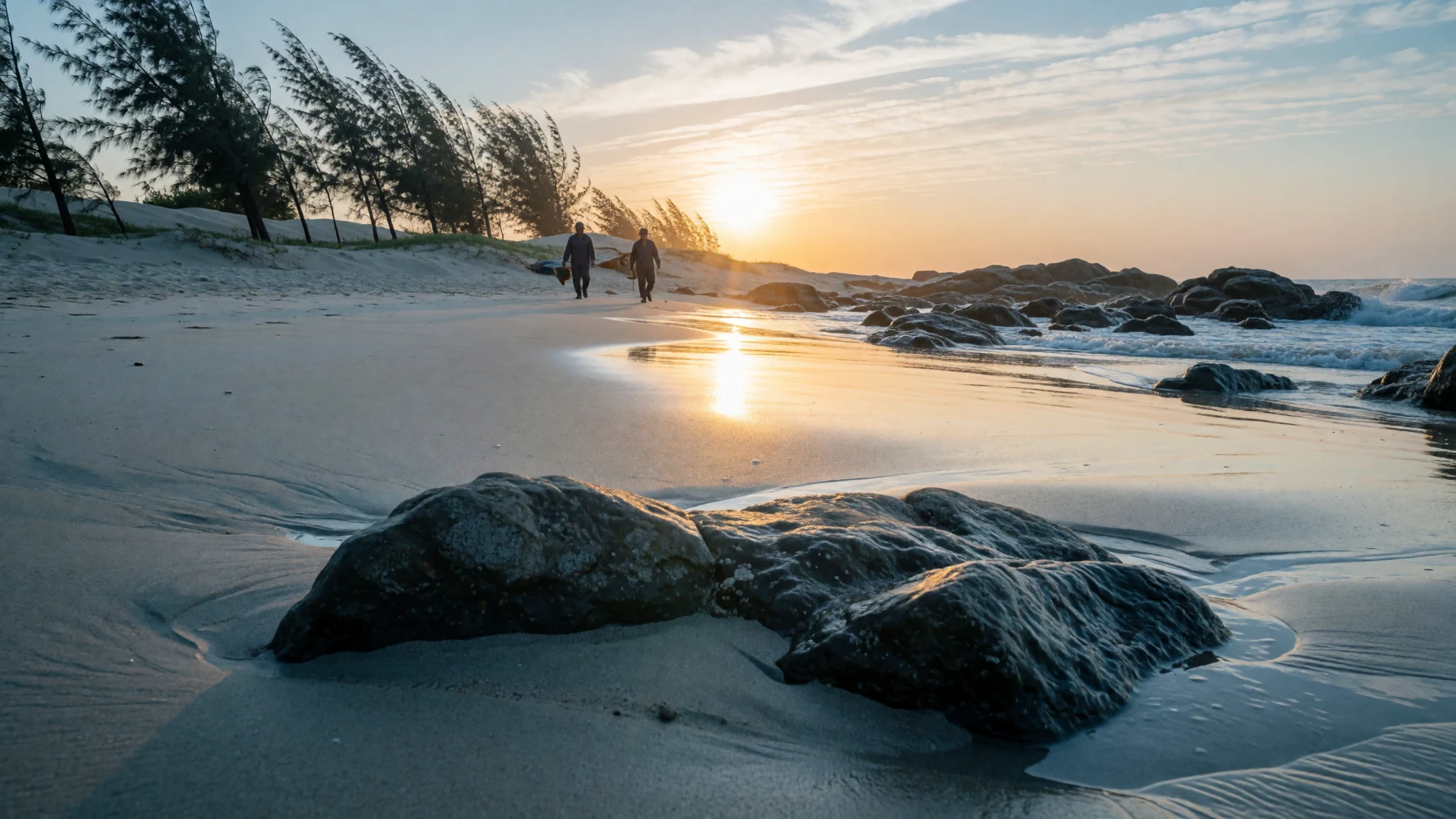
Sanzhi is a quiet north-coast district of temples, puppets and windy shoreline, a slow day out from Taipei for people who like to wander.
The place
Sanzhi District (三芝區, Sānzhī Qū) is a rural district on the north coast of New Taipei City, Taiwan, with 21,979 residents and a listed elevation of 300 m. That figure hints at the geography: the land climbs from a windy shoreline into hills that lead toward Datun Nature Park, so a short drive swaps sea air for forest paths. It is a place of villages, temples and farmland rather than a town centre with a skyline. Most people outside Taiwan know it, if at all, as the hometown of former president Lee Teng-hui, and a small house tied to him still draws curious visitors. Beyond that, Sanzhi's pleasures are low-key. There is a hand-puppet museum, a cluster of artists' studios, a cave temple covered in coral, and a seaside park that locals know for its wind. There is no major railway station, so the district suits travellers with a car or a patient approach to buses and taxis. Anyone wanting a checklist of famous sights will be underwhelmed; those who like to wander, eat a slow breakfast and watch the weather come in off the sea will be happier. It works well as a half-day or day out from Taipei, or as a quiet base for a night or two on the north coast. Summer is warm and sticky, and the sea changes the weather quickly, so plans need to bend.
Its story
The written record behind this reading is short, so Sanzhi's story is best told through what remains on the ground. Under Japanese rule the area was Sanshi Village (三芝庄), administered from Tamsui District (淡水郡) within Taihoku Prefecture. That detail places Sanzhi on the rural fringe of the Taipei region, tied to the port town of Tamsui rather than standing alone. The names have changed since, and the district now belongs to New Taipei City, but the pattern of small settlements has survived. The temples add more. Several are scattered along the lanes, among them one dedicated to a local Hakka god, which points to Hakka communities living in the area and keeping their own traditions. Another is a cave temple lined with coral, a very different kind of devotion, shaped by the sea. Politics left its mark too. Yuanxing House, the birthplace of Taiwan's first democratically elected president, Lee Teng-hui, stands behind the visitor information centre, a modest building for such a history. Puppetry is the other living thread. The museum here honours the puppeteer Li Tien-lu, and his antique puppets show how a popular folk art became something collected and displayed. Sanzhi has never been a grand site. Its story is about ordinary people, local belief and a coastline that has stayed mostly rural.
What to see
- Li Tien-lu Hand Puppet Historical Museum — Zhibo area, Sanzhi
The museum is devoted to Taiwanese hand puppetry and holds mainly antique puppets that belonged to the puppeteer Li Tien-lu. The cases of small costumed figures are the draw, but regular performances are held here too, so the art can be seen working rather than preserved. Check the official site, http://www.sanzhi.ntpc.gov.tw, for show times.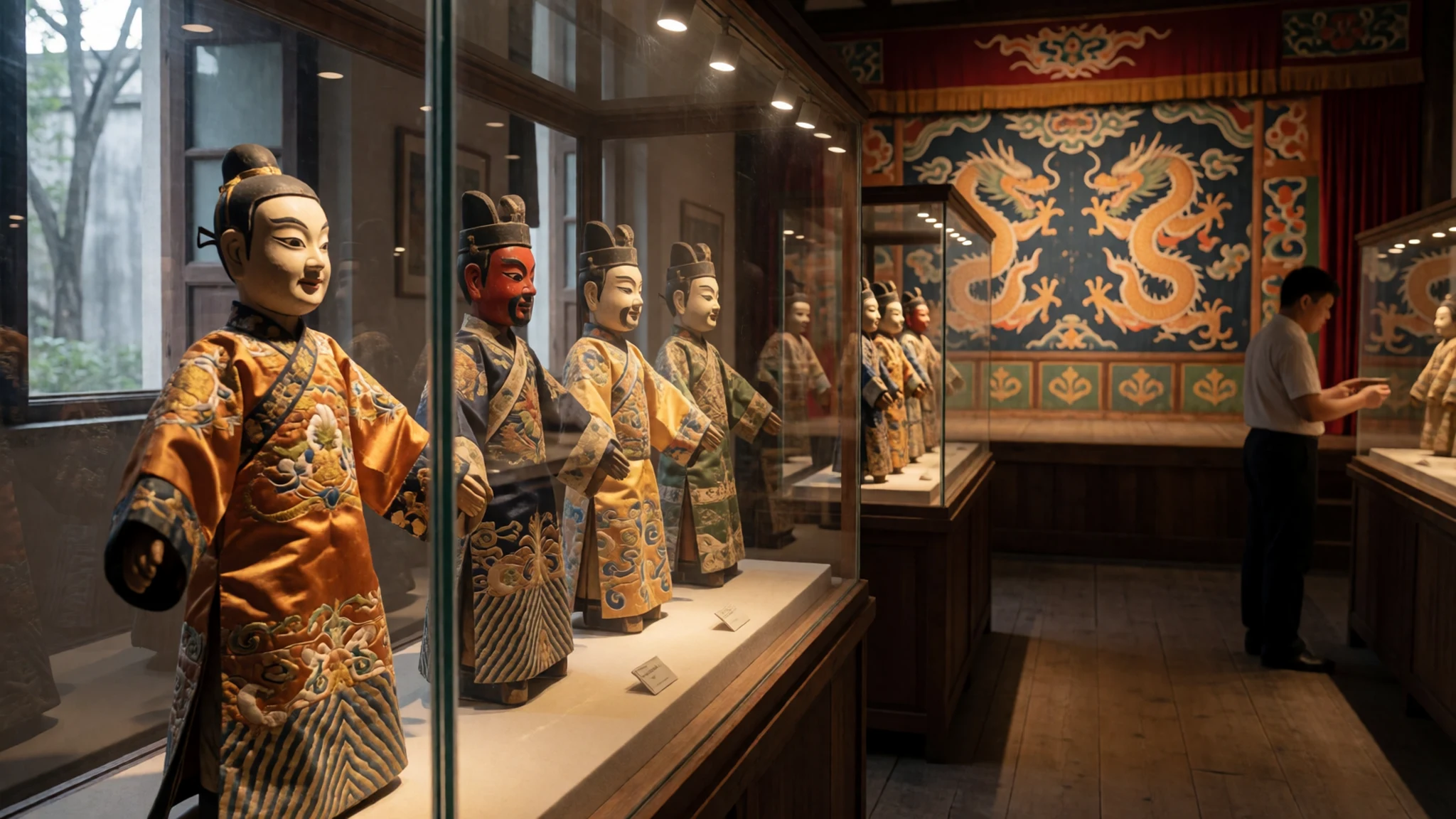
- Zhibo Artist's Village — Zhibo area, Sanzhi
Zhibo Artist's Village is a small area of studios and workshops, close to the puppet museum, so the two pair easily on one outing. It suits slow browsing, chatting to makers and looking at craft in progress. Opening depends on the individual artists, so treat it as a wander rather than a fixed appointment.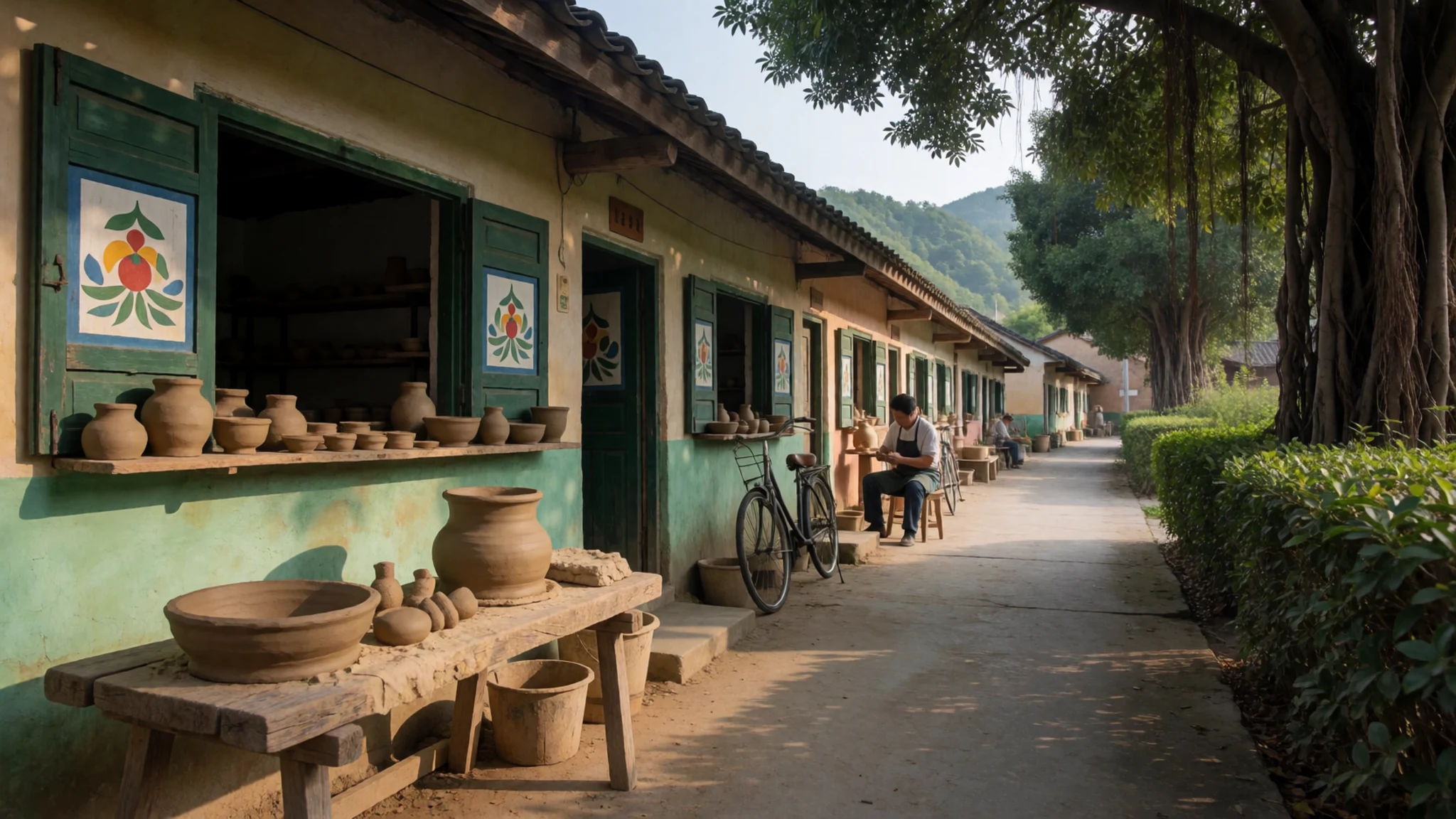
- Fufudingshan Shell and Coral Temple — Sanzhi coast
Fufudingshan Shell and Coral Temple is a cave temple whose walls are extensively decorated with coral. The effect is stranger and more tactile than a standard hall of worship, and it shows how closely local faith sits beside the sea. Treat it as a working temple, keep voices low and follow any signs about photography.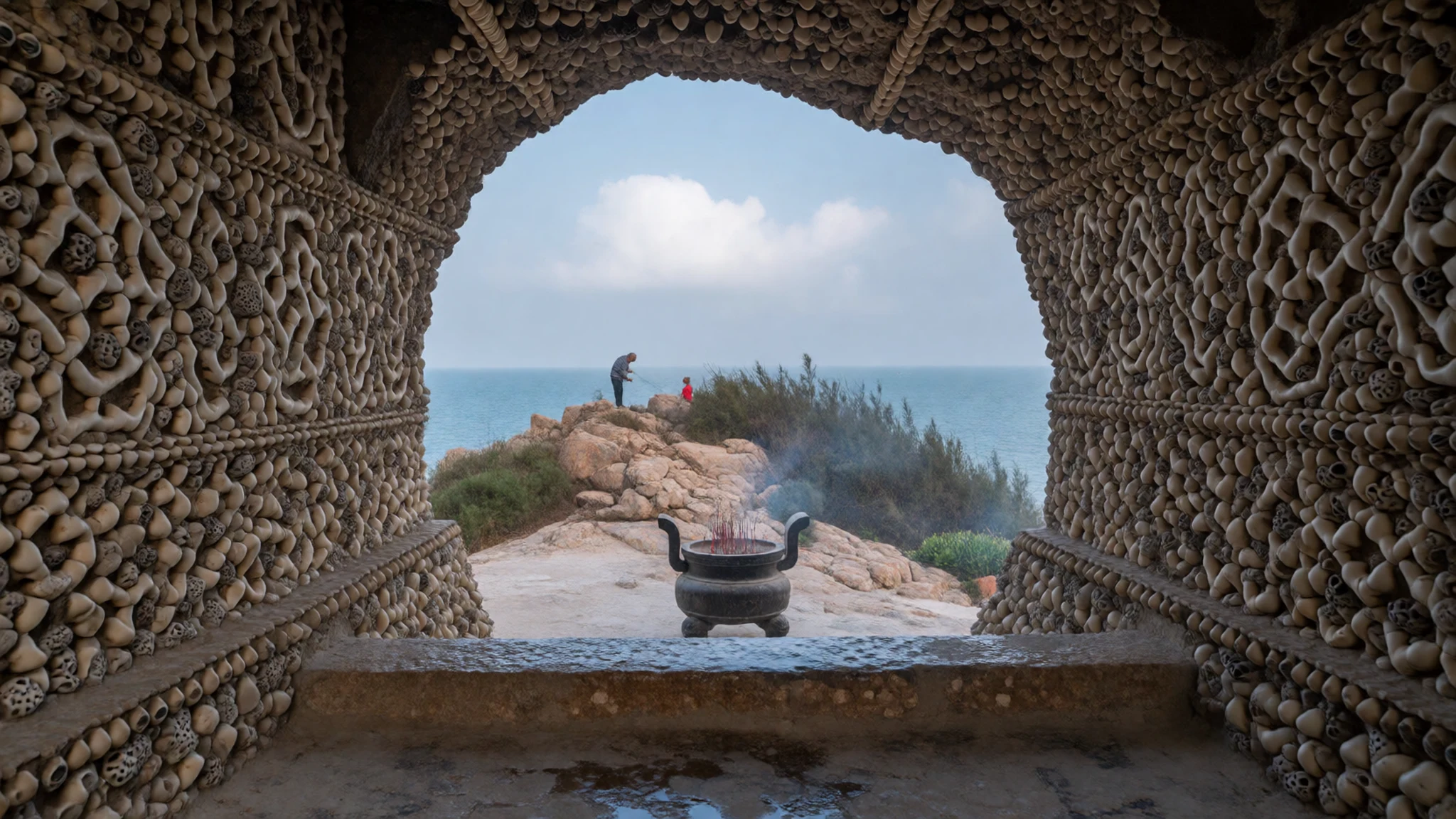
- Yuanxing House — Central Sanzhi
Yuanxing House is a small building behind the visitor information centre, and it was the birthplace of Lee Teng-hui, the first democratically elected president in Taiwan's history. It is modest and quick to see, of more interest for the story than the architecture. Stopping at the information centre first is a sensible way to get local advice.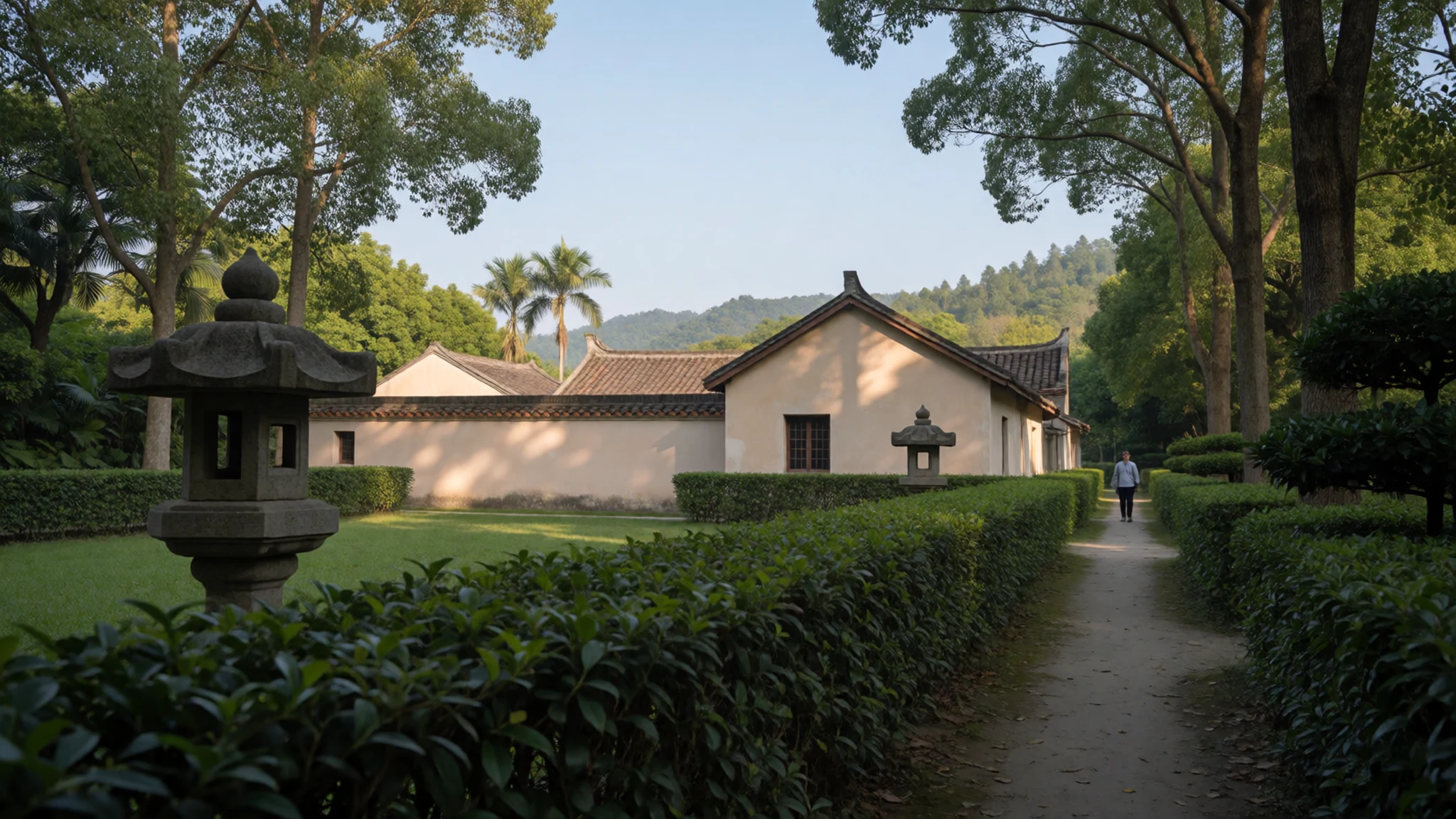
- Qianshuiwan Seaside Park — Sanzhi coast
Qianshuiwan Seaside Park sits on Sanzhi's coast and offers open views out to sea. It has a reputation for being windy, so a light windproof layer is worth packing even on a bright day. It is a good place to end an afternoon, walking along the shore and watching the weather change over the water.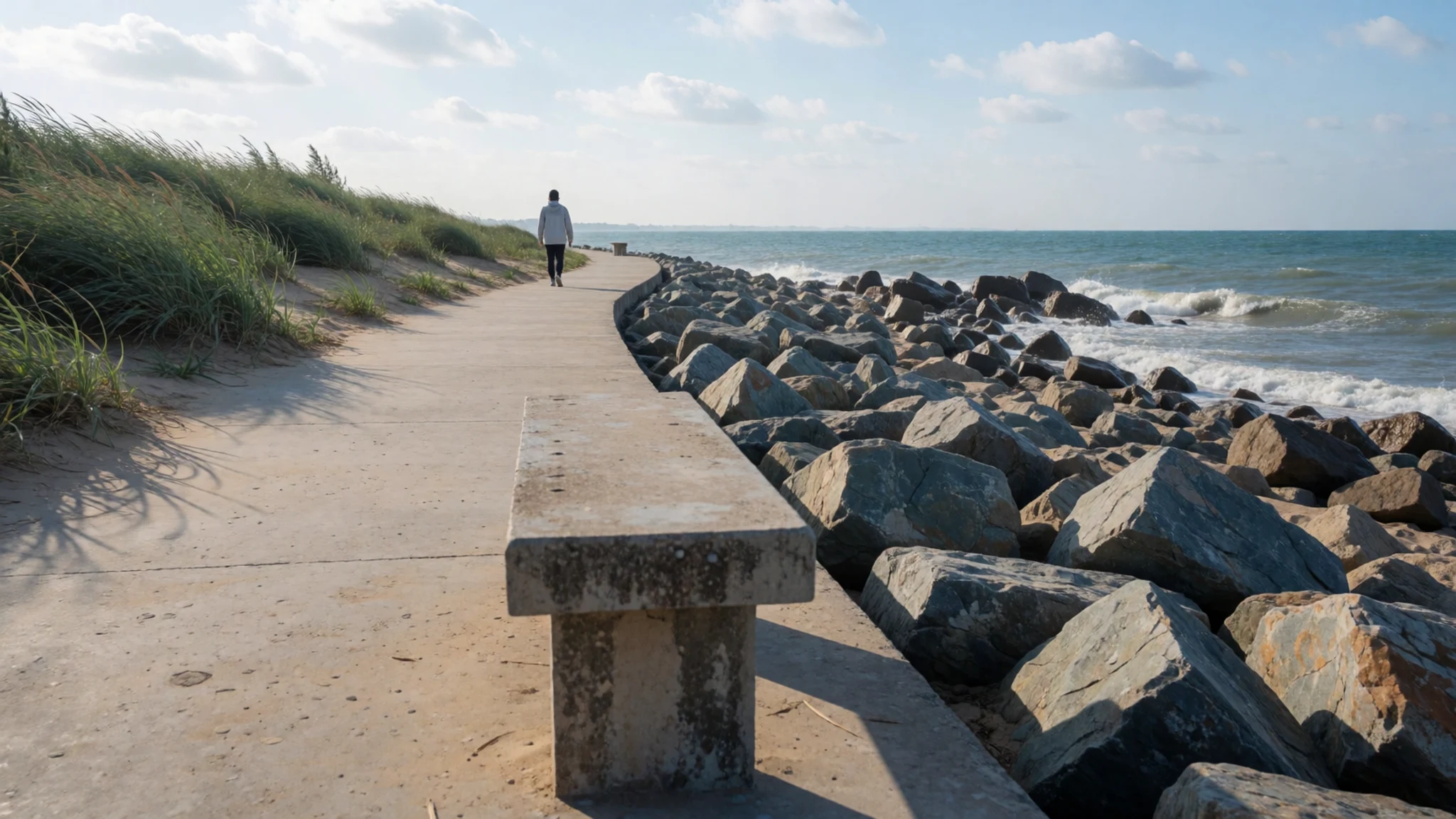
- Datun Nature Park — South of Sanzhi
Datun Nature Park lies to the south of Sanzhi and is a popular hiking spot with local people. The trails give a cooler, greener contrast to the coast, though paths can be wet and slippery after rain. Check the weather and current trail information before setting out, and carry water.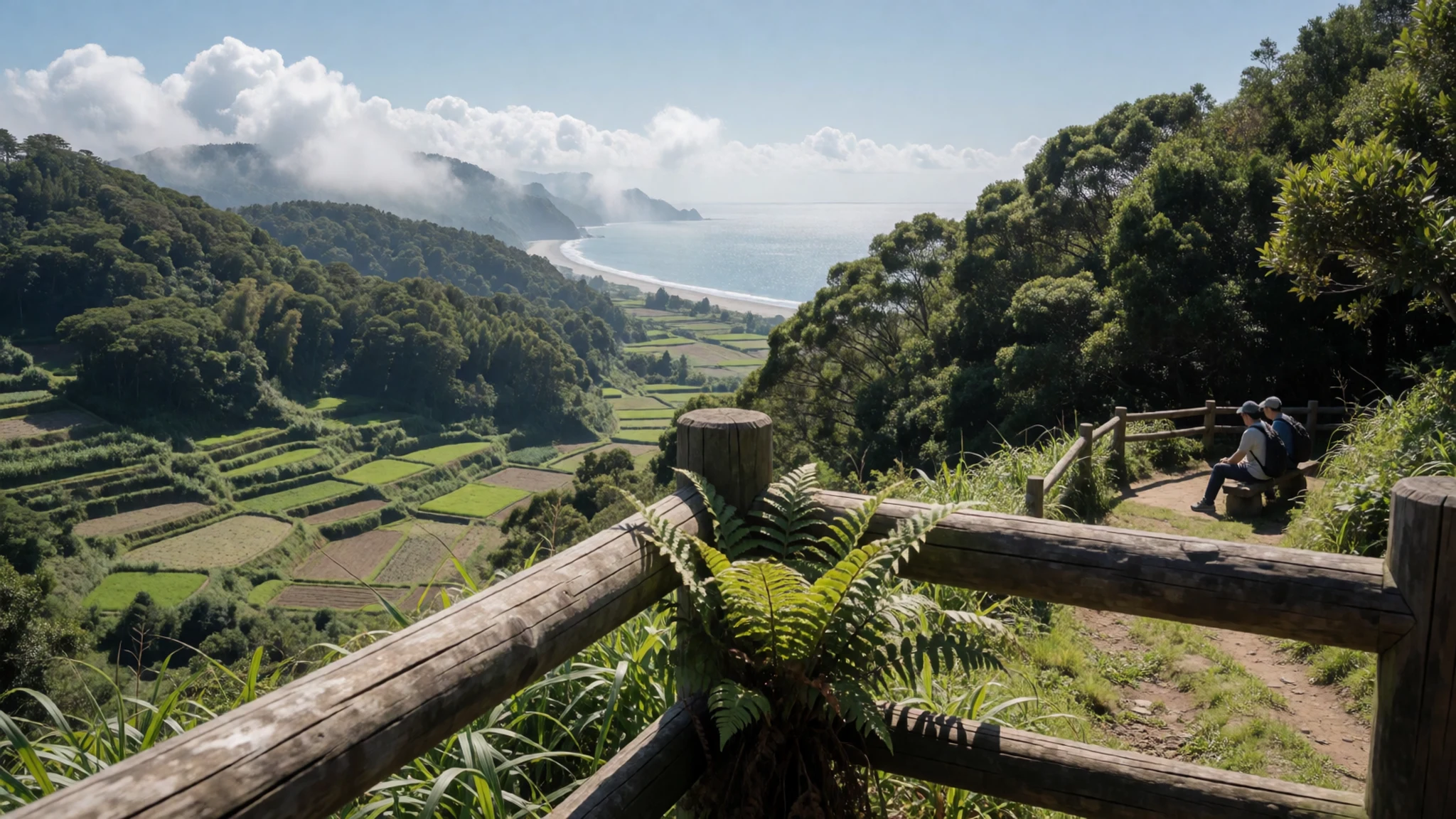
Culture
Sanzhi's culture is rural, devotional and quietly creative. Folk temples are the centre of community life, and the district holds a good number, from a temple honouring a local Hakka god to a cave temple covered in coral. Worshippers burn incense, make offerings and consult the gods, and festivals bring music, firecrackers and processions to village lanes. Taiwanese hand puppetry is the district's best-known performing tradition, preserved at the Li Tien-lu museum, where antique puppets share space with live shows. The art grew out of community celebration and temple theatre, and it is still performed with loud percussion and expressive speech. Artists have settled here too, with small studios and workshops clustered around Zhibo. Politics is part of the local identity. Sanzhi is the hometown of former president Lee Teng-hui, and the house of his birth is treated with a mix of local pride and ordinary village calm. Hakka heritage adds another strand, visible in temple dedications and in the practical, farming-village outlook. Daily life moves at an unhurried pace, mornings begin early, and neighbours generally know each other. Visitors who arrive curious and unhurried tend to be welcomed warmly. In any working temple, keep your voice low, do not touch offerings or step on thresholds, and ask before photographing worshippers.
What to wear
Sanzhi has no single dress code of its own, but its traditions sit within Taiwan's wider ones. Hakka communities in the area are historically associated with plain, practical clothing in dark indigo-dyed cotton, made for farm work and now more often seen as heritage dress at festivals. Puppet costumes are the district's most visible textile art, with hand-sewn silk, brocade and embroidery in miniature on show at the Li Tien-lu museum. Day to day, people wear what suits a damp, warm, windy coast: T-shirts, light trousers, sandals or trainers, rain jackets and, in the fields, long sleeves, hats and rubber boots. Older residents tend to dress modestly in cotton, while younger people follow Taipei's casual style. Visitors should pack for weather rather than formality. A light rain jacket or compact umbrella and a windproof layer for the shore are more useful than anything smart. Breathable fabrics, sunscreen and a hat help in summer. For temples, covered shoulders and knees are respectful, though not strictly policed. Footwear should grip: wet stone steps and the Datun trails can both be slippery, so trainers or light walking shoes beat flip-flops.
What to eat
- Taiwanese-style breakfast — breakfast eateries in the village centres
A Sanzhi morning often starts with a Taiwanese-style breakfast of soy milk, egg pancakes, toasted sandwiches or radish cake. Small breakfast eateries do these quickly and well, usually serving a steady stream of locals before work.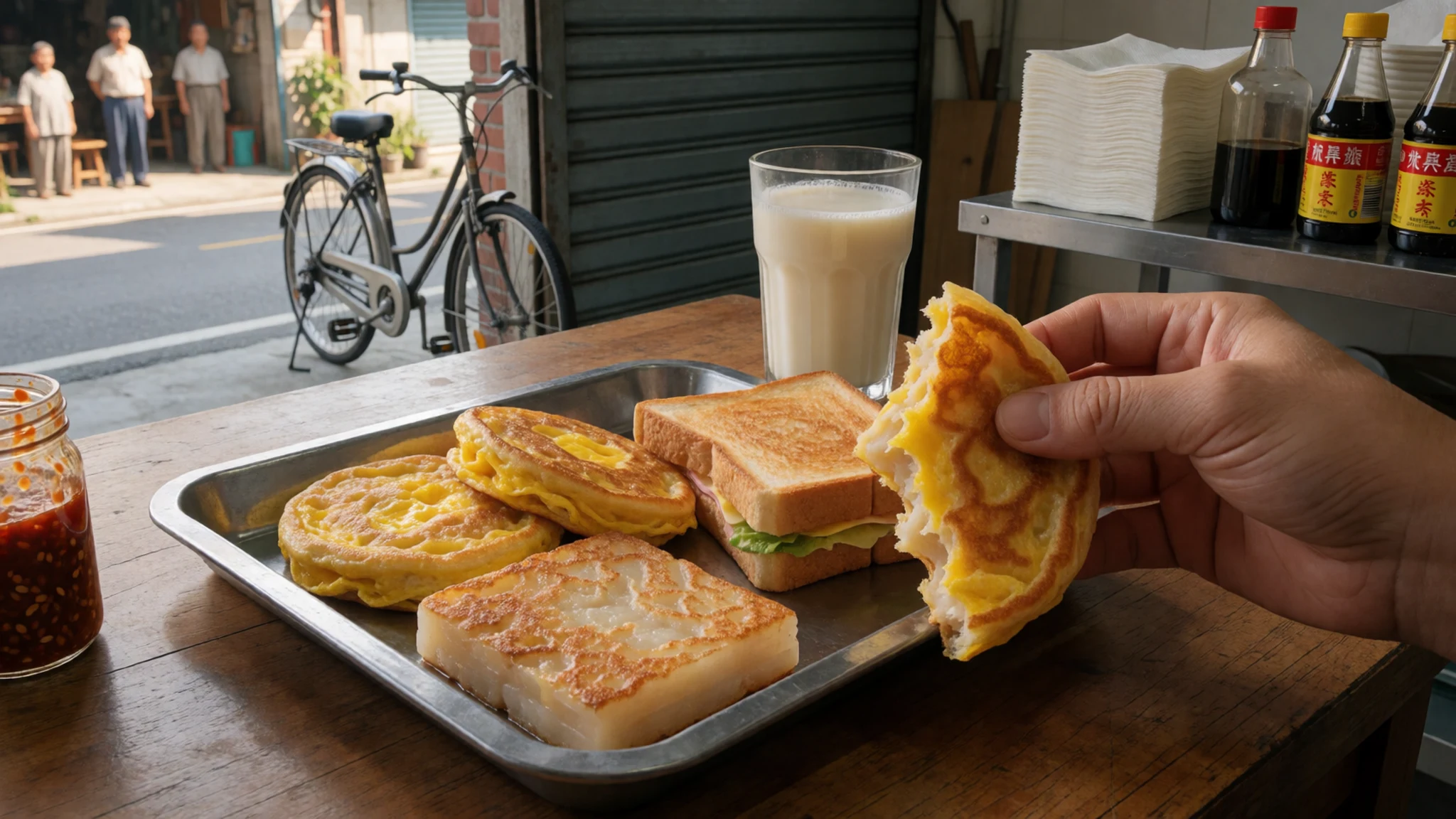
- Fresh coastal seafood — seafood restaurants at the edge of town and along the coast
Seafood is the coast's obvious strength. Expect fish, shellfish and squid steamed, fried or stir-fried with garlic and basil, with the catch depending on the day. Ask staff what is in season and order what looks freshest.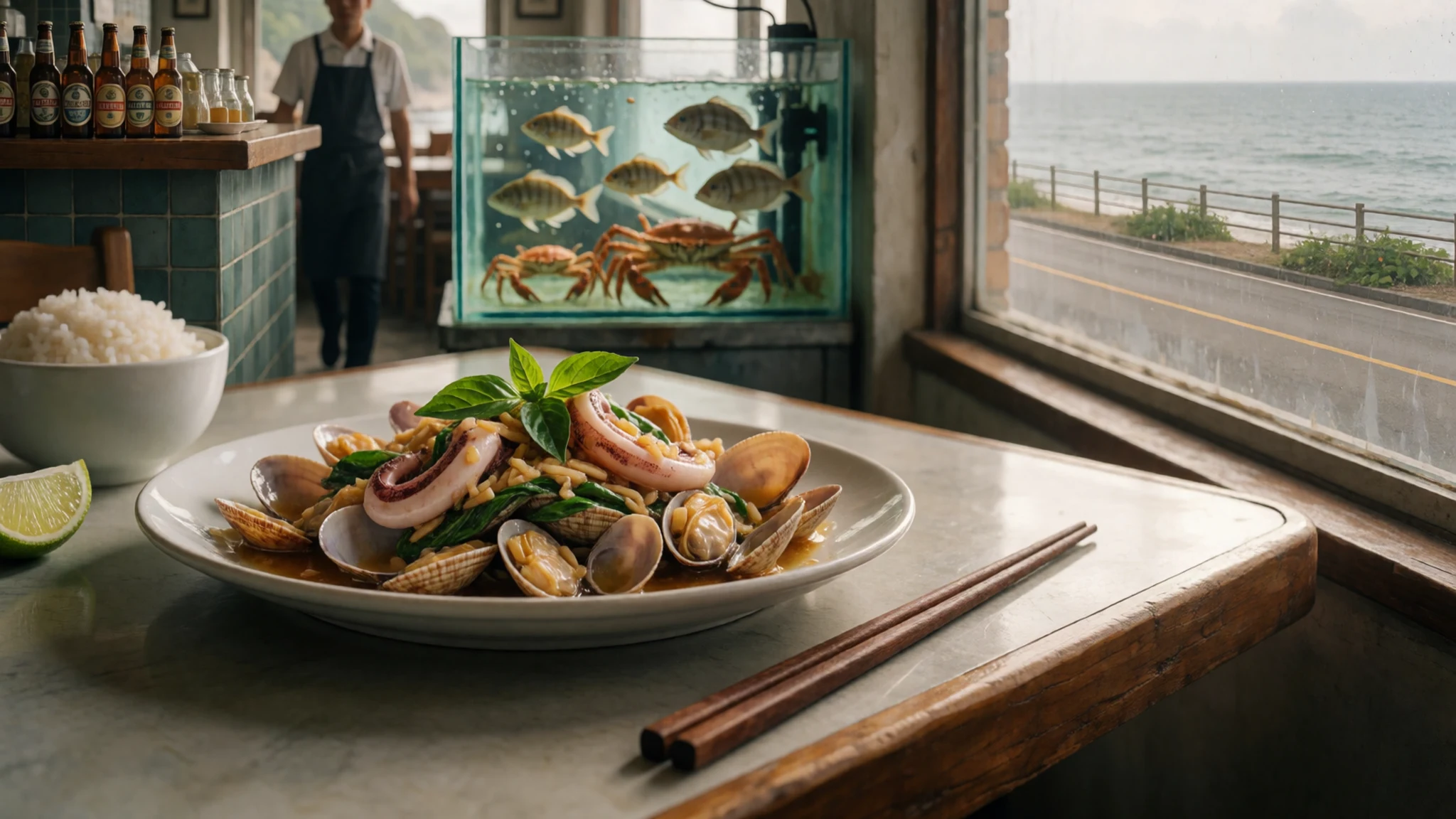
- Braised pork rice (lu rou fan) — small family eateries along the main road
Minced pork braised in soy and served over rice is the comfort dish of everyday Taiwan. Small eateries serve it as a cheap, filling lunch, often alongside a simple soup and a plate of greens. - Stir-fried seasonal greens — almost any local eatery
In a farming district, vegetables are the quiet star. Local greens are stir-fried with garlic and served as a side with almost any meal, and a plate of them balances a rich seafood or pork order. - Bubble tea — drink shops in the village centres
Sweet milk tea with chewy tapioca pearls is a Taiwanese invention, and it is the standard reward after a hike or a windy shore walk. Most shops let customers choose the sweetness and ice level.
Plan it
Best time. March–May and October–November are the most comfortable, with milder temperatures and better odds of clear days for the coast and the trails. Summer is hot and humid, and typhoon weather is possible, while winter brings wind and drizzle to the shore.
How long. 1–2
Getting there. Fly into Taoyuan International Airport or Taipei Songshan Airport, then continue by road to Sanzhi. There is no major railway station in the district, so a car is the easiest option, along the main provincial highway through the area. Check local bus and taxi options in advance.
Budget. low
Tips
- Go by car if you can, since there is no major station and public transport is limited
- Carry some cash for small eateries and temples, as card acceptance varies
- Start early, when mornings are cooler and the coast is calmer
- Check the forecast before heading out, as wind and rain can arrive quickly
- Bring water for the Datun trails
Etiquette
- Keep quiet in working temples and ask before photographing worshippers
- Do not touch offerings or lean on altars
- Take litter with you from the coast and the trails
Nearby
Sources
- Wikidata Q570355 (CC0)
- Wikipedia: Sanzhi District (rev 1378602629) (CC BY-SA 4.0)
- Wikivoyage: Sanzhi (rev 5417460) (CC BY-SA 4.0)
- Photo: Sunset, Sanjhih Beach (Prattflora) (CC BY 3.0)
- Photo: 252, Taiwan, 新北市三芝區埔坪里 (1) (牛糞) (CC BY 3.0)
- Photo: 252, Taiwan, 新北市三芝區埔坪里 (2) (牛糞) (CC BY 3.0)
- Photo: 252, Taiwan, 新北市三芝區埔坪里 (4) (牛糞) (CC BY 3.0)
- Photo: 252, Taiwan, 新北市三芝區埔坪里 (5) (牛糞) (CC BY 3.0)
- Photo: 252, Taiwan, 新北市三芝區埔坪里 (牛糞) (CC BY 3.0)
- Photo: 252, Taiwan, 新北市三芝區茂長里 (牛糞) (CC BY 3.0)
- Photo: Ba Lian River 八連溪 (lienyuan lee) (CC BY 3.0)


