Santillana del Mar
Santillana del Mar, Spain
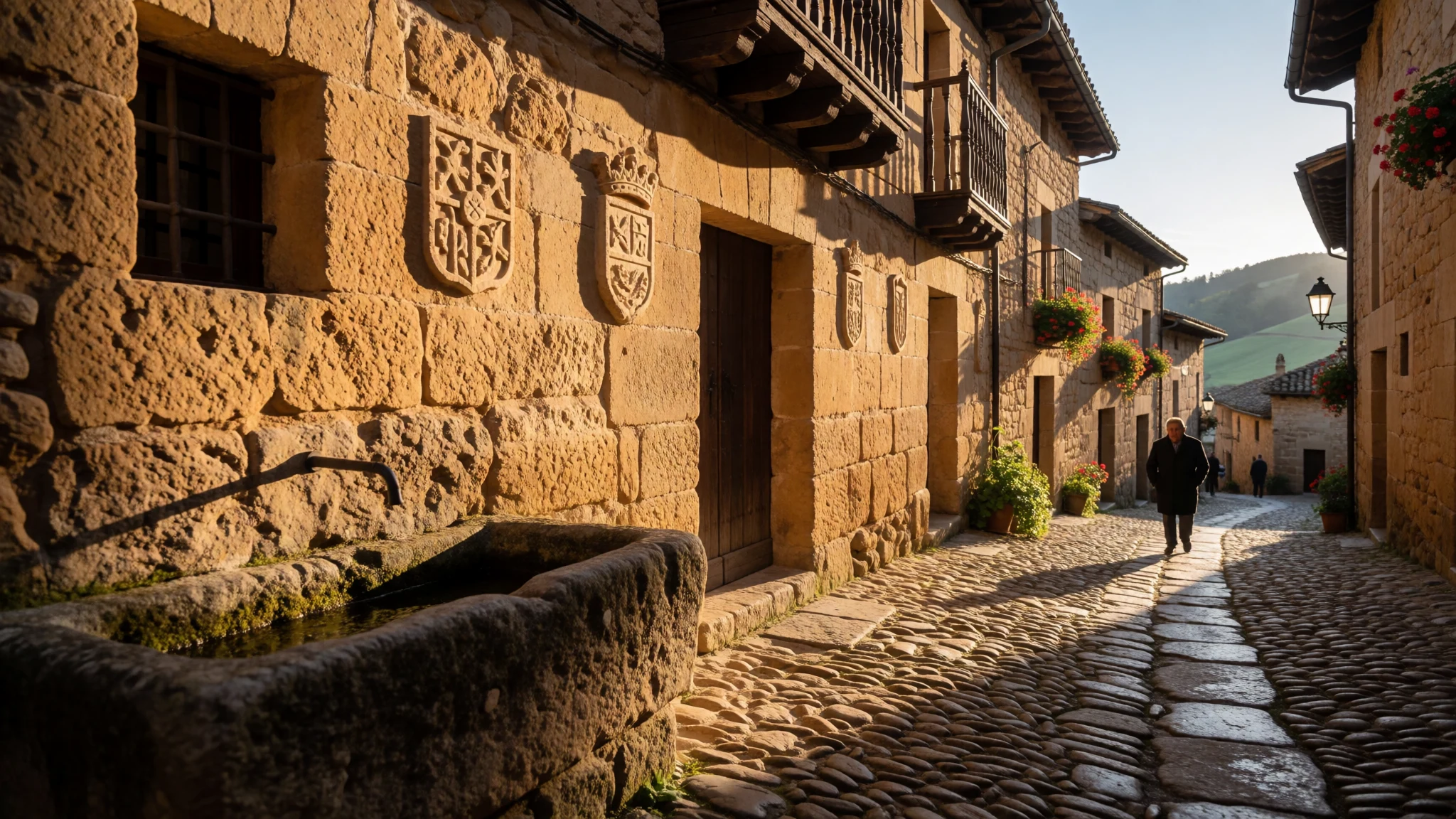
Walk through a perfectly preserved medieval village of honey-limestone houses and discover some of the world's oldest prehistoric cave art nearby.
The place
Santillana del Mar is a remarkably well-preserved historic town in the Cantabria region of northern Spain. It feels less like a modern municipality and more like a living museum, defined by its narrow, winding cobbled alleys and golden-hued limestone architecture. The town is compact, making it easy to explore on foot, though the uneven stones can be a challenge for those with limited mobility. While it is a magnet for day-trippers from the coast, there is a quiet dignity to the place, especially in the early morning when the mist clings to the slate roofs.
Despite its name, the town is not by the sea, nor is it flat, and it is not named after a saint in the way a first-time visitor might assume. This playful irony is a local talking point, but the physical reality of the place is far more impressive than the linguistic puzzle. Visitors typically wander from the main parking area toward the centre, passing through a sequence of manor houses and defensive towers that date back centuries. The atmosphere is warm and sleepy, interrupted only by the chime of church bells and the occasional chatter of tourists. Because the village is so small, the cost of dining and accommodation is generally moderate, though the most central plazas can feel overpriced during the peak summer months when crowds are at their heaviest.
Its story
The story of Santillana del Mar is inextricably linked to the spiritual and political power of the Middle Ages. Its identity was forged around the Colegiata, a Romanesque church and former monastery that houses the remains of Santa Juliana. For centuries, this religious centre made the town a site of pilgrimage and prestige, drawing in the nobility who built the grand stone mansions and defensive towers that still line the streets today. These buildings served as both homes and fortresses, reflecting a time when local lords needed to project power and ensure security within their own walls.
However, the deepest history of Santillana del Mar lies not in its stones, but in the earth beneath it. The discovery of the Altamira caves in the nineteenth century shifted the town's narrative from a quiet religious outpost to a global centre for archaeology. These caves revealed a prehistoric world of bison and horses painted with startling realism, proving that early humans possessed a sophisticated artistic vision long before the rise of the monasteries. This duality—the refined, aristocratic architecture of the town above and the primal, raw art of the caves below—creates a unique tension. It transforms the village into a bridge between the dawn of human consciousness and the structured faith of the medieval era, ensuring that the town remains relevant to historians and travellers alike.
What to see
- Colegiata de Santa Juliana
The spiritual heart of Santillana del Mar, this Romanesque monastery church was originally established by Benedictines. The cloisters are a highlight, featuring forty-two columns and intricate carvings that depict various Biblical scenes, reflecting the architectural evolution from the twelfth century through to the sixteenth century.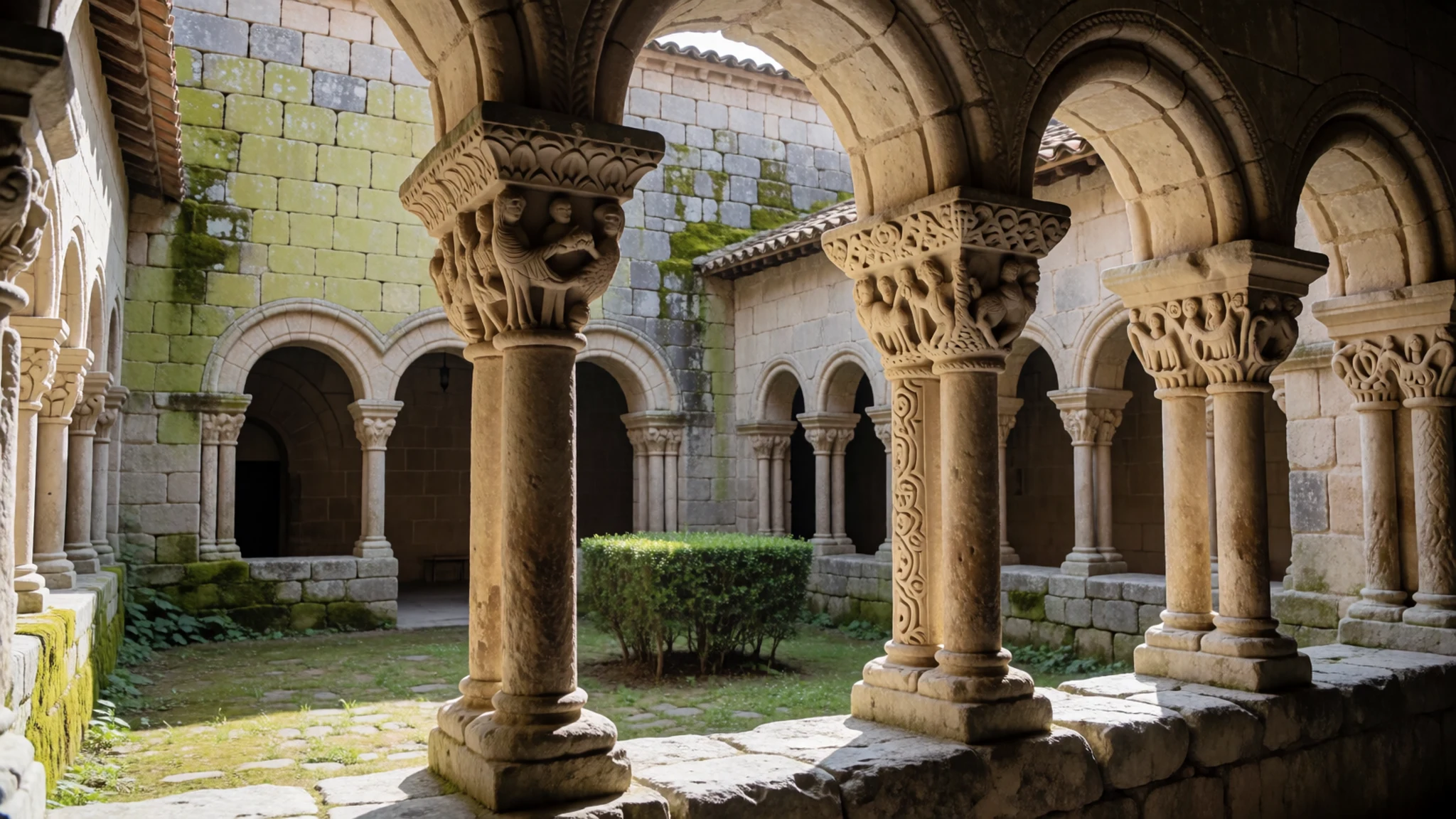
- Cave of Altamira
Located just outside the village, these world-famous caves contain Paleolithic paintings that are tens of thousands of years old. Because the original site is protected to prevent degradation, visitors explore a highly accurate replica that captures the awe of the prehistoric bison and horses.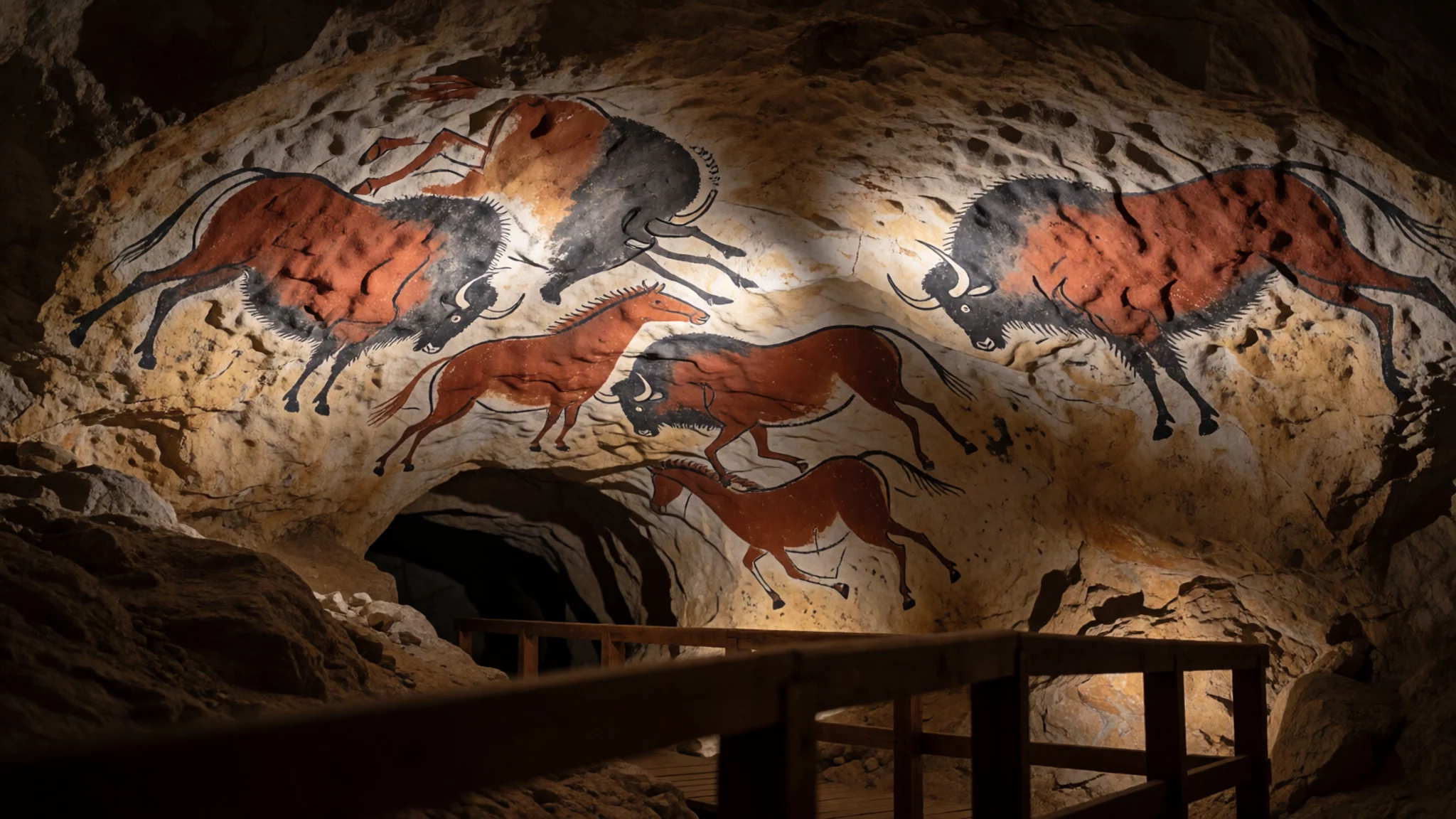
- Plaza Mayor
This cobbled triangular square serves as the town's social centre. It is flanked by the Town Hall and the Torre del Merino, a fourteenth-century defensive tower. It is the best place to observe the honey-coloured facades that give the village its signature warm glow.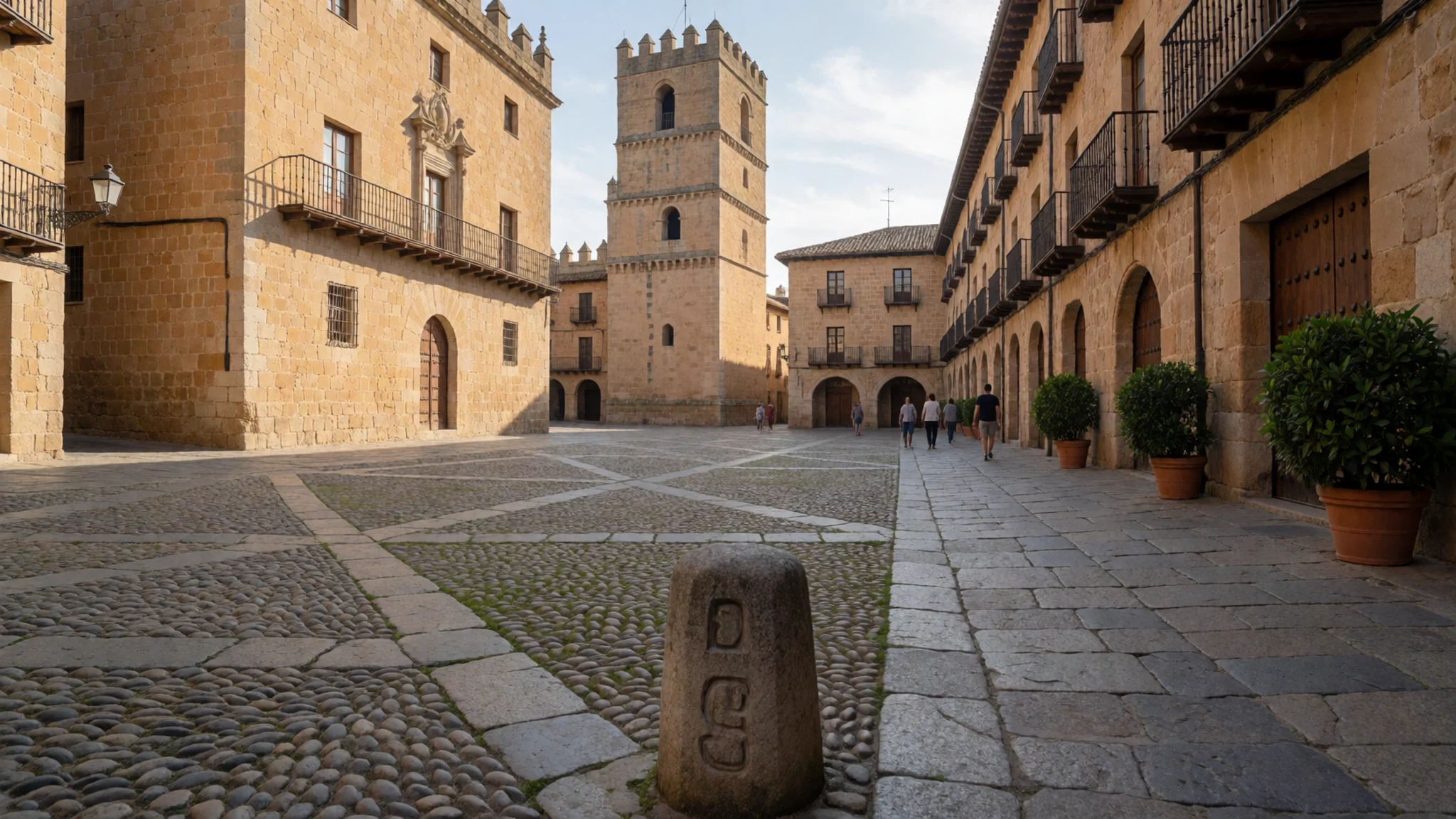
- Palacio de Velarde
A grand mansion originally built in the fifteenth century and updated later. It now operates as an immersive museum where virtual reality is used to tell the story of medieval life, blending the physical history of the house with modern digital storytelling.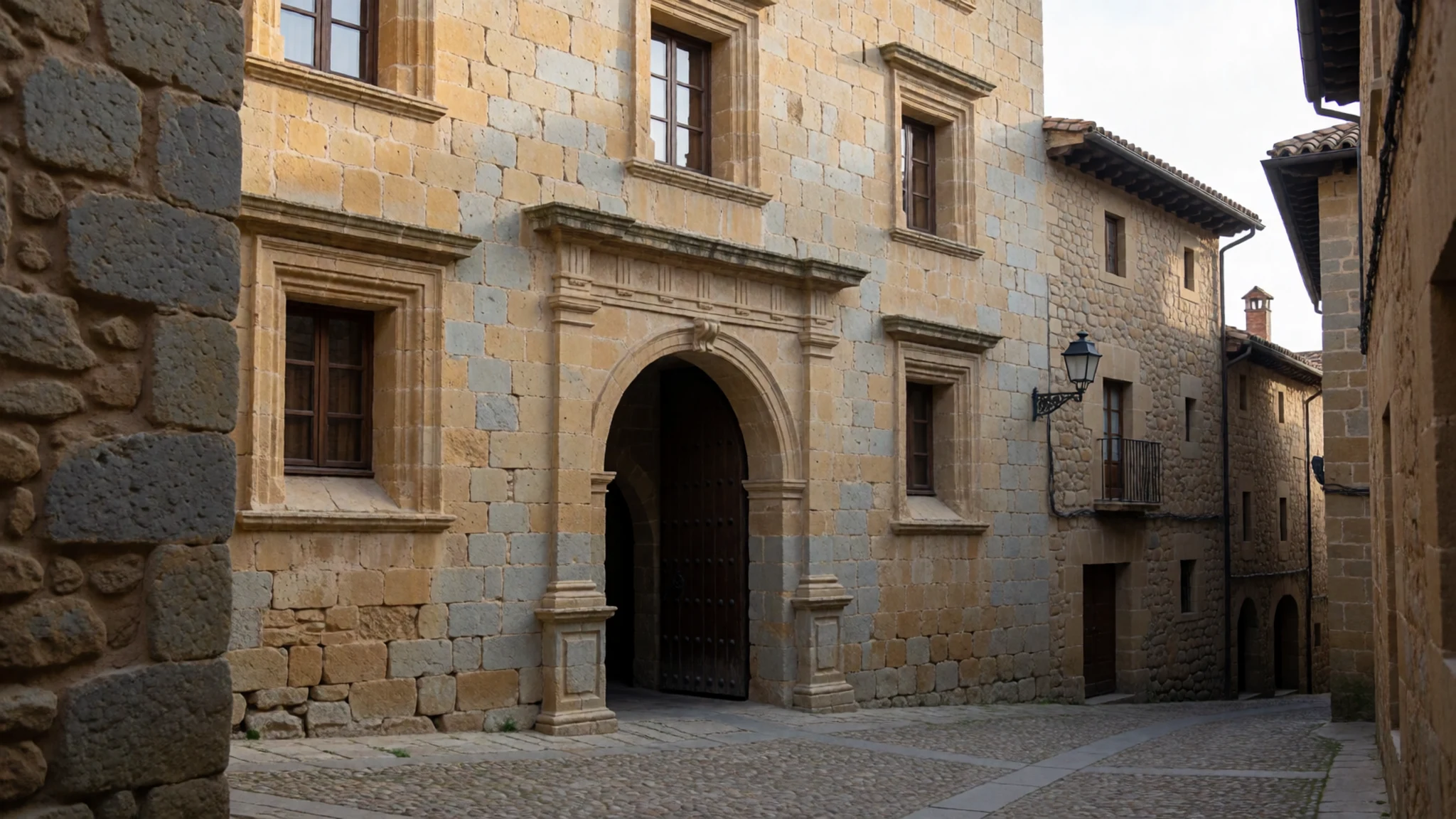
- Museo de la Tortura
A stark contrast to the village's beauty, this museum houses a formidable collection of instruments used across Europe, including those from the Spanish Inquisition. It is a sobering experience that provides a grim look at the history of judicial punishment.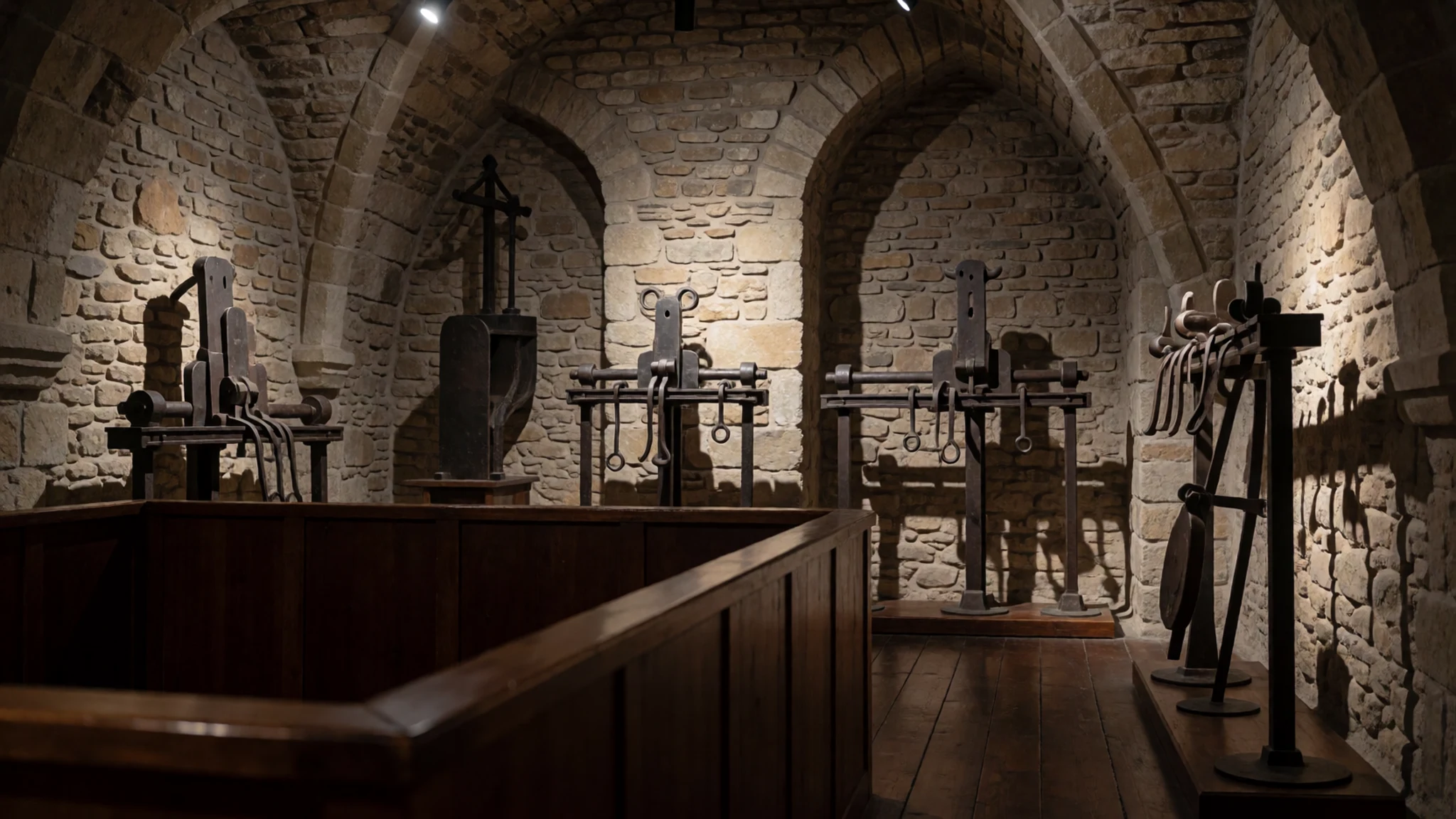
- Santa María de Viaceli
A Neo-Gothic Cistercian abbey run by Trappist nuns. The architecture is striking and the grounds are peaceful. Visitors often come here to attend mass or to purchase the famous cheeses produced by the monastic community.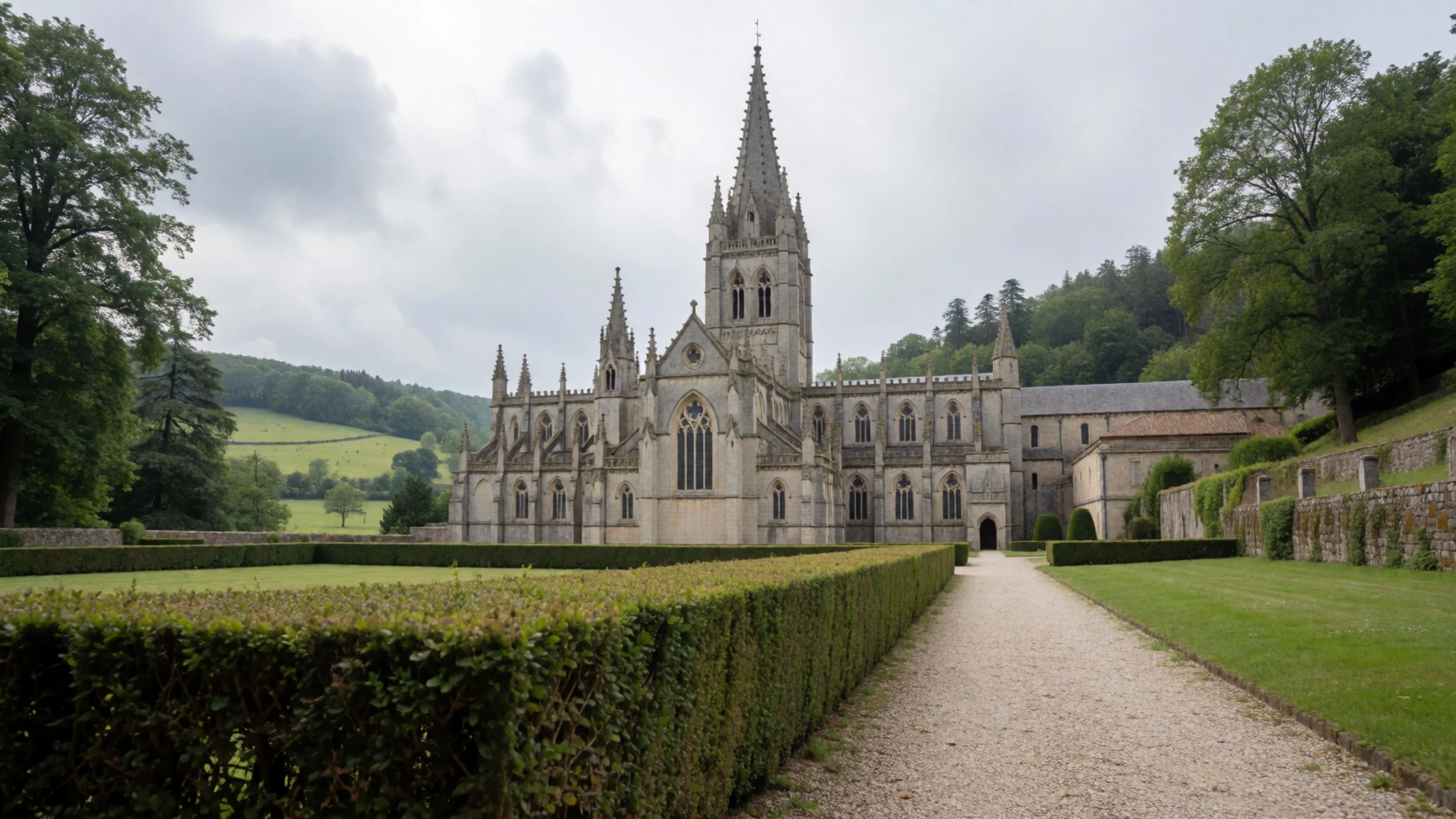
Culture
Culture in Santillana del Mar is a blend of deep religious tradition and a proud Cantabrian identity. The town operates at a slower pace than the nearby cities, with a strong emphasis on preserving the physical heritage of the village. There is a palpable respect for the 'stone'—the limestone that defines every street and wall. This preservation extends to the local crafts and the monastic traditions of the nearby abbeys, where the production of sweets and cheeses remains a vital part of the local economy. The residents are generally warm but value their privacy, as the town is a residential community as much as it is a tourist destination. In the evenings, the culture shifts toward the social rituals of the 'sidrería', where the sharing of dry cider is a communal act of friendship and regional pride. You should keep your voice low when walking through the residential alleys to respect the locals' peace.
What to wear
Fashion in Santillana del Mar is rooted in the rugged needs of the Cantabrian highlands. Traditionally, the region is known for heavy woollen textiles and linens designed to withstand the damp, Atlantic climate. While traditional folk dress is now reserved for festivals, the influence of these durable materials remains in the local preference for quality knitwear. Today, the locals dress in a practical, understated European style—think sturdy boots, neutral colours, and waterproof layers. For visitors, the key is footwear; the cobbled streets are uneven and can be slippery when wet, so comfortable walking shoes with good grip are essential. Due to the changeable weather of northern Spain, layering is the best strategy, as a sunny morning can quickly turn into a chilly, rainy afternoon. While the town is not strictly conservative, modest dress is recommended when visiting the Colegiata or the Trappist monastery to show respect for the religious environment.
What to eat
- Sobao Pasiego — local bakeries and sweet shops
A dense, buttery cake made with lard and flour, typical of the Pas valley. It is a rich, sweet treat often found in local bakeries and speciality shops like Casa Ángel.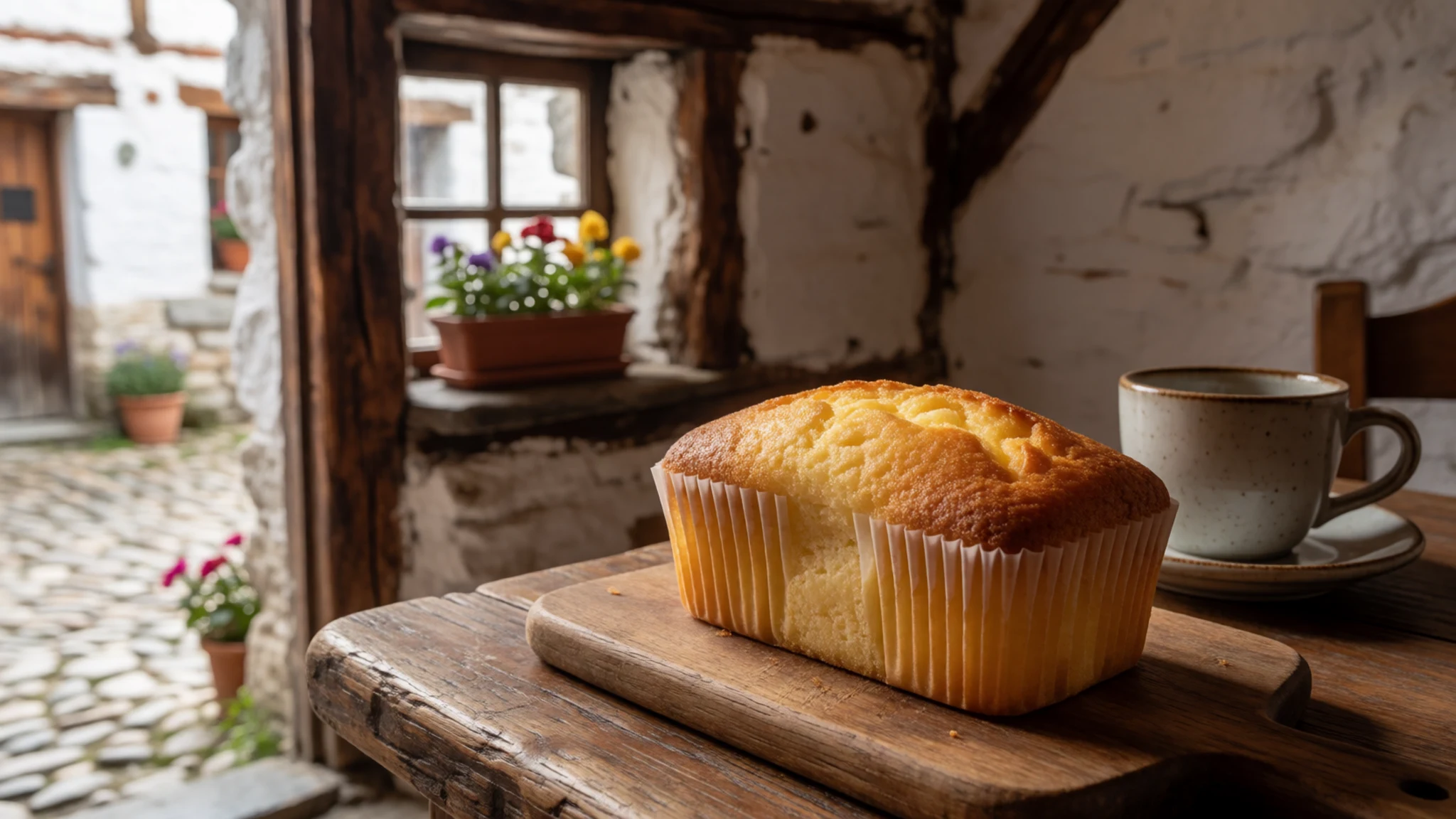
- Quesadas Pasiegas — traditional cafes in the village centre
A light, creamy cheesecake with a soft texture, reflecting the region's strong dairy tradition. These are best enjoyed with a coffee in the village centre.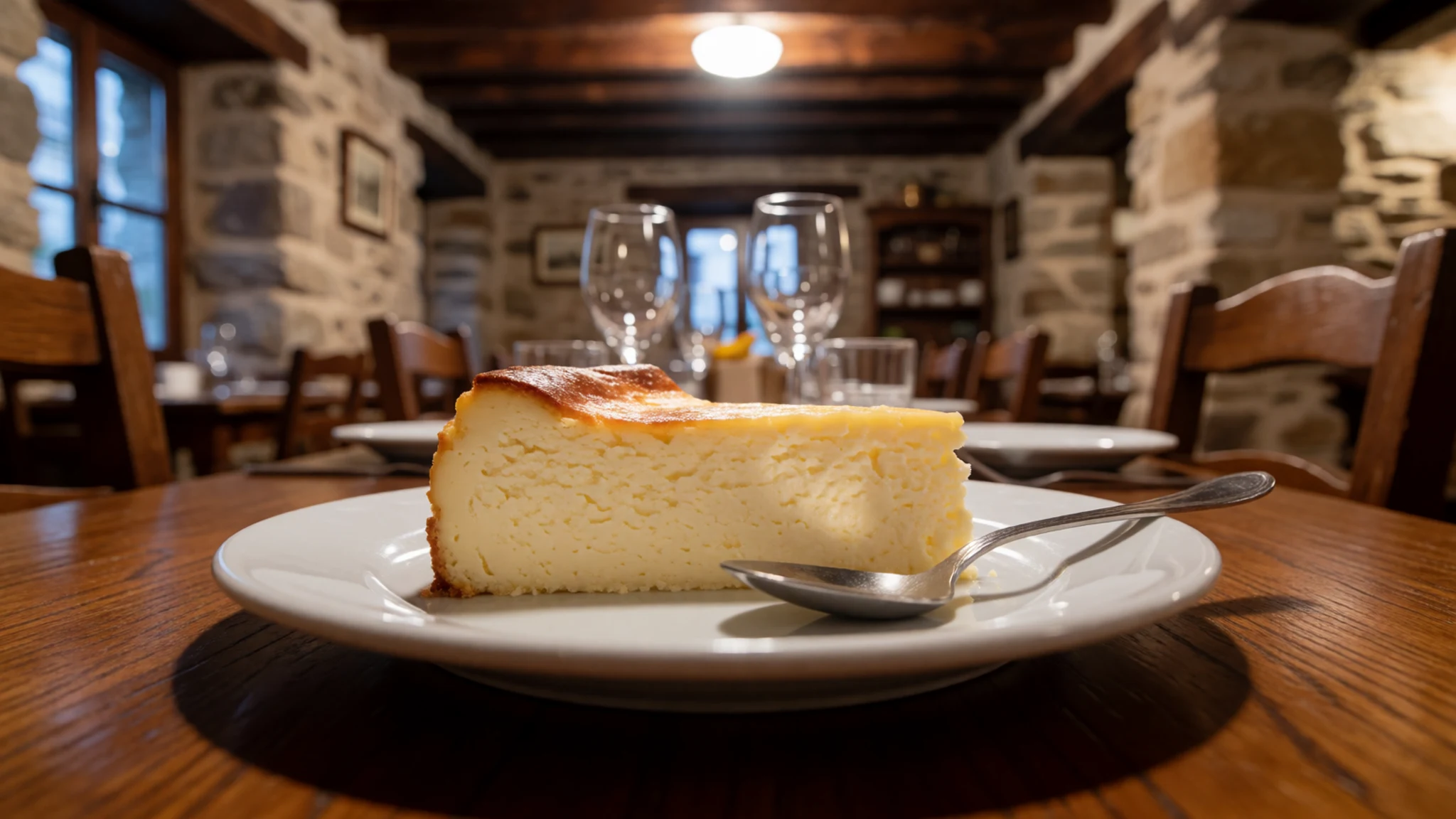
- Sidra — local sidrerías and bars
The quintessential drink of the north, this is a hard, dry apple cider. It is traditionally poured from a height to aerate the liquid and awaken the flavours. - Monastic Sweets — the convent hatch at Av de Le Dorat
Handmade confectionery produced by the nuns of the Convento de las Clarisas. These are sold through a hatch, maintaining the cloistered nature of the convent. - Regional Cheeses — Santa María de Viaceli abbey
Fresh and aged cheeses made from local cow's milk, often infused with the scents of the mountain pastures where the cattle graze.
Plan it
Best time. April to June for lush green landscapes and mild weather, or September to October for autumn colours and fewer crowds; avoid August if you dislike heavy tourist traffic.
How long. 1–2
Getting there. Fly into Santander airport, then take a 24 km drive west via the main road or use the Cantabria bus service from Santander (about 40 minutes).
Budget. mid
Tips
- Arrive before 10 am to experience the village without the day-trip crowds
- Wear sturdy walking shoes for the uneven cobbles
- Carry a waterproof jacket regardless of the season
- Visit the Altamira replica museum early as slots can fill up
- Keep some cash for small purchases at the convent or abbey
Etiquette
- Avoid shouting in the narrow residential streets
- Dress modestly when entering the Romanesque church
- Do not lean on or touch the historic limestone walls
- Request permission before photographing residents in their doorways
Nearby
Sources
- Wikidata Q493817 (CC0)
- Wikipedia (CC BY-SA 4.0)
- Wikivoyage (CC BY-SA 4.0)