Santa Maria
Santa Maria, Portugal
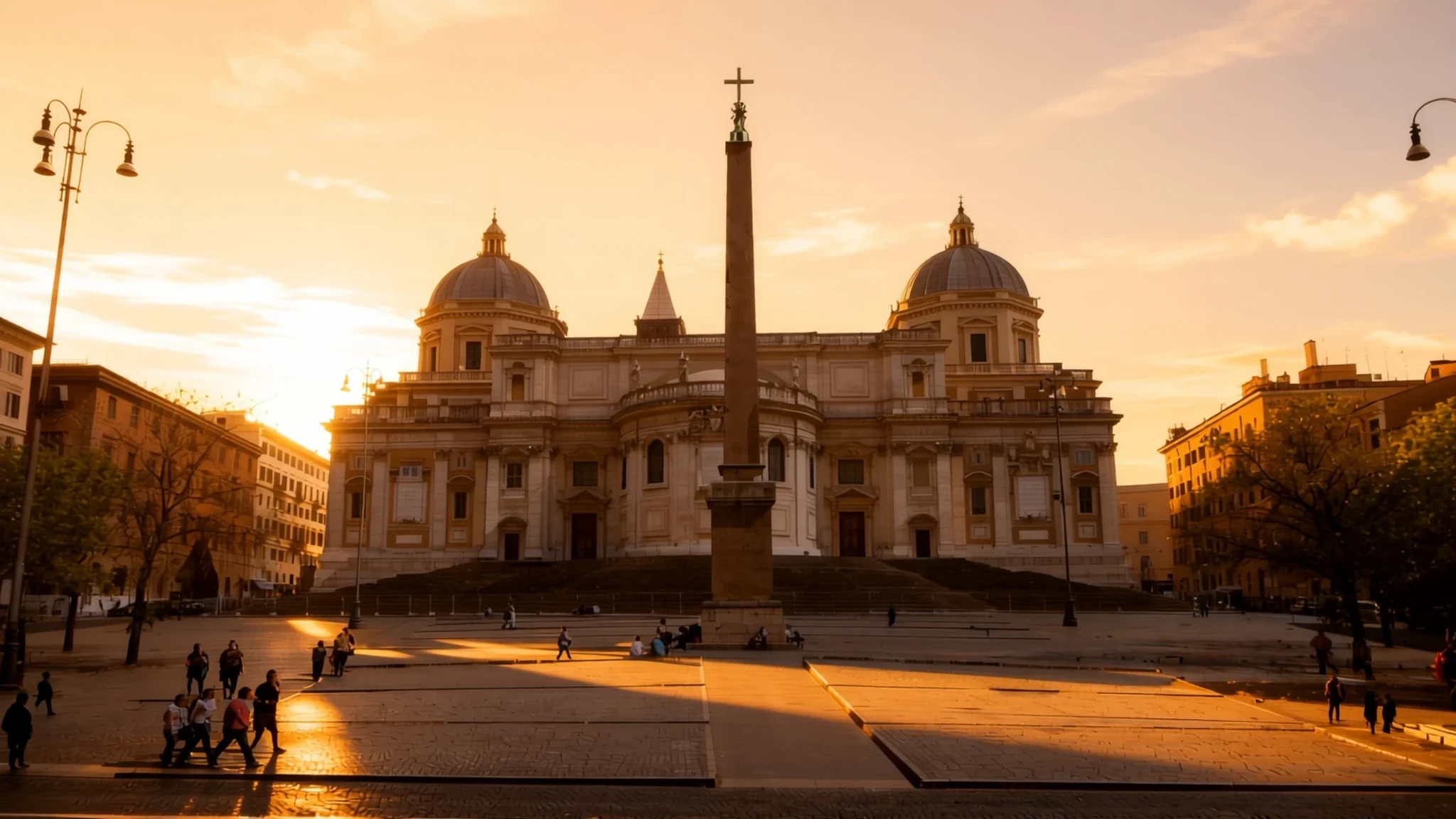
Santa Maria mixes white-sand bays, basalt scenery and a calmer Azores pace—ideal for geology walks and beach days.
The place
Santa Maria is the kind of Azores island you feel more than you “see”: coastal light on pale sand, volcanic cliffs breaking the sea, and weather that stays friendly enough for wandering. It sits in the eastern group of the Azores, to the south of São Miguel, and it’s also the southernmost island in the archipelago.
The island’s reputation is built on three things. First are the beaches—especially Praia Formosa, with its bright sand and broad bay feel. Second are the island’s volcanic “edges”: basalt columns, eroded rock shapes, and small waterfalls that look like they were carved by both wind and water. Third are the distinct chimneys and drier, warmer weather compared with many other Atlantic islands, which is why summer visitors often come for swims and long evenings.
Santa Maria is small enough that transport is usually about island-hopping by road rather than big-city logistics, and most trips revolve around the coast. On one day it can be sea views and sea air; on the next, a geologically themed drive or hike brings you to quarry-like rock faces, caves and lookouts.
Crowds are modest compared with mainland Portugal, but they’re not zero—especially around the most famous beaches and viewpoint areas. Expect peak-season busier roads and car parks, and plan for wind: it can make a sunny day feel cooler near the water.
Its story
Santa Maria’s story starts with Atlantic exploration and the very practical business of naming. Sailors moving between Europe and the wider ocean were recording islands they encountered, and Santa Maria entered those records during the era of Portuguese voyages in the early 15th century. The island’s name is tied to a religious feast day: on the day it was spotted, a lookout called out “Santa Maria”, linking the island to the Virgin Mary and giving the name a long life.
There’s also a legend that feels like the Azores themselves—part travel yarn, part coastal encounter. One tale says the crew went ashore on a small beach in the northwestern area of Ponte dos Canestrantes and met eared seals. From that meeting, the beach name Praia dos Lobos was born, rooted in the Portuguese words for marine life.
Santa Maria’s background isn’t just human history; it’s geological drama. The island is described as the oldest in the Azores, with volcanic formations reaching back to the Miocene era. Over time, eruptions alternated between phases above sea level and under the ocean, creating layered volcanic histories and the basalt structures people still photograph today.
Put those two stories together—Portuguese discovery and the island’s long volcanic memory—and Santa Maria becomes easier to understand on the ground. Standing near a cliff, or looking out from a bay, it feels like the island is still “being written”, just slowly, by wind, waves and time.
What to see
- Viewpoint of São Lourenço — São Lourenço / bay area
Viewpoint of São Lourenço is a high place above the bay, useful for sunrise light and long, calm coastal panoramas. Go early for clearer visibility and softer contrast; then spend a bit of time along the bay itself after the sky shifts.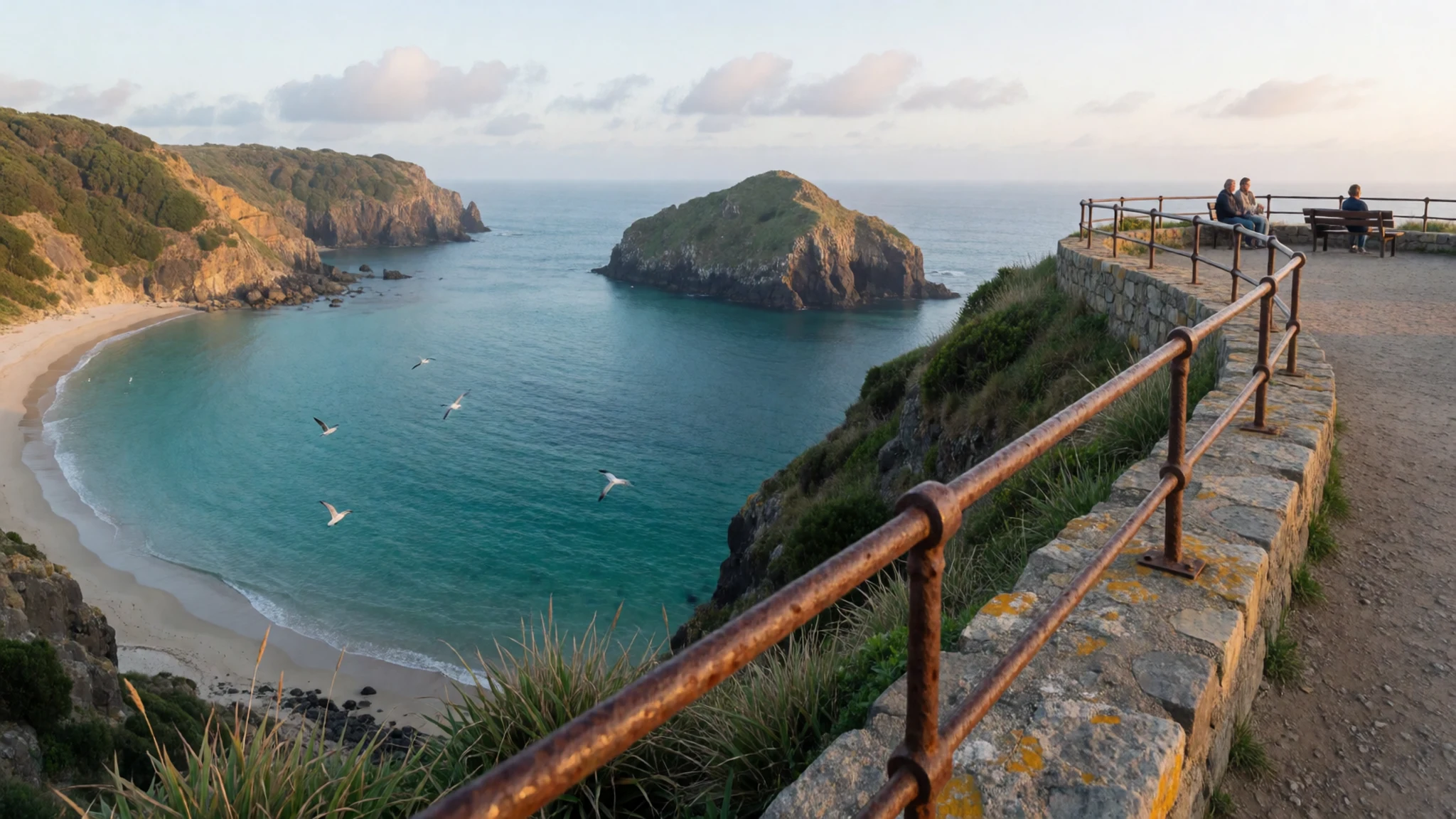
- Water cascade of Maloás — Maloás (basalt & waterfall area)
Water cascade of Maloás is where the island’s water meets its geology. The setting mixes a cluster of waterfalls with basalt columns nearby, so you’re looking at both movement and structure in the same frame. Wear shoes with grip if the ground is damp.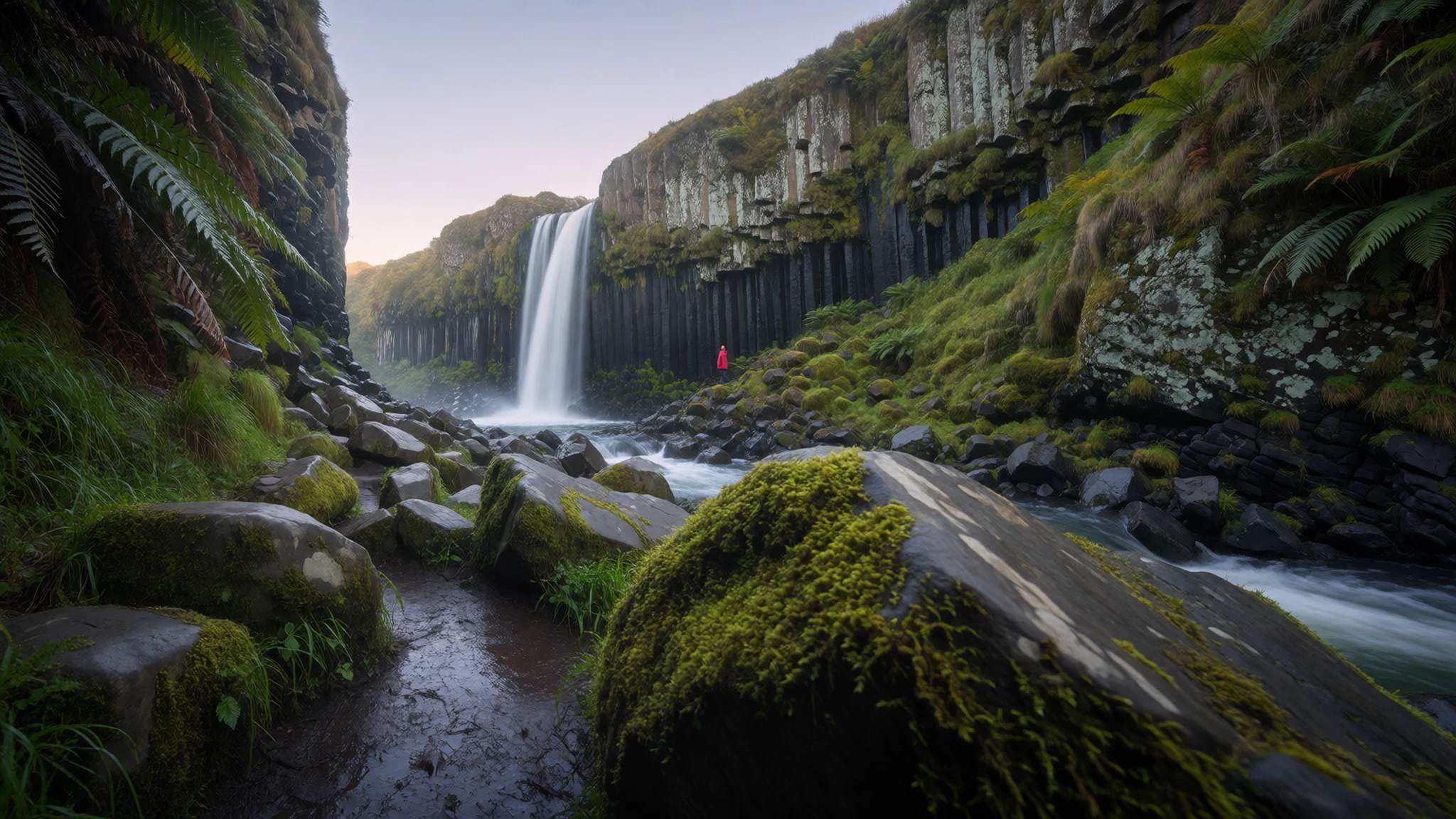
- Poço da Pedreira — Near the Poço da Pedreira area
Poço da Pedreira feels like visiting an old working landscape: an exposed quarry-like wall paired with a water basin below. It’s one of those places where the rock texture is the main attraction, and even a short stop gives you big-scale shapes to study.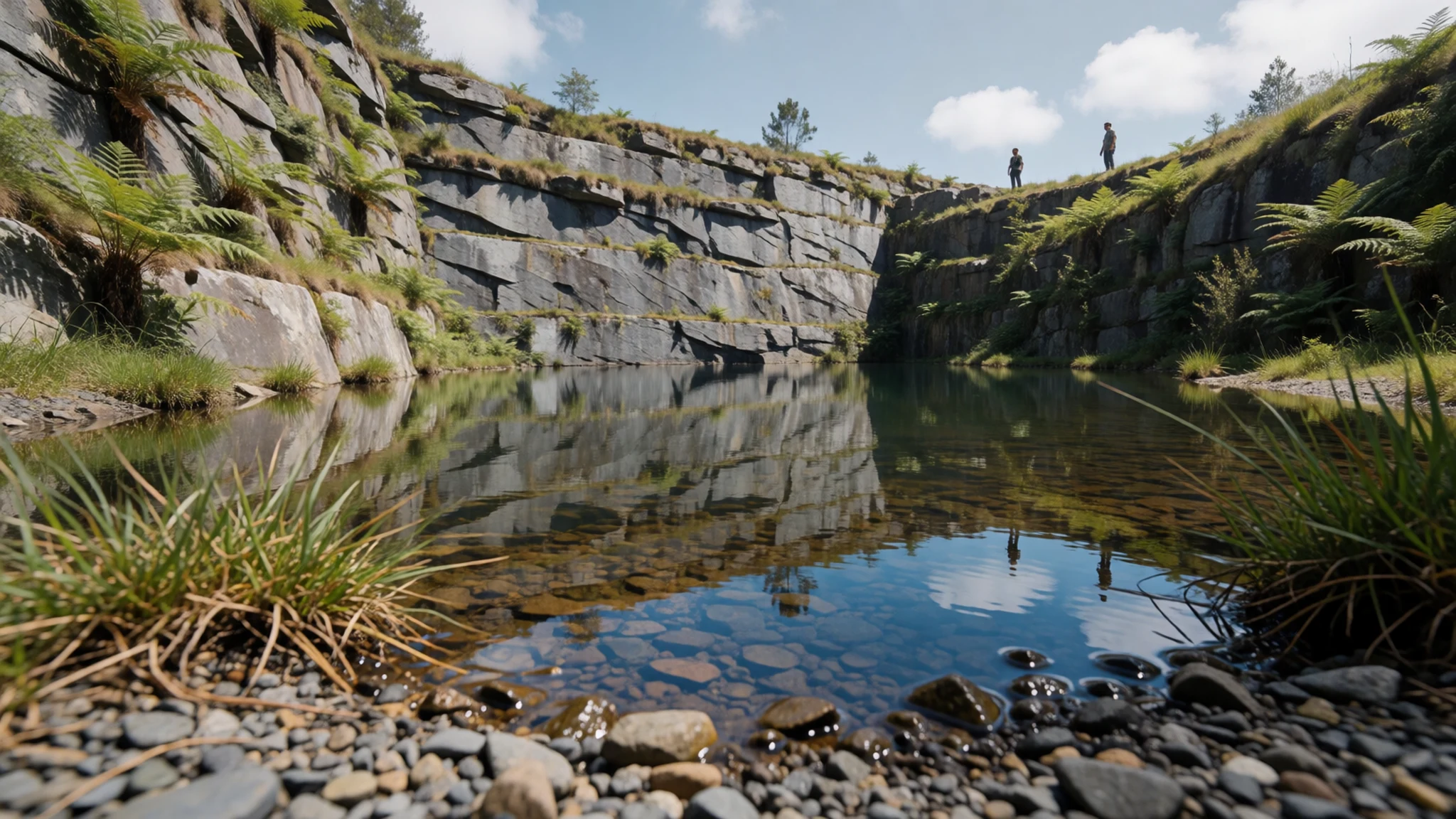
- Gruta do Figueiral — Cliffside / Figueiral area
Gruta do Figueiral is a small volcanic-shaped cave that’s carved by erosion. It’s a stop for people who like quiet, tactile scenes—cool stone textures and a sheltered view back to the open air. Bring a light layer; caves can feel cooler than the coast.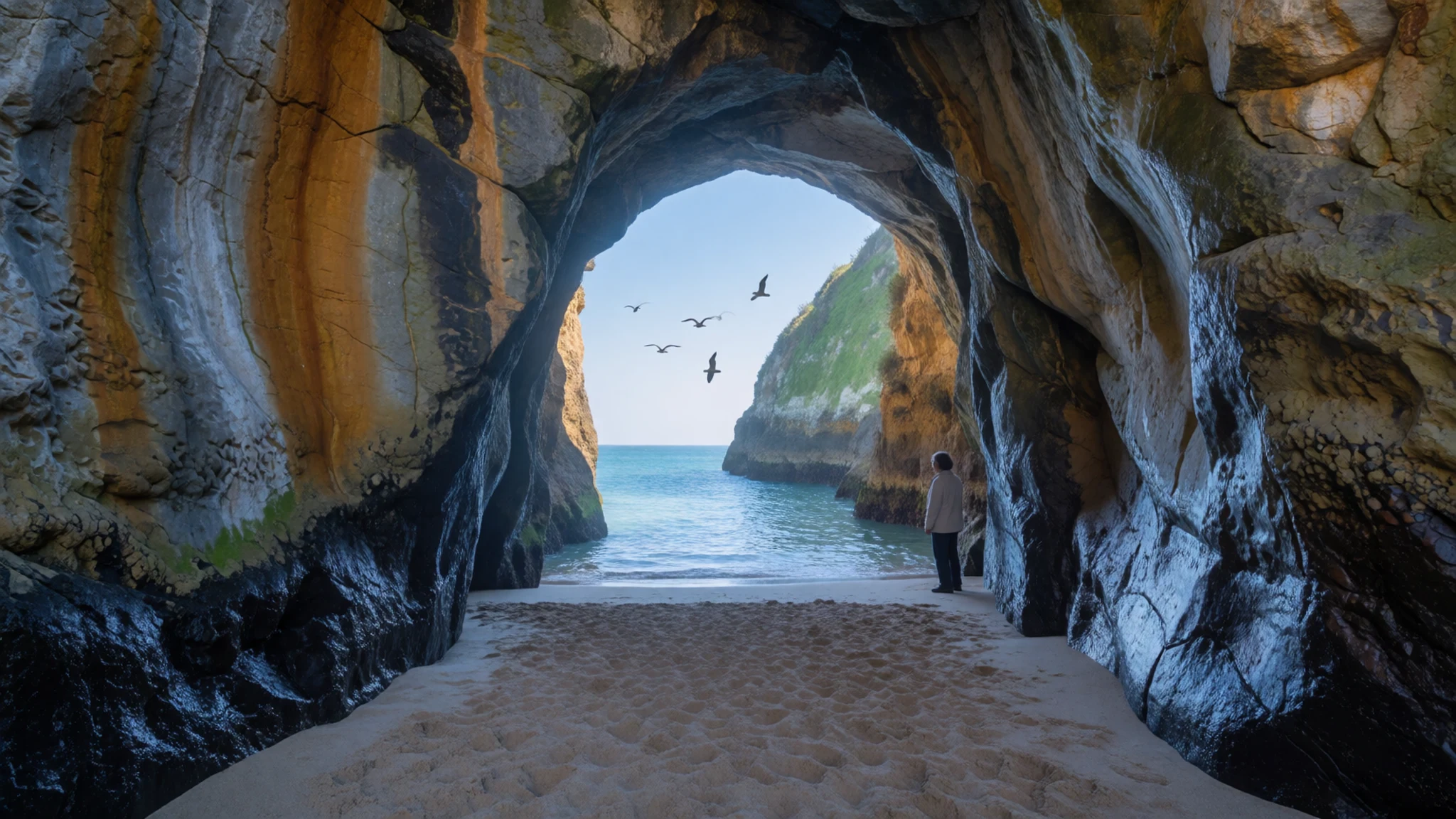
- Forte da Prainha — Prainha coast area
Forte da Prainha is a maritime fort that gives Santa Maria a defensive, ocean-facing angle. Even when you’re not focused on military history, the coastal position makes it work: the sea, the lines of sight, and the stone setting all belong together in the visit.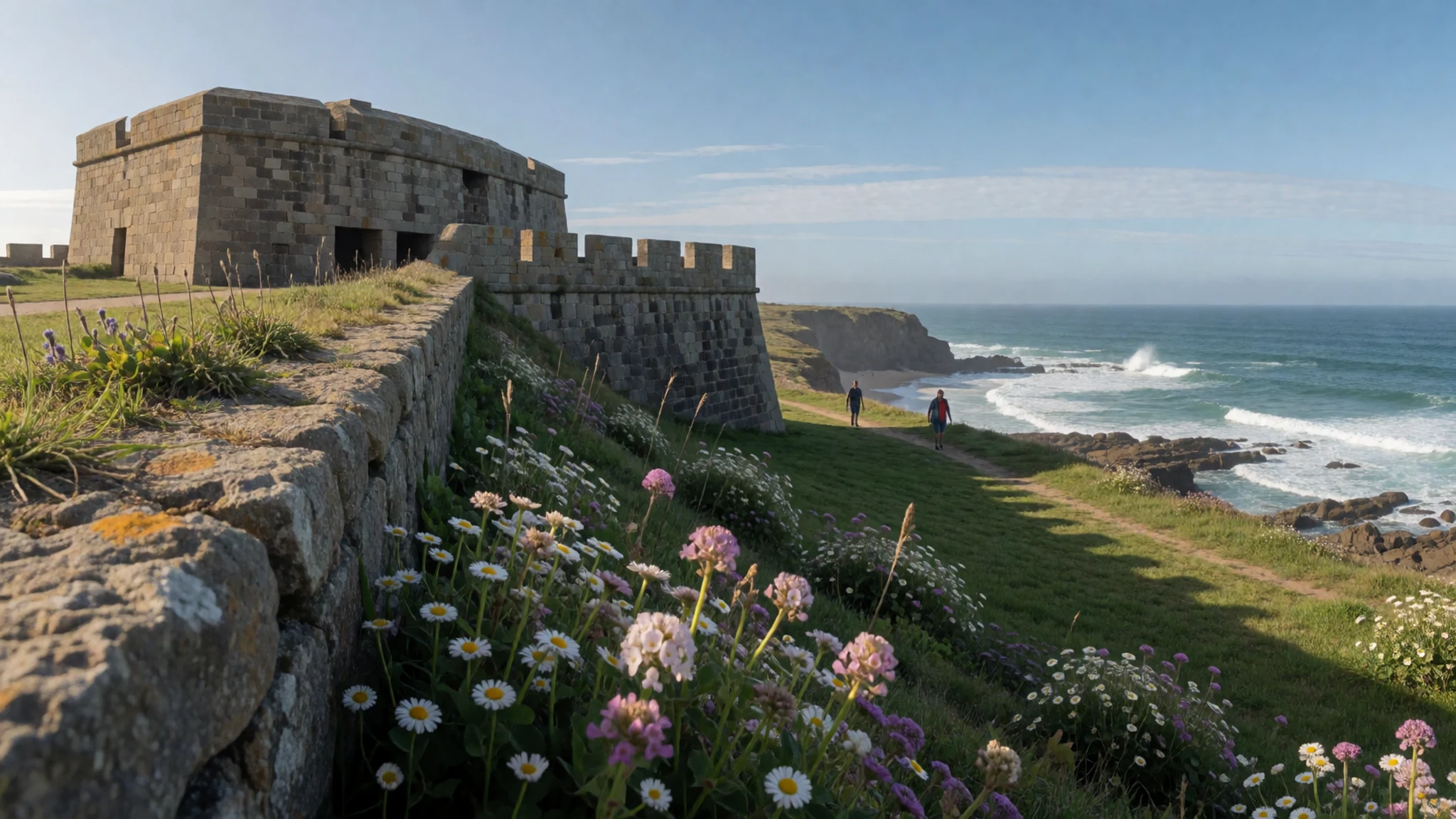
- Gonçalo Velho Lighthouse — Lighthouse area
Gonçalo Velho Lighthouse is a specific promise to check timing before you go. It’s only open on certain days or by appointment, so it rewards travellers who plan the day around it rather than treating it as an instant stop.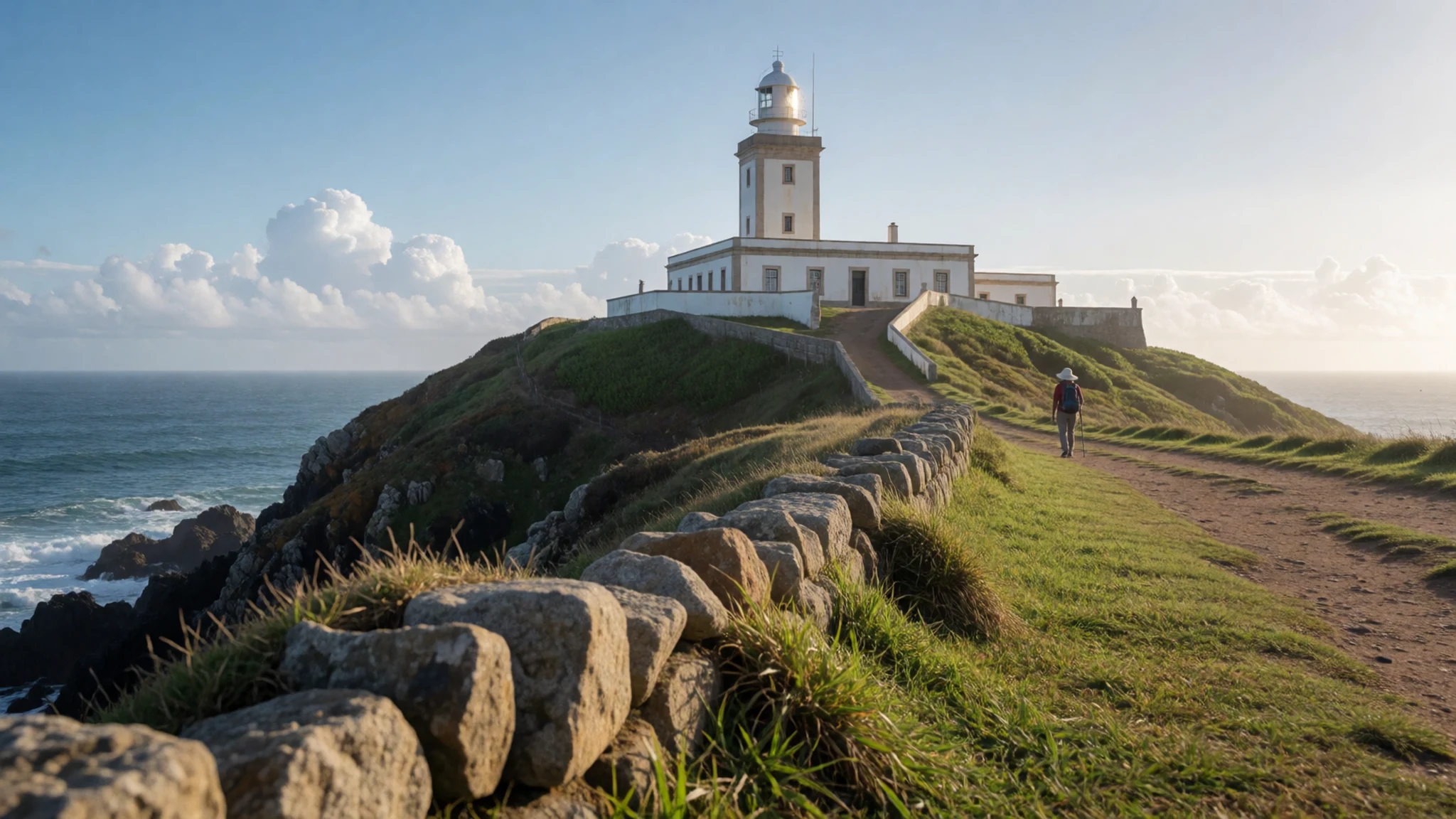
Culture
Santa Maria’s culture runs on the rhythm of religious festivals, the kind that turn everyday places into community stages. Like much of the Azores, the island’s calendar includes processions, ceremonies and feasts, with traditions that were carried through during colonisation. During these occasions, a children’s crowning with a silver-plated crown decorated with symbols of the Holy Spirit is part of the celebration, and the week’s events typically end with shared food.
Food and fellowship show up in a very practical way: during feasts, a traditional soup of bread soaked in meat broth is distributed. Another major festival is the one honouring Lord Holy Christ of the Miracles on 15 August each year, alongside celebrations for Nossa Senhora da Assunção in Vila do Porto. If you’re travelling in late August, Praia Formosa also hosts Maré de Agosto, a world music festival that brings a different energy to the beach.
The overall vibe is welcoming, but it’s also about respect. Visitor etiquette: during ceremonies, keep voices low, follow any instructions from organisers, and don’t block entrances or photo paths while people move.
What to wear
On Santa Maria, island dress is a mix of Portuguese/Azorean practicality and beach life, with extra considerations for religious spaces. Traditional Mariense festival clothing can include embroidered pieces and ceremonial details linked to local Catholic celebrations, often worn by locals during feast days rather than as everyday wear.
Day-to-day, you’ll see light, breathable clothes because the island’s coast atmosphere can feel bright and dry. Expect sandals or trainers most of the time, with swimwear when you’re close to beaches. That said, evenings can feel breezier near the water, and wind can make “just a T-shirt” less comfortable in shaded viewpoints.
For visitors, dress for a mix of beach sand and rock paths: bring a light jacket or windcheater, wear comfortable walking shoes with grip, and pack a hat and sunscreen. For churches or festival gatherings near religious areas, choose modest, covered shoulders and a length-appropriate layer—especially if there’s a ceremony underway. If you’re visiting caves or cliffside spots, avoid loose flip-flops; the terrain can be uneven and damp.
What to eat
- Espaço Em Cena-style Portuguese fusion plates — Santa Maria (local restaurant setting)
Espaço Em Cena is the sort of place that blends “new” Portuguese cooking with more traditional dishes, so it’s good for trying familiar flavours in a less formal setting. Look for a menu that balances seafood and classic Portuguese starters.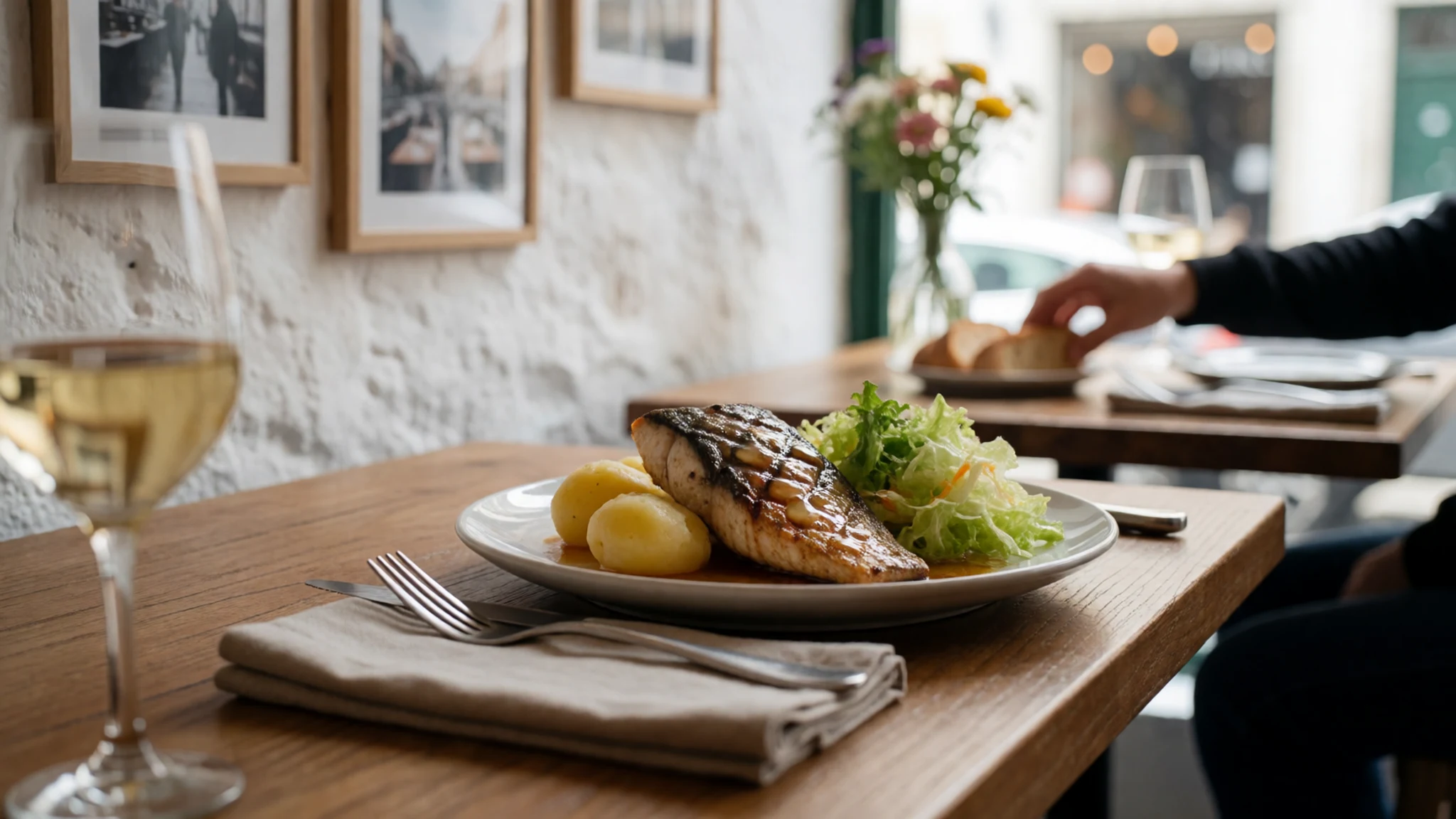
- Mesa d’Oito dishes — Santa Maria (local dining spot)
Mesa d’Oito is a local eatery option for Santa Maria meals. It’s a straightforward stop when you want sit-down Portuguese comfort—think hearty portions that suit cool coastal evenings after a walk.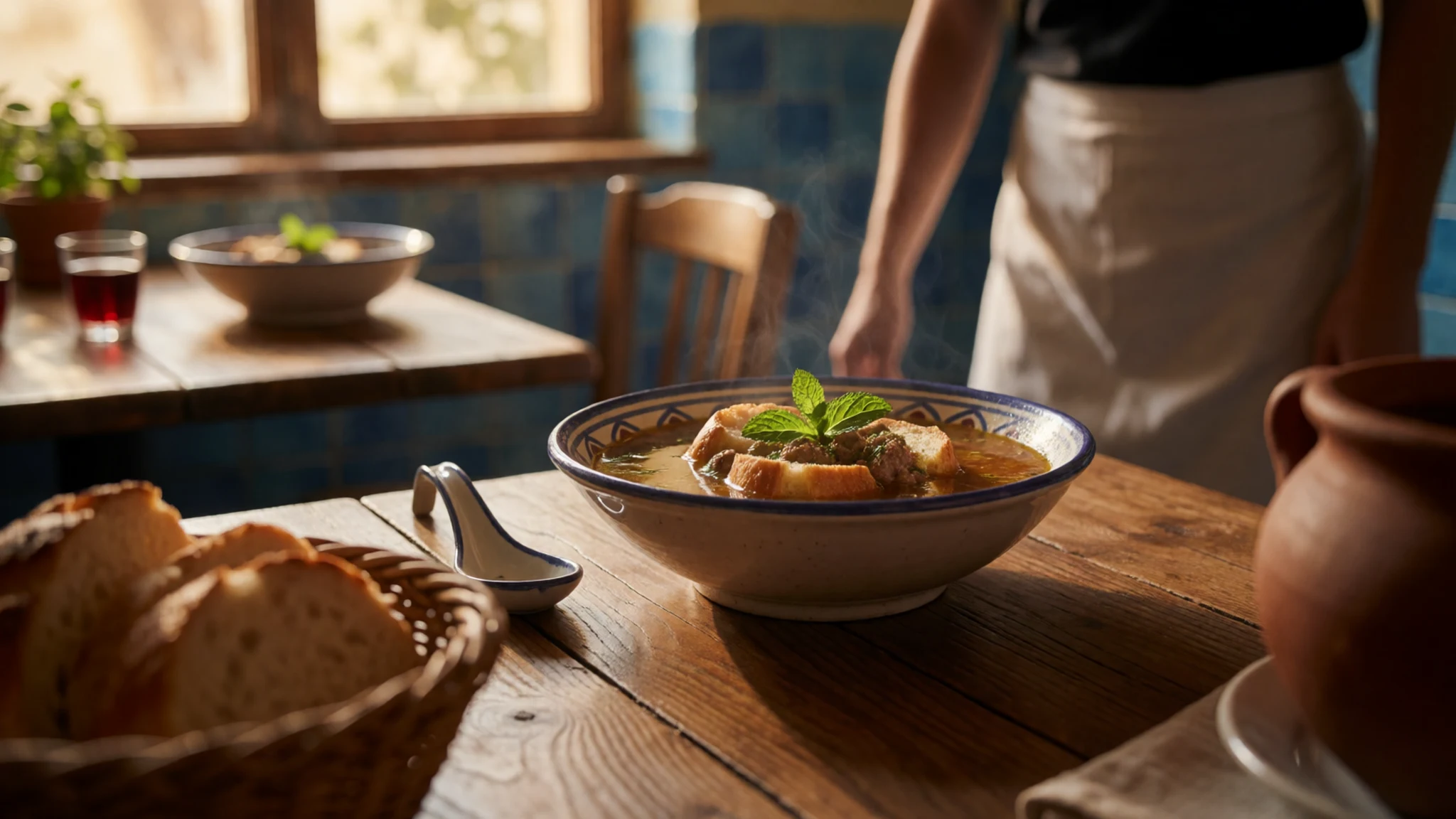
- Bay-side grilled seafood and bar snacks at Ponta Negra — On the bay (Ponta Negra area)
Ponta Negra Restaurante e Bar de Praia sits by the bay, which makes it a natural choice after time in the water. Expect a mix of restaurant meals and bar-style snacks, with seafood often front and centre given the location. - Traditional bread-soup from festival feasts — Irmandades and impérios during religious festivals
When festivals are on, Santa Maria’s bread soaked in meat broth soup appears through the island’s irmandades and impérios. It’s a practical, shareable dish designed for feasting days—excellent if you can catch the event when it’s running. - Local Portuguese café breakfast — Town cafés across Santa Maria
For mornings, plan for a simple café breakfast before driving out to viewpoints and beaches. On an island day, these basics are exactly what you need: coffee, bread, and something sweet or savoury before the long coastal stretch.
Plan it
Best time. March–April and October–November for more comfortable island walking and beach weather; June is often the rainy season, while August can feel hot and humid.
How long. 3–4
Getting there. Fly into Santa Maria’s airport, then use local road transport to reach bays and viewpoints. If you’re coming from elsewhere in the Azores, connect by inter-island flights and plan the road leg from the airport area.
Budget. mid
Tips
- Start viewpoint and waterfall outings early in the morning to get calmer light and steadier weather.
- Build beach time around tides and wind; the coast can feel cooler when the breeze rises.
- If you’re aiming for Gonçalo Velho Lighthouse, check the open days or appointment rules before you set your day.
- Keep some cash for small purchases connected to markets and festival stalls, even when card payments are common.
- Pack a light wind layer for coastal roads, and shoes with grip for basalt and damp paths.
Etiquette
- Dress modestly for religious ceremonies and keep voices down during processions.
- Stay on safe paths around cliffs, caves and quarry-like areas—stone can be slippery.
- Be patient with parking near popular beaches and viewpoints; don’t double-park.
Nearby
Sources
- Wikidata Q217262 (CC0)
- Wikipedia (rev 1364198064) (CC BY-SA 4.0)
- Wikivoyage (rev 5417367) (CC BY-SA 4.0)
- Photo photos/01-ba-a-da-praia.jpg (Public domain)
- Photo photos/02-pico-alto-sma-16.jpg (CC BY-SA 4.0)
- Photo photos/03-santa-maria-pos.png (Public domain)
- Photo photos/04-fte-da-praia-14.jpg (Public domain)
- Photo photos/05-r-f-r-valverde-3.jpg (Public domain)
- Photo photos/06-ribeira-do-malo-s-sma-5.jpg (CC BY-SA 4.0)
- Photo photos/07-po-o-da-pedreira-santa-maria-azores-portugal-ppl3-altered-ju.jpg (CC BY-SA 4.0)
- Photo photos/08-s-louren-o-055.jpg (Public domain)


