Saint-Louis
Saint-Louis, Senegal
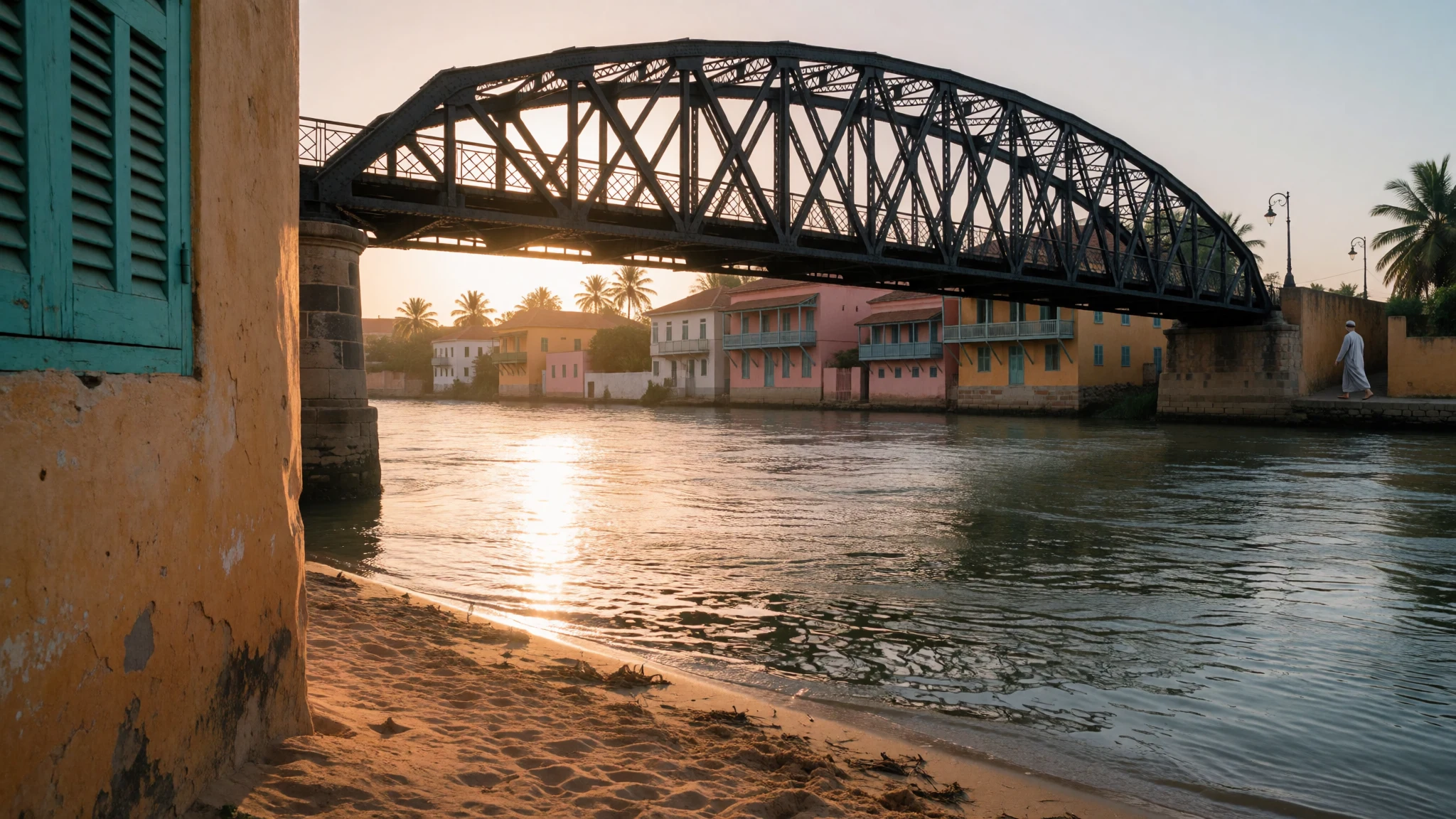
Saint-Louis is a faded colonial capital on a river island, with balconied streets, a working fishing quarter and a slow pace that rewards a couple of unhurried days.
The place
Saint-Louis sits in the far north-west of Senegal, close to where the Senegal River reaches the Atlantic. The old town occupies a narrow island in the river, and a long sand spit called the Langue de Barberie separates the river from the open sea. Elevation is only 22 metres, and it feels it: water is part of daily life here, in the channels, the lagoon-like river and the surf beyond the dunes.
About a quarter of a million people live in the commune, spread across the island, the sandy spit and the mainland neighbourhoods. The island is the part most visitors see, with a grid of low streets, ochre and pink façades, wooden balconies and shuttered windows. Many buildings are worn and some are propped up or empty, so the mood is more faded than polished. That is part of its character, though it also reflects how much the city has lost in status.
Saint-Louis was once the capital of French colonial Senegal and later of wider French West Africa, before Dakar took over those roles in 1902. Today it earns its living from fishing, trade, sugar production and tourism, and it has a reputation for music and an active arts scene.
The city also faces a serious threat. Sea level rise and flooding are expected to put large parts of the low-lying centre and its historic fabric at risk, and local officials and residents are well aware of it.
The pace is gentle. Mornings belong to the fishing beaches, midday heat sends people indoors, and evenings are for walking the island, sitting by the river and listening to music. Saint-Louis is a place for wandering rather than ticking off sights.
Its story
Saint-Louis was founded on its island in 1659, but the story begins earlier. A Wolof community already lived at Guet Ndar in the fifteenth century, and the spot served as a gathering point for pilgrims heading east towards Mecca. Portuguese, Dutch and English traders passed through over the following two centuries, yet it was the French who built the first fort nearby, on a different island that proved prone to flooding.
When the fort moved to the island the locals called Ndar, the site was empty. The tradition goes that people avoided it because they believed spirits haunted it. The local ruler, the Diagne of Sor, allowed the French to settle in return for yearly payments of cloth, iron bars and spirits.
From this base the French controlled trade along the river. Enslaved people, gold, hides, beeswax, ambergris and later gum arabic all moved through the settlement. Control changed hands in the eighteenth century, as Britain took Senegal in 1758 and France won Saint-Louis back in 1779. A succession of chartered trading companies ran the town during these years.
Around the trading houses grew a mixed community, among them the signares, women of African and European descent who held property, ran households and shaped the town's social life. Their legacy lives on in its festivals and its taste for display.
Saint-Louis was the colonial capital until the administration shifted to Dakar in 1902, though it kept an official role in the region for decades afterwards. Its slow decline in political importance helped preserve the nineteenth-century street plan, which is now both its attraction and its risk.
What to see
- Faidherbe Bridge — Western edge of the island
Faidherbe Bridge links the island to the mainland across the river. It opened in 1865 and is named after the colonial governor Louis Faidherbe, replacing an overloaded ferry service. The iron structure is a good place to watch boats, river traffic and the light change at the end of the day.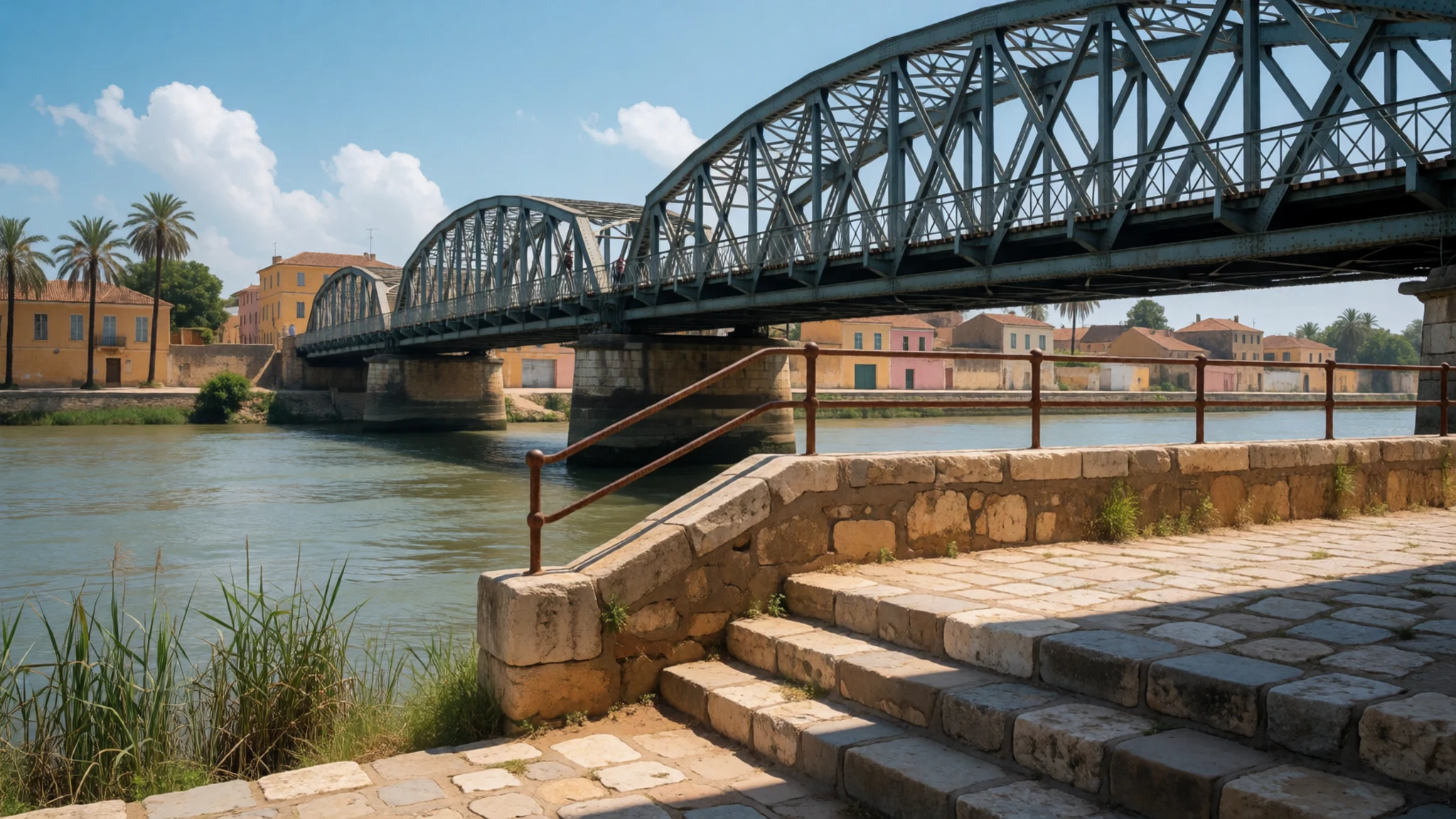
- Guet N'Dar fishing quarter — Langue de Barberie, east of the island
Guet N'Dar is the fishing community on the sandy spit between river and sea, and it is crowded, loud and productive. Painted pirogues line the beach, and the best time to watch the catch come in is early morning or late afternoon. Be ready for strong smells and busy paths.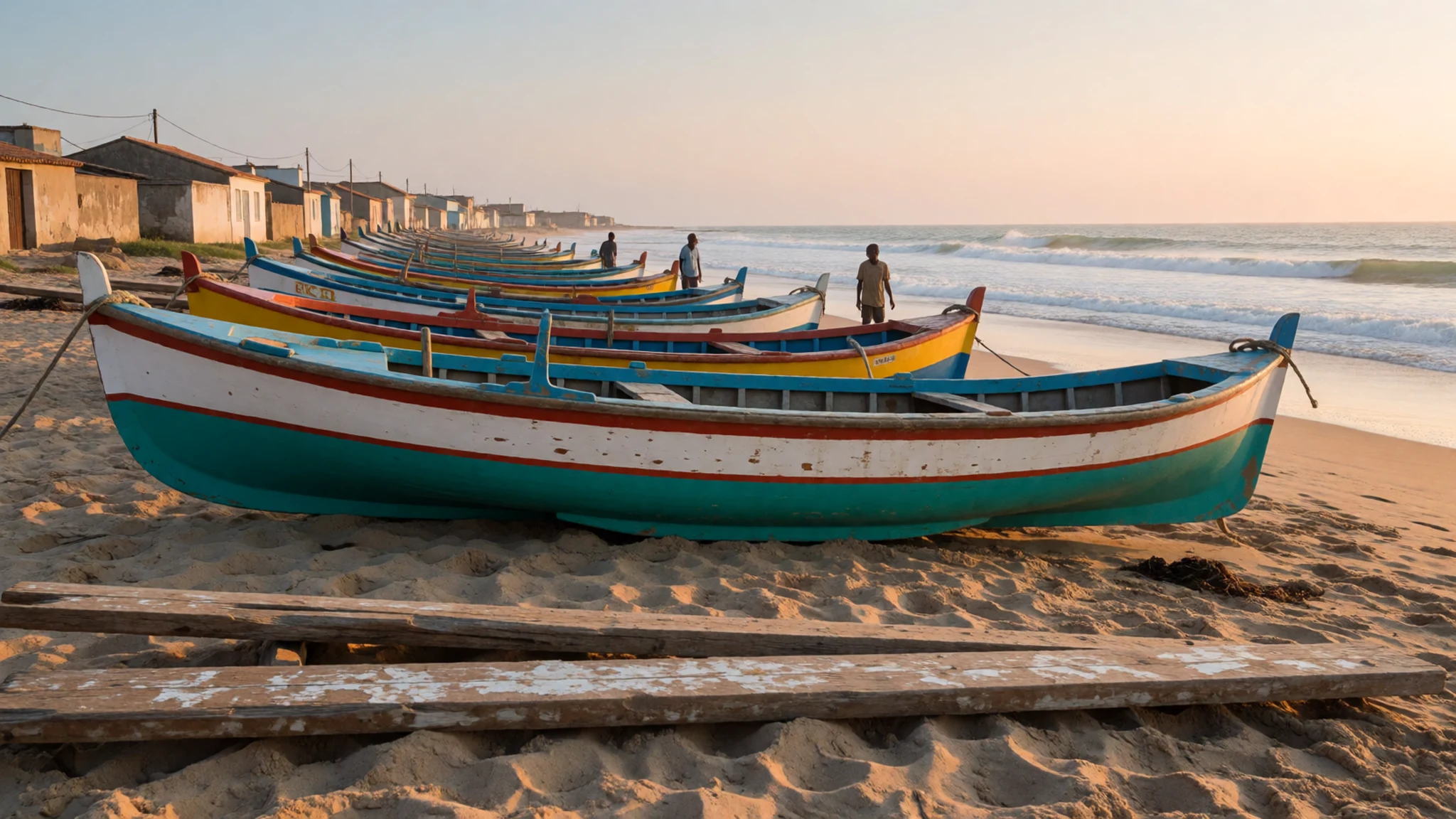
- Saint Louis Cathedral — Southern part of the island
Saint Louis Cathedral is a Roman Catholic church that opened in 1828, a surprisingly late date given how long Europeans had been in the town. It is a modest, whitewashed building rather than a grand one, and it gives a quiet view into the island's Christian community.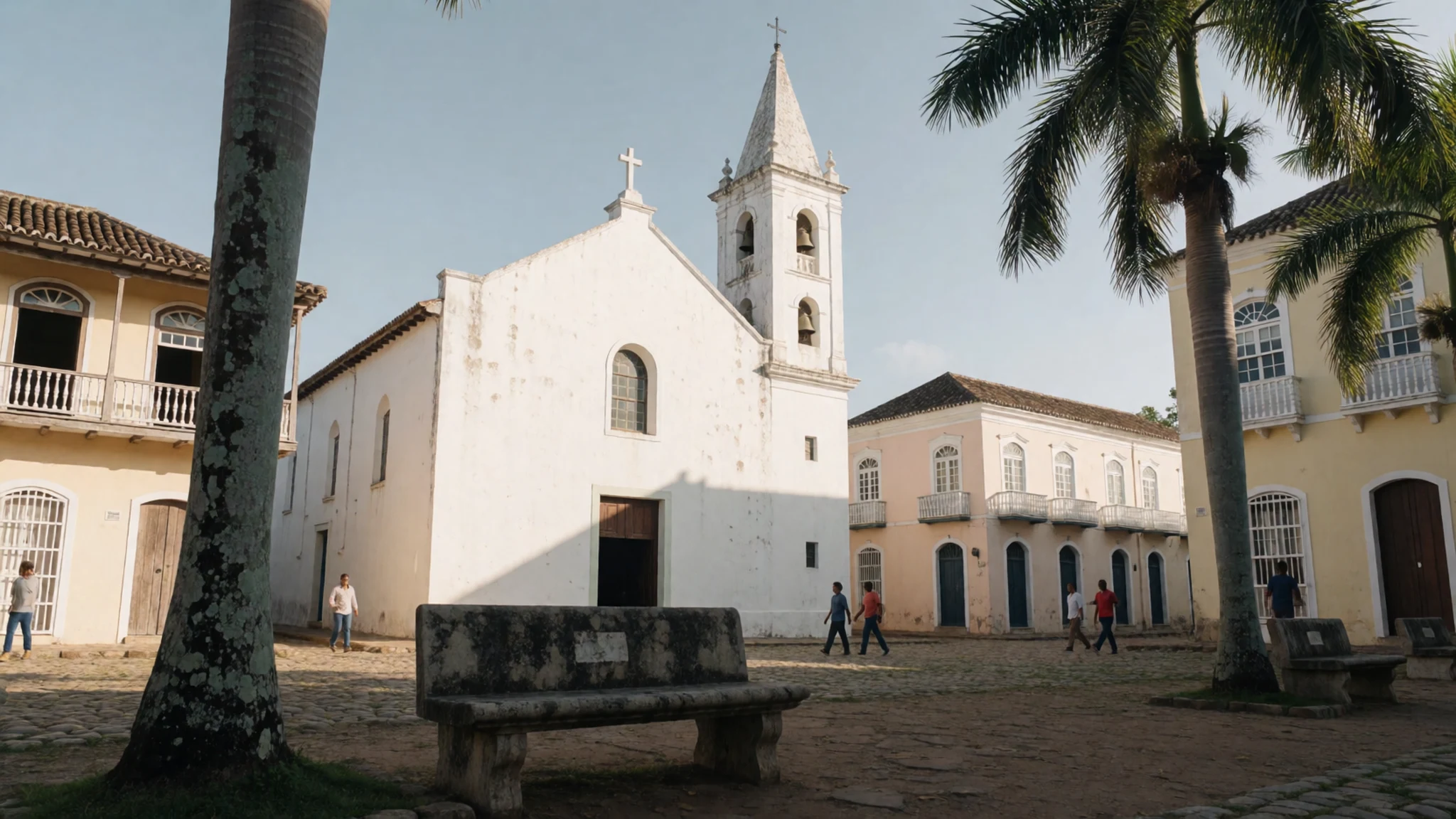
- Grand Mosque — Northern part of the island
The Grand Mosque is understated rather than showy, with colonial-style architecture and two minarets, each carrying a clock and a bell. It is worth seeing from the street as part of a walk, and a reminder that most of the city's people are Muslim.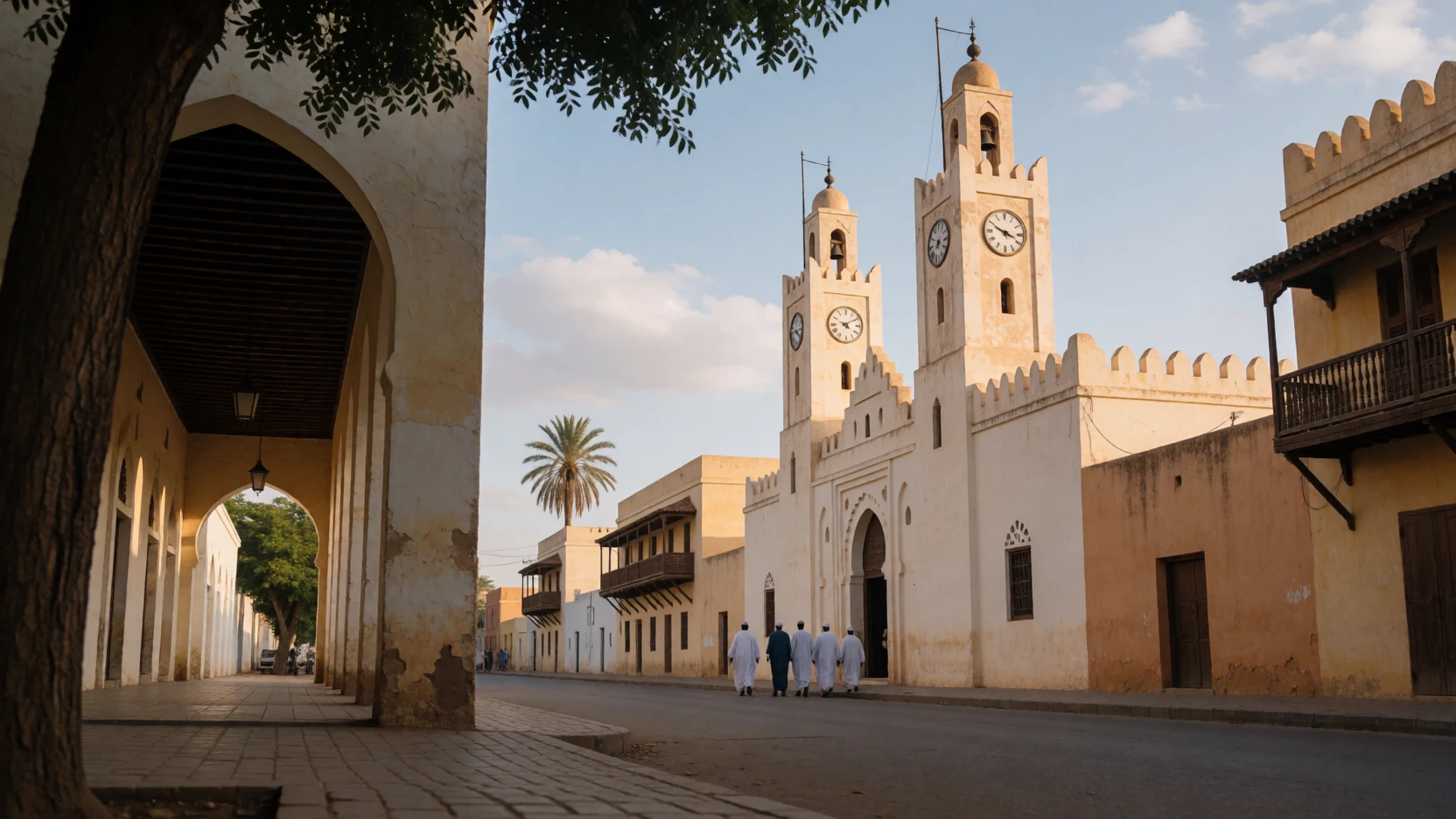
- Musée de l'Aéropostale Jean Mermoz — Southern part of the island
This small museum covers the colonial airmail service that used Saint-Louis as a staging point, with a display devoted to the pilot Jean Mermoz. It suits a hot afternoon and explains an unexpected chapter in the city's past. Check the official city site for opening arrangements before going.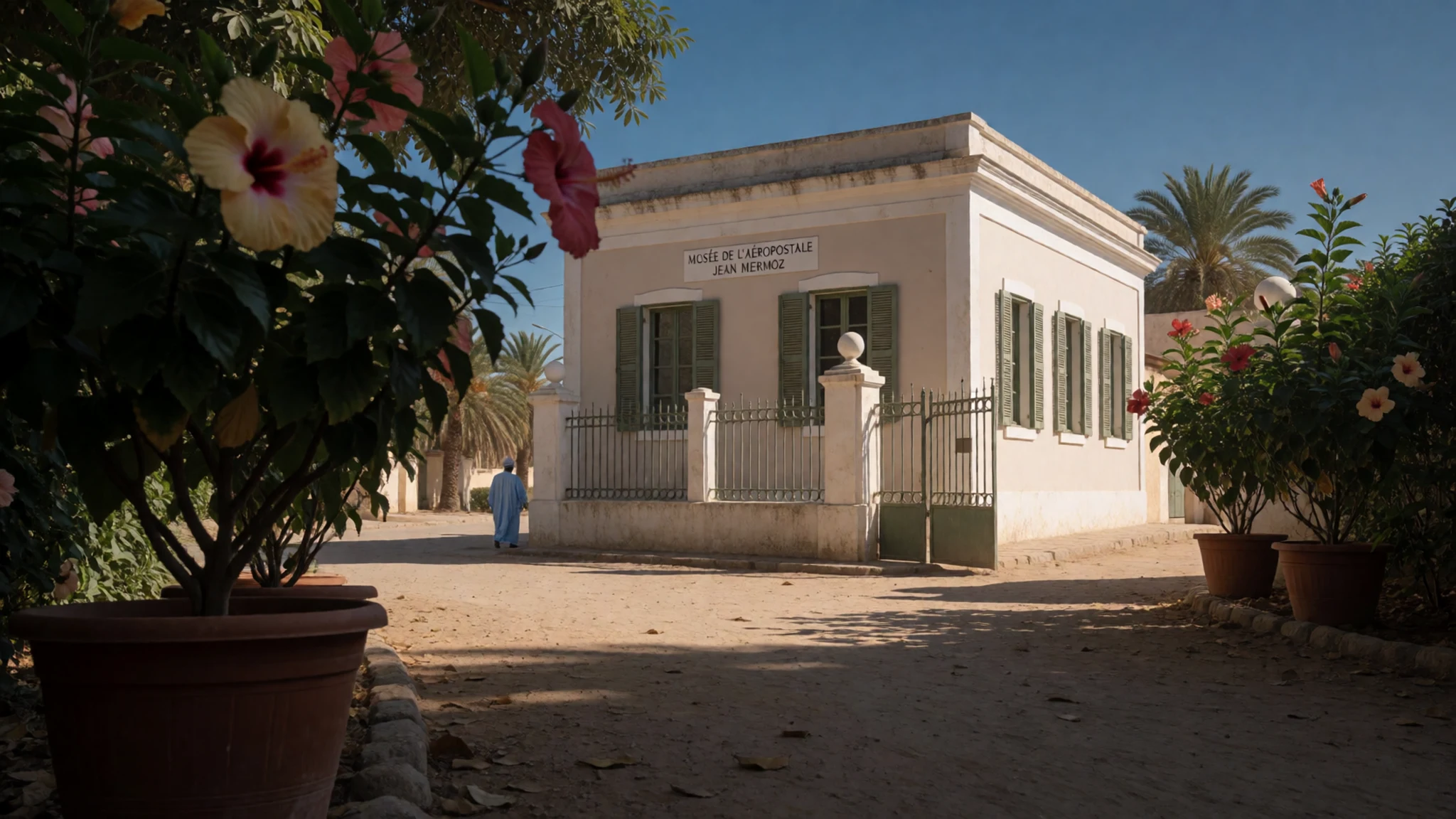
Culture
Saint-Louis has a cultural life much bigger than its size suggests. The island's nineteenth-century layout puts it in the same family as other Atlantic port cities shaped by trade, such as Cartagena, Havana and New Orleans. Mixed European and African heritage shows in the buildings, the food and the habit of dressing well to be seen.
The signares, the women who once managed households and trade in the old town, left a lasting influence on local style and on the city's love of celebration. That spirit survives in its festivals and in the music scene that draws visitors, especially for jazz. A regional museum on Senegal's history also displays traditional clothing and musical instruments for those who want context.
Wolof is the everyday language, French is the language of administration and school, and many people also speak other regional languages. Islam shapes the rhythm of the week, with Friday prayers and the dawn call heard across the island. Greetings matter: take the time for a handshake and a few words before asking for anything, and expect conversation to be warm and unhurried.
Begging and street selling exist, as in many West African towns. A calm, polite refusal usually works better than ignoring someone. Local guides can help with introductions in Guet N'Dar, where visitors are watched with curiosity.
Always ask before photographing people, especially fishermen and women at work in Guet N'Dar, and respect a refusal without argument.
What to wear
Traditional dress in Saint-Louis follows wider Senegalese and Wolof styles. Women wear the boubou, a flowing gown, or a wrapped skirt and fitted top, often with a matching headwrap. Fabrics include bazin, a stiff dyed cotton with a sheen, and printed wax cloth; fine embroidered lace and handwoven strips also appear for weddings and celebrations. Men wear the grand boubou, a wide embroidered robe, or a tailored tunic and trousers, mostly for Fridays, religious festivals and family events. The historical signares were known for elaborate head ties and jewellery, a tradition still echoed in the city's festival costume.
Day to day, people mix tailored local outfits with western clothes. Jeans and shirts are common among younger people, and many women still prefer a boubou or a long wrapped skirt for work or errands. Fishermen in Guet N'Dar wear practical shorts, waterproofs and sandals suited to wet sand and boats.
Visitors should dress for heat and sun while staying modest. Light cotton or linen that covers shoulders and knees is comfortable and respectful, especially in a mostly Muslim town. Bring a hat, sunglasses and sun cream, and a scarf for mosque areas or windy beaches. Closed shoes or sandals with grip are better than flip-flops on sandy, uneven streets and fish-landing beaches, where mud and fish waste are common. Beachwear belongs on the beach, not the town streets.
What to eat
- Thieboudienne — Small local eateries across the island and mainland
Thieboudienne is Senegal's signature dish: fish cooked with rice, tomato sauce and vegetables such as cassava, carrot and cabbage. It is usually eaten from a shared platter at midday. Family-run eateries and informal canteens around the island tend to do it well, but get there before it runs out.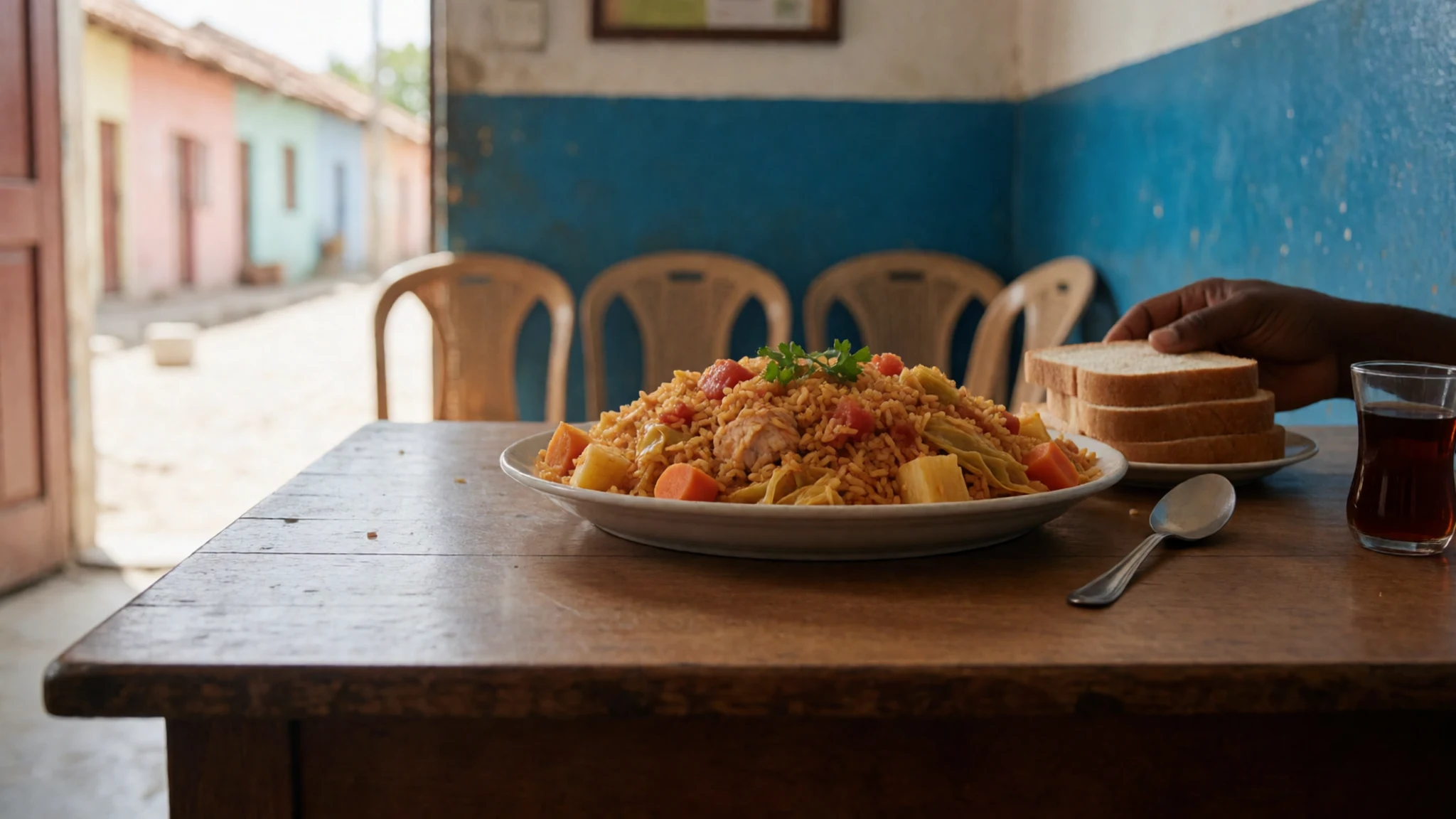
- Grilled fresh fish — Near Guet N'Dar landing beach
Fish landed that morning is often grilled over charcoal and served with onions, lemon and bread or rice. The freshest choices come from near the landing beaches rather than in tourist-focused areas. Ask what was caught that day, and expect simple service with plastic chairs and sea air.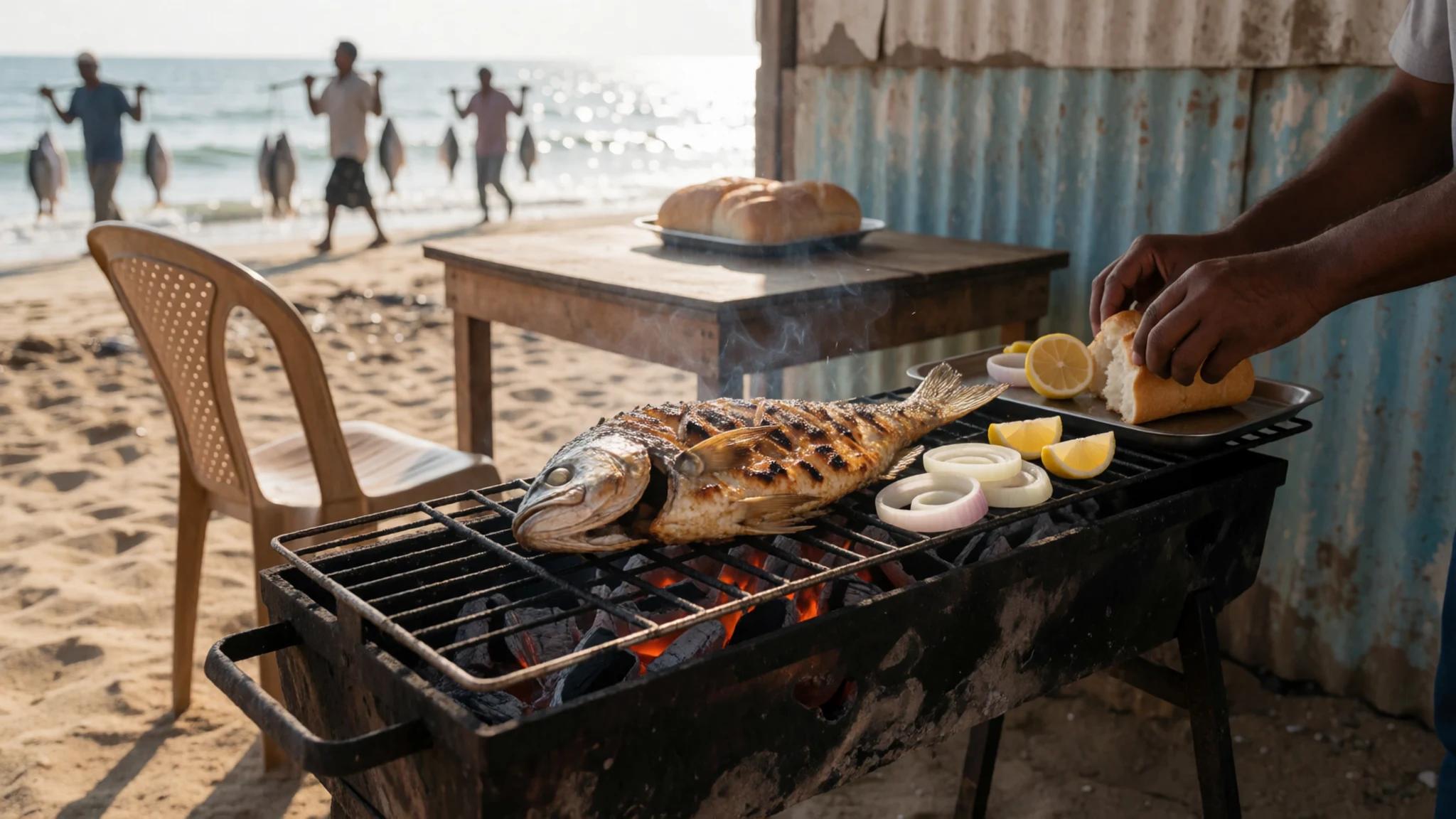
- Fataya — Street stalls and snack counters around the island
Fataya are fried pastry parcels, usually filled with spiced fish or meat and served with a hot pepper sauce. They are a cheap snack, popular at lunch or in the evening, and easy to find from small counters and street sellers. Choose ones that are served hot and freshly fried. - Pastries and coffee — Bakery-patisseries on the main streets of the island
French baking traditions remain visible in the island's patisseries, where croissants, cakes, omelettes and hot drinks suit a slow breakfast. It is a pleasant way to see the colonial legacy at street level, and a useful break in the heat. - Brochettes — Evening grills and neighbourhood bars on the mainland side
Grilled skewers of meat, sometimes including game such as warthog at some neighbourhood spots, are a common evening meal with bread, onions and sauce. Look for grills with a steady local crowd, and eat them hot from the fire.
Plan it
Best time. November to April is the best period: it is dry, with cooler, more comfortable days and sea breezes. May is hotter, and the rainy season, roughly July to October, brings humidity, heavy downpours and flooded streets.
How long. 2–3
Getting there. The nearest working international airport is in or near Dakar. As of early 2026 the airport at Saint-Louis has no scheduled services, and the railway no longer runs. The usual route is by road from Dakar: a shared seven-seat taxi (sept-place) from the Pompier station, a minibus, or a hired car with a driver. Allow several hours for the road journey.
Budget. low
Tips
- Visit Guet N'Dar early in the morning or late in the afternoon, when boats are landing and the light is softer
- Carry cash in small notes, as many small eateries, taxis and market stalls do not take cards
- Drink bottled or filtered water and use sun protection, as the dry season sun is strong
- For transport and tour details, check the official city site at http://www.saintlouisdusenegal.com/
- Plan road travel with extra time, as shared taxis often wait until full before leaving
Etiquette
- Ask before photographing people, especially at work in Guet N'Dar
- Dress modestly in town, covering shoulders and knees
- Greet people properly before asking questions or bargaining
Nearby
Sources
- Wikidata Q273779 (CC0)
- Wikipedia — Saint-Louis, Senegal (rev 1378684785) (CC BY-SA 4.0)
- Wikivoyage — Saint-Louis (rev 5416621) (CC BY-SA 4.0)
- Photo: Ile sud à Saint-Louis du Sénégal — Remi Jouan (CC BY 3.0)
- Photo: Île de Saint-Louis (Sénégal) — Jim Williams (CC BY-SA 3.0 igo)
- Photo: Saint Louis du Sénégal, vue sur le quartier Nord de l'ile — Manu25 (CC BY-SA 1.0)
- Photo: Negress of quality from the Island of Saint Louis in Senegal — Rama (Public domain)
- Photo: View of the island of Saint-Louis in Senegal taken from the sea side (Public domain)
- Photo: Saint Louis du Sénégal pont Faidherbe — Manu25 (CC BY-SA 1.0)
- Photo: Pirogues à Saint-Louis-du-Sénégal — Ji-Elle (Public domain)
- Photo: Colonial houses in Saint-Louis du Sénégal (CC BY 3.0)


