Casamance
Casamance, Senegal
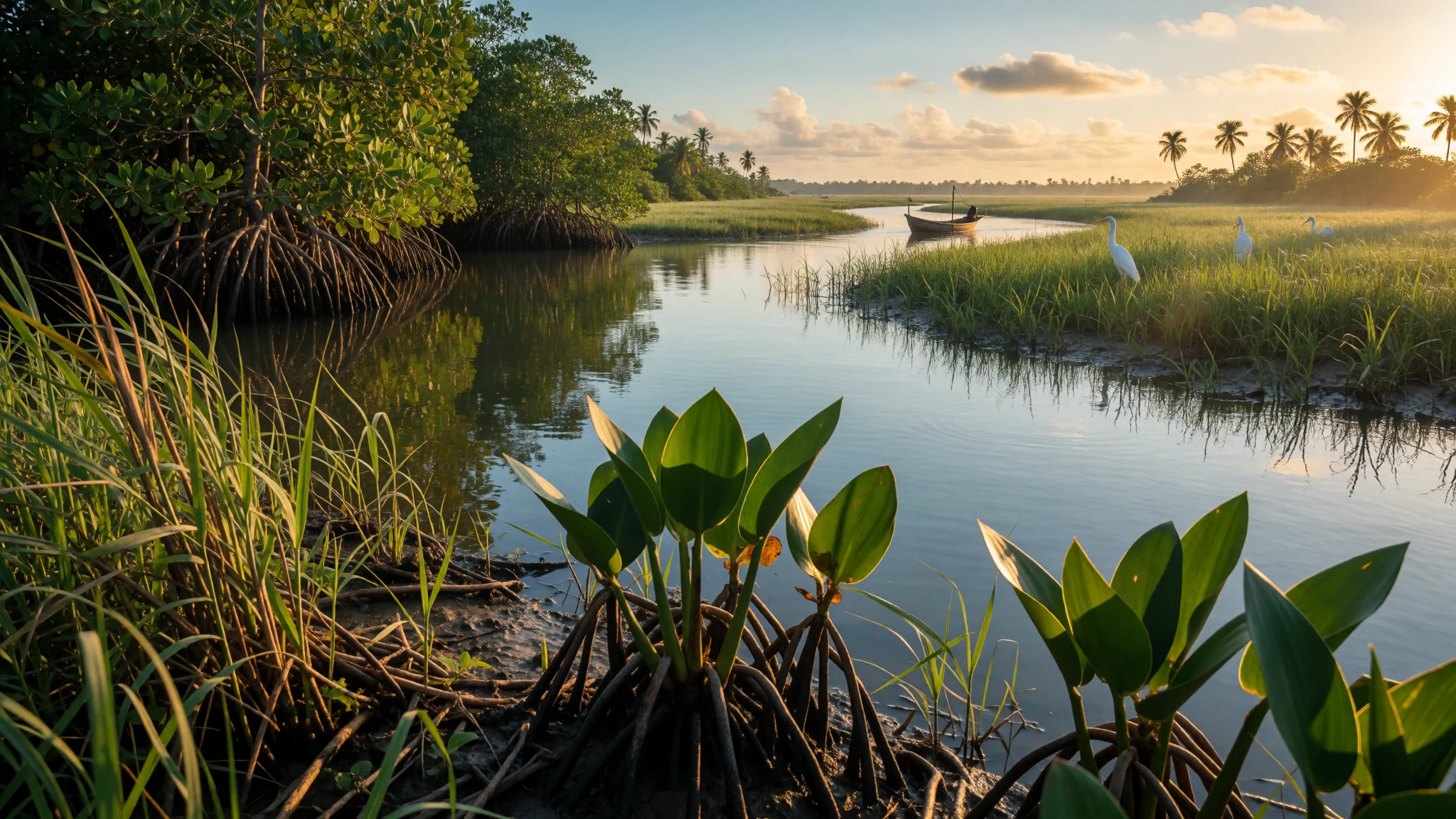
Casamance is Senegal's green south: mangrove creeks, rice paddies, forest and quiet beaches, far from Dakar's bustle and best explored slowly by boat.
The place
Casamance is the part of Senegal that lies south of the Gambia, cut off from the rest of the country by that narrow neighbour and by the river that gives the region its name. It divides into Lower Casamance around Ziguinchor, the main city, and Upper Casamance, which covers the Kolda and Sédhiou areas further inland. The land is low, hot and flat, with a few hills in the south-east, and it is far wetter and greener than the Sahel-edged north of Senegal.
The climate is tropical savanna. Almost no rain falls from November to May, then the rains arrive from June to October and drench the region, with the far south-west receiving the heaviest downpours, well beyond a metre in a season. That water feeds rice fields, palm groves, forest and the tidal channels called bolongs, which wind through the mangroves and still serve as roads between villages.
The main peoples are the Jola and the Bainuk, with Balanta, Mande and Fulani communities as well. Islam, Christianity and older local religions sit side by side, often within one family. Rice farming and tourism carry the economy, and the coast near Cap Skirring holds the region's best-known beaches. Visitors come for slow travel: a day on a pirogue, a village meal, a long afternoon in the shade. Expect heat, humid air in the wet months, and a pace that rewards patience.
Its story
Local tradition holds that the Jola and Bainuk have lived in Casamance for over a thousand years. Jola leaders governed their own districts, sometimes under the loose authority of Wolof and Serer kingdoms to the north. Between the 15th and 18th centuries the Bainuk kingdom of Kasa, in the lower part of the region, was the leading power in the south.
Portuguese navigators and slave traders set up a trading station here in the 15th century and dealt with both Jola chiefs and the king of Kasa. For centuries the area was contested between Portugal and France, until a border was agreed in 1888 between French Senegal and Portuguese Guinea, now Guinea-Bissau. Portugal gave up Casamance, which had been the commercial heart of its colony. The legacy survives: a Portuguese-based Creole language is still spoken, and families in the old Creole community carry surnames such as Da Silva, Carvalho and Fonseca. Senegal even became an associate observer of the Community of Portuguese Language Countries in 2008.
A more recent chapter is harder. The Jola, though dominant in Casamance, make up only about 4% of Senegal's people, and a sense of being left out of the national economy fed a separatist movement, the MFDC, founded in 1982. A low-level insurgency began in 1990, marked by sporadic violence and ceasefires that often failed to hold. The region has been at peace with the government since 2004, though locals and visitors still note that some insecurity lingers.
What to see
- Cap Skirring beaches — Cap Skirring, Lower Casamance
Cap Skirring is the region's seaside hub, with long stretches of sand on the Atlantic coast and a small airport. Mornings are calm and good for walking. It is quieter than most West African resort strips, and a base for day trips into the creeks.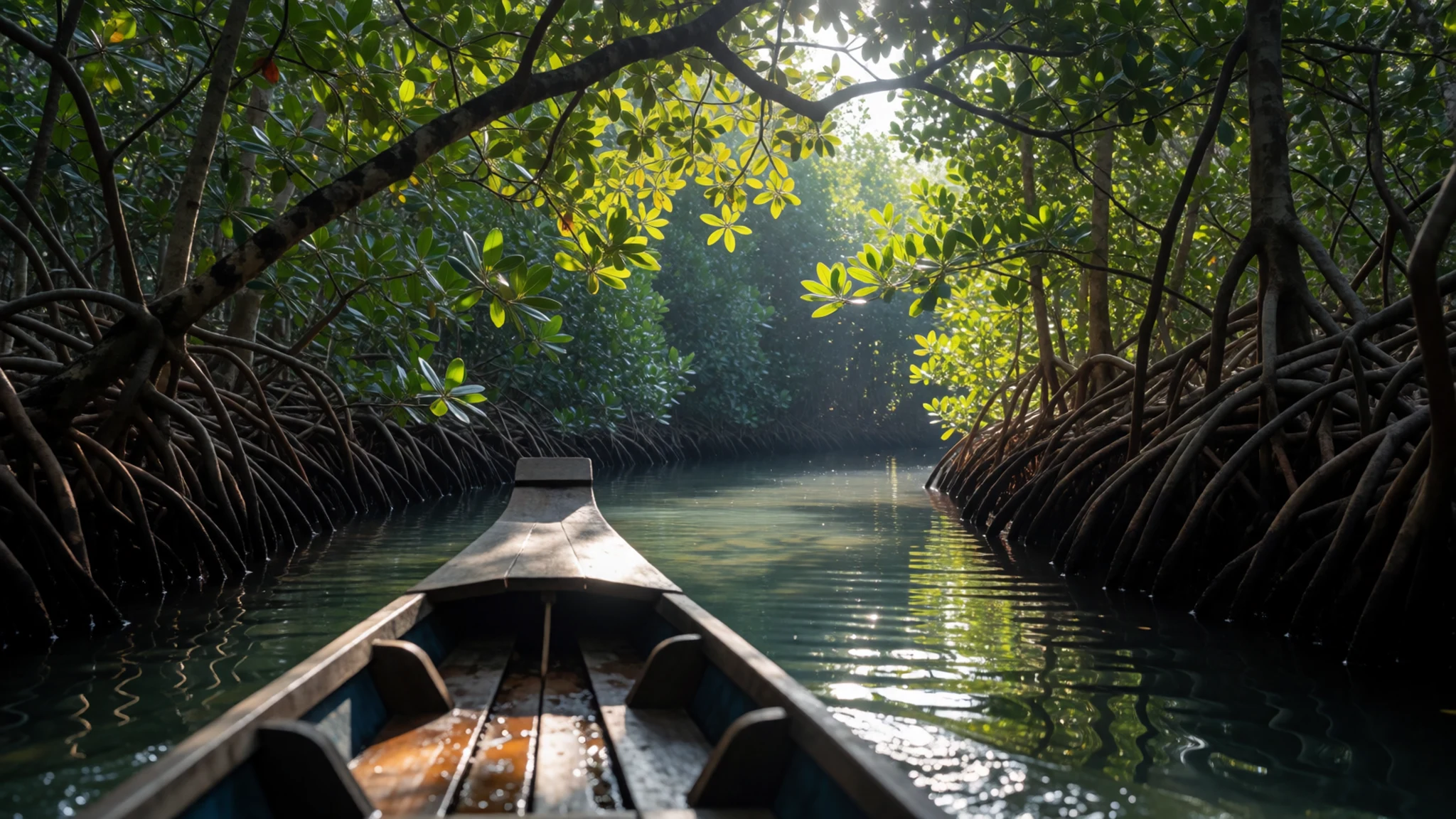
- Mangrove bolongs by boat or kayak — Lower Casamance creeks
The tidal waterways threading through the mangroves are the heart of the region. Local operators rent kayaks and run motorised boat trips with guides. Go at a gentle hour, early or late, when birds are active and the heat eases.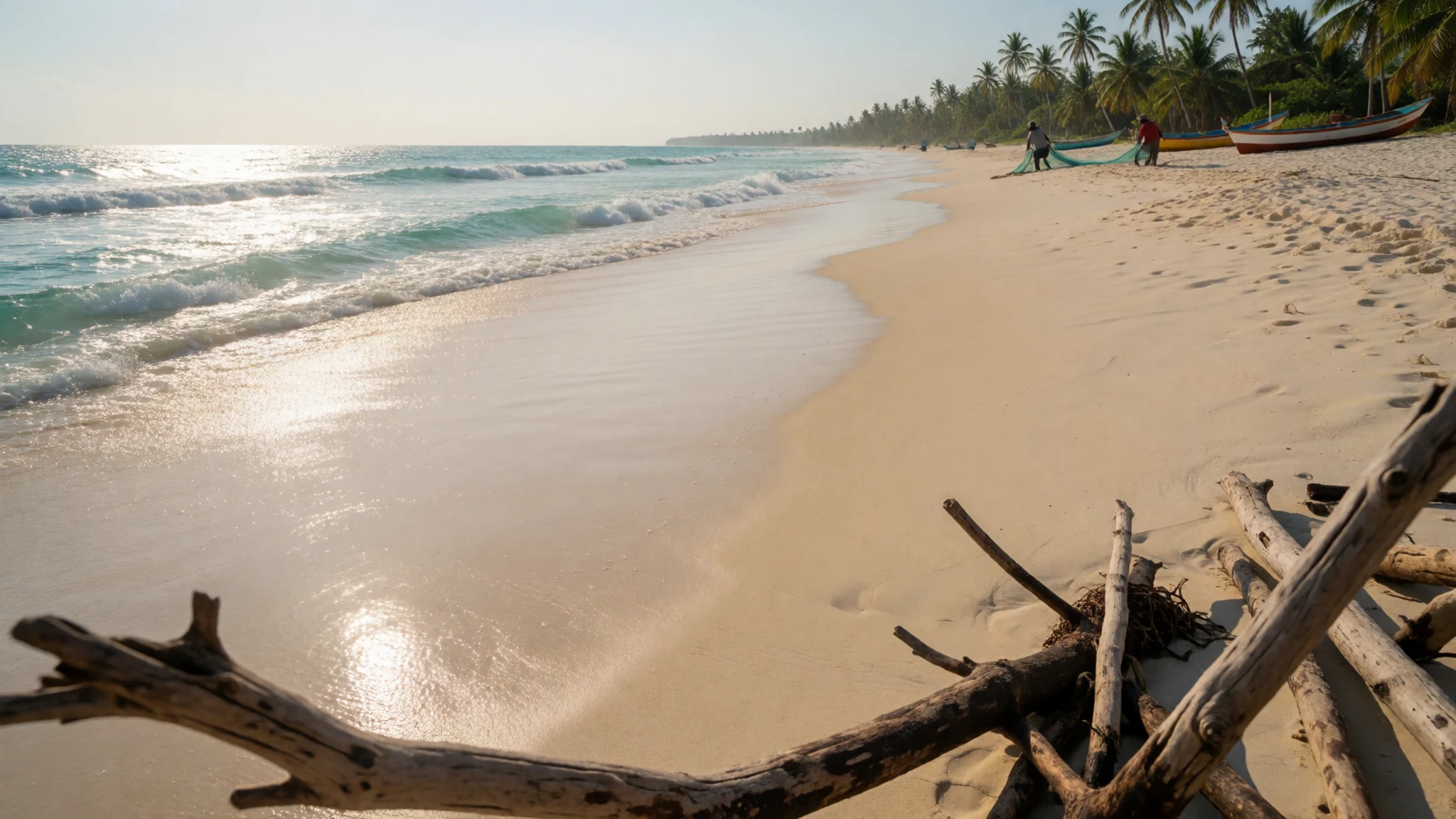
- Pointe Saint-Georges manatee platform — Pointe Saint-Georges
A freshwater source near Pointe Saint-Georges draws manatees, and a viewing platform has been built for watching them. Sightings are not guaranteed. The dry season, especially late December and January at low tide, is said to be the best window. Pay the small foreigners' fee on site.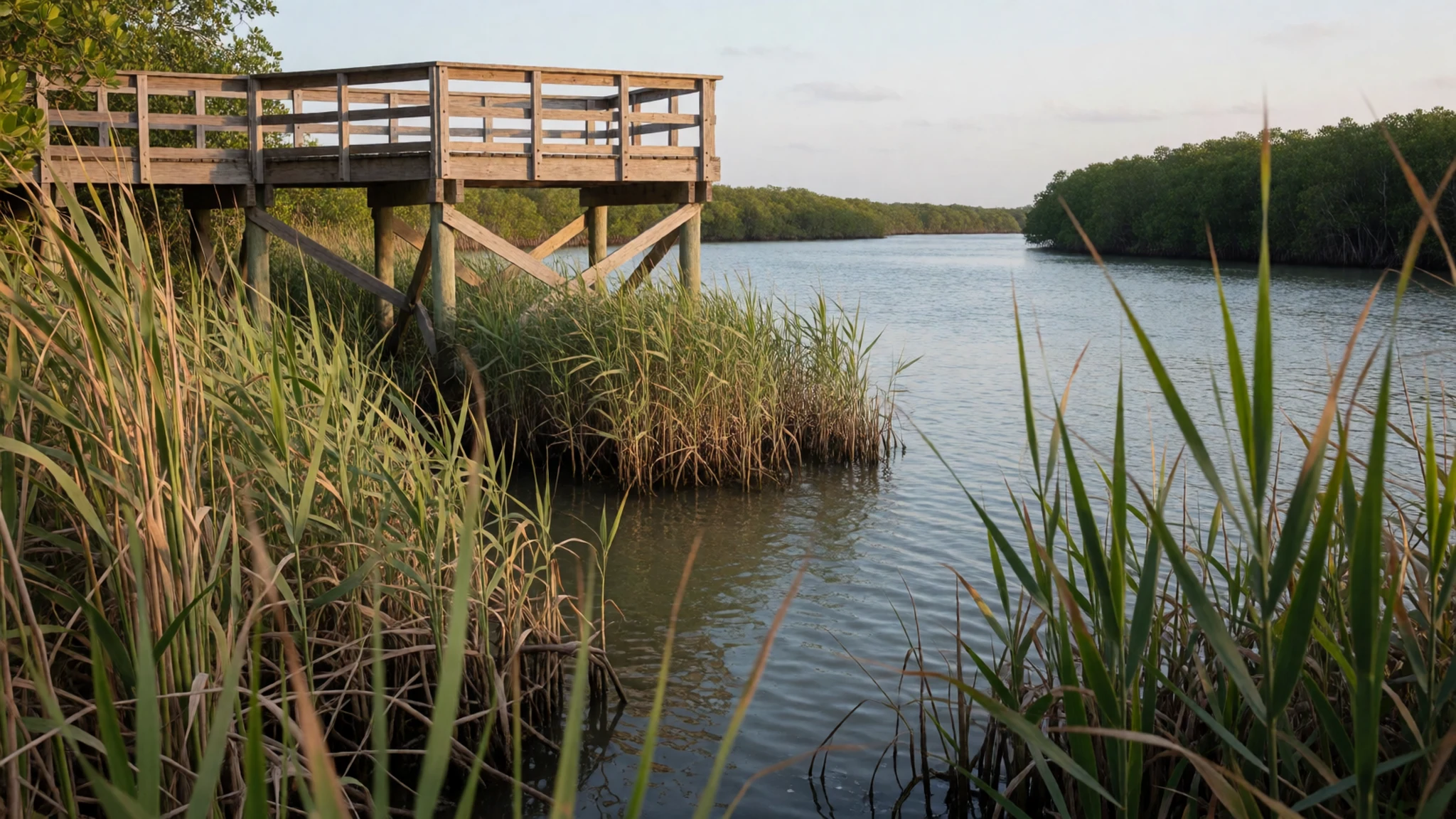
- Forest walks and bike rides — Around Cap Skirring and Oussouye
Behind the beaches lie tropical forests that can be explored on foot or by bicycle, passing villages, rice plots and palm trees. Several local operators hire equipment and arrange guides, which is worth doing for route knowledge and for introductions in villages.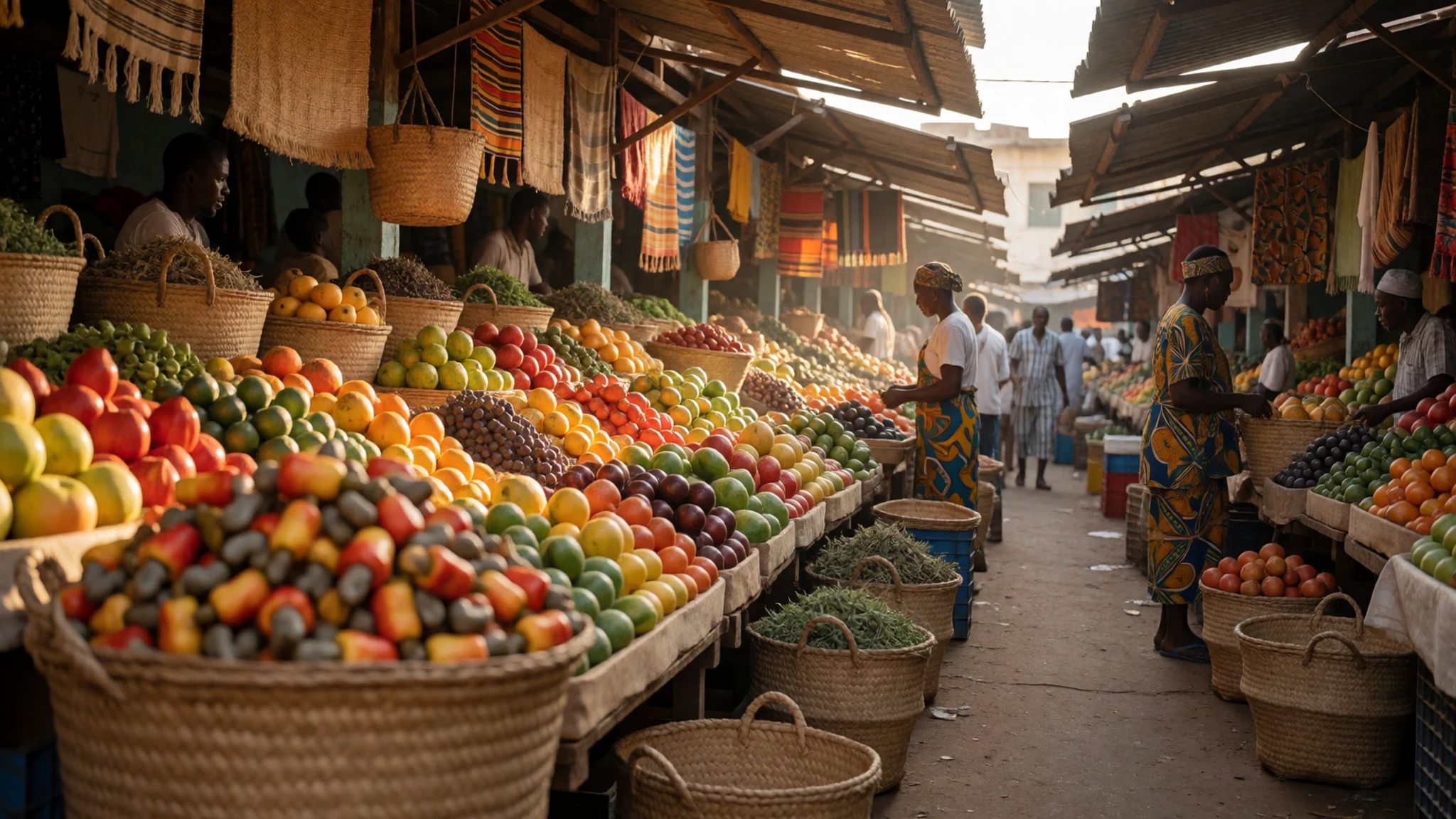
- Carabane island — Mouth of the Casamance River
Carabane sits at the mouth of the Casamance River and carries traces of the colonial trading era, including an old customs house. It is reached by boat and rewards a slow visit, with sandy lanes, fishing boats and a sleepy riverside feel.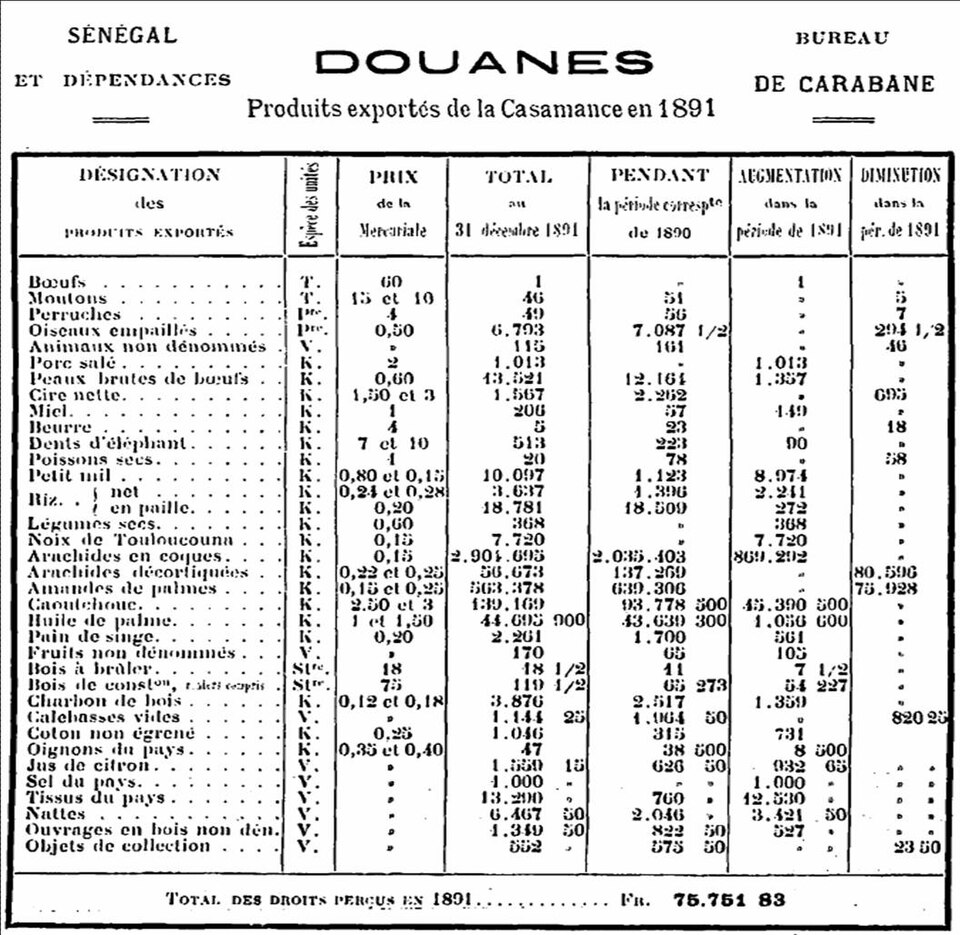
Culture
Casamance is a place where several cultures share the same lanes. The Jola, the largest group, are known for rice-growing communities, initiation rites and masks such as the agomela, and ceremonies that mark seasons and life stages. Bainuk, Balanta, Mande and Fulani neighbours bring their own languages, music and customs. Mosques, churches and sacred groves exist side by side, and many families include people of more than one faith.
The Portuguese past also shows. A Creole language is still spoken in some communities, and surnames like Da Silva and Fonseca are common. French is the working language for officials and schools, with Jola languages, Mandinka and Wolof heard in daily life. Music, drumming and dance are part of village celebrations, and visitors are sometimes welcomed to watch.
Hospitality matters here. Greetings are unhurried, and asking after someone's family before getting to the point is normal. Rice is the staple, and sharing a meal is a gesture of trust. Some ceremonies and sacred sites are for initiates only, so being told no is not a snub. Local guides are the best route to understanding which events are open to outsiders.
Always greet people properly and ask permission before photographing anyone or entering a sacred grove or ceremony.
What to wear
Traditional dress in Casamance varies by community and faith, but wrapped cloth is common. Women wear pagnes, lengths of printed or dyed cotton tied as skirts, with matching tops and headwraps. Men wear boubous, long loose cotton robes, often in plain or dyed fabrics, for prayers and festivals. Ceremonial dress for Jola initiations and masked events can include raffia, fibre skirts, beads and painted decoration, and is worn only for the occasion.
Day to day, people wear what suits the heat: light cotton shirts, T-shirts, skirts, wrapped cloth and sandals. In towns such as Ziguinchor, jeans and football shirts are common, while on Sundays and Fridays many put on their smartest outfits for church or mosque. Tailors are everywhere, and bright fabrics are cut into custom outfits quickly.
Visitors should pack light, breathable clothing in cotton or linen, with a hat, sunglasses and a light rain layer for June to October. Cover shoulders and knees in villages and away from the beach, and carry a scarf for mosques or churches. Swimwear belongs on the beach. Sandals are fine in town, but bring closed shoes or trainers for forest walks and muddy creek landings, and water shoes if you plan to wade at low tide.
What to eat
- Thieboudienne — Local eateries in Ziguinchor and Cap Skirring
Senegal's national dish of fish cooked with rice, tomato and vegetables is made here with fresh Atlantic catch. Order it at a simple local eatery at midday, when it is usually served from a big shared bowl.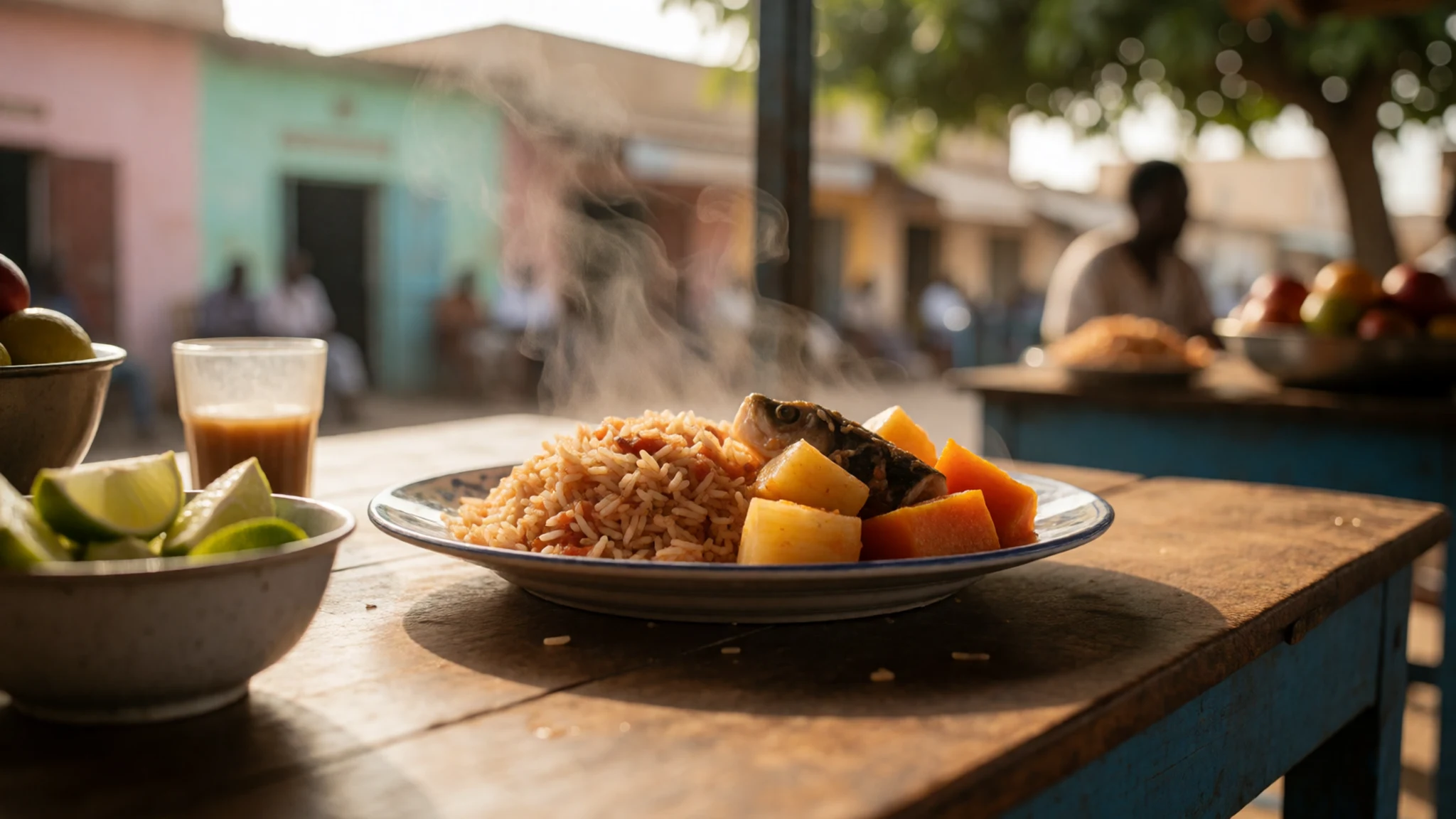
- Grilled fish — Beaches and landing points near Cap Skirring
Fish straight from the coast or the creeks is grilled over charcoal and served with onions, lemon and bread or rice. Beach-side stalls and fishing-village landings are the best places to see the catch come in.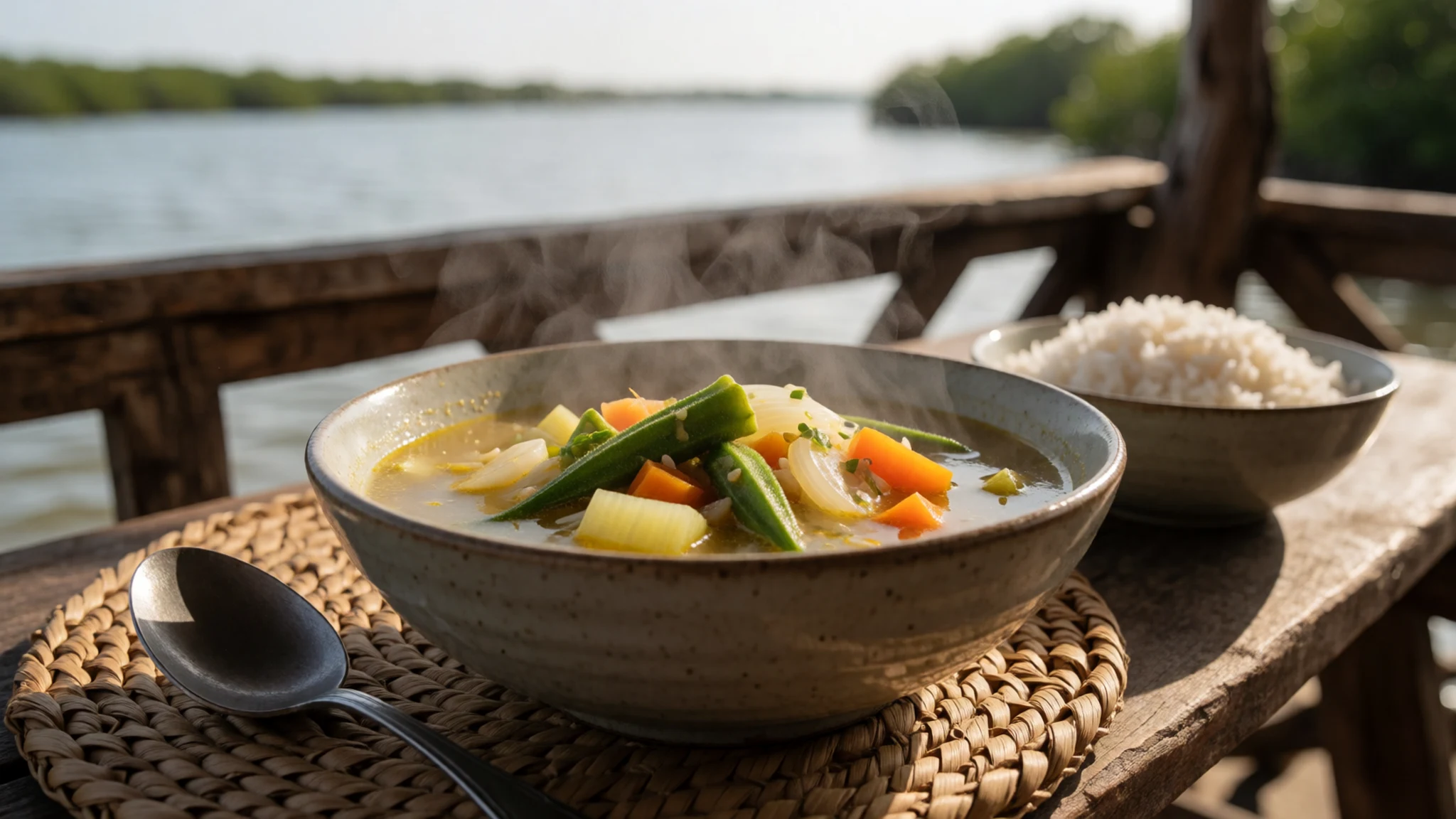
- Oysters and shellfish — Mangrove villages and riverside stalls
Mangrove oysters are gathered by hand at low tide and sold fresh or grilled. They are a local speciality of the creeks, so ask a guide or host where they are harvested and how they are prepared. - Palm wine and fresh juices — Village gatherings and the main market in Ziguinchor
Tapped from palms, palm wine is a village drink, slightly sweet and fizzy when fresh. Non-alcoholic options include bissap, a hibiscus drink, and baobab-fruit juice, both sold cold at markets and roadside stands. - Rice dishes — Village homes, guesthouse meals and market food stalls
Rice is the staple of Lower Casamance, grown in flooded paddies and served with fish sauce, peanut stew or leaf sauces. A home-cooked meal in a village is the best way to taste the region's everyday cooking.
Plan it
Best time. November to February, when rain is absent and days are warm but bearable; late December and January suit manatee watching. June to October is the wet season, with heavy rain, humidity and some tracks flooded.
How long. 4–6
Getting there. Fly from Dakar to the small airport at Cap Skirring, or take the overnight ferry from Dakar to Ziguinchor, the region's main city. From there, local transport and boats cover the last stretch to villages and creeks.
Budget. mid
Tips
- Book flights or the ferry ahead in the busy dry season, and check the official operator sites for current schedules
- Carry cash, as cards are rarely accepted outside larger towns
- Start boat and forest trips early to avoid midday heat
- Drink bottled or treated water and use mosquito protection, especially at dusk
- Ask locally about security before travelling by road, as armed robberies still occur despite peace since 2004
Etiquette
- Ask before photographing people, ceremonies or sacred groves
- Greet people before asking questions or bargaining
- Dress modestly in villages, away from the beach
Nearby
Sources
- Wikidata Q839607 (CC0)
- Wikipedia: Casamance (rev 1378951844) (CC BY-SA 4.0)
- Wikivoyage: Casamance (rev 4982415) (CC BY-SA 4.0)
- Photo: Diambadong, Général Abdoulaye Fall (CC BY-SA 4.0)
- Photo: Africa Tempo sur les plages de Casamance, MaxSterno (CC BY-SA 4.0)
- Photo: Agomela masque traditionnel diola, Imson11 (CC0 1.0)
- Photo: Bolong Cap Skirring, Olivierkeita (CC BY 3.0)
- Photo: Brosselard Casamance 17, Brosselard-Faidherbe (Public domain)
- Photo: Carabane douanes (Public domain)
- Photo: Casamance (55027), Tbo47 (CC0 1.0)
- Photo: Casamance banner, jbdodane / Inkey (CC BY 2.5)


Wildlife
- African manatee (animal)
The African manatee is a big water animal, cousin to the dugong, and the only manatee found in the Old World. It lives across much of western Africa, from Senegal onwards. In Casamance, look along the riverbanks, where fresh water draws these wild animals in. The best way to meet one is from the community observation platform built there, watching from the platform rather than going down to the water's edge. Season and time of day are not given here, so ask locally.