Djoudj National Bird Sanctuary
Djoudj National Bird Sanctuary, Senegal
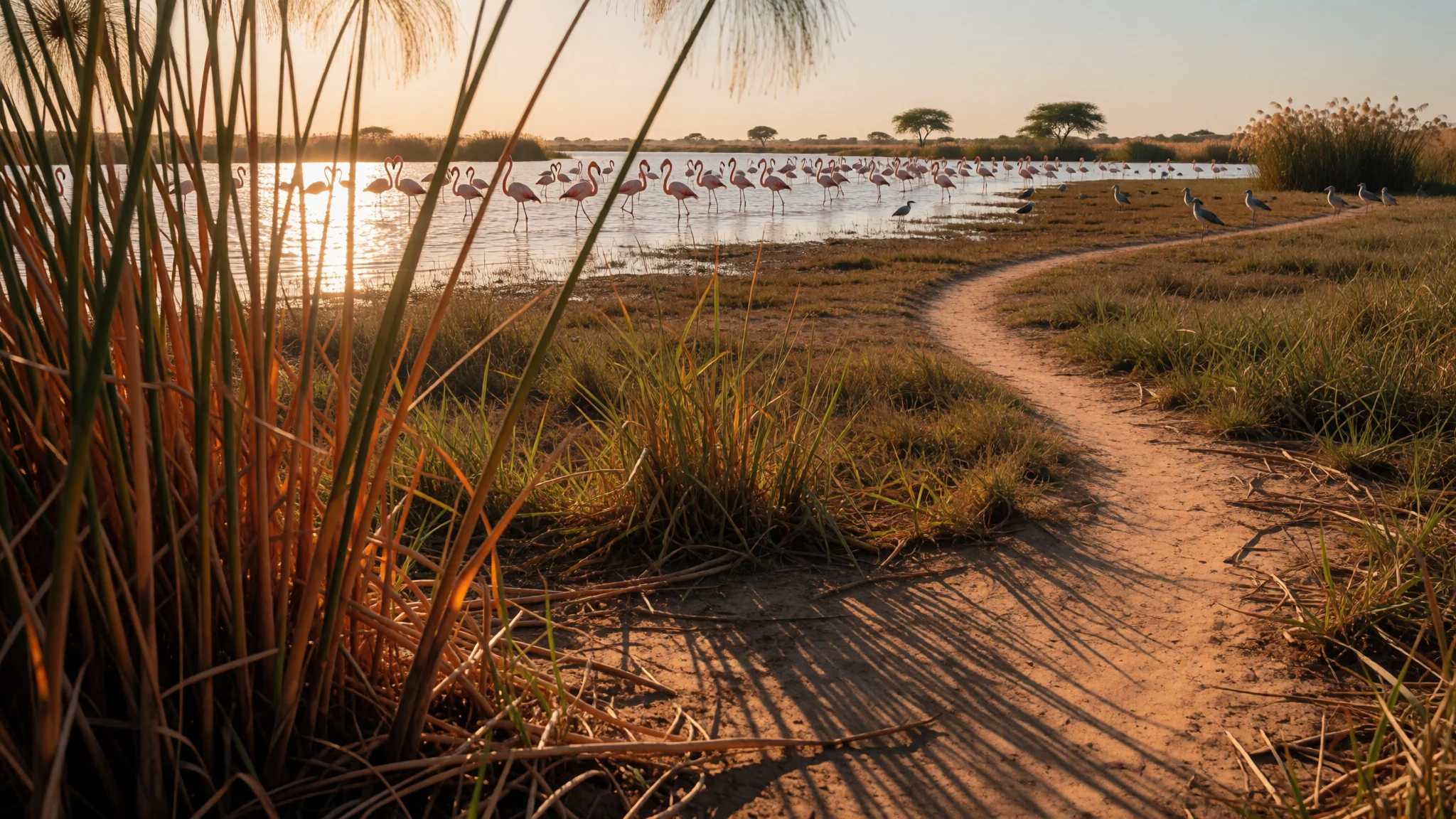
Djoudj turns the Senegal River wetlands into a live stage for migrating birds, especially pelicans and flamingos.
The place
Djoudj National Bird Sanctuary sits on the south‑east bank of the Senegal River in northern Senegal, north‑east of St‑Louis. It’s essentially a wetlands world, with a variety of wetland habitats that change character with the seasons and draw in birds travelling long distances—many crossing the Sahara. The most obvious stars are pelicans and flamingos, often easy to spot from the water edges and along the routes that let visitors get close without barging into the habitat.
Part of Djoudj’s magic is variety. Alongside the showy flocks, there are smaller, quieter species, including aquatic birds that migrate from Europe and use the sanctuary as an important wintering ground. It’s a place where the soundscape matters as much as the sightlines—calls drifting over open water, wings beating in bursts, and the steady rhythm of feeding.
Crowds are rarely the issue here in the way they can be at bigger wildlife parks; Djoudj feels calmer than most birding destinations, even though it’s popular enough to be well known among birdwatchers. The bigger practical challenge is the weather. Senegal swings between a rainy season that runs roughly May to November and a hot, dry spell dominated by the harmattan wind from December to April. Wetlands also mean lowlands can be seasonally flooded, so paths and boats are part of the experience.
Plan for long-looking, early departures, and time to soak in the atmosphere: Djoudj is less about ticking off animals and more about watching the ecosystem move—one wingbeat, one ripple at a time.
Its story
Djoudj’s story starts with location and timing. The sanctuary’s wetlands sit along the Senegal River, where the river’s changing conditions reshape the landscape. That shifting water is the hook for migrants: birds arrive with a purpose, using the habitat to rest and feed as they work their way through their annual cycle.
In practice, a visit often feels like stepping into a moving calendar. One day the islands and channels look calm, and then—depending on the season and water levels—you’ll notice birds clustering in different spots, regrouping as conditions change. Pelicans and flamingos tend to give the first impression: big, confident shapes on the water or lifting into the air. But the deeper satisfaction comes from noticing the less obvious patterns—how aquatic birds behave around the edges and how the sanctuary supports wintering species that aren’t as easy to spot at a casual glance.
There’s also a human layer to Djoudj. The site has been recognised as a World Heritage location, and it has faced ecological threats. At one point, an invasive plant introduced to the area posed a serious risk by threatening native vegetation. Over time, that threat was addressed, but the lesson remains: wetland ecosystems can flip quickly, and protection is not a one‑off action.
For travellers, Djoudj rewards a patient pace. It’s not about rushing between viewpoints. It’s about staying still long enough for the birds to treat you as background—and then letting the day unfold around the water.
What to see
- Waterfront bird viewing from the river and channels
Djoudj is built around wetlands on the Senegal River, so the best views come from staying near the water edges and channels. Pelicans and flamingos are often the easiest to pick out, then cormorants and other waterbirds fill in the details as you watch regrouping behaviour.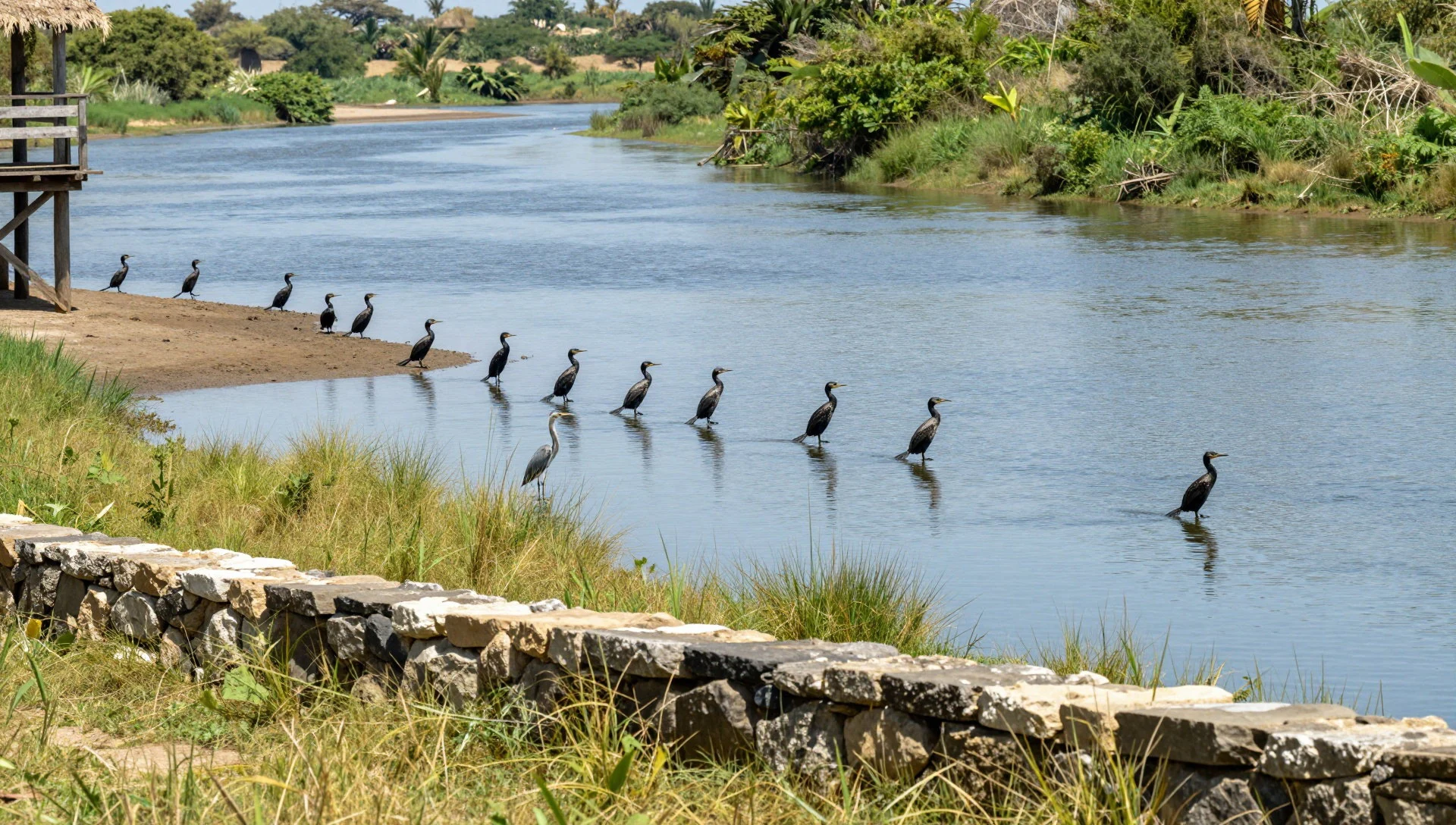
- Island moments for pelicans and regrouping flocks
At Djoudj, islands and sheltered patches can concentrate birds, making it a good place to sit and let activity come to you. Expect multiple waves of movement—birds landing, lifting, and settling again—rather than one single dramatic event.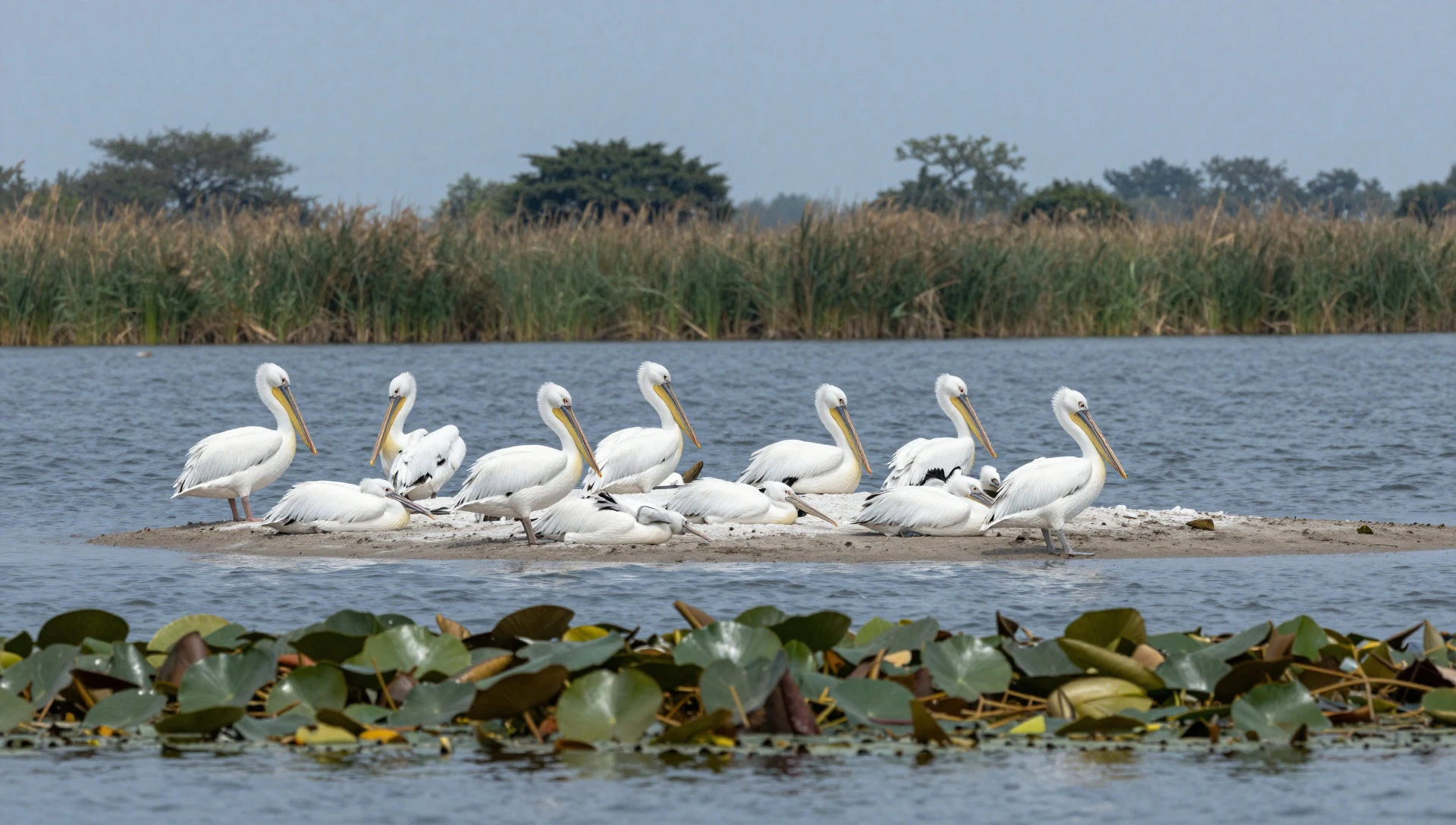
- Pier and lakeside approaches
A pier gives a straightforward vantage point for observing birds at close range. With water birds, distance can shrink quickly depending on the angle of the light and where the flocks choose to feed, so short repositioning helps.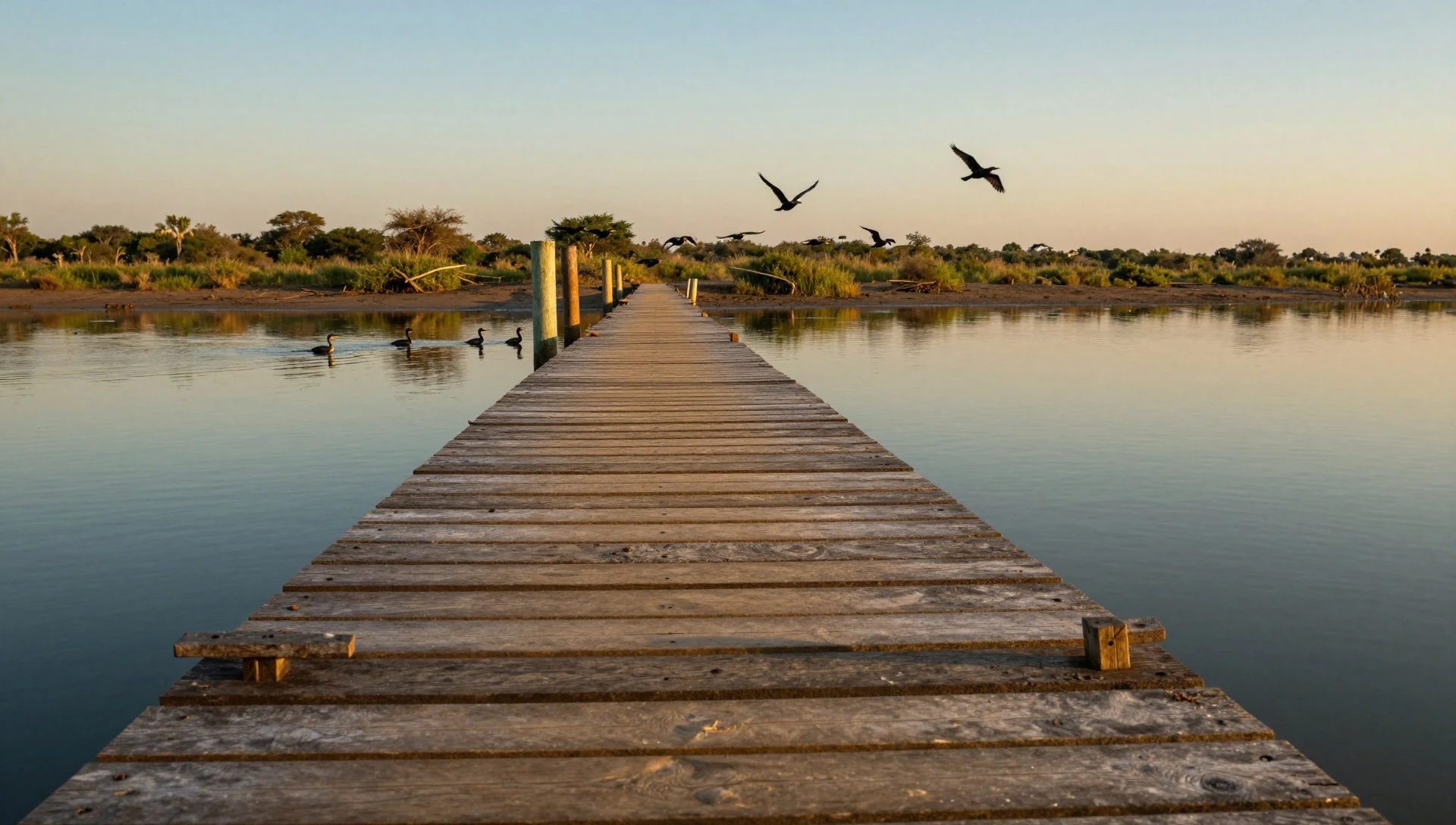
- Raptor sightings: fish-eating eagle moments
Look out for hunting behaviour from the air and the water surface—Djoudj can offer moments with fish-eating eagles. These sightings are brief, so it helps to keep scanning and not fixate on one spot too long.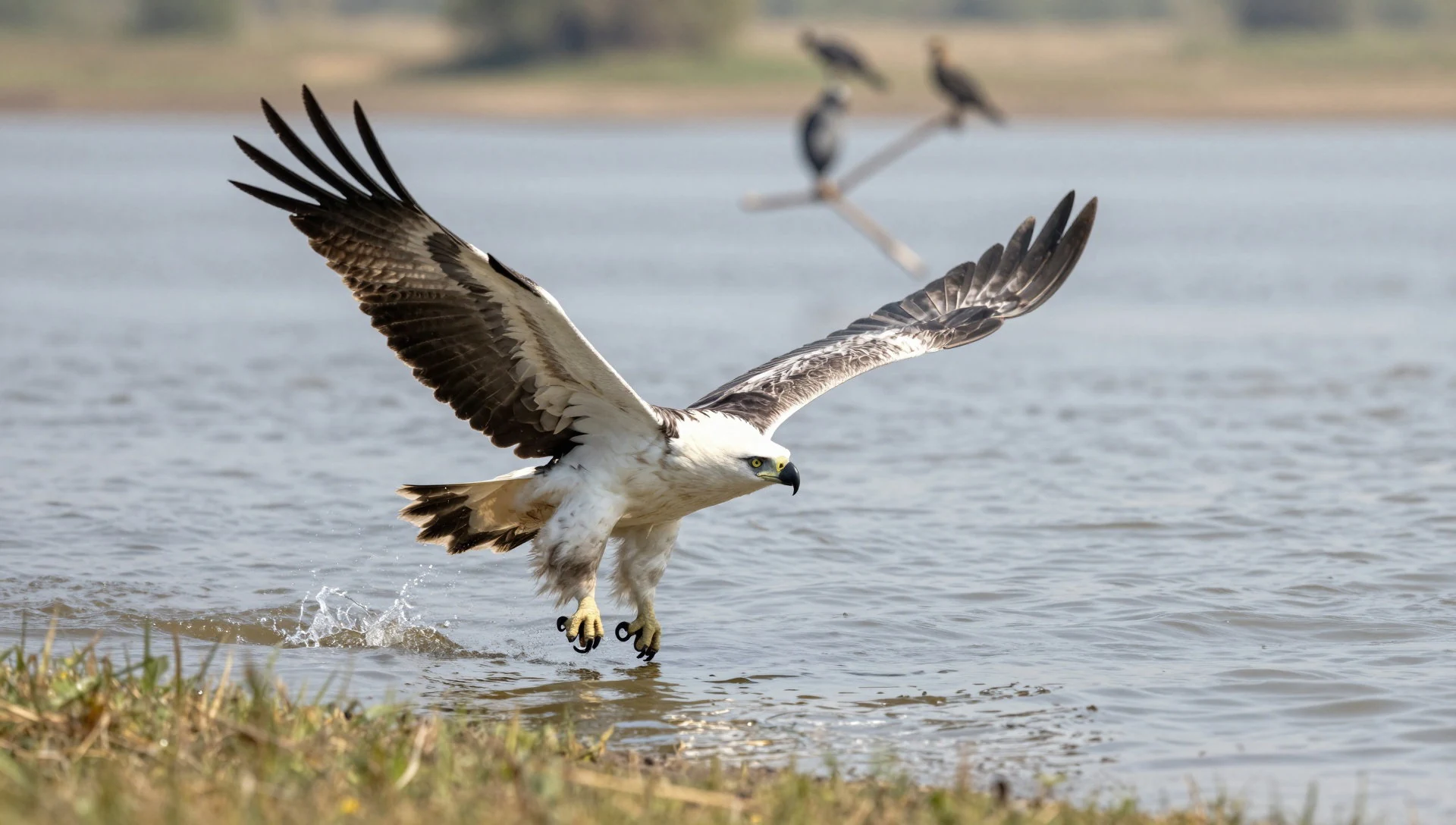
- Daily rhythm: wintering birds and smaller aquatic species
Not every bird at Djoudj announces itself loudly. Spend time around the quieter aquatic areas, where smaller species may be more noticeable with careful watching. The sanctuary’s value as a wintering site becomes clear when you notice steady, repeated routines.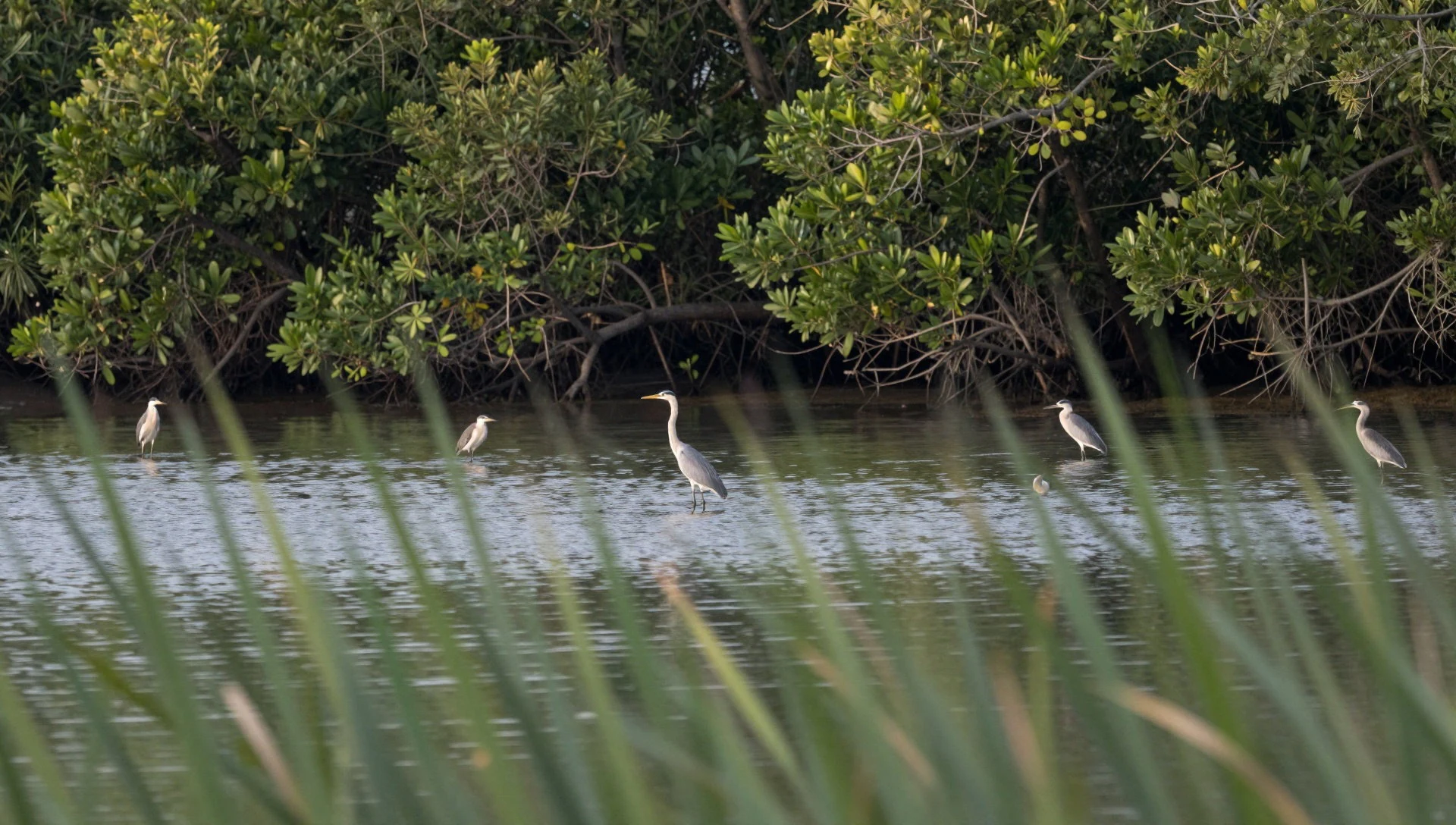
Culture
Djoudj sits in Senegal, a country known for friendliness, and that warmth shows up in how people usually welcome visitors. A simple greeting goes a long way in West Africa—don’t treat conversations like a formality. In Muslim‑majority communities, “Salaam Aleikum” is a standard greeting, and locals often expect acknowledgement as you pass.
The rule for sacred sites anywhere in Senegal is simple: take off your footwear before stepping inside a mosque or any other place of worship. While Djoudj itself is a natural sanctuary rather than a shrine site, the same respect-based mindset pays off—move calmly, follow local guidance, and avoid behaviour that draws attention for the wrong reasons.
Photography also has its own etiquette in many Senegalese settings. People may notice cameras and ask questions, so keep your tone relaxed and avoid pushing past staff or local guides just for a better angle.
Above all, remember that wildlife viewing here is shared space between humans and habitat. Keep noise low near viewing areas, allow birds room to settle, and be patient if the best moments happen quietly rather than instantly.
Visitor etiquette: use “Salaam Aleikum” when greeting and keep footwear off inside mosques and religious places, following any local guidance on cameras and noise.
What to wear
At Djoudj, clothing needs to work for humid wetland conditions and long, still viewing sessions. Senegal’s tropical climate is hot and humid for much of the year, with a rainy season roughly May to November and a hot, dry period from December to April influenced by the harmattan. That means light layers and breathable fabric help most of the time.
Traditional dress in Senegal varies by community and occasion—often featuring flowing, loose garments made from patterned cloth and worn as everyday wear or for ceremonies. Visitors will typically see these styles in towns and markets, while Djoudj is more about practical everyday clothing.
What people wear now tends to be everyday, comfortable items: lightweight shirts and trousers or long skirts in warmer months, plus a light layer for early mornings when air can feel different near water. For visitors, choose long sleeves or long trousers to reduce sun and insect contact around wetlands. Closed‑toe shoes are the safe default for uneven ground and boat access; in parts of Senegal where you might encounter religious spaces, be prepared to remove shoes when required.
Bring a hat, sunglasses, and a small rain layer for wetter months. If planning longer waits for birds, a light scarf or bandana can help with dust and wind during the harmattan season.
What to eat
- Ceebu jen (thebou diene) — rice and fish — restaurants in St-Louis and other towns
Ceebu jen is Senegal’s official dish: rice served with fish, commonly in red and white varieties depending on the sauce. It’s often available in Senegalese restaurants and eateries around St‑Louis and other larger towns.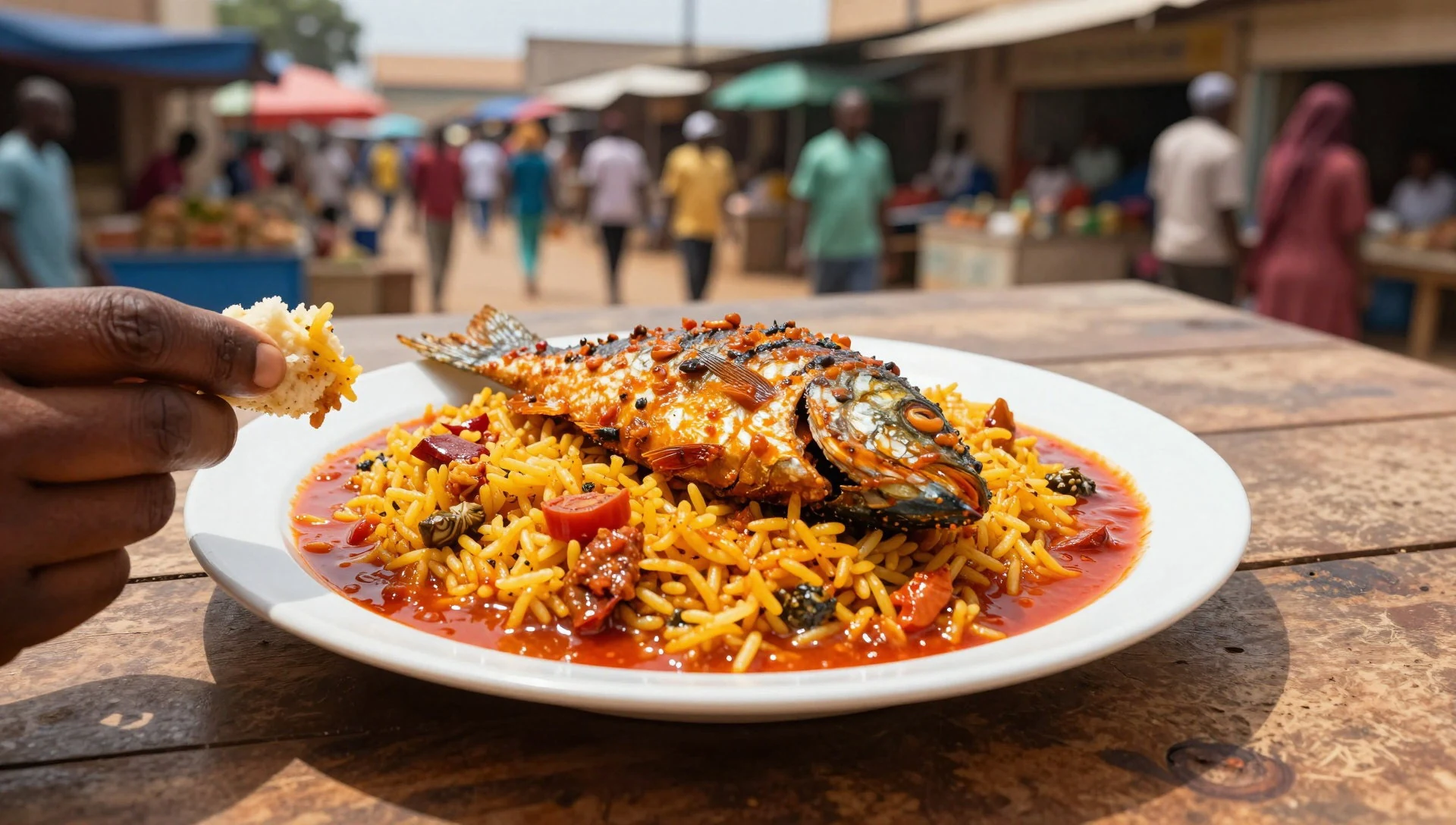
- Diagga-style ceebu jen (extra sauce, fish balls) — Senegalese restaurants that serve ceebu jen
Diagga is a particular style of ceebu jen known for extra sauce and fish balls. It can be mentioned on Senegalese menu boards and is a great way to try something slightly different within the same classic dish.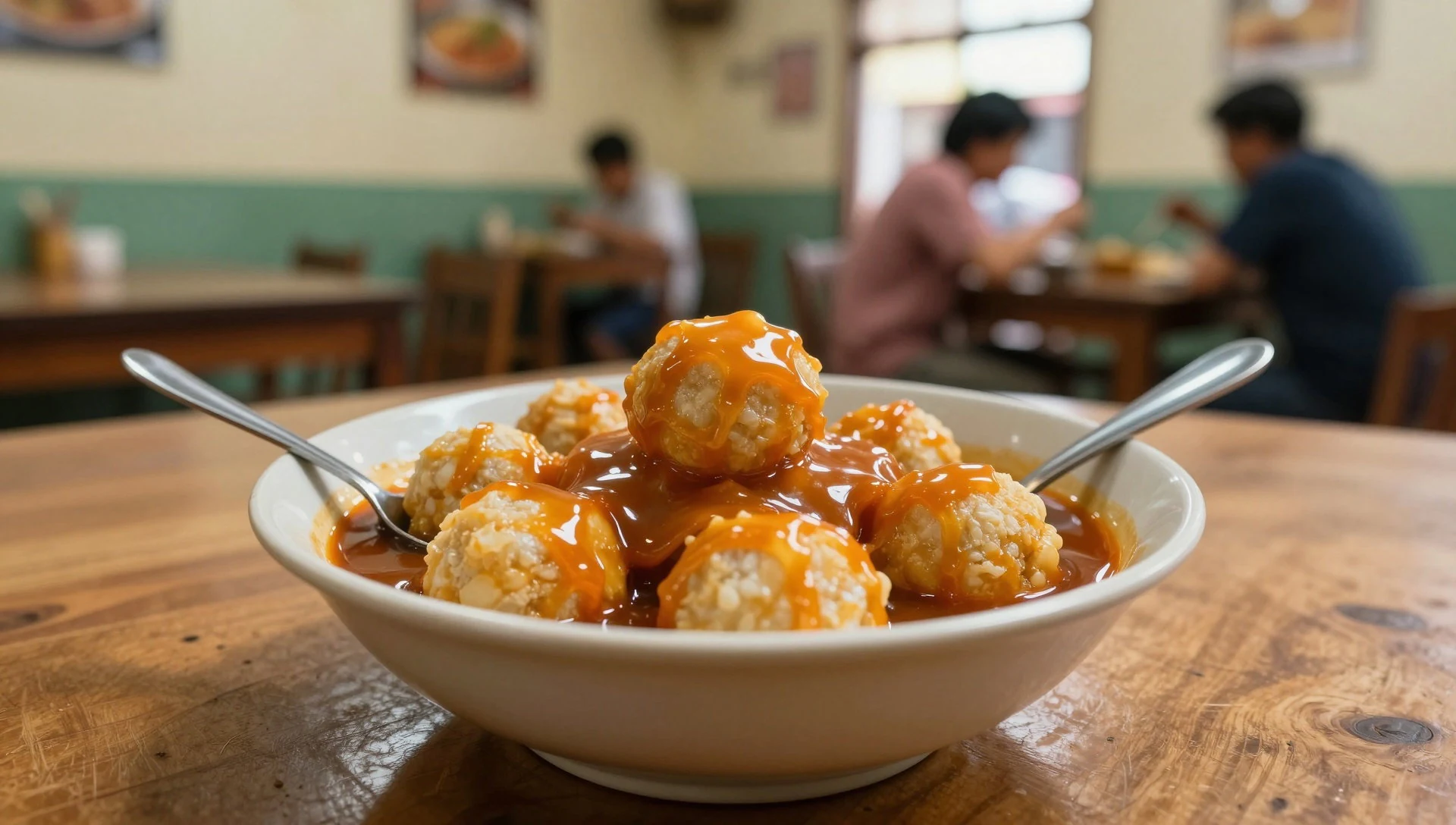
- Maafe — peanut-based meat sauce over rice — local Senegalese restaurants
Maafe is a rich peanut sauce with meat served over white rice. It’s widely offered in Senegalese eateries and is a hearty option if the weather feels hot and heavy or if the day’s walking makes a warm meal welcome. - Yassa poulet — onion sauce with chicken over rice — town restaurants and eateries
Yassa is an onion sauce commonly served over rice, with options like yassa poulet (chicken) or fried fish variations. You’ll usually find it on menus in towns and around well-trafficked areas where travellers eat. - Yassa jen — deep-fried fish yassa — restaurants serving Senegalese meals
Yassa jen is the fish version of yassa, with the sauce paired to deep-fried fish. Look for it where Senegalese dishes are cooked fresh and served as full plates rather than as quick snacks. - Market ingredients for a simple Senegal-style meal — markets and supermarkets in main towns
If a western-style meal feels too predictable, Senegalese flavours can be built at home from fresh market ingredients. Markets and supermarkets around main towns provide rice, fish, onions and spices for a DIY version of dishes like yassa or maafe.
Plan it
Best time. January–April and October–November for the most comfortable conditions: it’s hottest in May–September and wettest in August and September, while rainfall is light in January–April and October–November.
How long. 3–4
Getting there. Fly into Dakar, then continue onward by road to the St‑Louis area and the Senegal River region where Djoudj sits; the final stretch is typically a drive plus local access arrangements.
Budget. mid
Tips
- Start early so the light and bird activity feel less rushed.
- Expect wetlands to shift with the seasons; bring a rain layer if travelling during the wetter months.
- Carry water—hot, humid conditions and long days near the river can add up quickly.
- Have small cash ready for smaller stalls or local purchases, even if larger places accept cards.
Etiquette
- Use “Salaam Aleikum” when greeting people you meet along the way.
- Keep noise down around viewing areas so birds can settle.
- When visiting places of worship, go without footwear.
Nearby
Sources
- Wikidata Q733676 (CC0)
- Wikipedia (rev 1380851553) (CC BY-SA 4.0)
- Wikivoyage (rev 5414955) (CC BY-SA 4.0)
- Photo photos/01-cormoransdjoudj.jpg (Public domain)
- Photo photos/02-djoudj-ile-pelican.jpg (CC BY-SA 2.5)
- Photo photos/03-embarcadere-du-djoudj.jpg (CC BY 3.0)
- Photo photos/04-birds-photo-1-by-serdiuk.jpg (CC BY-SA 4.0)
- Photo photos/05-birds-photo-2-by-sediuk.jpg (CC BY-SA 4.0)
- Photo photos/06-dioudj.jpg (CC BY-SA 4.0)
- Photo photos/07-djoudj-aigle-pecheur-1.jpg (CC BY 3.0)
- Photo photos/08-djoudj-aigle-pecheur-2.jpg (CC BY 3.0)


