Dakar
Dakar, Senegal
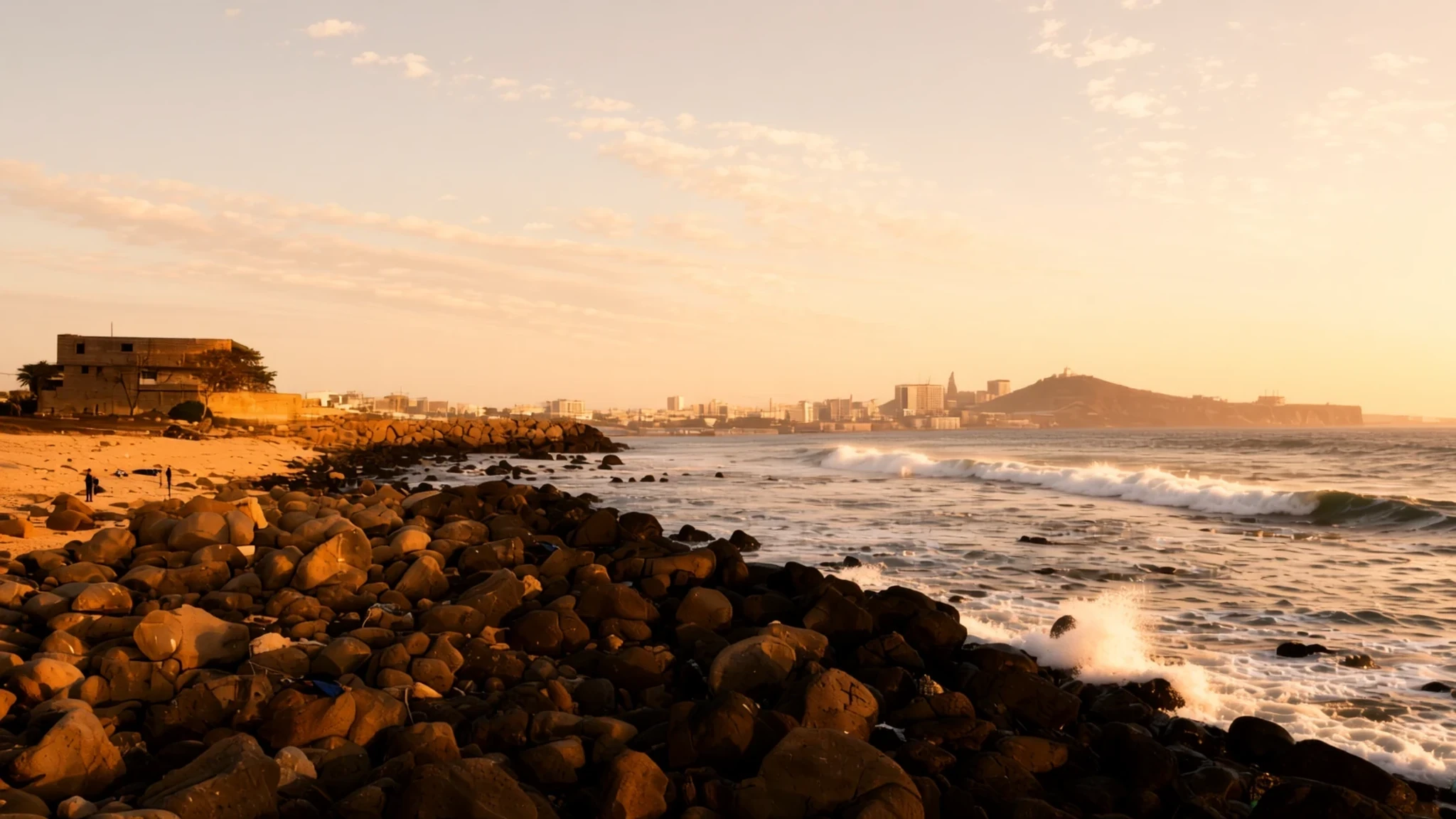
Dakar is a busy, salty Atlantic capital at the westernmost tip of mainland Africa, best for seafood, museums and sea air.
The place
Dakar sits on the Cap-Vert peninsula, the westernmost point of the African mainland, so the Atlantic shapes much of city life, from the evening breeze to the seafood on the tables. It is Senegal's capital and its largest city, with a population of 1,438,725 in the figures behind this reading. Growth has been dense and uneven: colonial-era blocks in the centre, crowded neighbourhoods of concrete houses and markets, and newer districts spreading along the coast. Traffic is heavy at most hours, and the city stays busy, noisy and sociable well into the evening.
The climate is hot, semi-arid and tempered by the ocean. Rain falls in a short season and the rest of the year is dry, so the air is often warm rather than humid, though the midday heat is intense. Sea breezes make evenings pleasant, and early mornings are the easiest time for walking.
The city is easier to understand as a set of neighbourhoods. The Plateau holds government buildings, banks and the main offices; Médina is denser, with markets and small workshops; and the old Lebou villages of Ouakam, Ngor, Yoff and Hann sit around the peninsula, with beaches, fishing harbours and parks. Taxis are inexpensive, but fares are usually agreed before the journey begins. The centre is walkable in short stretches, while longer distances are best covered by taxi.
Its story
Dakar began as a cluster of fishing settlements on the Cap-Vert peninsula, founded by the Lebou people, a community closely linked to the Wolof whose livelihood centred on fishing and fish-farming along the coast. Four of those original villages, Ouakam, Ngor, Yoff and Hann, still form distinctly Lebou neighbourhoods within the modern city.
Portuguese navigators reached the bay in 1444 and opened peaceful contact in 1456. They named the bay after the local ruler, though the name did not stick. The anchorage soon became a regular stop for Portuguese fleets sailing to and from India. Ships refilled their water casks, repaired hulls and bartered with villagers for food before the next stretch of the voyage. A port town grew on the shore and became one of the trading centres of Cayor, a kingdom that had split away from the older Jolof Empire.
Across the water, the island of Gorée became a Portuguese base for trade that carried many Africans into slavery. France later held the island and, after the slave trade was abolished and France took control of the mainland, the port on the peninsula expanded into a substantial colonial city.
In 1902 the French made Dakar the capital of French West Africa, replacing Saint-Louis. After a brief spell as the capital of the Mali Federation, the city became the capital of an independent Senegal after independence from France. Dakar is also preparing to host the 2026 Summer Youth Olympics, a first for an African city.
What to see
- African Renaissance Monument — Ouakam, north-west of the centre
In Dakar, the African Renaissance Monument is a large copper statue, opened in 2010, that marks Africa's emergence from European colonial rule and the end of slavery. It stands on a rise in the north-west of the city, and the views from the base reach across the coast. It is a short taxi ride from the centre, and the site's opening arrangements are worth checking on the day, as they can change.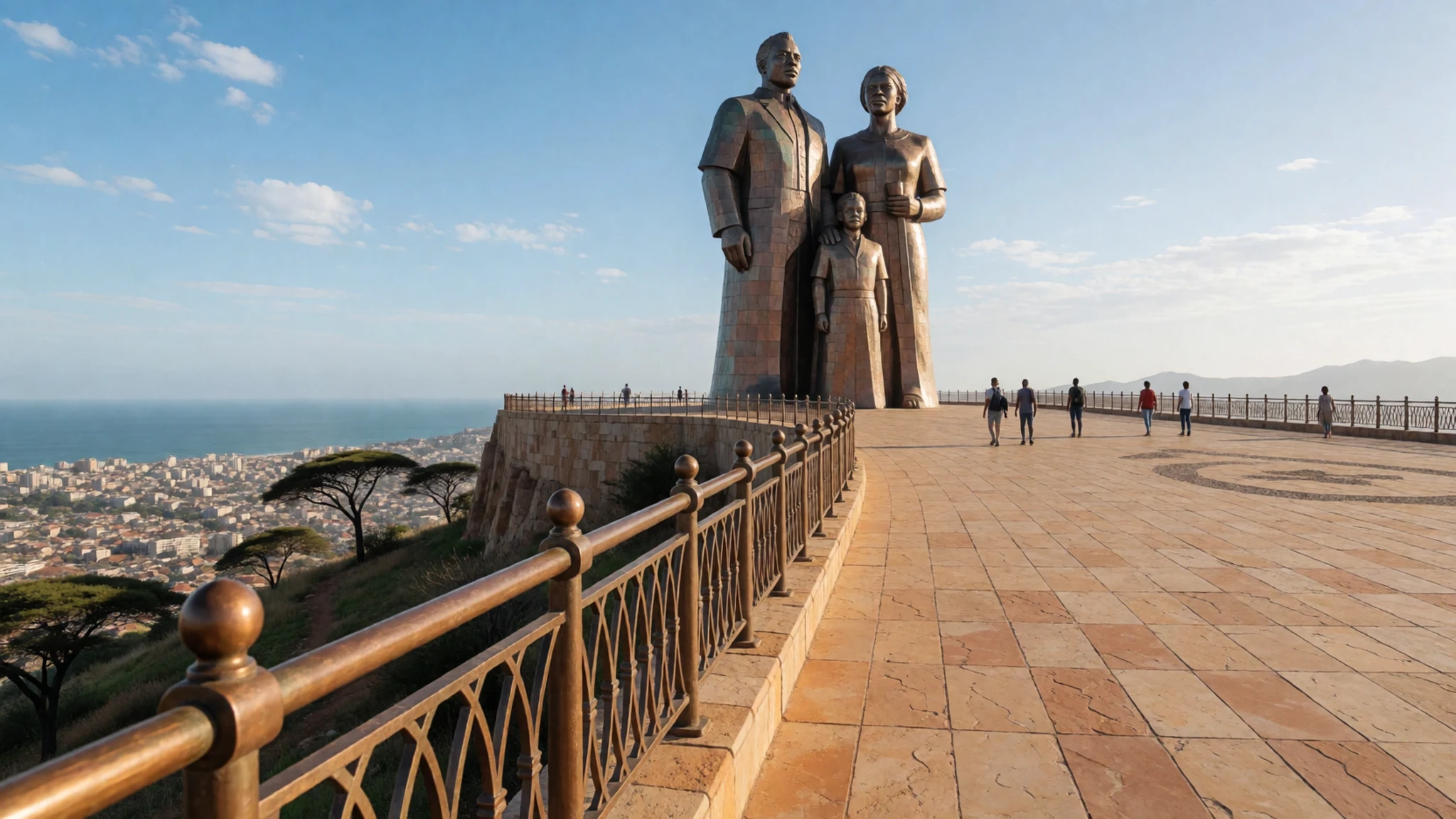
- Île de Gorée — Harbour ferry, offshore from the centre
In Dakar, Gorée is a small island reached by a short ferry from the harbour. The Dutch named it after taking it from the Portuguese, and its colonial houses and narrow lanes now hold museums and memorials to the Atlantic slave trade. The island is compact and easy to walk, and early morning is the quietest time. Ferry times change, so check the latest schedule before travelling.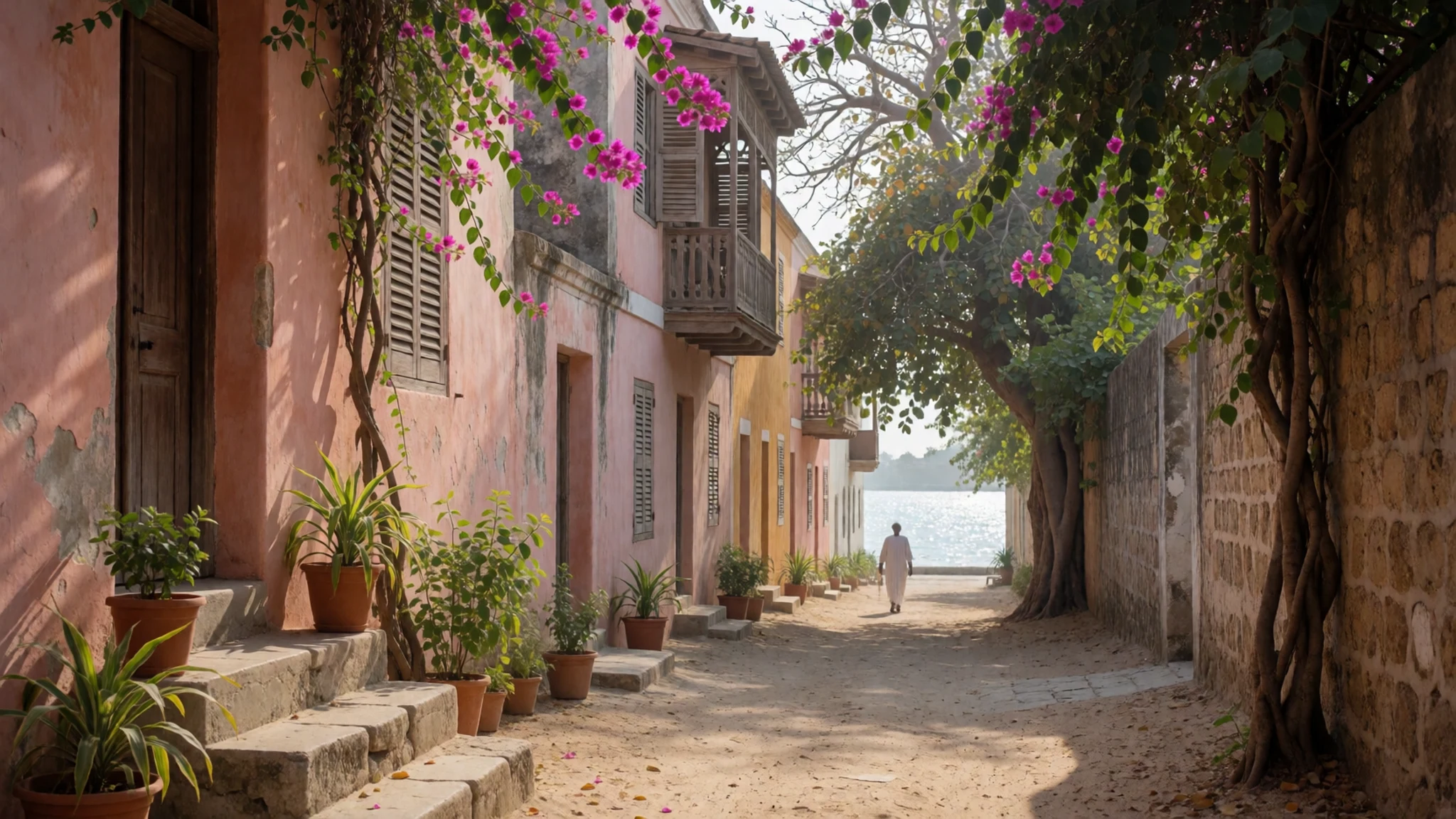
- Les Almadies — Almadies, western tip of the Cap-Vert peninsula
In Dakar, Les Almadies marks the western tip of the African mainland, and the headland is lined with seafood restaurants. Sunset here draws steady crowds, and the wind can be strong on the exposed rocks. The area is popular with locals on weekends, so arrive early for a table and allow extra time for the drive out from the centre.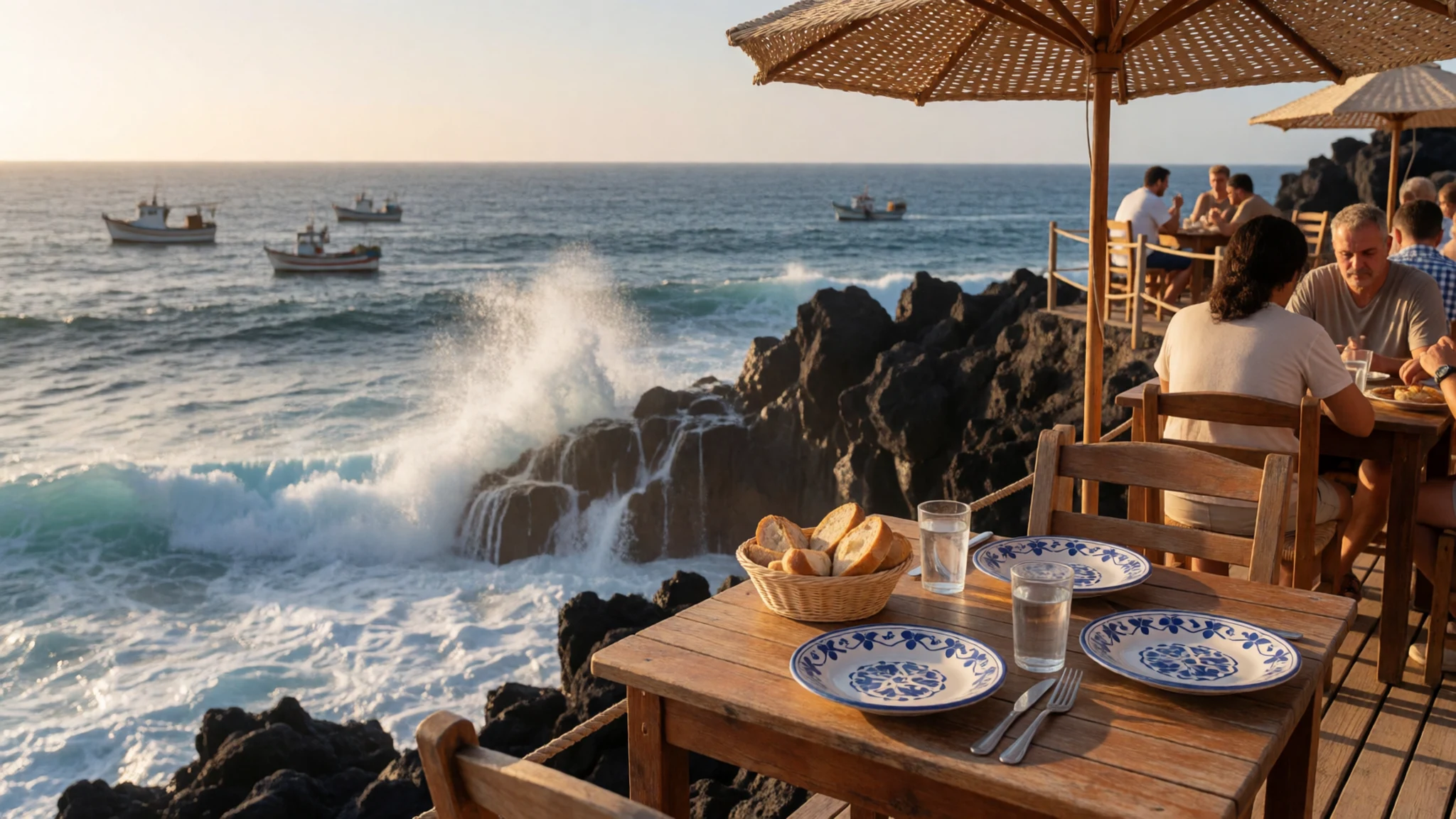
- Dakar Grand Mosque — Central Dakar, near the Plateau
In Dakar, the Grand Mosque was completed in 1964 by French and Moroccan architects. Its design shows clear Moroccan influence, and it has strong similarities with the Grand Mosque in Casablanca. Non-Muslim visitors should check with staff before going in, dress modestly and avoid visiting during prayer times, when the building is busiest.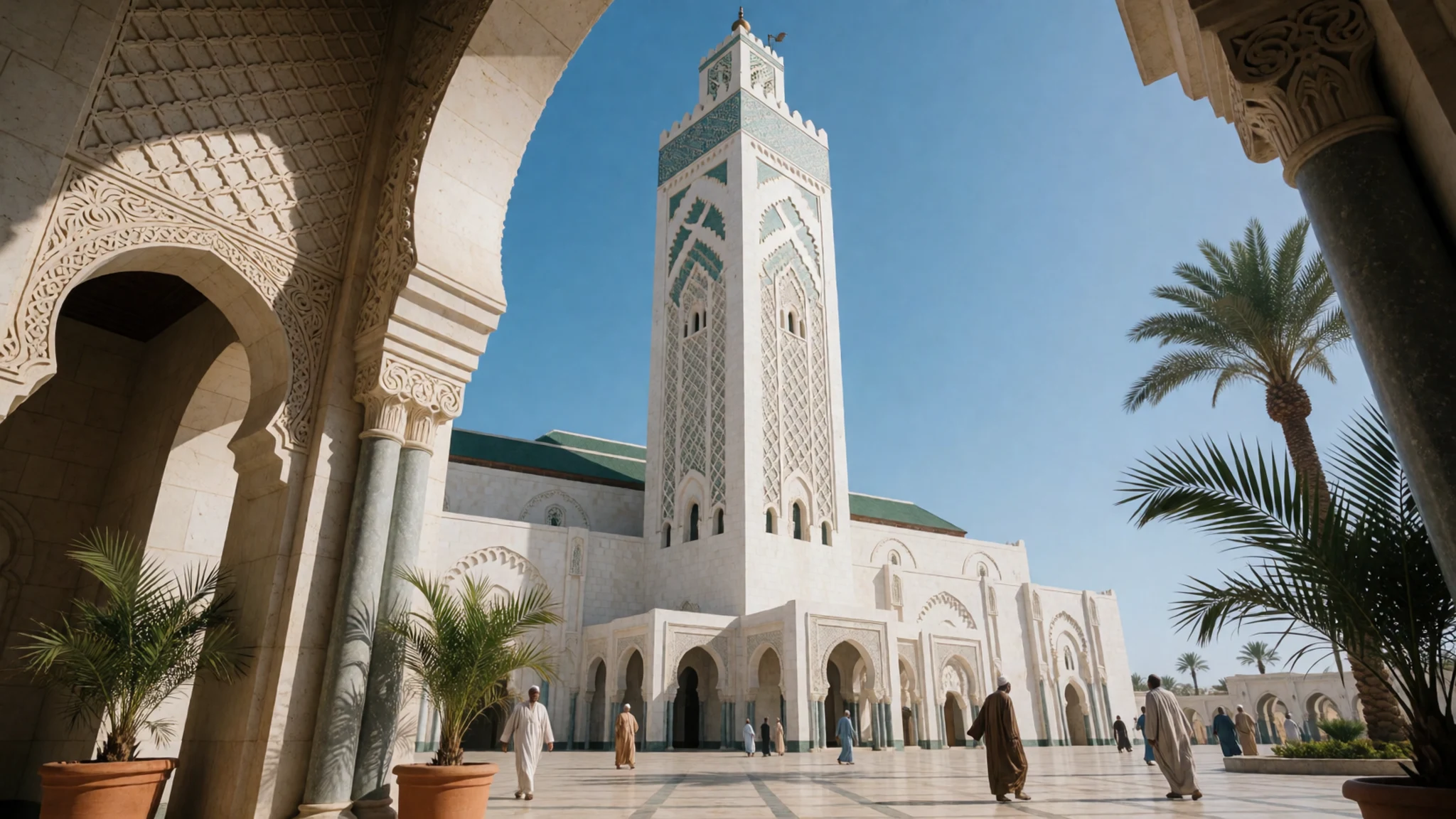
- Hann Park and Zoo — Hann, north of the centre
In Dakar, Hann Park combines public gardens, first laid out in 1903, with an arboretum added in 1947. The gardens show a wide range of Senegalese plants, and the zoo holds more than 130 animals. It is a green escape from the city traffic, and the surrounding streets give a glimpse of the old Lebou village life.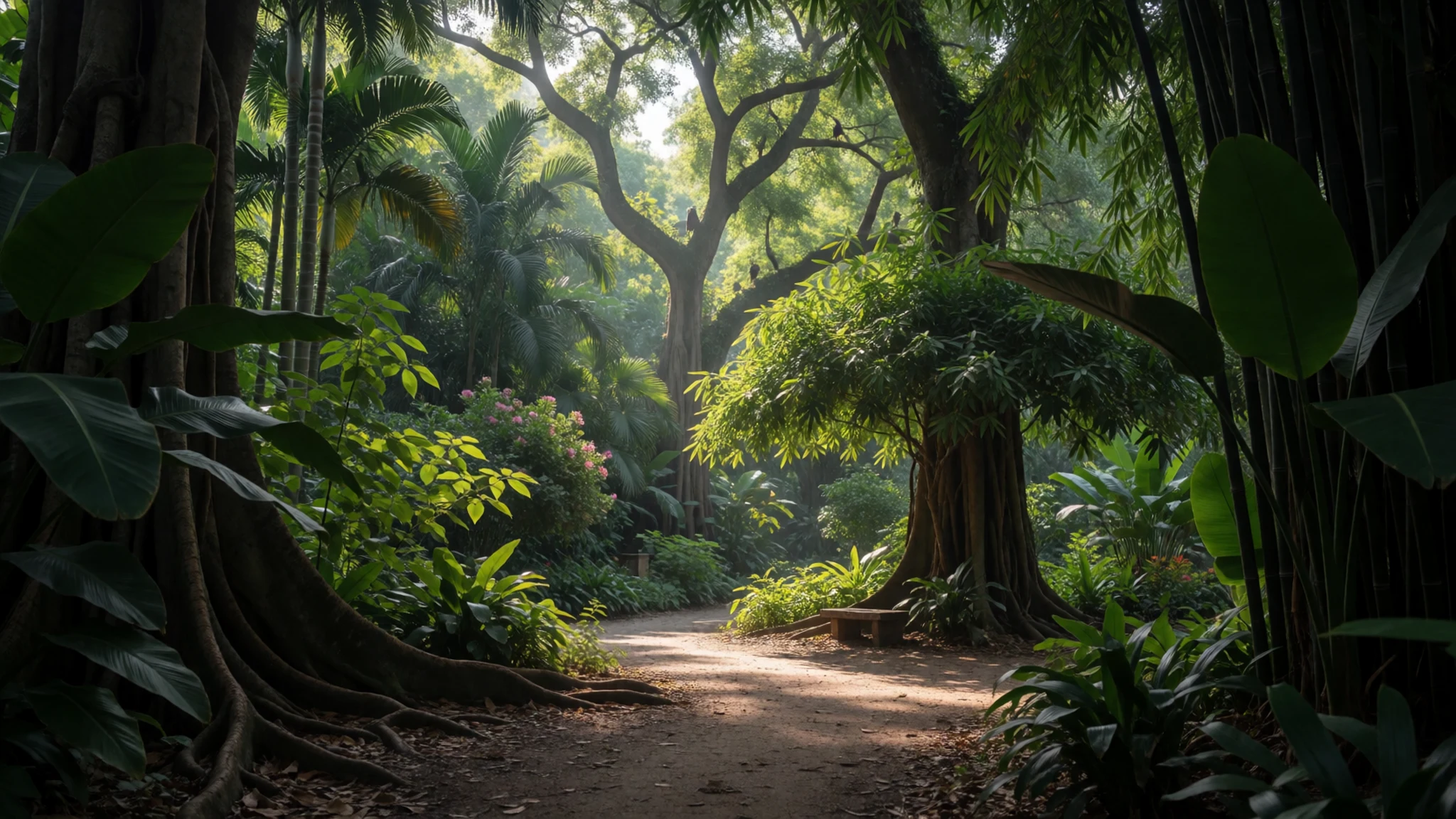
- IFAN Museum of African Arts — Plateau, central Dakar
In Dakar, the IFAN Museum of African Arts is a museum of African art and ethnography in the city centre. It is a useful first stop for understanding the region's objects, masks and textiles before visiting the coast or the islands. Opening hours can vary, so check the latest times before setting out.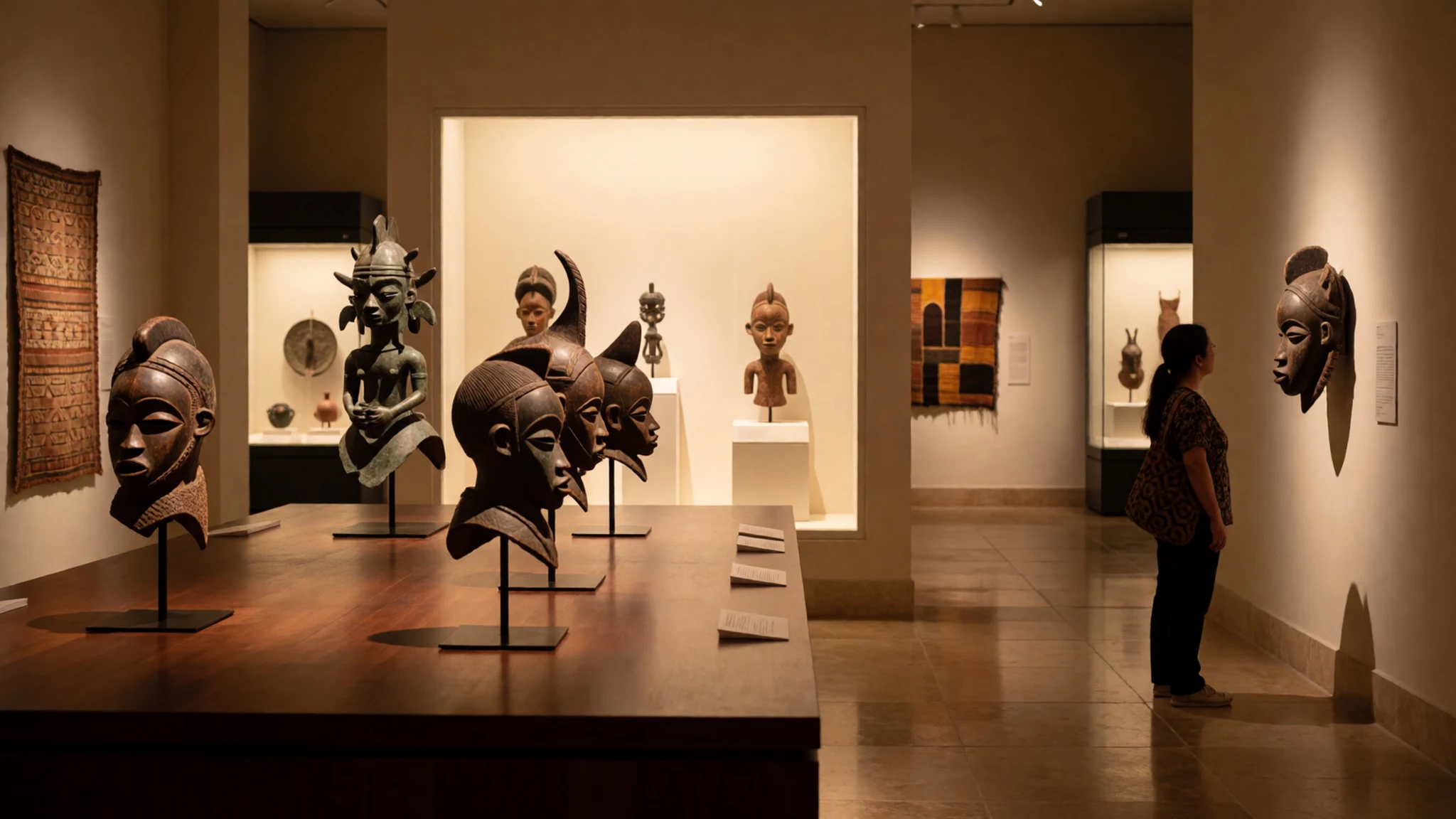
Culture
In Dakar, family sits at the heart of daily life, and this is visible at the table. When a meal is served, someone calls 'kay lekk', meaning come and eat, and people gather around a shared plate, usually eating with the right hand. Greetings matter a great deal. Failing to greet someone when you meet them is taken as rudeness or ignorance, so a proper exchange of greetings, including asking after health and family, should come before any question or purchase. The school day has a break around midday, and many families gather for lunch at home. Since most residents are Muslim, the rhythm of the day includes prayer, with many men stopping for the midday prayer at the nearest mosque and many people attending the local mosque on Fridays. Greet people properly before asking for directions or a price, and ask before photographing anyone, especially during prayers or ceremonies.
What to wear
In Dakar, traditional dress centres on the boubou, a long, loose robe worn for religious festivals, family celebrations and formal occasions. Men's versions are often embroidered at the neckline and sleeves, while women tend to pair a matching robe with a wrapper and a headwrap. The cloth is usually cotton. Bazin is a stiff, richly dyed cotton with a damask-style weave, and wax prints are brightly patterned cottons sold across West Africa. Tailors in the markets make boubous to measure, and embroidery is the most common finishing detail. In everyday life the city dresses for heat and for work. Office workers wear tailored shirts, trousers or skirts, young people wear Western streetwear, and many women wear long fitted dresses or wrappers with a headscarf. Modest, understated clothing is common. A visitor should choose light, loose cotton or linen that covers shoulders and knees, especially for mosques and the cathedral, and carry a scarf for a head covering. Sandals work well in the centre, but closed shoes are more comfortable on sand and uneven pavement.
What to eat
- Thieboudienne (Cebbu Jën) — Lunchtime eateries in the Plateau and Médina
In Dakar, thieboudienne is a fish and rice dish cooked slowly with tomato, vegetables and spices, and it is one of the best-known meals in the city. It is typically shared from a large communal plate. Look for it at lunchtime in family-run eateries in the Plateau and Médina, where it is often served in quantity until it sells out.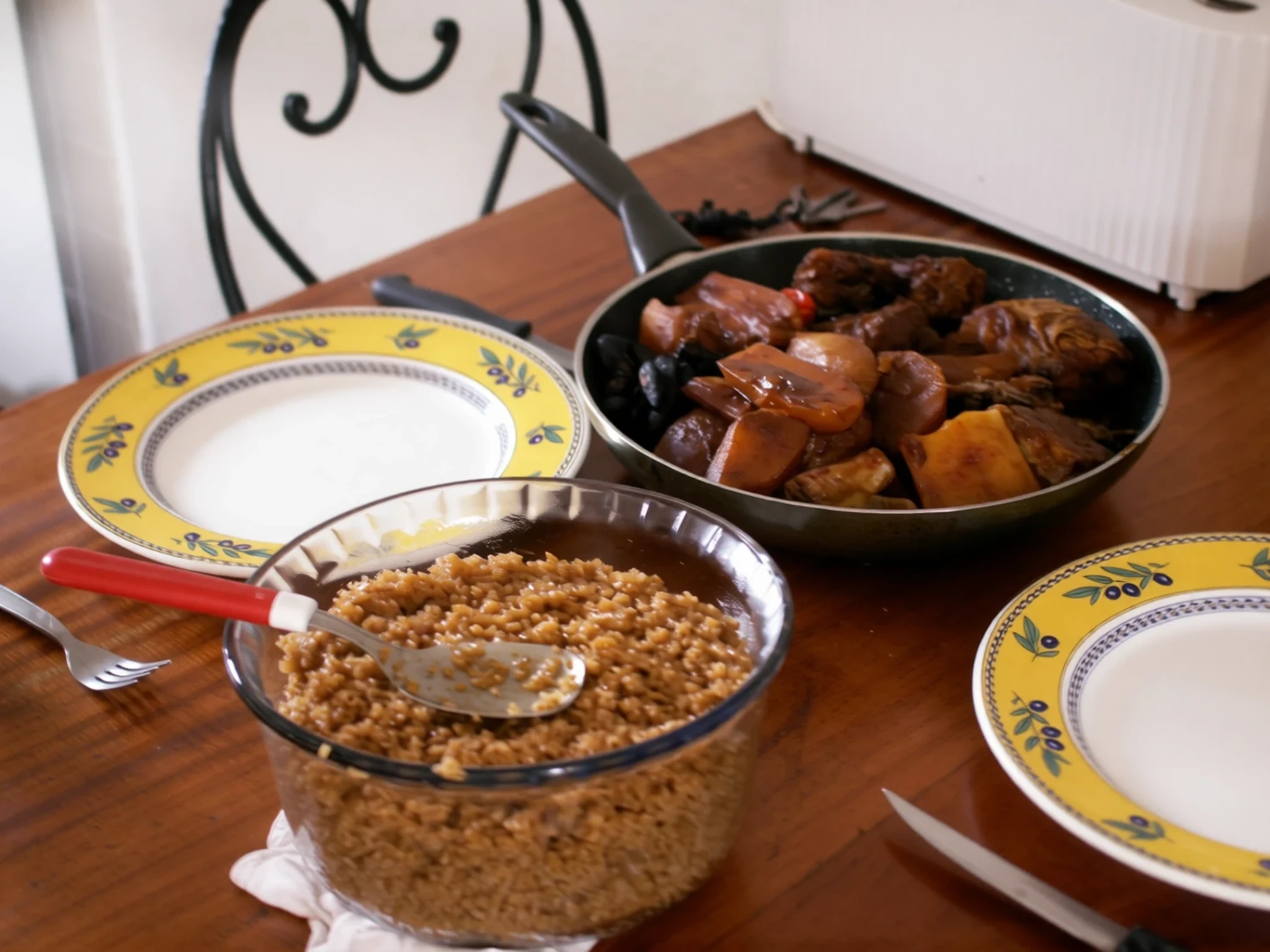
- Yassa — Neighbourhood grills near the markets
In Dakar, yassa is chicken or fish marinated in lemon, mustard and onion, then grilled and served with rice or bread. The sharp, slightly caramelised sauce makes it a favourite with locals. Neighbourhood grills near the markets are the easiest places to find it, and portions are usually generous.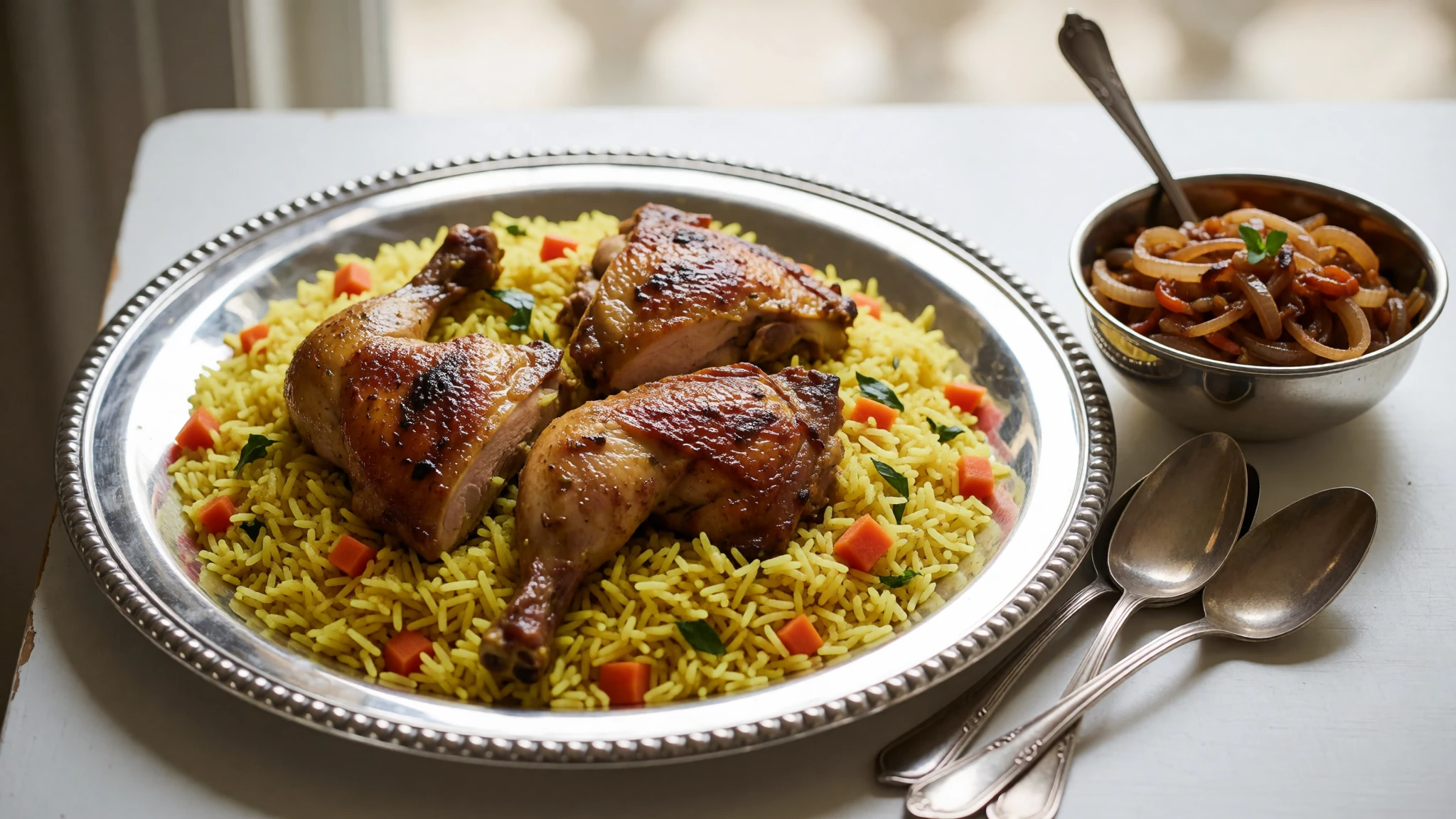
- Les bâtons (bant-yii) — Evening street grills near the centre
In Dakar, les bâtons are skewers of grilled meat, served in the evenings at street-side grills with a corn-based accompaniment that came with traders from Niger. They have a loyal following among meat lovers. Eat them late in the evening, when the grills are busiest, and expect a casual, crowded setting. - Shawarma and falafel — Lebanese-style counters in the central streets
In Dakar, Lebanese-style counters serve shawarma, falafel sandwiches and kebabs at low prices, often with chips and plenty of tahini sauce. They are quick, filling and popular with office workers at lunch. Look for busy counters in the centre, where the food turns over fast. - Bakery bread and pastries — Bakeries on the streets between the centre and the Corniche
In Dakar, bakeries along the streets towards the Corniche sell fresh bread, croissants and sweet pastries in the morning. They make a good breakfast stop before a walk along the coast. Go early, since the best items often sell out by late morning.
Plan it
Best time. In Dakar, the most comfortable months fall roughly from November to May, when the rains have ended and sea breezes soften the heat. July to October brings the rainy season and more humidity, with August and September the wettest months and October the hottest.
How long. 2–3
Getting there. Dakar is served by Blaise Diagne International Airport, with flights from European cities, West Africa and beyond. From the airport, take a pre-booked transfer or a taxi into the centre.
Budget. mid
Tips
- Visit Gorée early in the morning to avoid the midday heat and the largest crowds
- Agree taxi fares before setting off, as meters are not common
- Carry cash in CFA francs for markets and small eateries, since card acceptance varies
- Drink bottled water and check the city's official site, dakarville.com, for practical information
- Plan museum visits for the cooler morning hours
Etiquette
- Greet people properly before any conversation or purchase
- Ask before photographing people, especially at prayer times
- Dress modestly for mosques and the cathedral
Nearby
Sources
- Wikidata Q3718 (CC0)
- Wikipedia: Dakar (rev 1382990851) (CC BY-SA 4.0)
- Wikivoyage: Dakar (rev 5400757) (CC BY-SA 4.0)
- Pointe des Almadies, Senegal — Jeff Attaway (CC BY 2.5)
- Dakar-Indépendance — mostroneddo (CC BY 2.5)
- Le Parc Forestier Zoologique Hann Sénégal 07 — Pacocreat (CC BY-SA 4.0)
- Musée des civilisations noires 2022 — PMO Barbados (CC0 1.0)
- Grande mosquée de Dakar — M.GADJ! (CC BY-SA 4.0)
- Plage de Yoff BCEAO, Dakar — Tbo47 (CC BY 4.0)
- African Renaissance Monument — Shutterframestheworld (CC BY-SA 4.0)
- Dakar 009 — John Crane (CC BY 2.5)


