Ruaha National Park
Ruaha National Park, Tanzania
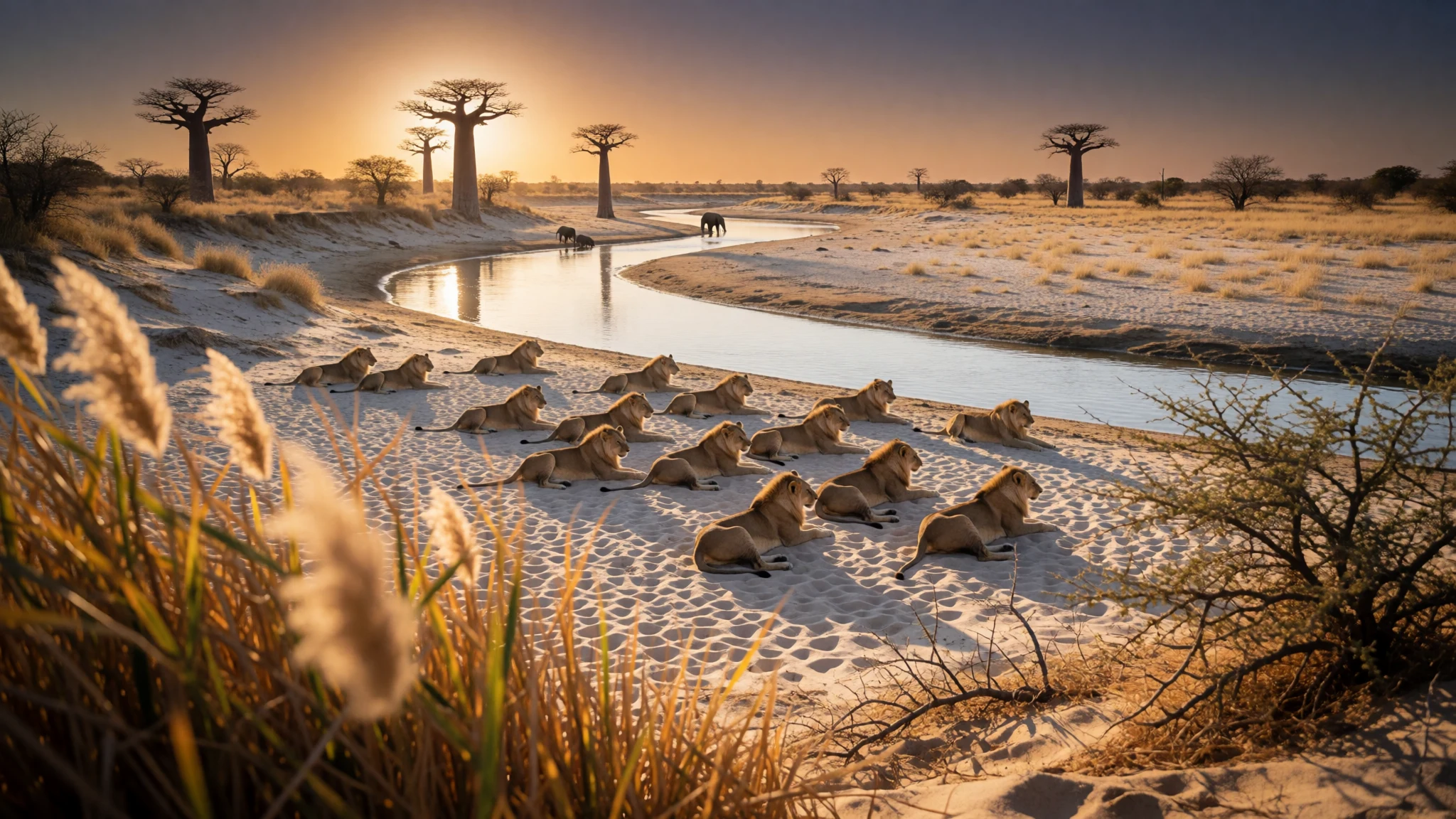
Ruaha National Park is a vast, dry Tanzanian wilderness where elephants, big lion prides and baobabs gather along a shrinking river, with far fewer vehicles than the northern parks.
The place
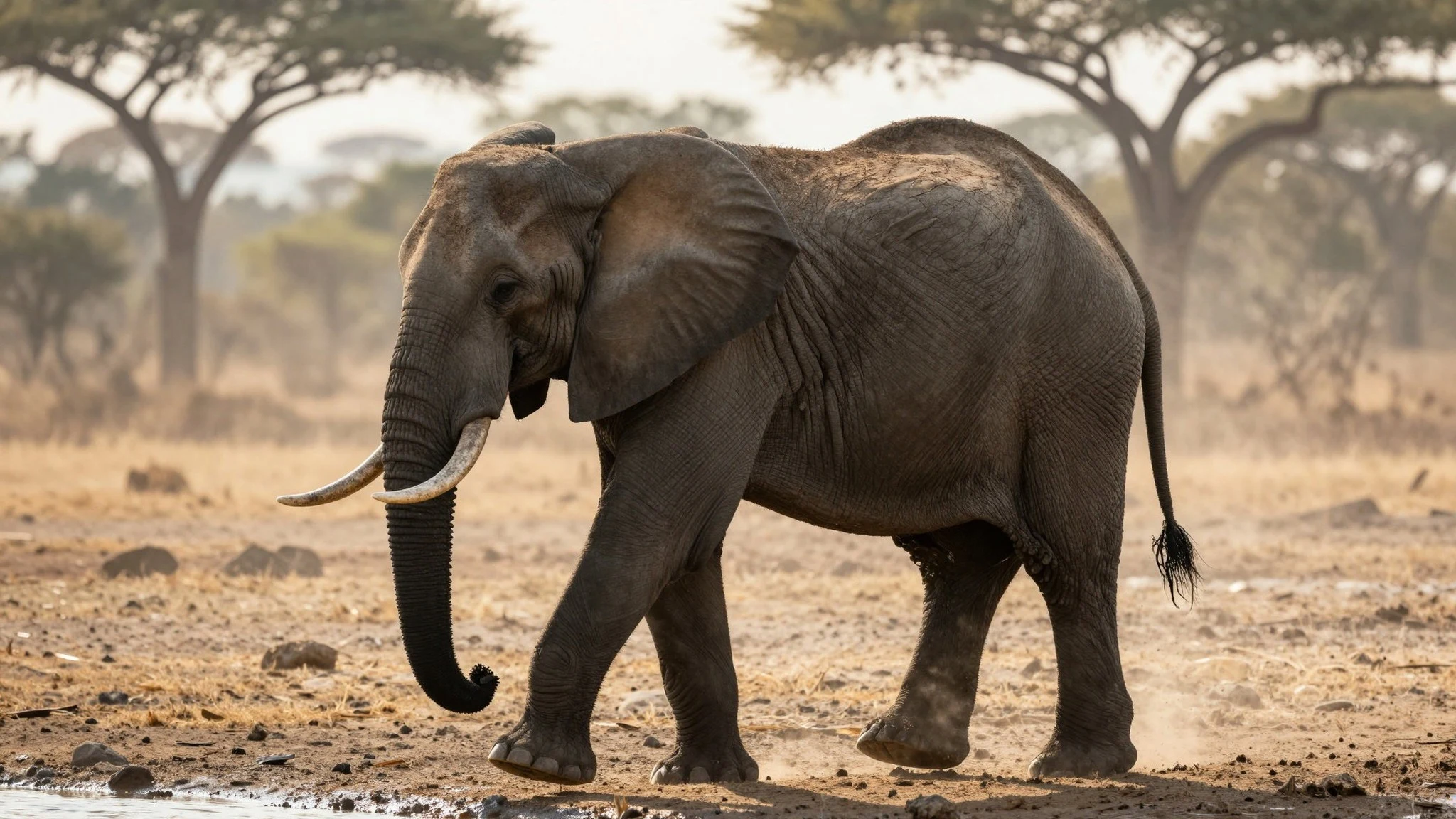
Ruaha National Park lies in central Tanzania, about 130 km west of the town of Iringa. It covers roughly 20,226 km² since the Usangu wetlands were folded into it in 2008, which is a great deal of bush for a park that sees far fewer vehicles than the northern circuit. It is the core of a wider block of protected land of about 45,000 km², taking in the Rungwa, Kizigo and Muhesi game reserves and the Mbomipa community wildlife area, so animals move across boundaries that mean little to them. The Great Ruaha River runs along the south-eastern edge and gives the park its name, and the main roads trace its banks because that is where animals gather once the dry season bites. Elephants number in the thousands, with a figure of about 10,000 often quoted, and the lion prides are large. Giraffe, buffalo, hippo, crocodile, wild dog, cheetah, hyena, jackal and impala share the country with greater and lesser kudu and with sable and roan antelope. Heat is the constant. Because the park sits near the equator, temperatures hardly shift through the year and the nights stay warm; October to March is the hottest stretch and June to August the coolest. The vegetation is dry woodland and grass, dotted with baobabs. There are two airstrips, one at Msembe, where the park headquarters stand, and one at Jongomero.
Its story
Ruaha National Park has carried three names, and each change marks a new set of rulers. German colonial authorities gazetted the area as the Saba Game Reserve in 1910. After the British took charge it became the Rungwa Game Reserve in 1946. Then, in 1964, the southern portion was cut out of that reserve and raised to full national park status, taking the name of the river that runs along its edge. Ruaha is the Hehe word for river, an apt choice for a place where water decides where animals live and where visitors go looking for them. The boundary moved again in 2008, when the old Usangu reserve and its wetlands were added, bringing the park to about 20,226 km². The enlargement matters because the wetlands that feed the Great Ruaha now sit inside the protected area rather than beside it. It also fits the wider picture: the park is one piece of an ecosystem of about 45,000 km² that includes the Rungwa, Kizigo and Muhesi reserves and a community wildlife area. Lines on the map shifted several times, yet the elephants, lions and antelope have always moved as though the land were a single whole. That continuity, more than any one date, is what the history of this park is really about.
What to see
- The Great Ruaha River at Msembe — Msembe, park headquarters area
The Great Ruaha River is the reason most visitors come. In the dry season it thins to pools and sandbars, and elephants, giraffe, buffalo and impala work their way down to drink while hippos and crocodiles hold the deeper water. Park roads follow the bank, so a slow morning or late afternoon drive here gives dependable game-watching.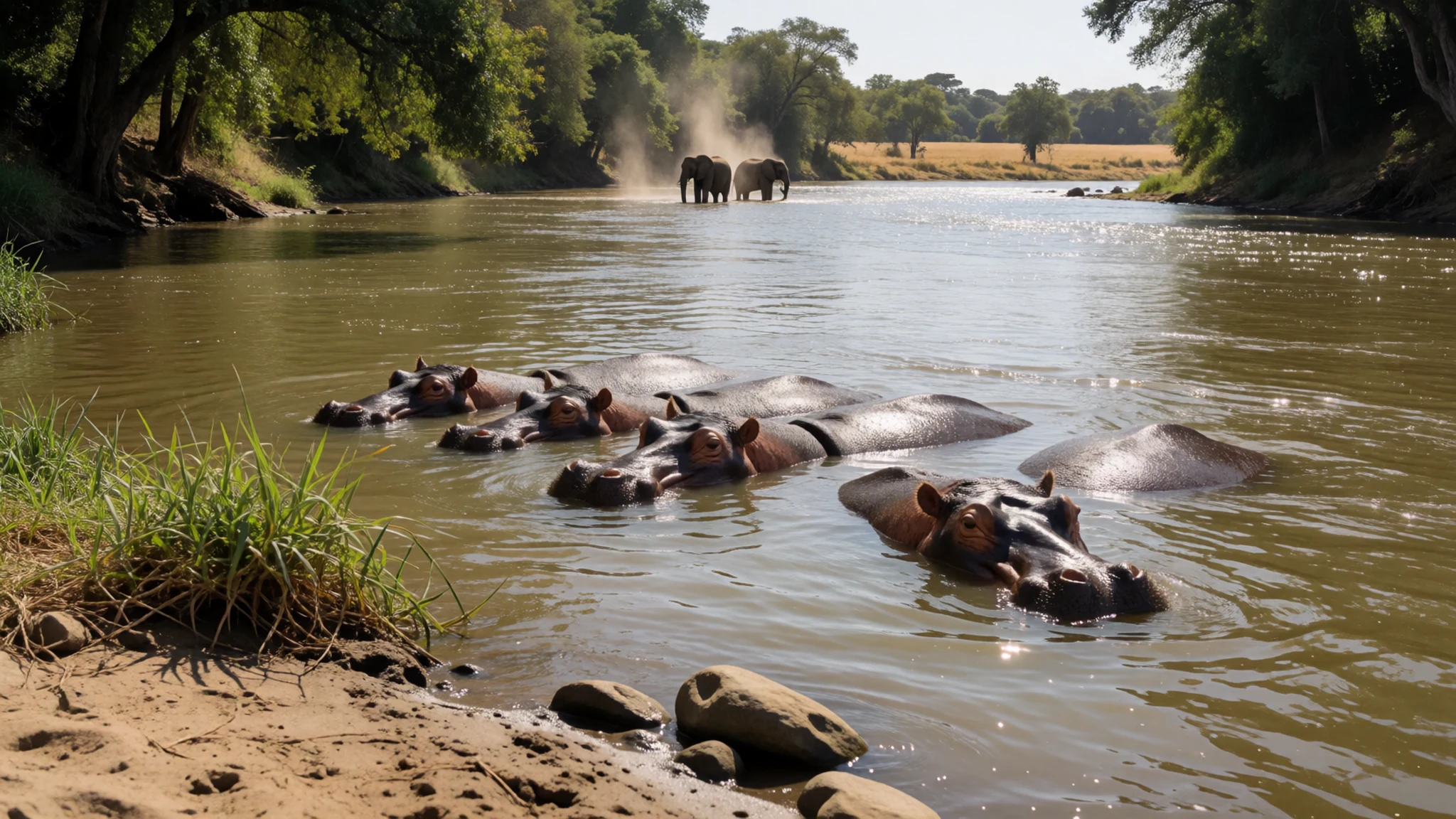
- Baobab country — Woodland near the campsites
Baobabs stand like huge grey sentries across the dry woodland, their swollen trunks and bare branches easy to spot from the road. Several grow close to the camping areas, which makes them handy landmarks and good shade for a stop. Elephants strip bark from them in the dry months, so look for scarred trunks.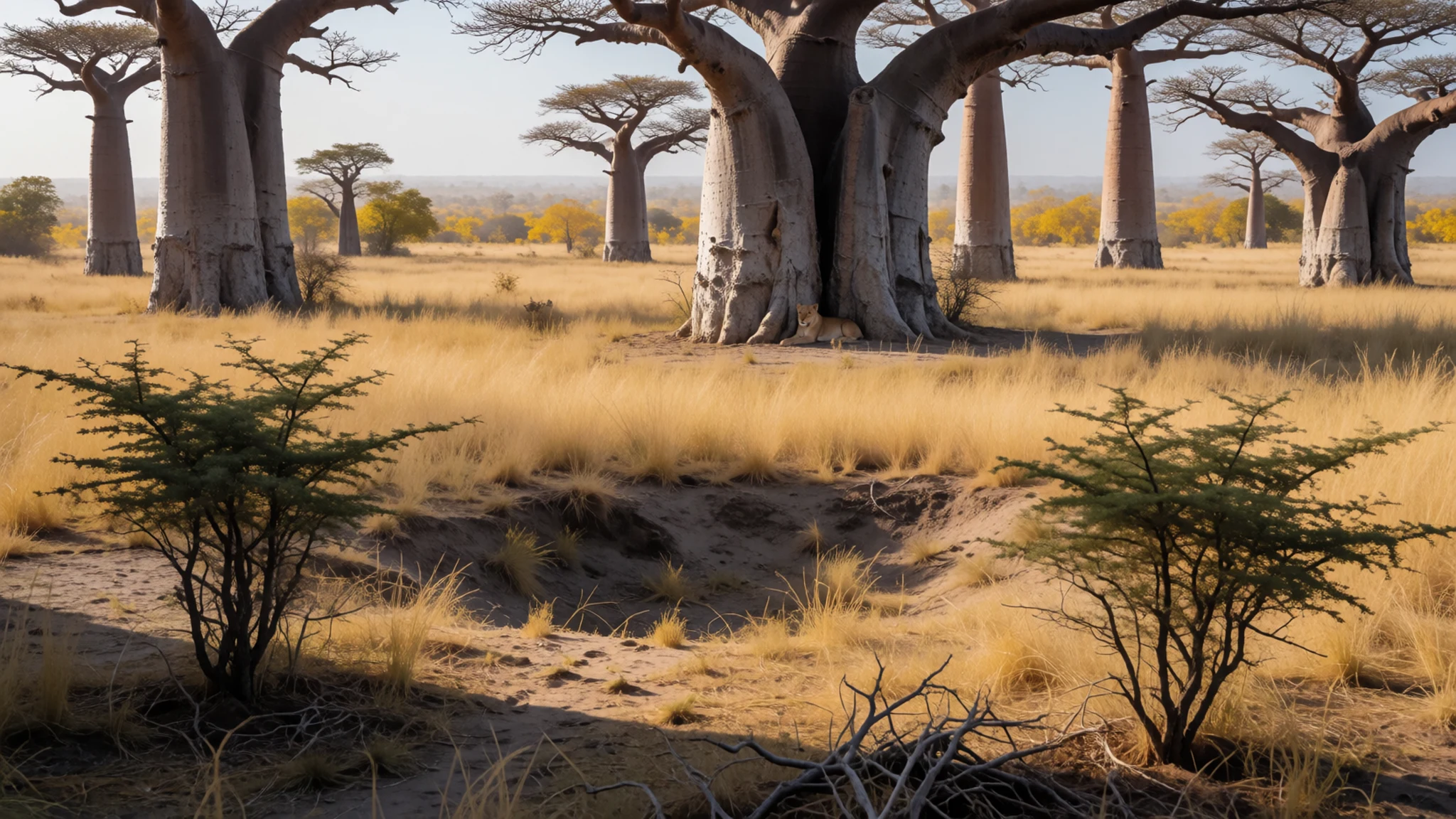
- Lions, cheetah and wild dog — River corridor and rocky outcrops
Ruaha is lion country, and the prides here are large. Along the river and around rocky outcrops, guides also look for cheetah, wild dog and hyena, as well as the buffalo herds that draw predators in. Sightings are never guaranteed, but a driver-guide who knows the tracks improves the odds a good deal.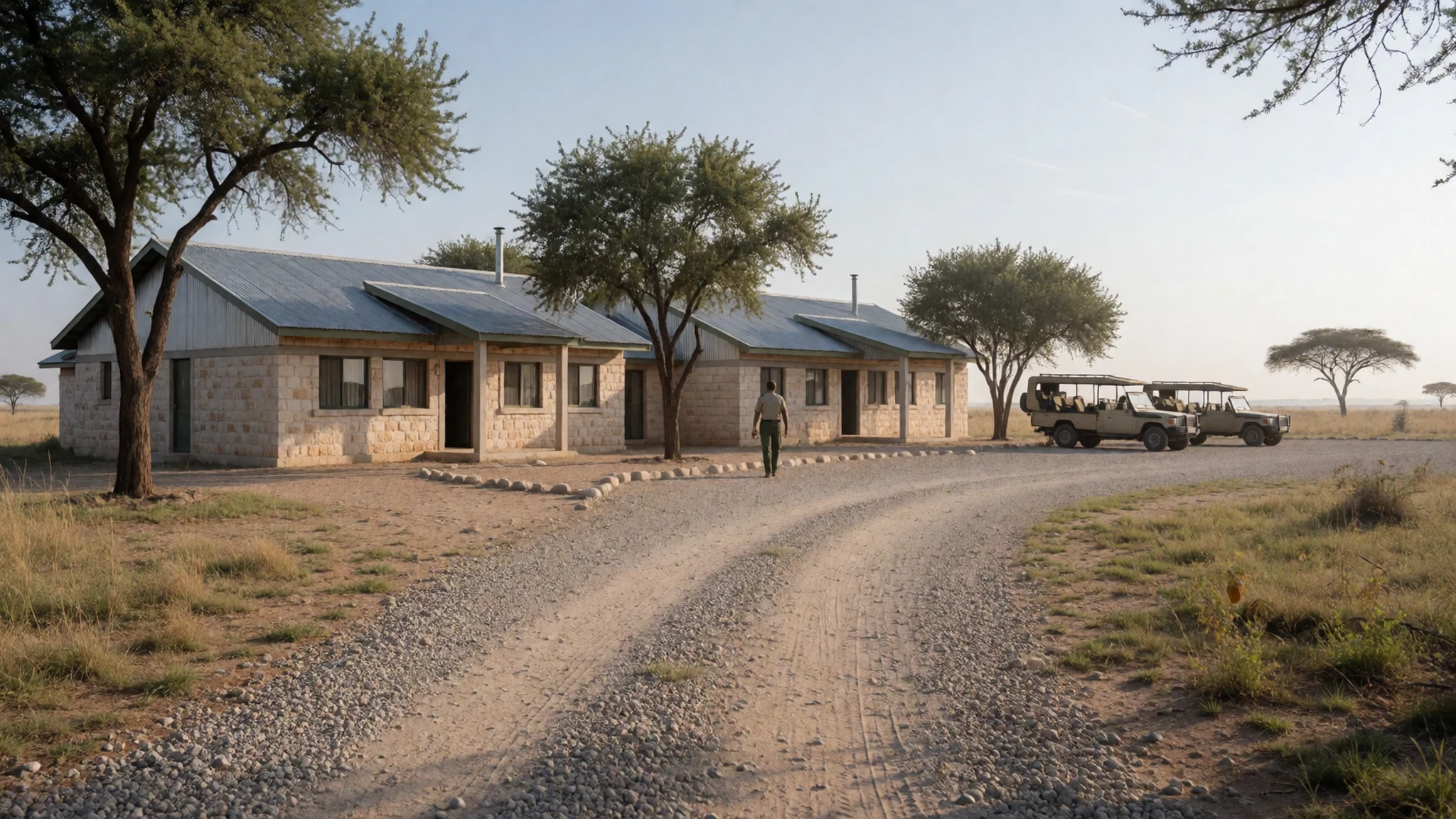
- Birdwatching — Along the river and in the woodland
Birdlife is wide-ranging, from waders at the river's edge to raptors over the woodland. A specialist guide makes a big difference: ask the lodges or park headquarters whether one is available, and bring binoculars. The dry months, when birds crowd around the remaining water, reward the patient.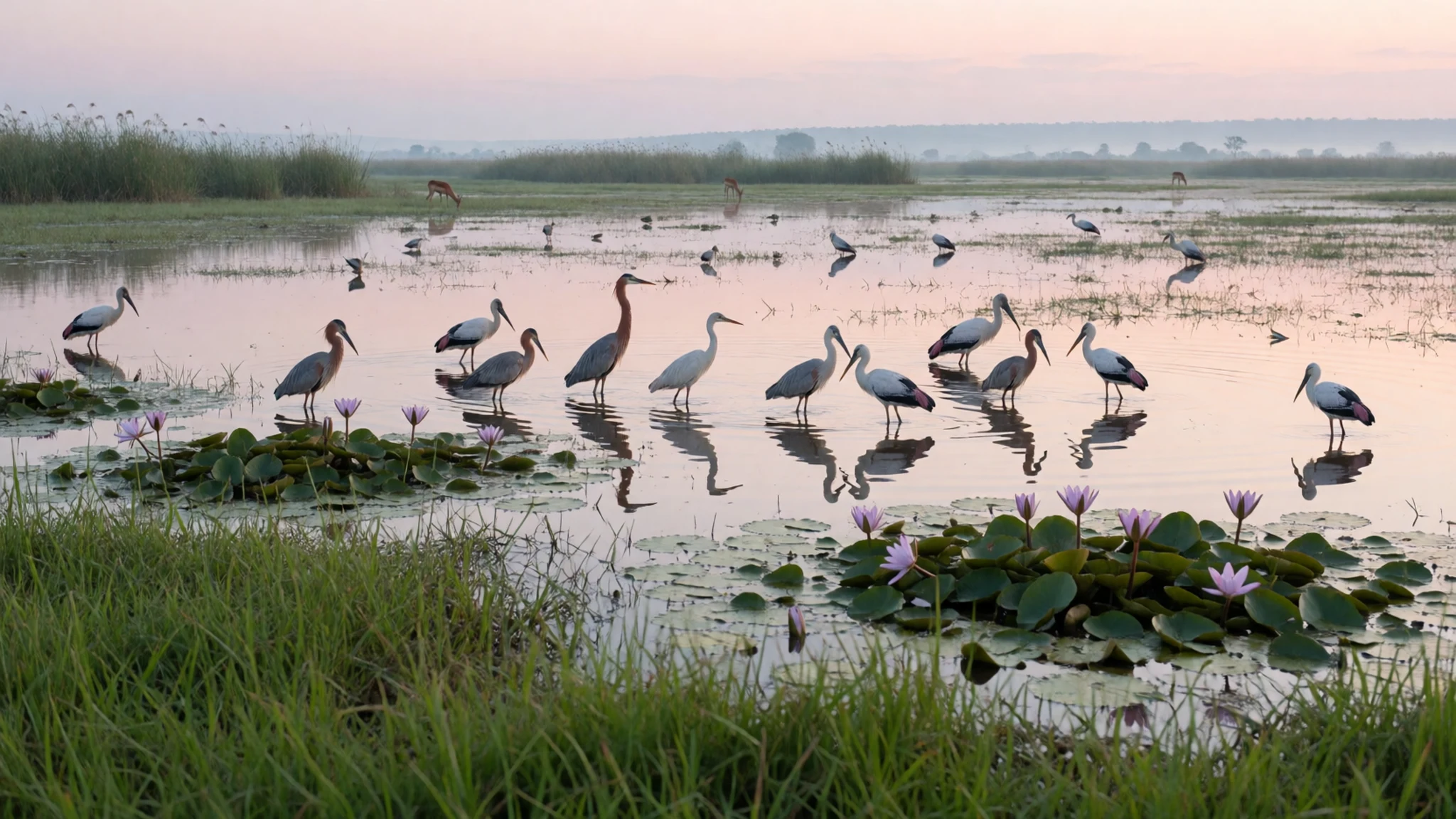
- The Usangu wetlands — Southern part of the park
The Usangu wetlands, once a separate game reserve, joined the park in 2008 and feed the Great Ruaha with seasonal water. Access is more limited than along the main river road, so ask a lodge or guide what is open before planning a day around it. Expect habitat and wildlife quite different from the river corridor.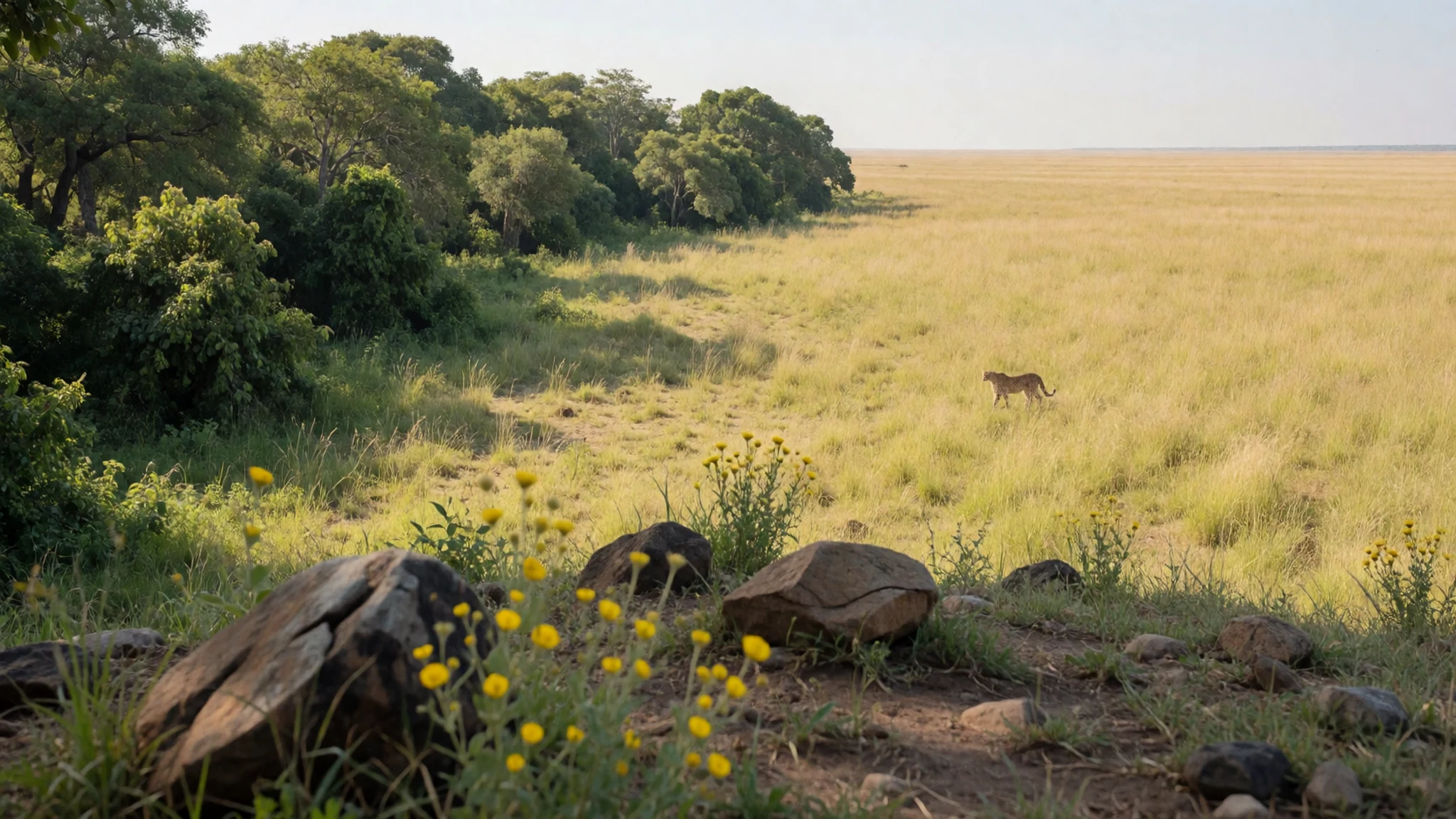
Culture
The country around Ruaha National Park is Hehe territory, and the park's own name comes from the Hehe word for river. Iringa, the usual gateway, is a regional town where Swahili is the everyday language and English is widely understood in tourism. A few words go a long way: habari for hello and asante for thank you are always appreciated. Around the park, communities share land through a wildlife management area, so wildlife is a local livelihood as well as a draw for visitors. Many people who work in the lodges and camps come from nearby villages, and guides are often the best source of local knowledge, from tracks and bird calls to what the river means to the families who live along it. Lodges keep a quiet rhythm: early starts, a long rest through the midday heat, and drinks around a fire in the evening. Silence is part of the bush experience, and guides will ask passengers to keep their voices low when animals are close. Ask before photographing any person you meet in a village or along the road, and stay seated and quiet in the vehicle whenever animals are near.
What to wear
Traditional dress in Tanzania, including the Iringa region around Ruaha National Park, centres on printed cotton cloth. The kanga is a rectangle, usually sold in pairs and often carrying a short proverb along one edge; women wear it wrapped as a skirt, shawl or head-cover, and it doubles as a baby carrier. Kitenge, a heavier printed cotton, is tailored into dresses and shirts for weddings, church and festivals. Everyday clothing is now more ordinary: jeans, T-shirts, football shirts and trousers, with a kanga or kitenge outfit kept for dressing up. Rangers and guides wear park uniform or khaki and olive. Visitors need clothes for heat, dust and sun. Light, long-sleeved cotton shirts in neutral colours, long trousers, a wide-brimmed hat and sunglasses work better than shorts and vests. Pack a fleece for early open-vehicle drives, particularly from June to August. Sturdy closed shoes suit camp paths and walks around the lodge, and sandals are fine for the evening. In towns and villages, covered shoulders and knees are the courteous choice, and a kanga bought locally makes a useful and welcome souvenir to wear.
What to eat
- Ugali na maharage — Local eateries in Iringa; the headquarters canteen
Ugali is a stiff maize porridge eaten by hand, rolled into a ball and used to scoop up beans or a stew. It is filling, cheap and found everywhere, from simple eateries in Iringa to the canteen at park headquarters.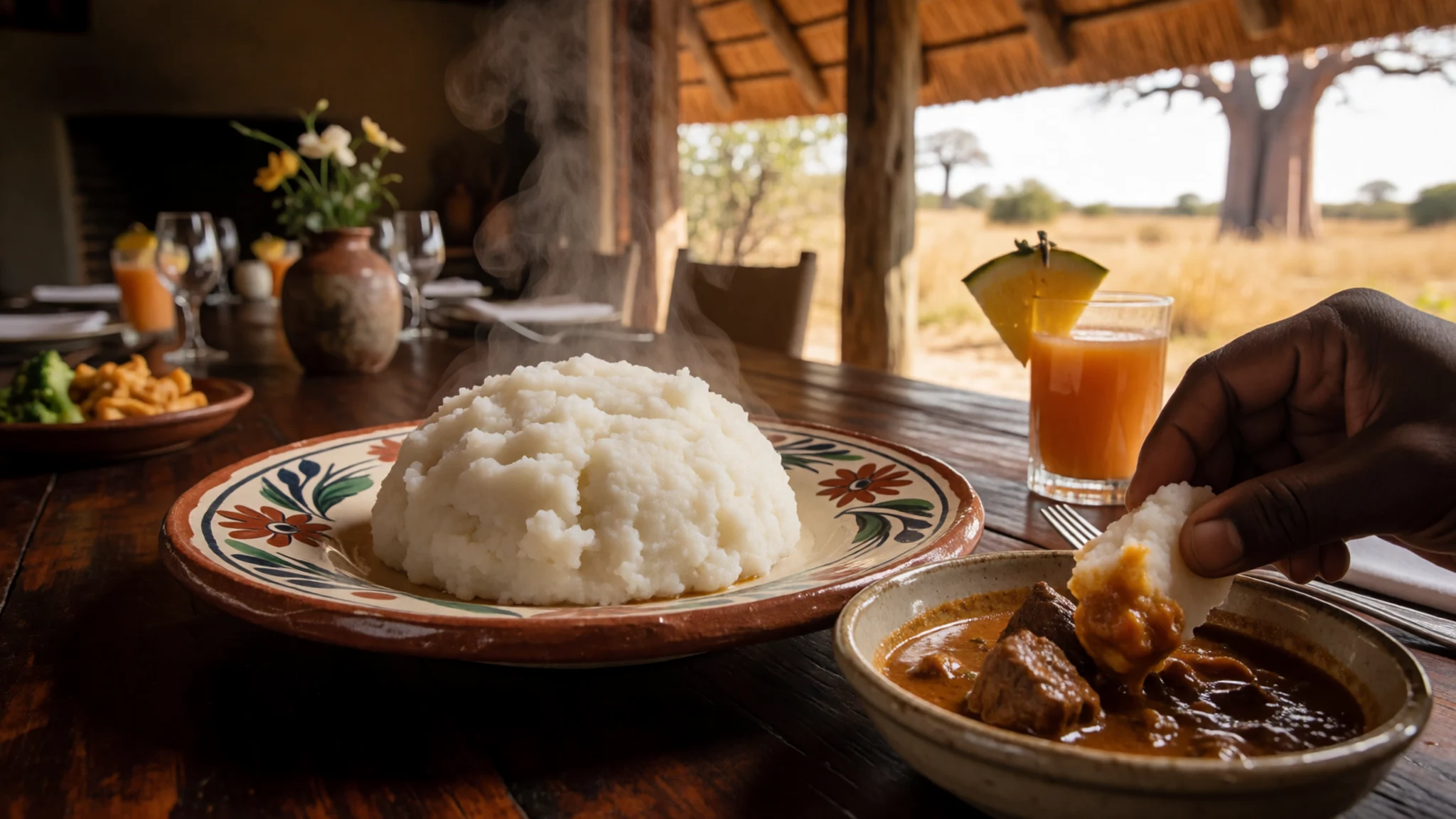
- Nyama choma — Roadside grills and bars in Iringa
Grilled meat, usually goat or beef, chopped on a board and eaten with salt, kachumbari salad and ugali. It is a social meal, best shared on a slow evening, and the smoke from the grills tells you where to go.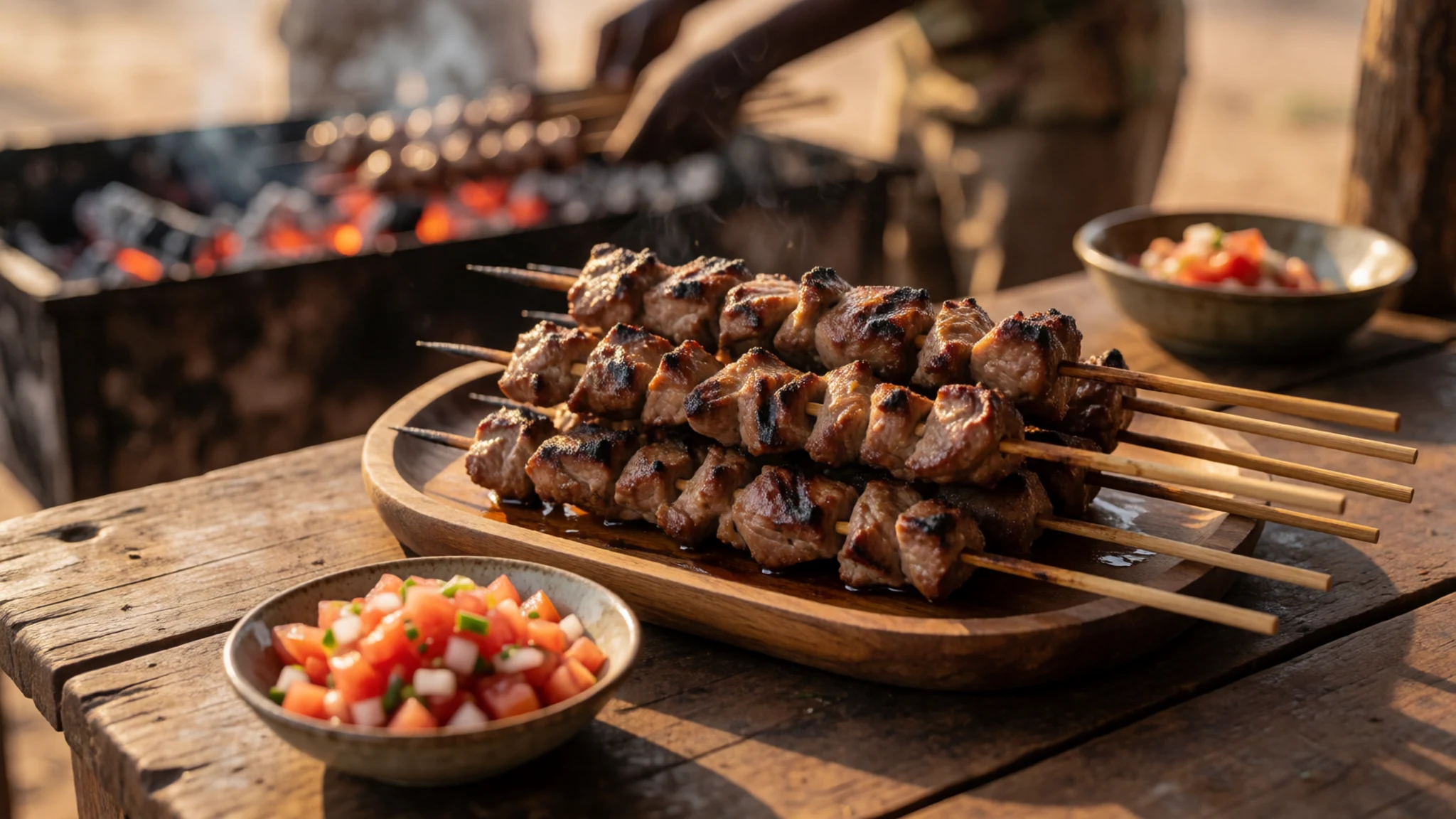
- Chipsi mayai — Street stalls near Iringa's bus stand and market
Chips cooked into a thick omelette, often served with a tomato and chilli sauce or kachumbari. It is a quick, hearty street snack that suits a long travel day before or after the park. - Ndizi — Home-style eateries in Iringa
Cooked green bananas, simmered with beef or in a light coconut sauce, are a home-style staple. The texture is closer to potato than to a sweet banana, and the dish is mild enough for most palates. - Chai and mandazi — Tea stalls in town; lodge and camp breakfasts
Sweet milky tea, often spiced with ginger, comes with mandazi, light fried dough triangles that are good for dunking. Together they make a typical breakfast or mid-morning stop before an early drive.
Plan it
Best time. June to October, the dry season, is the best window: animals concentrate along the Great Ruaha and the vegetation thins, so sightings are easier, and June to August is also the coolest stretch. October to March is the hottest period, and the rains make tracks harder going.
How long. 3–4
Getting there. Most lodge guests fly by light aircraft to the airstrip at Msembe, near park headquarters, or to Jongomero. By road, drive west from Iringa on the dirt road to the park entrance; a two-wheel-drive vehicle can manage it, though a 4x4 with a driver-guide is a safer choice.
Budget. mid
Tips
- Fill the fuel tank in Iringa; fuel at park headquarters is scarce and expensive
- Hire a driver-guide, as they spot game you would miss and know the tracks
- Book lodges and bandas well ahead for the dry season, and check the official site for fees and rules: https://www.tanzaniaparks.go.tz/national_parks/ruaha-national-park
- Carry plenty of drinking water, sun protection and some cash for small purchases
Etiquette
- Stay inside your vehicle when animals are close, and keep voices low
- Ask before photographing local people in villages or along the road
- Greet staff and guides in Swahili with a simple habari
Nearby
Sources
- Wikidata Q656363 (CC0)
- Wikipedia: Ruaha National Park (rev 1381494005) (CC BY-SA 4.0)
- Wikivoyage: Ruaha National Park (rev 5341530) (CC BY-SA 4.0)
- Richard Mortel, Ruaha River, Ruaha National Park (9) (CC BY 2.5)
- Brian Harries, Purple On The River (CC BY 2.5)
- Kenny filmmaker, an elderly Maasai women (CC BY 4.0)
- _ubik_, Baobab near the campsite, Ruaha National Park (CC BY-SA 2.0)
- Richard Mortel, Baobab tree, Ruaha National Park (1) (CC BY 2.5)
- Richard Mortel, Baobab tree, Ruaha National Park (2) (CC BY 2.5)
- Richard Mortel, Baobab, Ruaha National Park (CC BY 2.5)
- Karen Fasimpaur, Bird gd-tanzania-kmf (CC BY 3.0)


Wildlife
- Lion (animal)
The lion is a big, strong cat with a tuft on its tail, and the male wears a shaggy mane that you will not forget. Ruaha is known for its huge prides, and it feels wild and uncrowded compared with the busier safari routes in the north of the country. Watch with a guide who knows how to read lion behaviour, keep a respectful distance, stay quiet, and never feed or call to them.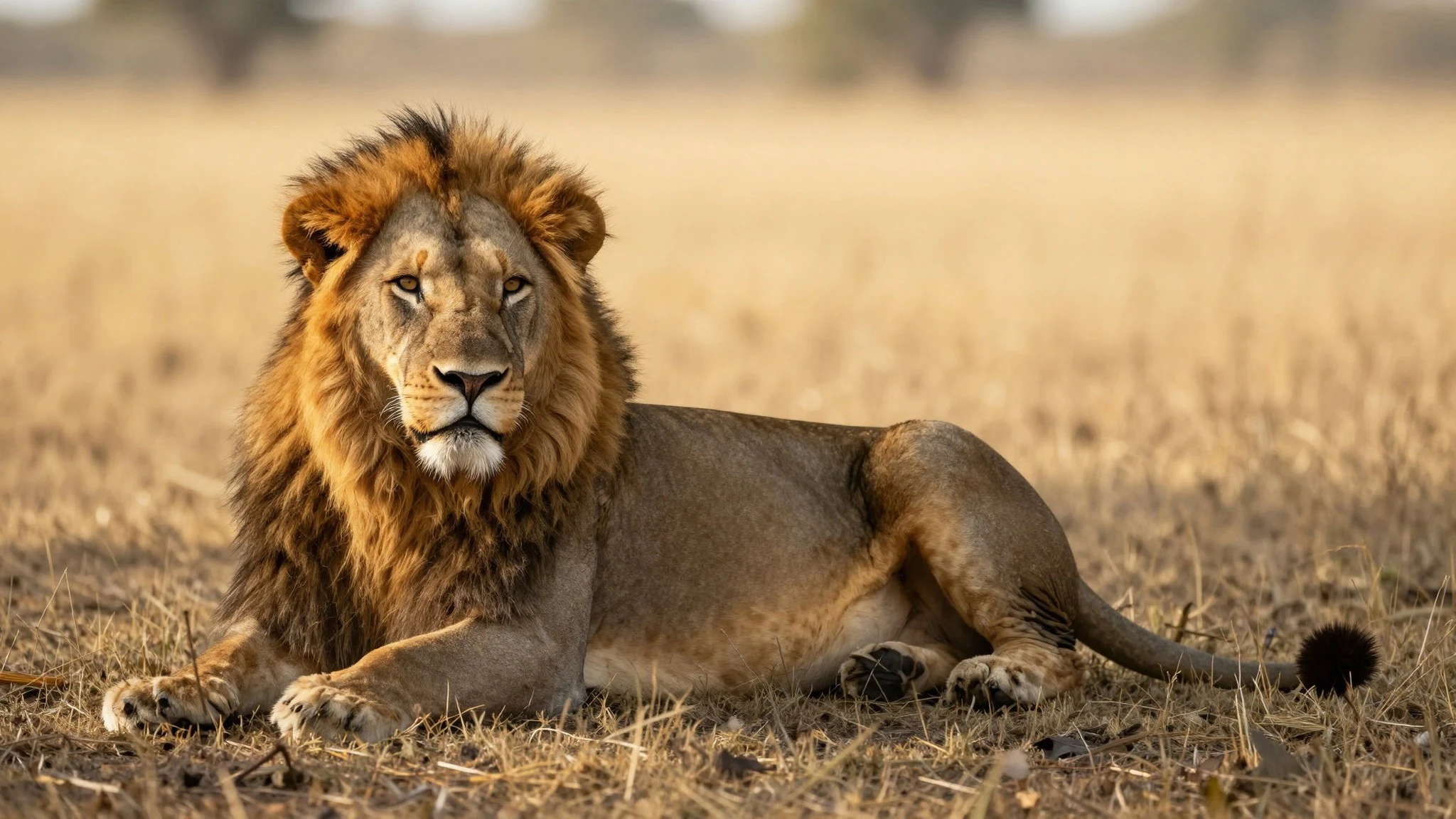
- Elephant (animal)
The elephant is the biggest animal that lives on land, with a long trunk that works like a hand, big ears that help it keep cool, and curved tusks. Ruaha shelters a great many of them, so you have a good chance of meeting one. Let your guide choose where to stop, keep well back, speak softly, move slowly, and never feed them, however calm they seem.