Gombe National Park
Gombe National Park, Tanzania
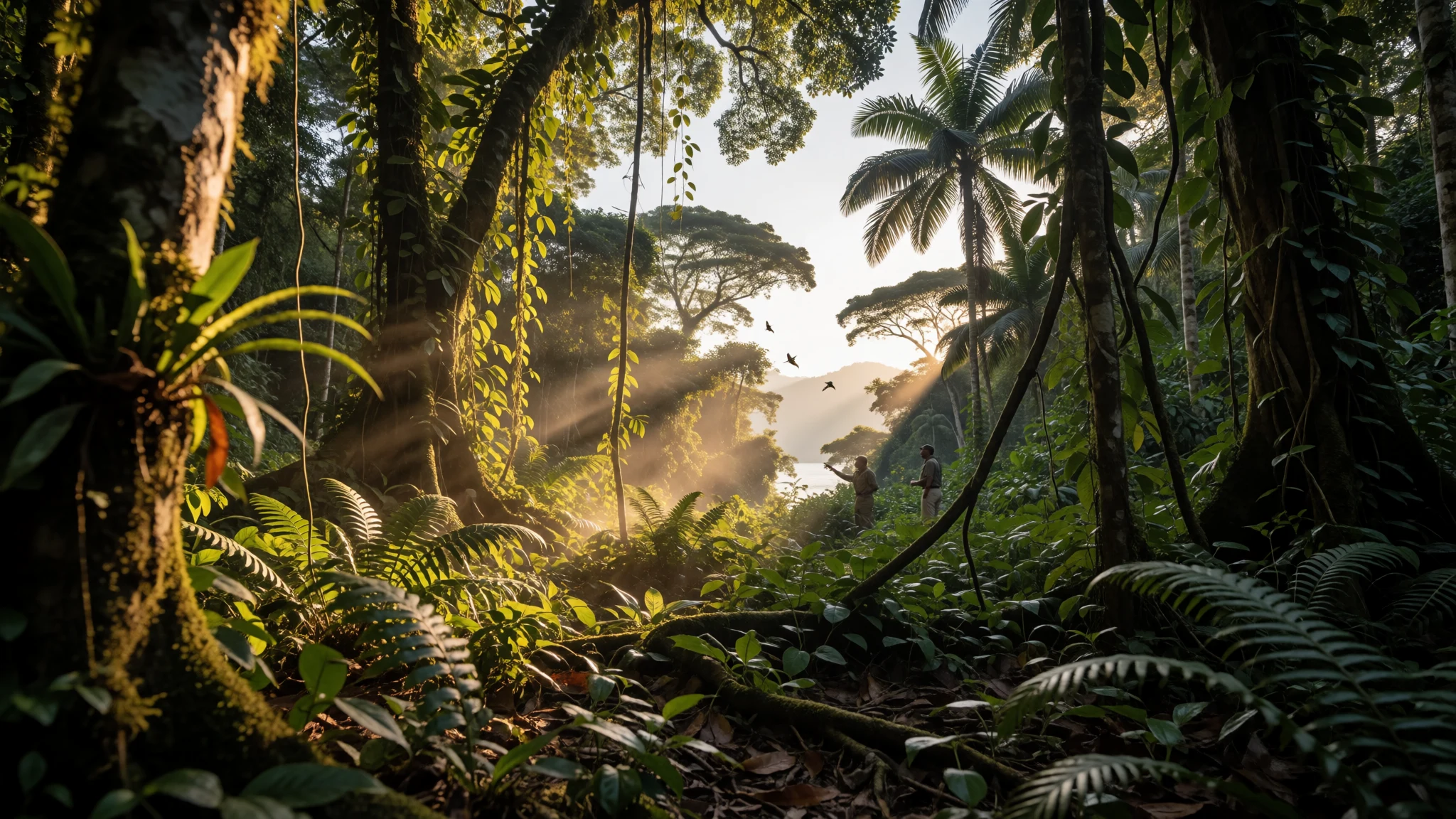
Gombe is a compact rainforest park where chimpanzees are tracked in the forest, with Lake Tanganyika lending big water-view drama.
The place
Gombe National Park sits in Tanzania’s Kigoma Region, in Kigoma District, straddling forested slopes and the Lake Tanganyika shoreline. It was formerly known as Gombe Stream National Park, and most people arrive for the same simple reason: the feeling of being close to wild chimpanzees in a real, working forest.
Geographically, Gombe is part of that Lake Tanganyika basin—humid, green, and threaded with paths that can turn slippery after rain. The park’s rainforest setting shapes everything: walks often feel more like trekking through damp undergrowth than strolling on manicured trails, and the soundtrack is as important as the scenery, with birds and insects filling the gaps.
Planning wise, Gombe tends to be less “big safari circuit” and more “small-park intensity”. You don’t just drive in and doze around. The experience is built around guided activities and the practical logistics of tracking wildlife at close range, which can mean early starts and quiet patience before anything happens.
Crowds are usually far lighter than at the better-known northern parks, but that also means the best opportunities depend heavily on daily conditions and the group’s luck. If the sky is clear and the forest is active, chimpanzee sightings can feel electric; if rainfall has knocked the trails back, movements can be slower and the day feels more like waiting in the shade.
The official park site is the best place to confirm current arrangements. For seasonality, the driest, most comfortable months are July and August (very low rain), with June and September also relatively dry and warm; the wettest months are November and December (with heavy rain), when trails can be slower and muddier.
Its story
Gombe’s story is really about how Tanzania’s long, layered human history and the park’s present-day wildlife experience sit side by side. Long before today’s safari jargon, the region that is now Tanzania has evidence of very early humans stretching back over two million years; later migrations brought different communities into the area. Much later, trade routes connected East Africa with visitors from the Persian Gulf and beyond.
When people talk about Tanzania as a destination, they often group parks into circuits, but Gombe breaks that pattern. It’s not one of the “mainstream” northern route stops; it’s singled out because it’s harder to reach and because the day is structured around what the forest chooses to show. That makes it feel less like a checklist and more like fieldwork: walking slowly, listening carefully, and adjusting plans when the trackers call for a change.
In the background, the wider history of the country also matters. Colonial rule shifted hands, and after independence the modern state began shaping tourism and conservation in its own way. Today’s visitors step into that legacy—into a protected area with rules, guides, and a rhythm that respects wildlife rather than forcing it to perform.
That’s why Gombe can feel both intimate and demanding. It’s intimate because the park is compact and the forest is close; you’re not looking across endless landscapes from a vehicle window. It’s demanding because the rainforest doesn’t pause for plans—mud, humidity, and heat are part of the package, and sightings can take time.
The payoff, when it comes, isn’t just “seeing animals”. It’s the sense of sharing the same forest space long enough to notice behaviour: movement in the canopy, pauses in the undergrowth, and then the sudden, grounded reality of chimpanzees in front of you.
What to see
- Gombe Stream National Park entrance & visitor orientation — Park entrance area
Gombe’s visit begins at the park entrance where you get briefed before heading out. Orientation matters here because access is managed and activities depend on current conditions. The coastal-to-forest transition also means the day can feel greener and wetter the farther in you go.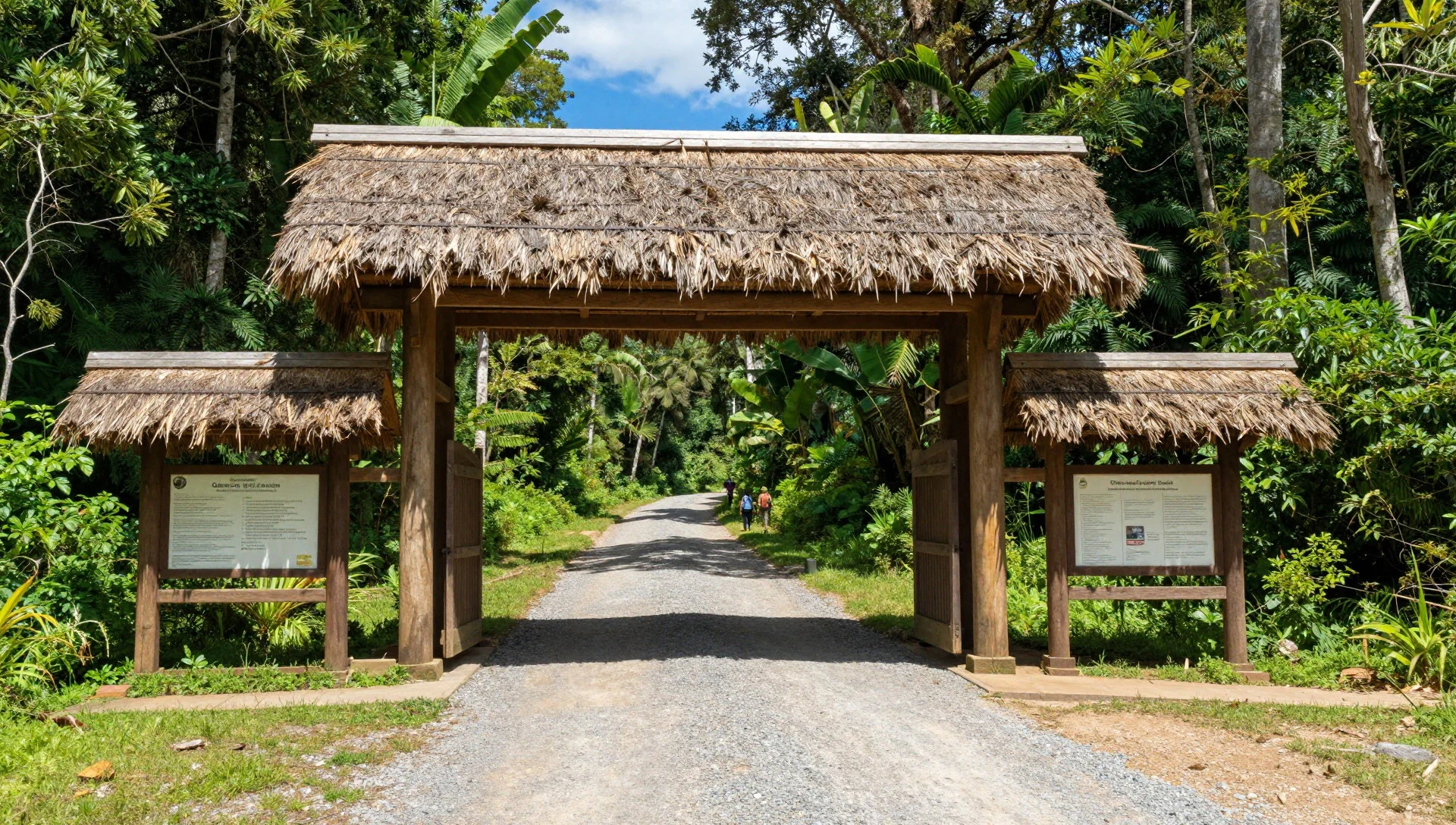
- Chimpanzee tracking in the forest — Gombe rainforest trails
Chimpanzee tracking at Gombe is done on foot in the forest, guided by people who know where activity tends to show. Expect slow walking, careful listening, and waiting for movement through the canopy. When chimps are found, sightings are often close and surprisingly dynamic.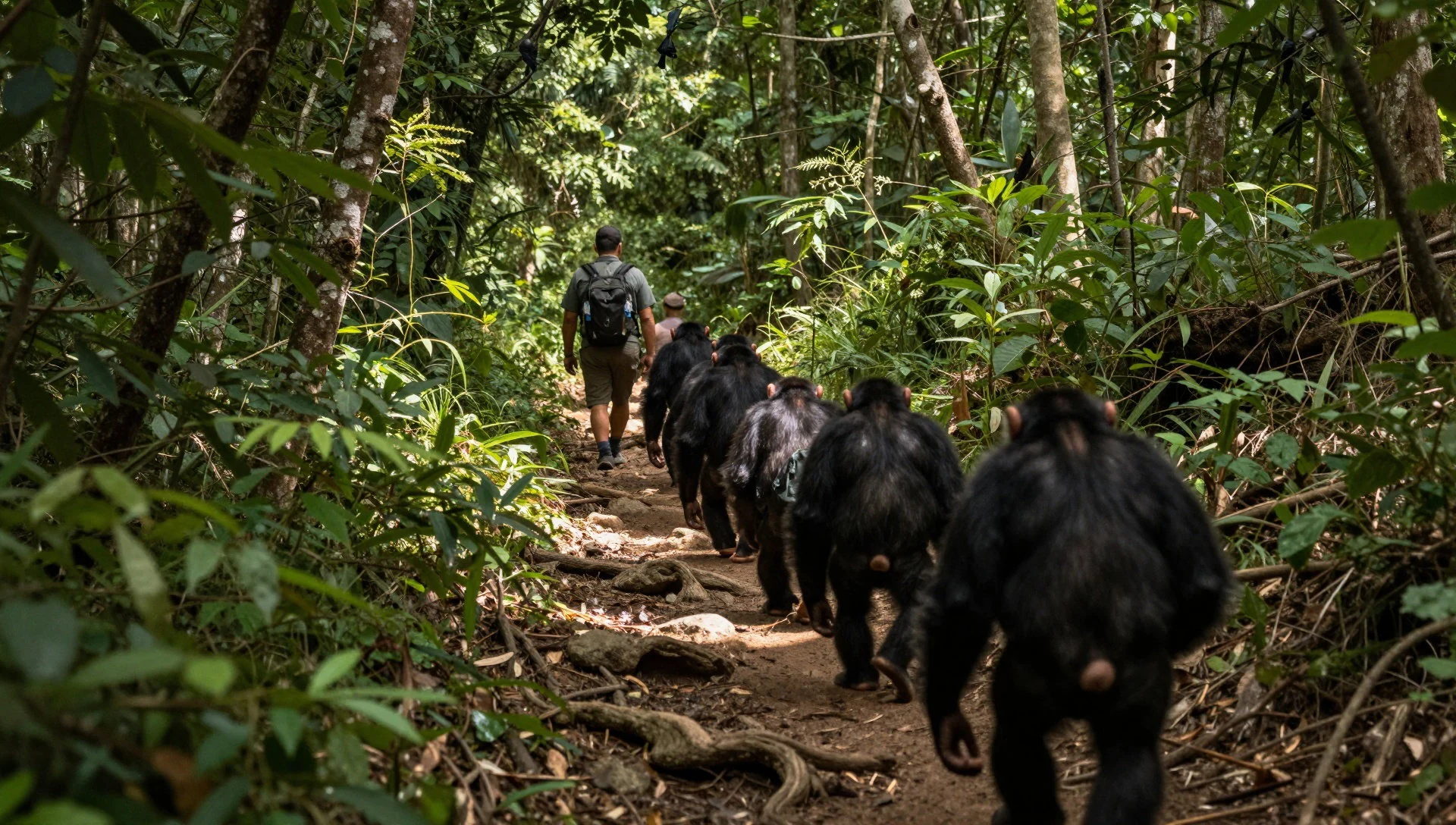
- Lake Tanganyika shoreline views — Lakeside areas
Lake Tanganyika frames Gombe with open-water glimpses that break up the dense greenery. Along the routes near the water, humidity and light shift, and the landscape feels wider than the forest. It’s a good “reset” moment in the middle of a day focused on tracking.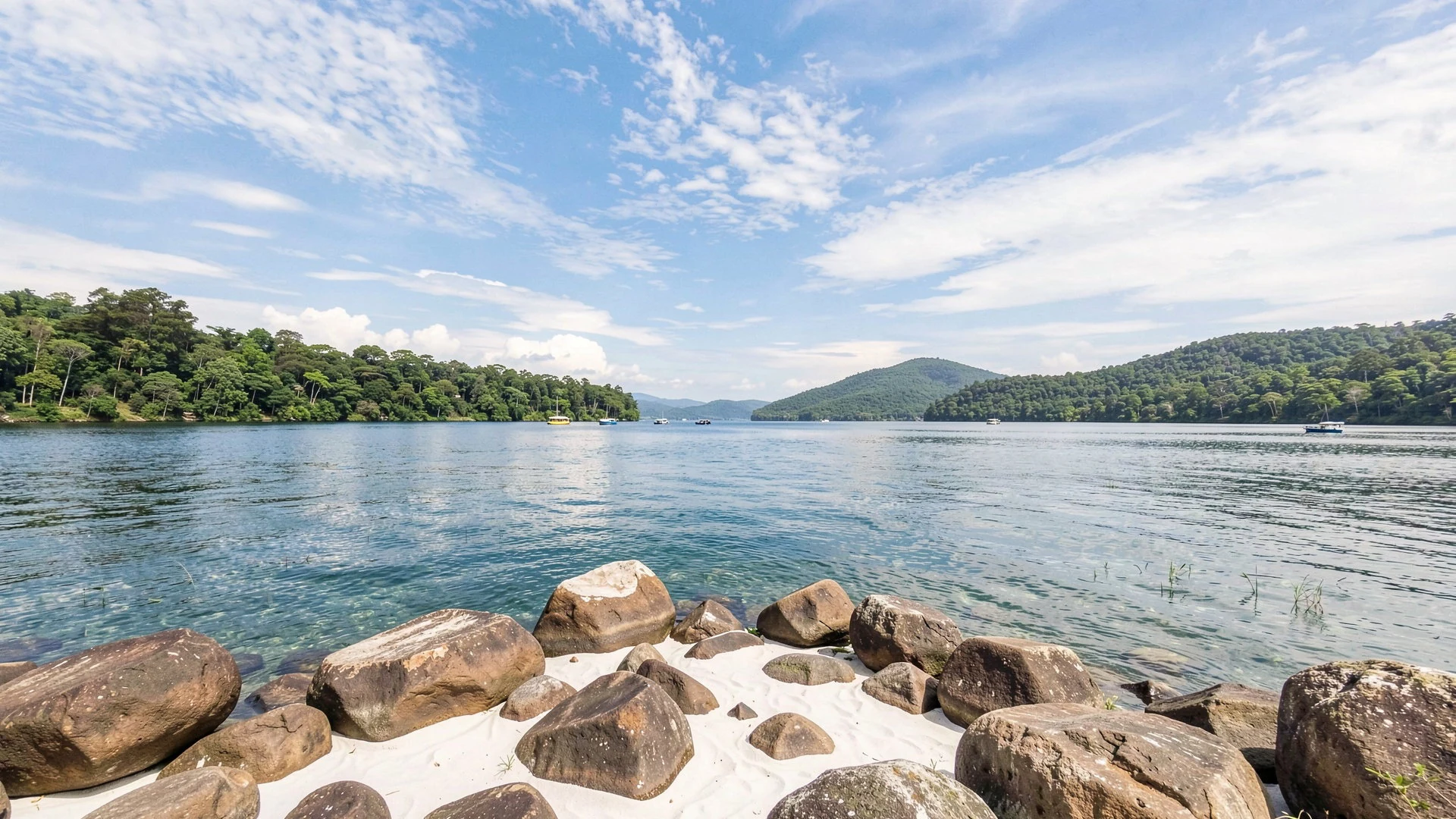
- Kakombe waterfall area — Kakombe area
The Kakombe waterfall area is a favourite route when conditions allow. The approach is part of the fun: forest shade, changes in footing, and glimpses of water where the sound gets louder before the view does. Bring time for a slower walk, especially after rain.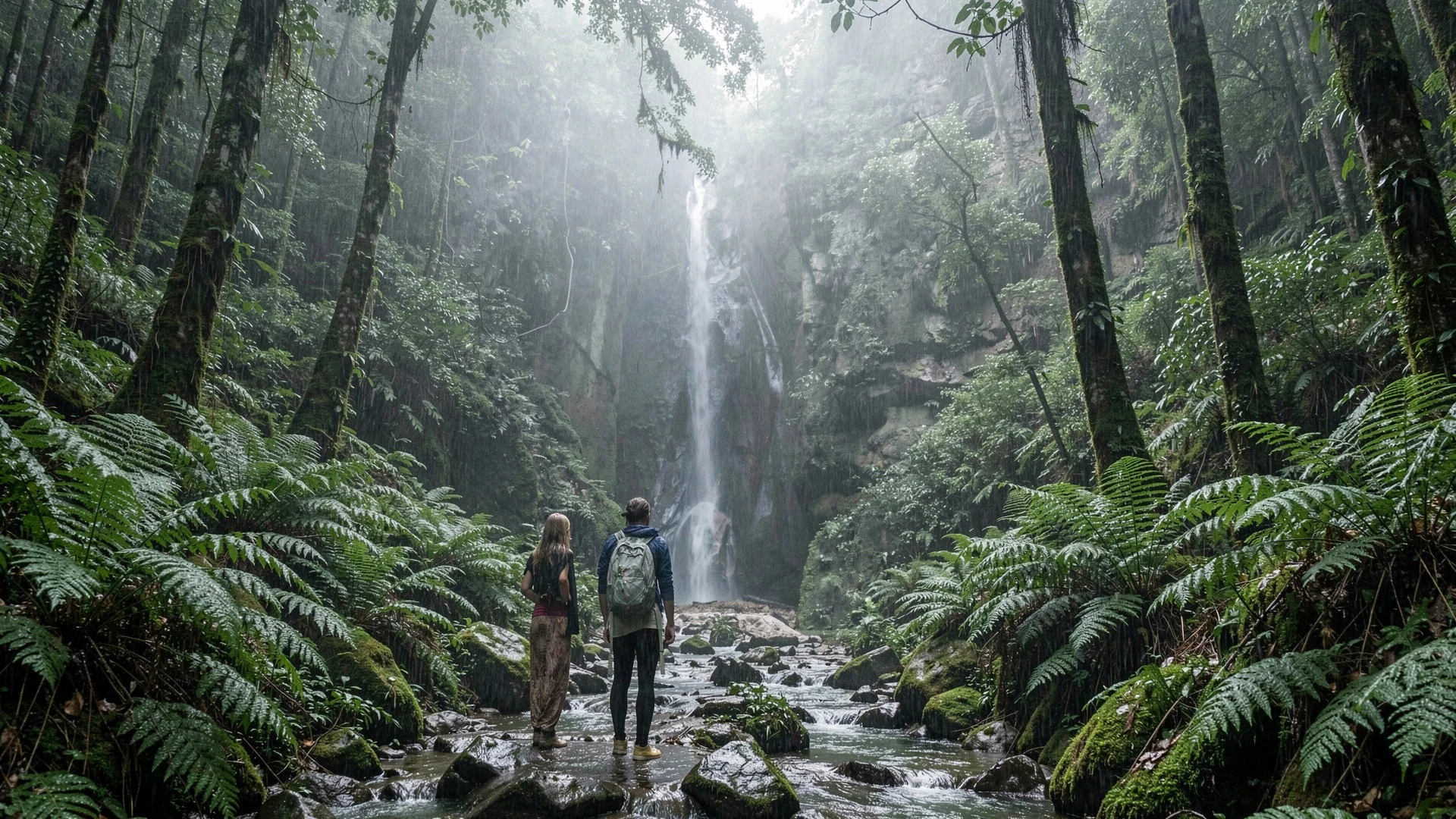
- Chimpanzees: young-and playful moments — Forest habitat
When chimps are active, Gombe can show more than “a sighting”. There can be moments of play, curious glances, and movement between branches close enough to see body language. These scenes are often brief, so being calm during quiet stretches pays off.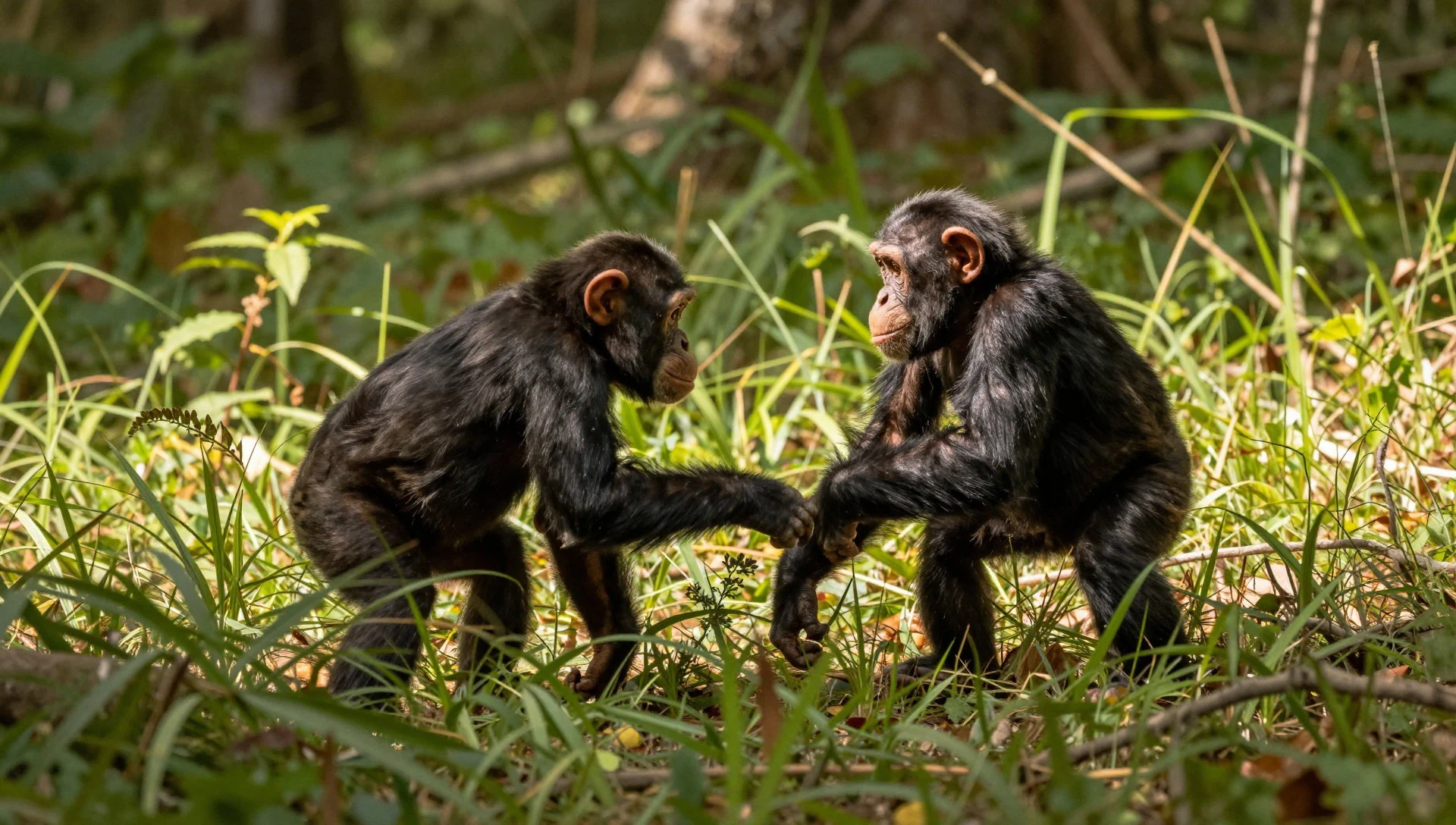
Culture
Gombe visitors are sharing Tanzania with people who take everyday politeness seriously, and that tone carries into tourism encounters. In Swahili-speaking contexts, greetings that show respect matter: you’ll often hear shikamoo, a phrase used when addressing elders or superiors, and marahaba as the respectful reply. Visitors may also come across titles used after shikamoo.
Modesty is a practical theme across Tanzania, especially in more conservative settings. Even though Gombe itself isn’t a coastal ritual space, it’s still worth dressing conservatively when you’re in local communities or around official facilities—think shoulders covered and clothing that doesn’t feel overly revealing.
Photography is where many travellers get tripped up. If the route brings interactions with communities or cultural settings, ask first before taking pictures of people, and be prepared for the expectation that cameras aren’t always “free”.
At Gombe, the cultural side that matters most day-to-day is restraint in wildlife spaces: keep voices low, follow guide instructions, and don’t push forward when chimps are present. Wildlife tracking works best when everyone behaves like part of the forest’s rhythm rather than the loudest person in it.
Visitor etiquette: dress modestly, use respectful greetings like shikamoo when appropriate, and ask before photographing people.
What to wear
For Gombe National Park, the clothing brief is simple: expect humidity, uneven ground, and time in dense shade—then plan for the fact that weather can change how comfortable everything feels. Traditional Tanzanian textiles include kangas: brightly coloured wrap-around cloth that’s widely available and can be used as a discreet covering. It’s a good option if someone wants something culturally grounded for evenings or for visiting areas where modest attire is preferred.
What people actually wear now around Gombe and on safari varies by comfort, but practical, breathable clothes win. Visitors typically wear lightweight long sleeves and trousers (or long skirts where appropriate), plus a cap and sunglasses for the bright breaks between canopy and sky. Because chimp tracking often involves getting close to vegetation, sturdy footwear is more important than looking “photo-perfect”: closed-toe shoes help when paths are muddy or roots are slick.
For a visitor, aim for modesty plus function. Choose light layers that dry quickly, carry a thin rain layer for wet spells, and use a scarf or shawl for extra coverage when moving through communities or official points. Avoid very thin, easily torn fabrics—forest edges and brush can snag clothing and turn a comfortable morning into an uncomfortable afternoon.
What to eat
- Ugali with stews — Local restaurants and village eateries
Ugali is made from corn flour into a polenta-style staple, eaten with your hands alongside cooked meat and stews. It’s commonly found at everyday eateries and many restaurant meals across Tanzania.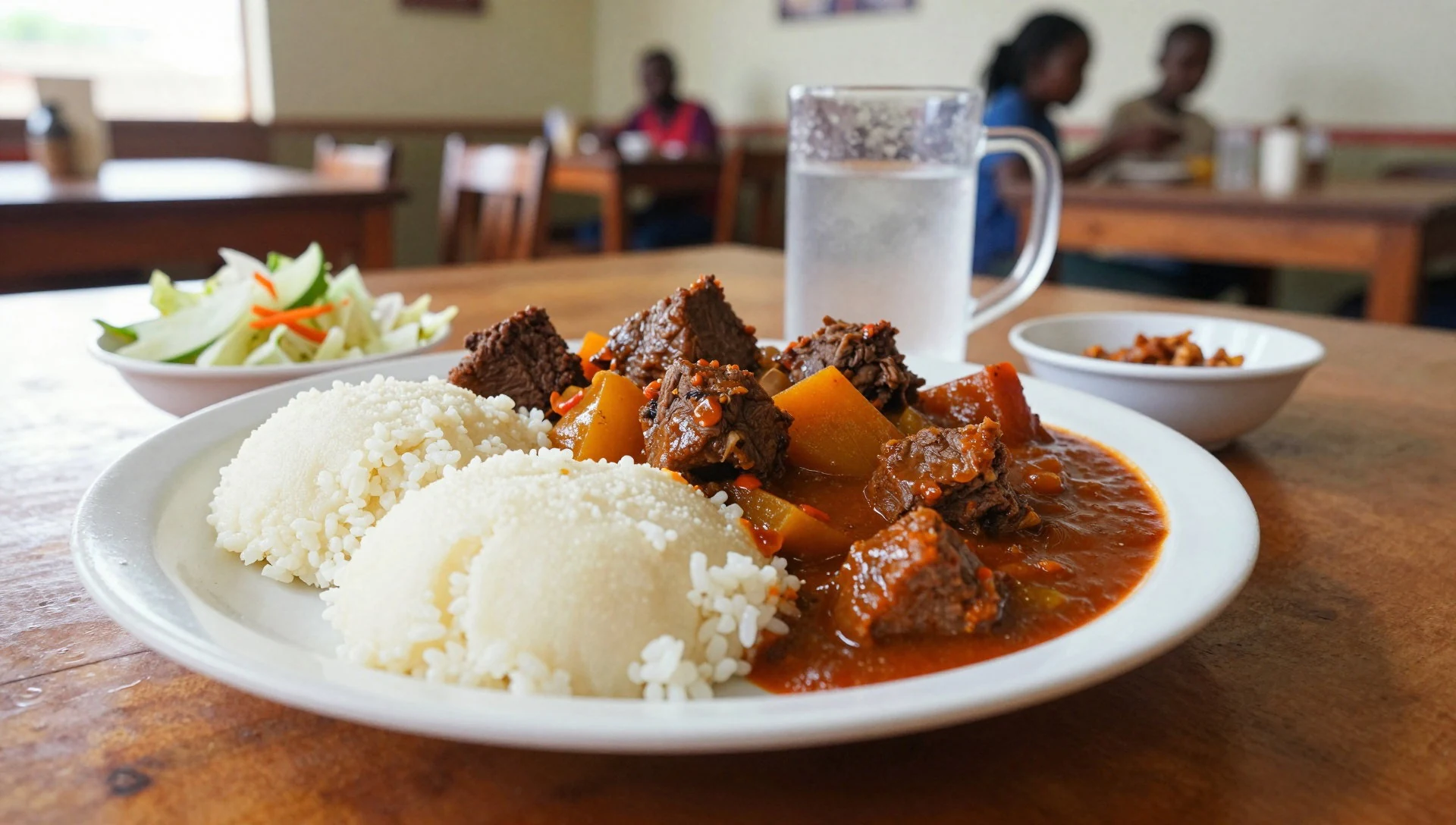
- Mtori (beef and bananas) — Local kitchens and homestyle meals
Mtori is a home-style dish that mixes cooked beef with bananas. It’s the kind of meal you’d more often hear about through local cooking rather than international menus, and it tends to show up at regional meals.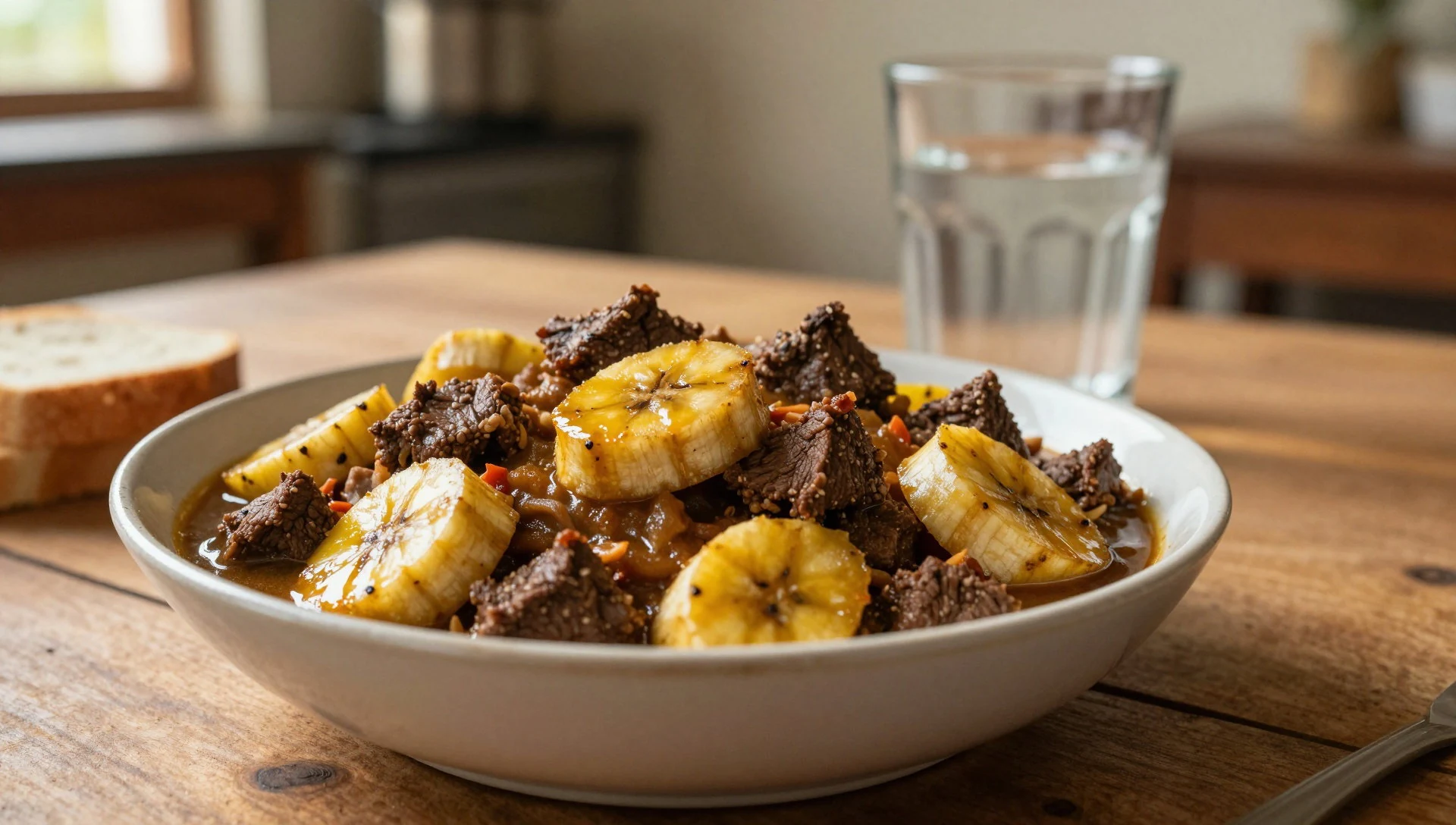
- Mchicha (vegetable stew with meat or fish) — Town eateries and local food spots
Mchicha is a vegetable stew—often with meat or fish—served as a hearty complement to staples. It’s common at local places where Swahili-style cooking is on the menu. - Barbecued corn and chips — Street stalls and market edges
Street food staples include barbecued corn on the cob, plus chips cooked over a roaring fire. These are best treated as casual snacks while walking around markets or busier neighbourhood streets. - Mandazi (sweet doughnuts) — Morning markets and street food areas
Mandazi is a sweet doughnut-style snack, usually prepared fresh in the morning. It’s ideal for a quick breakfast bite before daytime activities, especially when you want something filling without being heavy.
Plan it
Best time. March–April and October–November are good bets for easier walking and calmer conditions for forest tracking; June is in the rainy season and tends to mean wetter, muddier trails; August is typically hot and humid.
How long. 3–4
Getting there. Travel to Tanzania’s Kigoma area, then arrange the last leg to Gombe via the route used by your tour operator or local transport. The park’s official website is the best starting point for how visits are set up and what transfers are offered.
Budget. mid
Tips
- Plan for early starts: forest tracking often depends on the day’s conditions.
- Pack clothes that dry quickly and footwear that can handle mud.
- Carry water and snacks for longer treks, then rest during quieter stretches.
- Use the park’s official website to check current visit arrangements before booking.
Etiquette
- Follow guide instructions closely and keep to the route—forest tracking isn’t a “wander and hope” activity.
- Keep voices low while chimps are being located or observed.
- Ask before photographing people if your route brings interactions with communities.
Nearby
Sources
- Wikidata Q856665 (CC0)
- Wikipedia (rev 1362736932) (CC BY-SA 4.0)
- Wikivoyage (rev 5408710) (CC BY-SA 4.0)
- Photo photos/01-chimpanzee-gombe-2007.png (CC BY-SA 4.0)
- Photo photos/02-chimps-in-gombe.jpg (CC BY-SA 4.0)
- Photo photos/03-eastern-chimpanzee-baby.jpg (CC BY 2.0)
- Photo photos/04-eastern-chimpanzee.jpg (CC BY 2.0)
- Photo photos/05-entrance-to-gombe-stream-national-park.jpg (CC BY 2.5)
- Photo photos/06-kakombe-waterfall-2014.jpg (CC BY 2.5)
- Photo photos/07-kakombe-waterfall.jpg (CC BY 2.5)
- Photo photos/08-lake-tanganyika-at-gombe-stream-national-park.jpg (CC BY 2.5)


