Kilwa Kisiwani
Kilwa Kisiwani, Tanzania
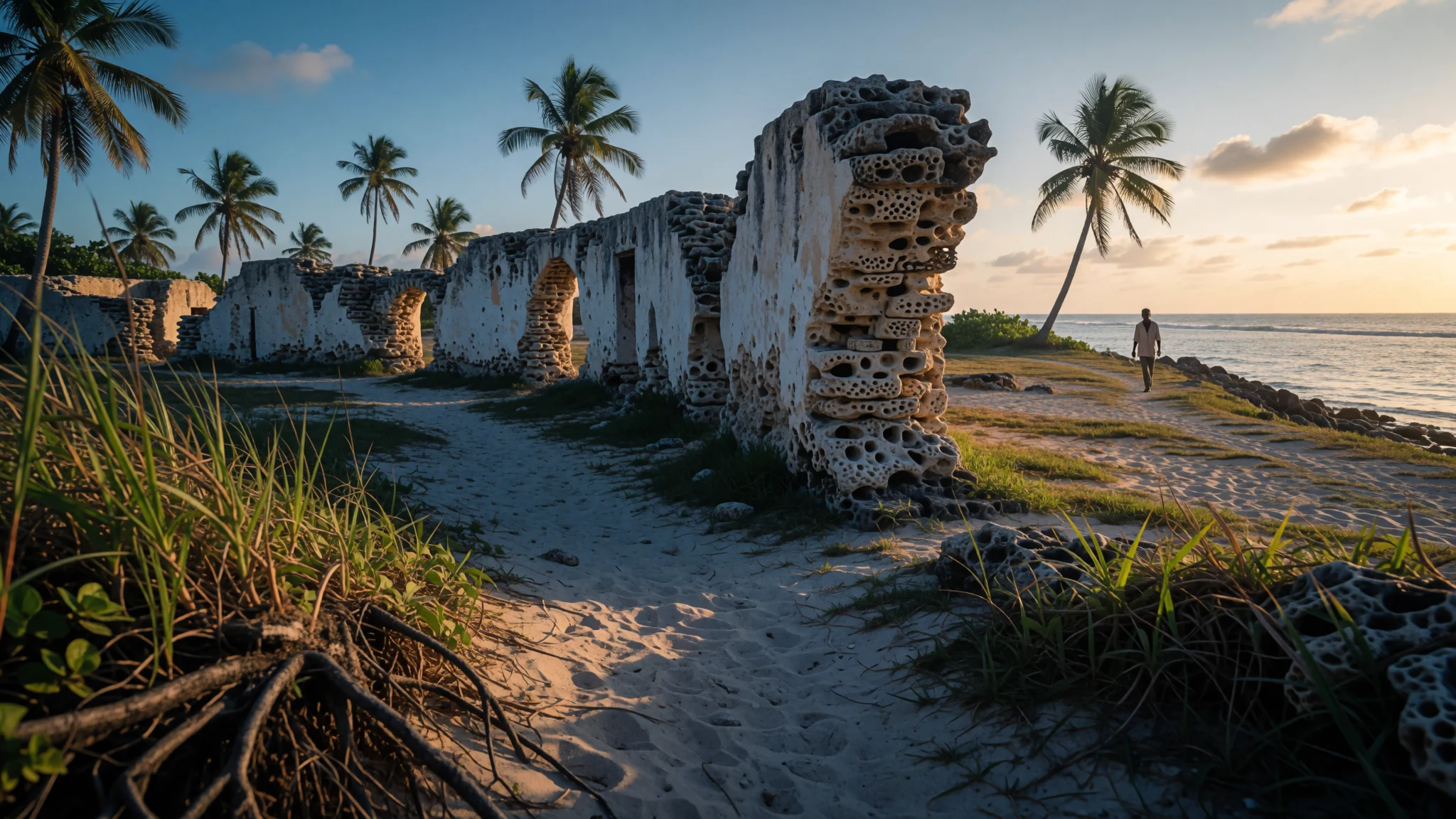
Explore the weathered coral palaces and quiet medieval ruins of a legendary Swahili sultanate island rising from the Indian Ocean.
The place
Kilwa Kisiwani lies off the southern coast of Tanzania in the Lindi region, forming part of the township of Kilwa Masoko. The island sits where the Mavuji River estuary meets the Sagarungu sound before opening into the wider expanse of the Indian Ocean. Surrounded by tidal waters and mangrove fringes, the island maintains a quiet rural character far removed from the busier northern tourist circuits of the country. Visitors cross a short stretch of water from the mainland port to reach the shores, where footpaths wind past ancient stone remnants and small modern homesteads.
Today, Kilwa Kisiwani is home to a small, resilient community of residents who live among the monumental heritage structures. While administrative tasks for the district are handled on the mainland at Kilwa Masoko, this island settlement preserves an independent rhythm shaped by the tides, fishing, and seasonal agriculture. The landscape is dotted with remnants of vaulted domes, carved coral doorways, and fallen limestone walls that bear witness to centuries of maritime history. Visitors walking the quiet paths encounter local farmers, children playing near the shoreline, and elders tending to daily village life beneath the shade of baobab and coconut palms. The slow pace of life on the island allows travellers to absorb the silent dignity of a place that once directed maritime trade across the western Indian Ocean.
Its story
Kilwa Kisiwani has a long and complex history that began around the start of the ninth century when early settlers established a coastal community on the island. Over subsequent generations, the settlement grew into the centre of the powerful Kilwa Sultanate, an influential medieval trading power whose authority extended across the entire length of the Swahili Coast. During its golden age, the island functioned as a major hub for commerce, linking the interior of Africa with traders from the Arabian Peninsula, India, and China.
The wealth generated through maritime trade transformed Kilwa Kisiwani from a simple settlement of timber and mud into a sophisticated urban centre defined by coral stone architecture, grand mosques, and multi-storey palaces. In the fourteenth century, the famous Moroccan traveller Ibn Battuta visited the island and recorded his admiration for the elegance of the town and the generosity of its rulers. However, the fortunes of the sultanate shifted dramatically following the arrival of the Portuguese Empire in the early sixteenth century, when forces sacked and burned the settlement. Despite subsequent periods of decline and colonial disruption, the ruins survived as a testament to the sophisticated coastal civilisations of East Africa. Archaeological excavations continue to uncover fragments of imported porcelain, coins, and domestic items that reveal the far-reaching connections of the medieval inhabitants.
What to see
- Great Mosque of Kilwa — Kilwa Kisiwani Island
Step inside the atmospheric prayer hall of the Great Mosque of Kilwa Kisiwani, where a flat coral-tile roof rests on nine hexagonal columns cut from single tree trunks and a later extension adds one grand dome that has weathered centuries of coastal winds and tropical monsoons, offering a striking glimpse into medieval Islamic architecture in East Africa.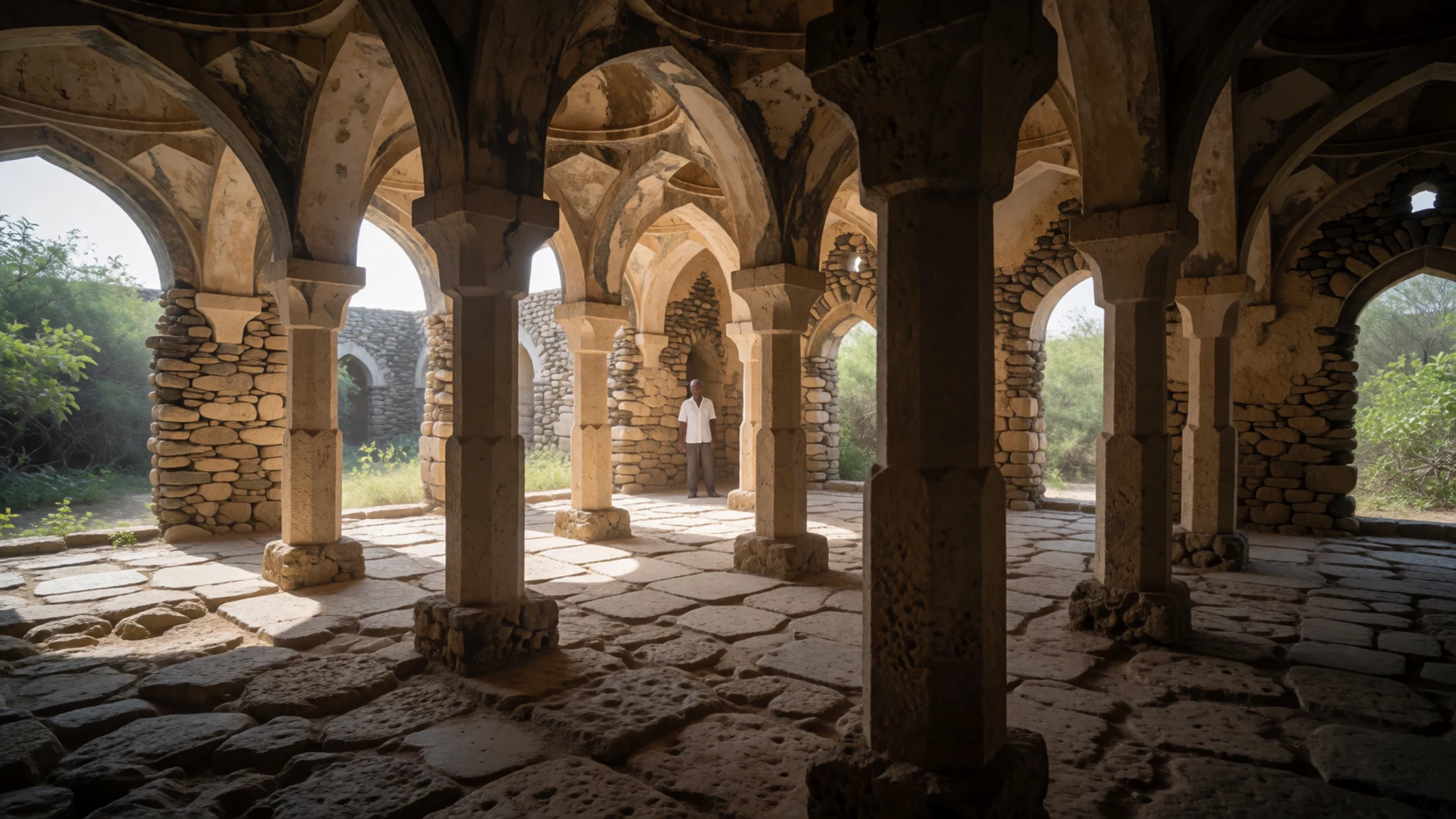
- Husuni Kubwa Palace — Kilwa Kisiwani Island
Wander through the sprawling clifftop ruins of Husuni Kubwa Palace on Kilwa Kisiwani, featuring terraced courtyards, subterranean chambers, and remnants of an ancient octagonal pool that once overlooked the crashing waters of the Indian Ocean during the sultanate's peak.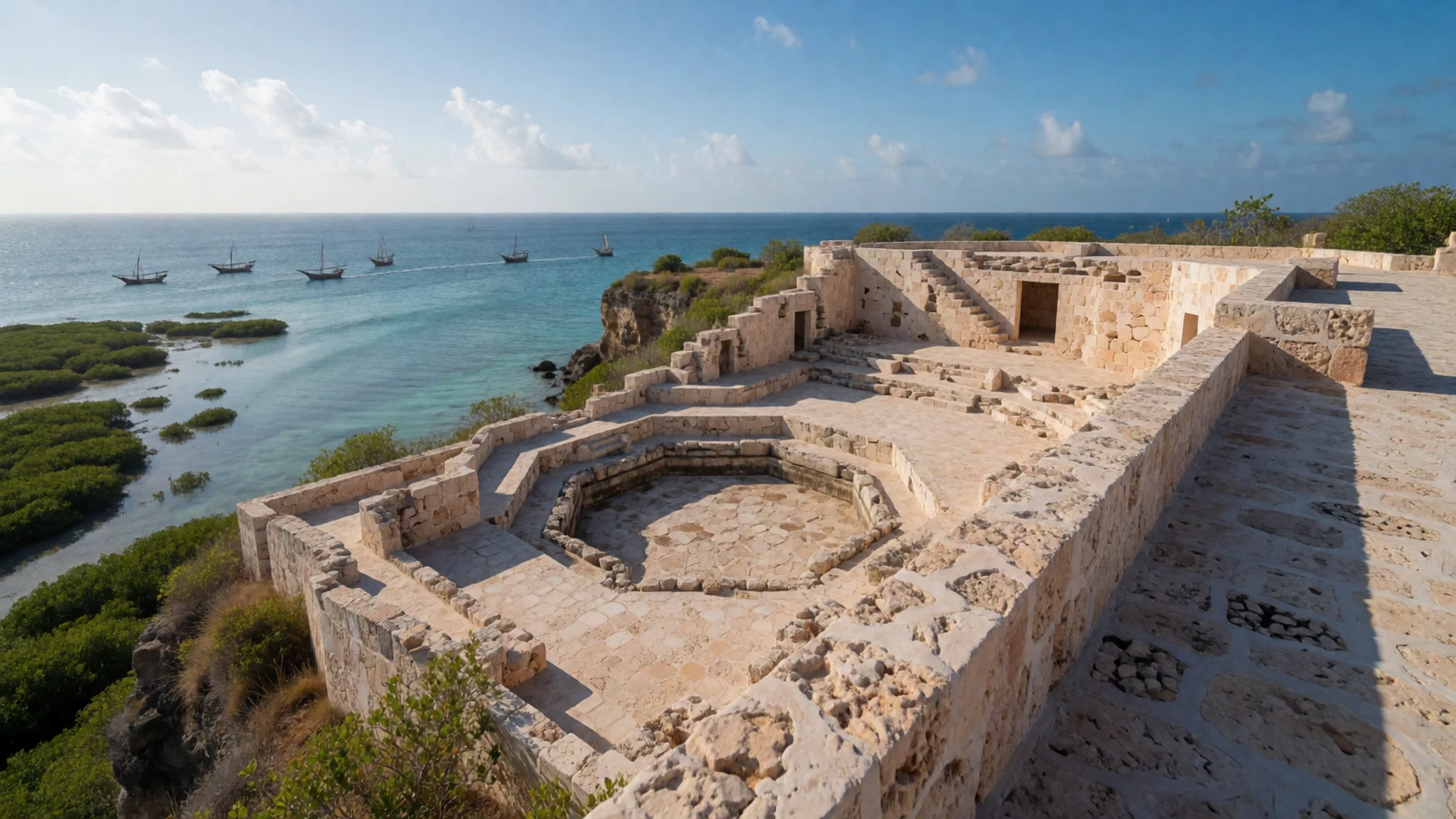
- Gerezani Fort — Kilwa Kisiwani Island
Inspect the rugged stone walls of Gerezani Fort on Kilwa Kisiwani, a defensive structure that stands near the landing point and reflects the later turbulent eras of foreign military influence and shifting geopolitical control along the historic Swahili coastline.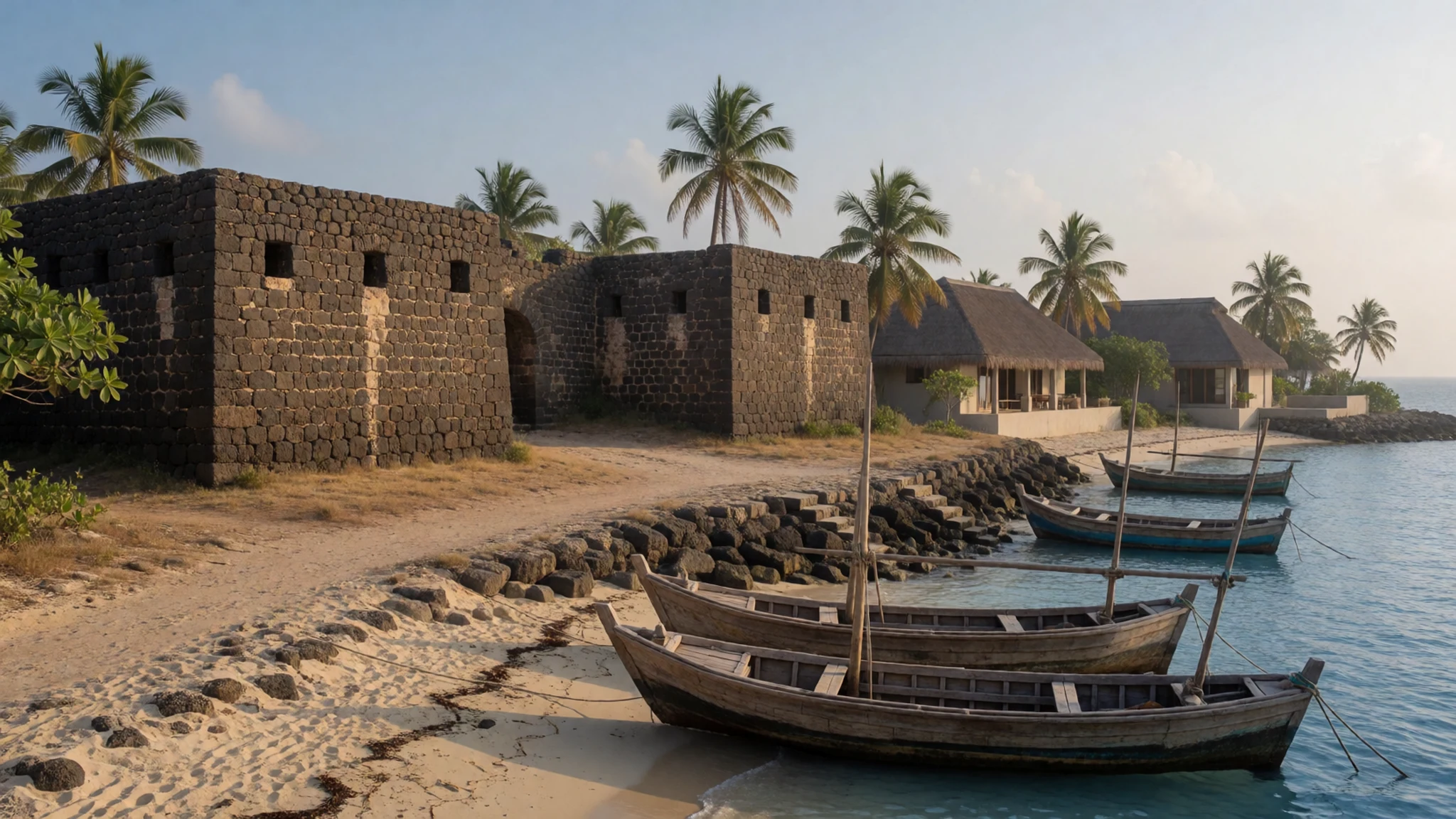
- Small Domed Mosque — Kilwa Kisiwani Island
Discover the intimate proportions of the Small Domed Mosque on Kilwa Kisiwani, showcasing intricate coral masonry techniques and quiet prayer spaces tucked away from the main palace ruins among coastal scrub and whispering palm trees.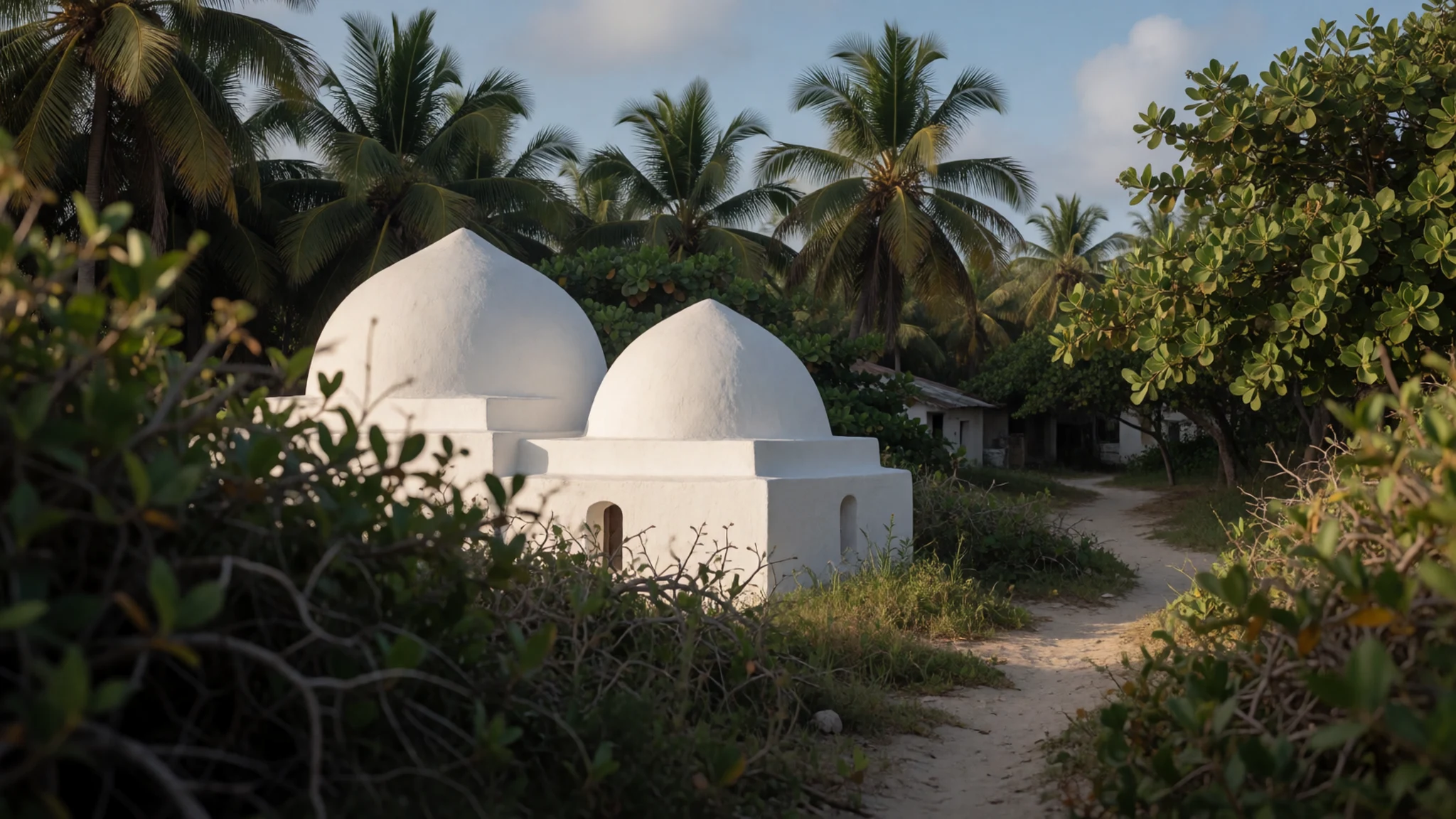
- Kilwa Kivinje — Mainland Kilwa District
Take a day trip across to the mainland town of Kilwa Kivinje, a charming and sleepy historic settlement built in traditional Swahili coral-rag style, offering quiet streets, old colonial-era buildings, and a glimpse into nineteenth-century coastal trading life.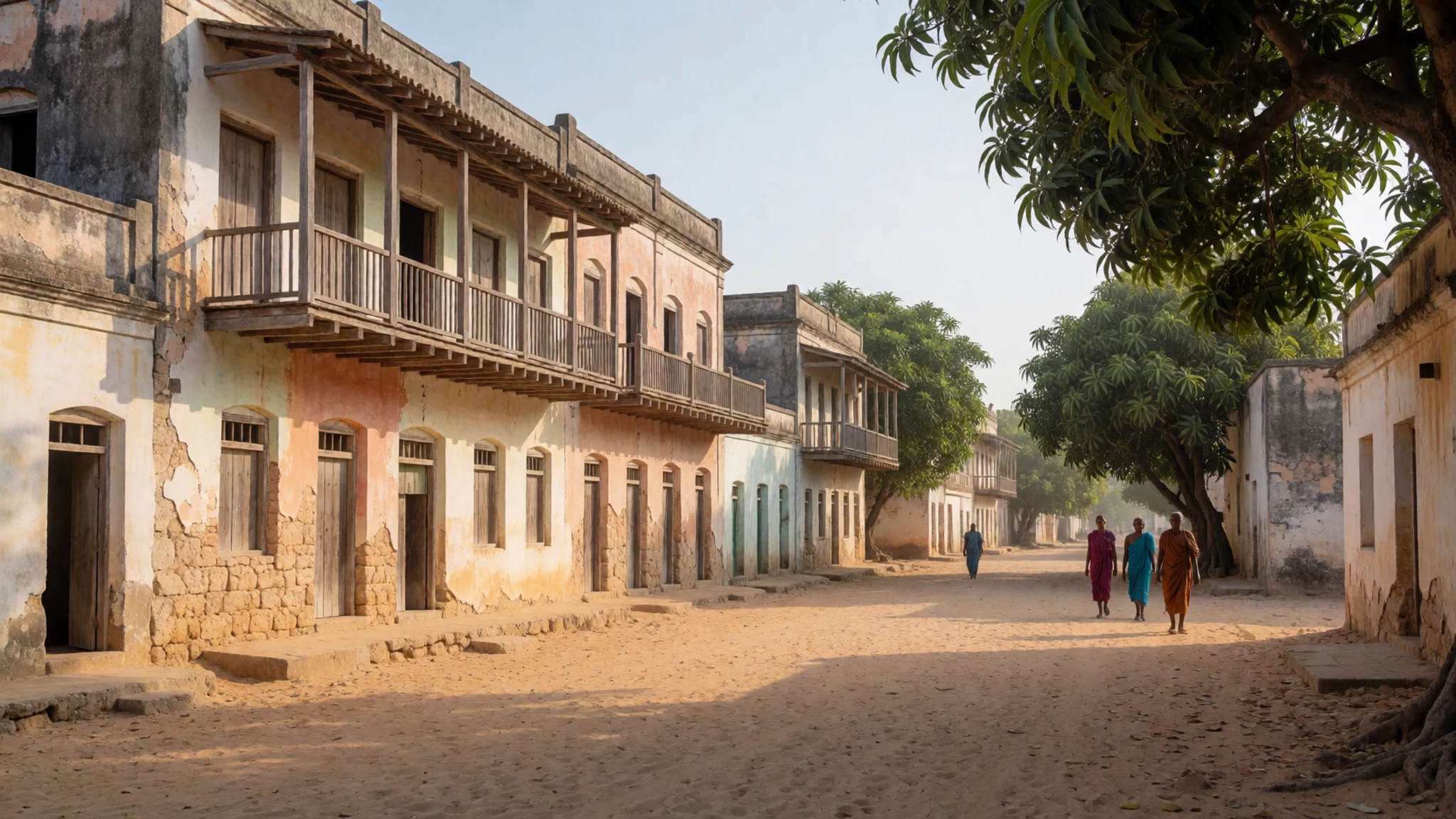
Culture
Life on Kilwa Kisiwani is deeply rooted in Swahili traditions, Islamic heritage, and communal ties that have bound generations of islanders together. Social structures emphasise hospitality, respect for elders, and a gentle pace of daily interaction that reflects the quiet isolation of the island. Swahili culture here is an organic synthesis of African roots and centuries of maritime exchange with traders from across the Indian Ocean, evident in local music, language, and architectural styles. Residents maintain close connections to the sea through fishing traditions, while seasonal farming sustains the village inland. Visitors are welcomed with customary warmth, but they should remain mindful that the island is an inhabited community rather than an open-air museum. Always ask for permission before photographing local residents, particularly women and children, and engage local guides through official channels to support the preservation of the heritage site. Dress modestly out of respect for local religious and cultural norms, ensuring shoulders and knees are covered when walking through the village paths.
What to wear
Traditional attire on Kilwa Kisiwani reflects the coastal Swahili heritage, where garments are chosen for comfort in the tropical heat and adherence to modesty customs. Men frequently wear lightweight cotton shirts paired with colourful khangas or traditional caps, while women commonly wrap themselves in vibrant khangas and kitenge fabrics featuring bold patterns and printed proverbs. These textiles serve both practical and expressive purposes, acting as daily garments, headwraps, and baby carriers.
In contemporary daily life on Kilwa Kisiwani, younger residents often wear casual western-style shirts and trousers, though traditional wraps remain the preferred choice for domestic work and community gatherings. For visitors exploring the island, lightweight, breathable cotton and linen clothing is essential to cope with the humid coastal climate. Modesty is important in the village and near sacred heritage sites; visitors should avoid wearing revealing swimwear or shorts away from private beach areas. Comfortable walking shoes or sandals with good grip are recommended for navigating uneven terrain, ancient stone rubble, and sandy pathways across the ruins.
What to eat
- Fresh Seafood — Northeastern beach and local market areas
Sample the catch of the day, including various local fish grilled over charcoal or simmered in coconut milk, sourced directly from local fishermen and available at the northeastern beach and the market in Kilwa town on the mainland.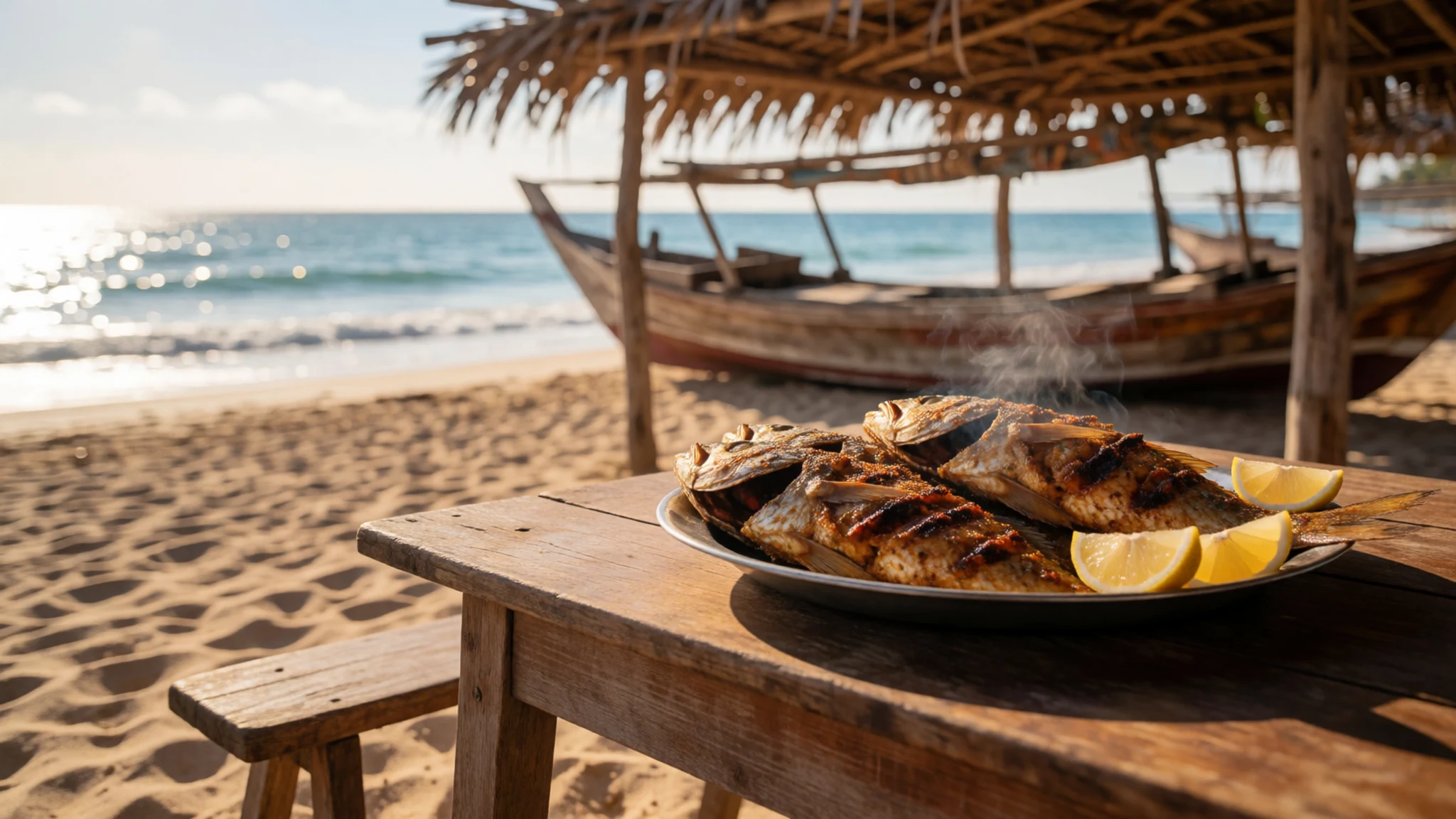
- Grilled Octopus and Calamari — Market stalls and shoreline gathering spots
Enjoy tender pieces of octopus and calamari seasoned with local spices and grilled over open flames, sold as a very convenient, affordable snack at market stalls in Kilwa town on the mainland.
- Seasonal Tropical Fruits — Central market stalls
Refresh yourself with an abundant selection of seasonal tropical fruits such as mangoes, pineapples, and bananas sold by local farmers and traders at the central market in Kilwa town on the mainland. - Local Beers and Beverages — Town centre shops and local night venues
Cool down with local beers and refreshing soft drinks served at various social spots and small establishments operating within the town centre of Kilwa town on the mainland.
Plan it
Best time. June to September offers the most comfortable weather, with the coolest days and the least rain, making it ideal for exploring the outdoor ruins and taking boat trips, while March is the hottest month and April the wettest.
How long. 2
Getting there. Fly with Coastal Airways into the local airstrip or take a long-distance bus from Dar es Salaam or southern towns like Mtwara and Lindi to Nangurukuru, then catch a local taxi or minibus to Kilwa Masoko and hire a boat across to the island.
Budget. mid
Tips
- Arrange your heritage entry permit at the antiquities office near the port before taking the boat to the island
- Negotiate boat transport prices clearly with local boatmen at the harbour
- Carry sufficient cash as card payment facilities are generally unavailable on the island
- Bring plenty of drinking water and sun protection as shade among the ruins is limited
Etiquette
- Dress modestly by covering shoulders and knees out of respect for local residents and religious traditions
- Always ask permission before taking photographs of local people and village activities
Nearby
Sources
- Wikidata Q1741475 (CC0)
- Wikipedia (rev 1382831470) (CC-BY-SA 4.0)
- Wikivoyage (rev 5160942) (CC-BY-SA 4.0)