Dodoma
Dodoma, Tanzania
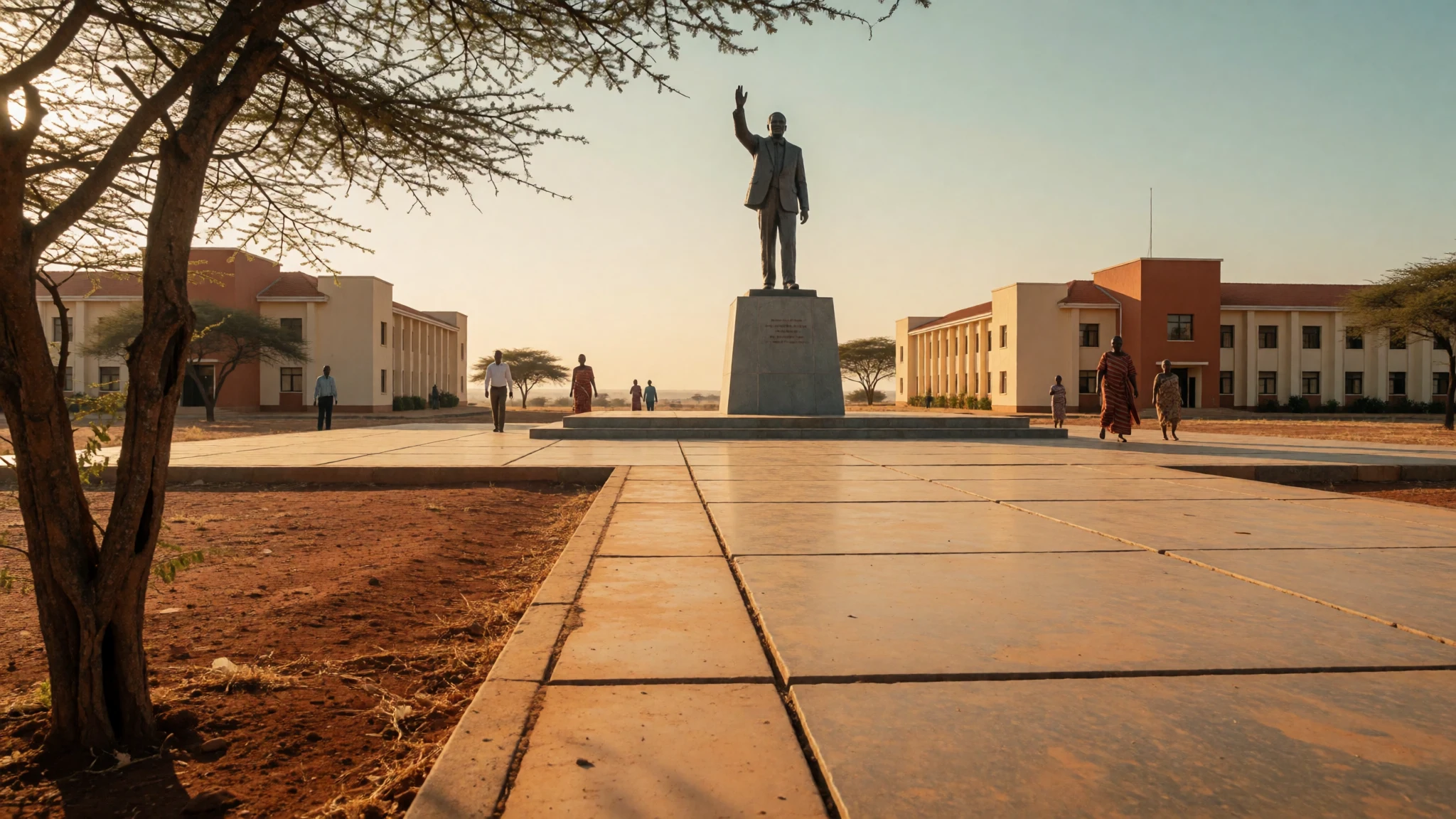
Dodoma is Tanzania's inland capital, a spread-out government city on a dry plateau, worth a short stop between the coast and the north.
The place
Dodoma sits almost at the centre of Tanzania, on a dry upland plateau 1,120 metres above sea level. It is the country's official capital, with a population of 765,179 in 2022. The city is low-rise and spread out, closer to a set of government districts, university campuses, markets and wide roads than to a compact old centre. Distances explain the logic of the location: Dar es Salaam lies 453 kilometres to the east, Arusha 441 kilometres to the north, and Morogoro and Iringa are each about 260 kilometres away. Dar es Salaam still holds the port and most of the commercial life, while Dodoma holds parliament and the ministries that have been moving in. It is not a tourist town. There is no famous skyline and few attractions built for outsiders. What it offers is a look at a capital being assembled: new offices beside older neighbourhoods, a mosque and a market within reach of a square with a statue of Julius Nyerere, students walking between lecture blocks, civil servants at lunch. The climate is semi-arid, warm to hot all year, and the surrounding country is red earth, thorn scrub and granite outcrops. The name comes from the Gogo language and is usually glossed as 'it has sunk'. Dodoma works best as a short stop on a route across Tanzania, or as a way to understand how the country governs itself, rather than as a destination on its own.
Its story
Dodoma began as a small market settlement, remembered locally as Idodomya, and grew into a railway town under German colonial rule while the central line was being built. Modern Dodoma was founded by German colonists in 1907. The layout followed the habit of the time, with a European quarter kept apart from the African village. After independence, Tanzania's leaders looked at Dar es Salaam, crowded and sitting on the far eastern edge of the country, and began to ask whether the capital belonged somewhere else. A Canadian planning firm had been hired to draw up a master plan for the coastal city, but that plan was dropped, partly because it did not deal with the city's deeper social problems. In 1973 Dodoma was named the future political capital. In 1974, after a national referendum, the government announced the move, arguing that a central seat of government would help the middle of the country and bring the state closer to everyone. Moving a capital proved slow. Parliament buildings went up first, ministries followed in stages, and Dodoma became the official capital in 1996. A new State House was unveiled in 2023 under President Samia Suluhu. Even so, Dar es Salaam kept its own Ikulu and a number of government functions. The result is a city whose age is hard to read: a railway-era core, planned government districts, and newer university and housing areas spreading across the plateau.
What to see
- Nyerere Square — Central Dodoma
The civic square in central Dodoma is the easiest place to start. A statue of Julius Nyerere stands here, and the open space shows how the city was laid out for public gatherings. Go early or late, because there is little shade and the midday sun is strong.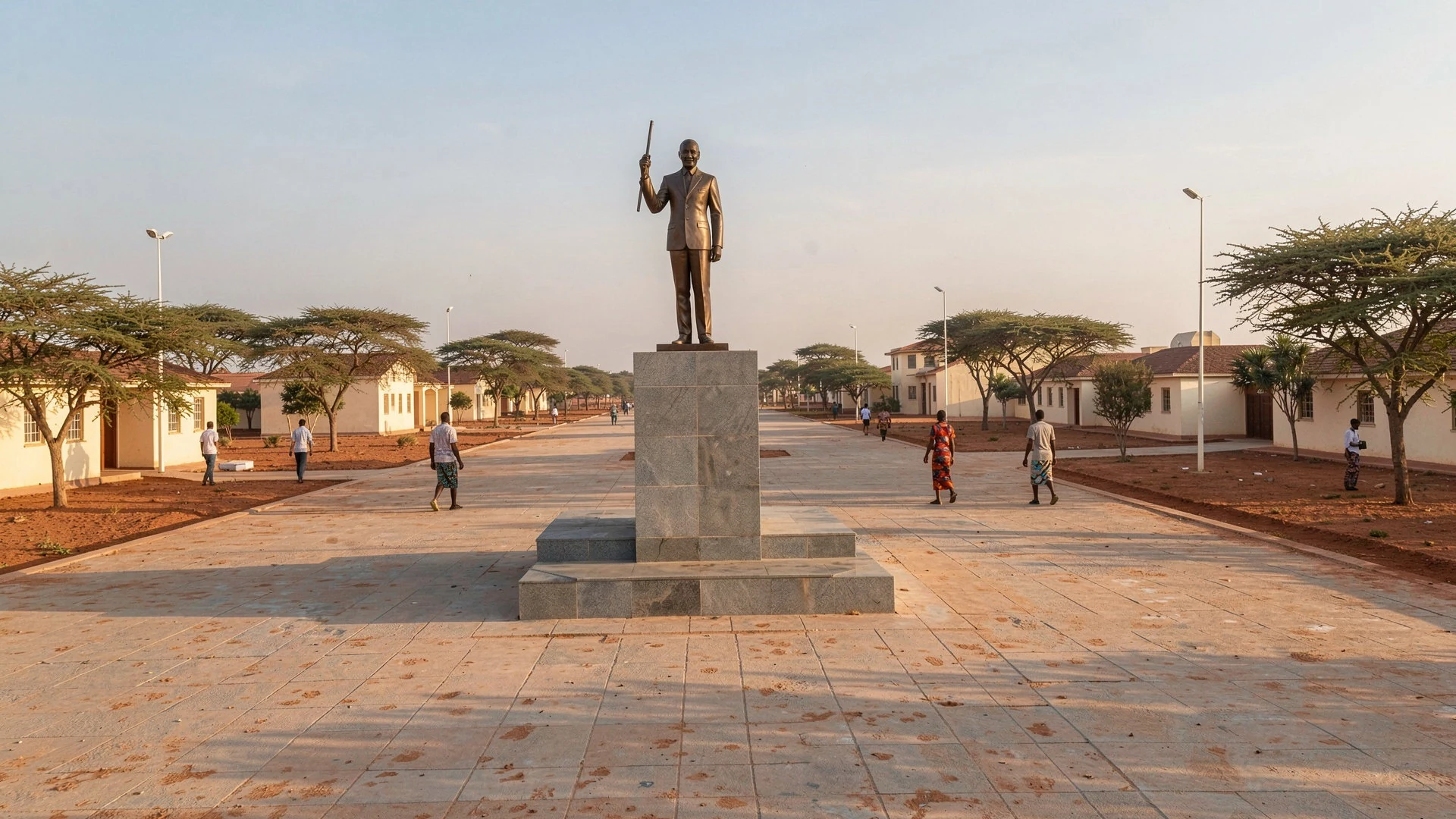
- Bunge la Tanzania (Parliament) — Government area
The parliament buildings are the reason the city exists in its present form. Access can be restricted, and photography has been described as needing official permission, so treat it as forbidden unless told otherwise. Seeing the grounds from the road is often as far as a visit goes.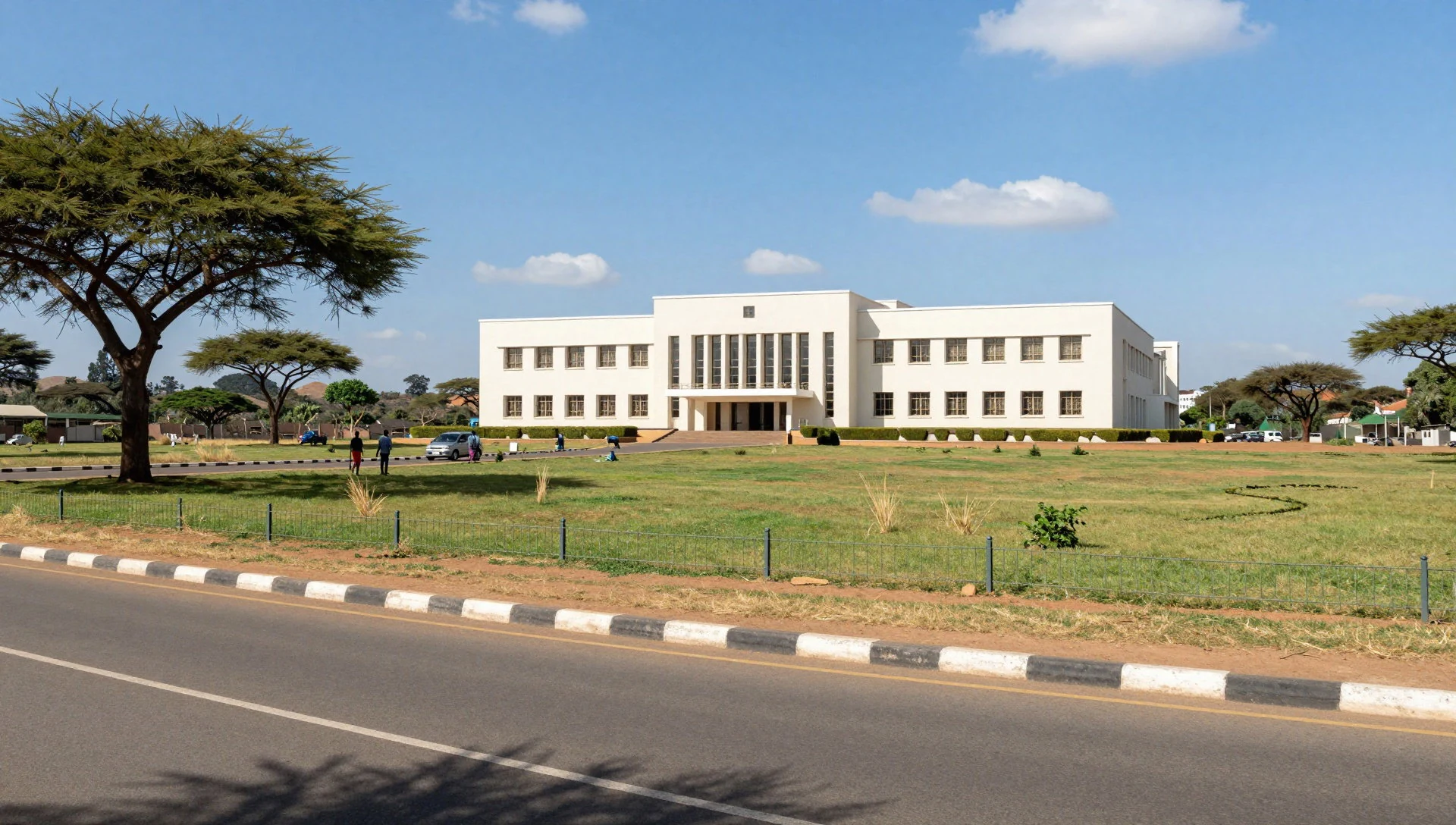
- Ismaili Mosque — Central Dodoma
The mosque is one of the more distinctive buildings in the centre and a reminder of the long-established Muslim and South Asian communities in Tanzanian towns. Admire it from outside unless someone invites a visit, and avoid prayer times.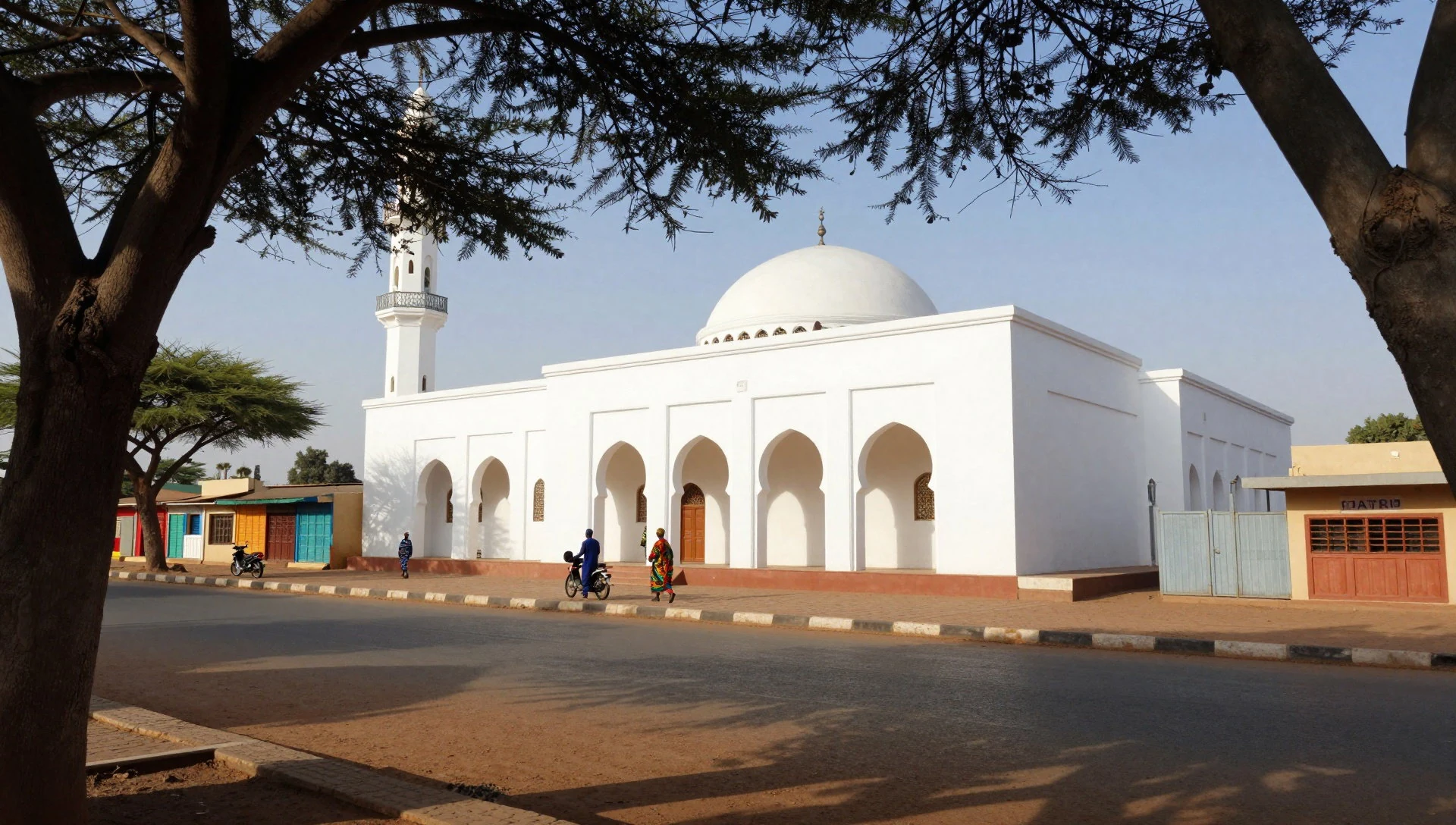
- Lion Rock (Simba Hill) — North of the city
A hike up this outcrop on the north side of the city gives a wide view over the plateau and the city's spread. Reports of muggings mean it is sensible to go in a group of at least four, in daylight, and to leave valuables behind.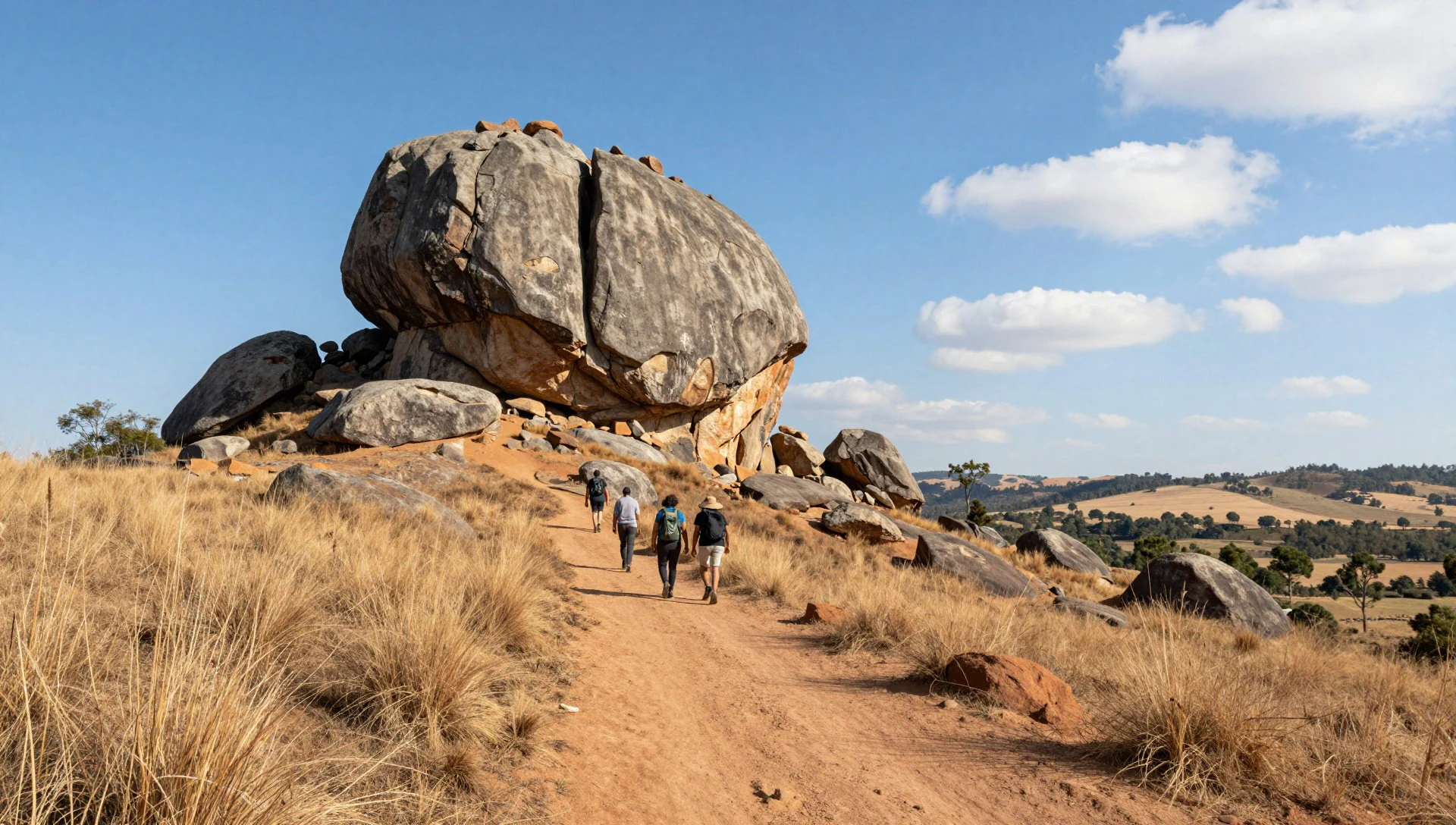
- University of Dodoma — University campus
The university campus is one of the city's largest institutions, with an administration building and long, tree-lined access roads. It shows the younger side of Dodoma, and it is a pleasant place to watch student life, though visitors should ask at the gate before walking in.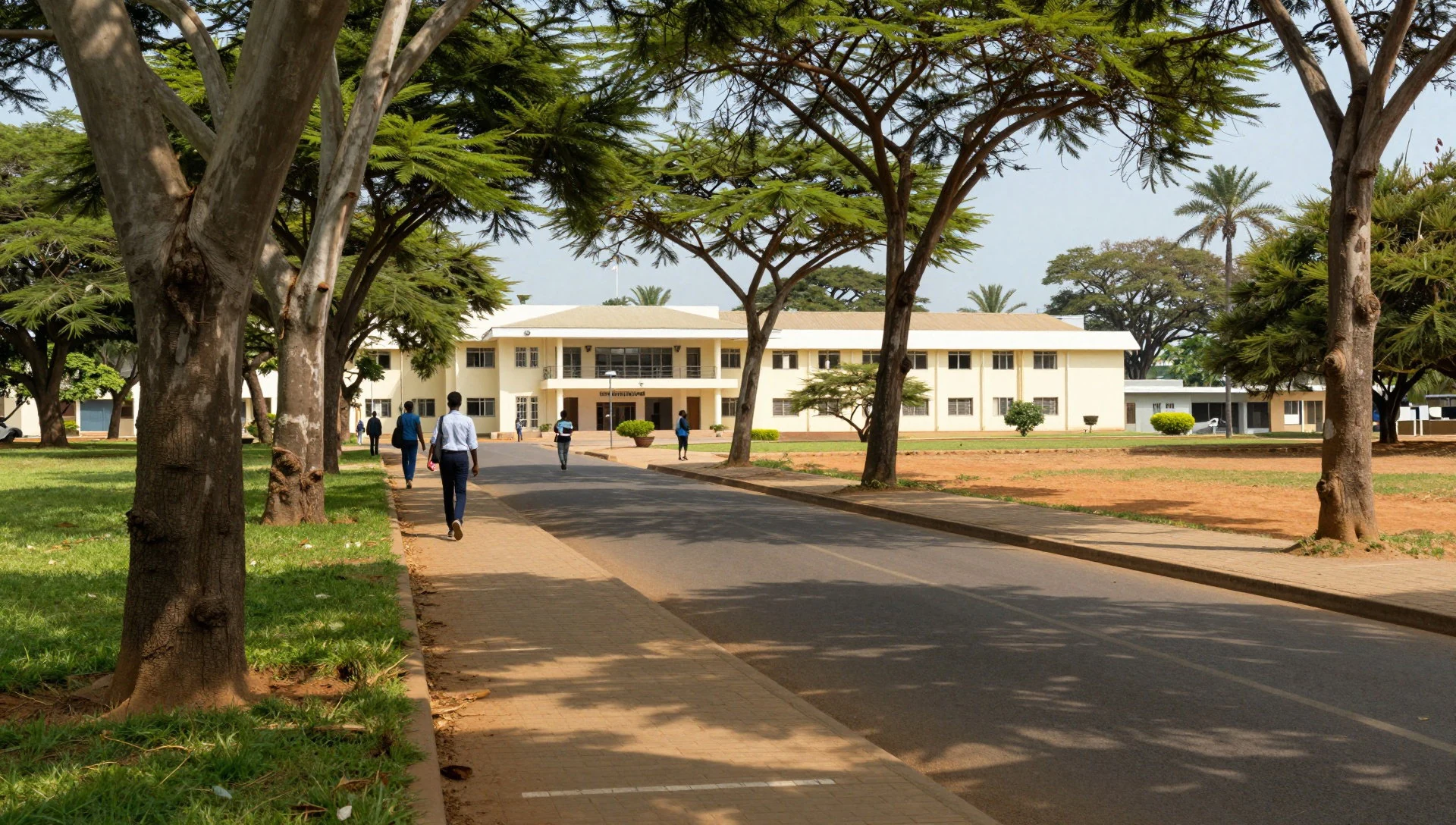
Culture
Dodoma is a Swahili-speaking city with Gogo roots and a population drawn from across Tanzania, because civil servants, students and traders arrive from every region. The result is mixed and fairly relaxed. Swahili is the shared language of government, schools and the street, and English is widely understood in offices and hotels, though less so at a roadside stall. Christian and Muslim communities live side by side, and churches and mosques are part of the daily landscape. During Ramadan, some restaurants serve food only after sunset, and alcohol is not available everywhere. Greetings carry real weight. People ask after health and family before getting to business, and a rushed opening question can sound abrupt. A handshake is normal, often held a moment longer than in Europe, and using the right hand for giving and receiving is polite. Tanzania has a strong tradition of public courtesy, and shouting or visible impatience in queues rarely helps. As a government city, Dodoma also has a cautious attitude to cameras around official buildings, which is why photography near parliament and other state sites is treated seriously. Football, school life, church choirs and market bargaining fill much of the week's social calendar, and conversations with strangers often turn to these. Visitors who show interest in local life, and who learn a few words such as 'habari' and 'asante', usually find the welcome warm. Always ask before photographing people, and never photograph parliament, police or other government buildings without clear permission.
What to wear
Traditional dress in Dodoma draws on both Gogo heritage and wider Swahili-speaking custom. Women commonly wear kanga, printed cotton cloths usually sold in pairs and often carrying a short Swahili proverb along the border, and kitenge, a heavier printed cotton cut into dresses, wraps and head ties. Men may wear a kanzu, a long white robe, with an embroidered kofia cap for Friday prayers or Eid, and Gogo beadwork and cloth appear at ceremonies and dance performances. Day to day, the city dresses more like a capital than a village. Civil servants and office workers wear suits, long-sleeved shirts or smart tailored kitenge, students wear uniforms or jeans and trainers, and traders favour light cotton in the heat. Tailors are everywhere, and many people have outfits made from market cloth. Visitors should plan for sun and dust. Light cotton or linen that covers shoulders and knees is comfortable and respectful, especially near mosques, churches and government offices. Bring a wide-brimmed hat, sunglasses and sunscreen for the plateau, and closed shoes or sturdy sandals for dusty roads and any hike. Evenings in the dry season can be cool, with lows near 9 °C in July, so a light jumper or jacket is useful. Swimwear belongs at a hotel pool, not on the street, and women travelling alone will find a kanga a handy cover-up.
What to eat
- Kiti moto (grilled pork) — Roadside grills near the highway junctions
Grilled pork cooked over charcoal and served in pieces with salt, chilli and sides such as fried plantain or raw onion. It is a local favourite in Dodoma, best eaten in the evening with a cold drink.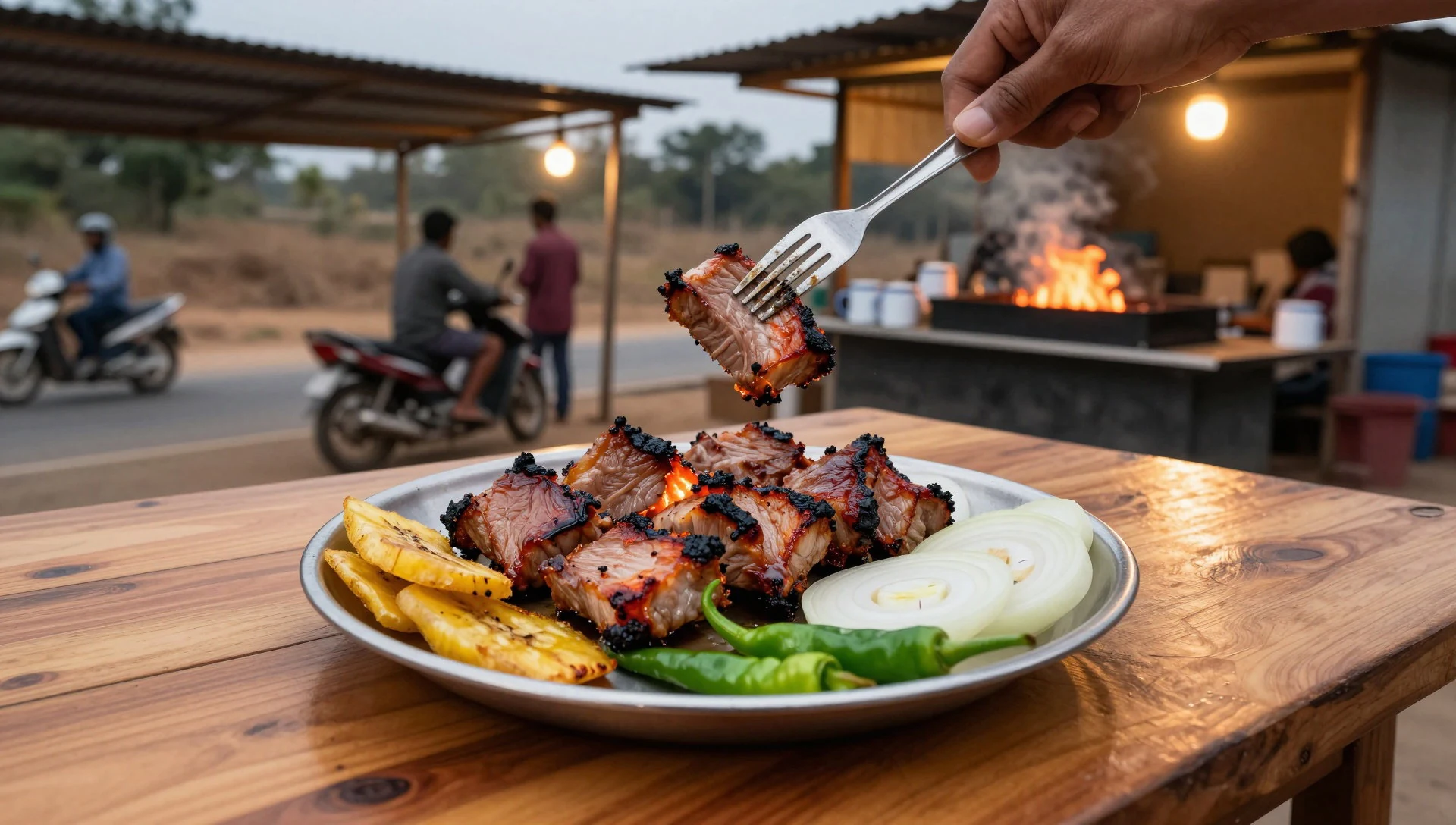
- Nyama choma and mishkaki — Evening grill stalls and local eateries
Grilled goat or beef, sold by weight or as marinated skewers called mishkaki. The meat arrives hot from the coals with kachumbari, a fresh tomato and onion salad. Look for a busy grill, since turnover means fresher meat.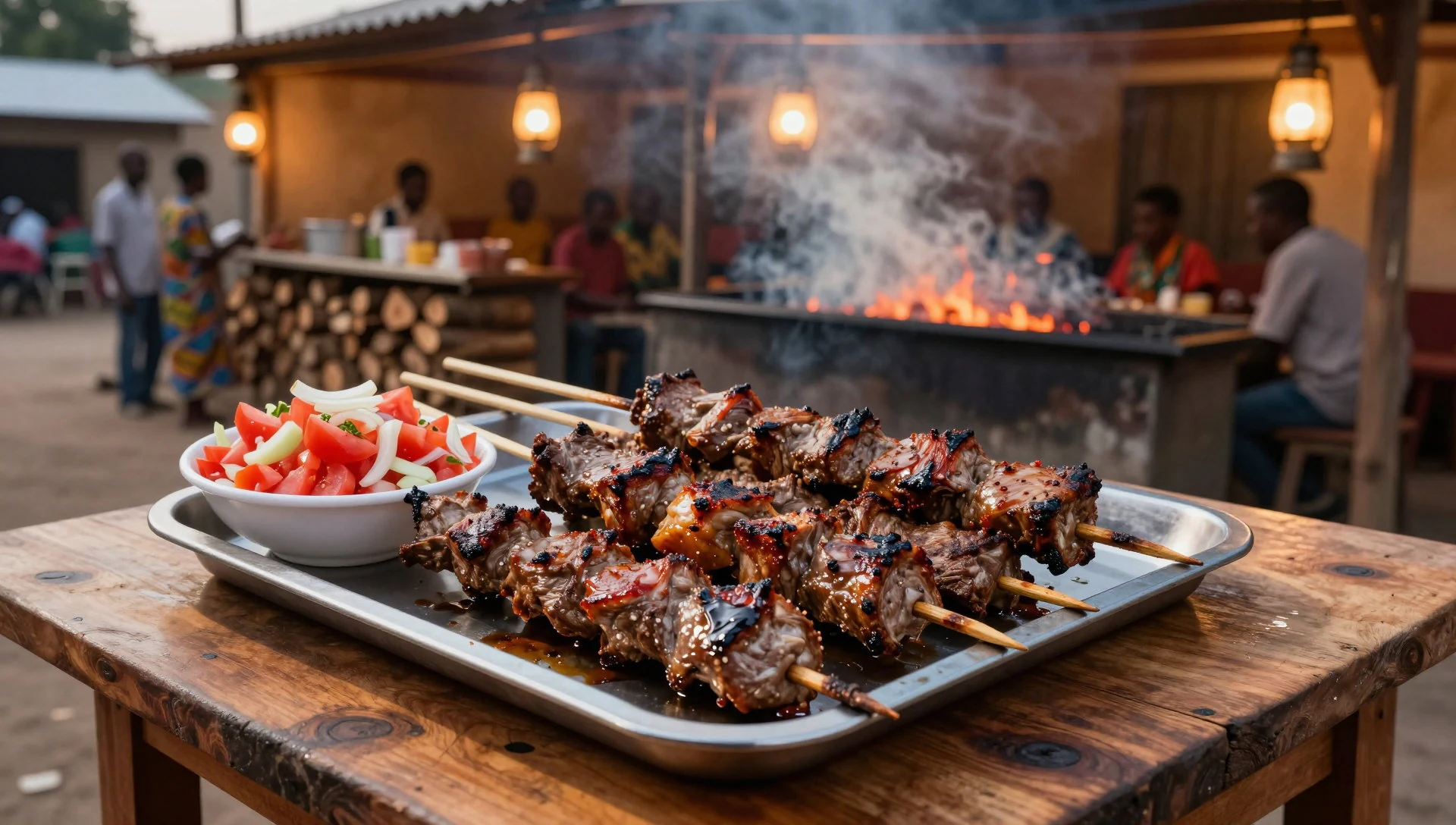
- Ugali with beans or greens — Market canteens and everyday local eateries
A stiff maize porridge eaten by hand, shaped into a ball and used to scoop up stewed beans, leafy greens or fish. It is cheap, filling and found everywhere, and it is the staple of an ordinary Tanzanian lunch. - Pilau — Local eateries and lunch stalls
Spiced rice cooked with meat in a pot of cardamom, cumin and cloves, a dish with coastal and Indian influences. It is served at weddings and Eid and also sold as a plain lunch, often with kachumbari on the side. - Chipsi mayai — Street stalls near the university and the bus stand
A chip omelette: fried potatoes cooked into beaten egg and served with chilli sauce or salad. It is a quick street snack, popular with students, and one of the few dependable options for vegetarians. - Indian thali and curries — Small cafes in the town centre
A legacy of the South Asian community, with small cafes serving rice, dal and vegetable and meat curries. They are good value and popular with expatriates and office workers, and a useful alternative when the grill gets repetitive.
Plan it
Best time. June to October, the dry season, when days are warm rather than humid and nights can be cool, with July lows near 9 °C. Most of the roughly 730 mm of annual rain falls between December and April, which can mean muddy roads and slower travel.
How long. 1–2
Getting there. Dodoma has a small airport, but it cannot take larger aircraft, so most visitors arrive by land. High-speed trains run from Dar es Salaam in about 2½ hours, with slower ordinary trains taking about an hour more. Buses from Dar es Salaam take 7–8 hours with a stop in Morogoro, and buses from Arusha take around 8 hours on a paved road. Taxis and motorbike taxis cover the last leg.
Budget. low
Tips
- Book the train or a long-distance bus a day ahead, particularly around public holidays and when parliament is sitting.
- Carry cash for markets, grills and bus tickets, since cards are not accepted everywhere.
- Start sightseeing early, as there is little shade and the midday sun is strong.
- Drink bottled or filtered water and carry sunscreen for the plateau.
- Check the official site, dodoma.go.tz, for local information, and do not rely on listed opening times.
Etiquette
- Ask before photographing people, and never photograph parliament or other government buildings without permission.
- Dress modestly near mosques and churches, covering shoulders and knees.
- Greet people before asking a question or doing business.
Nearby
Sources
- Wikidata Q3866 (CC0)
- Wikipedia: Dodoma (rev 1382097229) (CC BY-SA 4.0)
- Wikivoyage: Dodoma (rev 5401185) (CC BY-SA 4.0)
- Photo: Scene at Nyerere Square, Dodoma City (Mangapwani) (CC BY-SA 4.0)
- Photo: Dodoma Mosque, Front (Mangapwani) (CC BY-SA 4.0)
- Photo: Street in Viwandani ward, Dodoma City (Mangapwani) (CC BY-SA 4.0)
- Photo: Central Dodoma (Victor Mikheev) (CC BY-SA 4.0)
- Photo: University of Dodoma (Job de Graaf) (CC BY 2.5)
- Photo: Dodoma airport (Erasmus Kamugisha) (CC BY-SA 4.0)
- Photo: University of Dodoma road (Farry kazumary jr) (CC BY-SA 4.0)
- Photo: Nyerere Square in Dodoma (Mchiriku) (CC BY 3.0)


