Kalambo Falls
Kalambo Falls, Tanzania
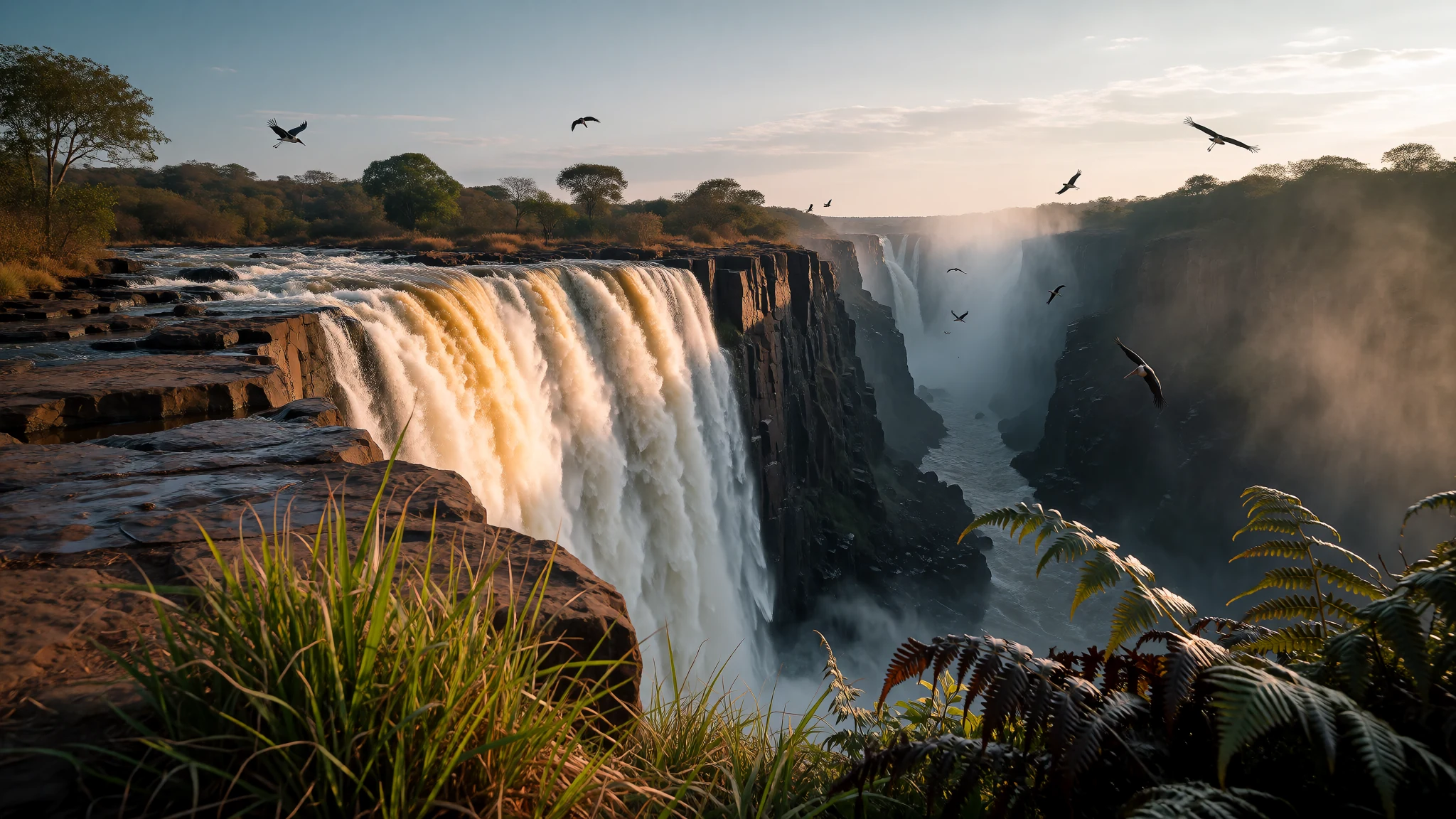
Visit Kalambo Falls to witness one of Africa's tallest uninterrupted waterfalls and explore an archaeological site spanning hundreds of thousands of years.
The place
Kalambo Falls sits on the border of Zambia and the Rukwa Region of Tanzania, positioned dramatically at the southeastern end of Lake Tanganyika. The Kalambo River feeds this striking natural wonder, sending water plummeting in a single uninterrupted drop over a sheer precipice. Below the cascade, the landscape carves its way through the rugged Kalambo Gorge, running for several kilometres before finally opening out into the vast expanse of the Lake Tanganyika rift valley. The surrounding terrain is characterised by steep escarpments, dense vegetation, and remote wilderness that feels remarkably untouched by mass tourism. Visitors arriving at this frontier destination encounter an environment where the sheer force of water has shaped both the physical geography and the deep history of the region over millennia. The remote setting requires careful journey planning, as the roads leading toward the border areas demand robust transport and a willingness to embrace rugged travel conditions. Despite the isolation, the sheer scale of the drop and the dramatic acoustic presence of the falling water create an unforgettable impression for those who make the journey to this East African borderland.
Its story
Beyond its striking physical geography, Kalambo Falls holds immense international significance as one of the most important archaeological sites in all of Africa. Human and hominid occupation at the location spans a staggering time depth, with evidence of habitation reaching back hundreds of years into the ancient past. Archaeological excavations have revealed remarkably preserved organic artefacts, including wooden tools, clubs, and digging sticks, alongside sophisticated stone implements associated with early human ancestors. Researchers have documented ancient hearths and structural remains that offer profound insights into early technological development and domestic organisation. The discovery of interlocking wooden structures fashioned by early hominids long before the emergence of modern humans highlights the site's pivotal role in understanding early human behaviour and environmental adaptation. Modern historical epochs have added further layers to the locality, intersecting with colonial administration, regional trade routes, and the broader political transformations of Zambia and Tanzania. Through every era, from prehistoric toolmakers gathered near the water source to modern explorers mapping the gorge, Kalambo Falls has remained a continuous focal point of human curiosity and endeavour.
What to see
- The Main Cascade — Kalambo Gorge viewpoint area
The primary viewpoint at Kalambo Falls offers a breathtaking vantage over the massive single drop plunging into the gorge below. Visitors can observe the immense wall of water and listen to the thunderous roar echoing off the ancient rock faces while scanning the cliffs for nesting marabou storks.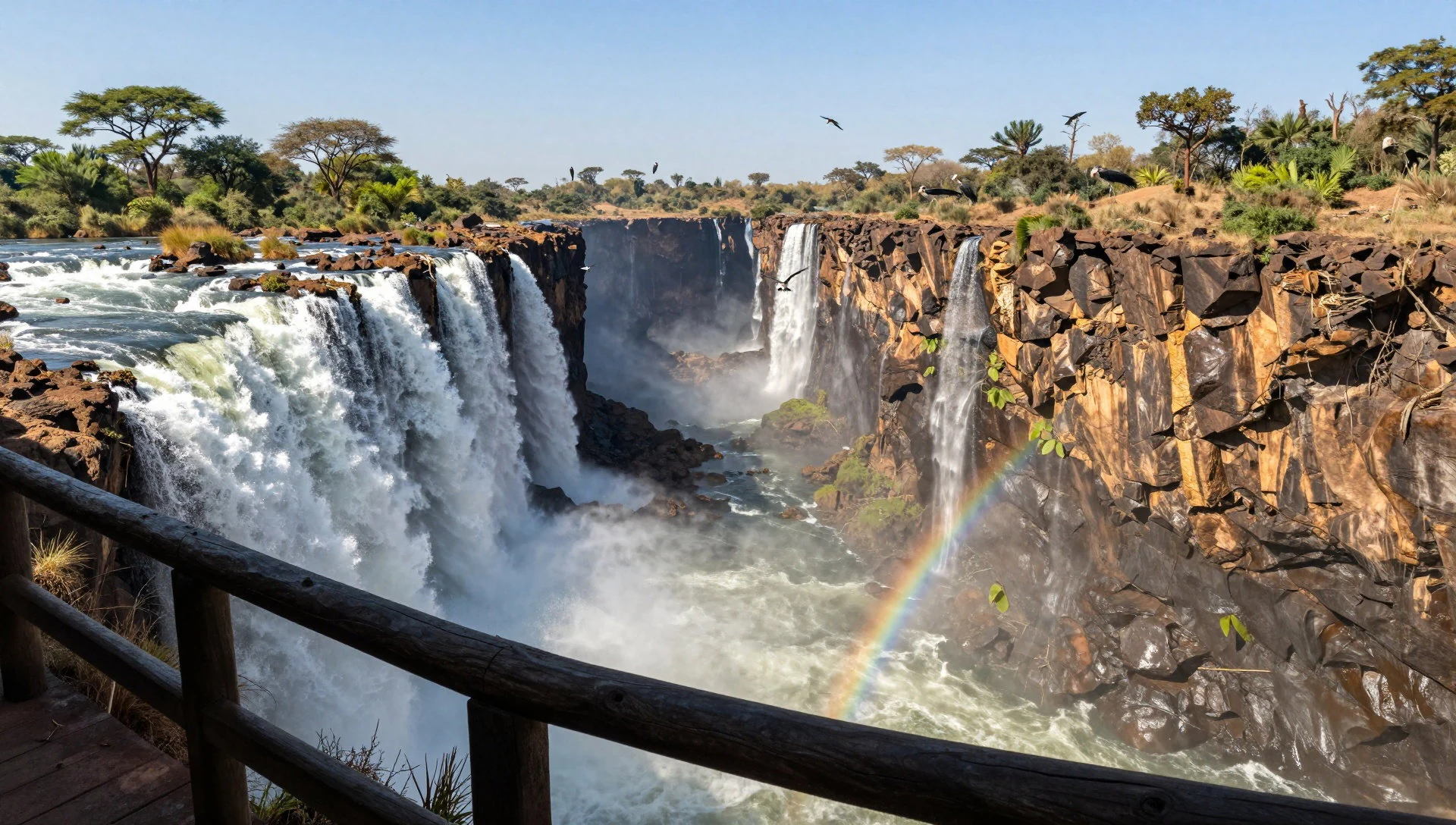
- South Luangwa National Park — Luangwa River Valley
South Luangwa National Park is a celebrated wildlife sanctuary in the broader region, renowned for its exceptionally dense and varied populations of wild animals. Travellers frequently spot elephants, giraffes, large herds of grazers, lions, and hundreds of bird species roaming freely across the expansive riverine landscape.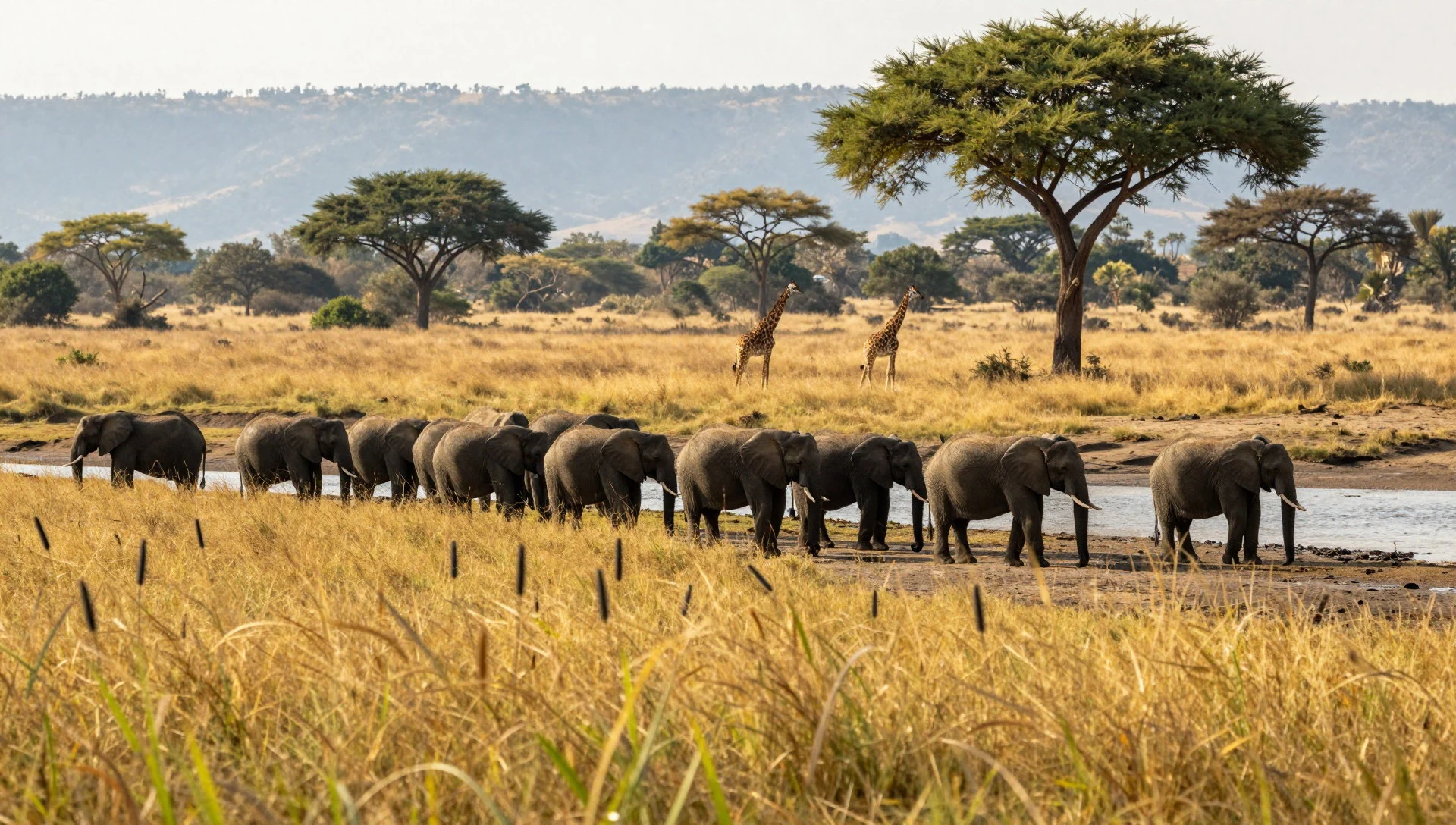
- North Luangwa National Park — Northern Zambia
North Luangwa National Park offers a much wilder and less crowded alternative for adventurous safari-goers exploring the region. The remote reserve is primarily known for massive herds of buffalo and large prides of lions that roam across its undisturbed and rugged wilderness tracts.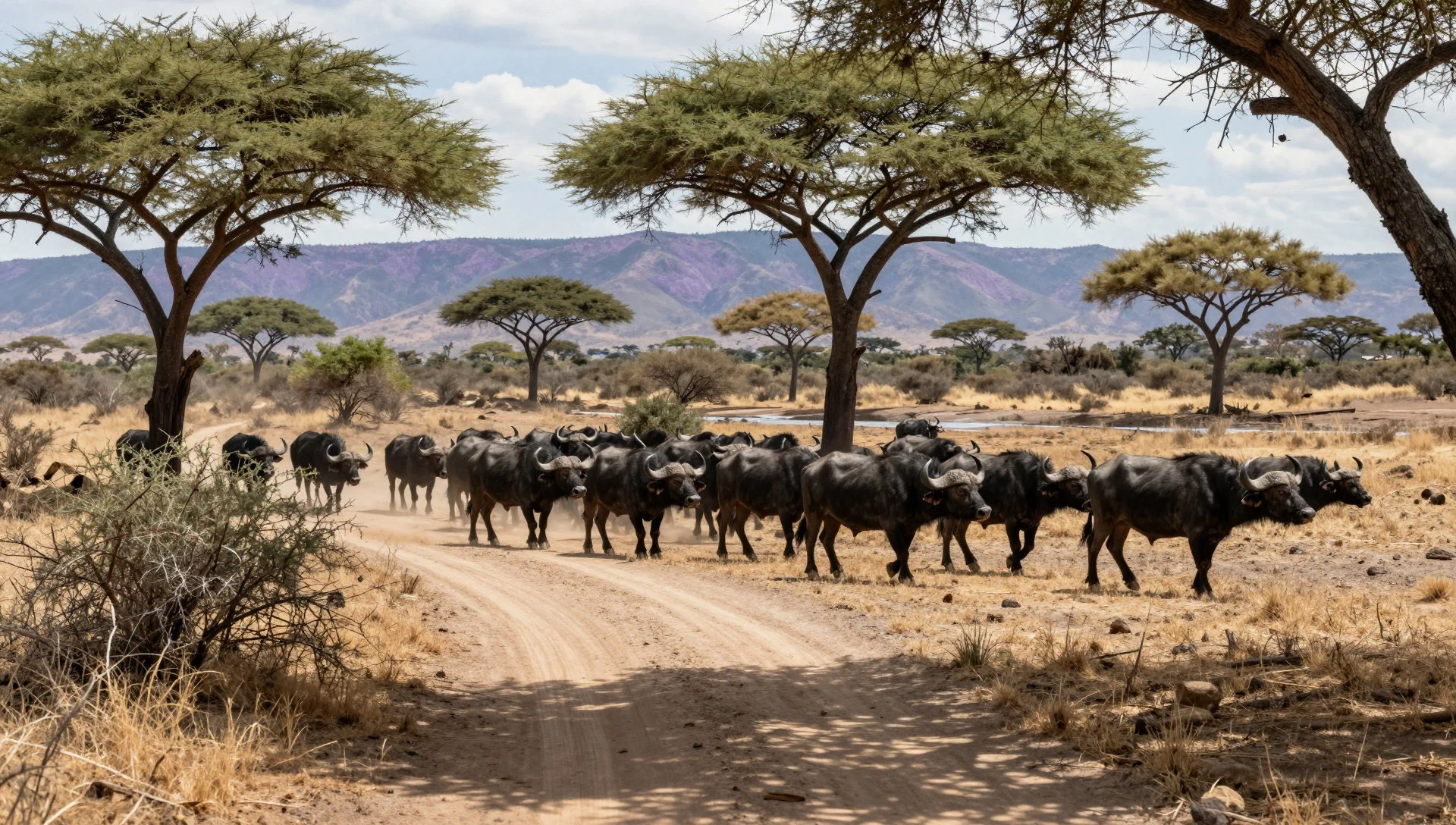
- Lower Zambezi National Park — Lower Zambezi valley
Lower Zambezi National Park preserves an untouched African wilderness where development remains strictly limited due to its former status as a presidential hunting ground. Visitors exploring this remote riparian zone can experience completely wild animal sightings with minimal vehicle traffic along the riverbanks.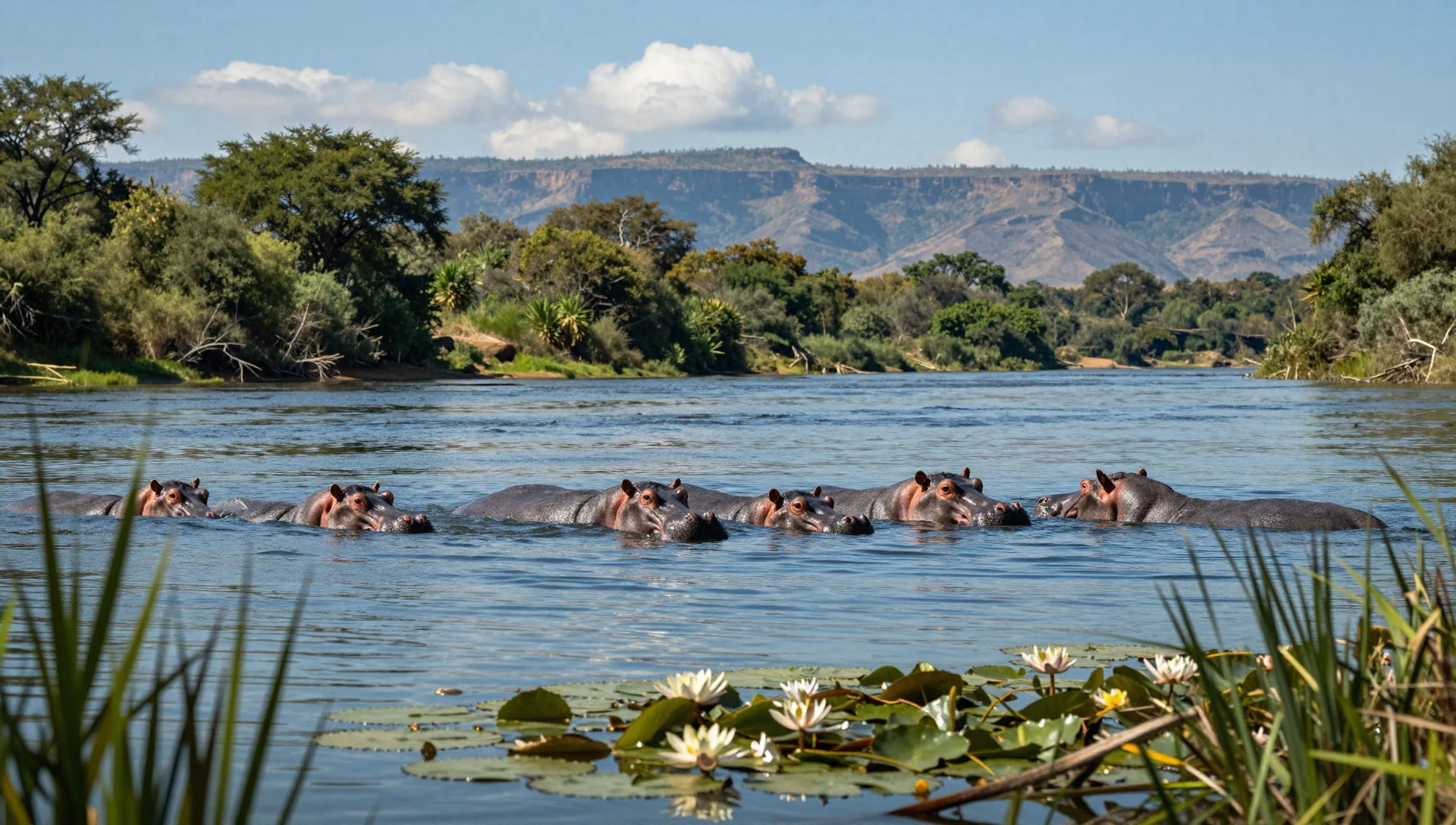
- Shiwa Ng'andu Estate — Mpika district
Shiwa Ng'andu Estate near Mpika provides a remarkable historical window into the colonial past of the region through its unique architecture and sprawling lands. The property offers visitors a fascinating architectural and social contrast to the surrounding natural wilderness and traditional rural settlements.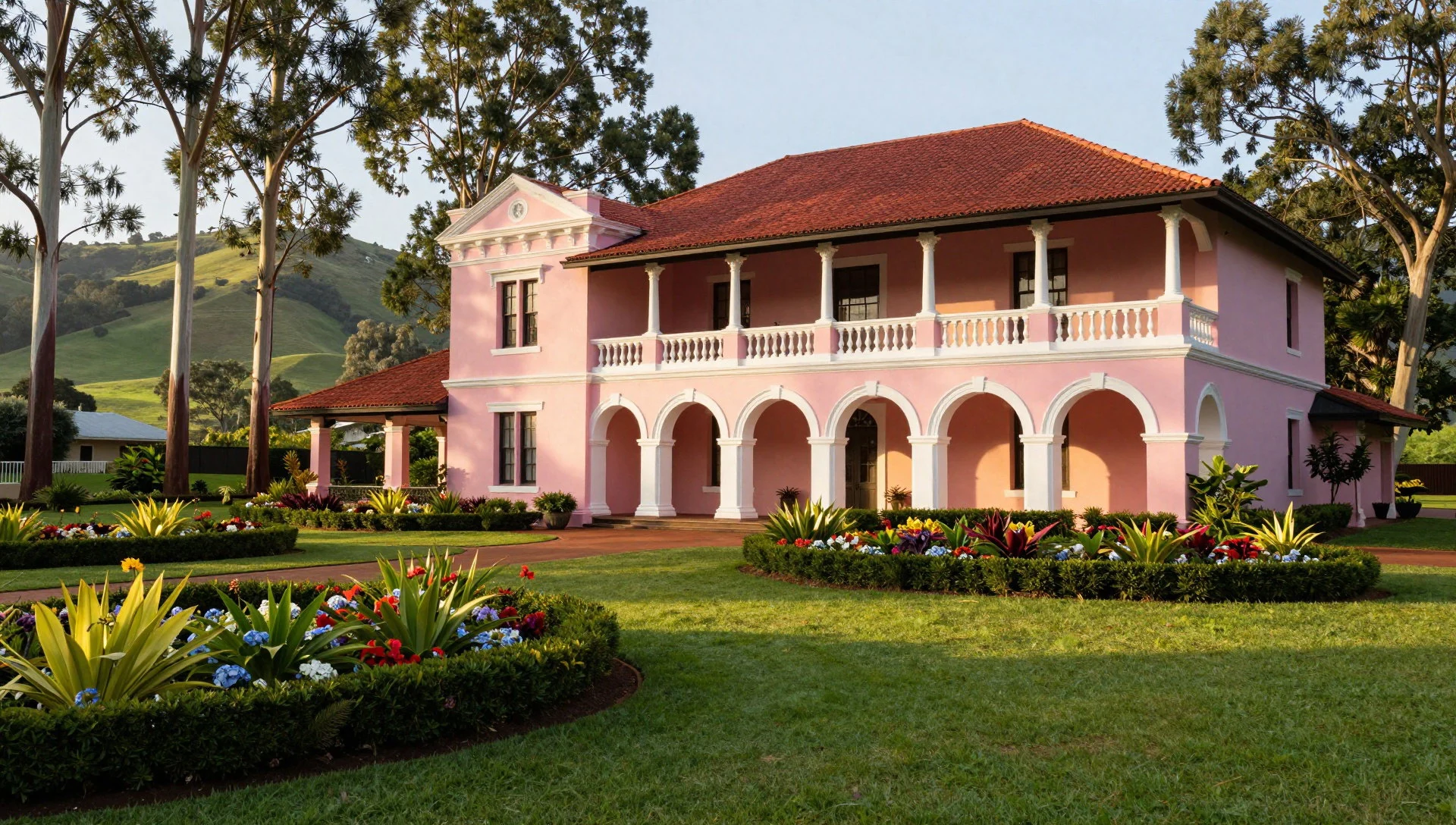
Culture
At Kalambo Falls and across the surrounding borderlands, traditional ways of life remain deeply intertwined with the land, agriculture, and communal kinship networks. Generations of local communities have preserved ancient knowledge concerning the surrounding flora, river ecosystems, and seasonal weather patterns. Social interactions are governed by deep-rooted customs of respect, hospitality, and deference to village elders during communal gatherings and ceremonies. While younger generations in regional towns increasingly adopt modern global fashions and digital connectivity, rural communities maintain traditional practices, local languages, and artisanal crafts. Festivals and seasonal gatherings serve as vibrant expressions of shared heritage, bringing together music, dance, and storytelling that have been passed down through centuries. Visitors are encouraged to engage with local residents politely, acknowledging community leaders and asking for permission before photographing individuals or sacred natural sites.
What to wear
At Kalambo Falls and throughout the surrounding rural regions of Tanzania and Zambia, traditional dress prioritises practical adaptation to the warm climate and active daily agricultural work. Traditional textiles often feature colourful khangas, kitenge wraps, and patterned fabrics tied around the waist or draped gracefully over the shoulders by local women, while men typically wear practical shirts and trousers suited for outdoor labour. In contemporary towns and urban centres, residents wear a blend of modern Western-style casual clothing alongside vibrant African print garments for special occasions, church services, and community celebrations. Visitors exploring Kalambo Falls and the wider regional parks should pack lightweight, breathable clothing made from natural fibres to stay comfortable in the tropical heat, along with sturdy walking boots or trekking shoes suitable for uneven, rocky terrain. Modest attire is strongly advised when visiting rural villages and traditional settlements, ensuring shoulders and knees remain covered out of respect for local cultural norms.
What to eat
- Nsima — Local roadside eateries and rural markets
Nsima is the foundational staple food of the region, consisting of a thick maize porridge rolled into firm balls by hand. It is traditionally eaten by dipping each morsel into various savoury relishes made from meat, fish, or seasonal vegetables.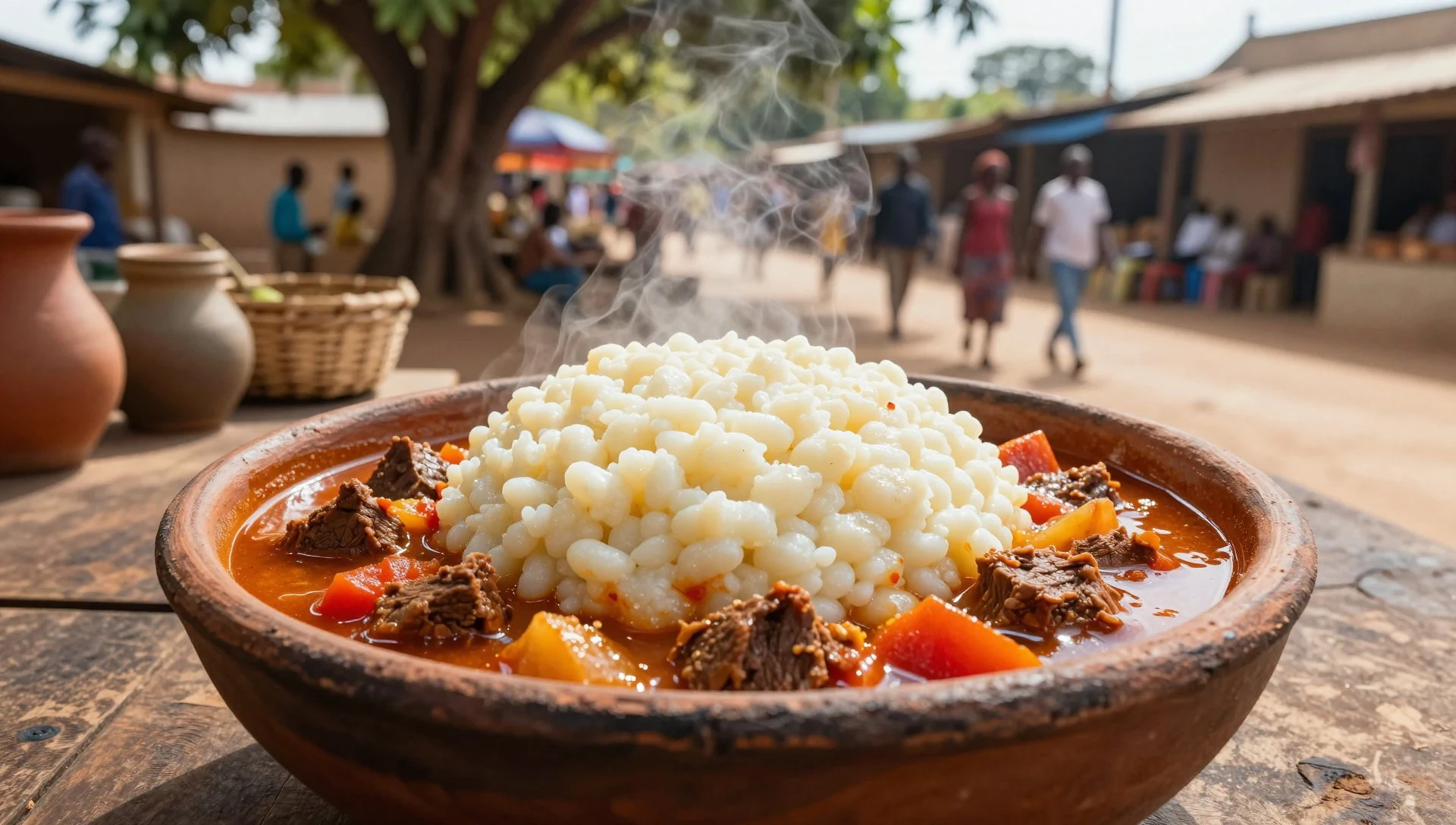
- Kapenta Relish — Traditional village stalls and regional food markets
Kapenta consists of tiny dried fish harvested from nearby lake waters, cooked into a savoury tomato and onion relish that provides an essential source of protein and rich flavour when paired with plain maize porridge.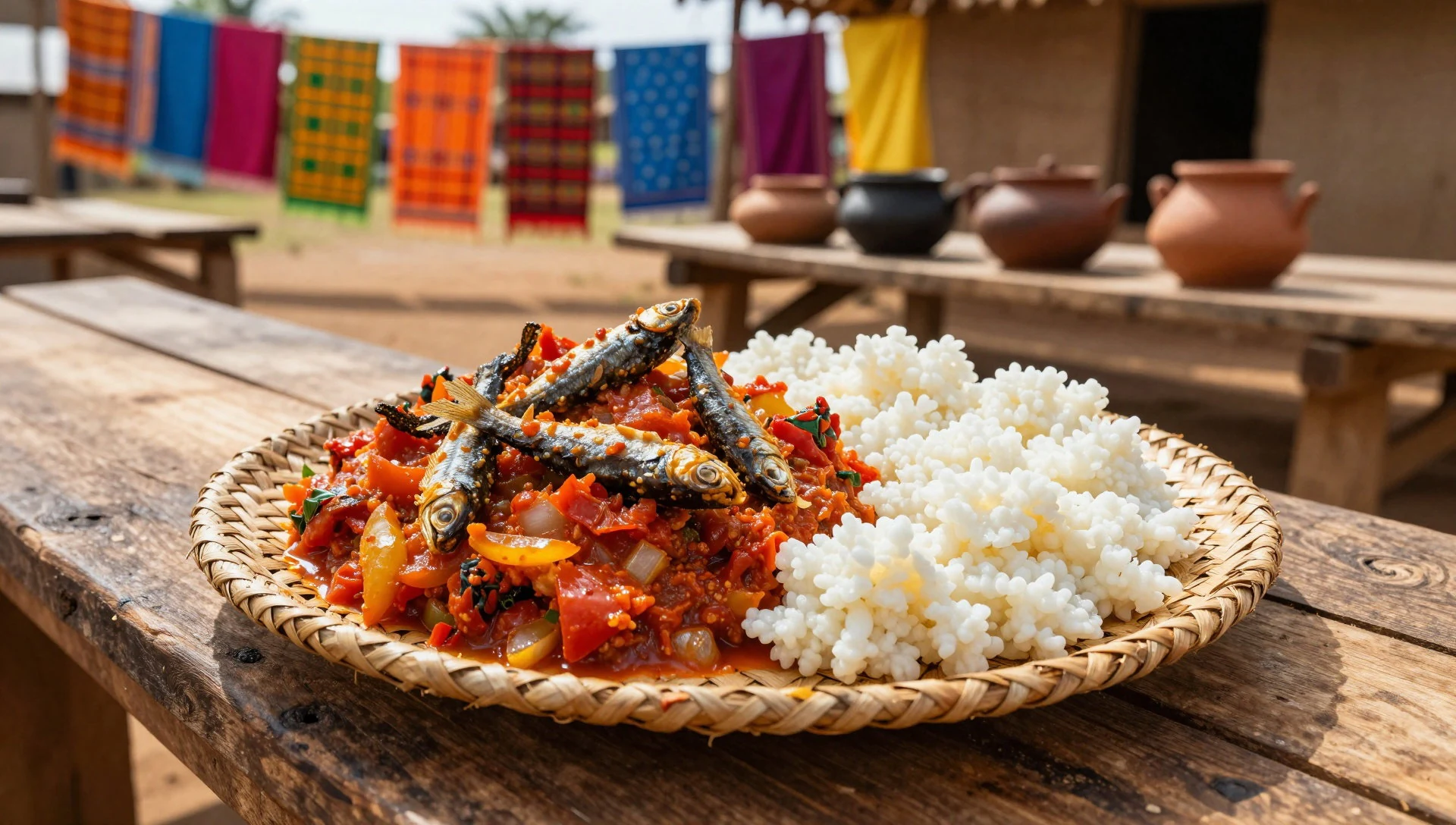
- Chibwabwa — Local neighbourhood cookshops and country markets
Chibwabwa refers to tender pumpkin leaves prepared as a nutritious green vegetable relish, sautéed with onions and tomatoes to accompany the heavy maize staple during harvest seasons. - Fresh Bread from Local Bakeries — Town bakeries and roadside food stalls
In towns and settlements across the region, small local bakeries produce inexpensive, freshly baked loaves of bread daily, offering a popular and convenient alternative breakfast carbohydrate for travellers on the move. - Local Rice Dishes — Regional eateries and local family restaurants
Rice cultivated in fertile areas such as Chama provides a welcome alternative dietary staple when travellers wish to vary their daily meals away from the standard maize porridge offerings found everywhere.
Plan it
Best time. March to April following the rainy season when the waterfall is at its most powerful, or October to November during the drier months when wildlife viewing is optimal.
How long. 2–3
Getting there. Access requires travel via regional roads from major transport hubs in Tanzania or Zambia, typically involving a hired 4x4 vehicle for the final rough tracks leading to the border escarpment.
Budget. mid
Tips
- Hire a robust four-wheel-drive vehicle, as local roads leading to the escarpment are rugged and challenging.
- Carry sufficient physical cash in local currency, as card payment facilities are virtually non-existent in remote areas.
- Pack sturdy hiking footwear with good grip for navigating steep, uneven paths around the gorge.
- Bring ample bottled or purified drinking water, as local supplies require treatment before consumption.
- Set out early in the morning to make the most of cooler temperatures and optimal lighting for photography.
Etiquette
- Always ask for permission before photographing local residents or traditional village ceremonies.
- Dress modestly in rural communities by keeping shoulders and knees covered.
- Greet elders and local guides respectfully before initiating conversations or asking questions.
Nearby
Sources
- Wikidata Q798283 (CC0)
- Wikipedia (CC-BY-SA 4.0)
- Wikivoyage (CC-BY-SA 4.0)