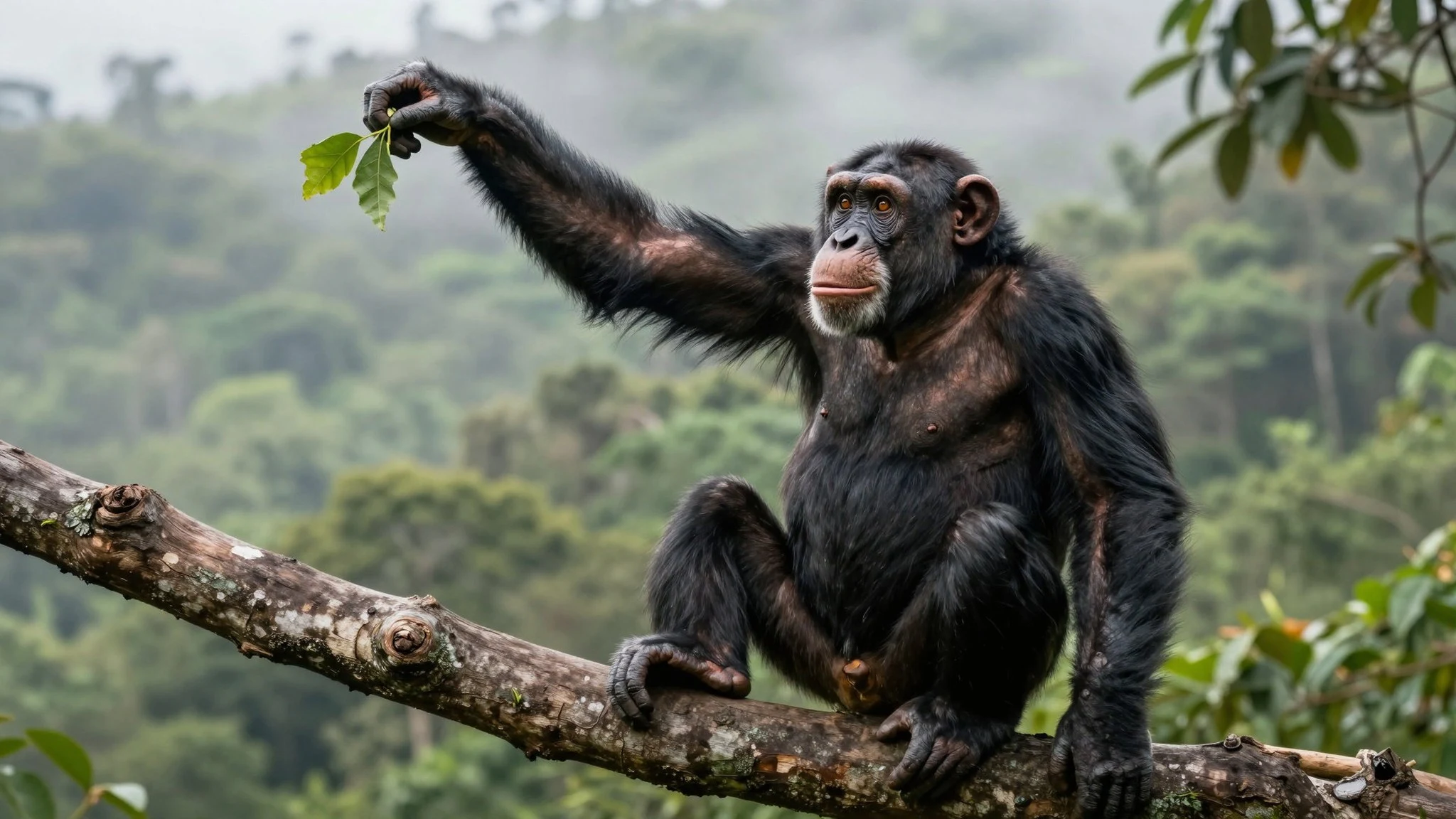
Mahale Mountains National Park
Mahale Mountains National Park, Tanzania
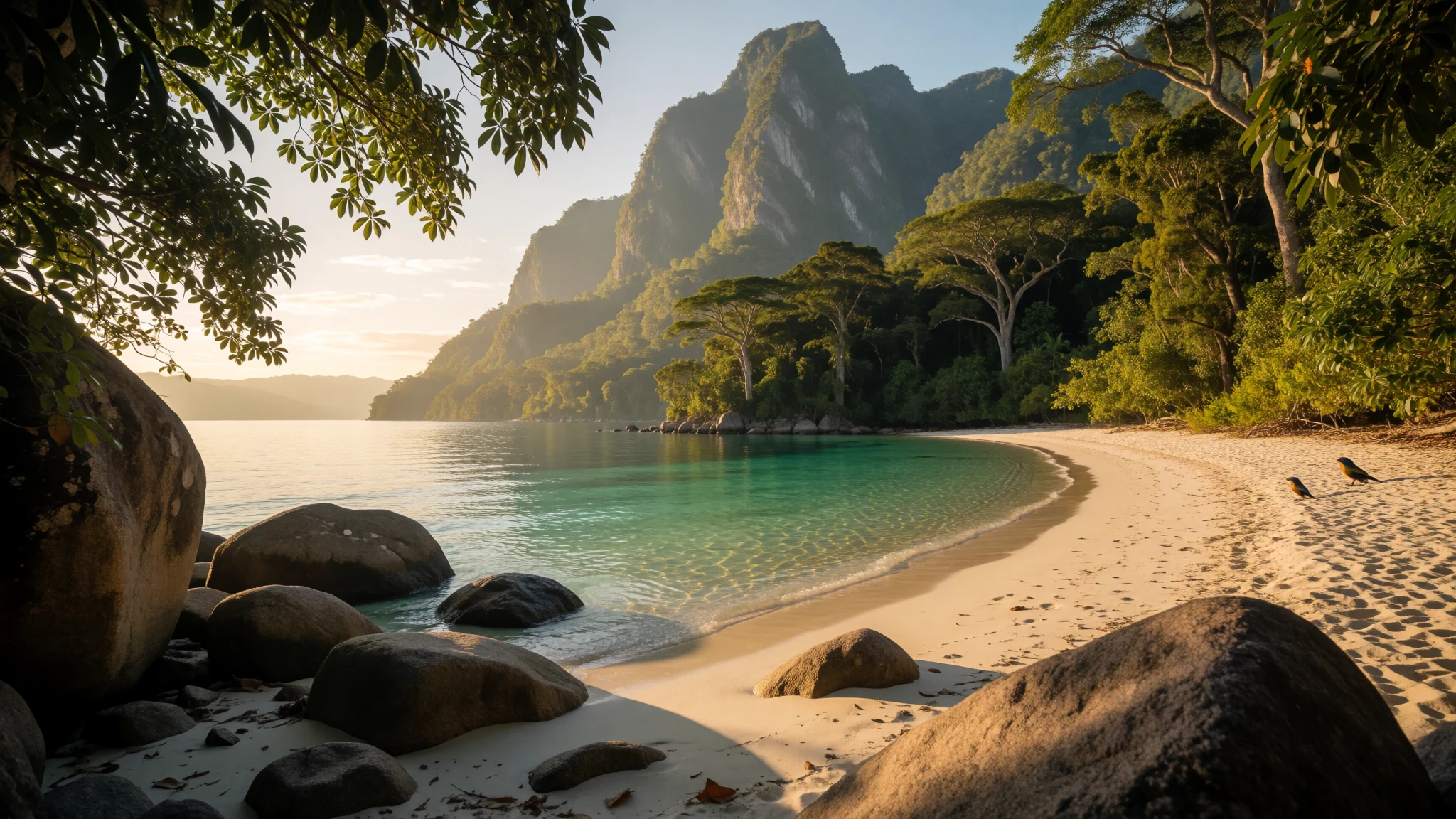
Mahale Mountains National Park offers forest walks to wild chimpanzees beside Lake Tanganyika, in a park with no roads and access only by boat.
The place
Mahale Mountains National Park sits on the eastern shore of Lake Tanganyika in western Tanzania, in Uvinza District of Kigoma Region. Forested ridges rise straight out of the water, and the lake laps at pale beaches along the foot of the slopes. The park takes its name from the Mahale range inside its boundaries, and its Swahili name is Hifadhi ya Taifa ya Milima ya Mahale.
What sets it apart is how it is reached and explored. No roads cross the park and there is no built infrastructure inside it. Everything arrives by boat across the lake, and once ashore the only way to move is on foot, with a ranger. That keeps the numbers of visitors small and the pace slow.
The main draw is the Eastern chimpanzee. Tanzania protects them in only one other national park, so Mahale carries real weight for the species. Chimpanzees and lions share this landscape, which is unusual, and the forest also holds monkeys, with hippos and crocodiles along the water. Leopards live here but are very rarely seen.
The park was declared in 1985. Its headquarters and a second office at the airstrip are on the northern part of the shore. Remoteness is the whole character of the place: getting here takes days of planning, a lake crossing and a tolerance for heat and steep, humid walking, and the reward is quiet.
Its story
The story of Mahale Mountains National Park is partly a story of people who were moved on. The mountains were long home to the Batongwe and Holoholo peoples, who farmed, fished and gathered across the slopes. By most accounts they lived with very little effect on the forest around them, and their knowledge of it was deep.
In 1979 a wildlife research centre was set up in the mountains, focused on the chimpanzees. To make room for a protected area, the residents were removed, and many were forced out rather than consulted. The park itself opened in 1985. The date is a useful reminder that the wilderness visitors admire today was shaped by a decision with human costs, and that the communities along the lake shore still have ties to these hills.
The research that began then has become part of the park's identity. Scientists and trackers have spent decades getting chimpanzee groups used to human presence, which is why visitors can now sit relatively close to wild apes without disturbing them. Patient observation, not baiting or feeding, underpins that access.
Today the park is run by Tanzania National Parks, and tourism is deliberately small. Anyone planning a visit can check current rules, fees and permits on the official site at https://www.tanzaniaparks.go.tz/national_parks/mahale-mountains-national-park before committing to a lake journey.
What to see
- Chimpanzee tracking — Forest slopes above the lake
Rangers lead small groups into the forest to find a chimpanzee community, and the walk can be short or long depending on where the apes have spent the night. Once found, visitors sit and watch grooming, feeding and squabbles among fig trees. Expect steep, slippery ground and humid air.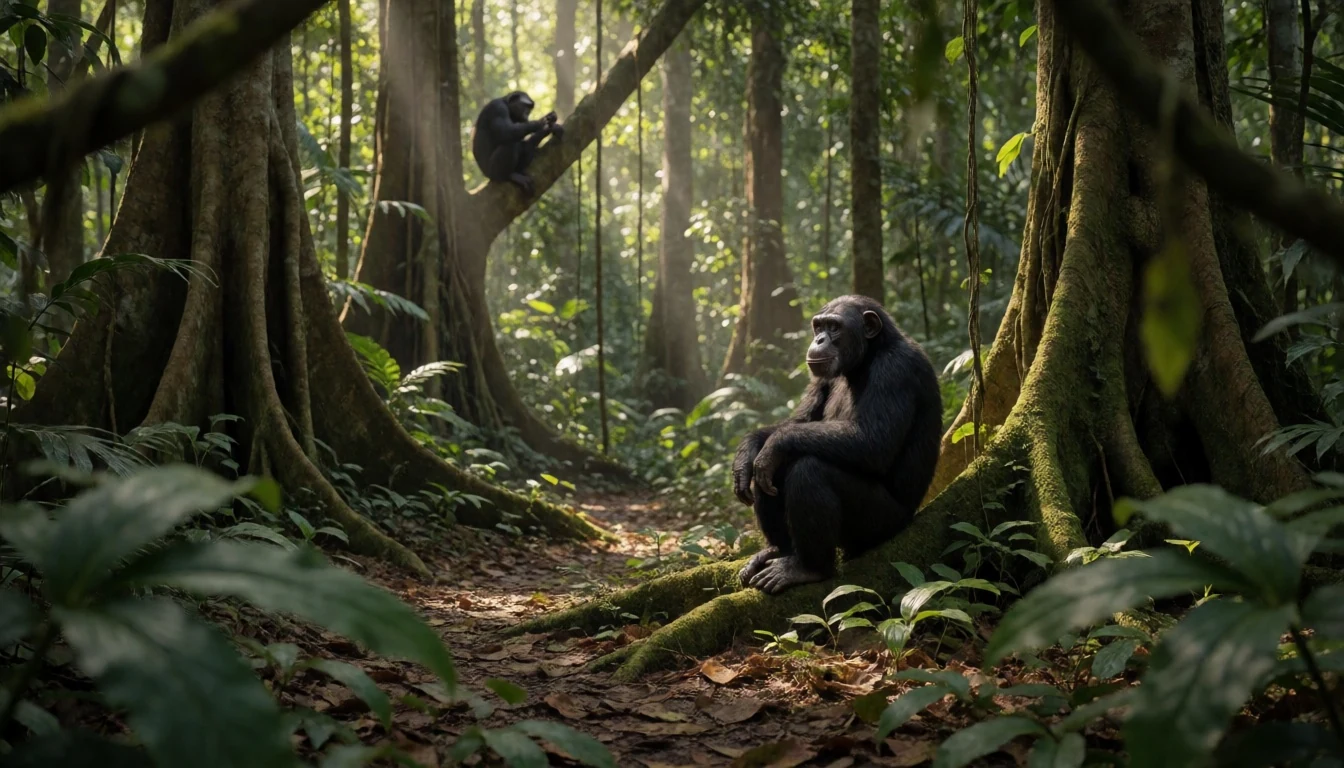
- Lake Tanganyika shoreline — Lake shore beside the camps
The long beach along the park's western edge is where boats arrive and where the day often ends. The water is clear enough that many visitors swim, though local guidance on crocodiles and hippos matters. Sunset over the lake is quiet, with fishing boats lit by lamps.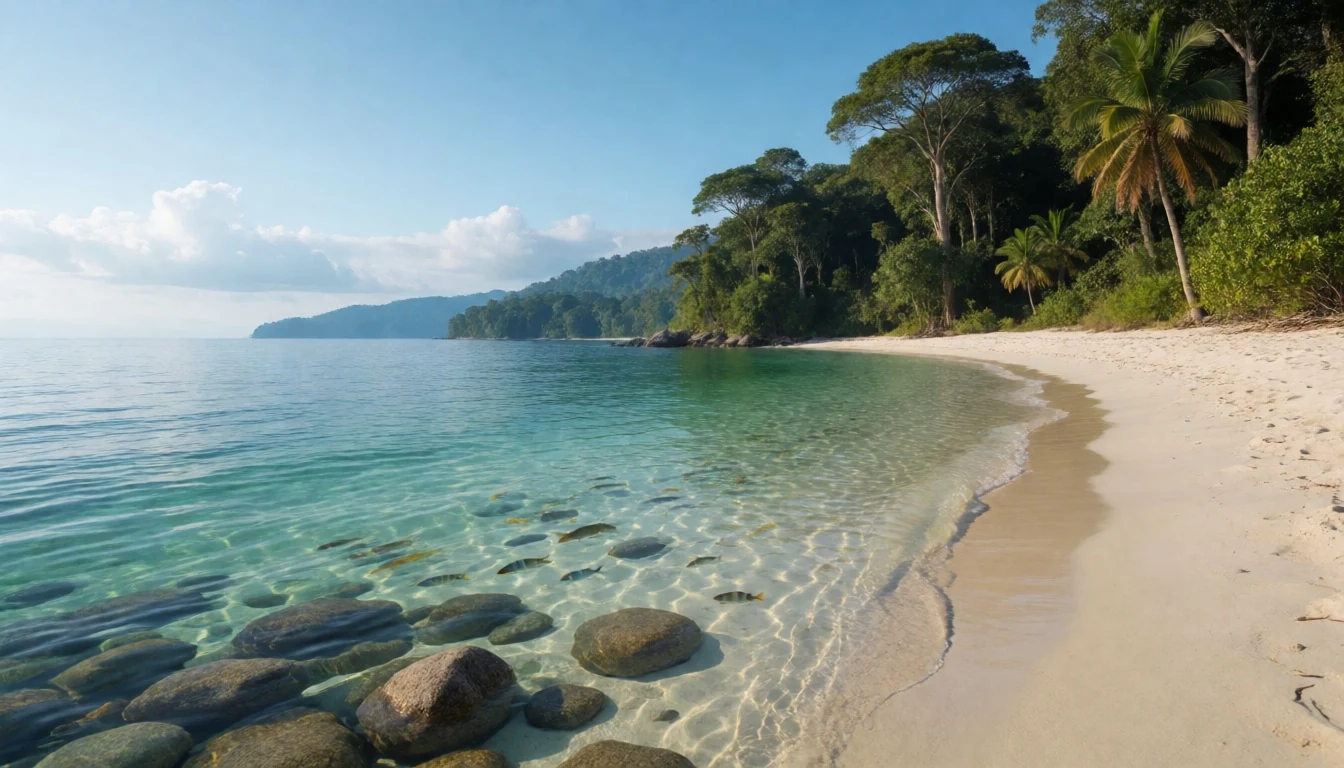
- Kayaking and fishing — Shallows off the camps
Paddling along the shore gives a different angle on the mountains, with forest tumbling down to the water and birds working the margins. Fishing is also offered. Both depend on the weather and on the operator, so ask at your camp the evening before rather than expecting a fixed programme.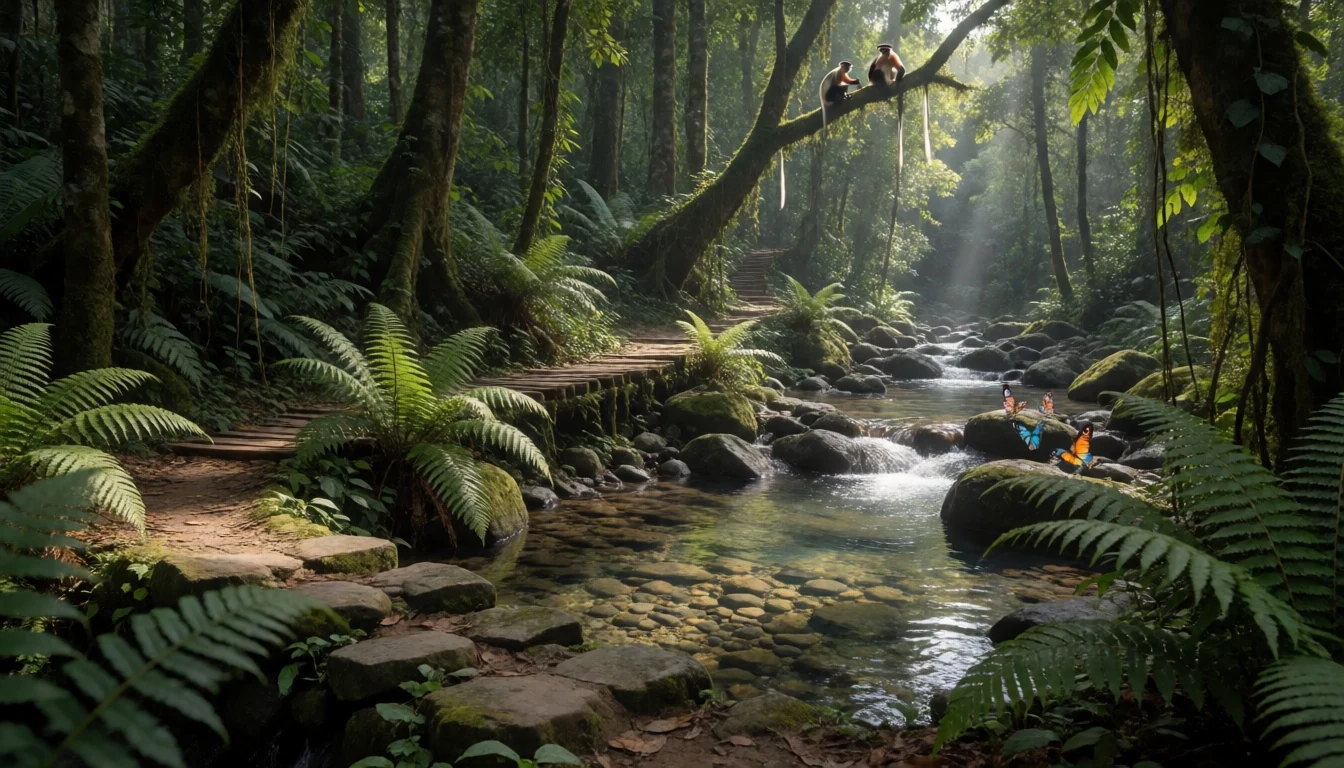
- Hippos and crocodiles at the water's edge — Northern lake shore
The lake margins hold hippos and crocodiles, and a crocodile sighting has been reported near the northern stretch of shore. They are watched from boats or from a safe distance on the beach. Guides know the usual spots, and swimming should always follow their advice, not guesswork.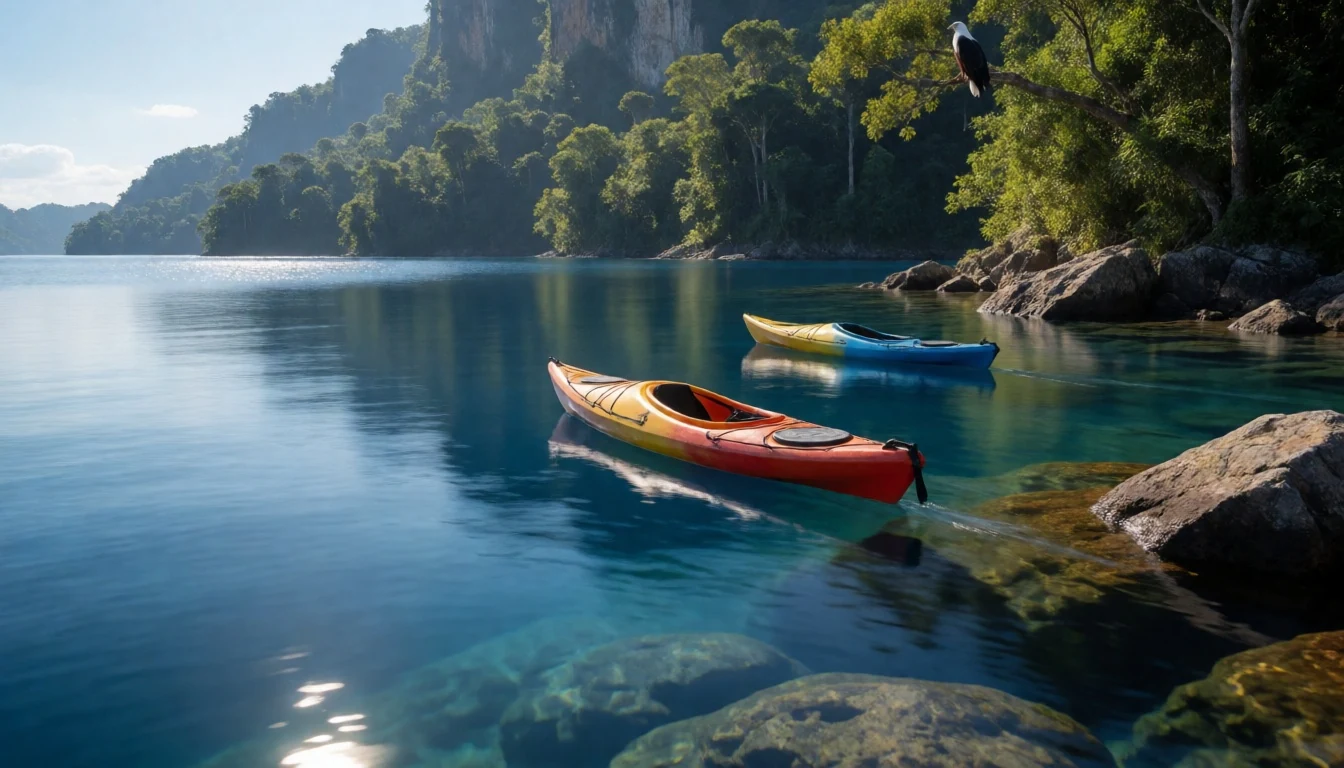
- Park headquarters and airstrip — Northern boundary of the park
The park headquarters and a second office near the airstrip sit on the northern part of the shore, and these are the practical first stops for arrivals. Permits, guides and onward boat transfers are arranged here. Nearby villages such as Kililani give a glimpse of everyday life on this stretch of the lake.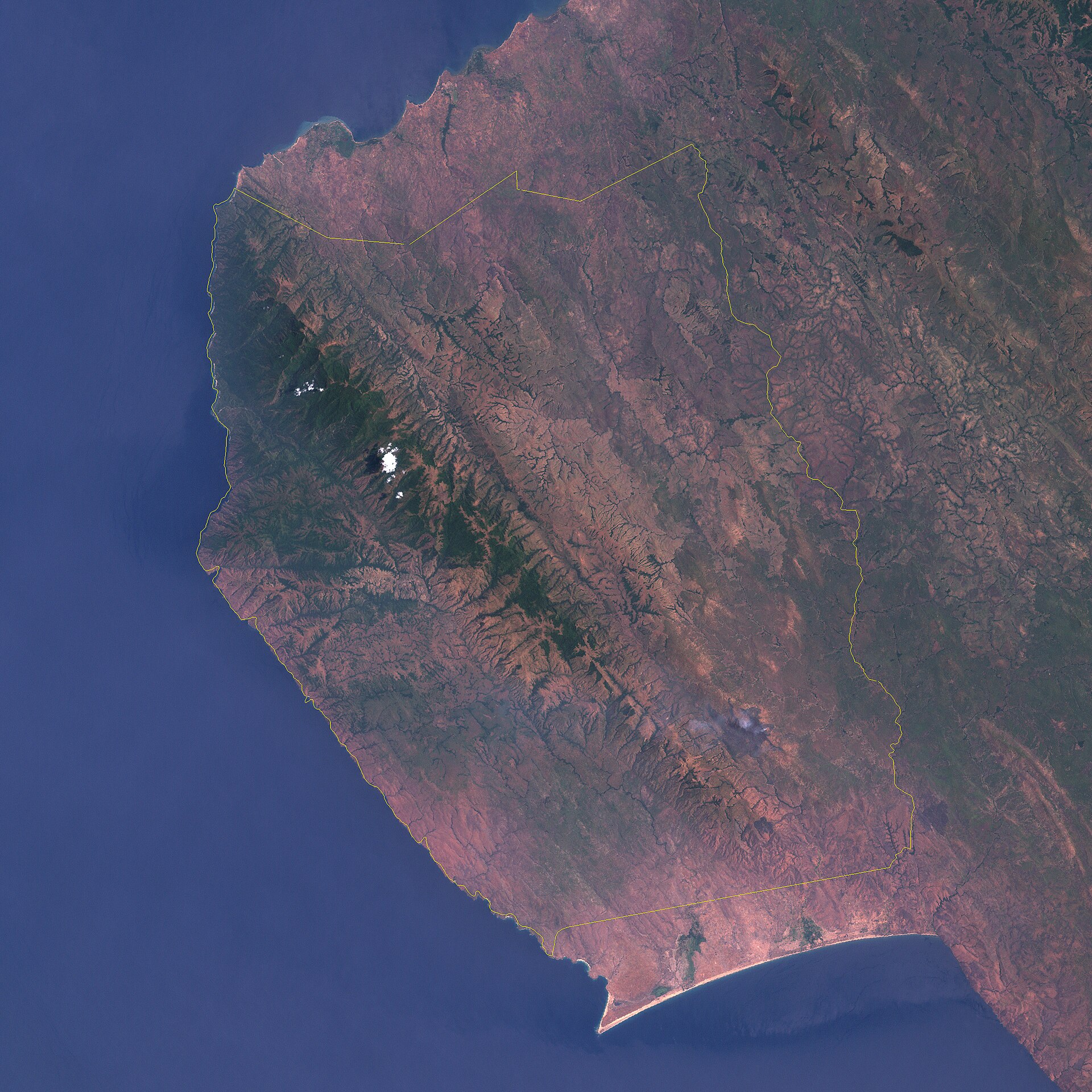
Culture
Mahale Mountains National Park lies in country shaped by lake-shore communities, among them the Batongwe and Holoholo peoples, whose ancestors lived on these mountains before the park existed. Their loss of the land is still remembered locally, and it is worth knowing that history before treating the area as empty wilderness. Villages along the shore, such as Kililani and Lagosa, are working places where fishing, trading and boat repair set the rhythm of the day.
Swahili is the common language across Tanzania, and a few greetings go a long way: jambo or hujambo for hello, asante for thank you, and karibu for welcome. English is spoken by park staff and camp teams but not necessarily in the villages, where patience and a smile do more than a phrasebook.
The MV Liemba, the old passenger steamer on Lake Tanganyika, is a social institution in its own right, carrying people, goods and news up and down the lake on its slow schedule. Travelling on it is a good way to see how the region connects.
Trackers and rangers are the people who make chimpanzee visits possible, and their judgement is final on distance, time and group size. Follow your ranger's instructions on keeping your distance from the chimpanzees, wear a mask if you have any cold symptoms, and never eat or drink in view of the apes.
What to wear
Traditional dress around Mahale follows wider Tanzanian and East African lake-shore habits. Women commonly wear the kanga, a printed cotton cloth with a Swahili proverb along its border, wrapped as a skirt, shawl or head covering, and the kitenge, a heavier printed cotton used for dresses and tailored outfits. Men have traditionally worn a kanzu, a long cotton robe, on religious days, with a small embroidered cap. These are worn for festivals, prayer days and weddings, and by older people in daily life.
On an ordinary day in the lake villages, most people wear what suits work and heat: T-shirts, shorts or trousers for men, and a kanga over a dress or skirt for women. Fishermen often work in minimal clothing and wide-brimmed hats against the sun. Football shirts are everywhere.
Visitors need clothes for forest walking first. Long, light trousers and a long-sleeved shirt in neutral colours protect against scratches, insects and sun; bright colours and strong perfumes are best avoided around wildlife. Sturdy shoes with good grip matter more than style, because slopes are steep and often wet. Bring a hat, a light rain jacket and a swimsuit for the lake. In villages, cover shoulders and knees, especially in more traditional or Muslim communities, where modest dress is a sign of respect.
What to eat
- Fresh lake fish — Lake-shore camps and village eateries
Fish from Lake Tanganyika is the staple protein along this shore, usually grilled or fried whole and served with a simple sauce. Camps and village eateries along the lake prepare it daily. Ask what was caught that morning; supply varies with the weather and the season.
- Dagaa — Fishing villages along the lake
Small, sun-dried lake sardines known as dagaa are fried or stewed with tomato and onion, and they appear in almost every household kitchen. They are salty, crisp and rich in flavour. Look for them being laid out to dry on mats near the beach.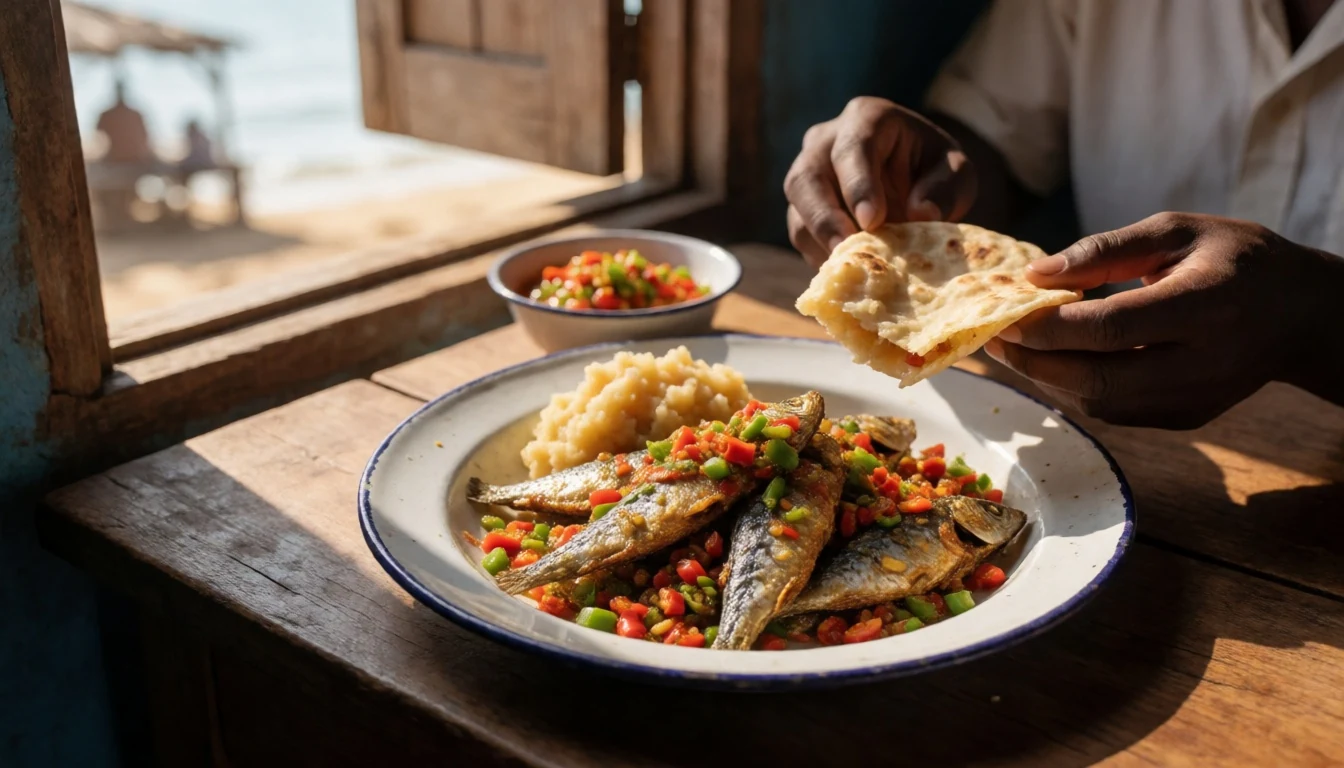
- Ugali with greens — Village eateries in Kigoma and along the shore
Ugali is a stiff porridge of maize flour, eaten by hand with a sauce or stew and often with cooked greens or beans. It is plain but filling after a long walk. Many local meals are built around it, and you will see it served at most village eateries. - Mandazi and chai — Morning stalls in Kigoma and Lagosa
Mandazi are lightly spiced, fried dough snacks, often paired with sweet, milky tea. They turn up at roadside stalls and in port towns as breakfast or a mid-morning stop. Expect them still warm if you arrive early. - Self-catered camp meals — Self-catering bandas inside the park
Some park accommodation is self-catering, so visitors buy and carry their own food, then cook in a basic kitchen. Stock up on staples, fruit and snacks in Kigoma before the lake crossing. The lake water is very clean but should still be treated before drinking.
Plan it
Best time. The dry months, roughly June to October, are the most comfortable for forest walking and boat travel, with fewer rain-slick paths. The wet season brings heavy showers, muddier tracks and rougher conditions on the lake, though the forest is lush.
How long. 4–5
Getting there. Fly or travel overland to Kigoma, the main town on Lake Tanganyika. From there take the MV Liemba lake steamer to Lagosa, then arrange a park boat or a transfer to the park entrance or airstrip. Another route is a charter flight to the airstrip near the northern boundary. No roads enter the park, so the last leg is always by water or on foot.
Budget. high
Tips
- Book transport and accommodation well ahead, because boat and flight options are limited and the steamer runs to its own schedule.
- Check current permit rules, fees and boat charges on the official park website before travelling, since costs change.
- Bring cash and supplies from Kigoma, as there are few places to buy things near the park and card payment is unreliable.
- Pack water purification tablets, insect repellent, a rain jacket and sturdy walking shoes.
- Allow spare days in case weather or boat arrangements delay your onward journey.
Etiquette
- Walk only with a ranger; independent walking in the park is not allowed.
- Keep your distance from the chimpanzees, and stay away if you are unwell.
- Ask before photographing people in villages and on boats.
Nearby
Sources
- Wikidata Q1478367 (CC0)
- Wikipedia: Mahale Mountains National Park (rev 1367250235) (CC BY-SA 4.0)
- Wikivoyage: Mahale Mountains (rev 5342528) (CC BY-SA 4.0)
- Photo: Alpha male chimp and older jump on fig tree — Caelio (CC BY 3.0)
- Photo: Satellite image of Mahale Mountains National Park — Jesse Allen, NASA Earth Observatory (Public domain)


Wildlife
- Eastern chimpanzee (animal)
The eastern chimpanzee is a kind of common chimpanzee, one that lives in the forests of Tanzania and several other African countries. Mahale Mountains is home to the largest known wild population of them, and they share the leafy treetops with red colobus, yellow baboons and blue monkeys. Watch quietly from a respectful distance, go only with a guide, and never offer them food of any kind.