Princes' Islands
Princes' Islands, Turkey
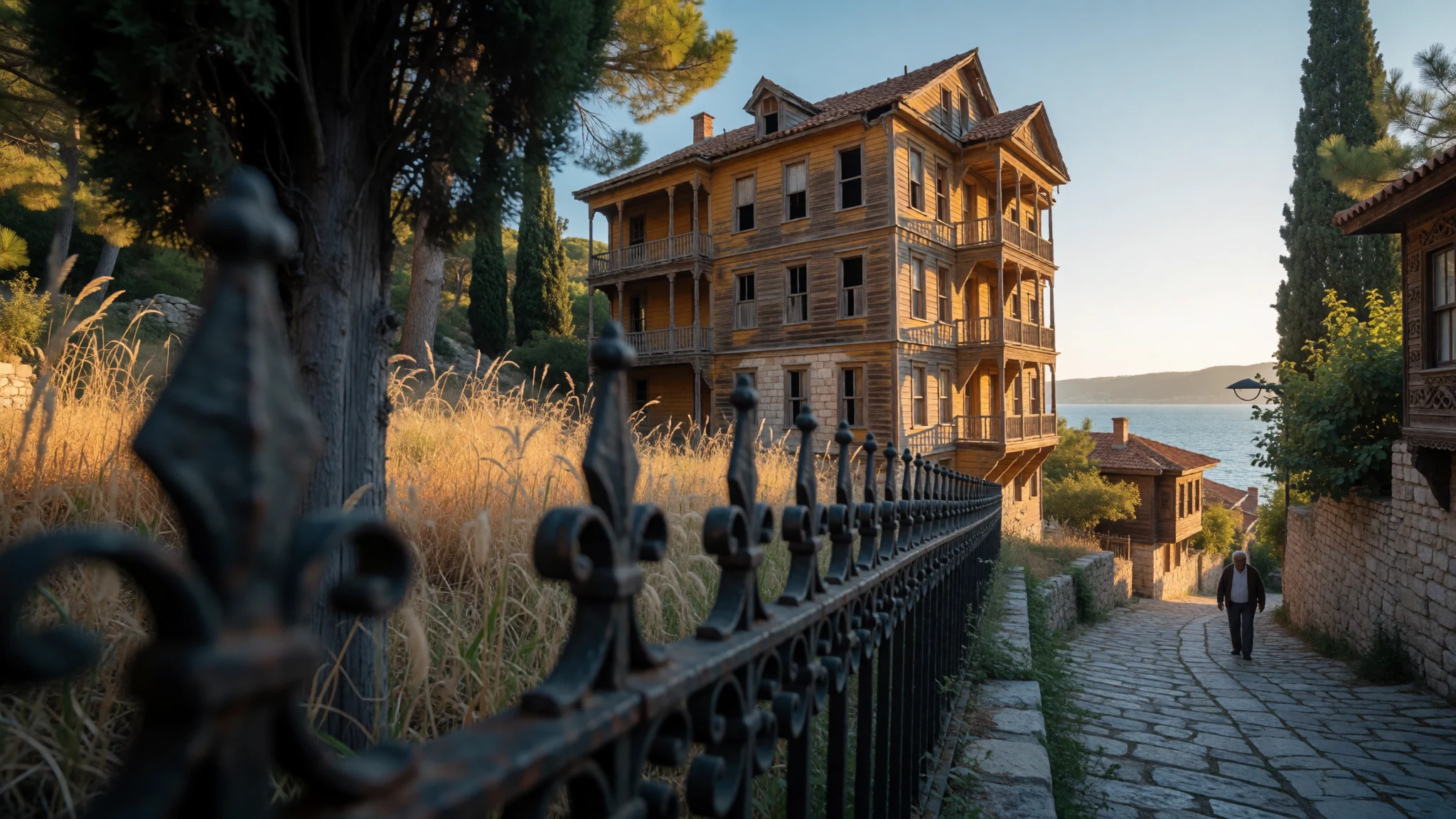
Princes' Islands offer a car-free ferry escape from Istanbul, with pine-covered hills, timber mansions, hilltop churches and lunch by the water.
The place
The Princes' Islands are an archipelago in the Sea of Marmara, south-east of Istanbul and run as one of the city's districts under the Turkish name Adalar, which simply means 'the Islands'. Nine islands make up the group, though four of them hold nearly all the houses, piers and cafés: Büyükada, Heybeliada, Burgazada and Kınalıada. Büyükada is the biggest and draws the most visitors. The others are quieter, and the remaining islets are small and mostly left alone.
No bridge, tunnel or airstrip joins the islands to the mainland, so every trip begins on a ferry, and that shapes the whole character of the place. Istanbul is close enough that its skyline shows on a clear day, yet the pace drops as soon as the boat docks. The district is the least populous in the city, and outside summer its streets feel closer to a village than a suburb.
Private cars are absent. Residents and visitors walk, hire bicycles or use electric taxis, and the lanes climb through pine and scrub to hilltop churches and monasteries, with wooden mansions and their gardens below. Each island has a pier with a short strip of eateries, which is where most people begin and end their day.
Crowds are the thing to plan around. Summer weekends fill the ferries and Büyükada's main square with day trippers from Istanbul, and midsummer can be hot as well as busy. Weekdays, spring and autumn show the islands at a gentler pace, with room on the paths and an easy seat at the waterfront.
Its story
The Princes' Islands earned their name through exile. In the Byzantine period, princes and other royals who had fallen from favour were sent to the islands, and after the Ottoman fleet took the group during the siege of Constantinople in the fifteenth century, members of the sultans' family met the same fate. The English name, 'islands of the princes', keeps that history alive.
By the nineteenth century the islands had changed from a place of banishment into a summer retreat for wealthy Istanbul families. They built timber villas and cottages, and some Victorian-era houses survive on Büyükada. The population was strikingly mixed: an Ottoman census from the late nineteenth century counted a Greek majority, alongside Armenians, Muslims, Catholics, Jews and smaller groups, as well as a good number of foreign residents. Churches of several denominations still stand as a result.
Heybeliada, known in Greek as Halki, holds another chapter. The Theological School of Halki opened there in the mid-nineteenth century and became the main school of theology for the Ecumenical Patriarchate of Constantinople, the senior see of the Eastern Orthodox Church. It stands on the Hill of Hope, on the site of a Byzantine monastery of the Holy Trinity, and it stopped working as a seminary after Turkish law ended private higher education. The monastery still maintains the buildings and uses them to host conferences.
Exile, seaside leisure and a many-faith community are the three layers that explain why the islands feel so unlike the rest of Istanbul.
What to see
- Büyükada's summer mansions — Büyükada, west of the pier
Büyükada's old summer houses of Istanbul's wealthy families lie a few streets east and west of the ferry pier, not in the nondescript centre around Saatli Meydan, the Clocktower Square. Timber fretwork, shuttered windows and overgrown gardens reward slow walking. Mizzi Mansion on Çankaya Caddesi is built in brick in an Italianate style, a useful contrast with its wooden neighbours.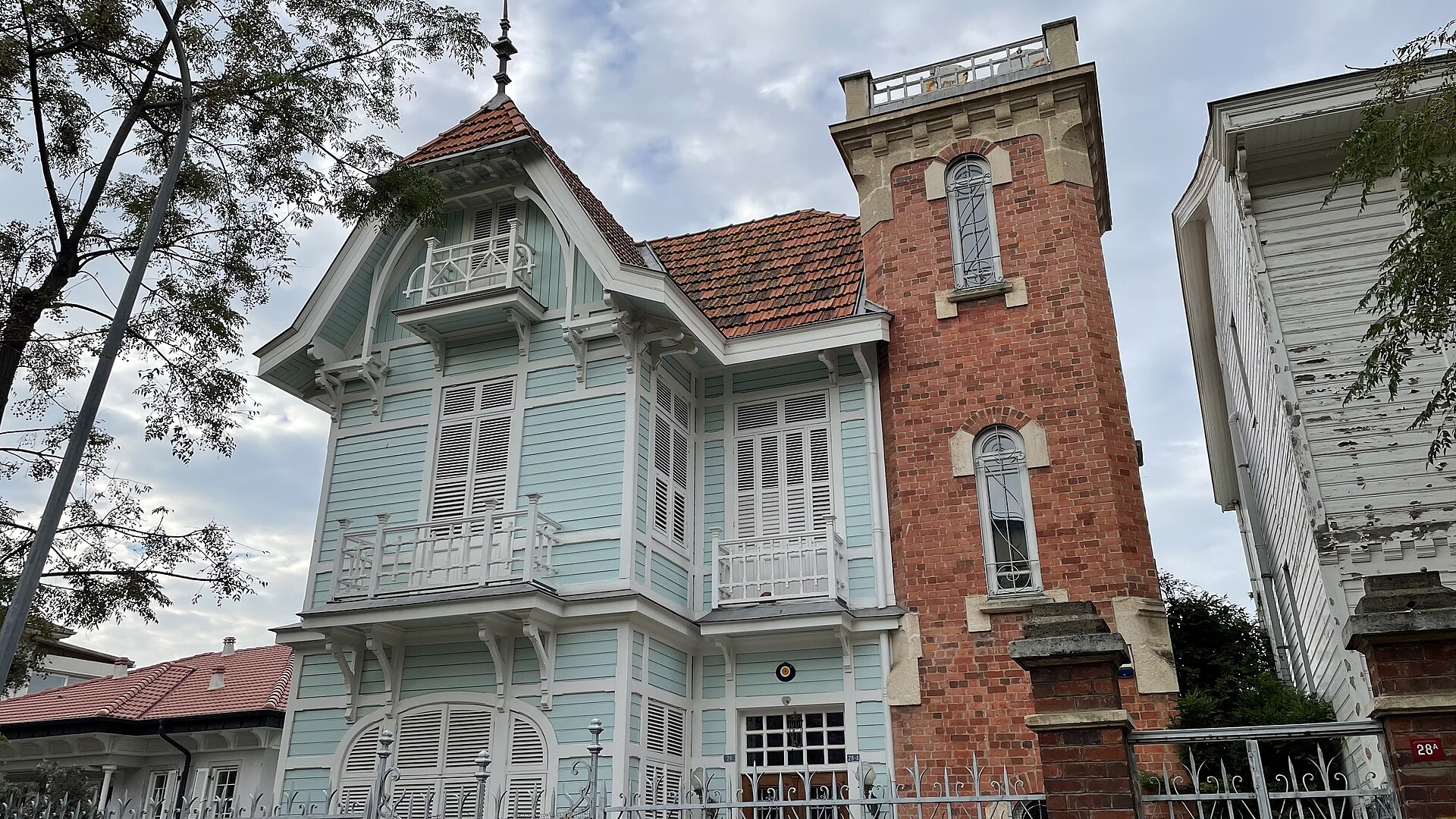
- Prinkipo Greek Orphanage — Büyükada
The old Greek Orphanage on Büyükada is a six-storey timber building, now ruined and fenced off, so it is seen from outside. It began as a planned luxury hotel and casino, then served as an orphanage for decades. Its size and decay make it a haunting landmark on the island's hillside.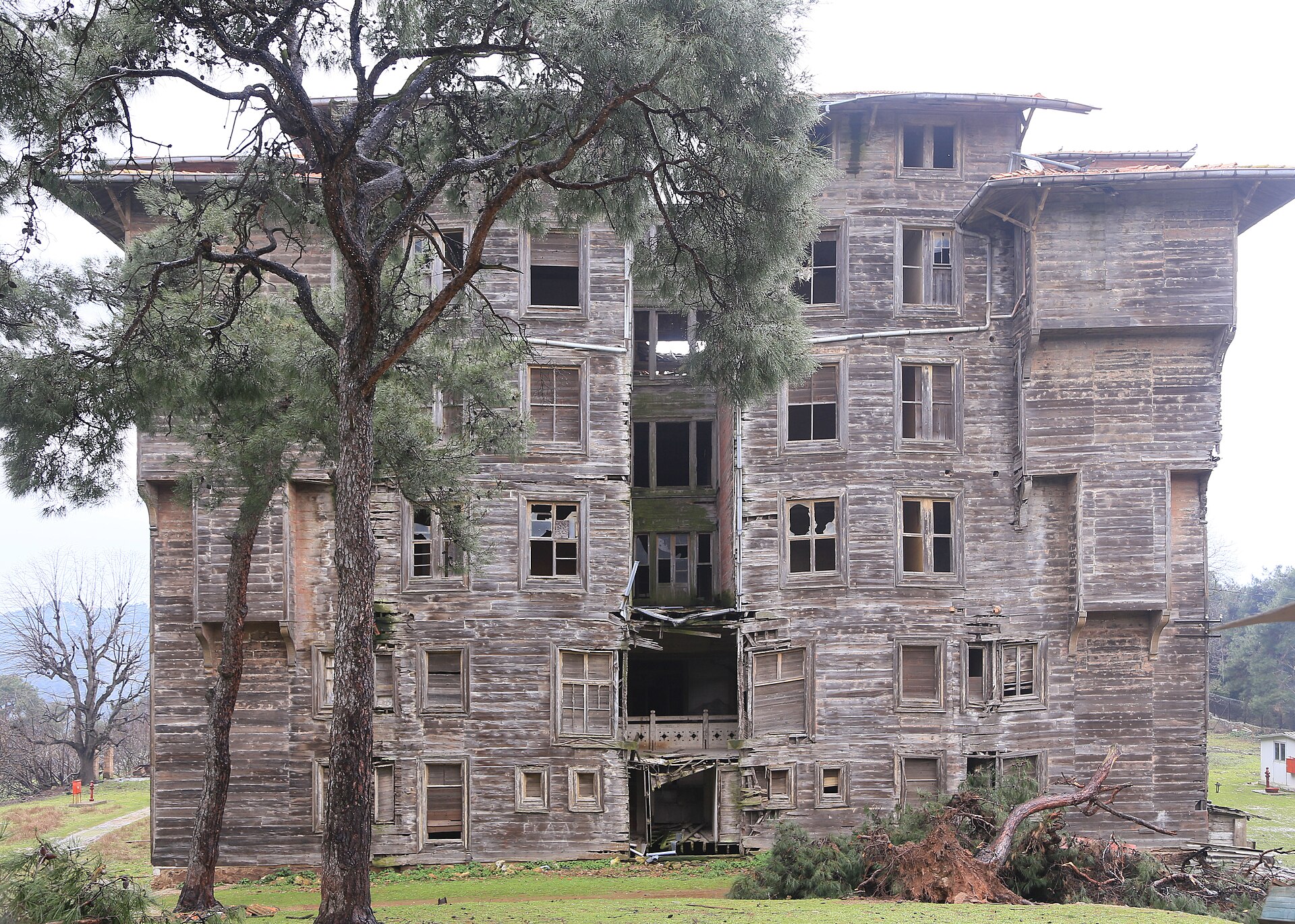
- Church of Saint George and Yücetepe — Büyükada, summit
The Greek Orthodox Church of Saint George stands on Yücetepe, the highest point of the archipelago, with wide views over the Marmara. The walk up from Birlik Meydanı is steep, too steep for most bicycles, so allow time, wear proper shoes and carry water. A monastery setting and a hilltop restaurant make it a natural lunch stop. - Halki seminary, Heybeliada — Heybeliada
Heybeliada is the second-largest of the group, and its Halki seminary crowns the Hill of Hope above the pier, on the site of a Byzantine monastery. The monastery maintains the complex and uses it for conferences, so access depends on events; check before climbing. The pine-covered paths around it are pleasant in any case.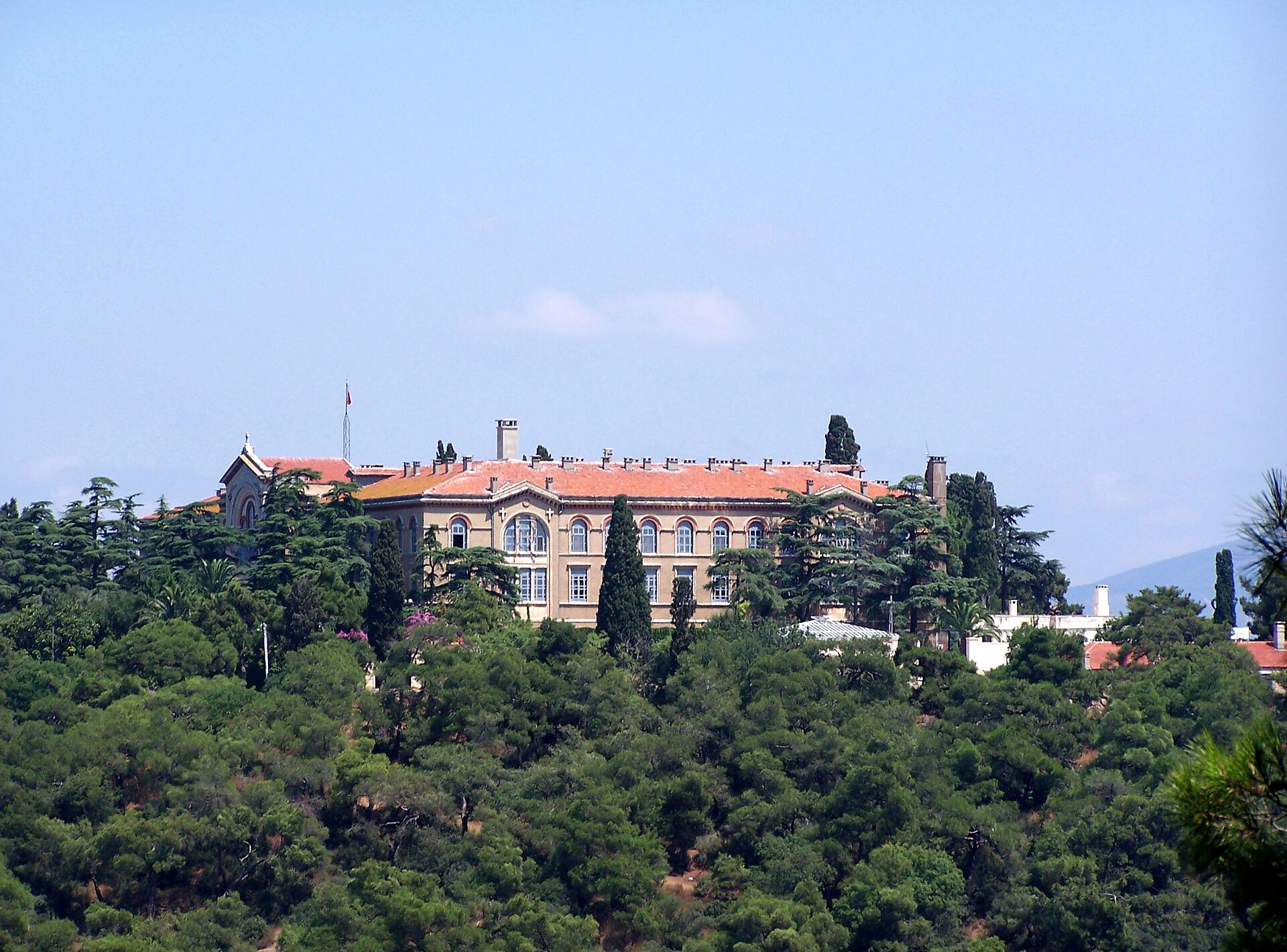
- Değirmenburnu National Park — Büyükada, north headland
Değirmenburnu National Park covers the northern headland of Büyükada. The name means windmill point, and the tower of an old flour mill still stands there. Entry carries a charge, and the beach and picnic areas have their own, so check current costs on the district's official site, adalar.gov.tr, before going. - İnönü House Museum — Büyükada
The İnönü House Museum on Büyükada preserves a home where İsmet İnönü, Atatürk's close ally and later president and prime minister, stayed for a time. The rooms are furnished in the style of the interwar decades. Signage is in Turkish only, so a phone translation app is a useful companion.
Culture
Culture on the Princes' Islands is the story of a mixed community that has thinned but never vanished. Greek Orthodox, Armenian, Catholic, Jewish and Muslim families once lived side by side here, and the legacy shows in bell towers, a monastery on the hill, timber villas and Turkish tea gardens on the same lane. Weekends bring Istanbul families with picnic baskets, and the islands keep the feel of a summer escape, with bicycles, long lunches and swimming from the shore.
Electric vehicles now serve as the islands' taxis. They stand in for cars, providing a motorized alternative to walking or cycling through the quiet lanes. Ferries are part of daily life too: commuters, schoolchildren and tradespeople share the decks with day trippers, and a seat by the rail with a simit and a glass of tea is the standard way to arrive.
The churches and the Halki monastery are active places of worship rather than museums, and the quiet lanes around them carry the same expectation. Outside the pier strips the islands are residential, and people live and work behind the mansions that visitors admire.
Dress modestly and keep your voice low inside the churches and monasteries, and ask before photographing worshippers or residents.
What to wear
Fashion on the Princes' Islands draws on the dress of Ottoman Istanbul rather than on any single island costume. Traditional clothing across the region includes şalvar, loose gathered trousers, and the entari, a long gown, often in cotton or silk with woven stripes; men wore the felt fez until it fell out of use. The flat-woven cotton peştemal, a bath cloth, is a Turkish textile still sold in shops today. These garments now appear mainly in museums, folk-dance performances and costume displays, not on the street.
What people wear now is relaxed Istanbul summer clothing: linen shirts, light dresses, sandals or trainers, sunglasses and straw hats, with swimwear at the beaches. Cyclists dress sportily, and older residents often favour neat, plain clothes.
Visitors should plan for sun and slopes. Comfortable closed shoes or sturdy sandals suit steep, uneven lanes and cobbles. A hat, sunglasses and sun cream help in summer, while a windproof layer is wise on spring and autumn ferries. For churches, monasteries and any mosque, carry a light scarf or shawl and wear clothing that covers shoulders and knees; women should cover their heads in a mosque.
What to eat
- Grilled fish — Waterfront eateries along the Büyükada and Heybeliada pier strips
Fresh fish grilled or fried and served with salad and lemon is the classic island lunch, and Marmara catch dominates the menus. Order whatever is freshest that day and eat it with the sea in view. - Meze plates — Restaurants near the ferry piers and hilltop terraces
Small shared dishes of aubergine, white cheese, olive-oil vegetables, yoghurt dips and seafood make an easy way to eat slowly. Order several cold plates first and add a hot dish afterwards. - Simit and tea — Ferry decks and kiosks by the piers
A ring of sesame-crusted bread and a small glass of strong black tea is the standard ferry snack. It costs little, travels well, and tastes best on the deck with gulls following the boat. - Dondurma — Ice-cream stalls near the ferry piers
Turkish ice cream is dense and chewy rather than airy, and a cone from a stall by the pier is a good reward after climbing a hill. Flavours such as pistachio and mastic are common. - Cakes and pastries — Cafés on Büyükada's main streets and the pier strips
Café windows on the islands show layered cakes, croissants and syrupy pastries, which suit a mid-afternoon rest with Turkish coffee or tea after a long walk. - Picnic spread — Groceries and bakeries near the piers, eaten in the parks
Many Istanbul families bring or buy bread, cheese, olives, tomatoes and fruit and eat in a park or on a headland. It is the cheapest way to eat and the best way to avoid the busiest tables.
Plan it
Best time. May, June, September and October, when it is most comfortable for walking and a swim and the ferries are calmer than on peak summer weekends. June, July and August are the hottest and most crowded; December and January are the wettest and coldest.
How long. 1–2
Getting there. No bridge, tunnel or airstrip serves the islands, so fly into one of Istanbul's airports and travel to a city ferry pier. Adalar Lines boats run from Kabataş via Kadıköy to Kınalıada, Burgazada, Heybeliada and Büyükada, and Mavi Marmara boats leave from Bostancı. The crossing to Büyükada is noticeably shorter from the Asian side than from the European piers. Check the current timetable and the last sailing back.
Budget. mid
Tips
- Go on a weekday, or take an early ferry on summer weekends, to avoid the worst crowds
- Check the time of the last ferry back before settling in for a long lunch
- Carry some cash and a water bottle, as hilltops and parks can be far from the pier
- Wear sturdy shoes: lanes are steep and uneven, and bicycles struggle on the highest hill
- Guard valuables as in any busy place, and watch for traffic even without private cars
Etiquette
- Cover shoulders and knees and speak quietly inside churches and monasteries
- Ask before photographing residents or worshippers
- Keep a calm distance from dogs at the edge of town
Nearby
Sources
- Wikidata Q1020668 (CC0)
- Wikipedia: Princes' Islands (rev 1377104334) (CC BY-SA 4.0)
- Wikivoyage: Istanbul/Princes' Islands (rev 5405534) (CC BY-SA 4.0)
- Photo: Büyükada main square (Metuboy) (CC BY-SA 4.0)
- Photo: Aerial view of the four main islands (Abdullahi Bala Mohammed) (CC BY-SA 4.0)
- Photo: Old Greek Orphanage, Büyükada (Jwslubbock) (CC BY-SA 4.0)
- Photo: Splendid Palace, Büyükada (Metuboy) (CC BY-SA 4.0)
- Photo: Köşk architecture, Büyükada (Metuboy) (CC BY-SA 4.0)
- Photo: Heybeliada (Hüseyin Öcal) (CC BY 3.0)
- Photo: Halki seminary, Heybeliada (Darwinek) (CC BY 3.0)
- Photo: Ferry port of Burgazada (Darwinek) (CC BY 3.0)


