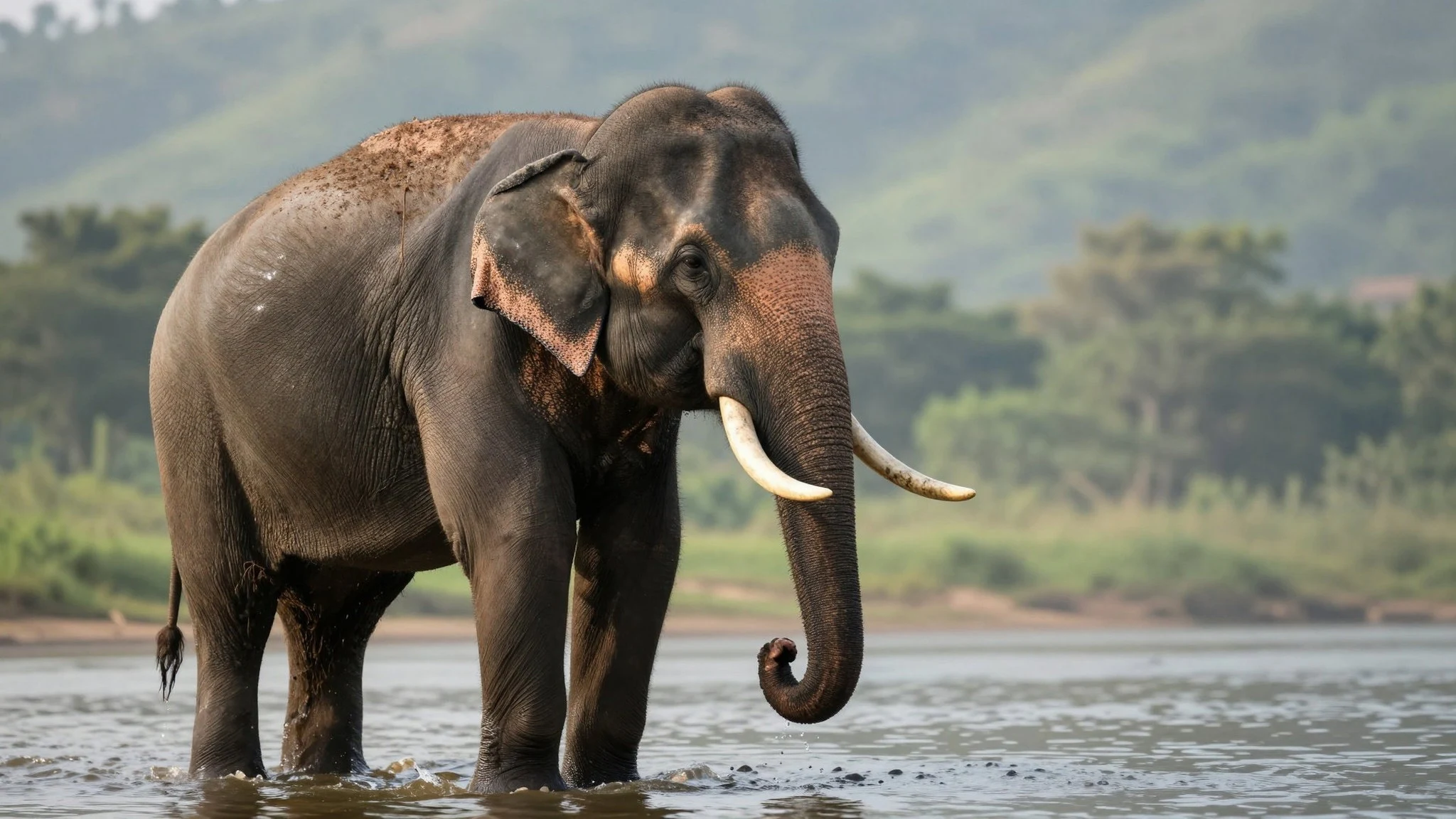
Pinnawala Elephant Orphanage
Pinnawala Elephant Orphanage, Sri Lanka
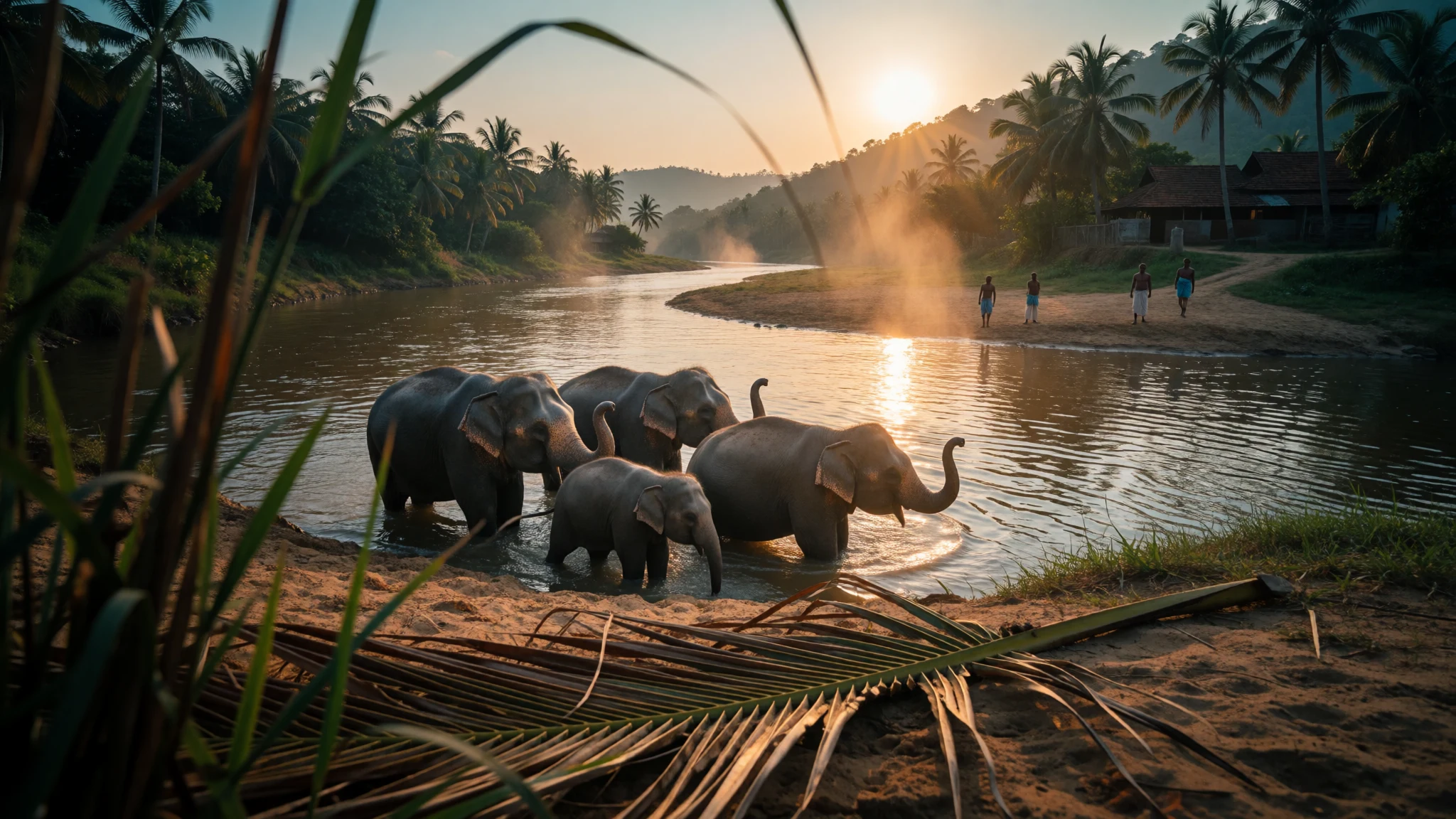
Pinnawala Elephant Orphanage lets visitors watch a large herd of rescued and captive-born Asian elephants feed, cross a road and bathe in a river.
The place
Pinnawala Elephant Orphanage stands in Pinnawala village, in Sabaragamuwa Province, about 13 km northeast of Kegalle town, on the hill-country side of the road between Colombo and Kandy. It is a captive breeding and conservation centre for wild Asian elephants, and it began as a refuge for orphaned calves found wandering in or near the forests. A public road divides the site. On the east side of the Rambukkana Road, the B199, lie the main care area, the sleeping sheds, veterinary buildings, management offices and a few restaurants and refreshment stands. Directly opposite, on the west side, a path runs down to the Ma Oya river, where the herd is led to bathe and drink. The crossing itself, with elephants ambling past souvenir stalls, buses and motorbikes, is a sight in its own right. In 2023 the herd stood at 71 animals from three generations, 30 males and 41 females, so a visit means seeing many elephants at close quarters, from small calves to old animals. It is also busy. Tour coaches arrive in waves, the climate is hot and humid, and the riverbank can feel crowded at bath time. These are captive animals, and opinion on keeping elephants this way is divided. The orphanage is run by the national zoological gardens department; for opening arrangements and entry charges, check the official site at http://nationalzoo.gov.lk/elephantorphanage/.
Its story
Pinnawala Elephant Orphanage was set up in 1975 by Sri Lanka's Department of Wildlife Conservation to feed and shelter unweaned elephant calves left orphaned in the wild. It did not begin in Pinnawala. The first home was in Wilpattu National Park, after which the animals were moved to a tourist complex at Bentota and then to Dehiwala Zoo. The final move was to a coconut plantation beside the Maha Oya river, on land donated to the government by the Adhikaram Mudiyanse family of Kandy, also known as the Pinnawala family. Five baby elephants formed the nucleus of the herd. The planners hoped that local and foreign visitors would bring in enough income to help keep the place going, and that is how it turned out; the orphanage became a fixture on tourist itineraries. In 1978 control passed to the Department of National Zoological Gardens, and in 1982 a breeding programme was launched. Orphans kept arriving until 1995, when the wildlife department opened the Elephant Transit Home next to Udawalawe National Park. Since then, rescued calves have gone there instead, and the Pinnawala herd has grown mostly through births on site. One birth made national news on 31 August 2021, when a 25-year-old elephant named Surangi had twin males, the first twin elephants born in Sri Lanka since 1941. Today visitors see the daily routine of the herd: bottle-feeding of calves, feeding of the adults, and the river bath.
What to see
- Calf bottle-feeding — Main care area, east of Rambukkana Road
The youngest calves are given milk from large bottles by keepers at set times of day, and it is the scene many visitors come for. If the crowd is thick, watch from the barrier rather than pushing to the front; the calves are loud, eager and strong. Feeding times can change, so check the official site or ask at the gate.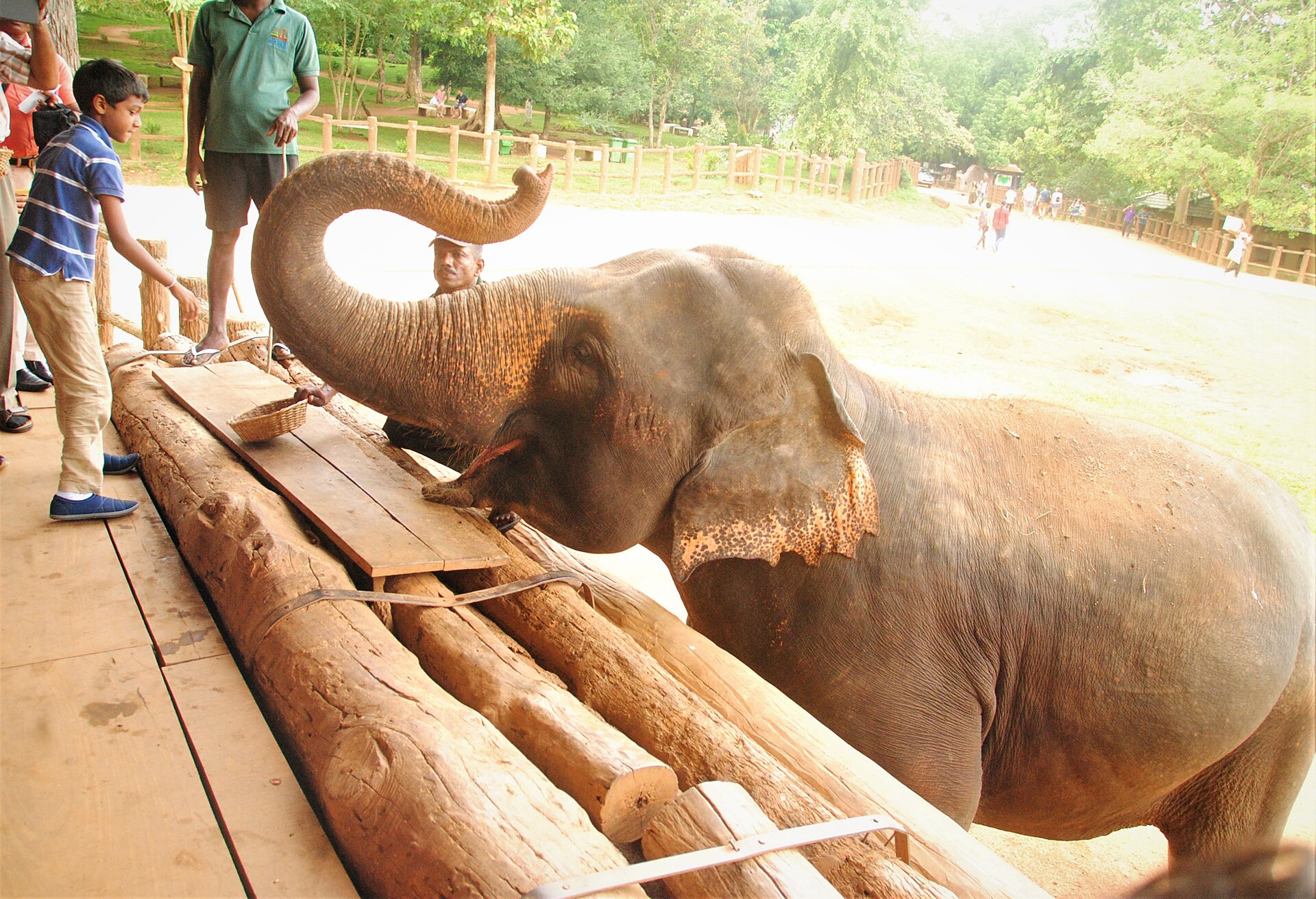
- The Ma Oya river bath — Ma Oya riverbank, west of Rambukkana Road
Across the road from the main site, the herd spends part of the day in the shallows and on the banks of the Ma Oya, splashing, scrubbing and drinking. This is the best place to see the animals relaxed and in groups of every age. Shade for onlookers is limited, so a hat and water help.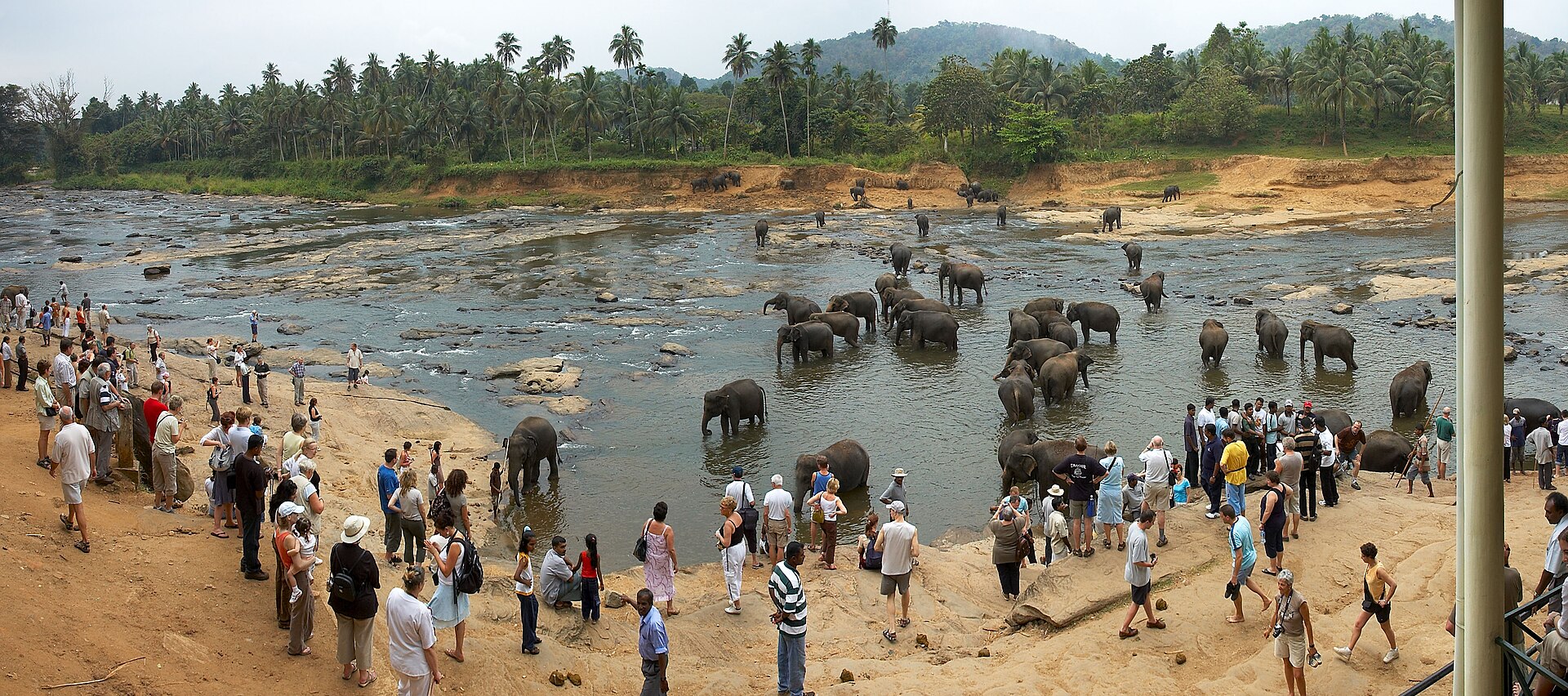
- The crossing on the B199 — Rambukkana Road (B199), Pinnawala
At bath time the herd is led across the highway between the main site and the river, and the traffic simply waits. Stalls along the road sell carvings, spices and cold drinks. Stand at the edge of the pavement, keep clear of the animals' path, and expect delays if travelling by road at those hours.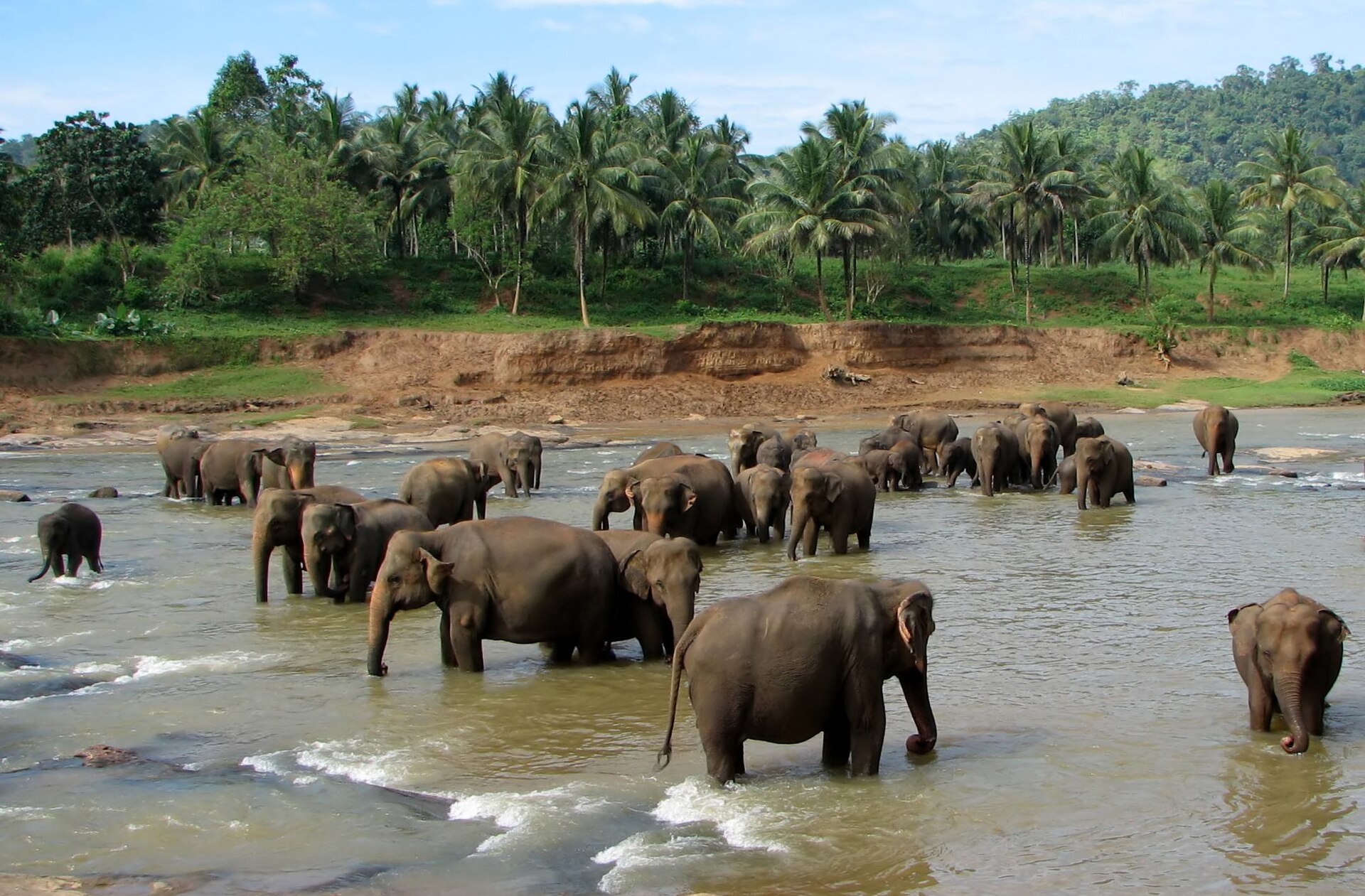
- Raja and the older animals — Main care area and riverbank
Photographs from the orphanage show a blind tusker named Raja, a reminder that the herd includes elderly and disabled animals as well as healthy calves. With three generations living together, it is worth looking for the differences in size, age and temperament as the elephants move between the shade and the water.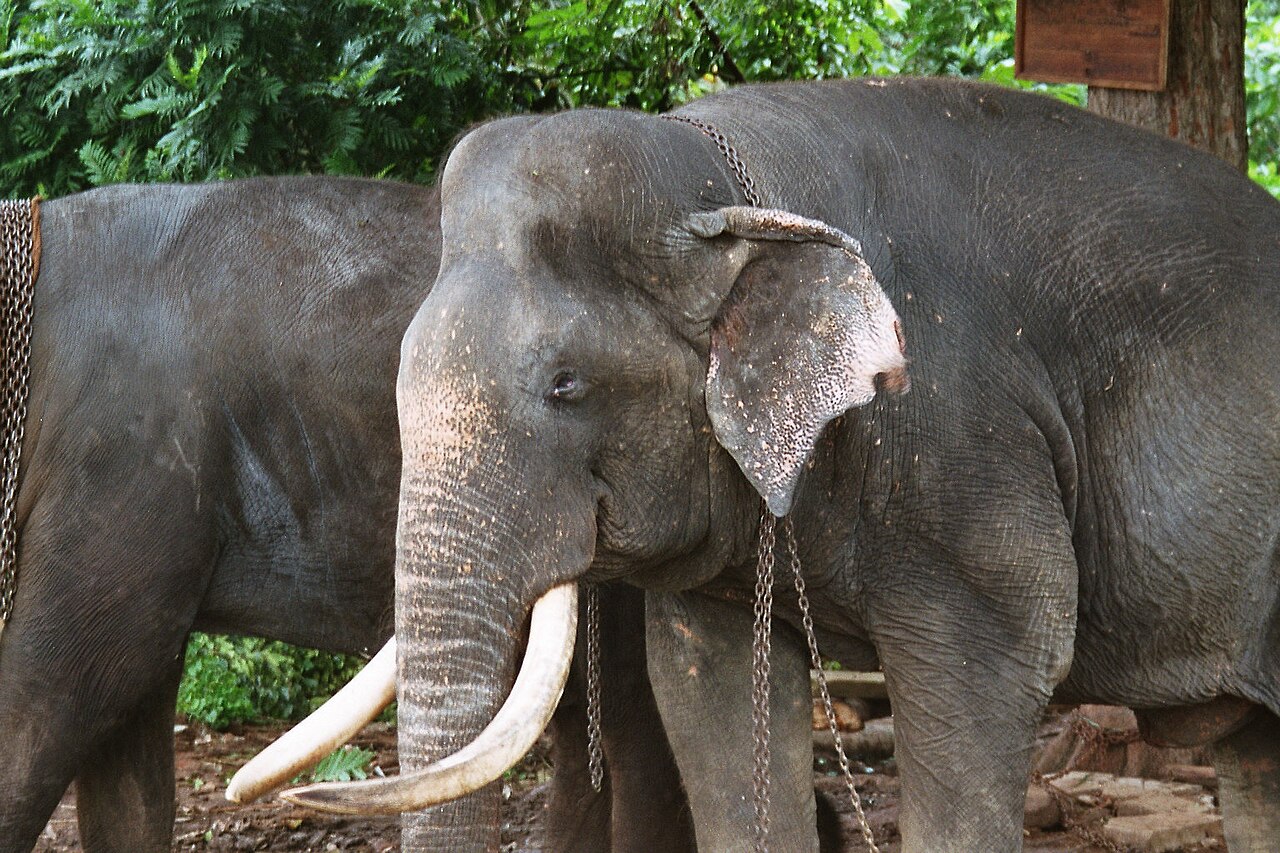
- The care area and sleeping sheds — East of Rambukkana Road
On the east side of the road, the main site holds the sleeping sheds, veterinary buildings and offices. Watching keepers feed the adults, hose them down and look after the calves shows the daily routine behind the spectacle. Allow time to walk the grounds slowly rather than heading straight for the river.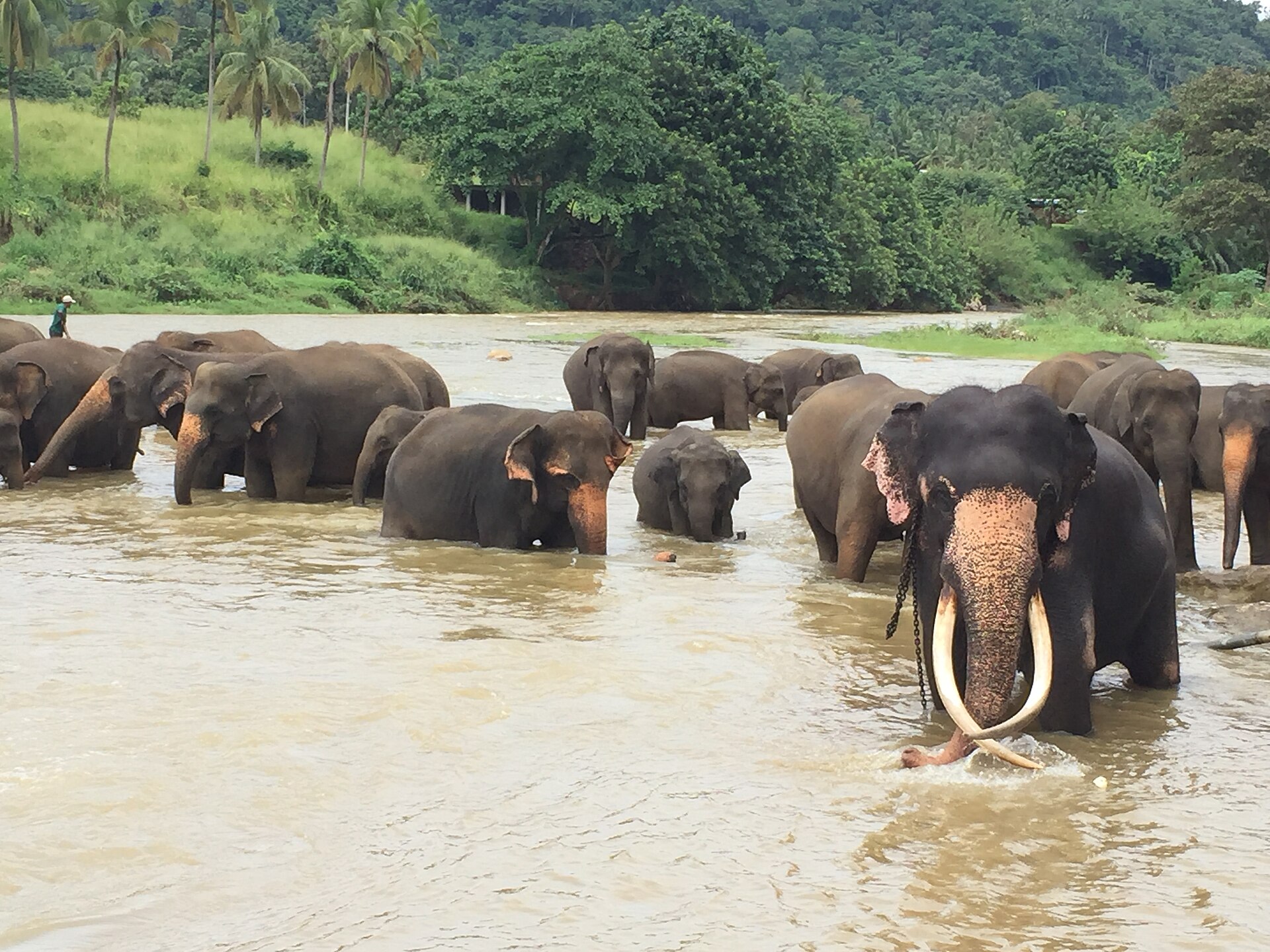
Culture
Pinnawala Elephant Orphanage sits in the Sinhala-speaking heartland of Sri Lanka, where elephants have long had a place in Buddhist ceremony and village memory. Temple processions in the hill country still feature decorated elephants, and the animal appears in carvings, murals and folk stories across the island. That affection sits beside a real conflict. Wild elephants and farmers compete for land, crops are raided, animals are sometimes killed, and calves are left without mothers. Pinnawala grew out of that tension, and the Sinhala name of the place, පින්නවල අලි අනාථාගාරය, simply means the Pinnawala elephant orphanage. Visitors will meet a range of views. Some Sri Lankans see the orphanage as a rescue and breeding success; some conservationists and travellers question whether a big captive herd on a busy tourist circuit serves elephants well. It is fair to ask keepers about the animals' routine, their health and where the orphans now go, and to treat the answers with the same curiosity you would bring to any other part of the trip. Local families and school groups also visit, especially at weekends and holidays, so the place has the feel of an outing as much as a wildlife site. Do not touch, tease or feed the elephants outside the keepers' supervised sessions, and keep your voice low near the calves.
What to wear
Around Pinnawala, traditional Sinhala dress is the sarong-style sarama for men and the saree for women, usually in cotton. Hill-country women may wear the Kandyan osariya, a saree draped with a fan of pleats at the back, mostly for weddings, dance and temple festivals. Handloom cotton and batik, often in bright, bold patterns, are the textiles people mention most. Day to day, most people in Kegalle district wear light shirts and trousers, knee-length skirts or dresses, and sarongs at home; office workers wear collared shirts, and many women wear sarees or salwar suits to work. Schoolchildren are in white uniforms. For visitors, the sensible choice is lightweight cotton or linen that covers the shoulders and knees, which keeps off the sun and suits any temple stop on the way. Bring a hat, sunglasses and sunscreen, as there is little shade at the river. Closed shoes or sturdy sandals with grip are better than flip-flops, because the ground near the river can be muddy and the elephants are heavy and unpredictable. A thin rain jacket is useful in the wet months. Leave dangling jewellery and loose scarves at the hotel, since inquisitive elephants may grab them.
What to eat
- Rice and curry — Local eateries along the Rambukkana Road and in Kegalle town
The everyday Sri Lankan meal: rice with several curries such as dhal, jackfruit or green beans, plus sambol and papadam. Roadside eateries along the highway through Pinnawala and Kegalle serve it at lunchtime, usually in generous portions and often fiery. - Kottu roti — Street stalls and small eateries in Kegalle, mostly in the evening
Flat roti chopped on a hot griddle with vegetables, egg or meat and spiced gravy, announced by the rhythmic clanging of metal blades. It is a filling, cheap evening meal and best eaten fresh and hot. - Hoppers (appa) — Breakfast and evening eateries in Kegalle and roadside cafés
Bowl-shaped, crisp-edged pancakes made from fermented rice batter and coconut milk, often with an egg cooked in the middle. They are a breakfast and dinner dish, eaten with chilli sambol or a mild curry. - Short eats — Bakeries and tea shops in Kegalle and Rambukkana
Small savoury snacks such as vegetable rolls, fish cutlets and patties, sold from glass cabinets for eating on the go. They are cheap, convenient on a day trip, and often spicy, so ask if you are unsure. - King coconut (thambili) — Roadside stalls near the orphanage entrance
A bright orange coconut whose sweet, mildly salty water is the standard cure for Sri Lankan heat. The seller hacks it open with a machete and gives a straw. It is the easiest way to rehydrate after the riverbank.
Plan it
Best time. December to March is usually the drier stretch in this part of the hill country, though it is hot and humid at any time of year. Heavy rain is common in the monsoon months, so the river can be high and the grounds muddy.
How long. 1
Getting there. Fly into Bandaranaike International Airport near Colombo, then take a train on the Colombo–Kandy line to Rambukkana or Kegalle, or go by road. From either, take a bus or tuk-tuk along the B199 to the orphanage.
Budget. mid
Tips
- Check the official website, http://nationalzoo.gov.lk/elephantorphanage/, for opening hours, entry charges and feeding and bathing times before setting out.
- Arrive early to beat the coaches and the midday heat, and to get a clear spot for the first feeding.
- Carry cash for stalls, tuk-tuks and small eateries, plus water, a hat and sunscreen.
- Combine the visit with a day in Kandy or on the Colombo–Kandy road, since Pinnawala itself needs only a morning or afternoon.
Etiquette
- Do not touch, tease or feed the elephants except in sessions run by the keepers.
- Keep clear of the herd when it crosses the road, and follow keepers' instructions.
- Keep voices low near the calves and avoid flash photography.
Nearby
Sources
- Wikidata Q2672104 (CC0)
- Wikipedia: Pinnawala Elephant Orphanage (rev 1371125298) (CC BY-SA 4.0)
- Wikivoyage: Pinnawala (CC BY-SA 4.0)
- Bernard Gagnon, Elephant orphanage at Pinnawala, Sri Lanka (CC BY-SA 1.0)
- Surangi Kasturirathne, Elephant feeding at Pinnawela (CC BY-SA 4.0)
- Wouter Hagens, Elephants in water (Public domain)
- McKay Savage, Elephant orphanage near Kandy, Sri Lanka (CC BY 2.5)
- Anjadora, Blind tusker Raja at Pinnawela (CC BY-SA 2.0)
- Sahan177, Pinnawala elephant orphanage with tusker (CC BY-SA 4.0)
- Cherubino, Pinnawala Elephant Orphanage (CC BY 3.0)
- Gihan Jayaweera, Plaque at the entrance of Elephant Orphanage, Pinnawala (CC BY-SA 4.0)


Wildlife
- Asian elephant (animal)
The Asian elephant is the largest land animal in Asia, a wrinkled grey giant whose long trunk ends in a single finger-like tip. At Pinnawala Elephant Orphanage, visitors can watch a big herd, some rescued and some born in care, eating, crossing the road and bathing in the river. These clever animals can show grief, learning and greeting, so watch them kindly. Keep a respectful distance, stay quiet, listen to a guide, and never feed them.