Hikkaduwa
Hikkaduwa, Sri Lanka
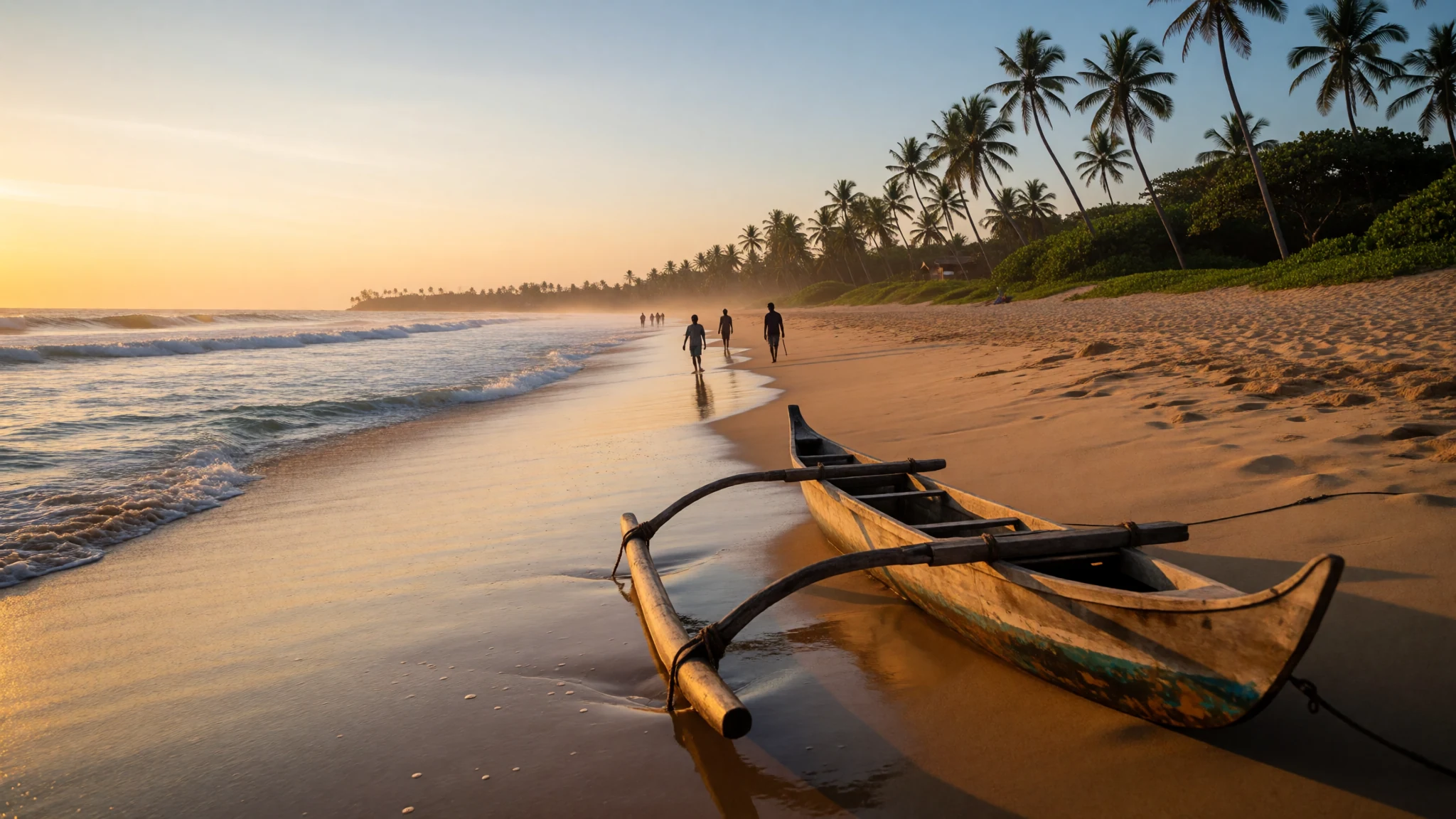
Hikkaduwa offers golden sandy beaches, reef snorkeling, and a lively coastal atmosphere along the southwestern shore of Sri Lanka.
The place
Hikkaduwa sits along the southwestern coast of Sri Lanka within the Galle District, stretching across several distinct villages and neighbourhoods facing the Indian Ocean. The region operates under the local jurisdiction of the Hikkaduwa Urban Council and Divisional Secretariat, spanning a long coastal frontage alongside inland settlements. Geographically, the locality is organized into specific zones running from north to south. At the northern end lies the townsite, which houses essential public infrastructure including the railway station, bus stand, and harbour, alongside the wide thoroughfare of Baddegama Road leading eastward. Moving southward leads into the main tourist hub, characterized by lively stretches around Wewala and Narigama. This energetic strip contains numerous guesthouses, small eateries, retail shops, and beach access points. Further south, the scenery transitions toward quieter residential pockets and sandy shores that extend past Patuwatha down toward Dodanduwa. The surrounding environment combines marine conservation zones with active fishing harbours and palm-fringed coastal roads. Visitors arriving from Colombo travel southward along coastal routes, finding a distinct maritime character shaped by the constant presence of the ocean and the rhythm of coastal tides.
Its story
During the British colonial period of Ceylon, Hikkaduwa served as a favored rural retreat and picnic destination for travellers and officials journeying up from nearby Galle. Its local economy traditionally relied upon coastal fishing and extensive coconut cultivation across the coastal belt, prior to the gradual arrival of international tourism that transformed the sandy shores. During the 1960s, a wave of counterculture travellers and hippies discovered the coastal stretch, briefly earning the settlement the moniker of Hippiduwa as guesthouses and informal beach dwellings began to appear. Decades later, the community faced profound tragedy when the Indian Ocean tsunami struck in late 2004, causing immense devastation along the southern coastline. Among the most tragic incidents during the disaster occurred in the local area when a massive wave struck a passenger train, leading to enormous loss of life. Memorials, including a towering monument and photographic archives, were subsequently established to honour those who perished and to document the resilience of the local population as homes, businesses, and marine habitats gradually rebuilt over the following years.
What to see
- Hikkaduwa National Park — Marine park zone
This protected marine sanctuary sits just off the shoreline, offering visitors a chance to observe colorful reef fish, marine turtles, and coral formations. Though parts of the reef suffered historical damage, marine life remains active, and the beach area near local spots provides straightforward access for snorkelers looking to swim directly out from the sand.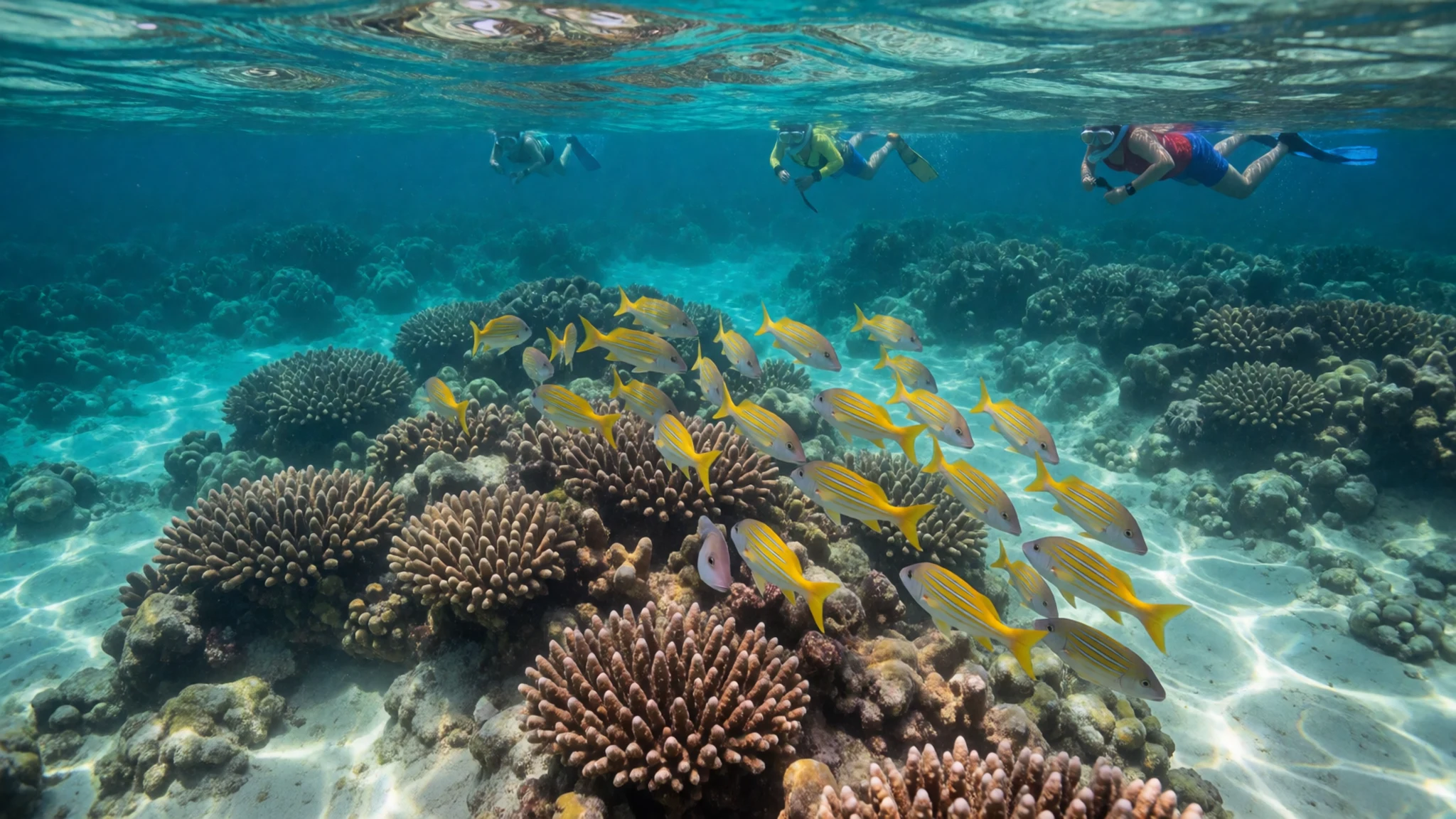
- Big Buddha Statue — Peraliya area
Standing as a towering monument along the northern sector, this substantial memorial structure commemorates the victims of the devastating regional tsunami. Modelled after historical statues, the monument offers a quiet space for reflection on the coastal tragedies while looking out across the surrounding neighbourhoods and transport routes.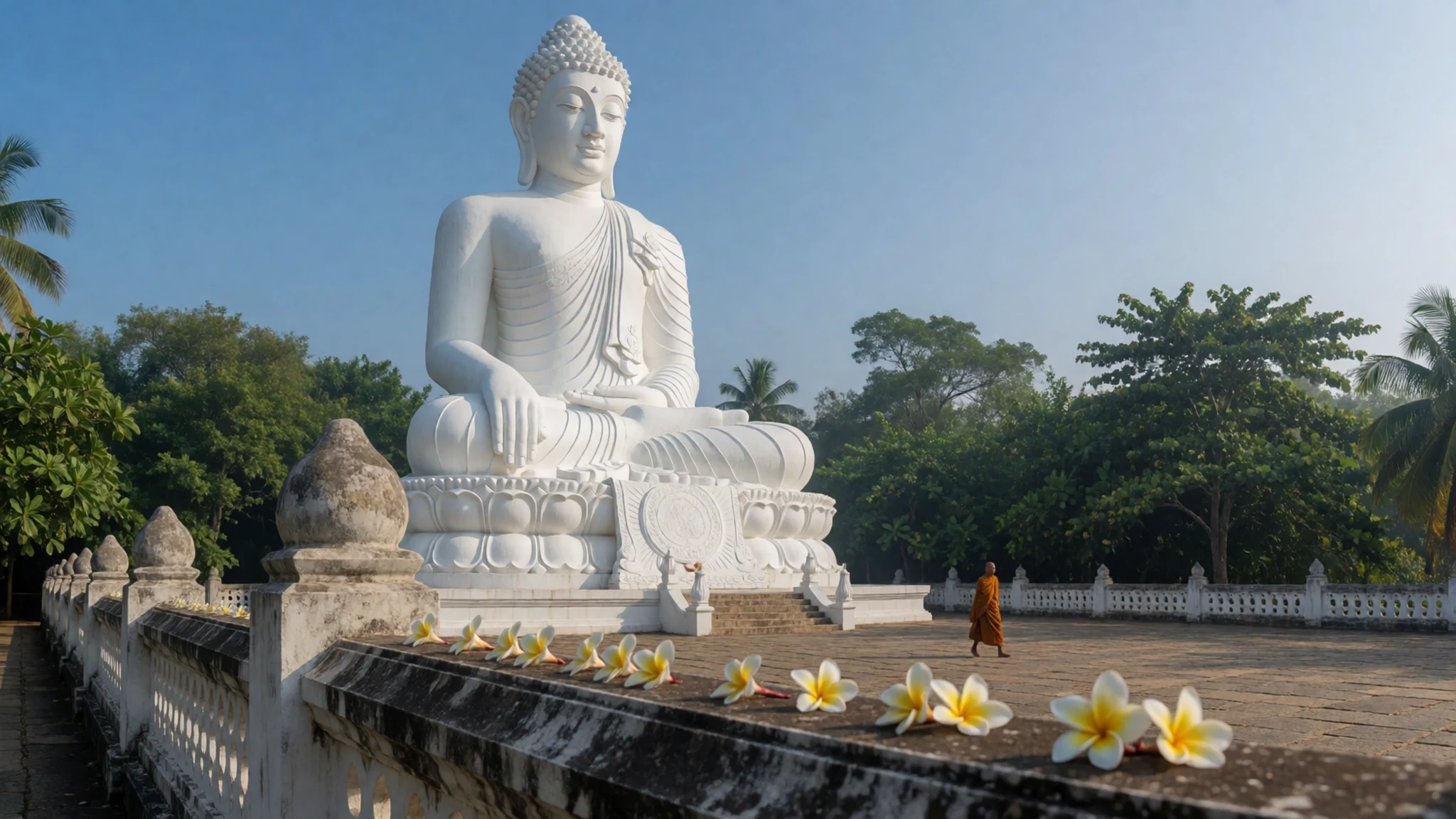
- Sea Turtle Hatchery and Rescue Centre — Northern coastal road
Dedicated conservationists operate this rescue facility to protect endangered marine species, providing a safe incubation environment for several turtle varieties including the green turtle and leatherback. Visitors can observe hatchlings in recovery tanks and learn about ongoing efforts to safeguard coastal nesting grounds along the southern shores.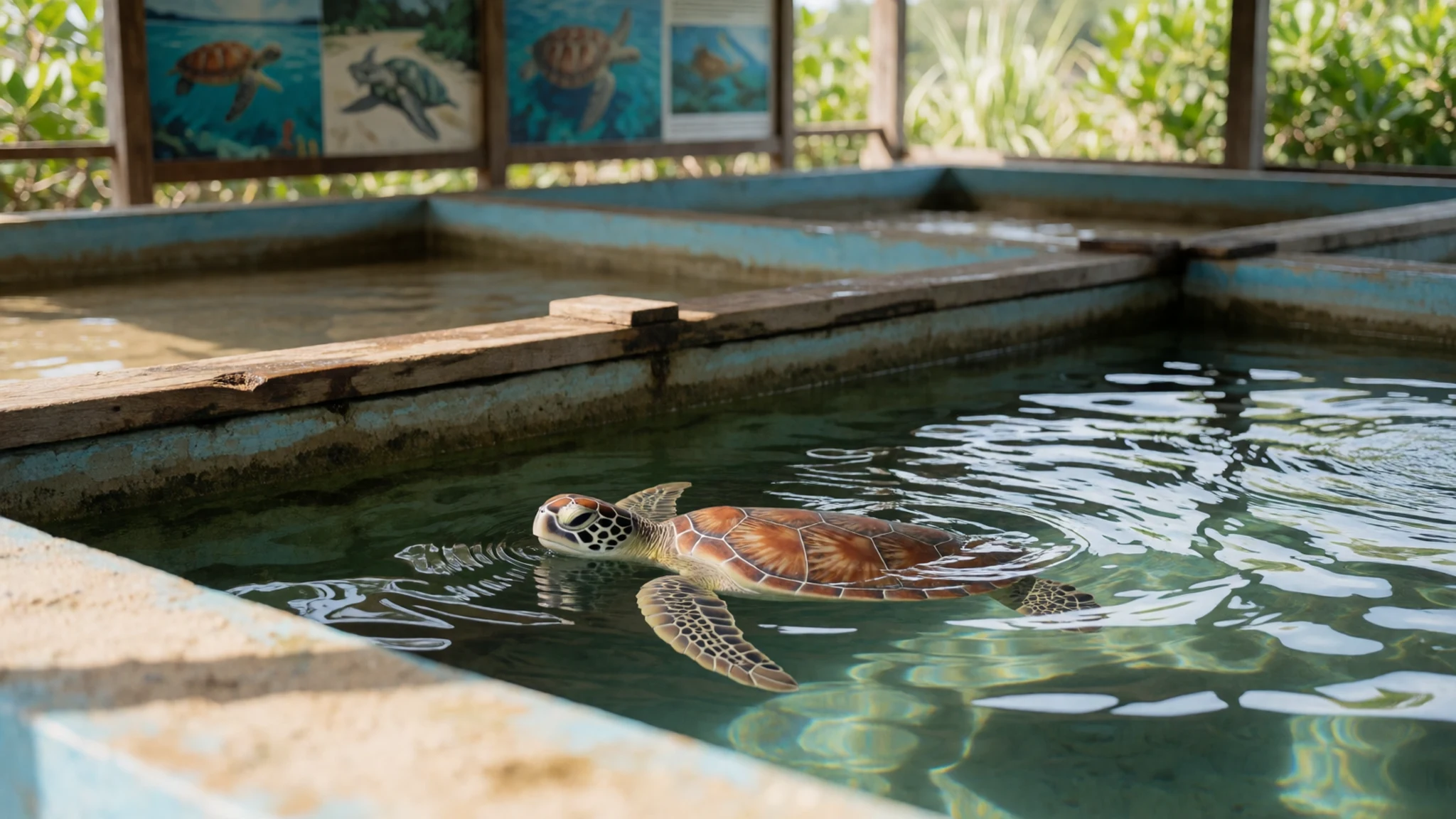
- Narigama Surfing Beach — Narigama tourist hub
Recognized as a premier coastal destination for wave riders, this long stretch of sand hosts surfers of varying experience levels throughout the main season. Local board rental shops and surf schools line the beachfront, providing equipment and instruction for individuals tackling the ocean breaks.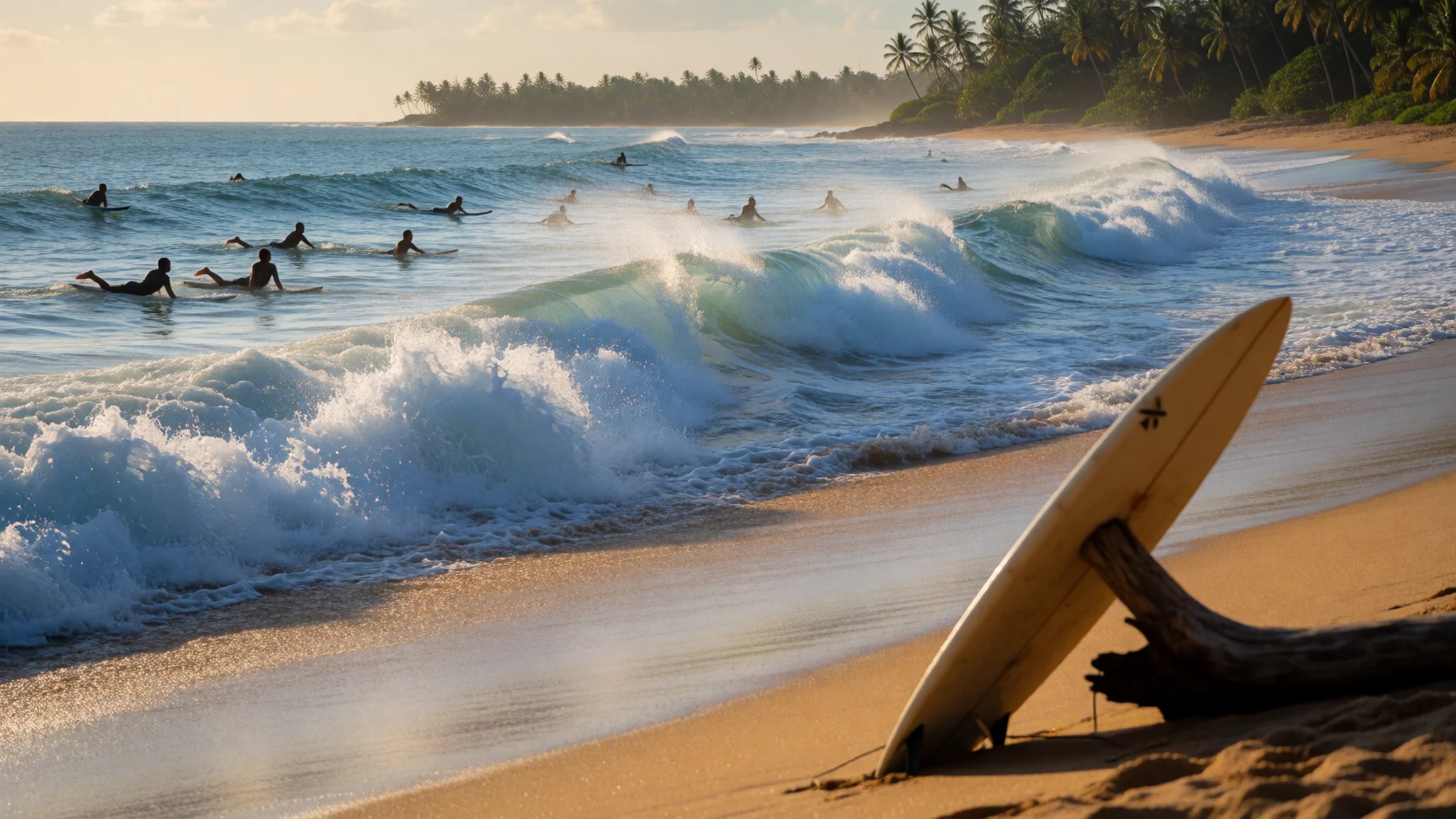
- Turtle Beach — Main tourist strip
This sandy stretch near the shoreline allows observers to watch marine turtles swimming near the shallow water. Strict local regulations prohibit touching or feeding the animals, ensuring that visitors can view the wildlife responsibly without disturbing their natural feeding habits.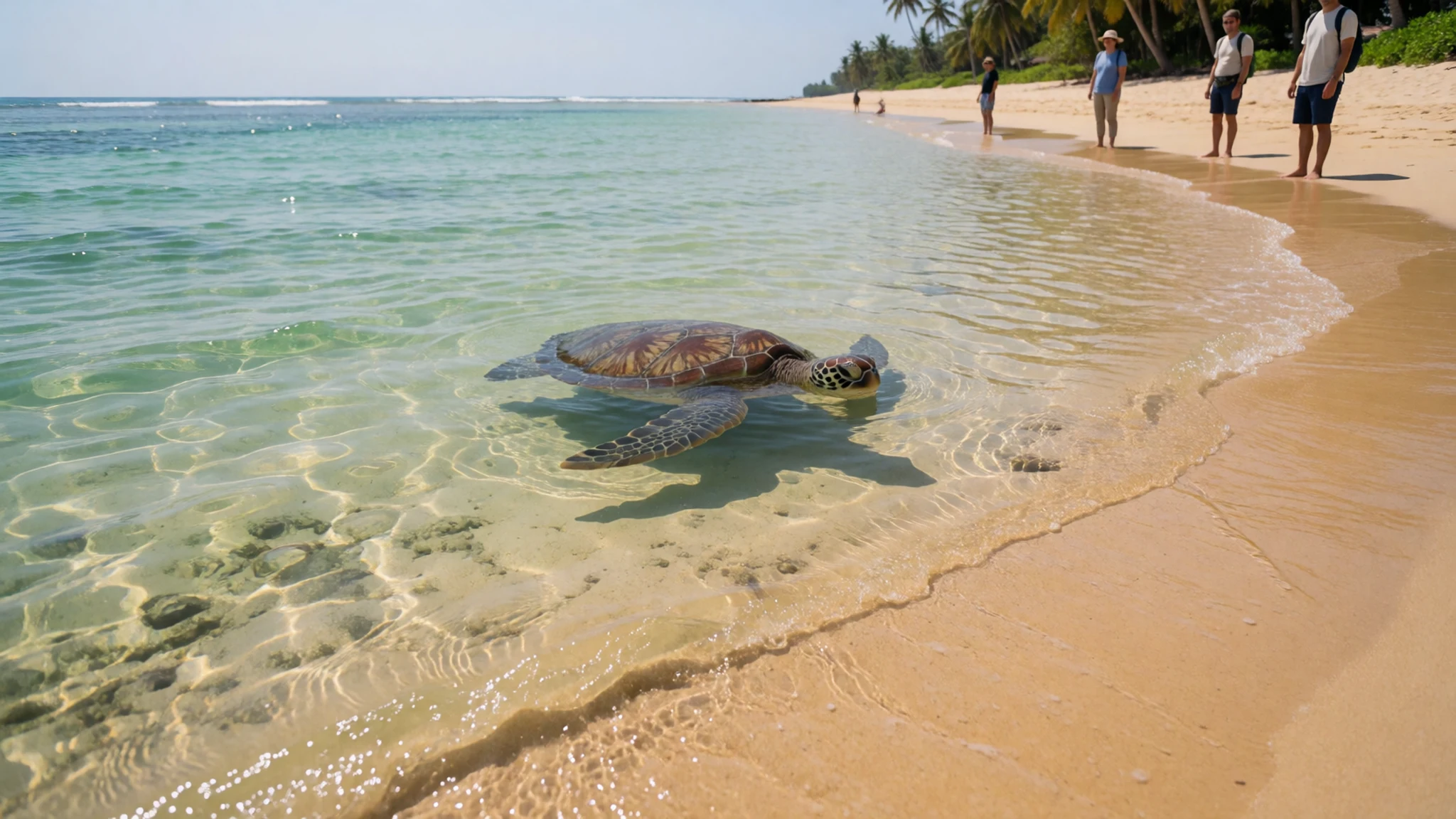
Culture
Hikkaduwa reflects the distinct cultural traditions of Sri Lanka's Southern Province, blending coastal fishing heritage with vibrant hospitality traditions centred around visitors from around the world. Daily life revolves around the ocean, with local communities maintaining traditional fishing methods alongside modern tourism services, surf schools, and handicrafts. Music, beach gatherings, and seasonal events play a major role in the town's social fabric, with weekly nightlife events rotating between local beach venues to maintain a balanced community atmosphere. Visitors will find residents warm, welcoming, and accustomed to international guests, though traditional modesty and respect remain important across the region. When visiting temples, shrines, or sacred memorial sites in Hikkaduwa, ensure your shoulders and knees are covered and remove footwear before entering prayer halls.
What to wear
Traditional dress across Hikkaduwa and the wider Southern Province reflects the tropical climate of Sri Lanka, with lightweight cottons and breathable fabrics remaining standard for everyday wear. Local residents often wear traditional attire such as sarongs for men and vibrant draped garments for women during formal occasions, community festivals, and daily village life. For contemporary everyday wear, residents and workers generally favour casual shirts, light trousers, and simple sandals suited to the warm, humid coastal environment. Visitors should dress comfortably in lightweight, loose-fitting clothing made from natural fibres to cope with the tropical sun and humidity. When moving away from the immediate beach zones into local markets, residential neighbourhoods, or sacred monuments, modest attire covering shoulders and knees is expected out of respect for local cultural norms.
What to eat
- Sri Lankan Rice and Curry — Local roadside eateries
A staple dish featuring fragrant rice served with an assortment of spiced vegetable dishes, lentils, and fish or chicken prepared with coconut milk and local spices. It is widely available in small local eateries and family-run restaurants throughout the town.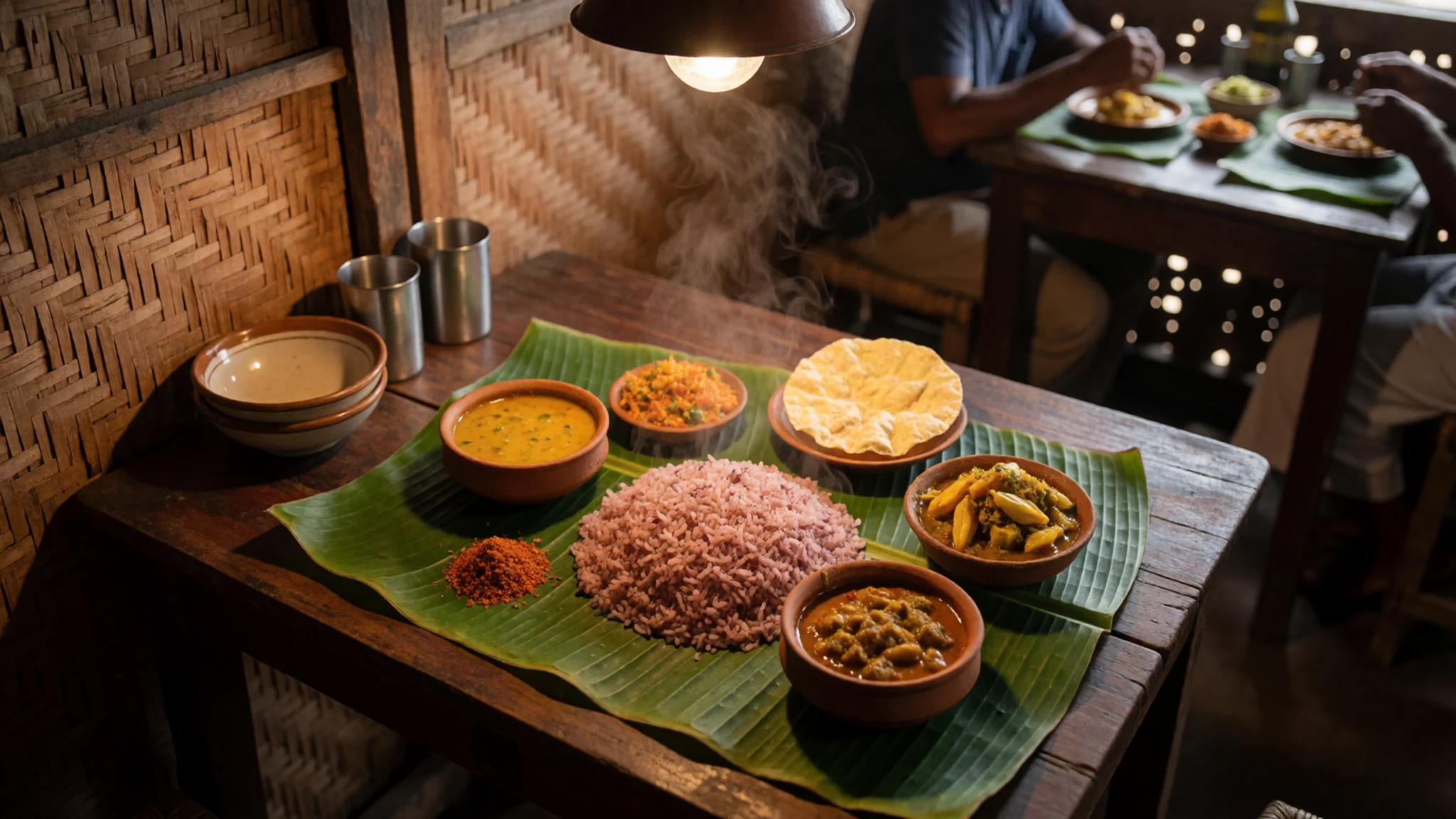
- Hoppers and String Hoppers — Morning markets and local cafes
Crisp bowl-shaped pancakes made from fermented rice flour and coconut milk, often served with egg or spiced relishes, alongside pressed rice noodle nests. These are popular breakfast items served fresh in morning cafes and neighbourhood canteens.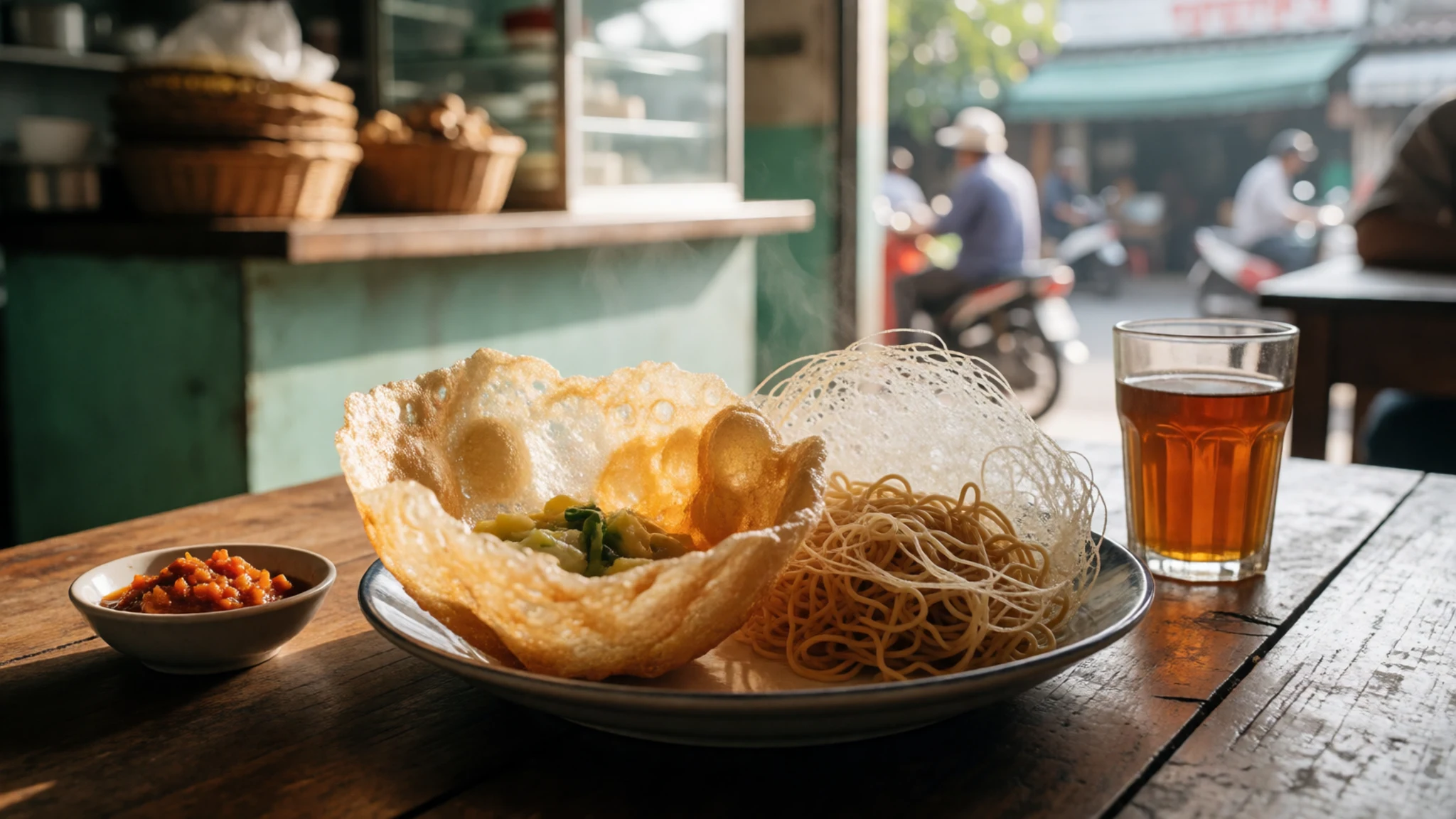
- Fresh Seafood Platters — Beachfront dining spots
Catch of the day offerings including prawns, tuna, and reef fish grilled or curry-spiced, served directly at beachside dining spots. These meals highlight the coastal location and are featured prominently at oceanfront restaurants along the main strip. - Lion Beer — Beach bars and local shops
The most popular local brew in Sri Lanka, offering a crisp, refreshing lager style that pairs well with spicy coastal dishes. It is served chilled across virtually every beach bar, restaurant, and grocery shop in the area.
Plan it
Best time. December to April offers the driest weather, calmest seas for snorkeling, and ideal conditions for beach visits along the southern coast.
How long. 3–4
Getting there. Fly into Colombo's international airport, then take a taxi, bus, or the coastal railway line southward directly to Hikkaduwa station.
Budget. mid
Tips
- Book accommodation well in advance if travelling during the peak winter months
- Carry cash for small shops, local buses, and street vendors
- Protect yourself against strong tropical sun with hats and reef-safe sunscreen
- Take early morning walks along the beach before the midday heat peaks
- Use official transport or pre-arranged taxis for longer journeys along the coastal highway
Etiquette
- Remove shoes and hats when entering Buddhist temples or sacred memorial grounds
- Dress modestly with covered shoulders and knees outside of the immediate beach areas
- Never touch, chase, or attempt to feed marine turtles along the shoreline
Nearby
Sources
- Wikidata Q1618065 (CC0)
- Wikipedia (rev 1379432106) (CC-BY-SA 4.0)
- Wikivoyage (rev 5287958) (CC-BY-SA 4.0)
- Administrative map of Hikkaduwa Town (CC0 1.0)
- Hikkaduwa beach (CC BY 3.0)
- Hikkaduwa beach beauty (CC BY-SA 4.0)
- The Big Buddha Statue (CC BY 2.5)
- BackView (CC BY 3.0)
- Buddha replica (CC BY 2.5)
- Citrus 3*, Hikkaduwa (CC BY 3.0)
- Sunset at southern coastline (CC BY-SA 4.0)


