Phnom Aural
Phnom Aural, Cambodia
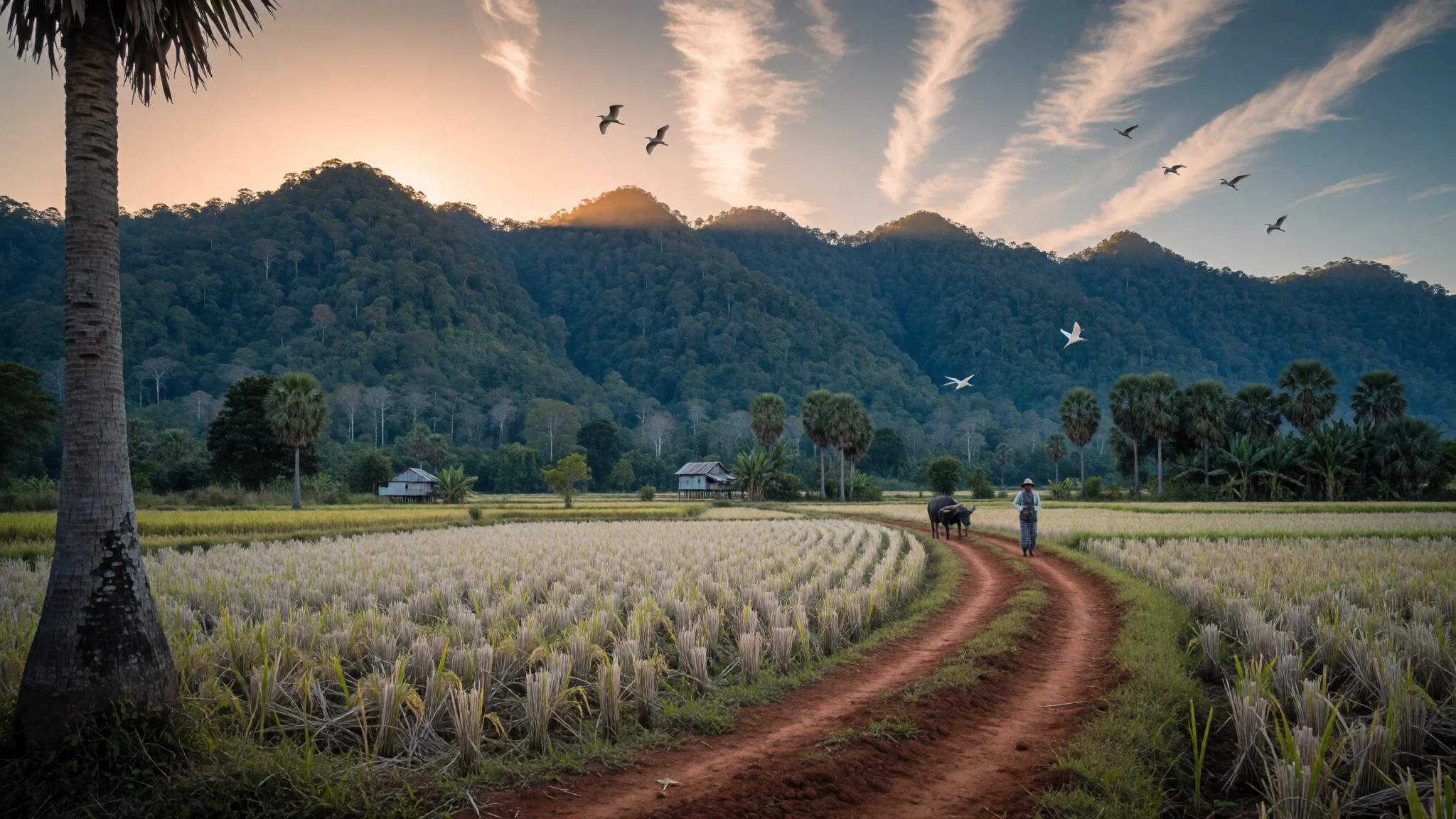
Phnom Aural is Cambodia's highest peak, a quiet forested ridge for walkers who want wild country instead of temples and beaches.
The place
Standing at 1,813 m, Phnom Aural (also written as Phnom Aoral) represents Cambodia's highest point. Other sources quote slightly different heights, so the exact figure depends on which survey is used. The mountain stands in the eastern part of the Cardamom Mountains, in Aoral District of Kampong Speu Province. It is not a single dramatic cone. Seen from the lowlands it is one peak among several along a long ridge, and the true summit is the second from the left in the reference photograph, which makes it hard to pick out from a passing vehicle. The slopes are forested and the whole massif lies inside a wildlife sanctuary, and that shapes what a visit looks like. There is no cable car, no paved summit road and no café at the top. It is protected forest where access depends on permission, local guides and the season. Most travellers in Cambodia head for the temples at Angkor or the beaches in the southwest, so Phnom Aural sees fewer visitors, though the price is thin facilities and a lot of planning. Much of the country around it is lowland farmland, which is why the mountain offers a rare feeling of height and, usually, cooler and damper air. Those who come tend to care about forest, birds, ridge views and the quiet satisfaction of standing on a national high point, more than about conventional sightseeing.
Its story
Phnom Aural's modern story is mostly about protection. In 1993 the area was set aside as a wildlife sanctuary, with the stated aim of safeguarding the biodiversity of the mountains. The date is worth noticing. The same year, UN-sponsored elections began Cambodia's slow recovery from decades of civil war, and conservation only became a realistic project once the country had some stability. The wider national history sits behind the mountain. Angkor fell in 1431, and the Khmer Empire, which had grown wealthy on rice farming supported by canals and dams, was plundered by its neighbours for centuries. France colonised the country in the nineteenth century, and the twentieth brought heavy bombing, the Khmer Rouge and foreign occupation. Against that background, an upland forest with little development is partly a product of circumstance: attention and investment went elsewhere for a long time, and the high country was left largely to itself. Protection on paper is not the same as protection on the ground, and sanctuaries across the region face pressure from logging, farming and hunting, so the label tells a visitor less than a conversation with local rangers and guides. The mountain also carries an unsettled number: the height quoted today is 1,813 m, but other sources give lower figures, a reminder that remote ground in Cambodia has not always been surveyed with the care that better-known places receive.
What to see
- The summit ridge — Aoral District, Kampong Speu Province
Phnom Aural's highest point is the second peak from the left along the back ridge, and it is easy to confuse with its neighbours. Any ascent needs a local guide and the right permissions, so ask in Aoral District before setting out. Expect a long, humid walk through forest rather than an open viewpoint.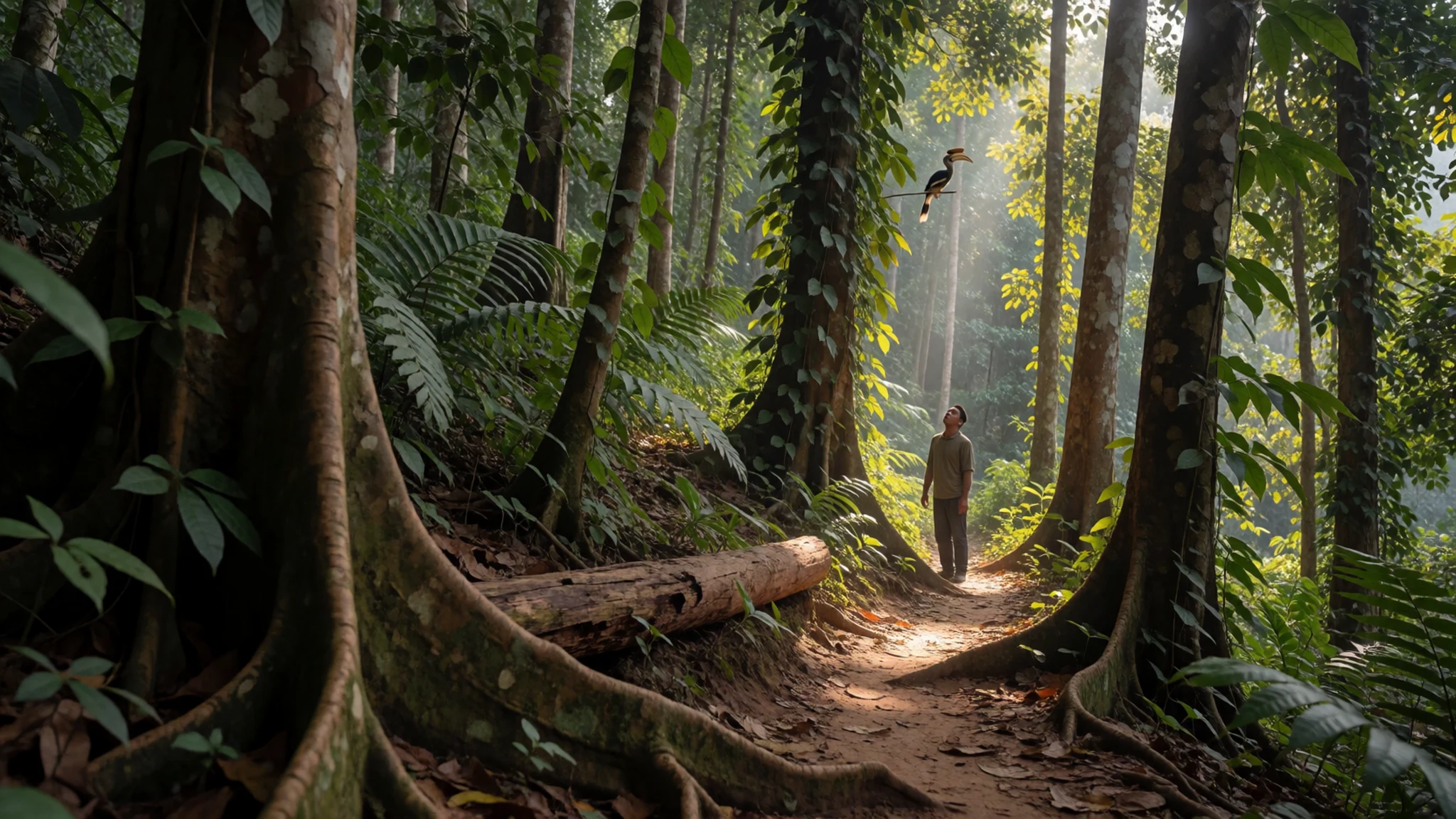
- Phnom Aural Wildlife Sanctuary — Eastern Cardamom Mountains
The sanctuary covers the mountain and its forested slopes, and it was created in 1993 to protect the area's wildlife and plants. Walking here is about patience: birdsong, fallen fruit, streams and the occasional sign of larger animals. Entry rules change, so confirm access locally before planning a route.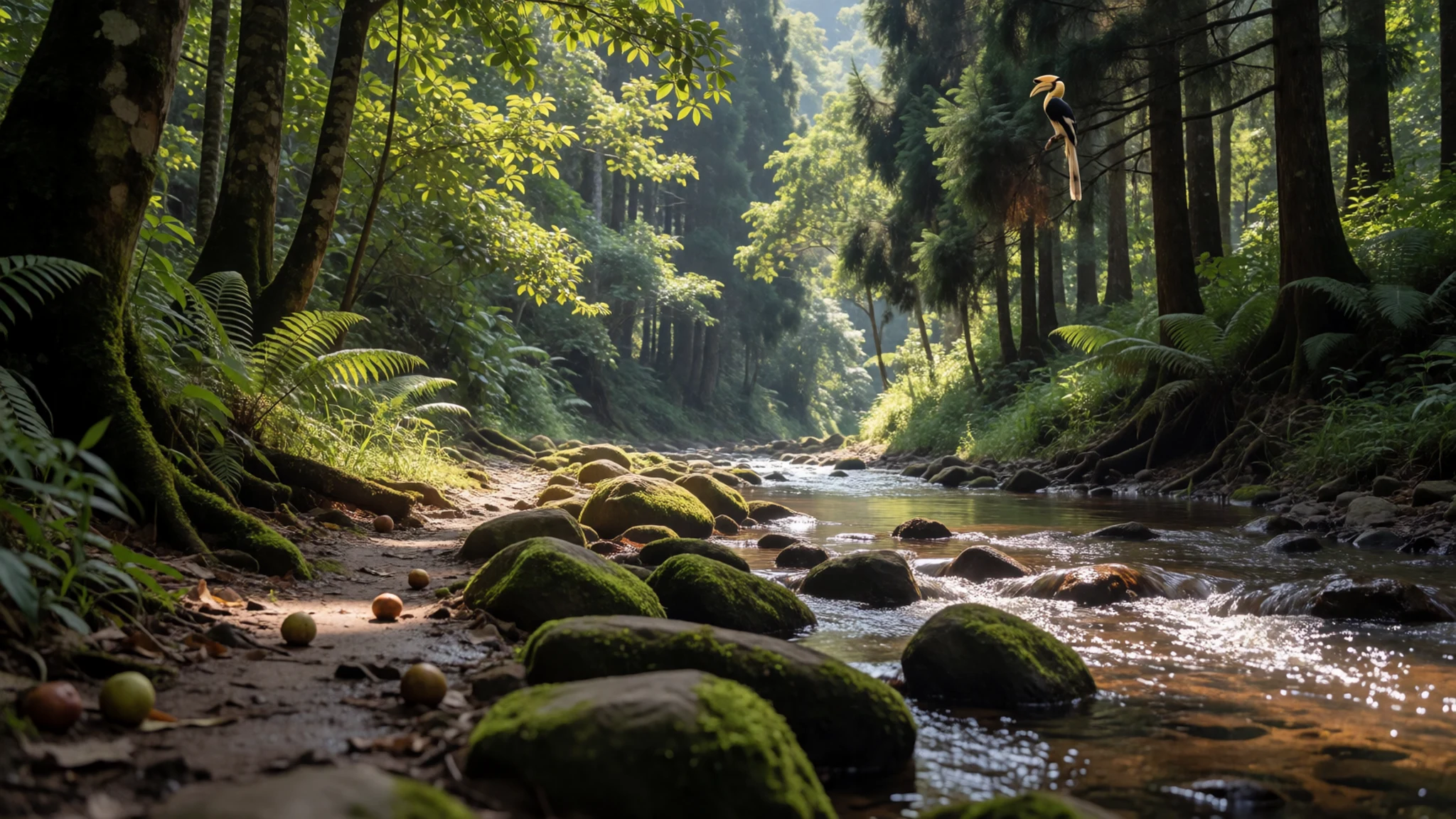
- Aoral District and its approach roads — Aoral District, Kampong Speu Province
The journey to the mountain is part of the visit. Roads pass farmland, small villages and roadside stalls, and the land rises gradually towards the range. Stopping in a village to ask about conditions is often the most reliable way to learn which tracks are passable and which guides are trusted.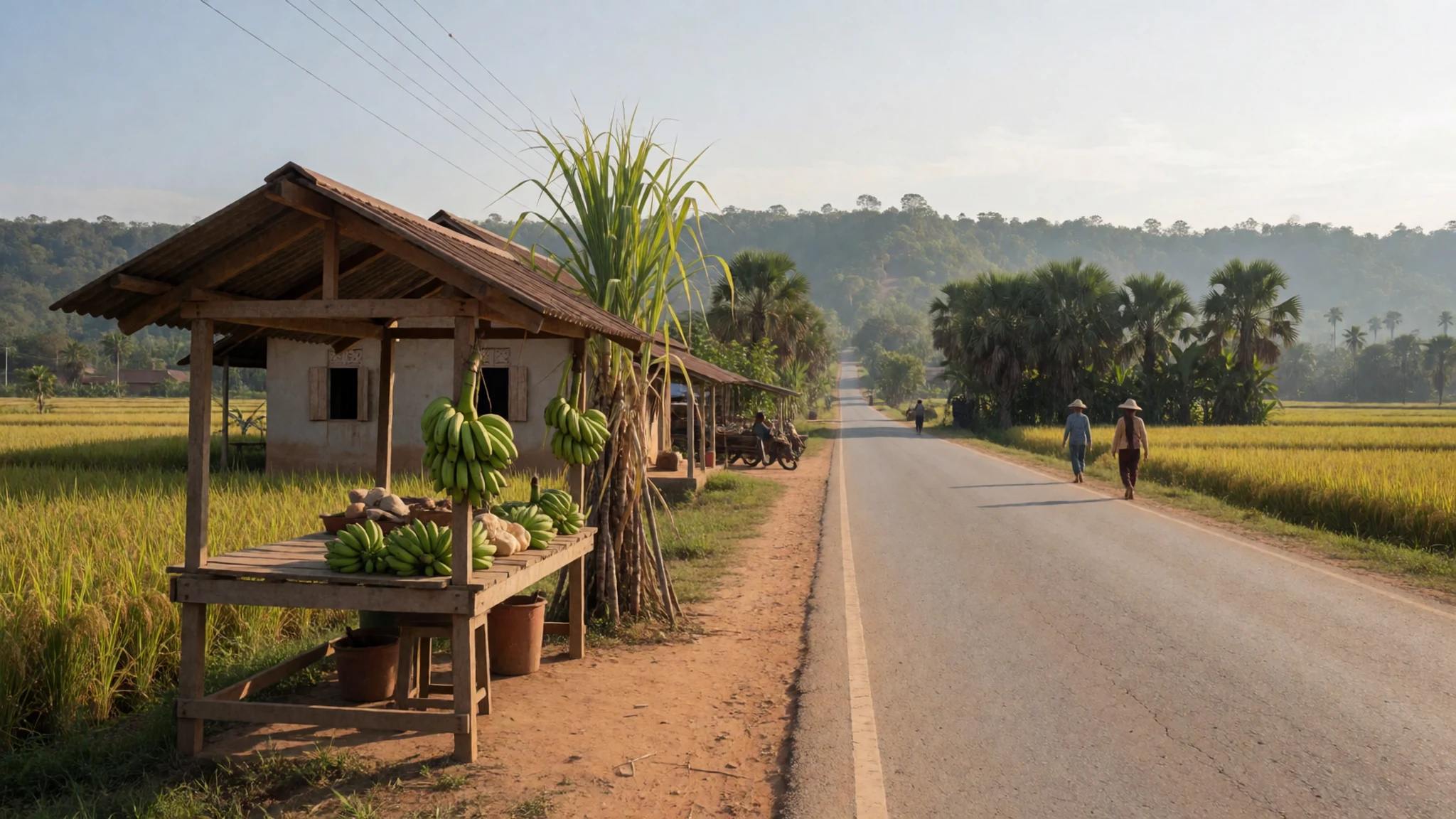
- Ridge views from the lowlands — Lowlands below the ridge
From flat ground the Phnom Aural range reads as a long, blue-green wall with several similar summits. Early morning and the hour before dusk give the clearest light. Anyone photographing it should note that the true top is not the most obvious peak, so check it against a map or with a local.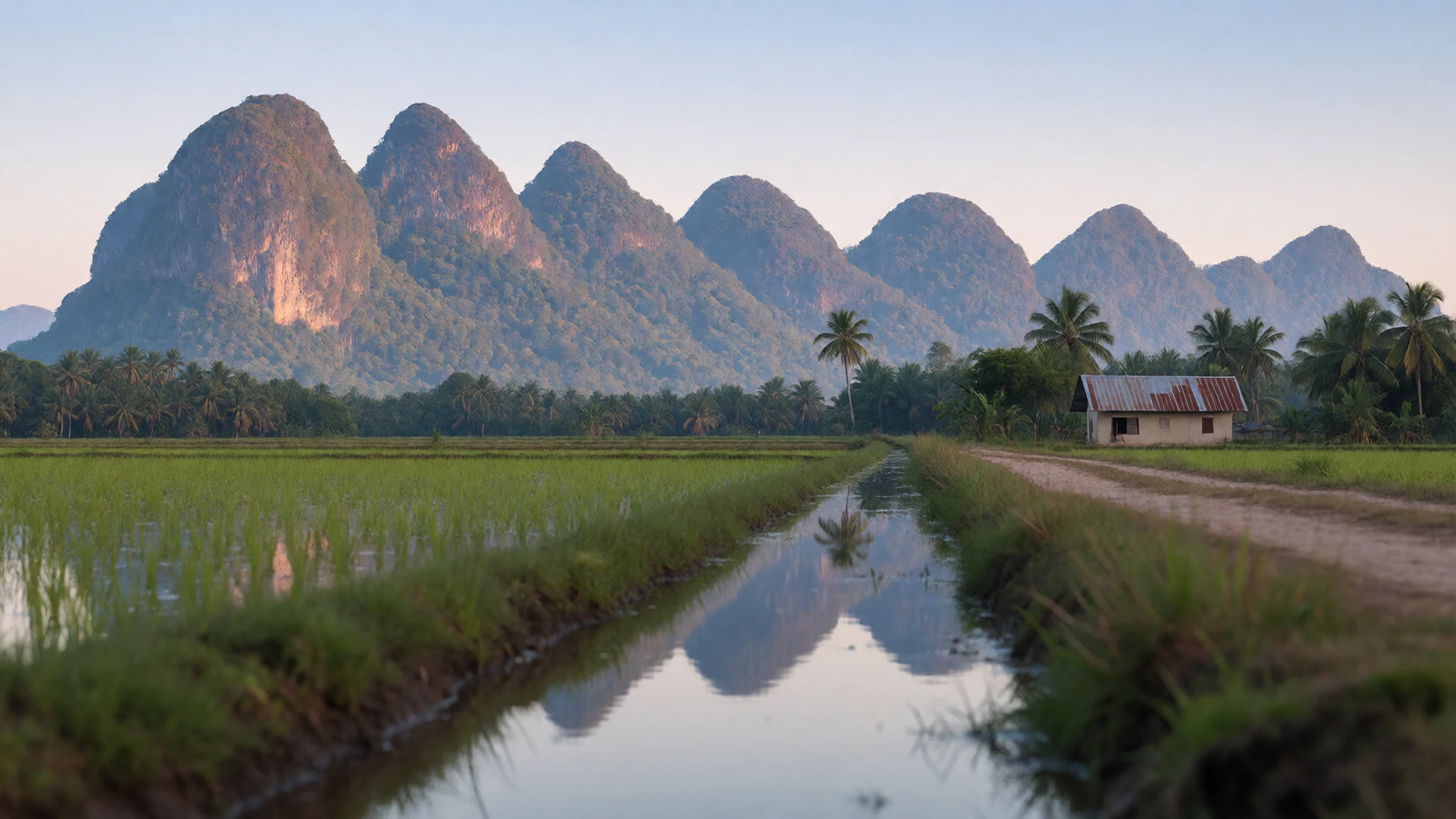
- A guided forest walk — Lower slopes of Phnom Aural
Short guided walks at the foot of the mountain are a sensible alternative to a summit attempt. A guide can identify trees, point out animal signs and keep walkers on safe ground. Carry plenty of water, wear sturdy shoes and be ready to turn back if rain or heat builds.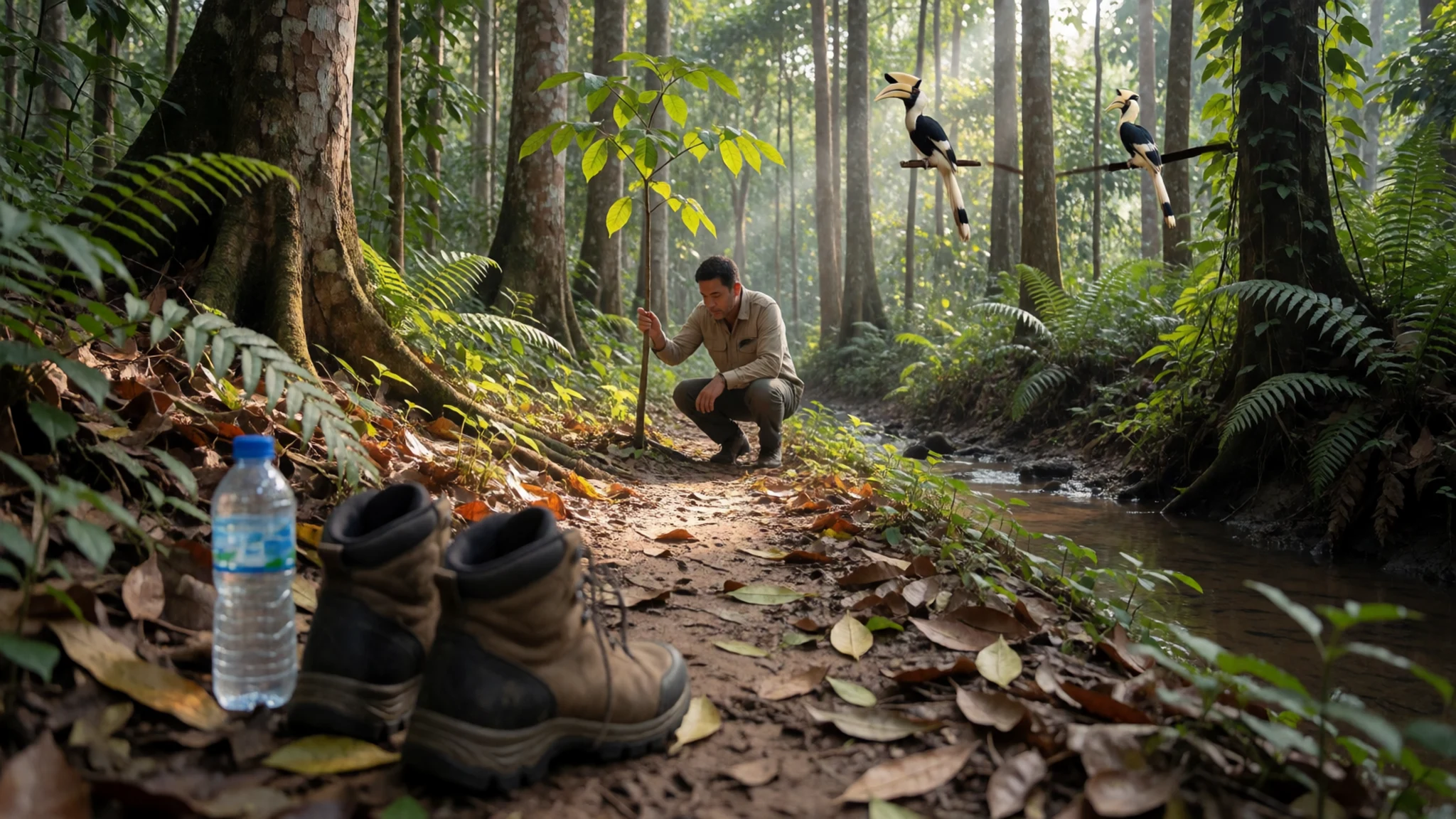
Culture
Phnom Aural lies in a part of Cambodia where daily life is rural, Buddhist and mostly unaccustomed to tourism. People in the more heavily visited places, such as Phnom Penh and Siem Reap, are well used to visitors, but small communities elsewhere may be less so, and a little patience and a friendly greeting go a long way. The country has lived through a great deal, from the fall of Angkor to colonisation, civil war and the Khmer Rouge years, and many older people carry those memories. Conversations about politics or the past are best left to the other person to begin. Temples and village pagodas are working places of worship, not attractions, and monks are treated with particular respect. Dress is more conservative than in many tourist countries, especially for women and especially outside the big towns, and covering shoulders and knees is both courteous and practical in forest country. Children may approach visitors to sell bracelets or small goods, and a calm, polite refusal usually settles it. Power cuts and basic services are part of life outside the main towns, so a relaxed attitude is appreciated. Always ask before photographing anyone, because people in remote areas often dislike being photographed, and some in towns may expect a payment.
What to wear
Phnom Aural sits in rural Cambodia, where traditional dress is still part of everyday life. The most familiar item is the krama, a checked cotton scarf worn round the neck, over the head against the sun, as a bag or a baby carrier, or tied as a hammock. The sampot is a length of cloth wrapped and held at the waist, and for ceremonies and festivals it is often made of silk, sometimes woven with patterns in the Khmer tradition. Monks wear saffron robes. Today most people wear practical modern clothes: loose shirts, long trousers or skirts, rubber sandals, and a krama or hat in the field. Women often cover up in the daytime, partly out of modesty and partly to avoid tanning, which is not considered attractive. Visitors should dress for heat, humidity and forest. Lightweight long trousers and a loose long-sleeved shirt protect against sun, insects and scratches, and quick-drying fabric is far more comfortable than cotton in wet weather. Boots or trail shoes with a good grip are better than sandals on muddy slopes. Pack a rain layer, a hat and a scarf. In villages and at pagodas, knee-length shorts or trousers and covered shoulders are the respectful minimum. A krama bought locally makes a useful and welcome souvenir.
What to eat
- Amok — Restaurants and eateries in Phnom Penh and larger provincial towns
A steamed Khmer curry, served in banana leaf or a hollowed coconut and often counted among the national dishes. Fish is traditional, though chicken, beef or tofu appear too. Done well, the texture is soft and set, like a mousse.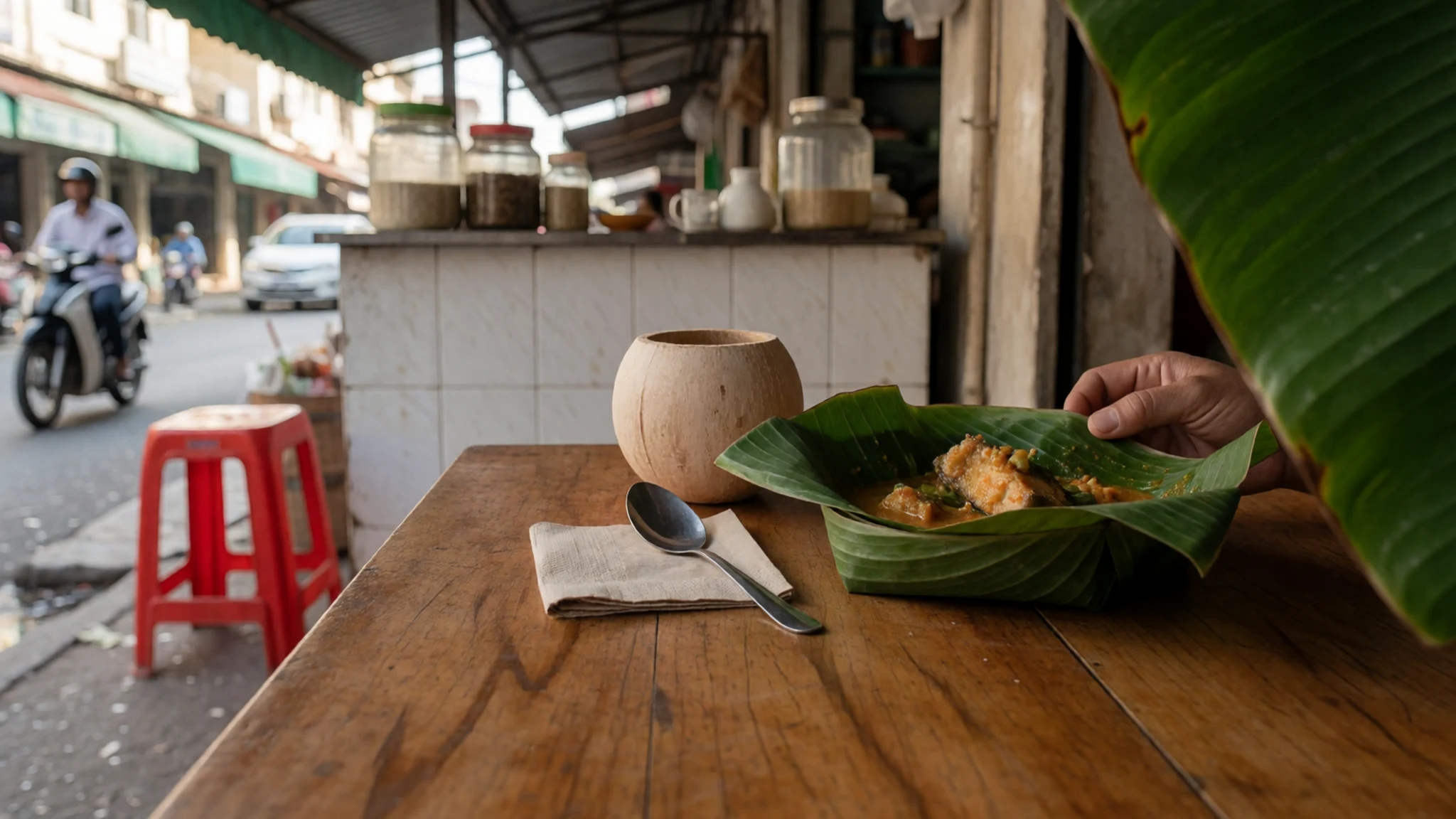
- Kuytheav — Morning stalls and roadside eateries in towns along the way
A noodle soup eaten mainly at breakfast, made with pork, beef or seafood. The broth is light and savoury, and herbs, lime and chilli are usually added at the table. It makes a sensible start before a long day outdoors.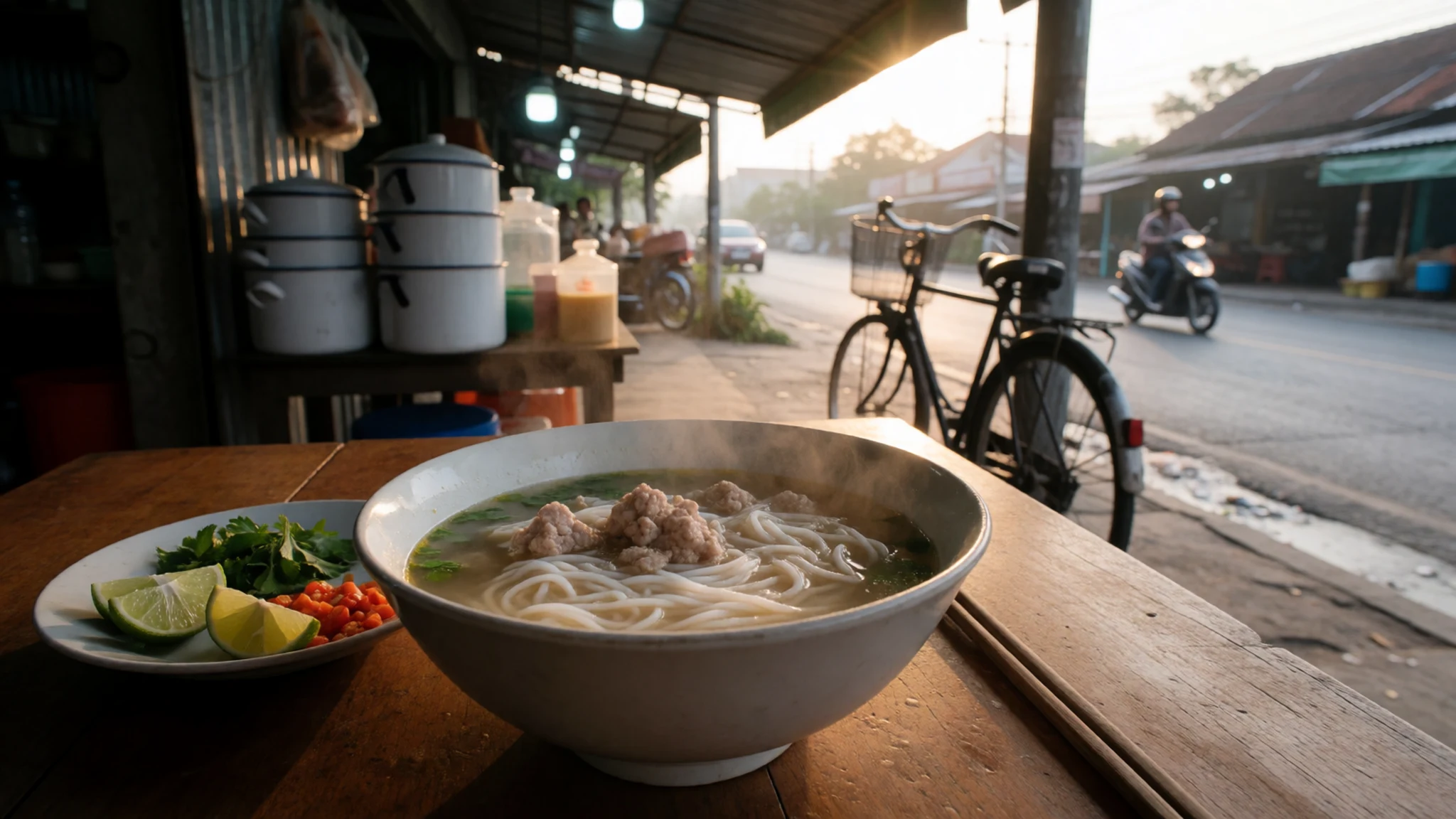
- Prahok — Village kitchens and local markets
A fermented fish paste that sits behind many Khmer dishes. It is pungent and salty, and some visitors find it hard going. It is worth tasting in small amounts, usually as part of a dip or a soup. - Bai sach chrouk — Early-morning street stalls in provincial towns
Grilled pork over rice, often with pickled vegetables and a bowl of broth. It is a common morning meal that suits early starts. Look for the grill smoking beside the stall. - Num banh chok — Morning markets, often sold from baskets or small stalls
Fresh rice noodles topped with a cool, herby fish-based gravy and a pile of raw vegetables and flowers. It is light and sour rather than hot, in keeping with Khmer taste for sharp flavours.
Plan it
Best time. November to February is the usual choice, when the dry season generally makes forest tracks easier and the heat more bearable. The wet season turns trails muddy and slippery, and cloud can hide the ridge. Check current conditions locally before travelling.
How long. 2–3
Getting there. Fly into Phnom Penh, which has an international airport, then travel by road to Aoral District in Kampong Speu Province. The last leg is on rural roads, best done with a local driver or guide who knows the current state of the tracks.
Budget. mid
Tips
- Arrange a local guide in advance and ask about permission to enter the sanctuary
- Carry cash, because cards are unlikely to work outside the larger towns
- Bring more drinking water than seems necessary and a way to purify more
- Start walks early to avoid the afternoon heat and rain
- Tell someone your route and expected return, as mobile coverage may be patchy
Etiquette
- Ask before photographing people, especially in remote villages
- Dress modestly in villages and at pagodas, with shoulders and knees covered
- Take all rubbish out of the forest and stay on marked paths
Nearby
Sources
- Wikidata Q539772 (CC0)
- Wikipedia: Phnom Aural (rev 1369597446) (CC BY-SA 4.0)
- Wikivoyage: Cambodia (rev 5395048) (CC BY-SA 4.0)
- Photo: Phom Aoral, by Boroli (CC BY-SA 4.0)
