Petrópolis
Petrópolis, Brazil
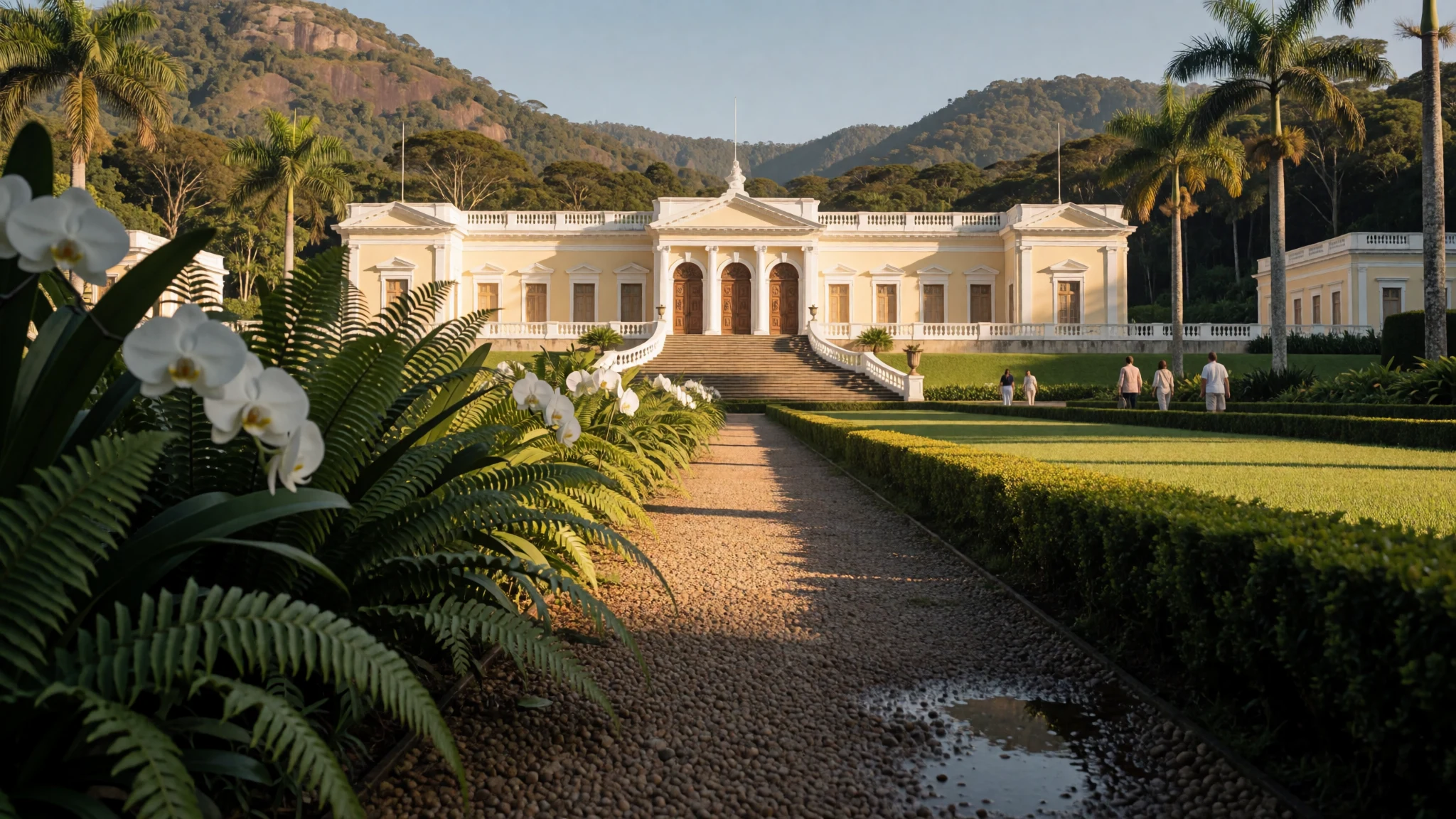
Petrópolis is the cool, green hill town where Brazil's emperors spent their summers, an easy day from Rio with palaces, a cathedral and mountain air.
The place
Petrópolis sits at 838 metres in a forested valley of the Serra dos Órgãos, about 40 kilometres north of Rio de Janeiro, and the height shows in the weather: cooler, mistier and damper than the coast below. About 295,000 people live in the municipality, so it is a working city and not a museum, though the old centre is what most visitors come for. The Quitandinha and Piabanha rivers drain the valley, and the central streets follow the Quitandinha, with canal-side walks, pastel-painted nineteenth-century buildings and big trees in the squares. The city is nicknamed the Imperial City, because Brazil's rulers escaped here from the summer heat of Rio, and the palaces, theatres and museums they left behind give the centre its character. Rua do Imperador is the natural spine for a stroll, with the cathedral, the former imperial residence and the glass-and-iron Crystal Palace all within a short walk of one another. Beyond the centre the town climbs wooded slopes into suburbs and country lanes. The main intercity bus station is on the western outskirts, around 10 km from the historic centre, so the first impression for many arrivals is a ride through hills and fog. Weekends and winter holidays bring families from Rio, which makes the centre busy, while weekdays are calmer, though some restaurants and attractions close early in the week. A jumper is worth packing even though this is a tropical country: evenings turn chilly and drizzle is common.
Its story
Petrópolis began as a stretch of road. In the early eighteenth century, gold strikes in Minas Gerais led a man named Bernardo Soares de Proença to open a shorter alternative track from Rio de Janeiro over the Serra da Estrela, known as the New Mines Road. Settlers drifted in behind the traffic, into a highland that had earlier belonged to the Indigenous people the Portuguese called the Coroados. The arrival of an emperor changed everything. Pedro I, travelling the route, liked the cool air and tried to buy a priest's farm; when the heirs refused, he bought the neighbouring Córrego Seco estate in 1830 and began a summer palace. He gave up the throne in 1831, before it was finished. His son Pedro II revived the idea, and the town was founded in 1843 and named for him: the City of Peter. For decades the court, ministers and wealthy families moved here each summer, building villas, theatres and a greenhouse brought over from France. When the empire fell and Brazil became a republic, the town kept its standing and served as the capital of Rio de Janeiro state between 1894 and 1902. Pedro II is entombed in the cathedral, which makes the town a place of quiet pilgrimage for monarchists and history lovers, and a reminder that Brazil was once an empire with a court that preferred the mountains.
What to see
- Imperial Museum (Museu Imperial) — Centro Histórico
The former summer residence of Pedro II and his wife, Dona Teresa, is now a museum of the imperial household. Rooms are kept as they were, and the collection includes the emperor's crown, set with diamonds and pearls. Queues build at weekends, so a weekday morning is calmer.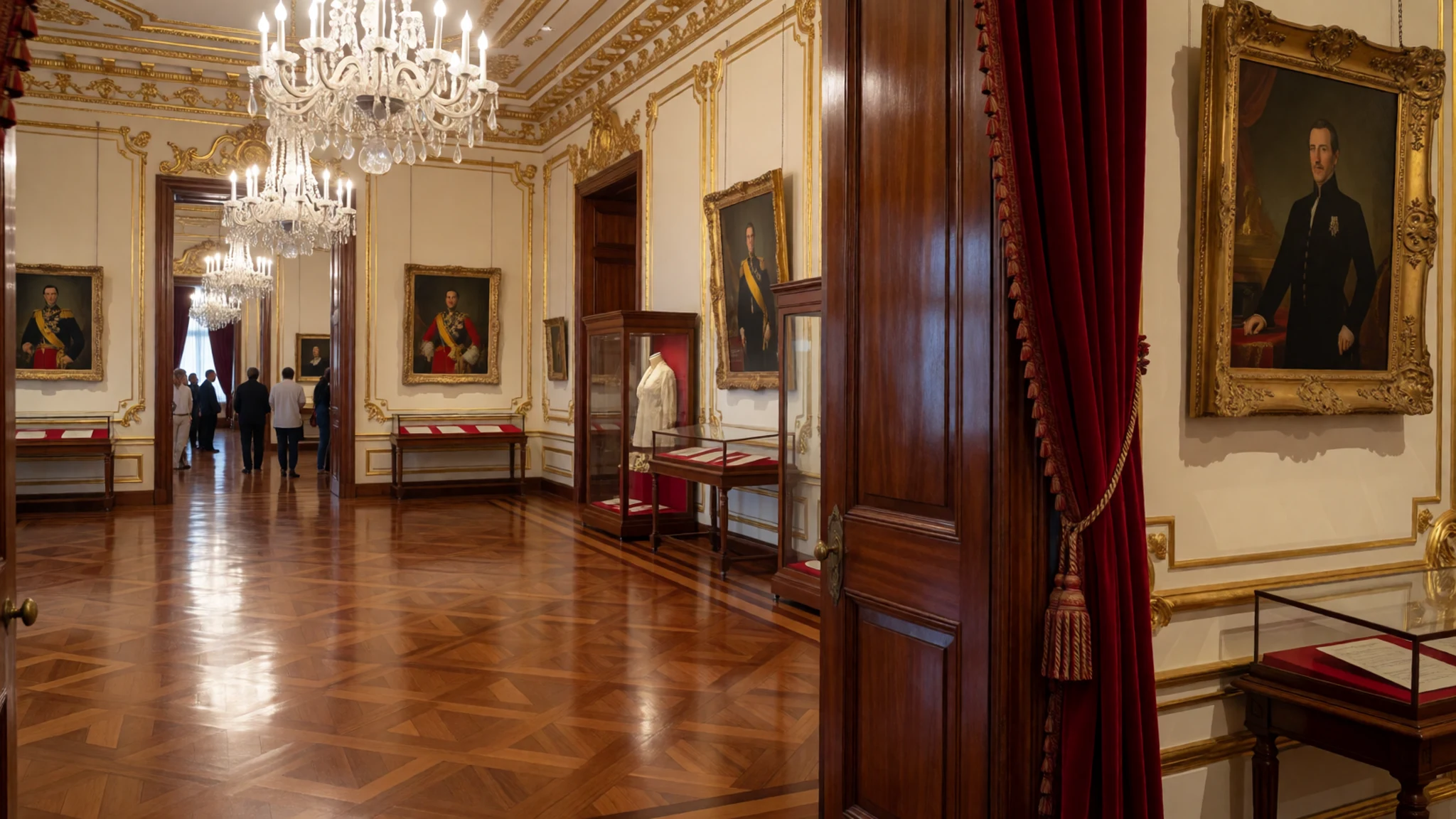
- Cathedral of St Peter of Alcântara — Centro Histórico
This neo-Gothic cathedral holds the tombs of Pedro II, Dona Teresa and their daughter Princesa Isabel. The steps give a good view over the rooftops and the green hills beyond. Visit outside Mass times, and check the opening hours locally.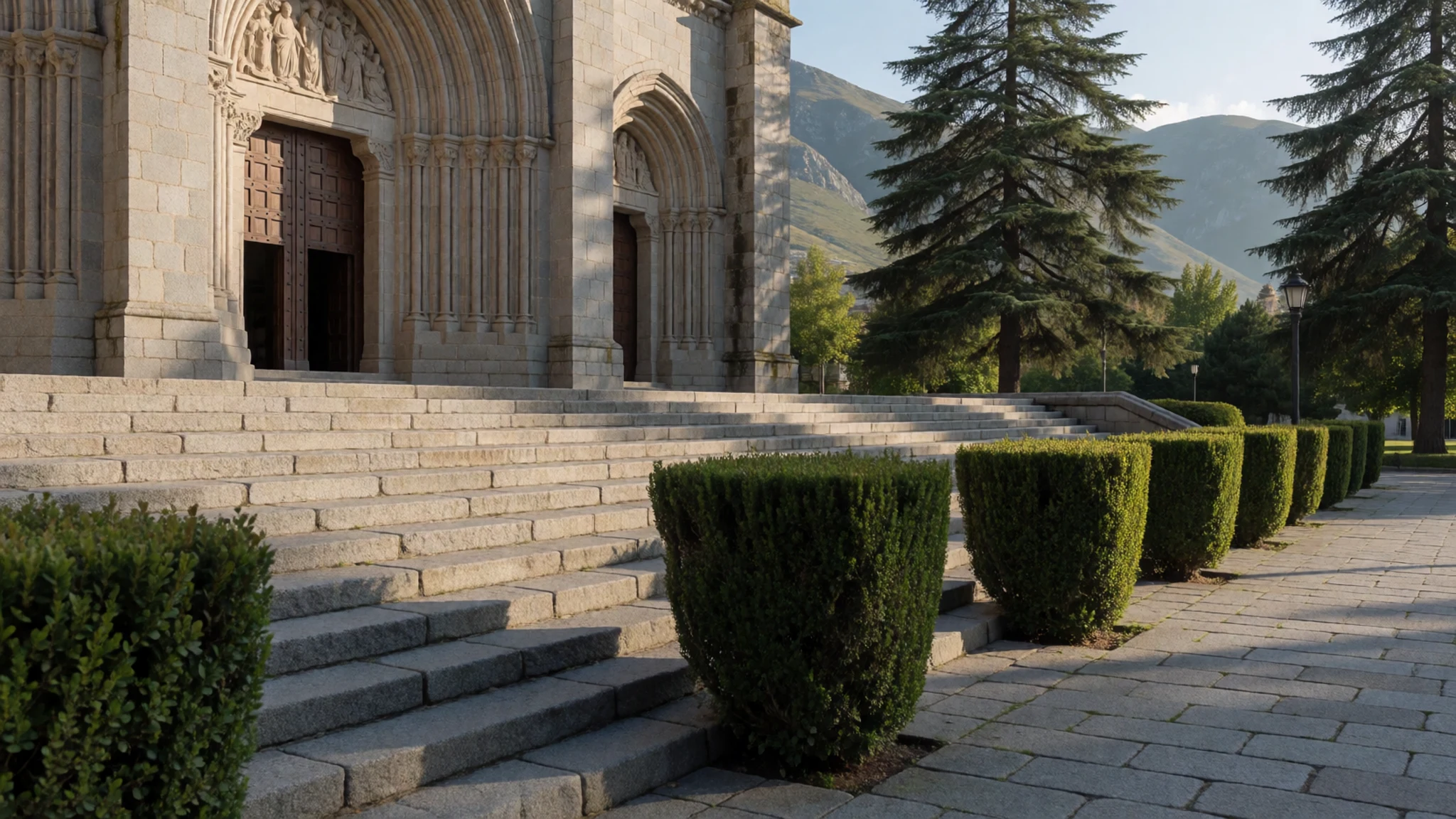
- Crystal Palace (Palácio de Cristal) — Centro Histórico
A greenhouse of iron and glass, built in France for Princesa Isabel and brought to Brazil in the nineteenth century. It later became an exhibition hall and event space. The garden setting suits a slow half hour, and it photographs best in soft morning light.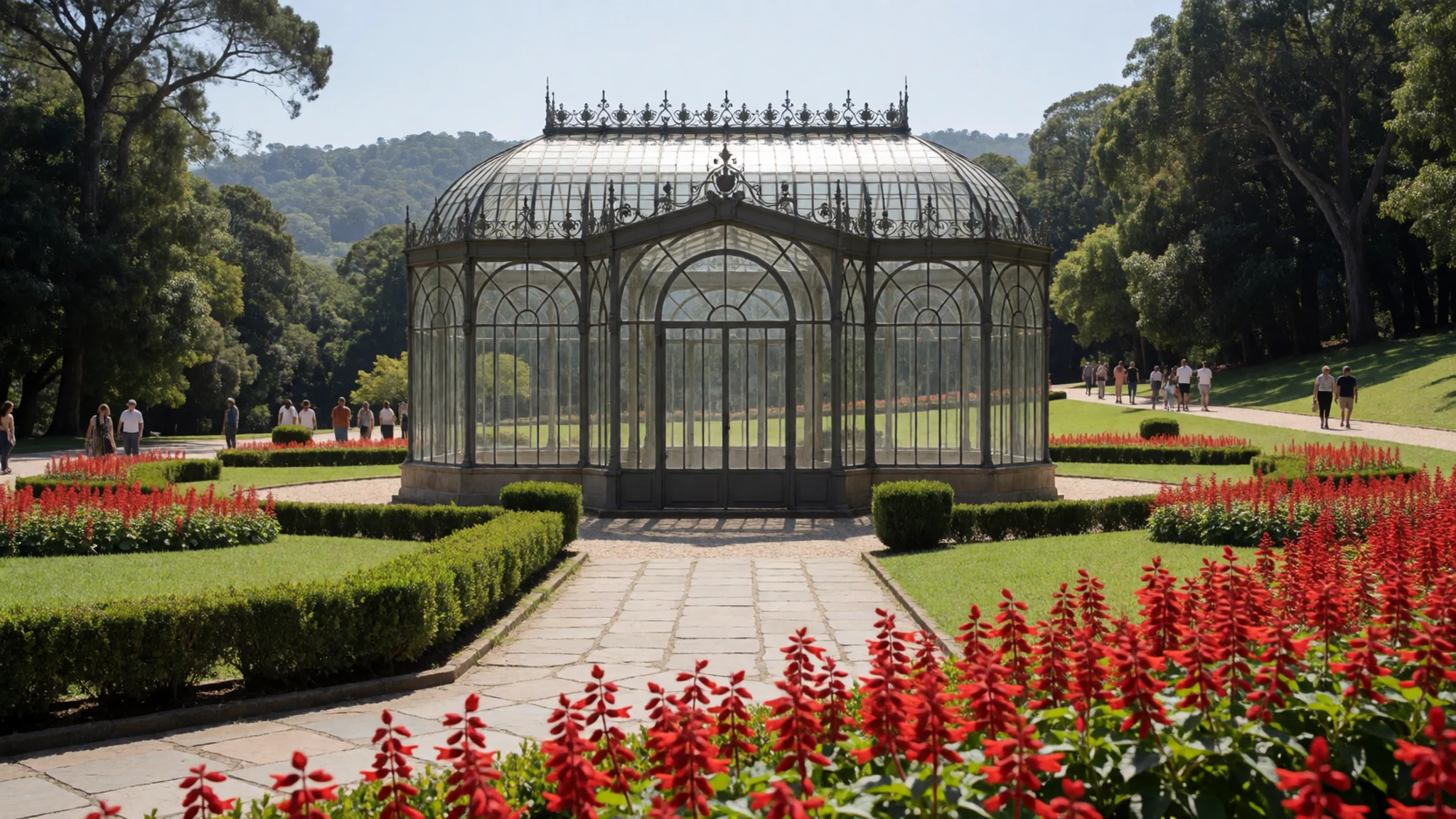
- Rua do Imperador and the canals — Centro Histórico
The central avenue runs beside the Quitandinha river, lined with colourful old buildings, chopperias and small shops. It is the best place for an unplanned wander between the major sights, with benches under the trees and a steady flow of local life.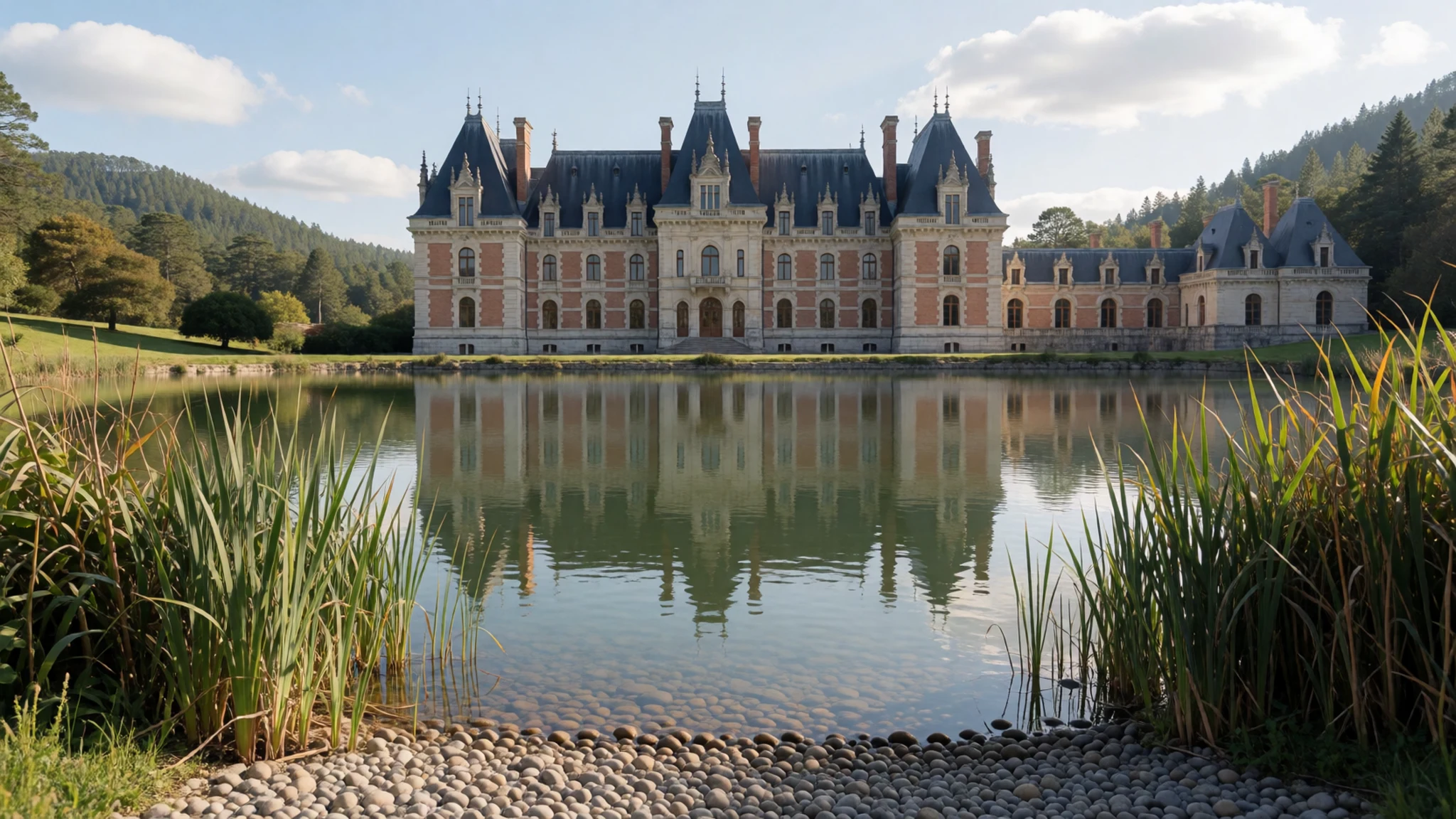
- Quitandinha Palace — Quitandinha, west of the centre
A former luxury resort hotel on the edge of town, famous in its day for its grand halls and celebrity guests. It closed as a hotel in 1962 and was later converted into private apartments, so check access before making the trip. The exterior and grounds are the draw.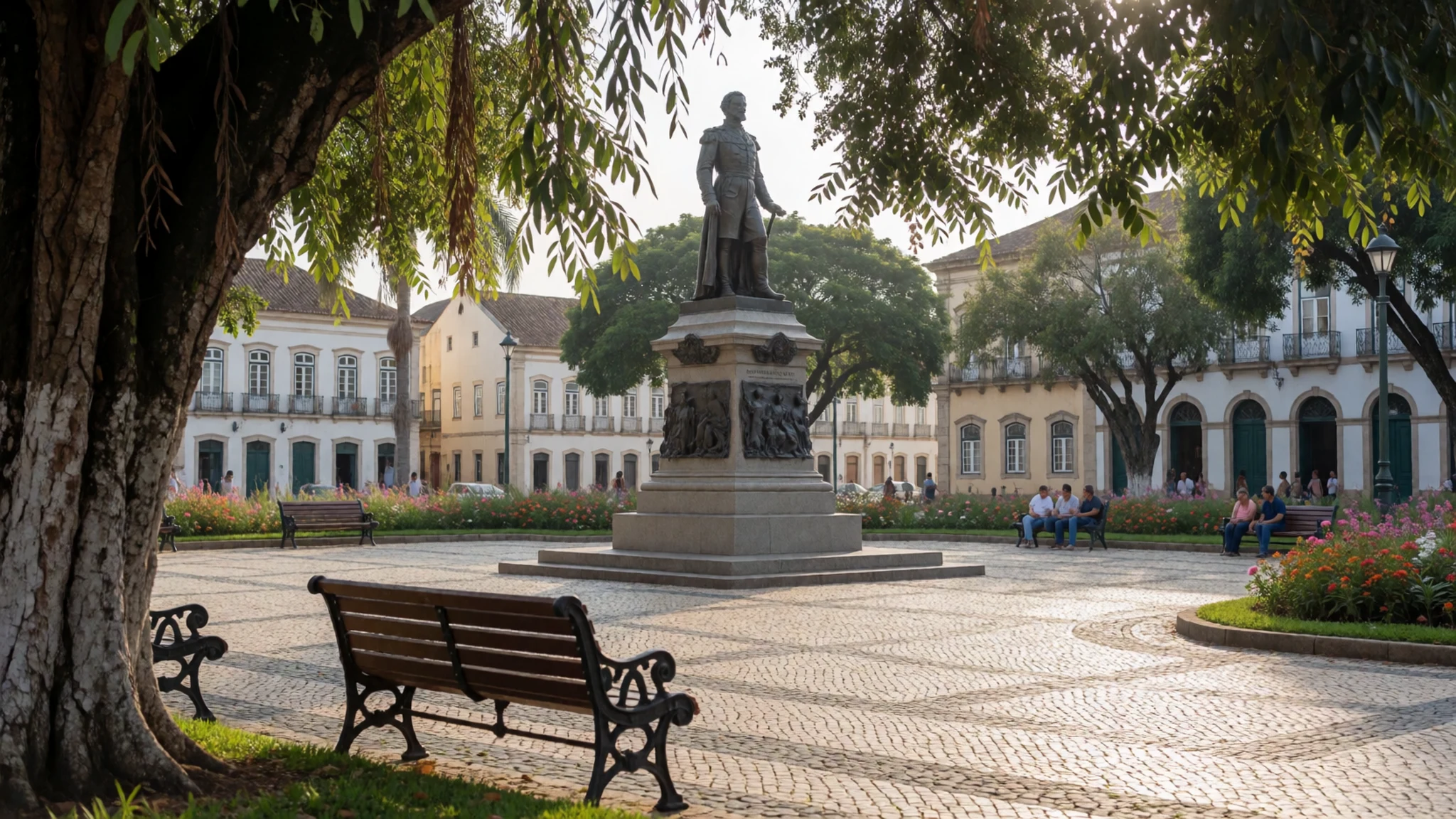
Culture
The culture of Petrópolis is tied to its imperial past, and the Imperial City nickname is no exaggeration: theatres, museums and palaces from that era fill the centre, and locals take pride in the connection. The town was also shaped by immigrants. Germans, Portuguese, Africans, Syrians, Lebanese and Italians all helped form its identity, and each group still has a presence in the food, the surnames and the calendar. The Bauernfest celebrates German heritage with music, beer and sausages, and other yearly festivals honour different roots: the Serra Serata for Italian immigration, the Ubuntu Festival for Afro-Brazilian heritage, and Bunka-Sai for Japanese culture. Beyond festivals, daily life has a calm, provincial rhythm. Families stroll the canal-side paths on Sundays, bakeries fill with chatter at breakfast, and the cooler climate gives the town a different pace from the coast. Brazilians from Rio treat it as a weekend escape, so the visiting crowd is largely domestic. Brazilian Portuguese is spoken everywhere, and English is patchy outside the main museums and larger restaurants, so a few polite phrases, such as bom dia and obrigado or obrigada, go a long way. Greet shopkeepers and staff on entering, as courtesy is expected in small places. When visiting the cathedral and the tombs of the imperial family, keep your voice low, cover bare shoulders, and do not use flash or take photographs during Mass.
What to wear
Petrópolis has no single traditional costume, because Brazil's regions and immigrant communities each bring their own. The clearest example is the German heritage celebrated at the Bauernfest, where dirndls and lederhosen, usually in cotton, linen and wool, appear as festival dress rather than everyday wear. Italian, Japanese and Afro-Brazilian festivals bring their own outfits and fabrics on the day. In daily life, people dress in a relaxed, practical way: jeans, light jackets, knitwear and trainers in the cool months, with a neat, casual look for restaurants and the theatre. Because the town sits in the hills and has a reputation as a winter retreat, locals happily wear scarves and coats on evenings that Rio residents find cold, and a smart jacket suits a night out. Visitors should plan for changeable mountain weather: layers, a light waterproof or compact umbrella, and shoes with grip, since pavements and hillside lanes get slippery in drizzle. Comfortable walking shoes matter because the centre is best explored on foot and some streets slope steeply. For the cathedral and museums, dress modestly: shoulders and knees covered is the safe choice, and hats are normally removed inside. Sun can still be strong between cloud spells, so pack a hat and sunscreen for daytime walks.
What to eat
- Comida a quilo (self-service lunch) — self-service restaurants in the Centro Histórico
Petrópolis has many self-service restaurants where the plate is weighed at the till. It is the easiest, most flexible lunch, with rice, beans, salads, grilled meat and daily hot dishes. Look in the central streets around Rua do Imperador.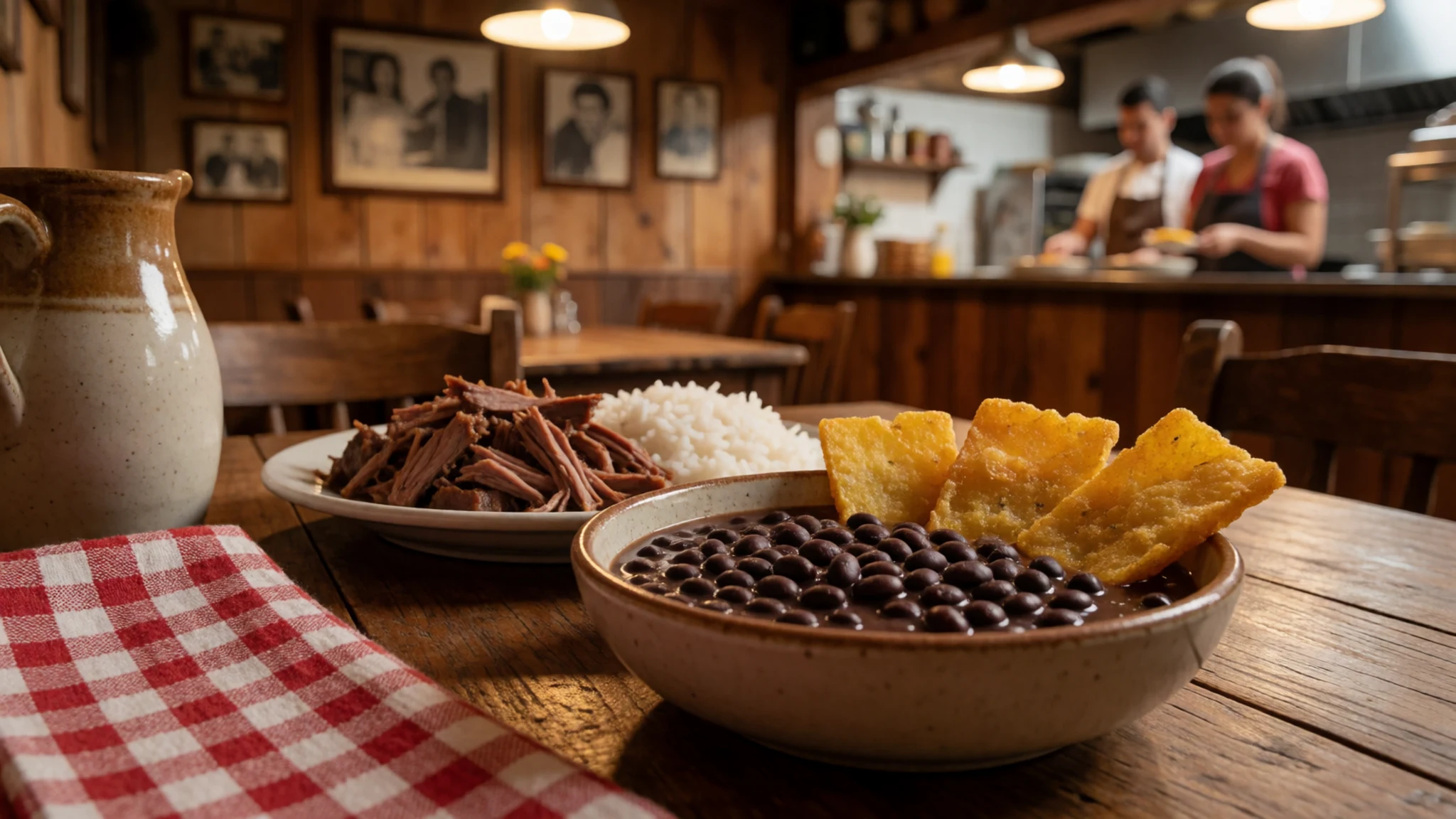
- Feijoada — traditional grills and family restaurants in the centre
The Brazilian black-bean stew with pork cuts, served with rice, greens and orange slices, is a classic weekend lunch. It is heavy, so plan a walk afterwards. Traditional family restaurants and grills in the centre often serve it on set days.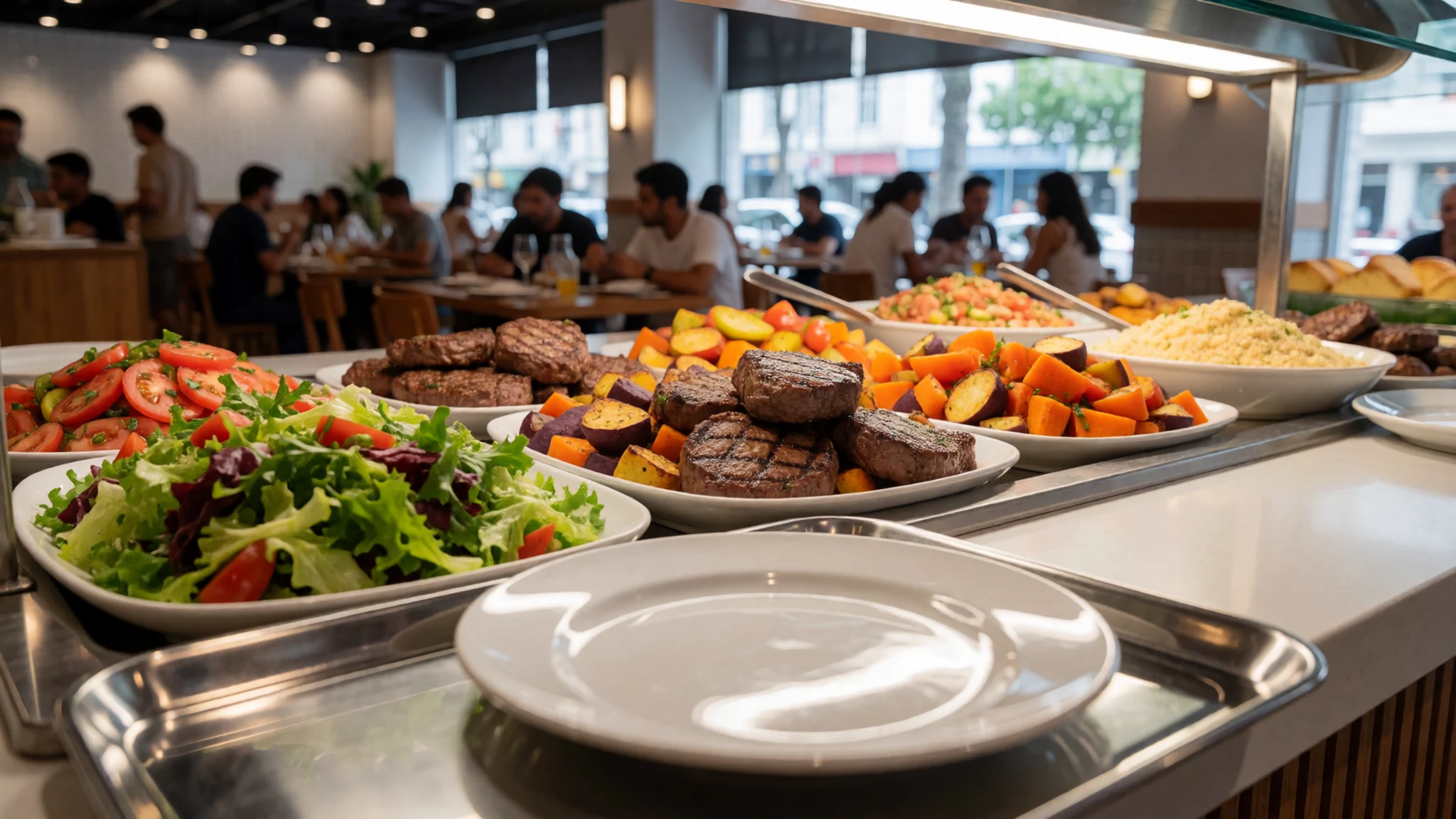
- Bohemia beer — chopperias along Rua do Imperador
Petrópolis's best-known local beer is Bohemia, a lager with a long history in the town. It pairs well with fried snacks and is poured cold, as draught chopp, at the chopperias that line Rua do Imperador. Drinking is generally low-key rather than a nightlife scene. - Salgados and pão de queijo — lanchonetes and bakeries across the centre
Snack bars sell coxinha, pastel and warm cheese bread, the usual Brazilian quick bites, which suit a cool, misty morning with strong coffee. They are cheap, filling and found everywhere in the centre. - German-style sausages and cakes — cafés and the Bauernfest festival grounds
German immigrants left a taste for sausages, rye breads, strudel and layered cakes. They turn up at the Bauernfest and in cafés with Central European touches. Treat them as an afternoon coffee stop rather than a main meal.
Plan it
Best time. April to September is the cooler, drier part of the year and suits walking, with crisp mornings and misty evenings. The warmer months are wetter, with frequent showers and low cloud over the hills. Winter weekends and school holidays are busy because the town is a popular winter escape.
How long. 1–2
Getting there. Fly to Rio de Janeiro, then take an intercity bus to Petrópolis; the only way in is by road. The bus station is in Bingen, on the western outskirts, around 10 km from the historic centre, so take a local bus or a taxi for the last leg. Sit on the left side of the bus for the best views on the climb.
Budget. mid
Tips
- Go on a weekday if possible, as weekends bring many day trippers from Rio
- Check opening days before travelling, because some museums and restaurants close early in the week
- Carry a light waterproof and layers, as the weather in the hills changes quickly
- Check ticket details on the official site: https://www.petropolis.rj.gov.br/
- Keep some cash for small cafés and bakeries
Etiquette
- Greet staff and shopkeepers with bom dia or boa tarde when you enter
- Dress modestly and keep your voice low inside the cathedral
- Ask before photographing people, and avoid flash in museums
Nearby
Sources
- Wikidata Q189043 (CC0)
- Wikipedia: Petrópolis (rev 1379855816) (CC BY-SA 4.0)
- Wikivoyage: Petrópolis (rev 5414326) (CC BY-SA 4.0)
- Photo: Museu Imperial Petropolis.jpg (CC BY-SA 2.5)
- Photo: Vistas de Petrópolis tiradas da Catedral (Eugenio Hansen, OFS) (CC BY 3.0)
- Photo: Petrópolis Cathedral (Wilfredor) (CC BY-SA 4.0)
- Photo: Museu Imperial - Entrada Principal (Halley Pacheco de Oliveira) (CC BY 3.0)
- Photo: Petropolis-RuaImperador3 (Fulviusbsas) (CC BY-SA 4.0)
- Photo: Palácio de Cristal (Petrópolis) (Wilfredor) (CC BY-SA 4.0)
- Photo: Hotel Palácio Quitandinha (Daniel Sant'Anna Lisbôa) (CC BY 3.0)
- Photo: Monumento a Dom Pedro II na Praça Dom Pedro II (Halley Pacheco de Oliveira) (CC BY 3.0)


