Peña de Bernal
Peña de Bernal, Mexico
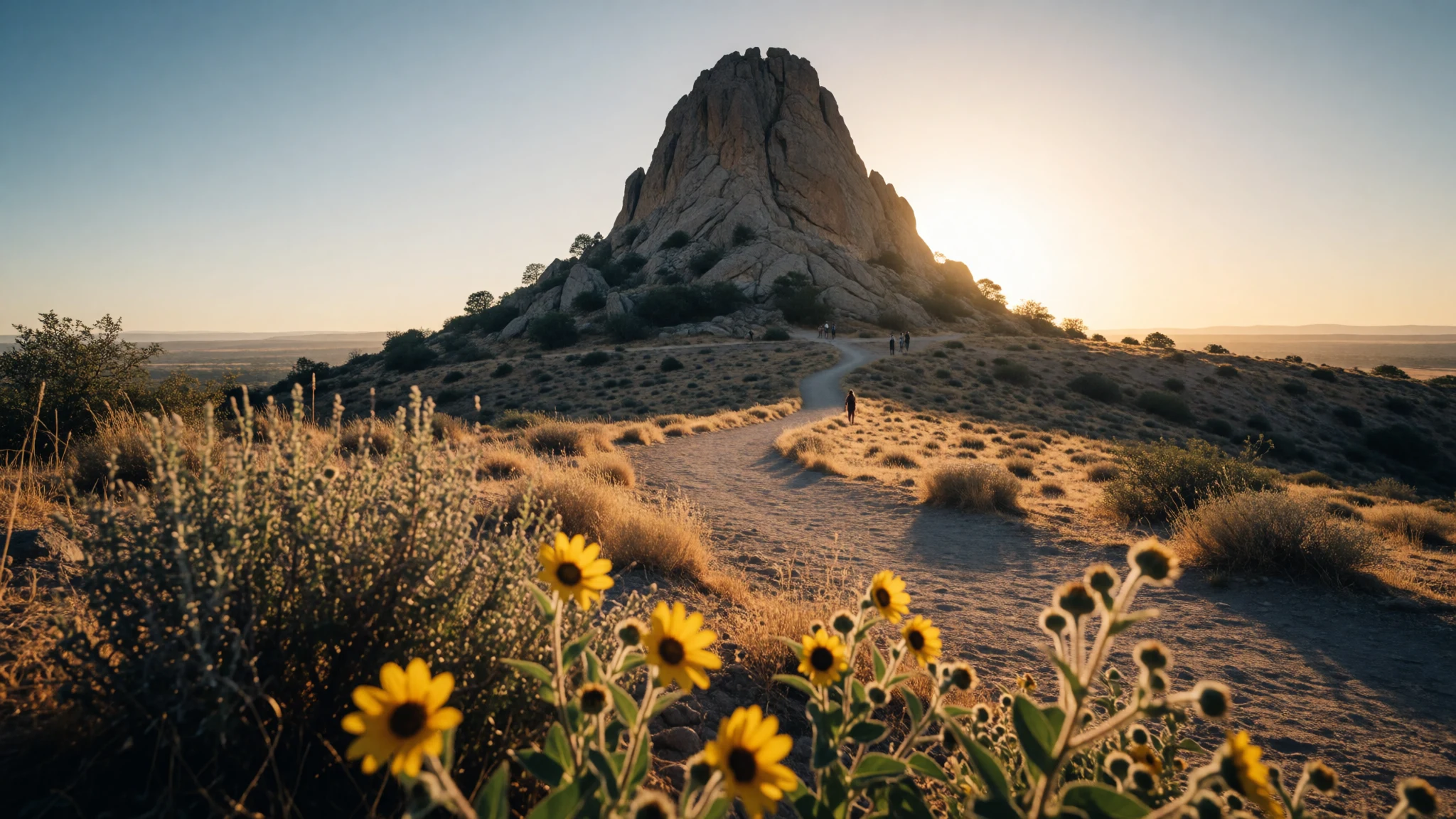
Peña de Bernal is a huge bare volcanic plug above a sandstone Pueblo Mágico, with a pilgrim path, candy stalls and desert sky.
The place
Peña de Bernal is a bare volcanic plug rising over the small town of San Sebastián Bernal, in the central Mexican state of Querétaro. The facts put its summit at 2,510 metres above sea level, and the rock itself stands about 433 metres above the ground around it, so it dominates every approach road and most rooftops. Geologists read it as the exposed core of an ancient volcano. When activity stopped, the magma inside hardened, and over a very long time the softer cone around it wore away, leaving the tough centre standing alone. It was once thought to date from the Jurassic, but a chemical analysis by researchers at the National Autonomous University of Mexico points to about 8.7 million years ago, which is far younger. The town at its foot is a Pueblo Mágico, one of six in the state, with sandstone colonial buildings, cobbled lanes and a plaza where the rock is always in view. It is an easy trip from the city of Querétaro, so weekends fill with day visitors, and weekdays are noticeably calmer. The surrounding country is dry and open, with scrub and cactus, and shade is scarce, which makes the sun a bigger factor than the climb. The path reaches a small chapel at the highest point walkers can get to; above that, the rock is steep climbing country. Many people make the walk as a pilgrimage, and that quiet devotion sits a little oddly beside the souvenir stalls below.
Its story
Peña de Bernal has two stories, one told in rock and one told by the people who live beneath it. The rock's story is slow. A volcano built up here, went quiet, and the molten material inside cooled into a dense core. Erosion then spent millions of years stripping away the looser material, until only that core remained. For a long time it was assumed to be Jurassic in age; newer chemical work from Mexico's national university moved the date to about 8.7 million years ago, a reminder that even famous landmarks get re-measured. The human story is shorter and warmer. The town below grew up in sandstone, and many of its colonial buildings have survived, which is part of why it now carries the Pueblo Mágico label, one of six in the state. Local life follows the Catholic calendar, with Holy Week, Candlemas and Day of the Dead among the big occasions in Querétaro, plus a steady run of saints' days in towns and villages. The chapel on the walking route gives the rock a religious purpose as well as a scenic one, and pilgrims climb as far as the path allows. The result is a place where geology, faith and weekend tourism share one skyline.
What to see
- The path to the chapel — Base of Peña de Bernal, San Sebastián Bernal
The walking route climbs the flank of Peña de Bernal to a small chapel at the highest point reachable without climbing gear. It is a pilgrimage for many people and an exposed, sunny walk for everyone. Start early, wear shoes with grip on the smooth rock, and treat the final stretch as busy on weekends.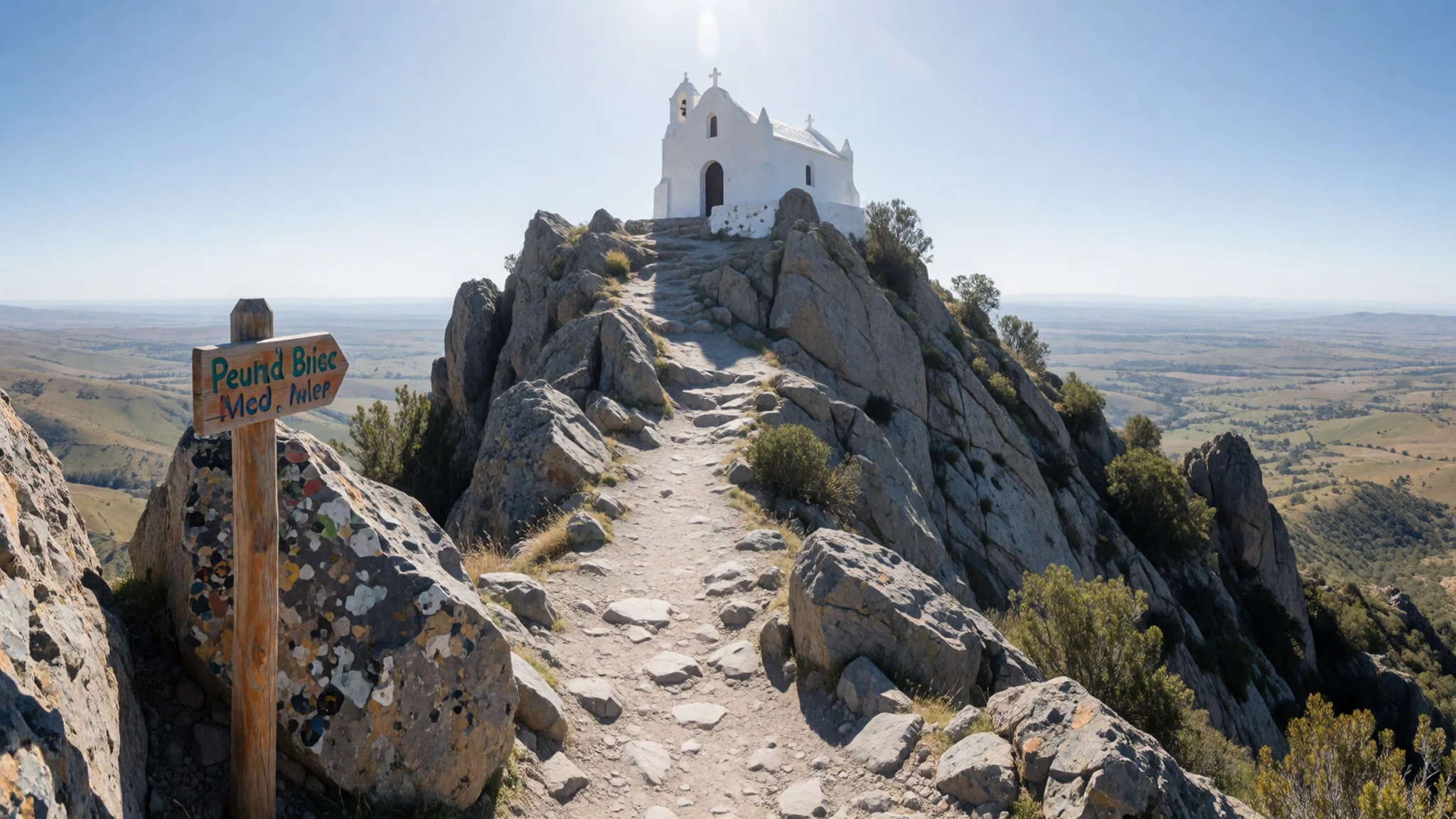
- The town plaza and sandstone streets — Town centre, San Sebastián Bernal
Bernal's centre is small enough to cover on foot in an unhurried morning. Cobbled lanes, colonial sandstone buildings and the main plaza all frame the rock, and every corner offers another angle on it. Sweet stalls and craft shops crowd the weekend streets, so come midweek for space.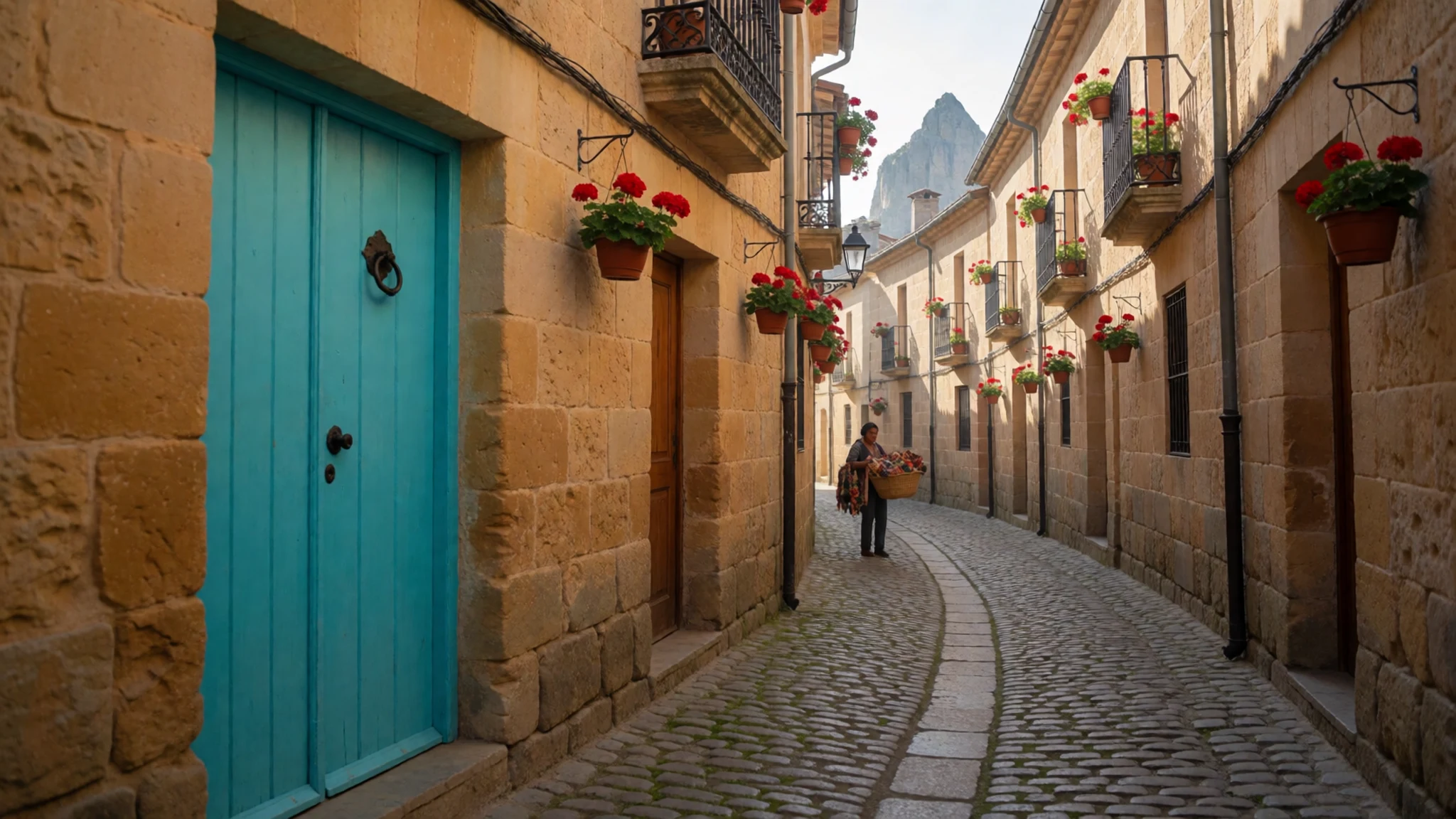
- The view from the south approach — Southern approach to Bernal
Seen from the road and fields south of town, Peña de Bernal stands clear of the rooftops as a single grey fang against open sky. This is where photographs show its true proportions. Late afternoon light warms the stone, and the dry foreground makes the scale easy to judge.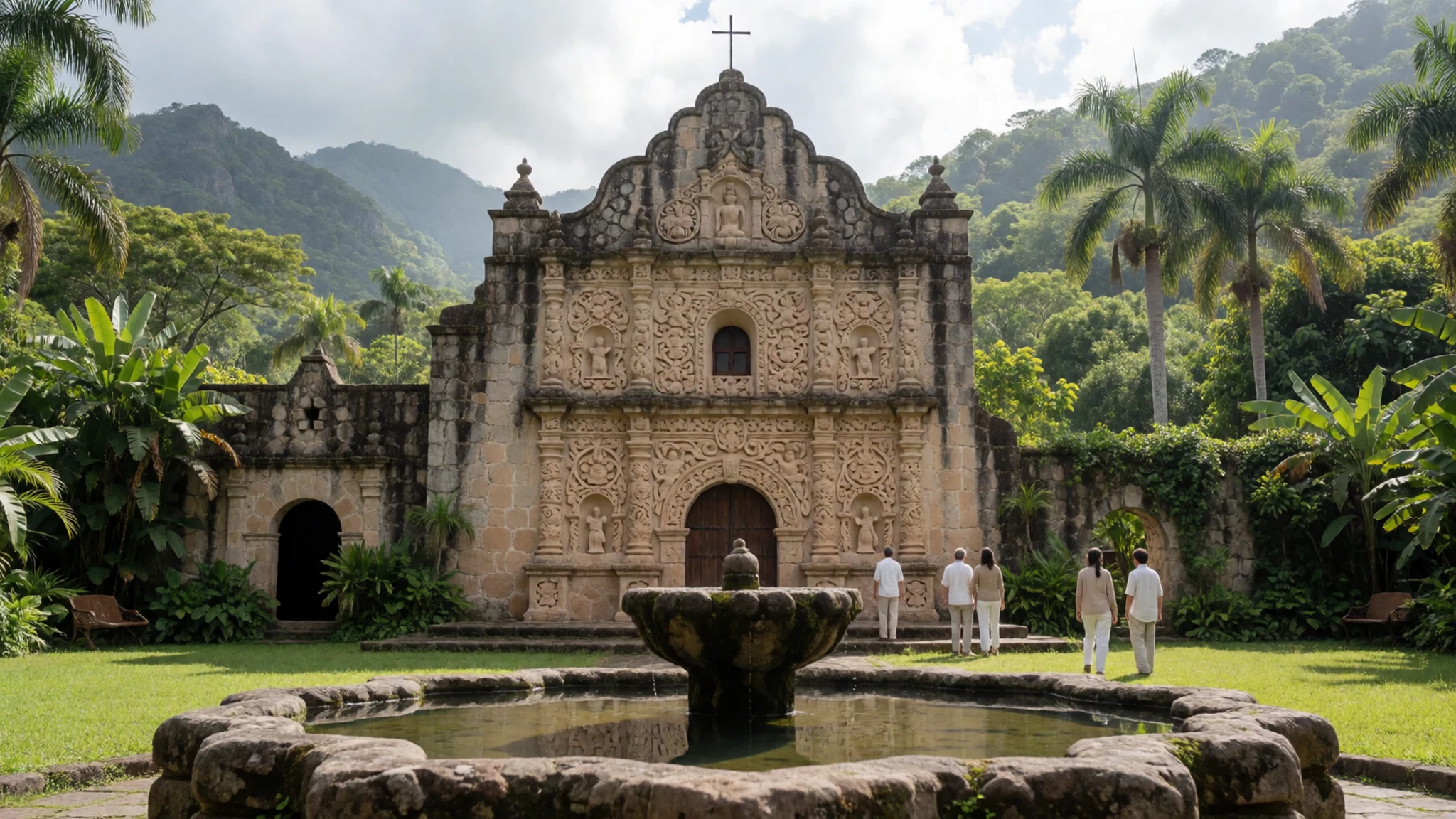
- The rock at night — Plaza and streets of Villa de Bernal
After dark the monolith turns into a black silhouette over the lights of the village, and the plaza is a pleasant place to watch it from with a drink or a sweet. Photographs taken from the village show the contrast well. Bring a layer, since highland evenings cool quickly.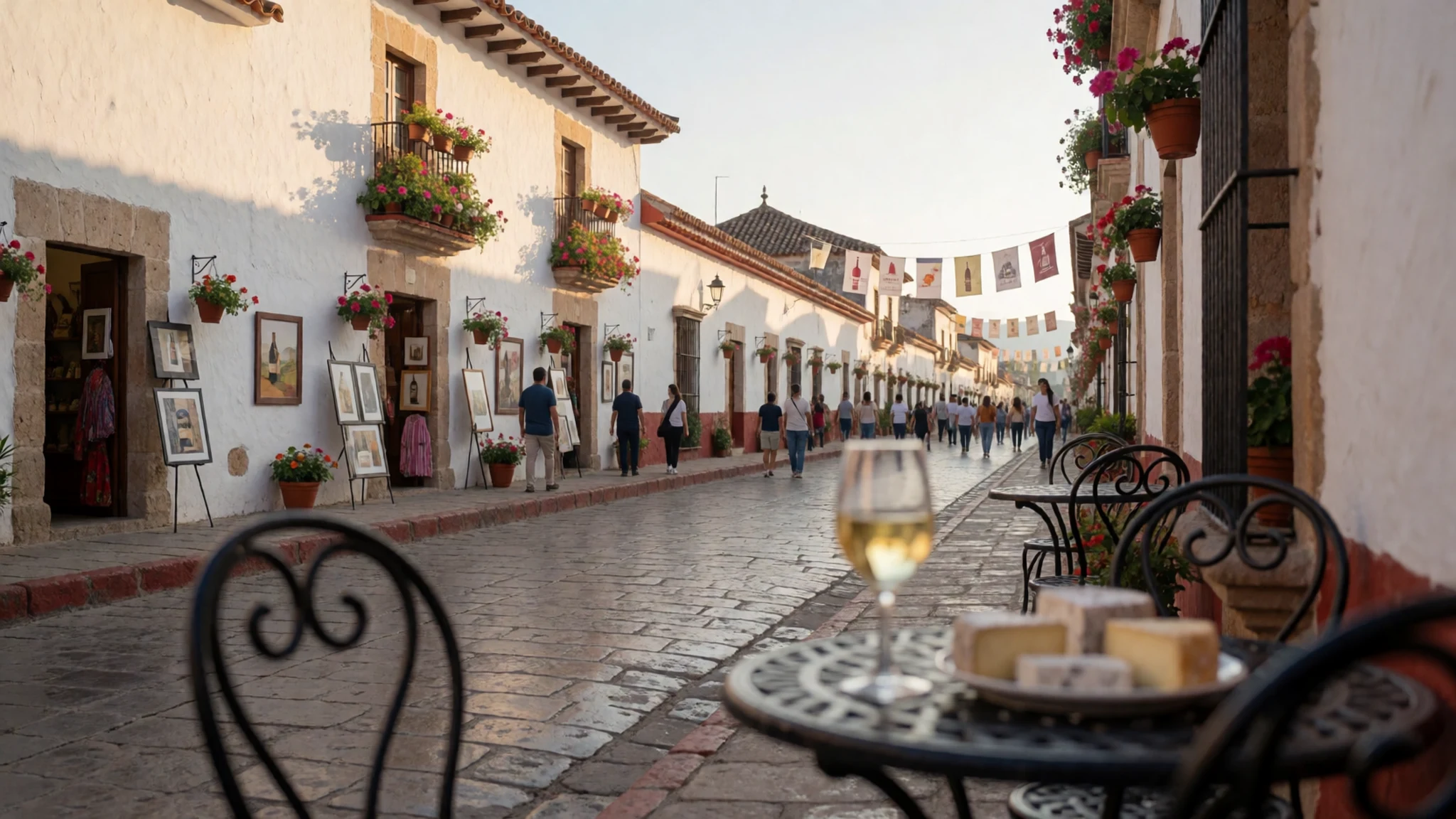
- Querétaro city historic centre — Querétaro city, the state capital
The state capital is the natural base or companion stop, with a historic centre of colonial streets, several museums including the Museo de Arte de Querétaro and the Museo Regional, and a long stone aqueduct that carried drinking water into the city until 1970. Most of the state's historic and cultural sights are concentrated here.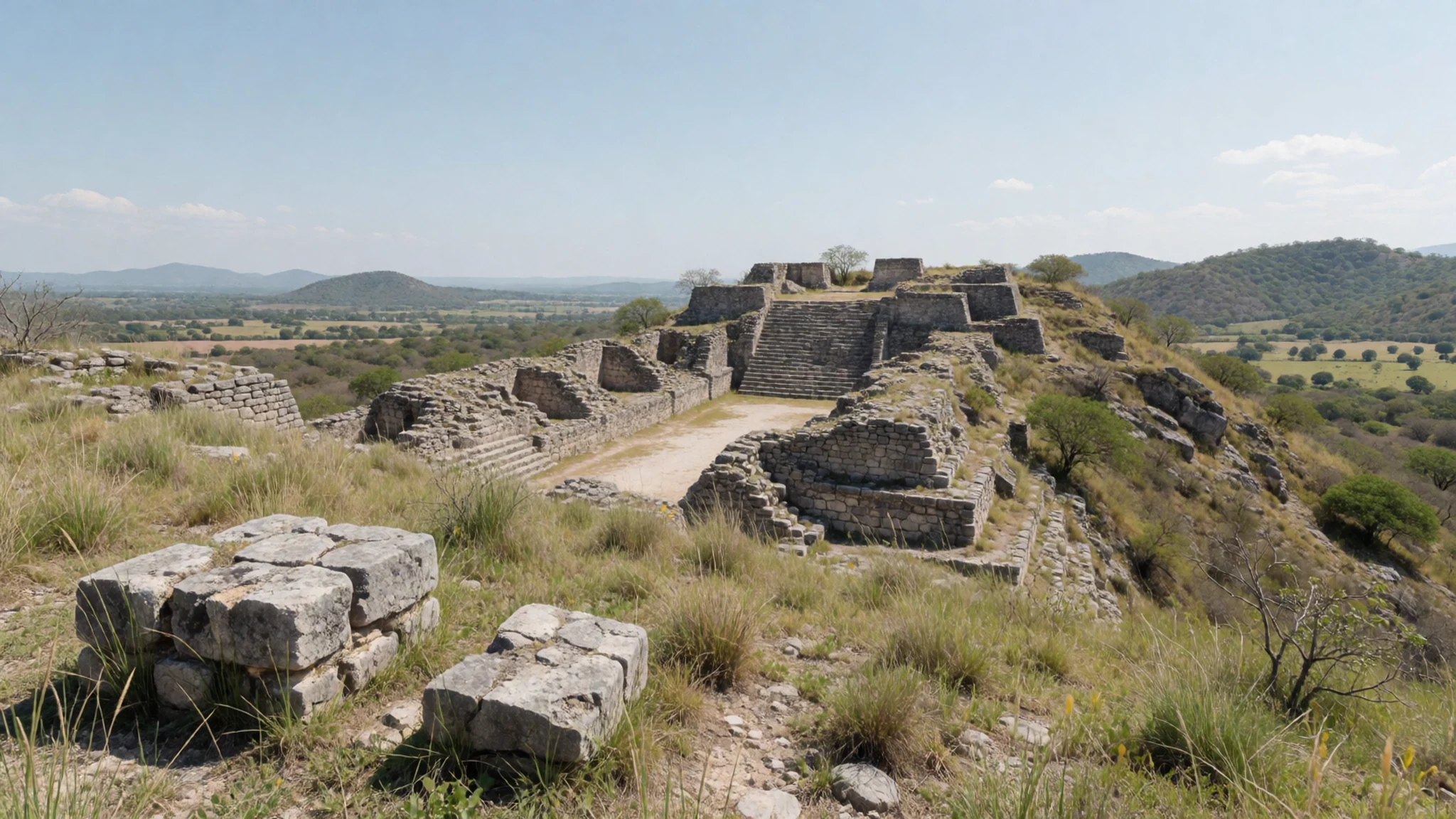
Culture
Peña de Bernal sits in a part of Mexico where religious life is woven into the landscape. The chapel at the end of the walking route is the clearest sign: people climb to it as an act of devotion, and some arrive on foot for a vow or a blessing rather than for the view. In the wider state of Querétaro, most traditional festivals follow the Catholic calendar. La Candelaria, Holy Week and Day of the Dead are among the most important, and each town and village also keeps its own patron-saint celebration, with processions, music and fireworks. Bernal itself has the Pueblo Mágico designation, a national label for towns valued for their character, and the town leans into it with craft shops, sweet makers and a lively weekend plaza. The Otomí people, who make a hard bread called mezquitamal, are part of the region's indigenous inheritance, alongside the Spanish colonial layer visible in the sandstone buildings. Away from the town, the Sierra Gorda to the north holds a different mix of Huasteca-influenced food and village festivals. A visit works best when it respects both sides of Bernal: it is a working town with a faith, and also a weekend destination. Keep your voice low and your hat in your hand if you step inside the chapel, and ask before photographing anyone who is praying.
What to wear
Peña de Bernal has no single costume of its own, but the wider Querétaro region has strong textile traditions, especially among Otomí communities. Women's traditional dress there is built around embroidered cotton blouses, often with bright thread worked in flowers and animals, and the quechquémitl, a shoulder cape. A rebozo, the long woven shawl, still serves as a wrap and a baby carrier. These garments appear mainly at festivals, markets and saints' days rather than in daily life. Day to day, people in Bernal dress like most small-town Mexicans: jeans or light trousers, cotton shirts, sandals or trainers, and in the cooler months a jacket or sweatshirt. Hats and caps are common because the sun is strong and shade is thin. Visitors should dress for a dry highland day. Pack a wide-brimmed hat, sunscreen and sunglasses, and wear closed shoes with real grip, since the climb crosses smooth, sun-polished stone. Bring a light layer for early mornings and evenings, which can feel cool. Shorts and T-shirts are fine on the walk, but carry something to cover shoulders and knees for the chapel and for any church in town. Embroidered blouses and rebozos in the craft shops make good gifts; ask makers about materials and whether a piece is handmade.
What to eat
- Milk sweets of Bernal — Sweet shops and stalls around the main plaza
Bernal is known for its milk-based candies, soft and sticky and sold in small packs. They are a classic walk-home treat after the climb. Look for the sweet makers' shops and stalls around the main plaza, where tasting a piece before buying is normal.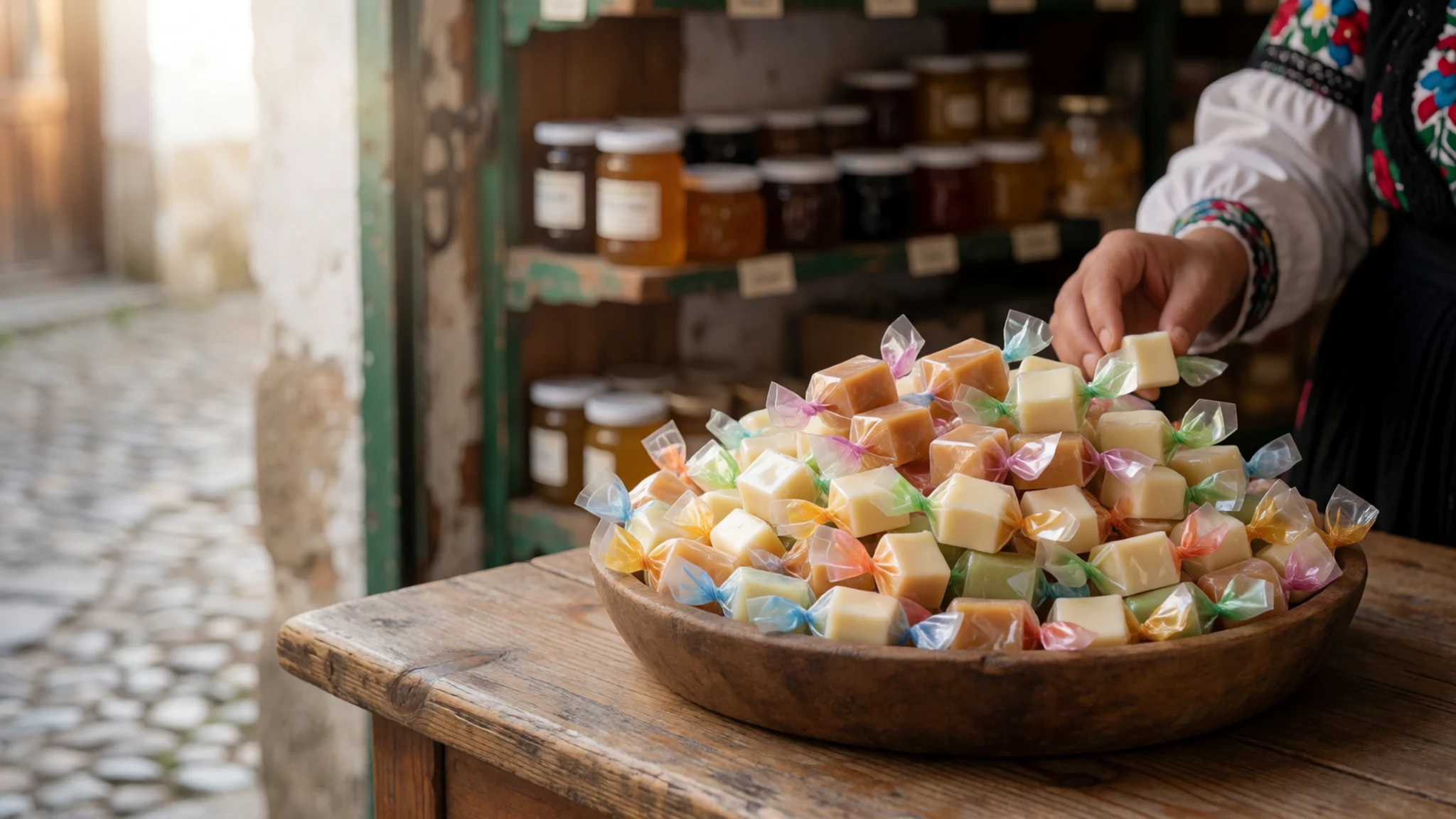
- Gorditas de migajas — Market eateries and family-run comedores
These are literally 'crumb gorditas', thick maize cakes enriched with crumbs of fried pork or other fillings, common in central Sierra Gorda municipalities. In the same region, gorditas can also be made sweet with sugar, cheese or piloncillo, the raw cane sugar.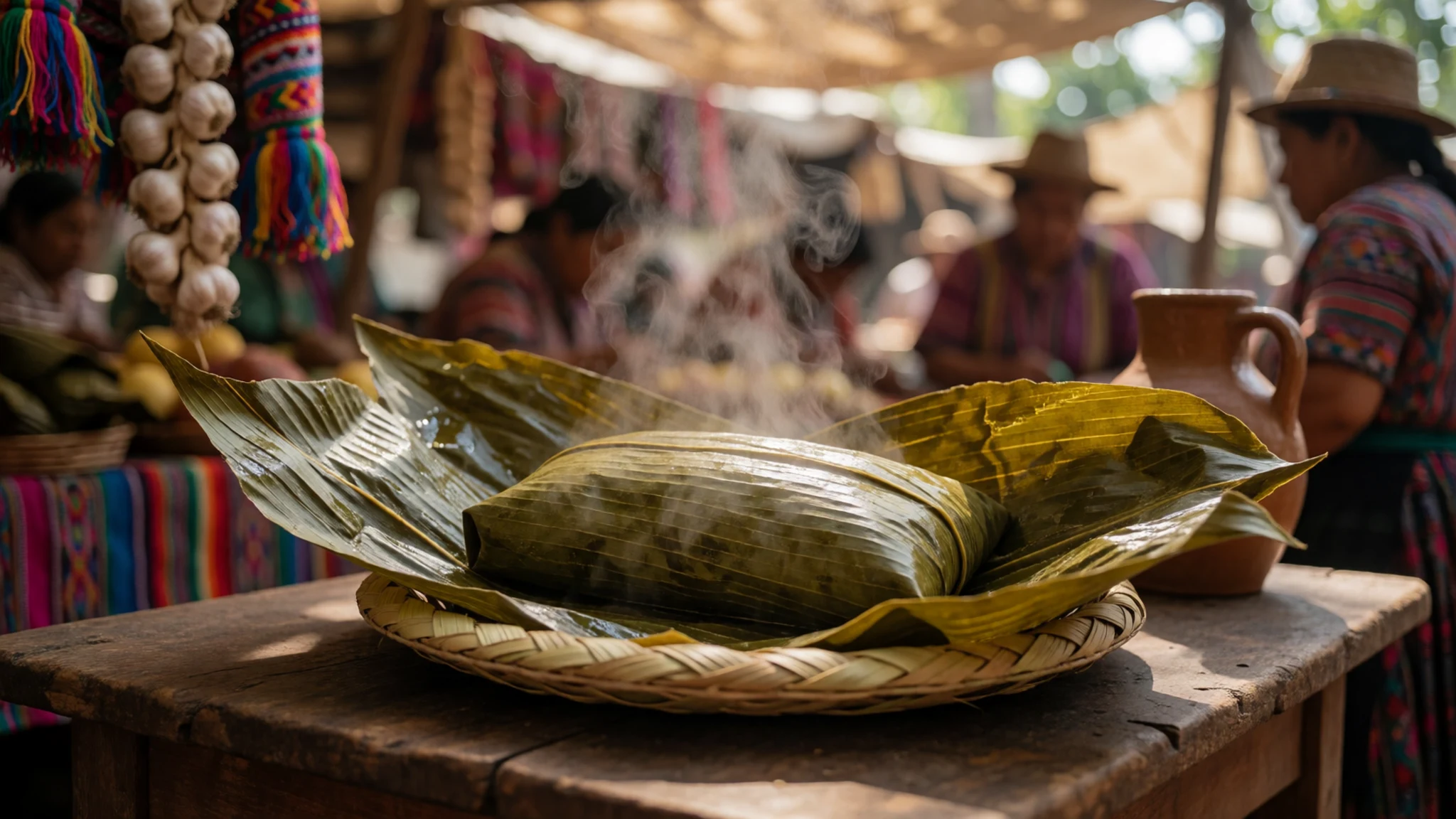
- Zacahuil — Eateries in Sierra Gorda towns such as Jalpan de Serra
A very large tamal wrapped in papatla leaves and filled with chicken, turkey or pork in dried chilli. It comes from the Huasteca-influenced cooking of the Sierra Gorda and is most associated with towns such as Jalpan de Serra and Landa de Matamoros. - Guava candy and jams — Craft and sweet shops on the town's main streets
Guava paste, made from the fruit and sugar, is a traditional sweet of the region, along with jams and sweets made from pulque. They keep well and travel easily, so they suit gifts as much as snacks. - Charape and pulque drinks — Village festivals and traditional market stalls in the Sierra Gorda
In San Joaquín, charape is a drink made with piloncillo; elsewhere in the Sierra Gorda, festivals pair goat meat with pulque, the fermented agave drink. Both are local and acquired tastes, best tried in small amounts at a village celebration.
Plan it
Best time. November to March, when the highland days are cooler and dry and the exposed climb is easier. Summers are hotter and sunnier, so go at dawn if you travel then; check the forecast before you set out.
How long. 1–2
Getting there. Fly into Querétaro Intercontinental Airport (QRO), or take a bus to the Terminal de Autobuses de Querétaro; buses to Querétaro leave Mexico City from the Autobuses del Norte terminal, with some running directly from the Mexico City airport. For the last leg to Bernal, ask at the terminal about current buses or take a taxi.
Budget. low
Tips
- Climb early: there is almost no shade on the route.
- Carry water and sun protection, even in cooler months.
- Visit midweek if you can, since weekends bring crowds from the capital region.
- Carry some cash for stalls and small eateries.
- Querétaro is generally safe for travellers, but normal precautions still apply.
Etiquette
- Dress modestly and keep quiet at the chapel.
- Ask before photographing people, especially pilgrims.
- Do not litter or leave the marked path on the rock.
Nearby
Sources
- Wikidata Q2500342 (CC0)
- Wikipedia: Peña de Bernal (rev 1369597089) (CC BY-SA 4.0)
- Wikivoyage: Querétaro (state) (rev 5289984) (CC BY-SA 4.0)
- Photo: La Peña de Bernal, Arq. Carlos G. Calzada (CC BY-SA 1.0)
- Photo: Rock of Bernal, Hermann Luyken (CC BY 3.0)
- Photo: Bad Seats, Sahid Martin Robles Bello (CC BY 3.0)
- Photo: Pueblo de Bernal, Juan Carlos Fonseca Mata (CC BY-SA 4.0)
- Photo: Bernal, Oliver Alexander Anderson Huerta (CC BY 2.5)
- Photo: Peña de Bernal de noche, Crashdevo (CC BY 3.0)
- Photo: View from the south, AlejandroLinaresGarcia (CC BY-SA 4.0)
- Photo: View from the south (2), AlejandroLinaresGarcia (CC BY-SA 4.0)


