Pátzcuaro
Pátzcuaro, Mexico
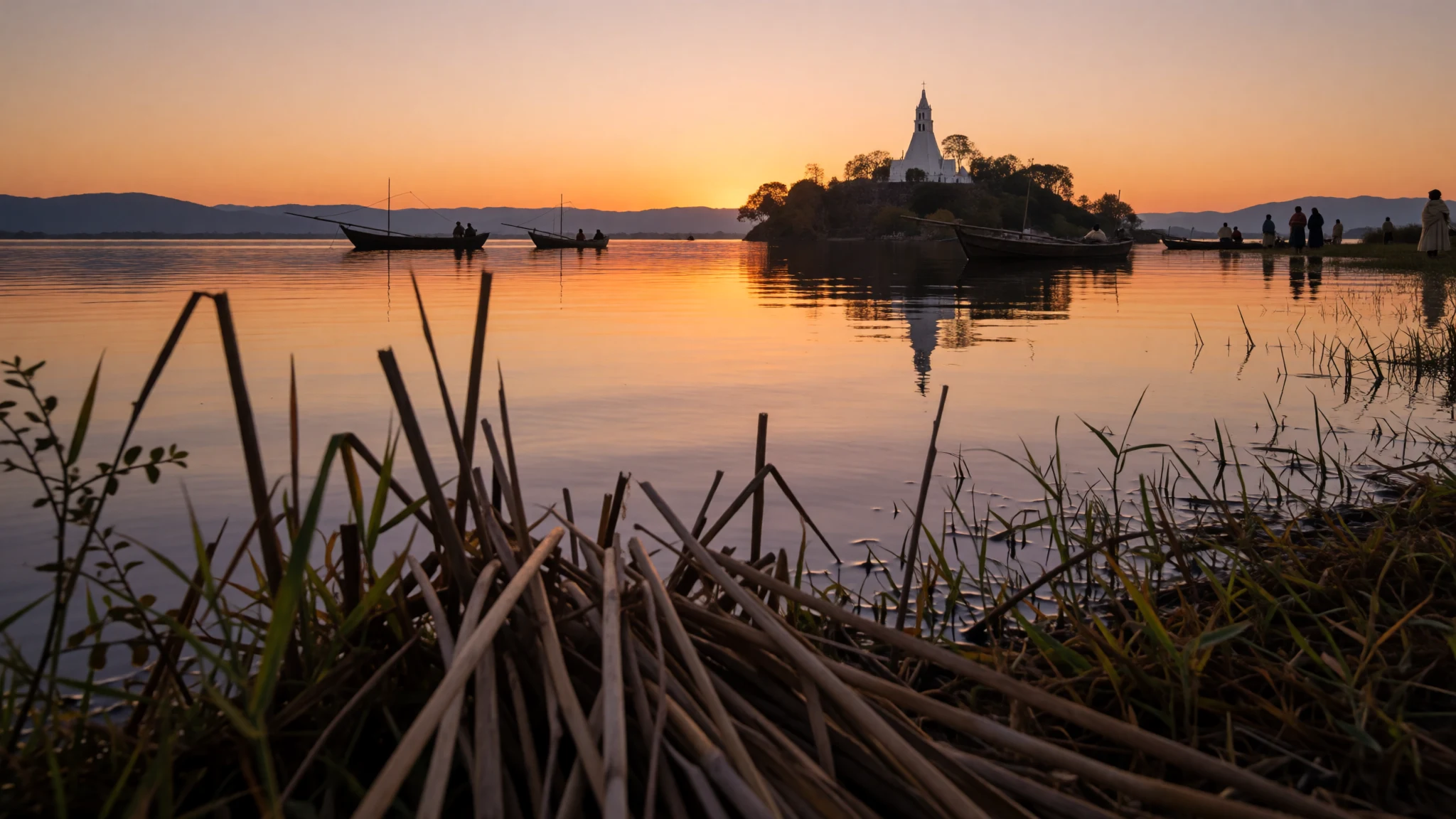
Pátzcuaro is a high-altitude Michoacán town of tiled eaves, Purépecha crafts and lakeside villages, small enough to explore slowly on foot.
The place
Pátzcuaro sits at 2,140 metres in the highlands of Michoacán, western Mexico, close to the southern shore of the lake that shares its name. It has 60,811 residents, which makes it small enough to cross on foot in a few minutes, yet busy enough to have a proper working market life. Two linked plazas form the centre: Plaza Vasco de Quiroga, wide and shaded by trees, and the smaller Plaza San Francisco nearby. Around them run cobbled streets of whitewashed walls, deep red paint along the base, and long overhanging tiled roofs. The look is deliberate. The national government has given the town its Pueblos Mágicos label, a scheme for places that have kept their colonial and indigenous character. Altitude shapes daily life. Days are mild and bright in the dry months, evenings turn properly cold, and the rainy season brings heavy afternoon showers. Purépecha culture is still visible in the crafts, in the language heard in markets and in the villages that ring the lake. Janitzio, an island in the lake, is reached by boat from a dock a short walk from the bus road, and lakeside Tzintzuntzán and Quiroga make easy day trips. Even the name is disputed: scholars have offered readings from 'place of foundations' to 'place of bullrushes' and 'seat of temples', and nobody has settled the matter. Pátzcuaro rewards a slow pace, with time for the plazas, a church or two, a long lunch and the lake at dusk.
Its story
Pátzcuaro's origin story comes from the Relación de Michoacán, a chronicle compiled under Viceroy Antonio de Mendoza. It describes two chiefs, Páracume and Vápeani, leading Chichimeca followers to a spot then called Tarimichundiro, where they set four large stones together to mark their first temple platforms. The chronicle gives no date, but counting back from the chiefs' deaths, historians place the arrival around 1324. The lake shore then held three rival groups. A chief named Tariácuri took the title caltzontzin, roughly 'emperor', by conquering his neighbours, and the Purépecha state grew from there. It was split into three principalities: Ihuatzio, Tzintzuntzan and Pátzcuaro. Power later drifted to Tzintzuntzan, leaving Pátzcuaro as a ceremonial centre and a retreat for the nobility. When the Spanish reached Michoacán, many people took refuge here and built defences in what is still called Barrio Fuerte. The Purépecha ruler Tanganxoan II was made to kneel before the conquistador Cristóbal de Olid, and a chapel called El Humilladero, the Place of Humiliation, recalls the scene. Nuño de Guzmán then arrived as head of the new government and brutally punished the Purépecha, torturing and killing Tanganxoan II, and most townspeople fled to the mountains. Bishop Vasco de Quiroga came to take charge, expelled Guzmán and seized his properties. He wanted Pátzcuaro to be the provincial capital, but after his death the title passed to Valladolid, today's Morelia. Quiroga is still remembered here with real affection.
What to see
- Plaza Vasco de Quiroga and Plaza San Francisco — Centro
Pátzcuaro's two central plazas are where the town gathers. The larger one has trees, monuments and arcaded buildings with cafés beneath them, while the smaller one is quieter and feels more like a neighbourhood square. Sit on a bench in the morning, before the tour groups arrive, and watch the day start.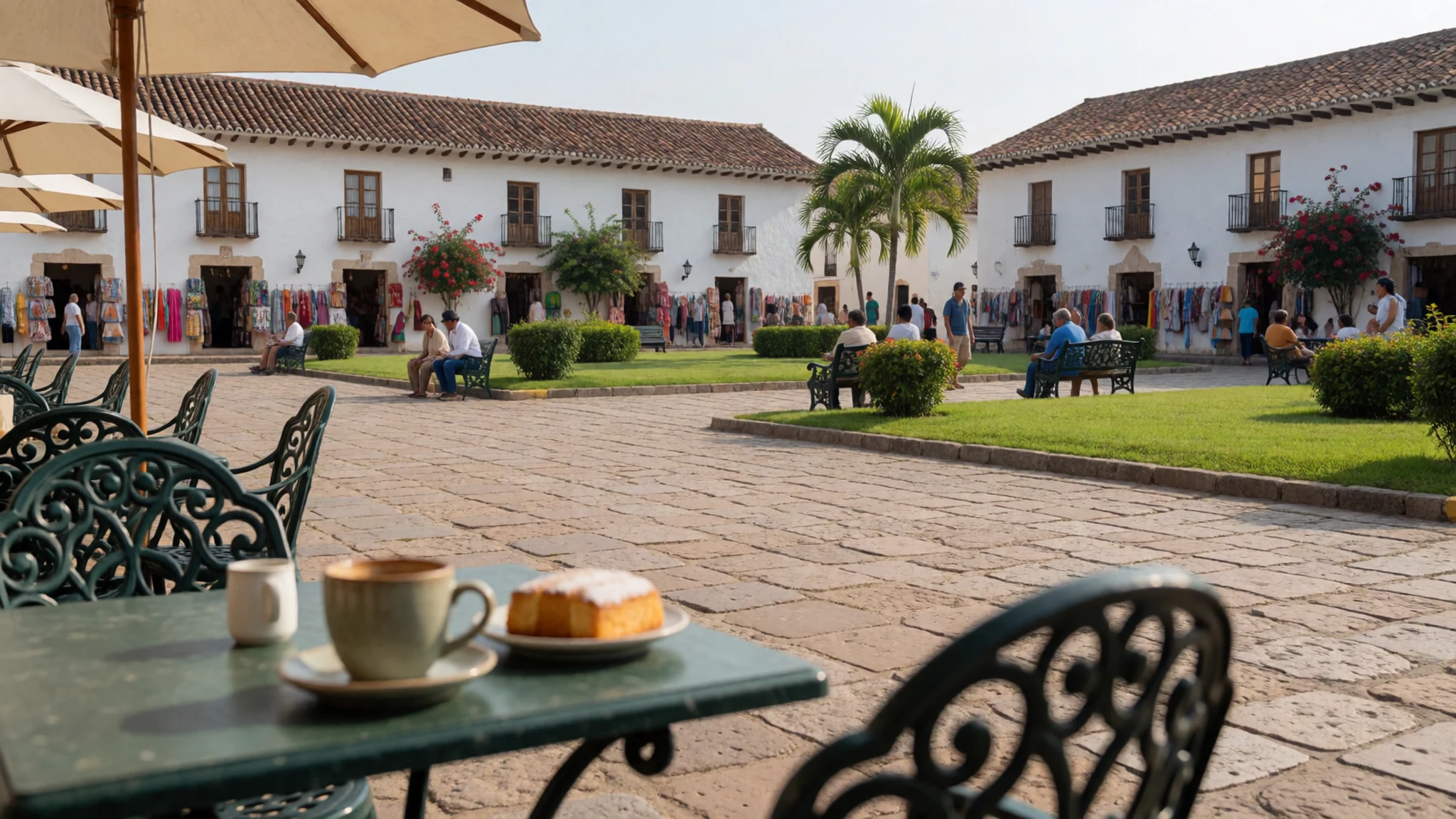
- Casa de los Once Patios — Centro, near the Parroquia El Sagrario
This old convent building around a run of small courtyards now holds craft workshops and shops selling work from the lake region, including copper, lacquer, textiles and woodwork. Go in the morning, wander the patios slowly, and look at the makers at work before deciding what to buy.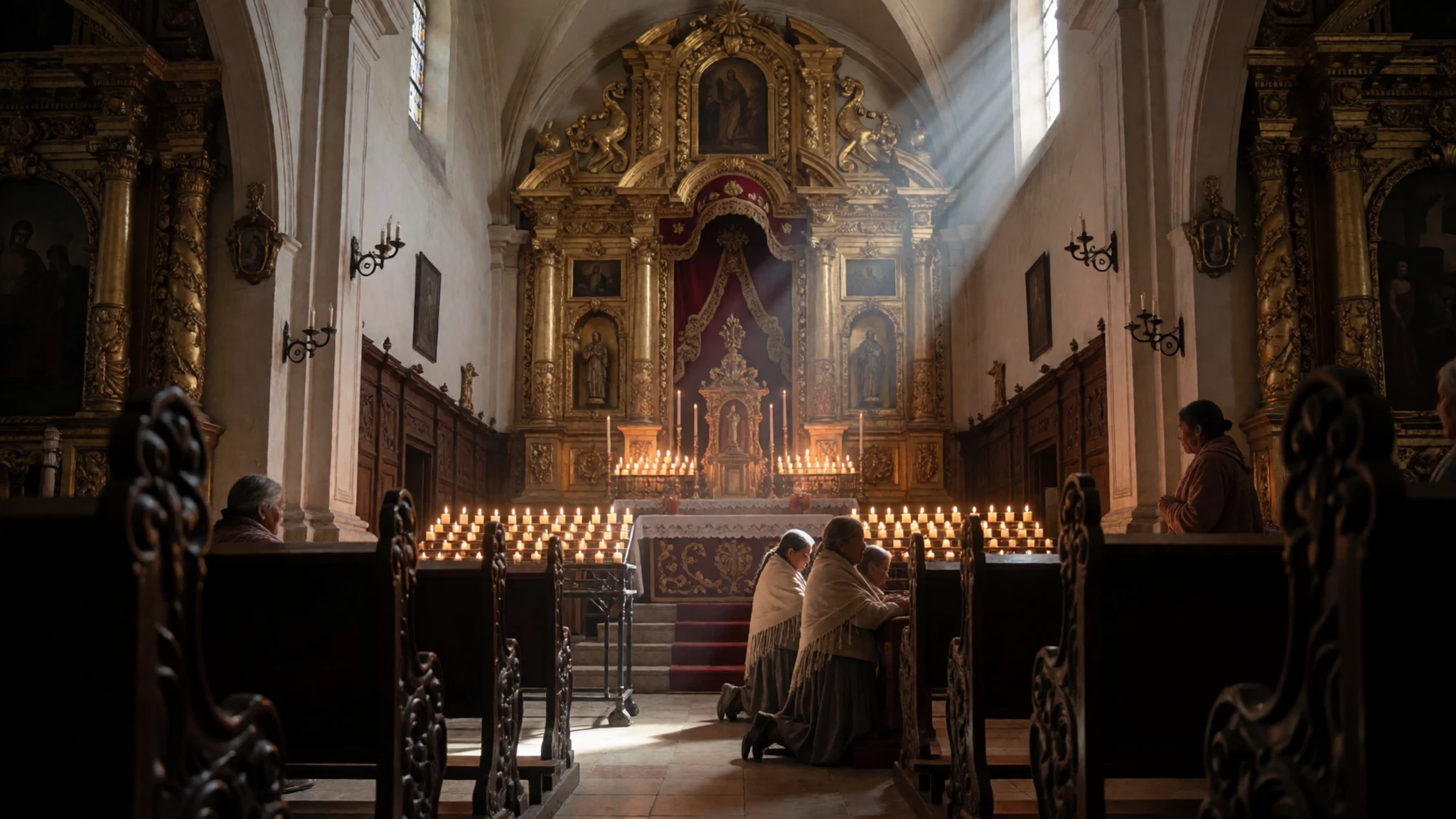
- Basílica de Nuestra Señora de la Salud — Upper town
The basilica stands on a rise above the town and holds the tomb of Vasco de Quiroga, which is why local people treat it as more than a sightseeing stop. The façade is plain and pale against the sky. Inside, services take priority, so visit quietly and between masses.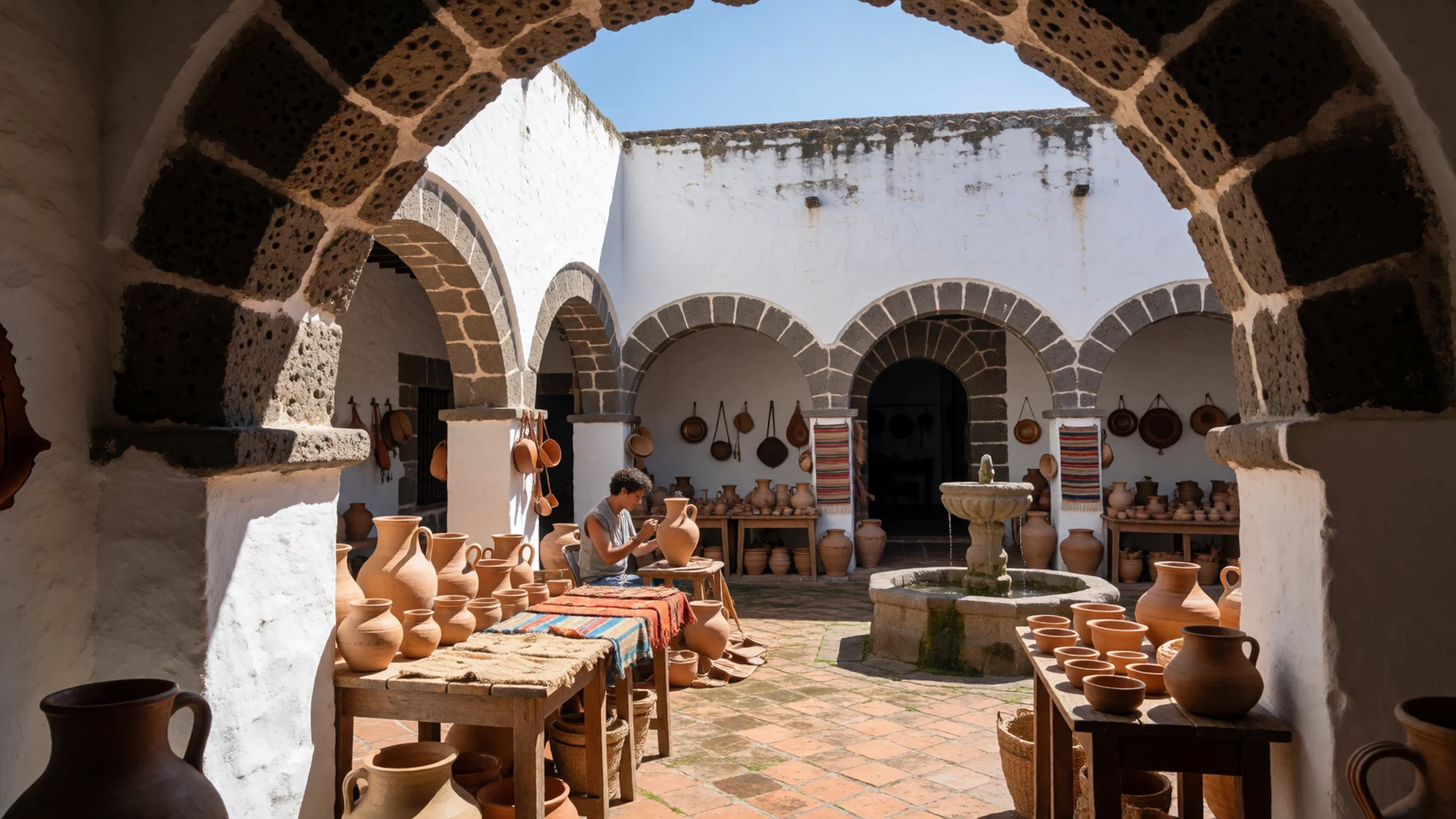
- Biblioteca Gertrudis Bocanegra — Near Plaza San Francisco
A former San Agustín church was converted into a public library, and its back wall carries a large mural by Juan O'Gorman. The painting condenses Michoacán's history, from Purépecha rulers to Spanish rule, into one crowded scene. It is free to look at while readers work nearby, so keep your voice down.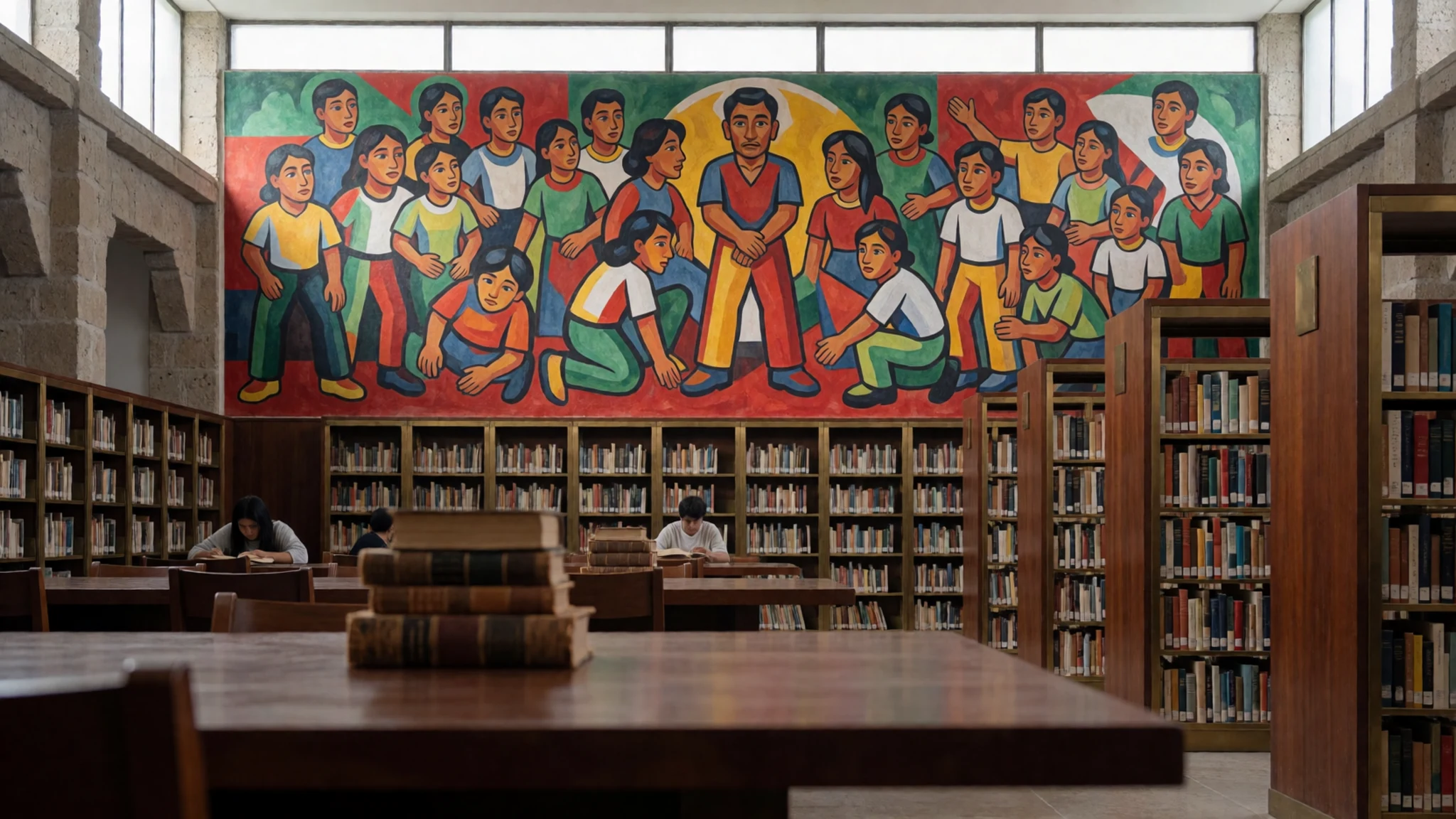
- Janitzio island — Lake Pátzcuaro
Janitzio is a small island village in Lake Pátzcuaro, reached by a short boat ride from the town's dock. Steep lanes climb past fish stalls and craft stands towards a hilltop monument. It is crowded around Day of the Dead and calmer on a weekday morning.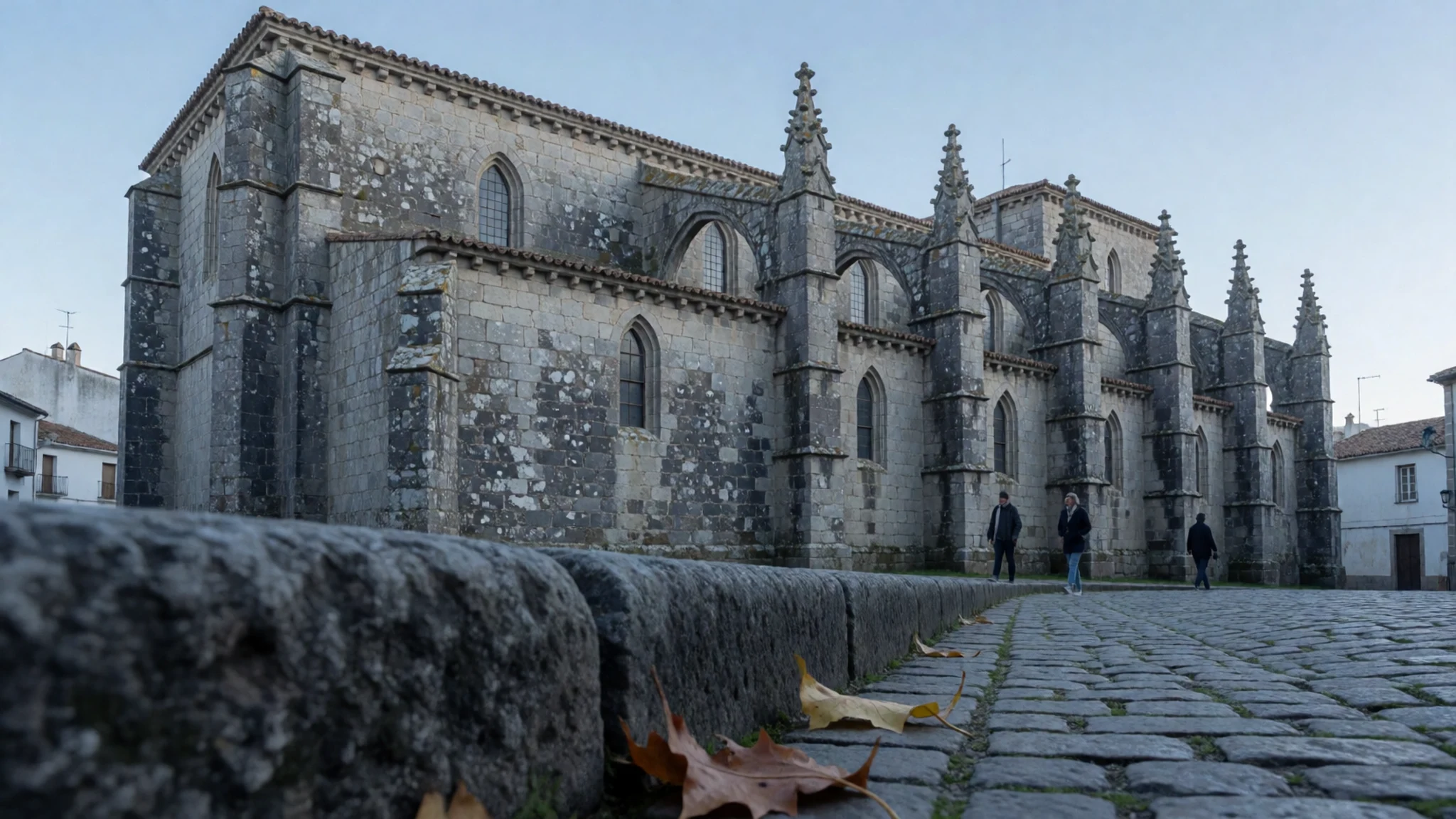
Culture
Pátzcuaro mixes Purépecha tradition with a Spanish Catholic inheritance, and the two sit side by side in daily life. The lake region is widely known for its Day of the Dead observances around 1 November, when families decorate graves with marigolds, candles and food for their relatives, and keep vigil through the night. Janitzio draws large crowds for it, so many local families choose quieter village cemeteries. Outside that week the town's rhythm is set by church bells, Sunday family outings to the plazas and market mornings. Vasco de Quiroga is the town's great civic hero. He is remembered less for conquest than for organising villages around specific crafts, and that legacy survives in the lake communities that still specialise in copper, pottery, woodwork, lacquer and weaving. Purépecha is still spoken in the surrounding villages, and you will hear it in markets. Craft buying here is a social act: people expect a greeting, a little conversation and a fair price, not a quick grab. Religious processions and feast days can close streets without warning, and locals take them in their stride, so patience helps. At cemeteries and church services during Day of the Dead, ask permission before photographing families or graves, and keep clear of the people keeping vigil.
What to wear
Traditional Purépecha dress in the Pátzcuaro area is built around textiles. Women wear a rebozo, the long cotton or wool shawl, over a blouse with embroidered cross-stitch at the neckline, and a wrapped wool skirt held by a woven sash. Men wear a sarape over cotton shirts and trousers, with a straw hat and leather sandals called huaraches. These clothes appear mostly at festivals, dances, weddings and church feast days, and a statue of the Virgin in one local church is dressed in Purépecha garments. Day to day, people in town wear jeans, jackets, sturdy shoes and fleece, because the altitude makes mornings and evenings cold even when afternoons are warm. Older women still often wear a rebozo for warmth and for carrying things. Visitors should pack layers: a light shirt for midday, a warm jumper or jacket for evenings, and a waterproof in the rainy season. Cobbled, sloping streets call for closed, flat shoes with grip. For churches, cover shoulders and avoid very short shorts. A hat and sun cream matter at this height, where the sun is stronger than the cool air suggests.
What to eat
- Corundas and tamales — Mercado de Antojitos and morning market stalls
Corundas are triangular tamales wrapped in a long green leaf, usually served with cream, salsa or pork. Ordinary tamales sit beside them in the pot. They suit a late breakfast and are among the cheapest things to eat in town.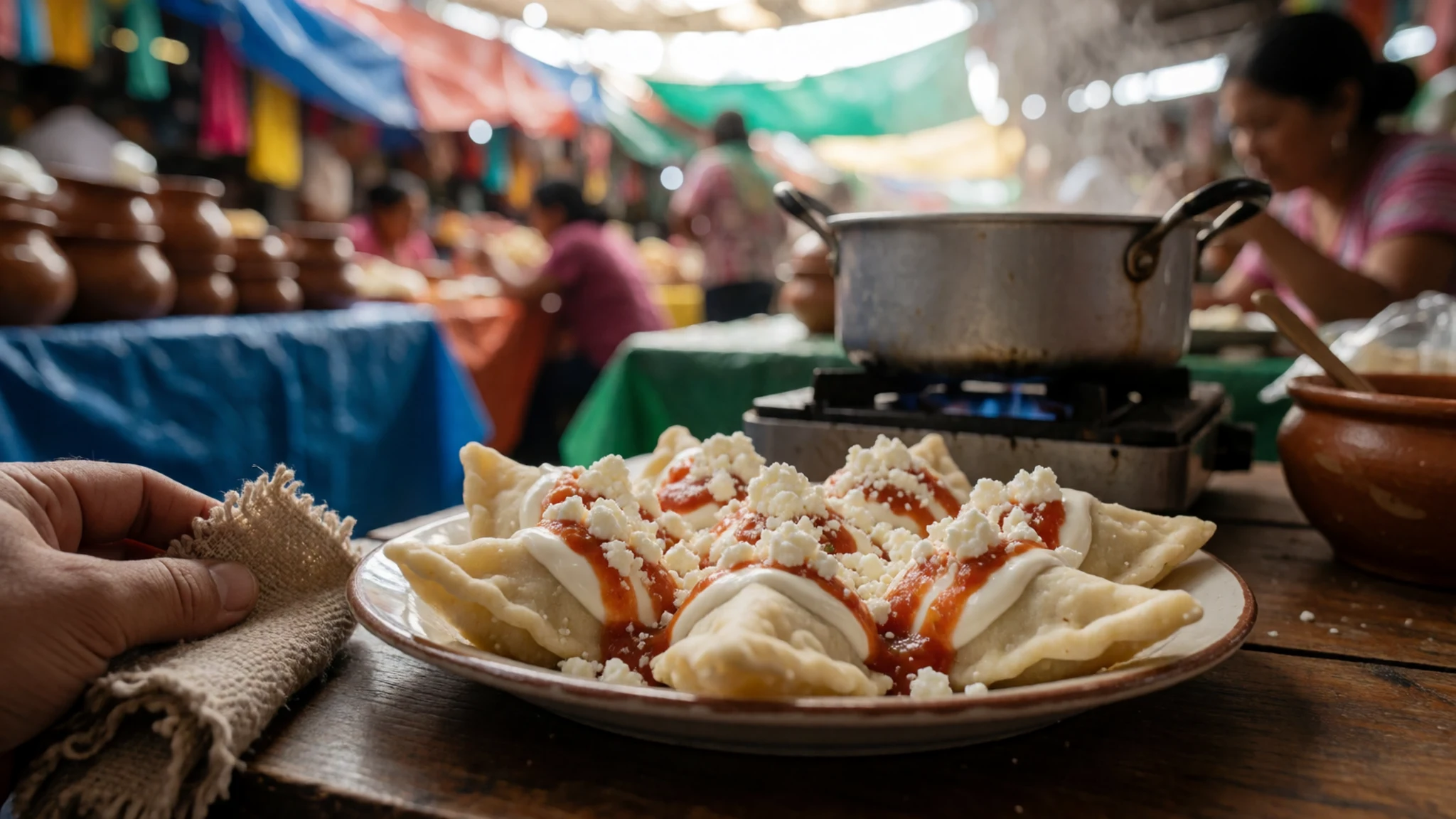
- Birria — Mercado de Antojitos and birria stalls in the market
Birria is slow-cooked, spiced meat, usually goat or beef, served in its broth with tortillas, onion, coriander and lime. It is a hearty, filling meal and especially welcome on a cold highland evening.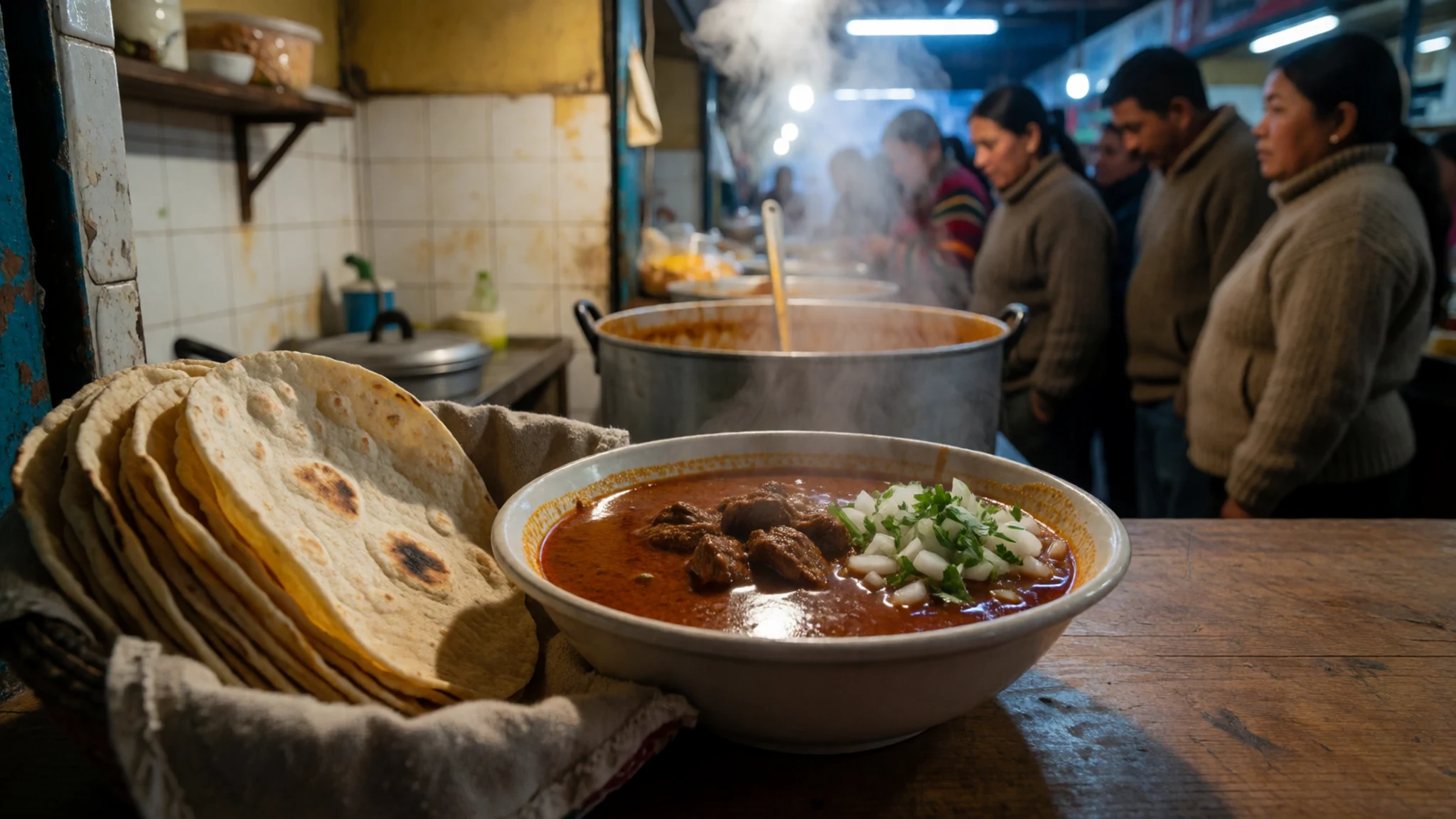
- Sopa tarasca — Family-run eateries around the plazas
This tomato and bean soup is blended smooth, then topped with crisp tortilla strips, dried chilli, cream and cheese. It is a warm local classic, mild enough for most tastes, and often comes before a larger main course. - Lake fish and charales — Lakeside dock area and Janitzio's waterfront stalls
Fish from the lake region is served fried or grilled with lime and salsa, and charales, tiny fried fish, are eaten as a crunchy snack. Ask where the fish was caught and how fresh it is, since lake conditions vary. - Shrimp and seafood plates — Seafood eateries near the central plazas
Pátzcuaro sits far from the sea, yet seafood restaurants thrive here, and shrimp dishes are a common order, grilled in garlic or served in a spicy sauce. They make a change from the usual grilled meat.
Plan it
Best time. March–April for dry, bright weather with cool nights; late October–early November for Day of the Dead, which is atmospheric but crowded, with accommodation booked well ahead. The rainy season brings afternoon downpours, and evenings are cold at this altitude all year.
How long. 2–3
Getting there. Morelia is the usual gateway, with frequent buses to Pátzcuaro from there and from Uruapan on the Purhepecha line. By car, the toll road from Guadalajara via Quiroga and Tzintzuntzán reaches town. For Janitzio, get off at the Pemex station on arrival and walk a few blocks to the boat dock.
Budget. low
Tips
- Book accommodation months ahead if visiting around Day of the Dead
- Carry cash for markets, craft stalls and boat rides, as small sellers may not take cards
- Bring layers, since evenings are cold at this altitude
- Visit Janitzio and the plazas early in the morning to avoid the crowds
- Check the official town website, patzcuaro.gob.mx, for festival dates and events
Etiquette
- Ask before photographing people, especially craftspeople and families at graves
- Dress modestly and stay quiet inside churches, and avoid visiting during services as a sightseer
Nearby
Sources
- Wikidata Q1021051 (CC0)
- Wikipedia: Pátzcuaro (rev 1377114979) (CC BY-SA 4.0)
- Wikivoyage: Patzcuaro (rev 5354893) (CC BY-SA 4.0)
- Photo: Plaza Vasco de Quiroga, Edgar Galindo (CC BY 3.0)
- Photo: Sunset Pátzcuaro, Gibranlp (CC BY-SA 4.0)
- Photo: Mary in Purépecha garments, Fabienkhan (CC BY-SA 2.5)
- Photo: Street near Casa de los Once Patios, Thelmadatter (CC BY 3.0)
- Photo: Typical Pátzcuaro street, Jenaro Parra (Public domain)
- Photo: Palace of Huitzimengari, Thelmadatter (CC BY 3.0)
- Photo: Former San Agustín temple library, Ernesto Perales Soto (CC BY 2.5)
- Photo: Basilica of Nuestra Señora de la Salud, Thelmadatter (CC BY 3.0)


