Paradise Valley
Paradise Valley, Morocco
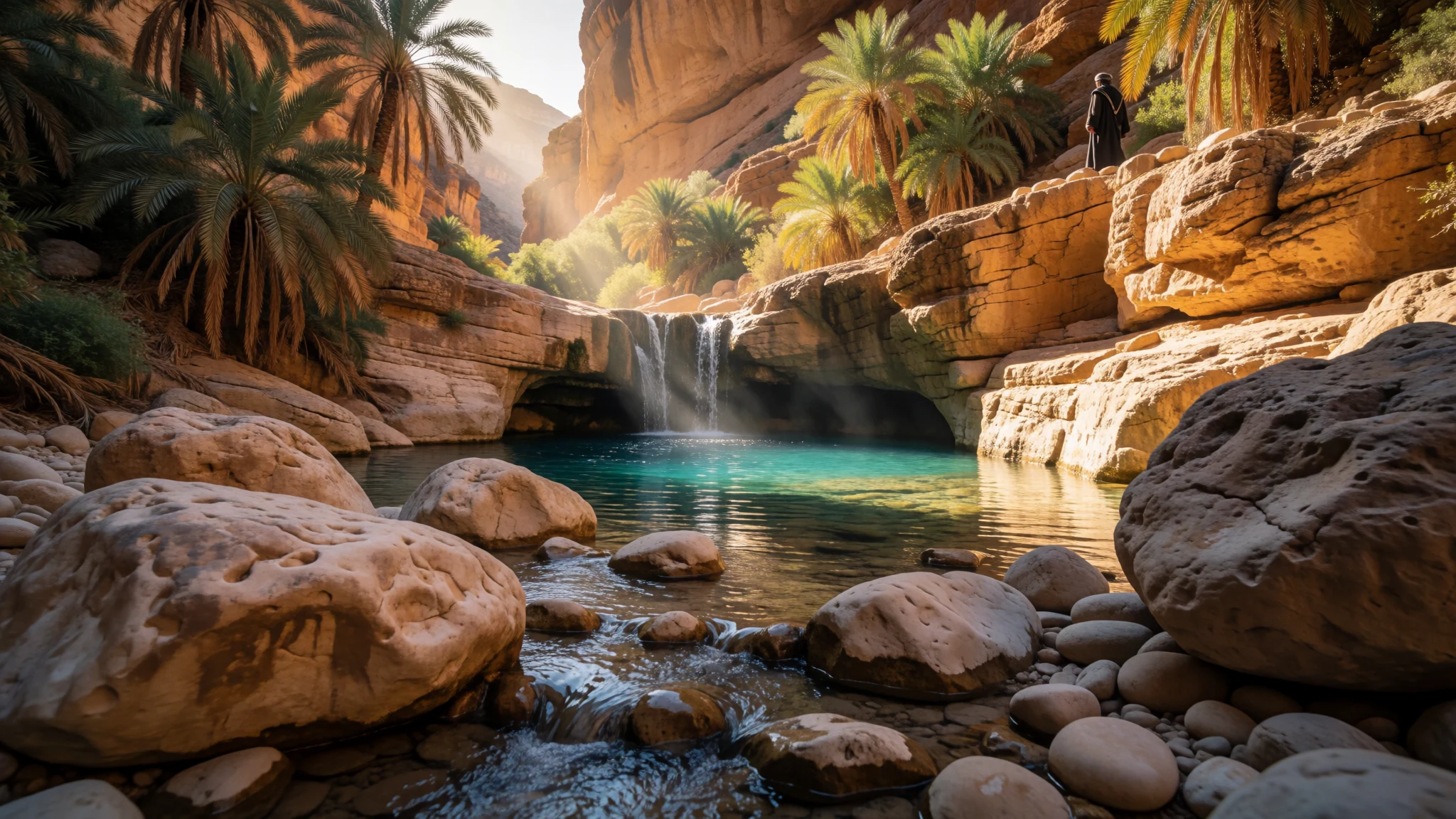
Paradise Valley offers cool river pools, palm groves and Amazigh villages in the hills inland from Agadir, an easy escape from the Atlantic coast.
The place
Paradise Valley sits in the foothills of the western High Atlas, inland from the Atlantic resort city of Agadir in southern Morocco. A river has cut a narrow gorge through reddish rock here, and its banks fill with date palms, banana plants, oleander and small terraced plots that look vivid against the dry hills. The water is the whole attraction. It gathers in clear pools, slides over smooth boulders and, after rain, tumbles through small cascades. How much there is depends heavily on the season. After the winter and spring rains the pools are deep and cold; by late summer parts of the bed can be bare stones, and what water remains is warm and still. The valley belongs to the Ida Ou Tanane area, where Amazigh (Berber) villages keep goats, grow vegetables and olives, and tend argan trees on the slopes. Houses are built of local stone and earth, often the same colour as the hillside behind them. Because the valley works as a day outing from the coast, weekends and school holidays bring families, coach parties and surfers from beach villages such as Tamraght. On a weekday morning it is quiet enough to hear the water and the goat bells. Cafés and small stalls along the track sell mint tea, orange juice and souvenirs, and local guides offer walks of different lengths. The footing is uneven, and midday heat can be punishing, so the shaded hours either side of noon are the pleasant ones.
Its story
Paradise Valley has no founding date or famous battle; its story is the long relationship between a small river and the people who farm beside it. Amazigh communities, speaking Tashelhit in this part of Morocco, worked the Atlas slopes long before tourism, building terraces, retaining walls and channels that carry river water to fields and palm groves. Households traditionally combined crops, goats and argan trees, whose oil is pressed by hand, often in women's cooperatives. The river set the calendar: its flow decided when planting, washing and harvesting could happen. The name Paradise Valley is a newer label, used on signs and in guidebooks in English and French (Vallée du Paradis), and it reflects how outsiders came to see the gorge. Agadir was rebuilt as a modern seaside resort after a devastating earthquake, and that brought large numbers of visitors within a short drive of the hills. Surf villages such as Taghazout and Tamraght lie on the same stretch of coast, and the valley became a standard day out for people staying there. Today tourism is a second income for many local families, who run cafés, guide walks, sell crafts or look after parked cars. That income is uneven and fragile. It rises after good rain and falls in drought years, which are a recurring worry for farmers across Morocco. Buying tea, argan products and crafts directly from villagers keeps a fair share of the money in the valley.
What to see
- The natural pools — River gorge, upper valley
The clearest water in Paradise Valley collects in rock pools along the gorge floor, shaded by palms and cliffs. Locals and visitors swim in the deeper ones when the river is running. Check the depth before jumping, wear shoes with grip for the slippery stone, and expect colder water than the sea suggests.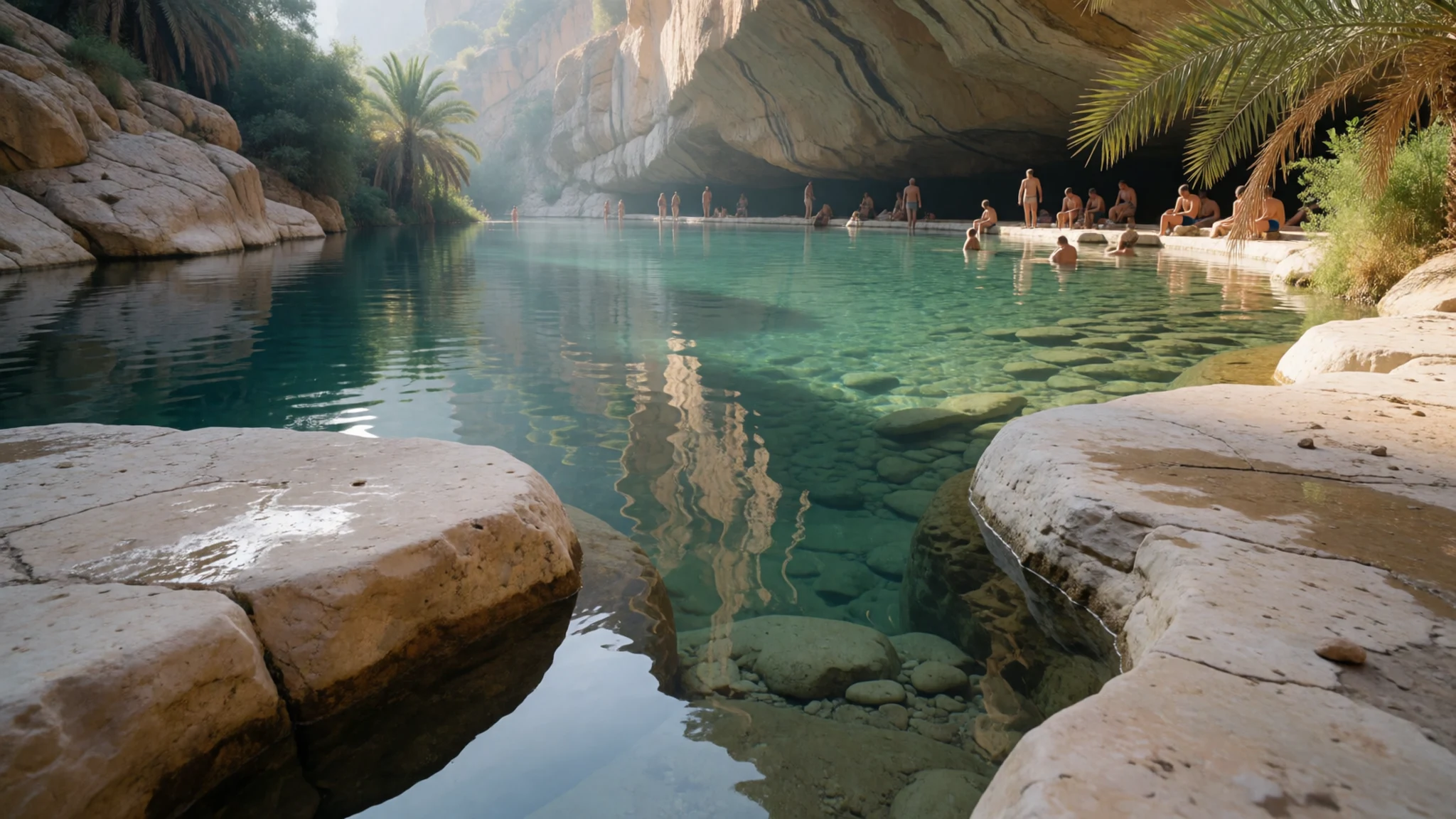
- The palm grove walk — Along the riverbank
A path runs beside the river through date palms and banana plants, crossing the stream on stepping stones and small plank bridges. It is the easiest way to see the valley's green belt against the dry hills. Allow time for stops, since the light changes the colour of the rock.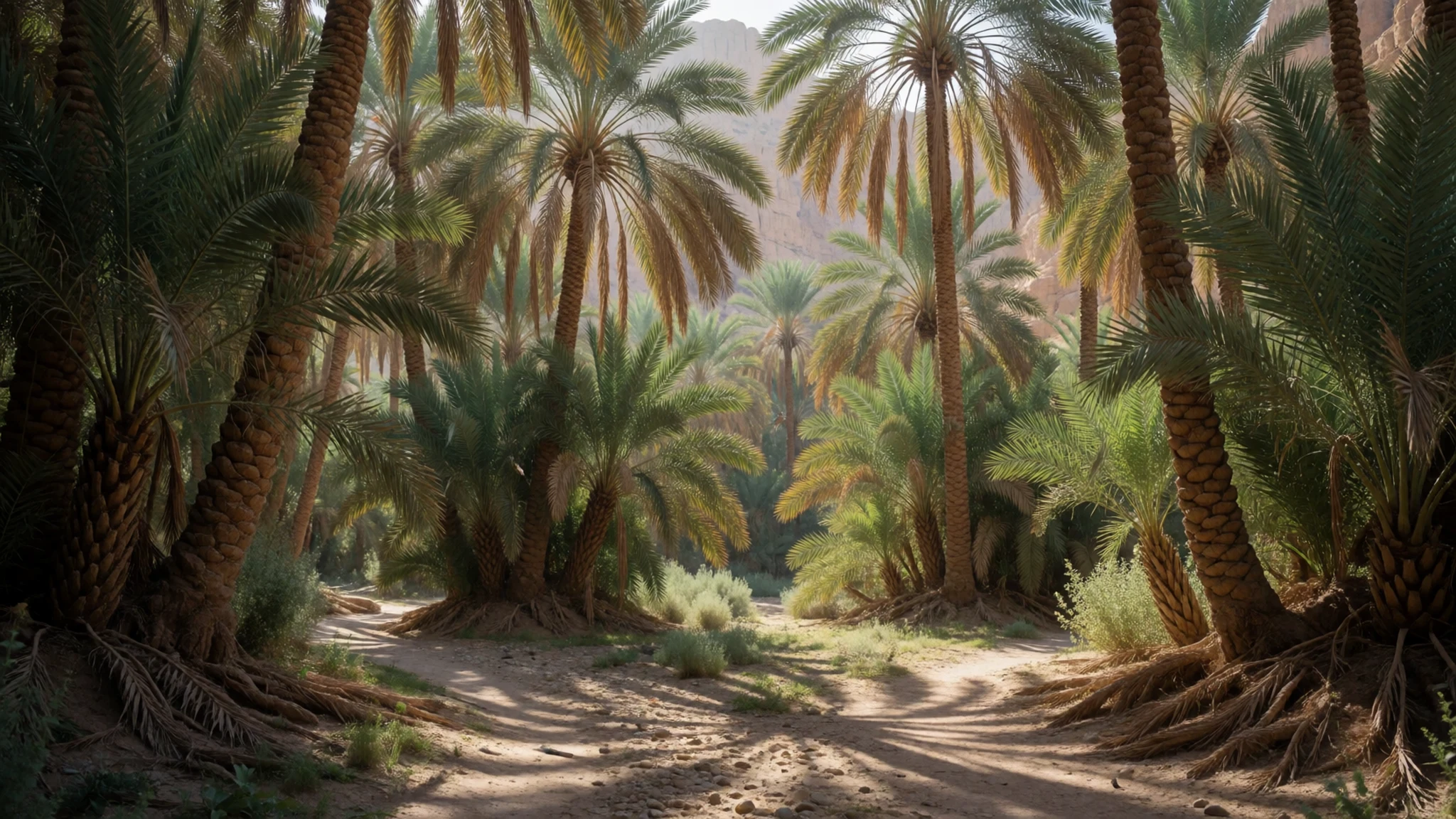
- The viewpoint above the gorge — Hillside above the valley
From the road and tracks above the valley, the whole ribbon of green comes into view, with the river glinting between rock walls and the hills folding away behind. Late afternoon gives softer light and cooler air. The surfaces are loose in places, so keep back from unfenced edges.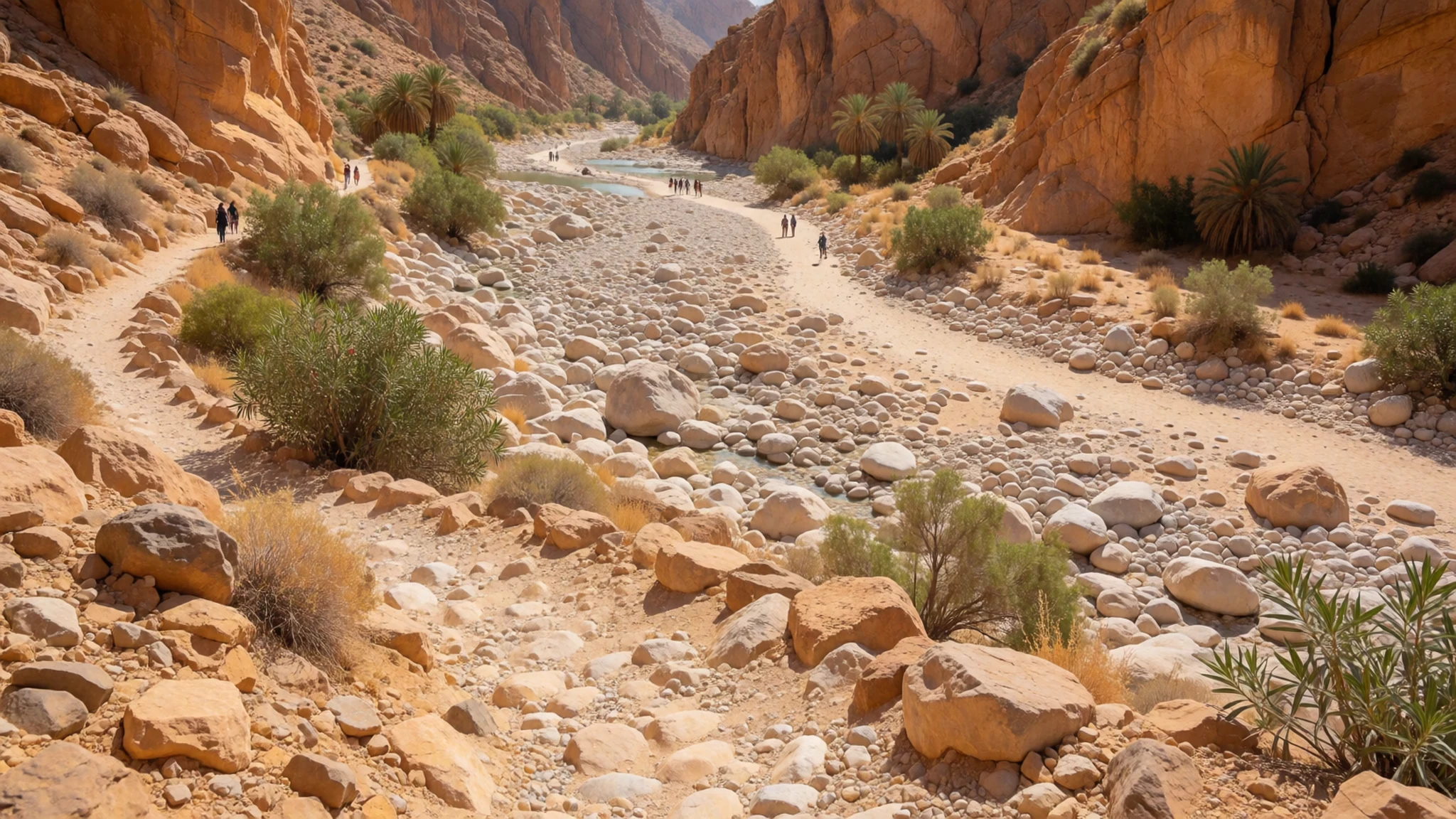
- Terraces and stone houses — Village edges along the valley
Small fields step down the slopes beside the river, held by stone walls and watered by channels. Nearby houses are built from local stone and earth in the colours of the hillside. This is a working landscape rather than a sight, so walk on paths, close gates and ask before photographing people.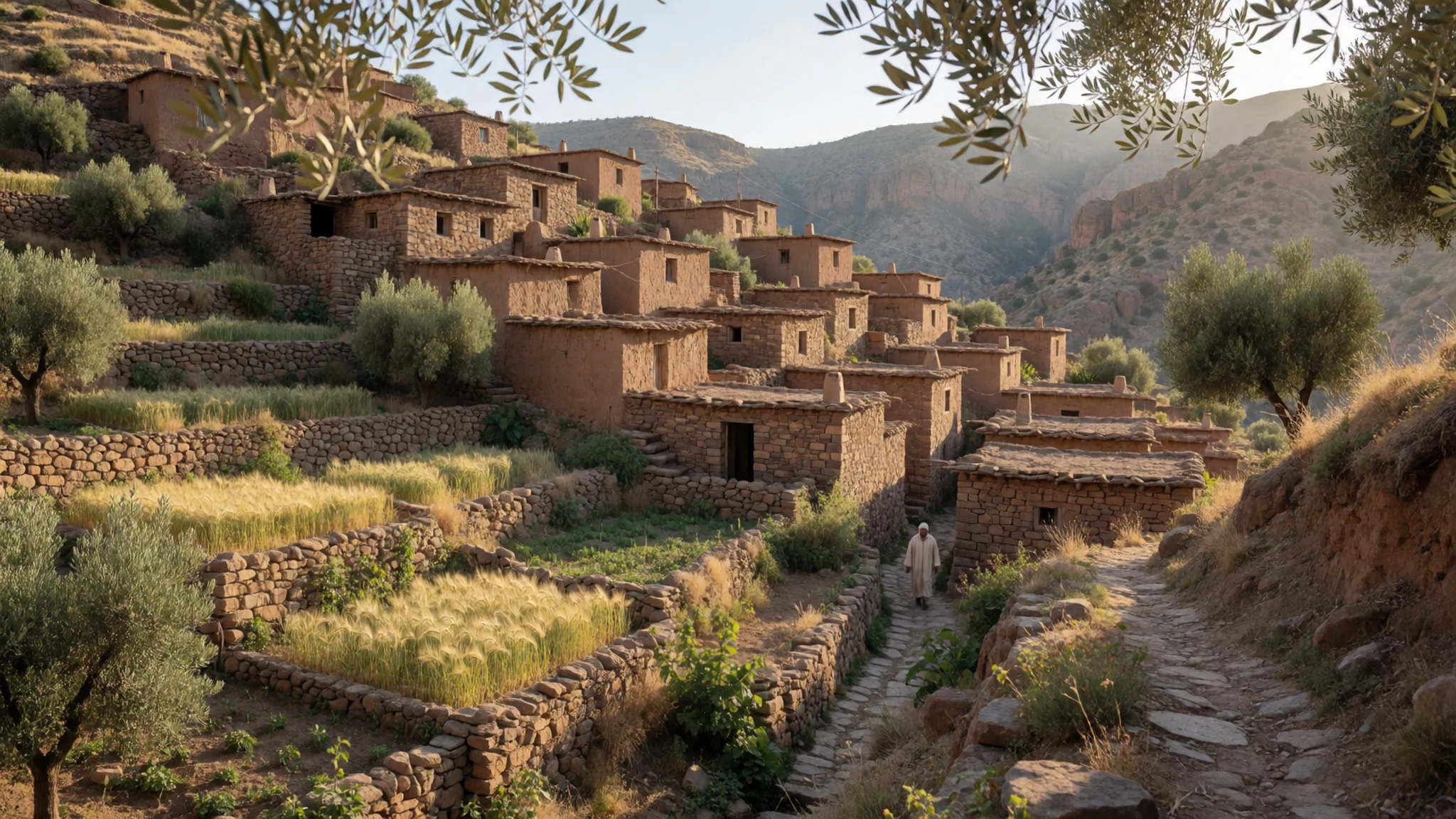
- The dry river bed — Lower gorge
Outside the wet months the river retreats and the gorge floor turns into a corridor of pale boulders and gravel. Walking and scrambling along it shows how far the water rises in winter. It is hot and shadeless in places, so carry water and start early.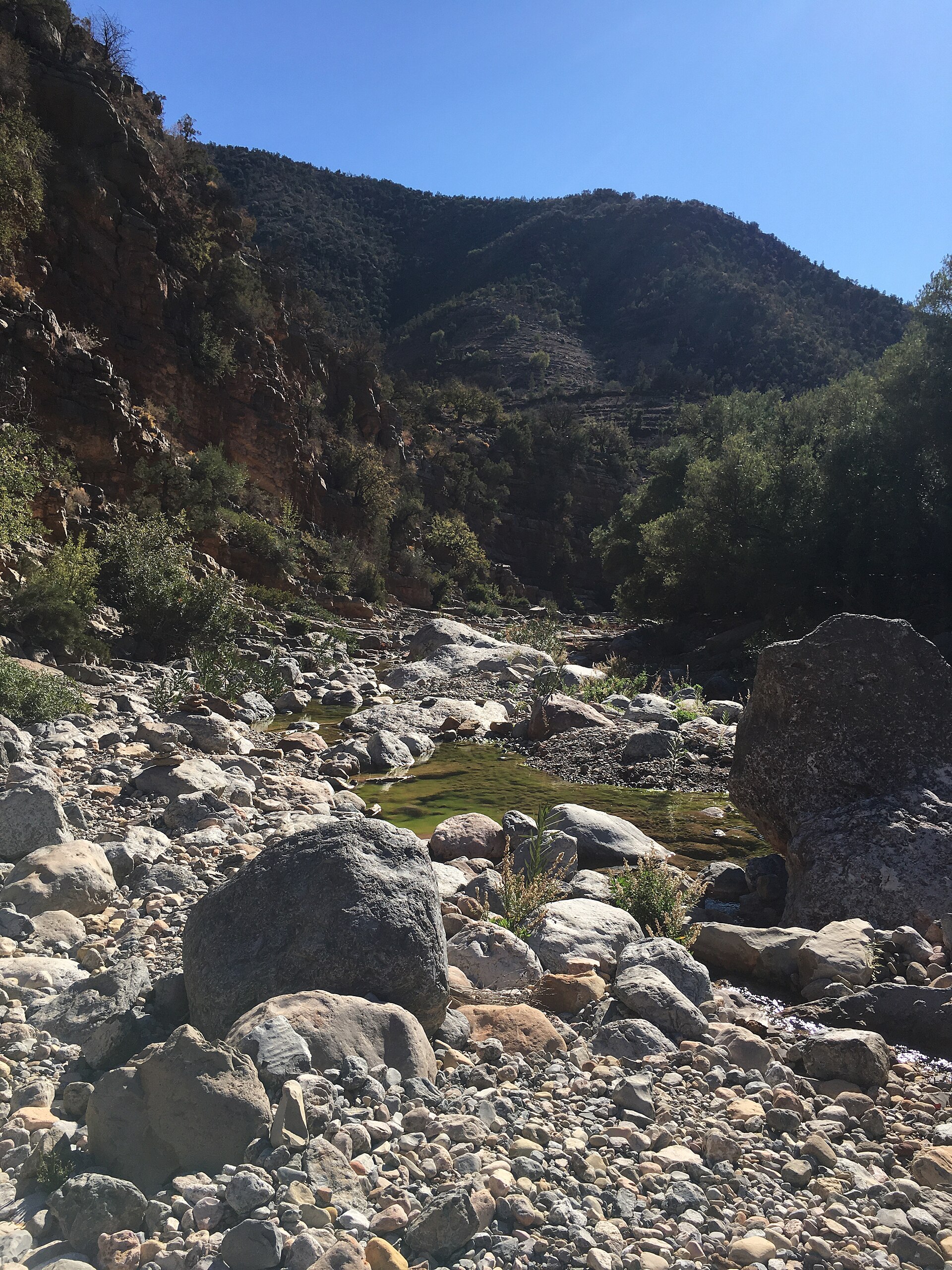
Culture
Paradise Valley is Amazigh country, and the culture here is rural and Muslim, shaped by farming, family and hospitality. Tashelhit is the everyday language, with Arabic and French widely understood and some English in places that receive tourists. Village life follows the rhythm of water, harvests, weekly markets and the call to prayer, so quiet hours at midday, on Fridays and during Ramadan are normal, and some cafés close or serve discreetly in daytime during the fasting month. Hospitality matters: being offered mint tea is common, and accepting one glass is polite even if you do not finish a second. Bargaining over crafts and argan products is expected but should stay friendly and unhurried, and walking away politely is fine. Local guides and café owners depend on visitor income, so small, fair payments for help, parking and photographs are normal courtesy. Music, singing and drumming may be heard at weddings and festivals; as a rule these are family occasions, so watch from a distance unless invited. Families picnic and swim at the pools on busy days, and the mood is relaxed and sociable rather than formal. Argan oil is produced in cooperatives, many run by women, and buying from them directly supports the households that look after the trees. Ask permission before photographing villagers, especially women and children, and respect a refusal with a smile.
What to wear
Paradise Valley's traditional dress is the Amazigh clothing of the Atlas and Souss region. Men wear the djellaba, a long hooded wool or cotton robe, often with a turban or a skullcap, and leather babouche slippers. Women wear long dresses or djellabas in cotton and wool, with headscarves in bright cotton or silk blends, and Amazigh silver jewellery for weddings and festivals. Handwoven wool blankets and shawls with geometric patterns keep out the cold on winter nights in the hills. In daily life, most people now wear a mix of tradition and modern clothing: jeans, tracksuits, shirts and trainers for work, with a djellaba over the top in cooler weather or for prayers and family occasions. Younger people dress like their counterparts in Agadir, and surf brands are common near the coast. Visitors should dress for heat, sun and a rough walk. Light, loose cotton or linen that covers shoulders and knees is comfortable and respectful in villages; swimwear is fine at the pools but should be covered with a shirt or sarong when walking through settlements. Wear sandals with a firm grip or trail shoes, as river stones are slippery and paths are uneven. Bring a hat, sunglasses and sun cream, and add a light layer for shaded gorge air or evenings, because temperatures drop quickly after sunset in the hills.
What to eat
- Chicken or vegetable tagine — Riverside cafés and roadside eateries in the valley
A slow-cooked stew in a conical clay pot, usually with preserved lemon, olives or seasonal vegetables, eaten with bread. It is the standard lunch for visitors, and cooks adjust spices and sauce to what is in the market that week.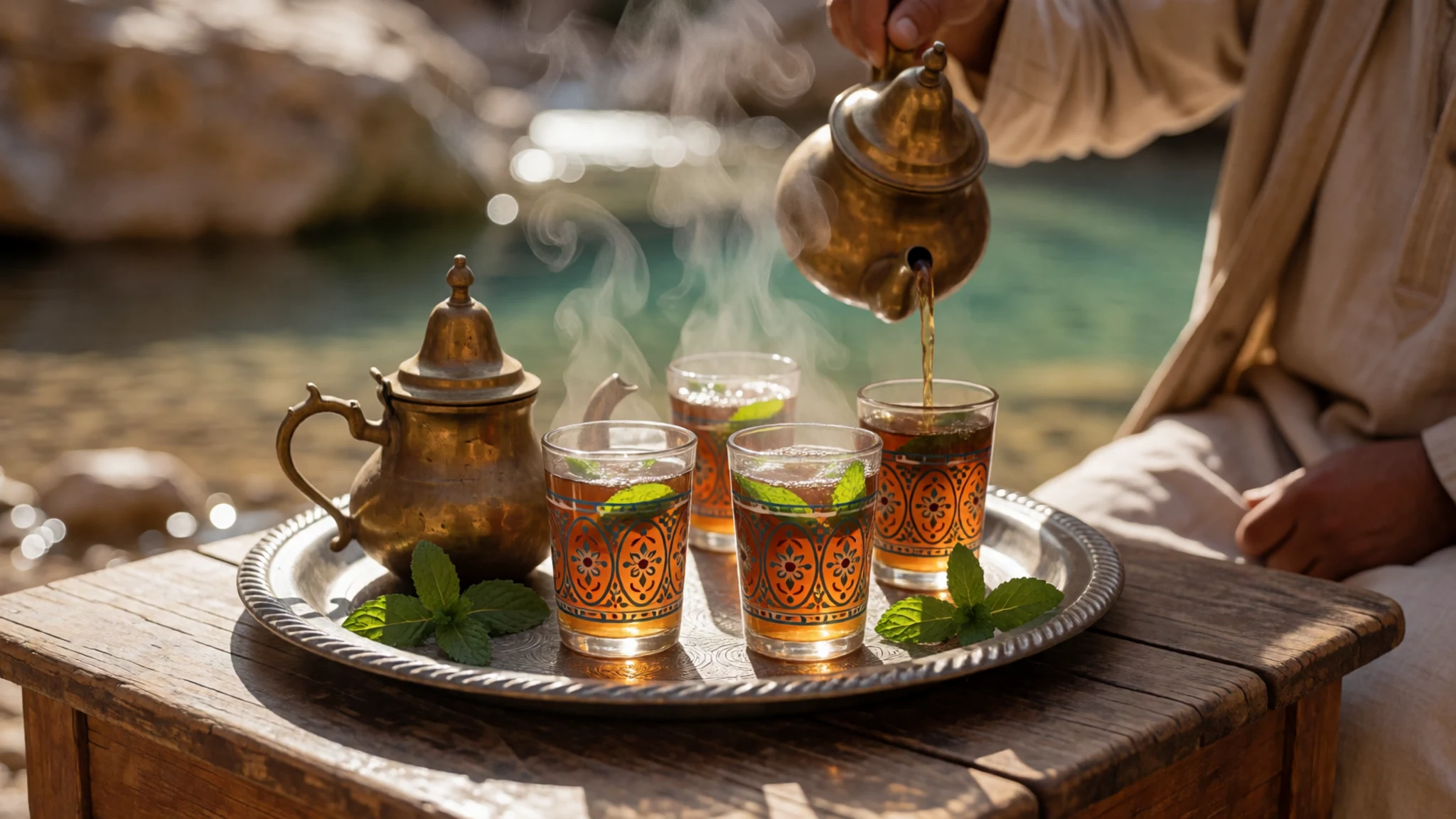
- Amlou with bread — Cooperatives and stalls selling argan products along the road
A thick Atlas spread made from toasted almonds, argan oil and honey. It is eaten at breakfast or with tea, scooped up with warm bread. The flavour is nutty and rich, and it makes a portable local gift.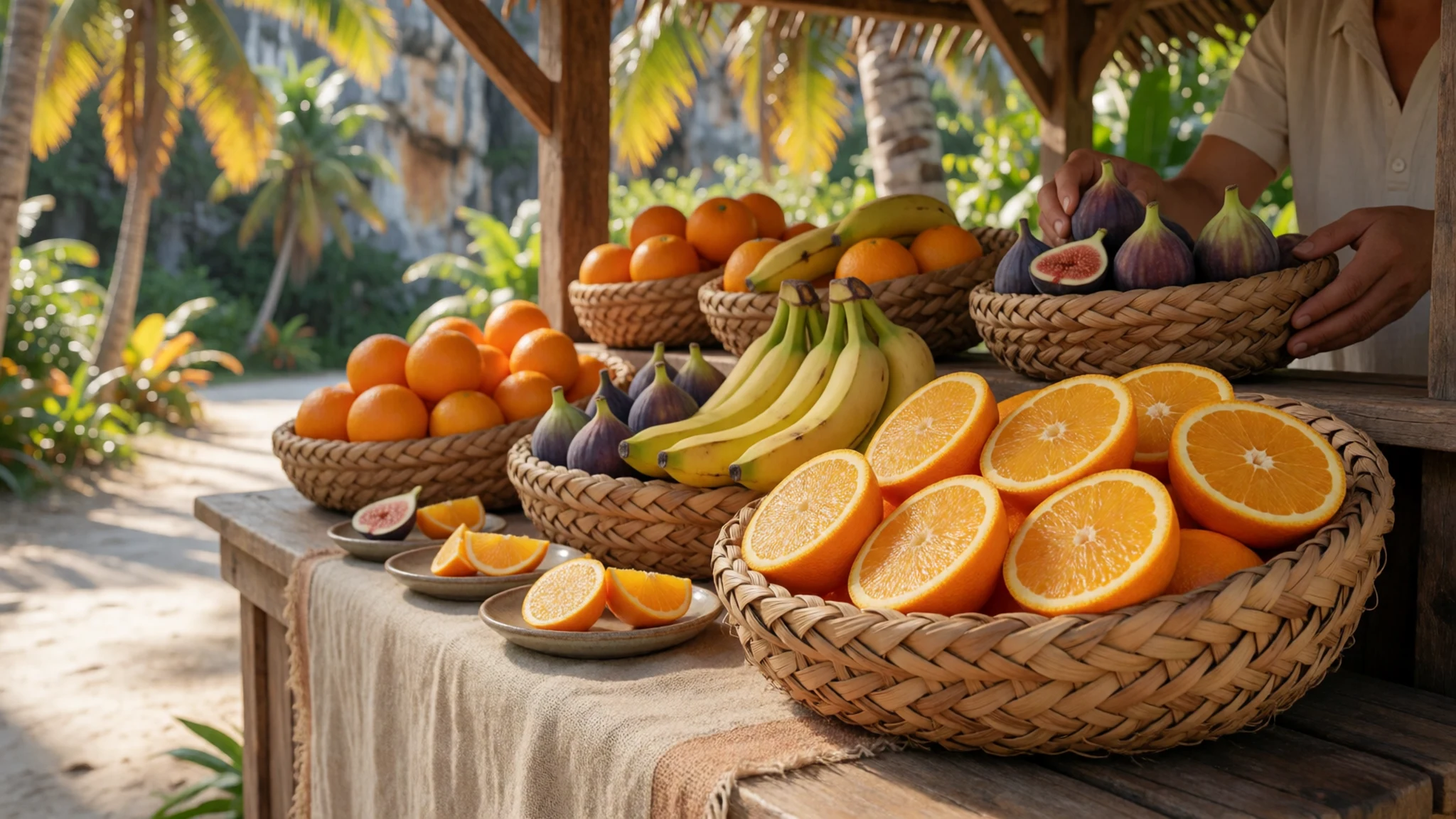
- Berber omelette — Small village cafés near the pools
A tagine-style omelette cooked in a clay dish with tomatoes, onions, peppers and spices, then brought to the table still bubbling. It is a good light meal for vegetarians and a common lunch after a morning walk. - Fresh orange juice — Juice stalls and cafés at the valley entrance
Oranges from the Souss plain are pressed to order, giving a sweet, cold drink that suits hot walking days. Juice stands are everywhere in Moroccan towns, and the valley's cafés follow the habit. - Mint tea — Almost any café or home in the valley
Green tea brewed with fresh mint and plenty of sugar, poured from height into small glasses. It is offered as a sign of welcome, and drinking it slowly on a terrace is part of the visit.
Plan it
Best time. March–April and October–November, when the air is warm rather than hot and the river usually still holds water after winter rain. Summer is hot, and pools can be low or still; winter brings cooler days and occasional heavy rain.
How long. 1
Getting there. Fly to Agadir Al Massira Airport, then take a taxi, hire car or organised excursion towards Aourir and Tamraght and follow the road up into the hills. The last stretch is a minor road and track, so check conditions with your driver or guesthouse.
Budget. low
Tips
- Go early on a weekday to avoid the busiest crowds and the midday heat
- Carry water, sun protection and cash in small notes, as cards are rarely accepted at stalls and cafés
- Wear shoes with good grip for wet stone and uneven paths
- Ask your accommodation about water levels and weather before you set out
Etiquette
- Dress modestly when walking through villages and cover up after swimming
- Ask before photographing people and agree prices for guides or parking beforehand
- Take rubbish away with you, since the river and pools are the villagers' water source
Nearby
Sources
- Wikidata (CC0)
- Wikipedia (CC BY-SA 4.0)
- Wikivoyage (CC BY-SA 4.0)
- Wikimedia Commons photographs of Paradise Valley (CC BY-SA 4.0)
Wildlife
- Falcon (animal)
A falcon is a hunting bird that drops from the sky like a thrown dart. Many kinds exist, and the small ones that hang in the air while searching are called kestrels. In Paradise Valley you may hear its cry now and then, carrying over the unhurried countryside and the sound of water lapping at stone. Ask your guide when it is most likely. Keep your distance, stay quiet, use binoculars, and never feed it.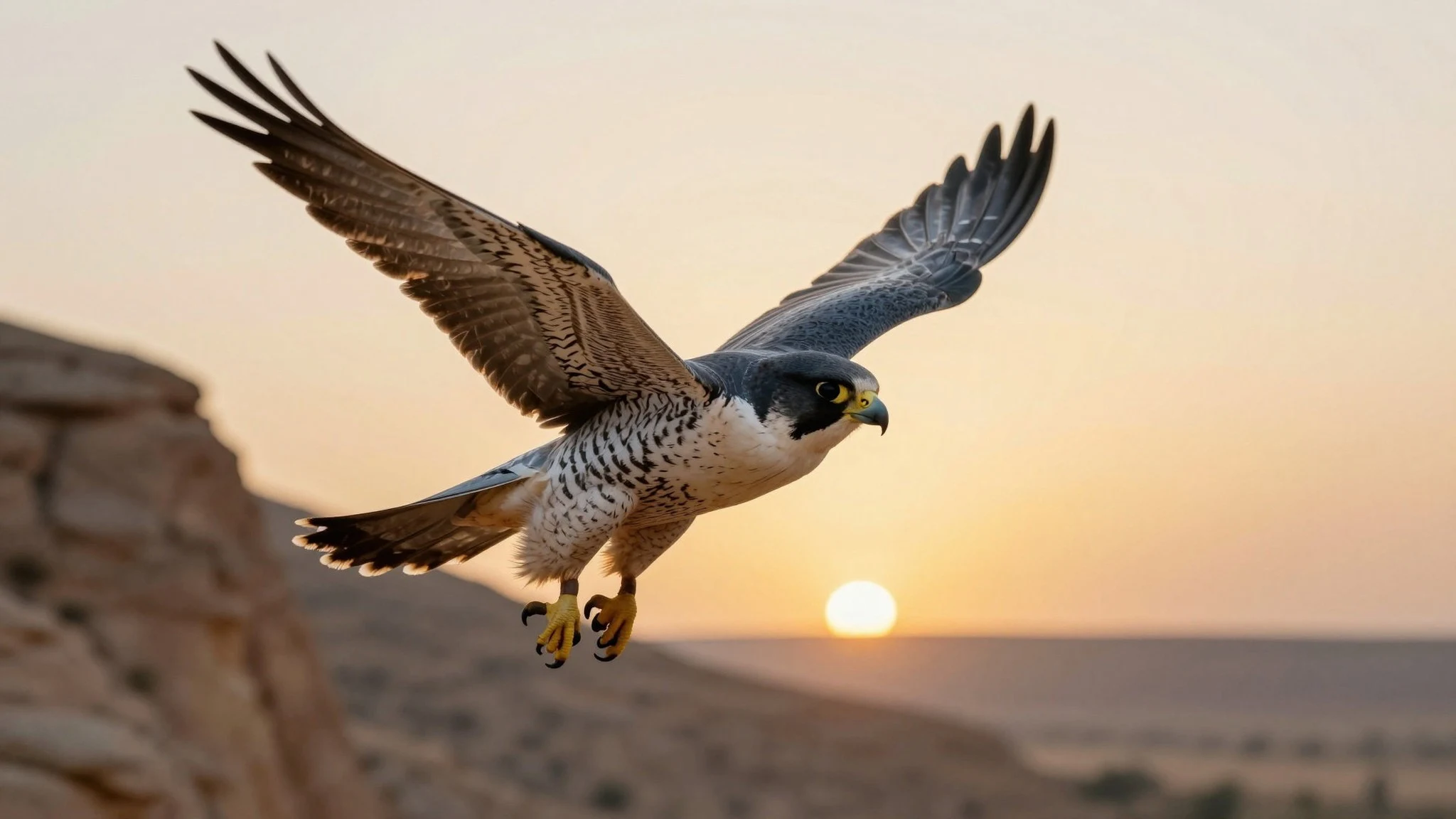
- Falcon (bird)
The peregrine is a crow-sized falcon famous for its speed, with a bluish-grey back, a pale barred underside and a dark head. Females are noticeably bigger than males. In Paradise Valley a falcon's call belongs to the slow, pastoral soundscape beside the water, so ask a local guide when and where to look. Watch from far away, keep still and quiet, and never offer it food.