Papeete
Papeete, France
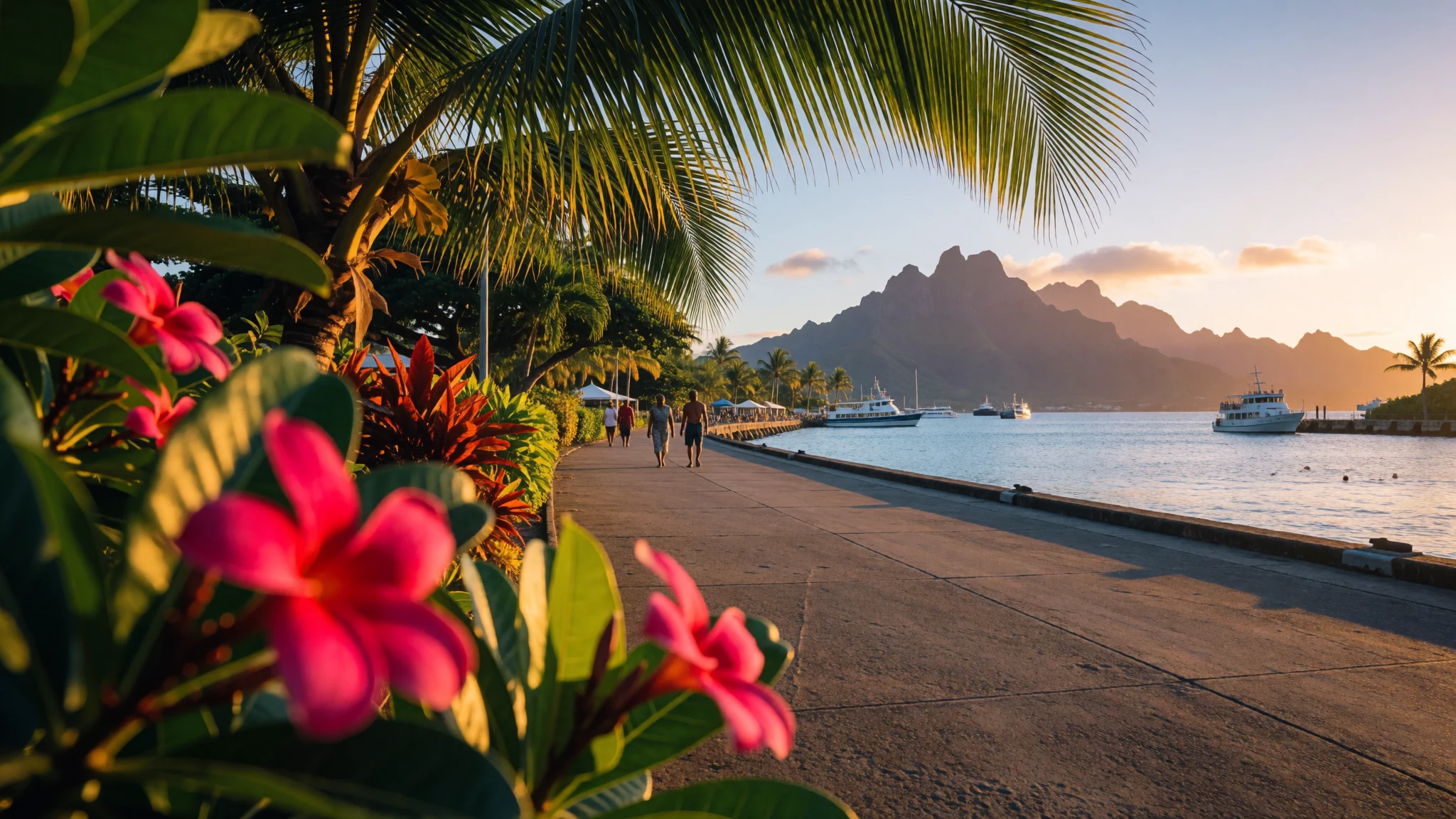
Papeete is the working capital of French Polynesia, where food trucks, a busy market and old colonial streets sit beside the harbour.
The place
Papeete is the seat of government for French Polynesia, a Pacific territory of France, and it sits on the island of Tahiti in the Windward group of the Society Islands. The commune itself has 26,654 residents, and the wider urban area holds about 124,000, so this is a working port town more than a resort. The president of French Polynesia and the French High Commissioner are both based here, and much of the territory's banking, shipping, trade and administration is concentrated in the same compact grid of streets. For most visitors it is the first stop. The territory's only international airport is close by, and boats and small planes fan out from here to the other islands. The name is usually explained as 'water from a basket'. It came about through a taboo in the reign of King Pōmare I, when the everyday word for water was set aside and another one took its place. The weather is hot and humid all year. August and September make up the short dry season, though showers can still fall then, and the downpours are heaviest around the turn of the year. The town stands only 9 metres above sea level, with the harbour on one side and steep green mountains behind. It is flat, easy to cover on foot in the cool of the morning, and works best as a base for a day or two.
Its story
Papeete dates its founding to 1818, and the town grew up around Tahitian royalty, French administration and the harbour. Some of its best stories are about engineering. In 1902 the post office had to change sites, and instead of demolishing it, workers lifted the entire building off its foundations and moved it along on a light railway of the Decauville type. Earlier, a similar line had been used to build the Faʻaiere water tower that supplied the town with drinking water. A coal-fired winch hauled three small trucks at a time up a short steep incline, climbing 37 metres. The twentieth century brought harder events. During the First World War, German warships shelled Papeete, killing people and damaging buildings. Later, after Algeria became independent, France moved its nuclear test programme to the atolls of Moruroa and Fangataufa, about 1,500 km east of Tahiti. The decision drew investment and construction to Tahiti, including the international airport at Faʻaʻā, and the town expanded quickly. That chapter remains a sensitive subject, and it is worth listening to local views rather than assuming them. Reminders of the royal past are rebuilt rather than preserved. The Royal Palace was pulled down in the 1960s, and the town hall is a 1990 replica of it.
What to see
- The waterfront park — Along the harbour, central Papeete
Papeete has turned its harbour edge into a long strip of park, and it works as the town's evening living room. Families stroll, children play, and fairground-style attractions appear in places. At dusk the food trucks known as roulottes arrive in the big square, so it serves as both a walk and a cheap dinner. Mornings are cooler and calmer.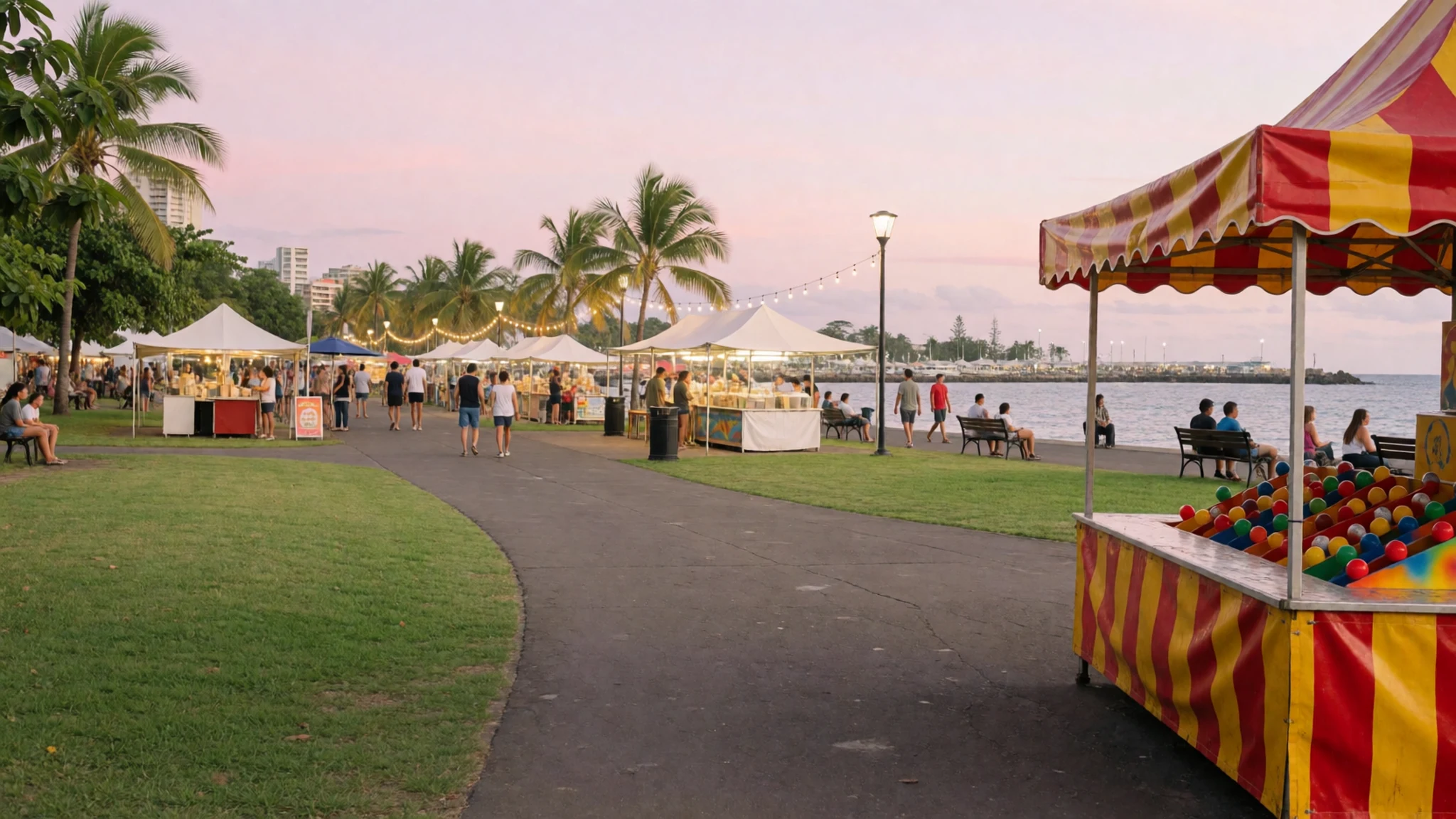
- The public market (marché) — Central Papeete, a short walk from the waterfront
The covered market is the best place to see how Papeete shops and eats. Stalls sell fresh produce, flowers and local crafts, and food counters serve Chinese-style fish with rice and baguette sandwiches. Go early, before the heat builds, carry small notes for snacks, and ask before photographing anyone working a stall.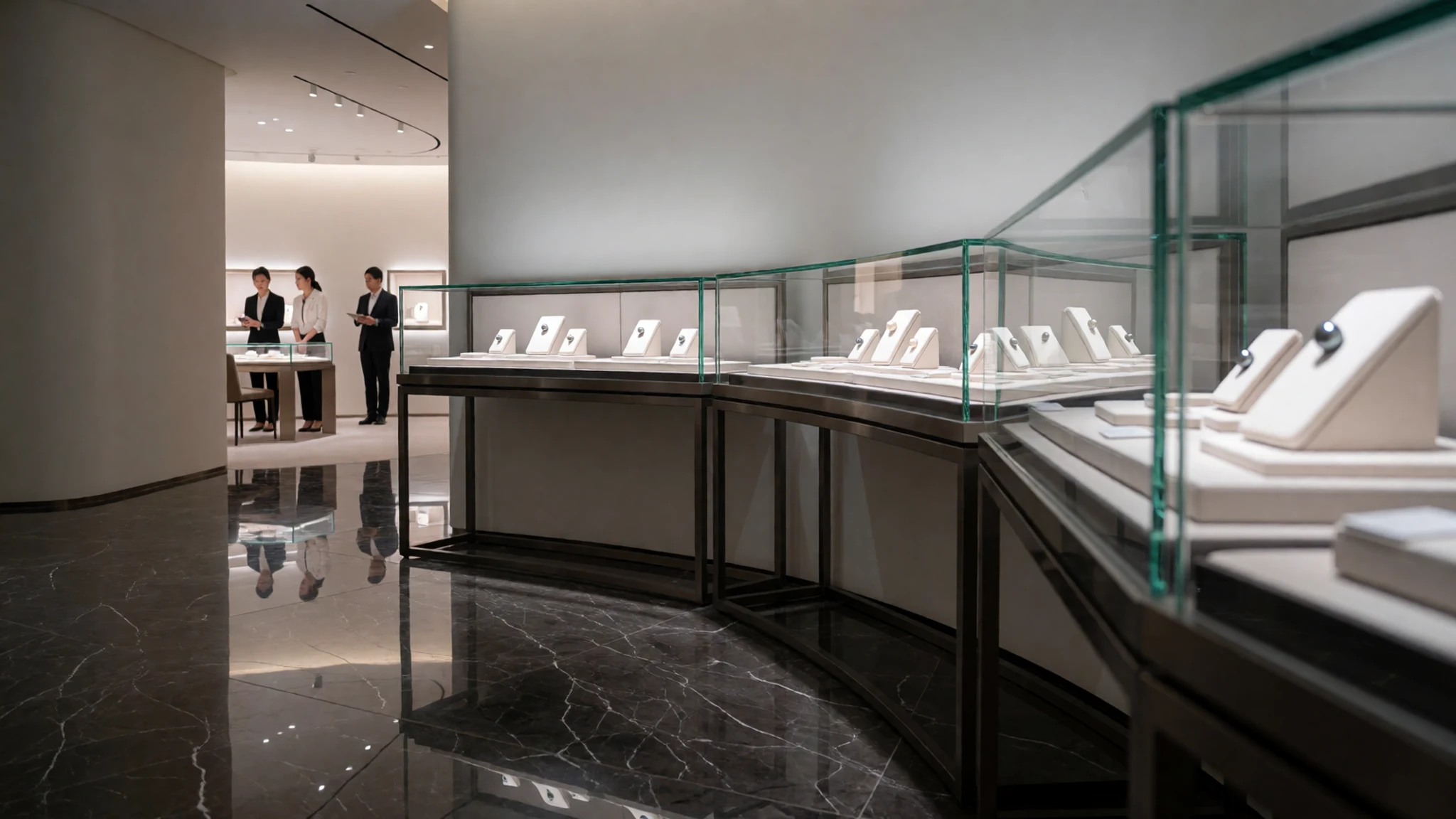
- Notre-Dame Cathedral — Near the waterfront, central Papeete
The Catholic cathedral of Notre-Dame was built well over a century ago and still serves an active congregation. It is a calm, shaded stop when the midday sun is punishing. Cover shoulders and knees, keep voices low, and avoid wandering around during Mass. Check the parish for service times if you hope to sit in on one.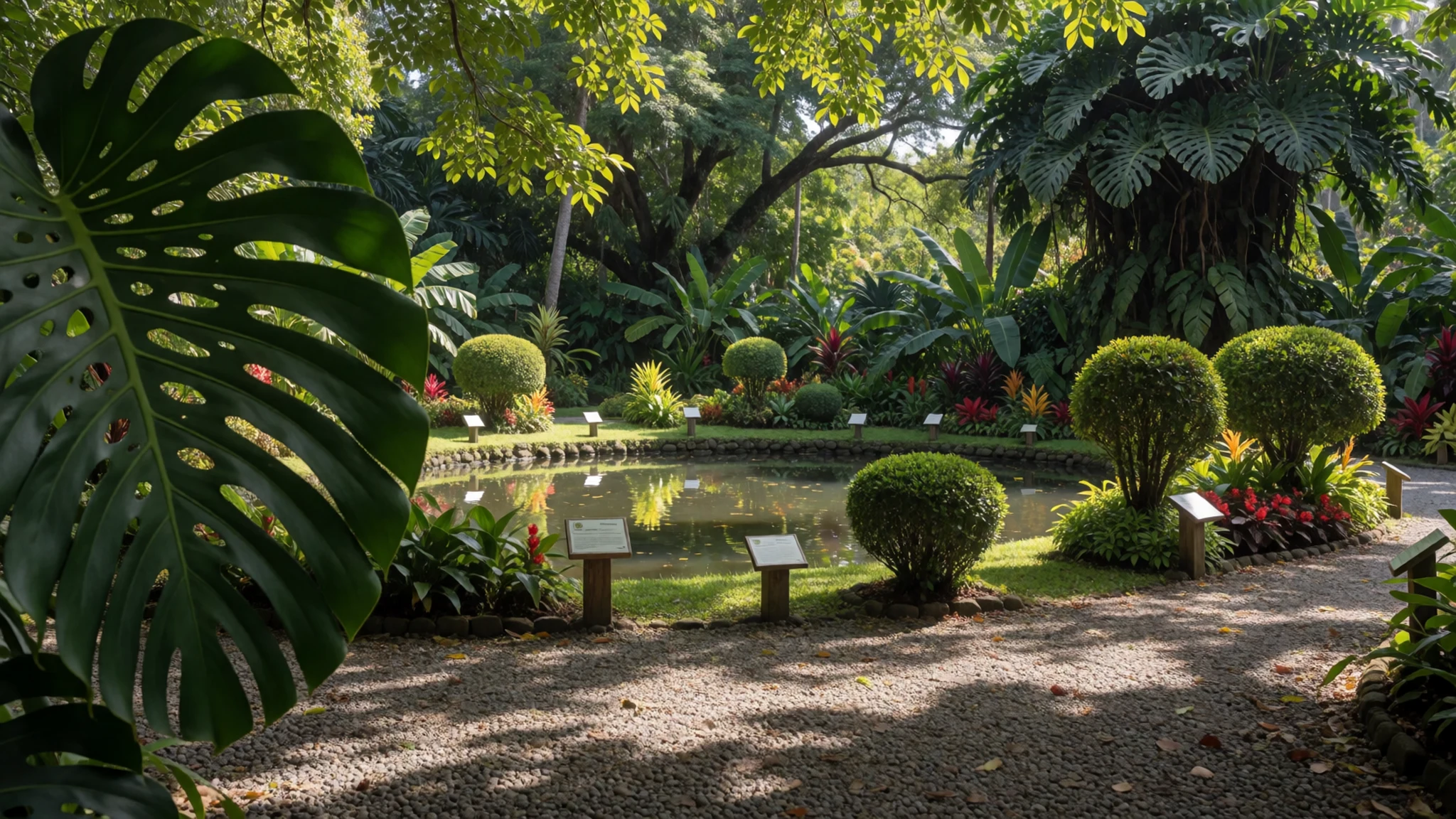
- Assembly gardens and the royal palace story — Beside the Assembly of French Polynesia, central Papeete
Small, tidy gardens surround a pond next to the Assembly of French Polynesia. The grounds stand on the site of a former royal palace, and plaques tell both that history and the story of the plants. Nearby, the town hall is a replica of the lost palace, which makes this a quick lesson in Tahitian monarchy.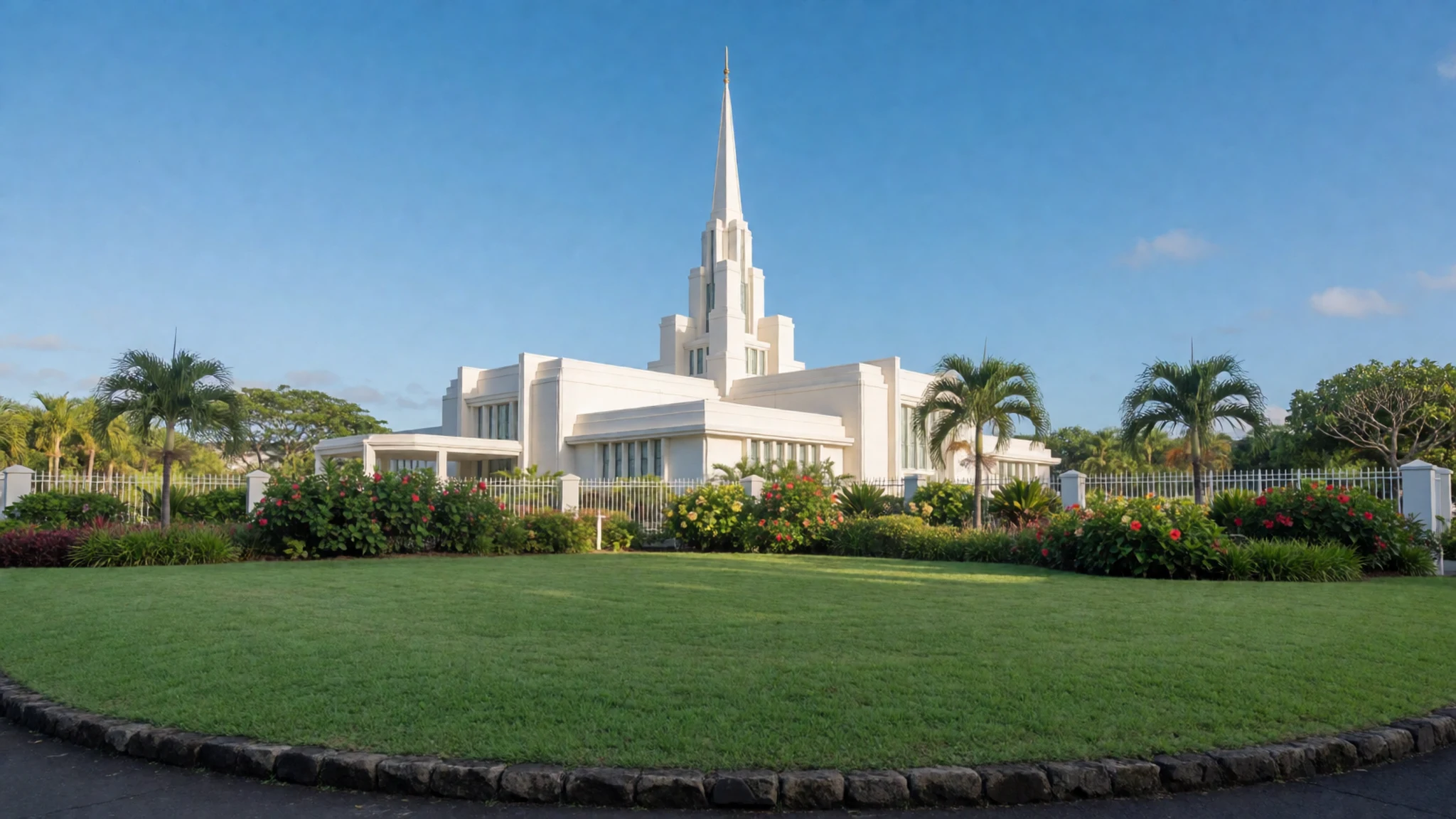
- Robert Wan Pearl Museum — Central Papeete
This museum covers pearl farming and the history of pearls on one side, with a pearl shop on the other. It is worth an hour for context before deciding whether to buy anything, since the exhibits help explain what separates a good pearl from a poor one. Check the museum's own site for opening times and entry details.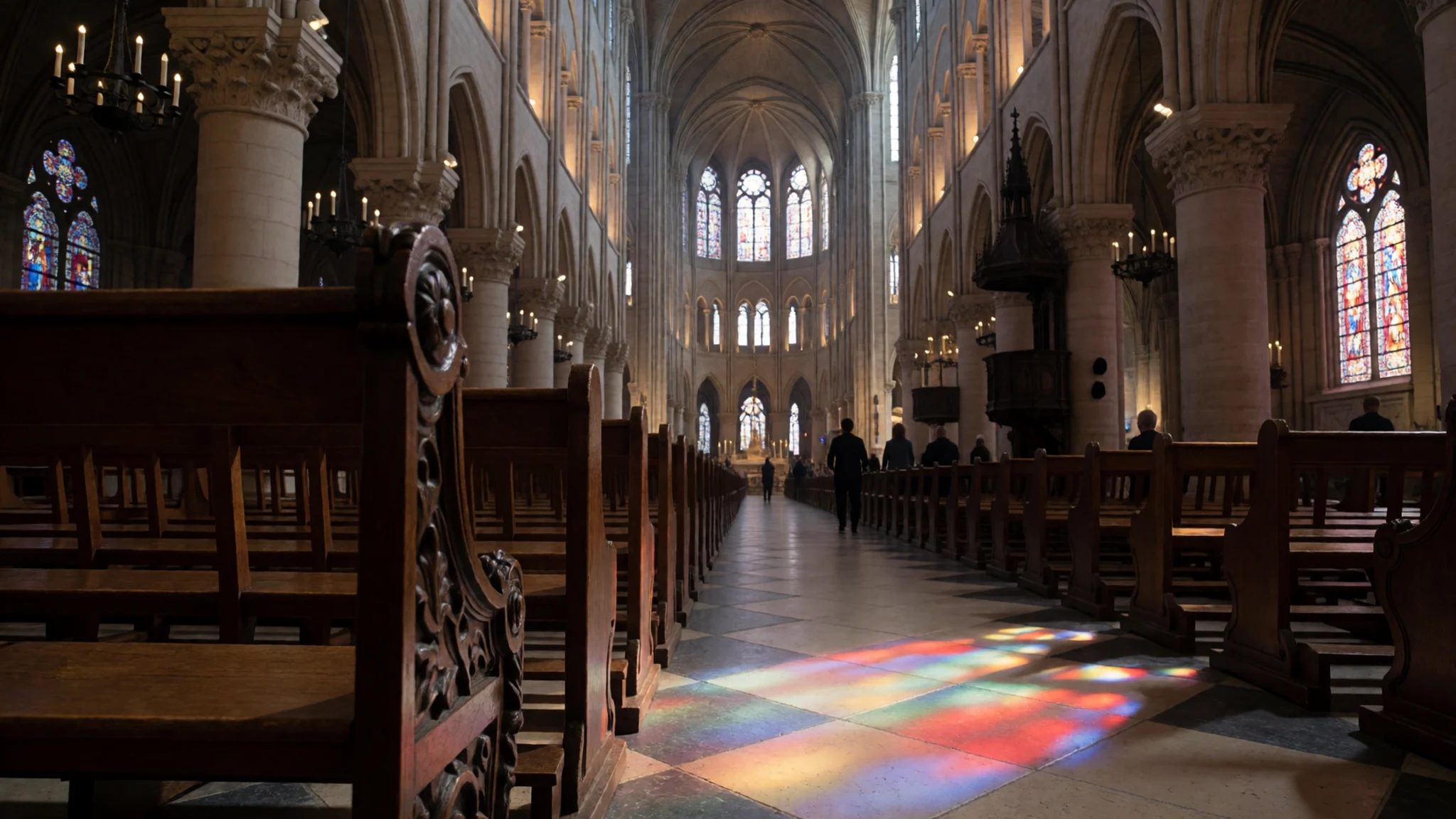
Culture
Papeete's culture is layered. Tahitian roots run through the language, place names and royal history, French administration shapes the institutions and daily rhythm, and a long-established Chinese community has left its mark on the cooking, with chow mein and fried fish as ordinary fare. French and Tahitian are both heard on the street, and the town's own name shows how closely words and rulers were tied, since a royal taboo once changed a basic word for water. Churches matter here. A Catholic cathedral stands near the waterfront and a Latter-day Saints temple rises elsewhere in town, and Sunday is a quieter day with many people in their best clothes. Evenings belong to the waterfront, where the roulottes set up at dusk and people eat at plastic tables, talk and watch the harbour. Pace is relaxed, shops can close for long midday breaks, and a greeting before any request goes down well. Politics are visible too, because the territory's government sits in the town, and the history of nuclear testing in the region is a sensitive subject best raised only if a local brings it up. Dress modestly with covered shoulders and knees when entering any church, and ask before photographing people, especially market traders and worshippers.
What to wear
Papeete's traditional dress centres on the pāreu, a length of printed cotton wrapped and knotted around the body, and on garlands of fresh flowers, often the tiare, worn in the hair or around the neck. Hats plaited from palm or pandanus leaf are still made for sun and for festivals, and appliqué quilts called tīfaifai are a treasured household textile. Dance costumes of fibre skirts and shell or flower ornaments appear mostly at festivals and performances rather than daily life. In everyday town life, people wear light cotton shirts, sundresses, shorts and sandals, with office workers in neat, short-sleeved clothes because of the heat and humidity. Visitors should pack breathable fabrics such as cotton or linen, a sun hat, sunglasses and reef-safe sun cream. A light waterproof layer is useful, as showers can arrive in any month. Pavements are flat but hot, so comfortable sandals or trainers suit the town, while sturdier shoes help on island walks. Swimwear stays on the beach: in the market, shops and churches, cover shoulders and knees. A pāreu bought locally is a practical souvenir and doubles as a beach wrap, a scarf for church and a light shade.
What to eat
- Poisson cru — The roulottes in the waterfront square at dusk
Poisson cru is raw fish marinated in citrus juice and usually finished with coconut milk and crisp vegetables. It is the signature plate of Tahiti and tastes clean and cool in the heat. The food trucks on the waterfront are a good place to try it.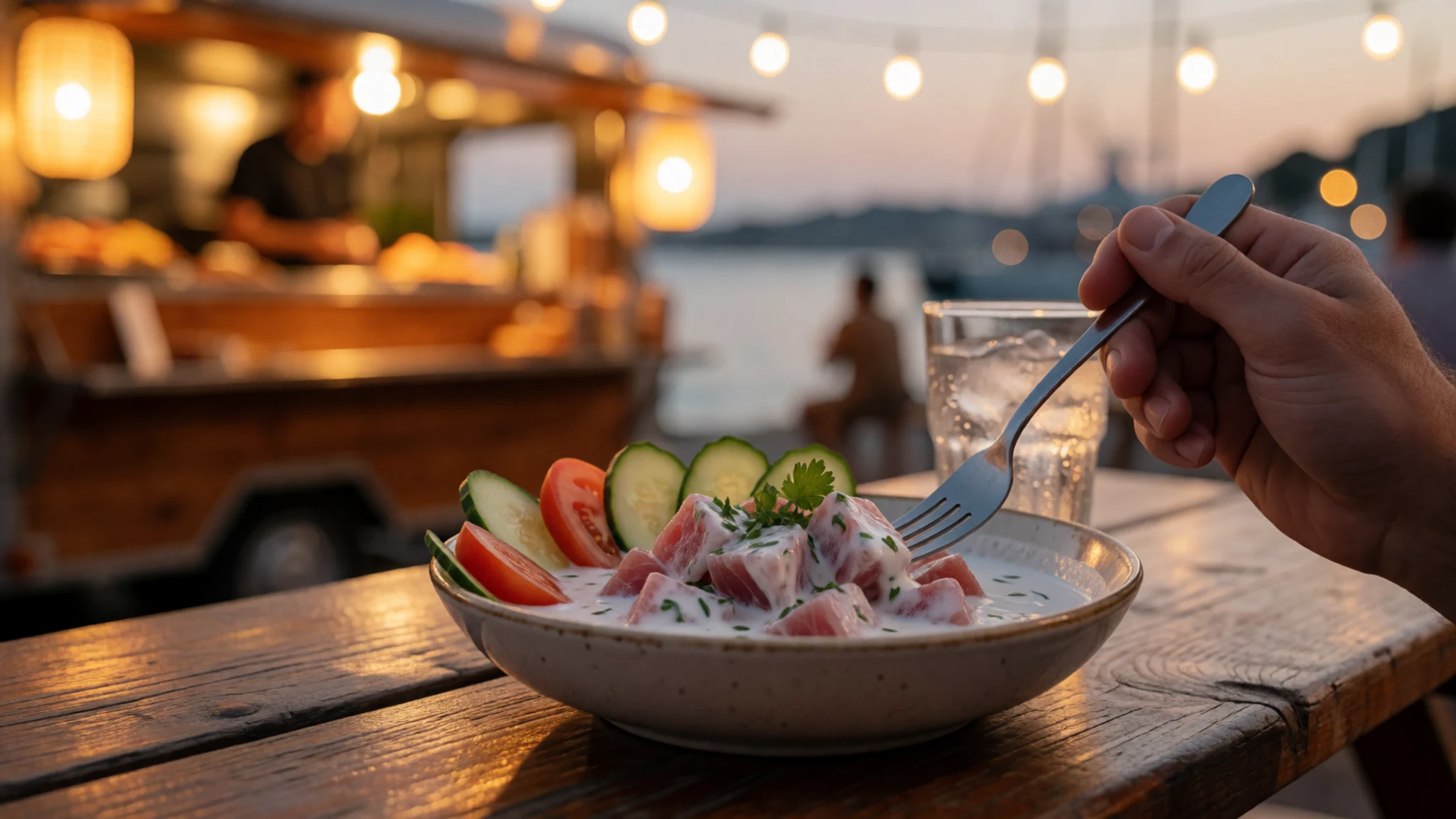
- Chow mein — Roulottes by the waterfront and market food stalls
Fried noodles with vegetables and meat or prawns show the strong Chinese influence on local cooking. Portions are filling and the dish suits a quick evening meal. Look for it at the waterfront trucks or the public market's food counters.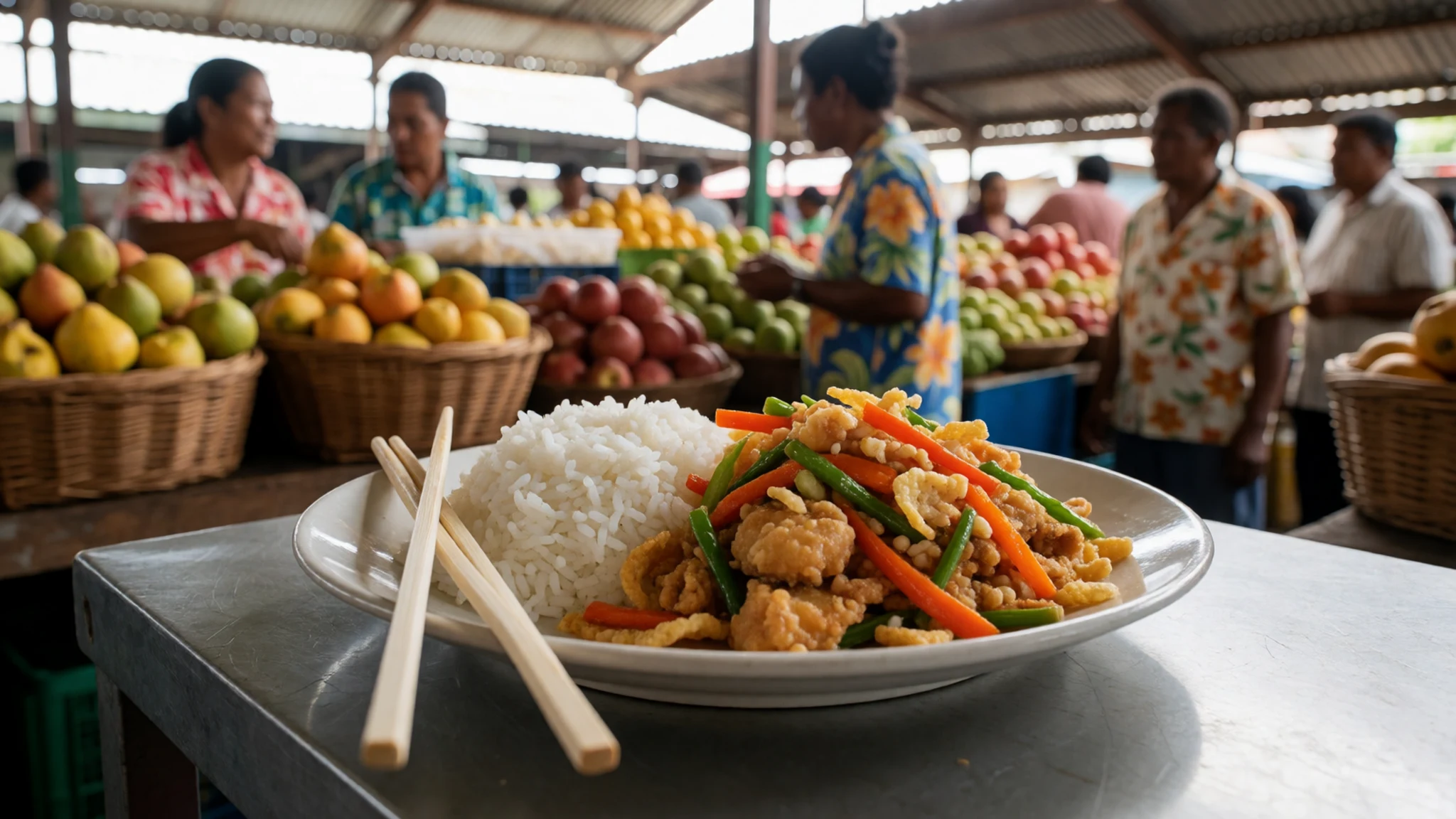
- Crêpes — Roulottes in the waterfront square
Sweet and savoury crêpes are a French legacy, cooked to order on hot plates at the trucks. Sugar, chocolate and fruit versions are common, and a crêpe with a drink makes a light, inexpensive supper while the harbour lights come on. - Chinese-style fish with rice — Food stands inside the public market
Market stalls serve fish in a savoury Chinese-style sauce over rice, a filling lunch for people working nearby. It is simple, fresh and easy to eat standing up. Go before the main lunchtime rush to find the best choice. - Baguette sandwiches — The public market and snack-style eateries around town
Because this is France, bread is everywhere, and baguette sandwiches are the easy lunch. Fillings range from ham and cheese to fish and salad. Look for eateries with 'Snack' in the name, which serve quick, simple meals.
Plan it
Best time. August and September are the short dry season and the most comfortable for walking around, though showers are still possible. Heat and humidity stay high all year, and rain is heaviest around December and January.
How long. 2–3
Getting there. Fly into Faʻaʻā International Airport, the territory's only international airport, near Papeete. From the terminal, public buses run to the town centre, and taxis serve the same route at fixed fares, with fares to other parts of the island posted at the taxi stand. Ferries cross from Papeete to Moorea.
Budget. high
Tips
- Eating out in Papeete is expensive, so lean on the waterfront roulottes and market stalls for cheaper meals
- Walk in the morning and rest in the shade or inside at midday, because the heat and humidity build quickly
- Carry some cash for market stalls and food trucks, as small vendors may not take cards
- Pack sun protection and a light rain layer, since showers can come even in the dry season
- Check the town hall's official site, https://www.ville-papeete.pf/, for events and local notices
Etiquette
- Cover shoulders and knees when entering churches and keep voices low
- Ask before photographing market traders, worshippers or families
- Greet people before asking a question or making a purchase
Nearby
Sources
- Wikidata Q130800 (CC0)
- Wikipedia: Papeete (rev 1385475686) (CC BY-SA 4.0)
- Wikivoyage: Papeete (rev 5382788) (CC BY-SA 4.0)
- Photo: Marina Taina, Remi Jouan (CC BY-SA 1.0)
- Photo: Cathedrale Notre-Dame de Papeete, kajikawa (CC BY 3.0)
- Photo: Palais présidentiel Papeete, Saga70 (CC BY-SA 4.0)
- Photo: Papeete Town Hall, Liz Saldaña (CC BY 2.5)
- Photo: Bassin de la Reine, Saga70 (CC BY-SA 4.0)
- Photo: French Oceania 50 centimes (1943), National Museum of American History (CC BY-SA 4.0)
- Photo: Marché Papeete, dacowi (CC BY 2.5)
- Photo: Immeuble Dexter, Christian Gall (CC BY 3.0)


