Owia
Owia, Saint Vincent and the Grenadines
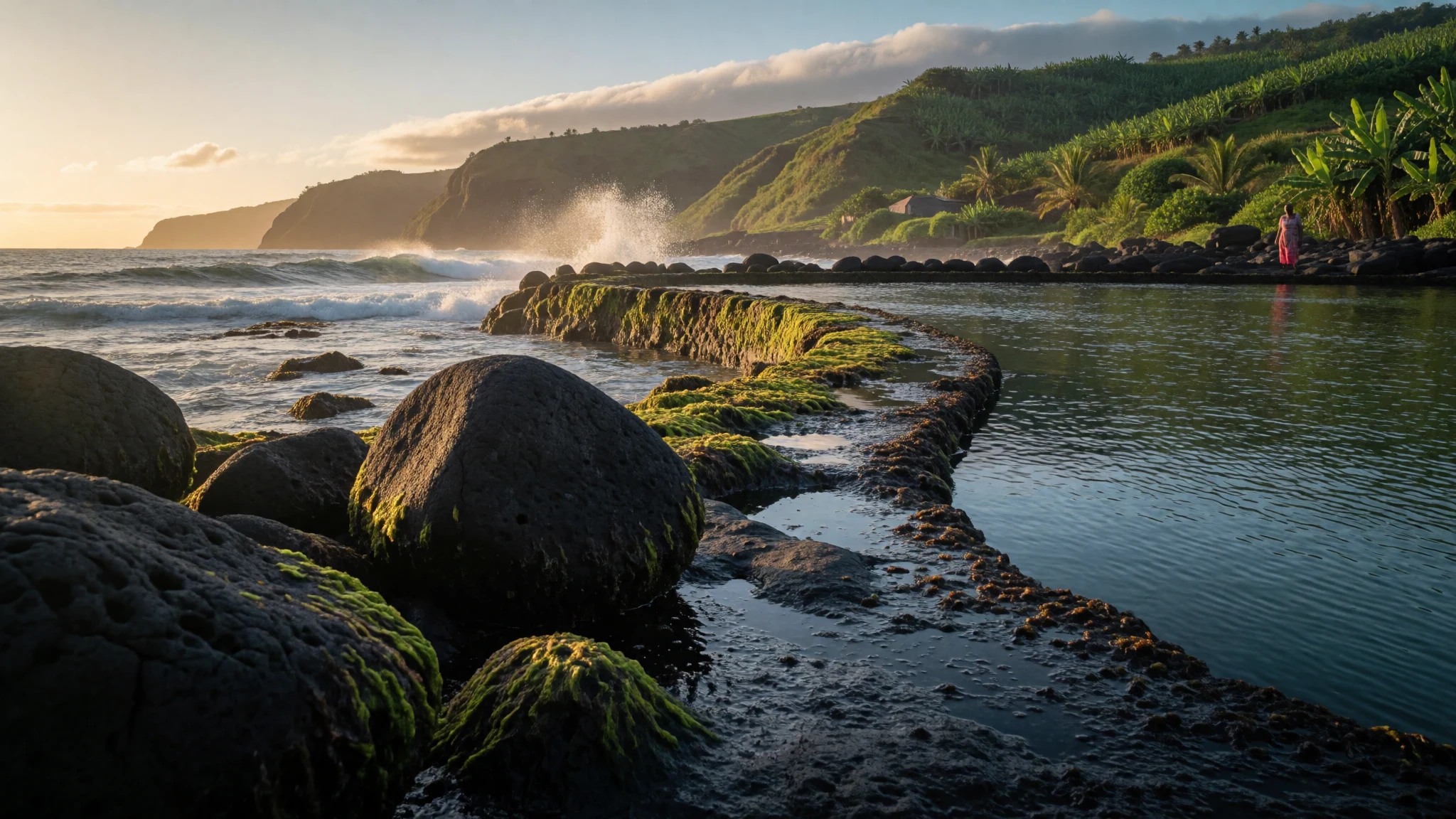
Owia is a quiet Atlantic-facing village on Saint Vincent, where lava rock, a sheltered sea pool and a working coast sit far from the yacht crowds.
The place
Owia is a small town on the northeast coast of Saint Vincent, the main island of Saint Vincent and the Grenadines, not far from Porter Point, the country's northernmost tip. The road here follows the Windward side, where the Atlantic arrives with nothing to break it and the sea is far rougher than on the sheltered western shore. Behind the village the land is volcanic and steep, cut by ravines and farmed wherever the slope allows. Bananas and other crops still carry much of the local economy, and work and money here swing with the seasons in farming and tourism. Owia is best known for its sea pool, a natural salt pond ringed by lava rock that takes the force out of the surf. That is why it sits under the Waterfalls & Lakes door: the water is the draw, even though it is salt water rather than a fall. Visitor numbers are small next to the Grenadines, where yachts and resorts dominate. The climate is tropical with little change in temperature through the year, a rainy season from May to November, and a hurricane risk from July to October. Facilities are basic, so a trip here usually works as a day out from Kingstown or from a base elsewhere on the island, by car or with a local driver. It is a quiet village rather than a resort, and the rewards are the coast, the walks and the unhurried pace.
Its story
Owia lies in the northeast of Saint Vincent, a stretch of coast tied to the island's Carib people, who resisted European settlers for generations. The English laid claim to the island in 1627, but it was the French who founded the first colony, on the western shore in the late seventeenth century. People of African descent, arriving by shipwreck or escaping from neighbouring islands, found refuge among the Caribs and married into their communities, and that mixing shaped the island's Afro-Carib heritage. Britain took the island by treaty in 1763, lost it briefly to France, then regained it. Slavery ended in 1834, and plantation owners facing a shortage of labour recruited workers from Portugal and, later, from India, adding further layers to the population. Independence came in stages: associate statehood first, giving the island control of its own internal affairs, then full independence after a referendum in 1979, making it the last of the Windward Islands to take that step. Natural hazards run through the story too. The volcano La Soufrière, rising in the island's north, erupted with deadly effect in 1902 and damaged farmland and the economy for years. In 1979 and again in 2021 it erupted once more, but early warning and evacuation meant no one was killed. Hurricanes have repeatedly flattened banana and coconut plantations, which is why farming families here plan around the weather.
What to see
- Owia Salt Pond — Owia coast
A natural sea pool on the Owia shoreline, walled off from the Atlantic by black lava rock. Waves still break over the barrier, so the water inside is calmer and good for paddling. Rocks are sharp and wet, and conditions change with the swell, so check locally before swimming.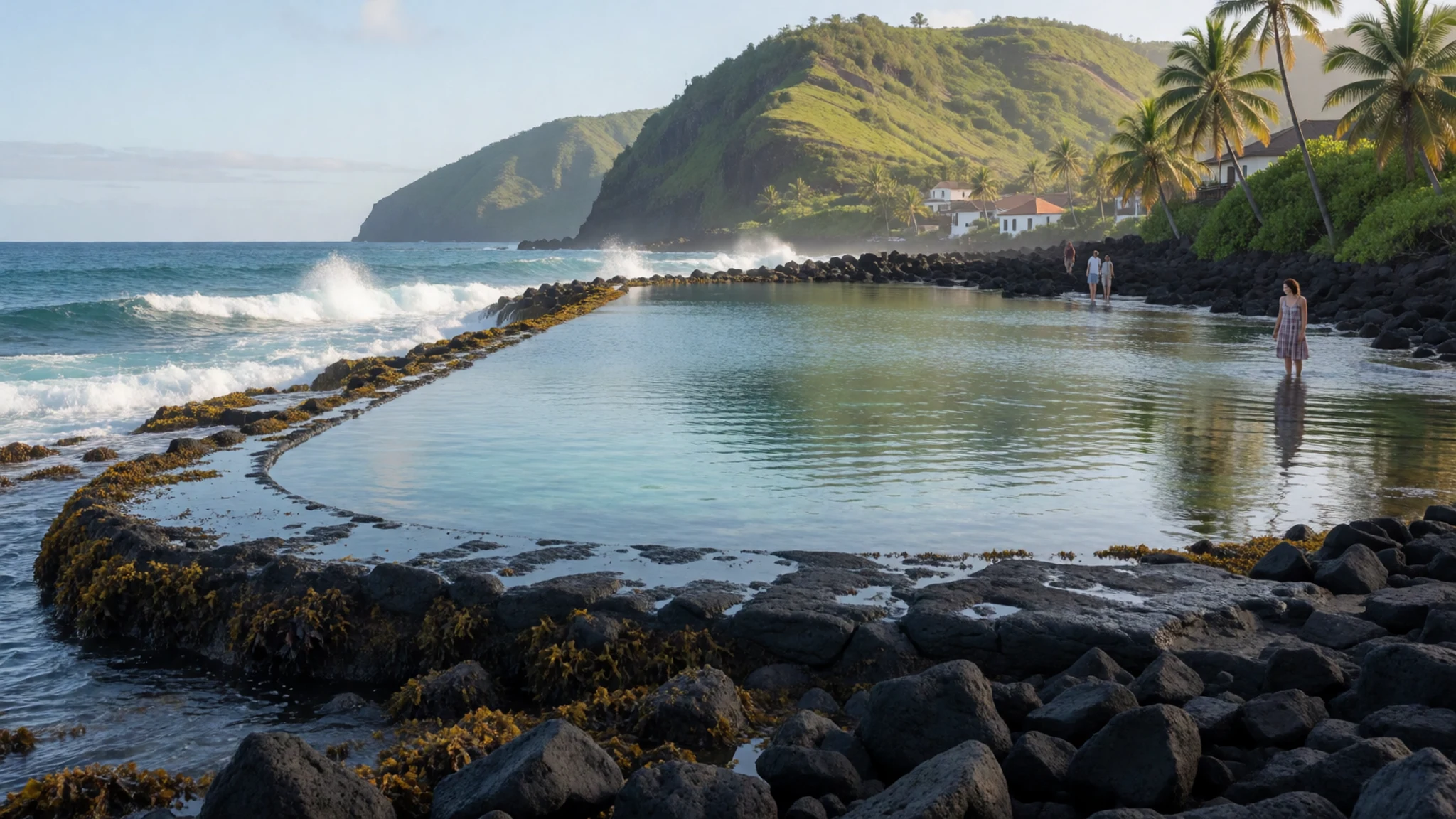
- Black Point Tunnel — Windward coast
A hand-cut passage through a headland on the Windward coast, made so that goods could move between settlements. It is short, dim and a good reason to stop on the drive along the coast. Take a torch, watch for passing vehicles, and look at the dark volcanic cliffs on either side.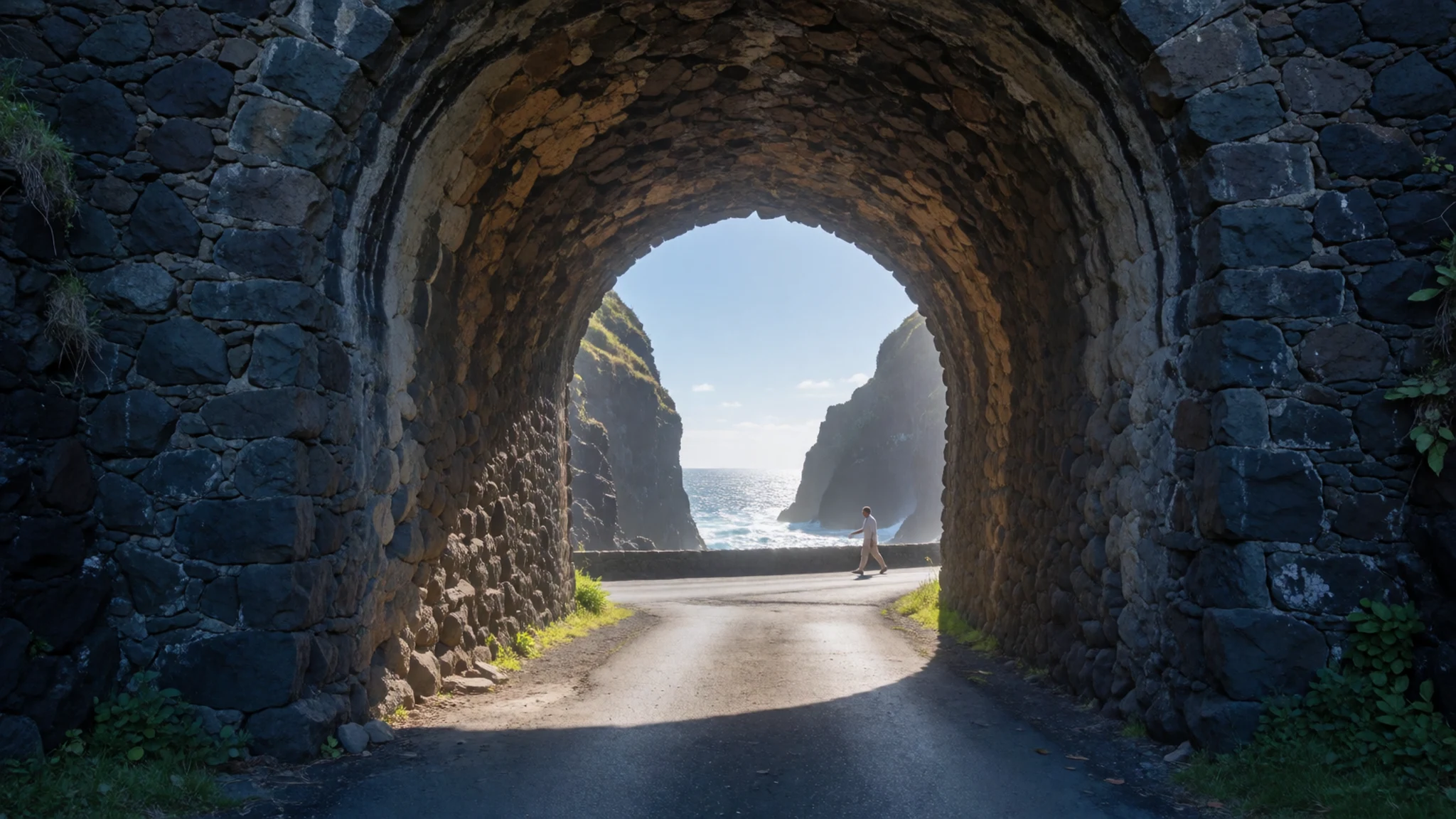
- La Soufrière Volcano — Northern Saint Vincent
The active volcano that dominates the north of the island and the highest point in the country. The climb is long, steep and tiring, and weather can close in fast near the crater. Go early, ask about current conditions before setting out, and consider a local guide.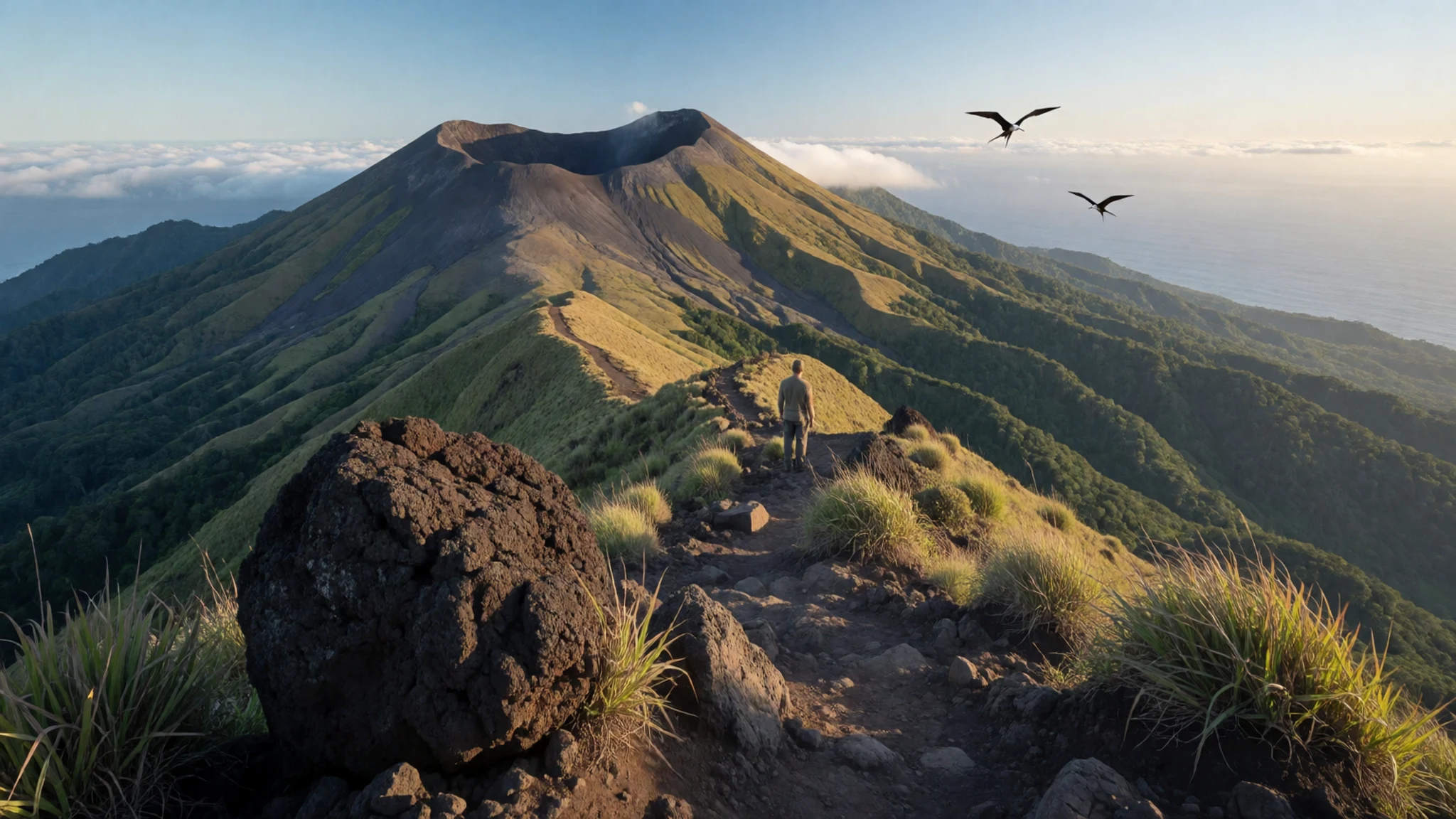
- Mesopotamia Valley — Interior, Windward side
A farming valley in the island's interior, where trails pass between small crop plots and patches of forest. It makes a cooler, greener contrast with the exposed coast. Montreal Gardens is also in this area. Paths can be muddy in the rainy season, so wear shoes with grip.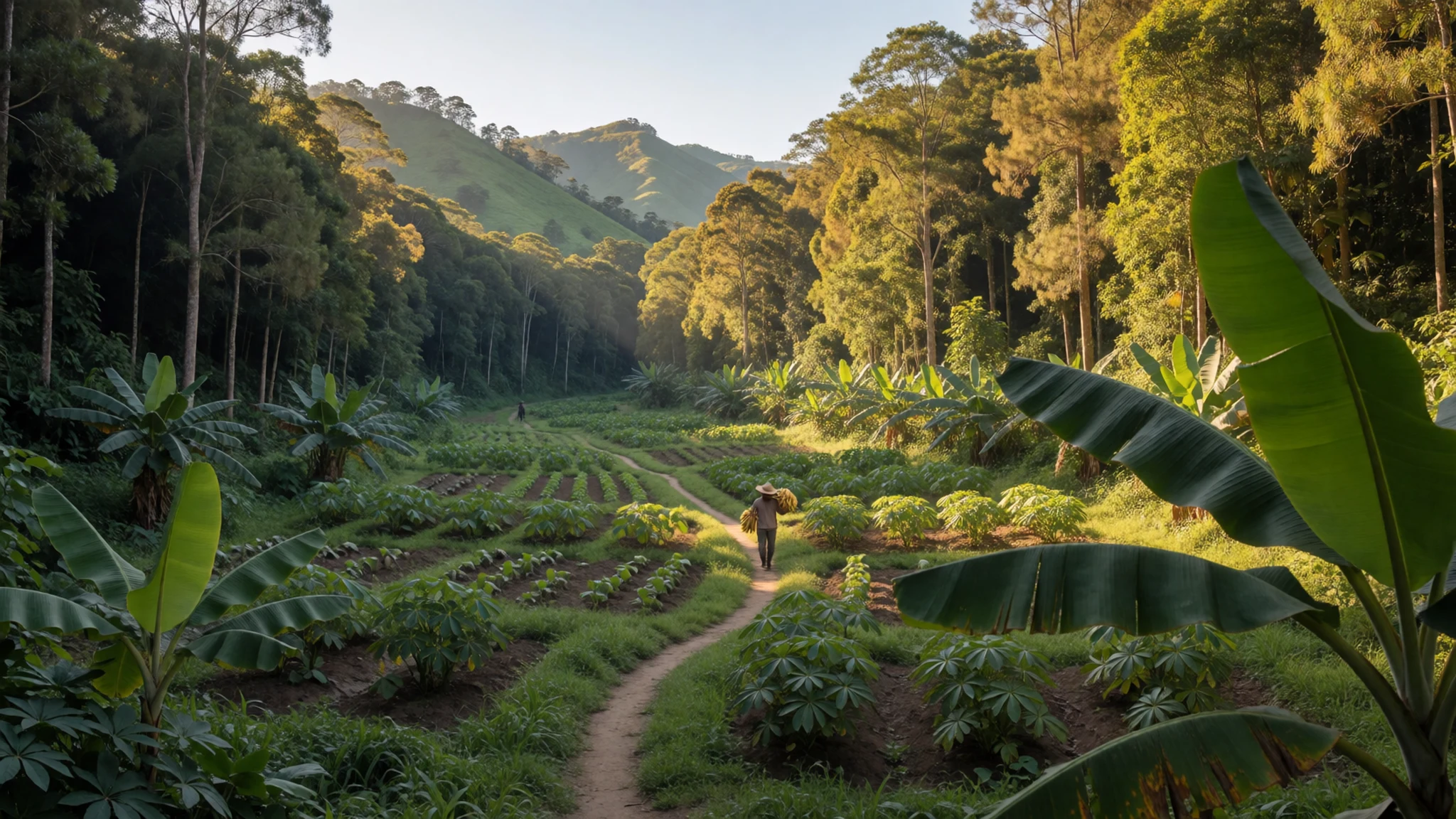
- Fort Charlotte — Above Kingstown
A hilltop fort above the capital, Kingstown, with old defensive walls and wide views over the town, the harbour and the Grenadines on a clear day. It is a useful stop at the start or end of a trip, and fits easily into a morning before heat builds.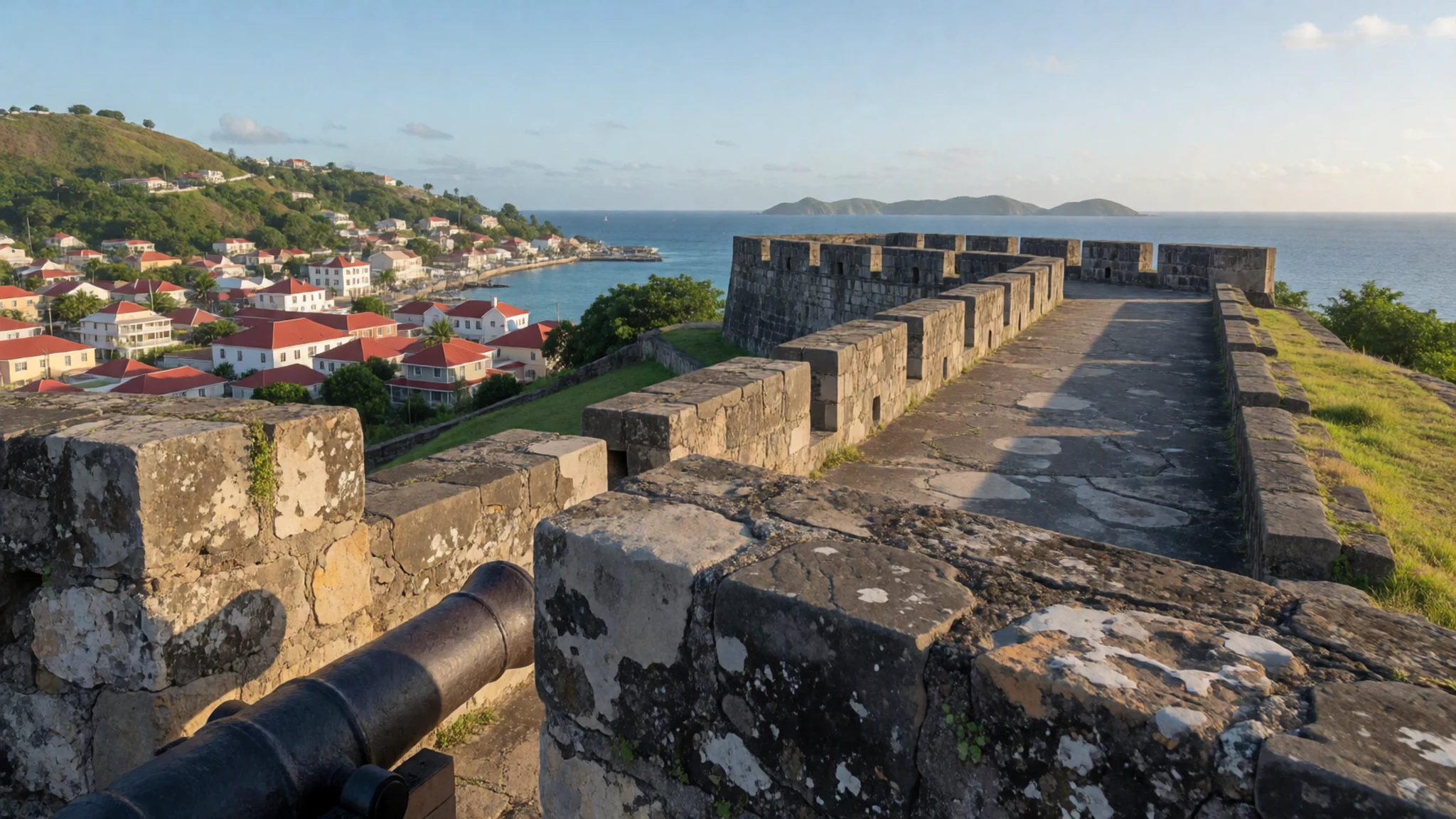
Culture
Owia belongs to a part of Saint Vincent where Carib heritage is still part of everyday life, alongside the Afro-Caribbean majority and later arrivals from Portugal and India. Village life revolves around farming, fishing, church and family, and the pace is slower than in Kingstown. Music is central to island culture, and the big event of the year is Vincy Mas, the carnival held in early July, with steel pan, soca and costume parades mostly centred on the capital rather than the north. Weekends bring roadside barbecues, usually pork or chicken, where neighbours gather as much for company as for food. Craft traditions such as basket weaving have roots in the Carib communities, and buying directly from makers is a simple way to support them. English is the language of daily use, spoken alongside a local creole, and a greeting is expected before any question. Owia is a working village and not a resort, so people go about their day while visitors pass through, and an interested, unhurried manner goes down far better than a hurried one. Greet people as you pass, and ask before photographing anyone, their home or their garden.
What to wear
Traditional dress in Owia draws on both Carib and wider Caribbean customs. Woven work in natural fibres, such as baskets and mats, is the best-known local textile craft, while checked madras cotton, often worn as a head wrap or sewn into skirts and shirts, appears across the islands for festivals and national occasions. Such dress is mostly worn for celebrations, cultural events and school or community performances rather than every day. Day to day, people in Owia wear practical, light clothes suited to the heat and humidity: cotton shirts and T-shirts, shorts or knee-length skirts, and sturdy sandals or trainers on muddy paths. On Sundays and for church, people dress up noticeably, with smart shirts, dresses and often hats. Visitors should pack light, quick-drying cotton or linen, a brimmed hat, sunscreen and a thin rain jacket, since showers arrive quickly, especially from May to November. Footwear matters more than fashion: wet lava rock near the sea pool is slippery and sharp, so water shoes or sandals with a firm grip help, and closed shoes with a good tread suit the volcano and valley trails. Swimwear belongs at the shore only; in villages, cover up with a shirt and shorts or a wrap, which is the local norm and appreciated.
What to eat
- Roasted breadfruit with fried jackfish — village cookshops and roadside eateries
The national dish of Saint Vincent and the Grenadines. Breadfruit is roasted over an open fire until the skin chars and the inside turns soft and starchy, then served with small fried fish. Simple, filling and best eaten fresh.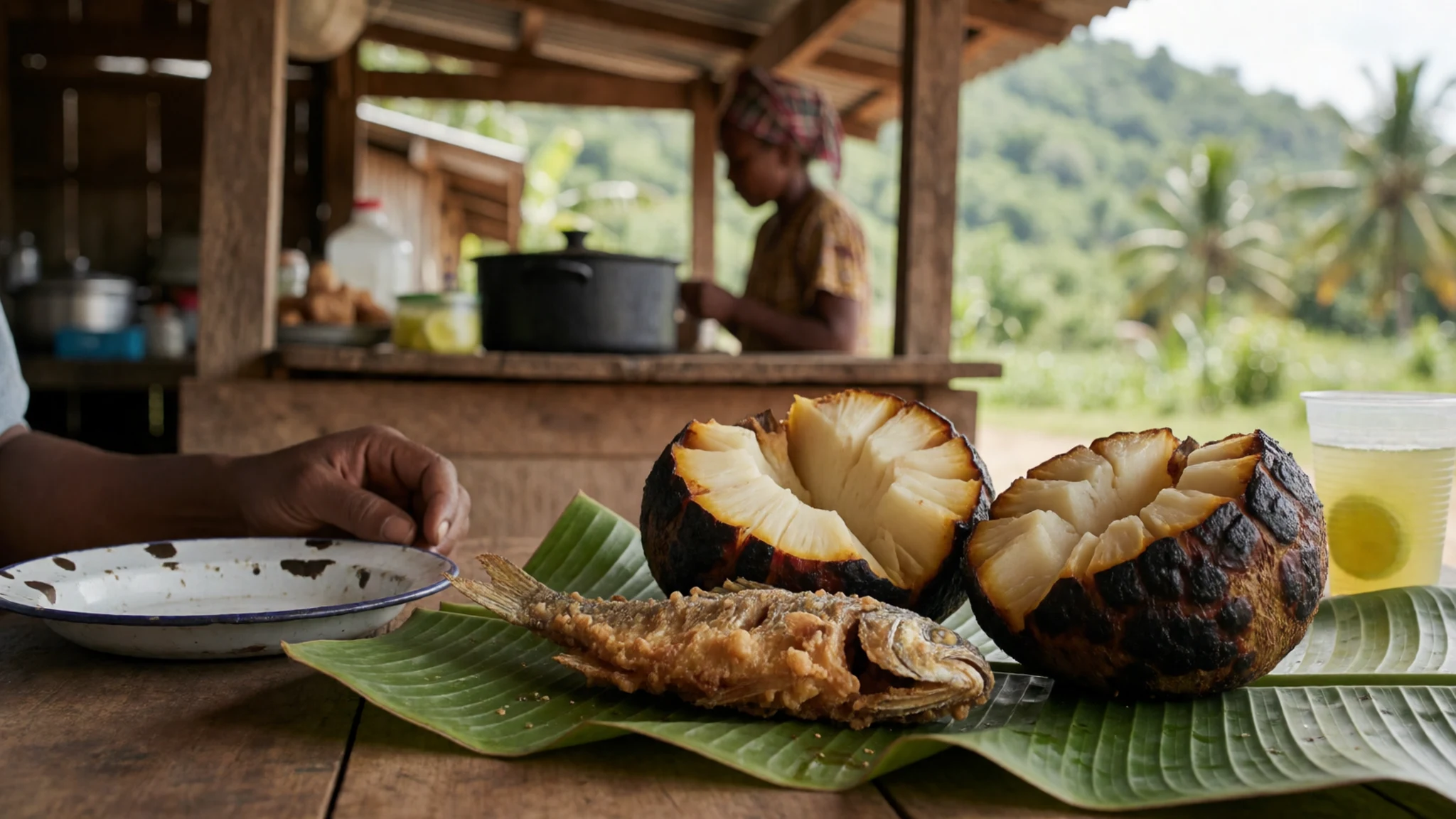
- Roadside barbecue — roadside stalls on Friday and Saturday evenings
Pork or chicken grilled over coals at the roadside on weekend nights, usually with a sauce and a side of local provisions. The stalls are social places, and the smoke is often the best signal that one is open.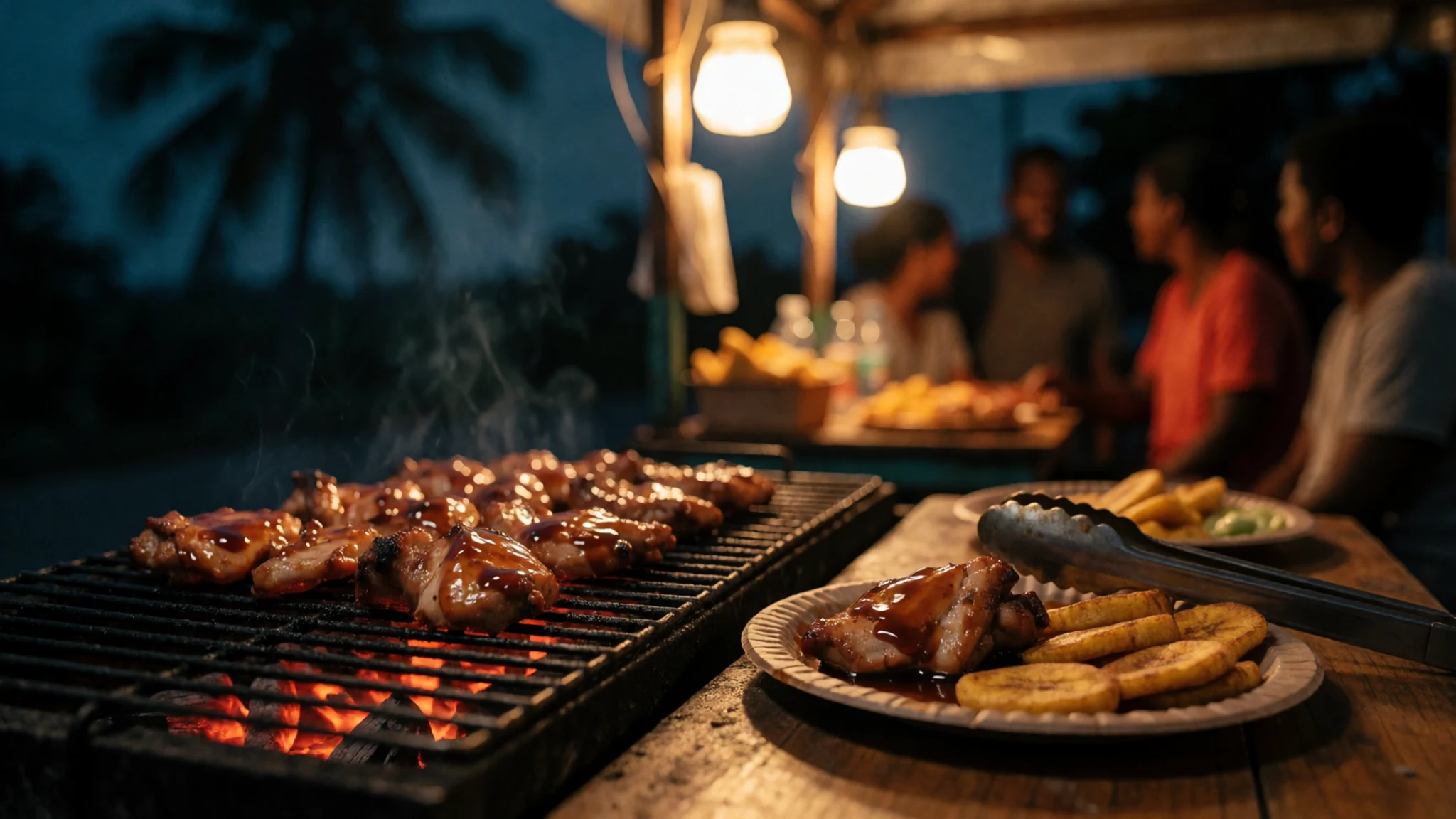
- Callaloo soup — home-style eateries and village kitchens
A green soup made from the leaves of the callaloo plant, usually cooked with coconut milk or stock and seasoned. Common across the Caribbean, with each cook having a version. Ask what goes in if you avoid pork or shellfish. - Bitter Lemon and Fruit Cocktail sodas — corner shops and snack bars
Two popular soft drinks on the island, sold cold in bottles. Bitter Lemon is sharp and slightly bitter, while Fruit Cocktail is sweeter. They go well with grilled food and work better than most things in the midday heat. - Hairoun beer and Black Wine — bars and rum shops across the island
Hairoun is the locally brewed beer, light and easy to drink in the heat. Black Wine is a strong, dark local drink for the adventurous. Drink water alongside, and go carefully before any coastal or hill walking.
Plan it
Best time. December to April, when it is drier and the sea is usually more settled. May to November is the rainy season, and hurricanes threaten the islands from July to October. Temperatures stay warm all year.
How long. 1–2
Getting there. Fly into Argyle International Airport (SVD) on Saint Vincent, mostly from nearby islands such as Barbados or Saint Lucia. From there, Owia is a long drive up the Windward coast to the northeast, by hired car or taxi; minibuses run from Kingstown, but check times locally.
Budget. mid
Tips
- Treat Owia as a day trip from Kingstown or the southern coast, and start early to beat heat and afternoon showers
- Carry cash and water, since shops and cards are limited in the north
- Check the sea and weather before going near the salt pond or the coast, as the Atlantic swell can change quickly
- Ask about current conditions before climbing La Soufrière, and allow a full day
- Book your flights and any guide ahead in the dry season, as services are limited
Etiquette
- Greet people before asking for directions or help
- Ask before photographing people, homes or gardens
- Keep swimwear for the shore and cover up in the village
Nearby
Sources
- Wikidata Q7114794 (CC0)
- Wikipedia: Owia (rev 1377795964) (CC BY-SA 4.0)
- Wikivoyage: Saint Vincent and the Grenadines (rev 5362959) (CC BY-SA 4.0)
More in Saint Vincent and the Grenadines
- Baliceaux
- Barrouallie
- Battowia
- Bequia
- Canouan
- Chateaubelair
- Fort Duvernette
- La Soufrière
- Mayreau
- Mustique
- Petit St. Vincent
- Rabacca
Every place in Saint Vincent and the Grenadines · Every place, A to Z