Ostend
Ostend, Belgium
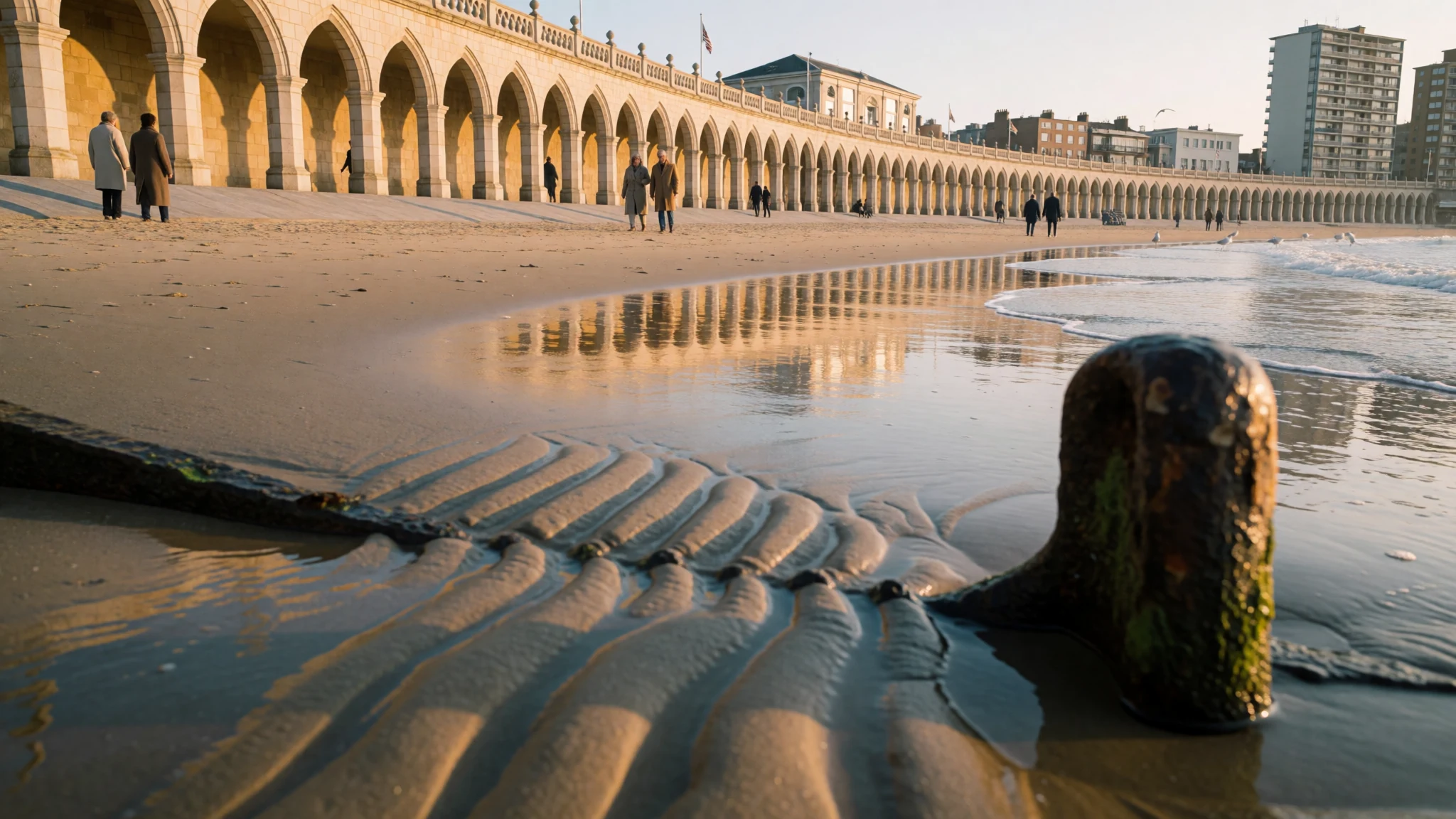
Ostend is Belgium's big, breezy seaside city: wide sand, royal-era arcades, fish and chips by the harbour, and a good modern art museum.
The place
Ostend is the main city of the Belgian coast, a working port and seaside resort of about 72,000 people in West Flanders. The name is Dutch, Oostende, literally the east end, and it began as a fishing village on the eastern tip of a sandy island lying between the sea and a coastal lagoon. Storms kept flooding it, and the original centre now lies out under the water. Over time the mudflats silted up until the island joined the mainland. The modern municipality takes in the districts of Mariakerke, Raversijde, Stene and Zandvoorde alongside the centre. Two Belgian kings, Leopold I and Leopold II, liked holidaying here and left their mark: the Wellington Hippodrome racing track and the Royal Galleries, a Venetian-style arcade that still runs along the main beach. The seafront today is a mixed picture. A broad promenade and a long beach sit in front of rows of tall apartment blocks, many put up after the Second World War and more in recent years, and some locals feel the old seaside charm went with them. Behind the front the town is more modest: a busy harbour, a railway station close to the middle, quiet parks, museums, and streets of fish restaurants and chip shops. It suits a plain, windy Belgian day out rather than a polished resort break. Summer weekends bring families and day-trippers from across the country; out of season it feels like a working town again, with grey light and short queues.
Its story
Ostend's history is a story of retreat from the sea and fights over its harbour. In the early Middle Ages it was a small village on the eastern end of an island called Testerep. Around 1265 the villagers were allowed to hold a market and build a market hall, which is when it began to count as a town. Fishing paid the bills, but the coastline was unstable and storms kept biting into it. In the late fourteenth century the inhabitants gave up the old site and rebuilt further inland, behind large dikes. The position on the North Sea made it a useful harbour and a constant target. Armies took, ransacked and wrecked the town repeatedly, and the Dutch rebels known as the Geuzen held it for a time. In the early seventeenth century came the siege that still defines Ostend: a long contest between Spanish and Dutch forces in which the dead and wounded ran to many tens of thousands. A saying from the time held that the Spanish attacked the unassailable while the Dutch defended the indefensible. The shock of it helped push both sides towards a truce. When that broke down, Ostend became a base for Dunkirk raiders. Its fortunes shifted in the eighteenth century, when the Dutch closed the Westerschelde, the sea route to Antwerp. Ostend became the alternative way out to the sea, and its harbour grew in importance. Royal holidays in the following century then turned the port into a resort.
What to see
- Albert I Promenade and the beach — Seafront
The long seafront walk is the natural start. Sand stretches away on one side, with the Royal Galleries arcade and tall apartment blocks on the other. Walk it in both directions, go out along the pier for the view back at the skyline, and bring a windproof layer whatever the season.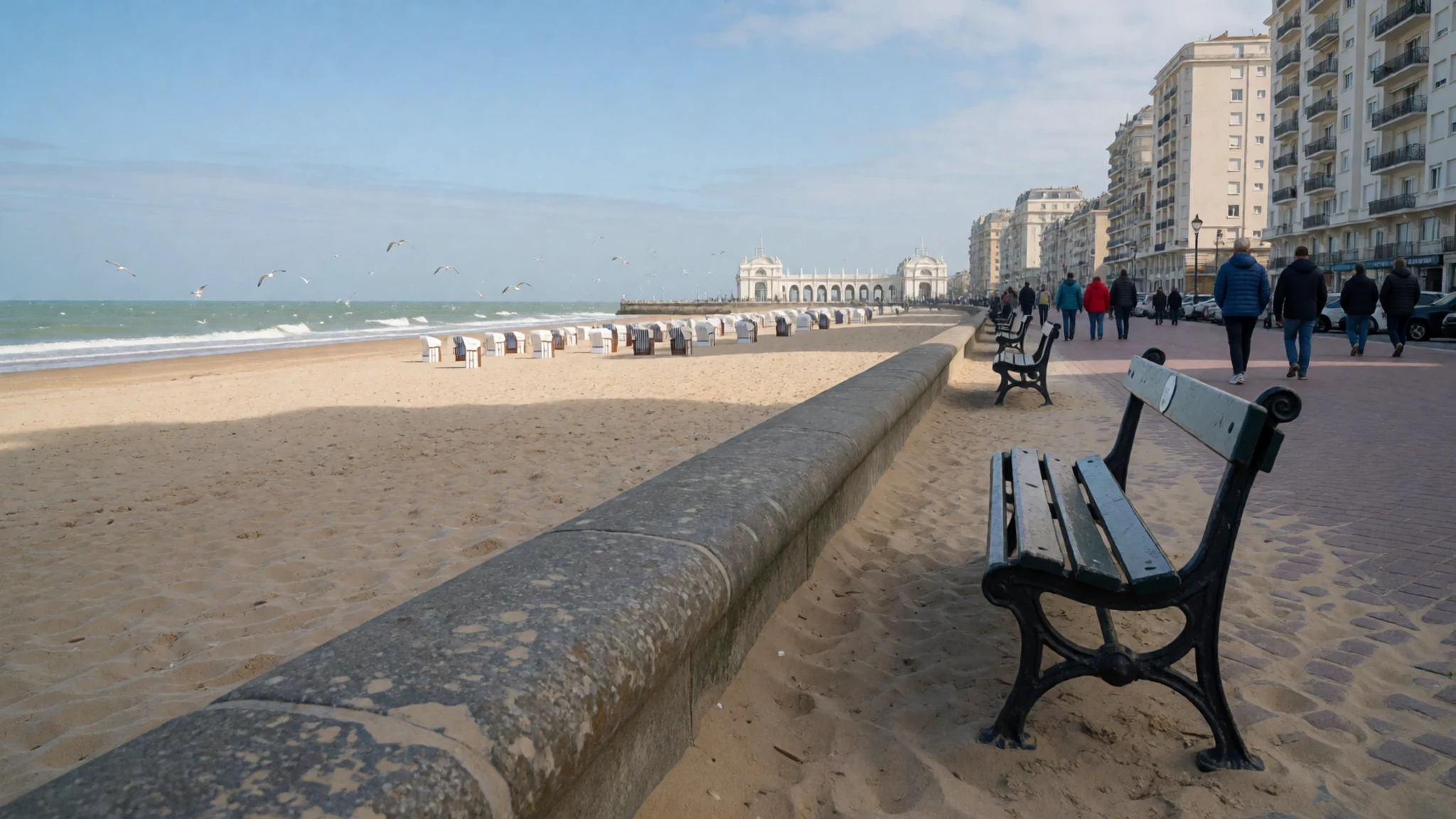
- Mu.ZEE — Central Ostend
The city's art museum came from the merger of the former modern art and fine arts museums. It is a calm, indoor option when the weather turns, and a way to see how Belgian artists have looked at the coast. Check the official site for opening days and current exhibitions.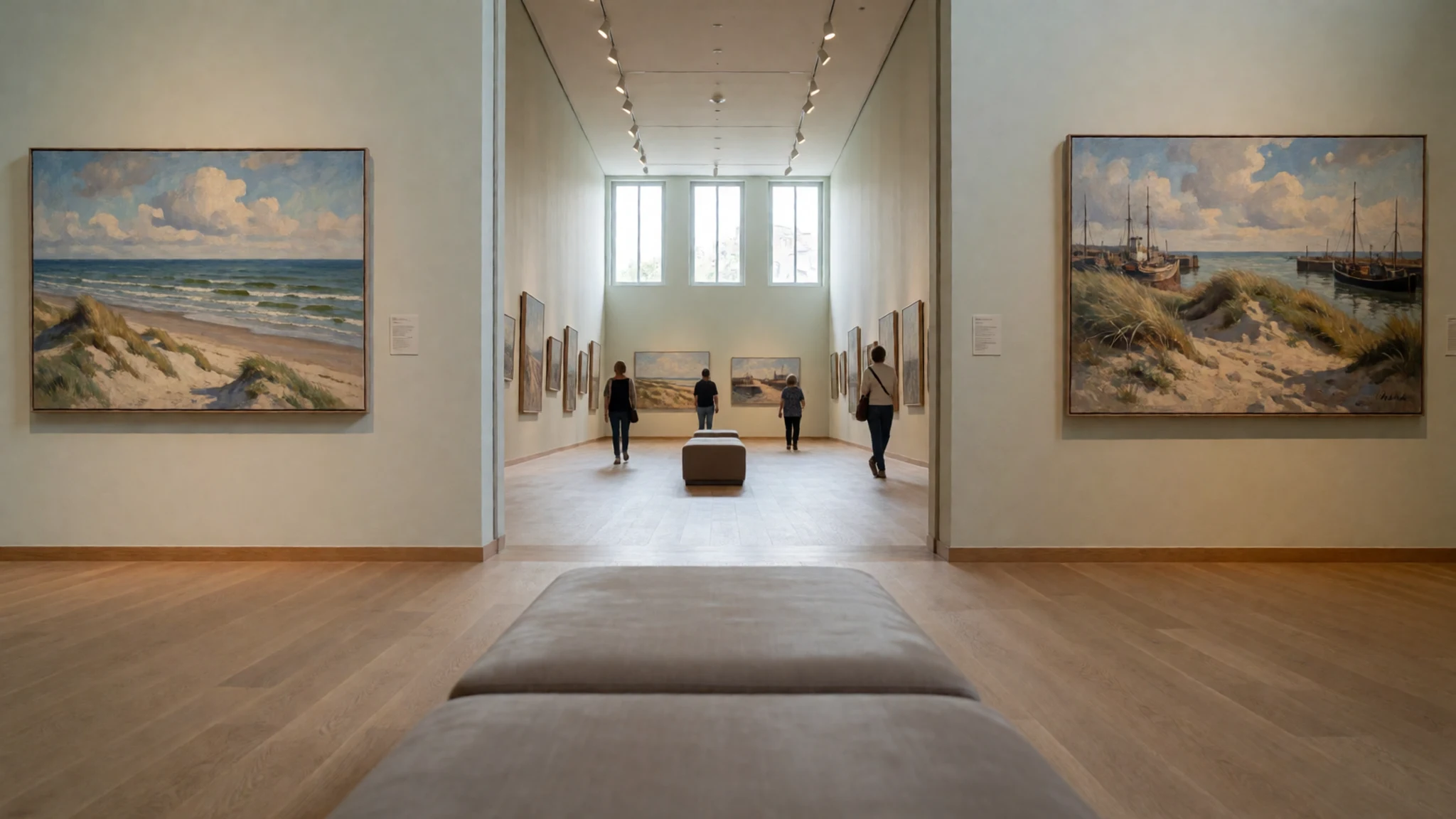
- James Ensorhuis — Near the seafront
This is the restored house where the Anglo-Belgian painter James Ensor lived. It is a small museum about his life, with a studio and lounge upstairs. Note that only reproductions of his work are shown here, so treat it as a biography visit and look for the paintings elsewhere.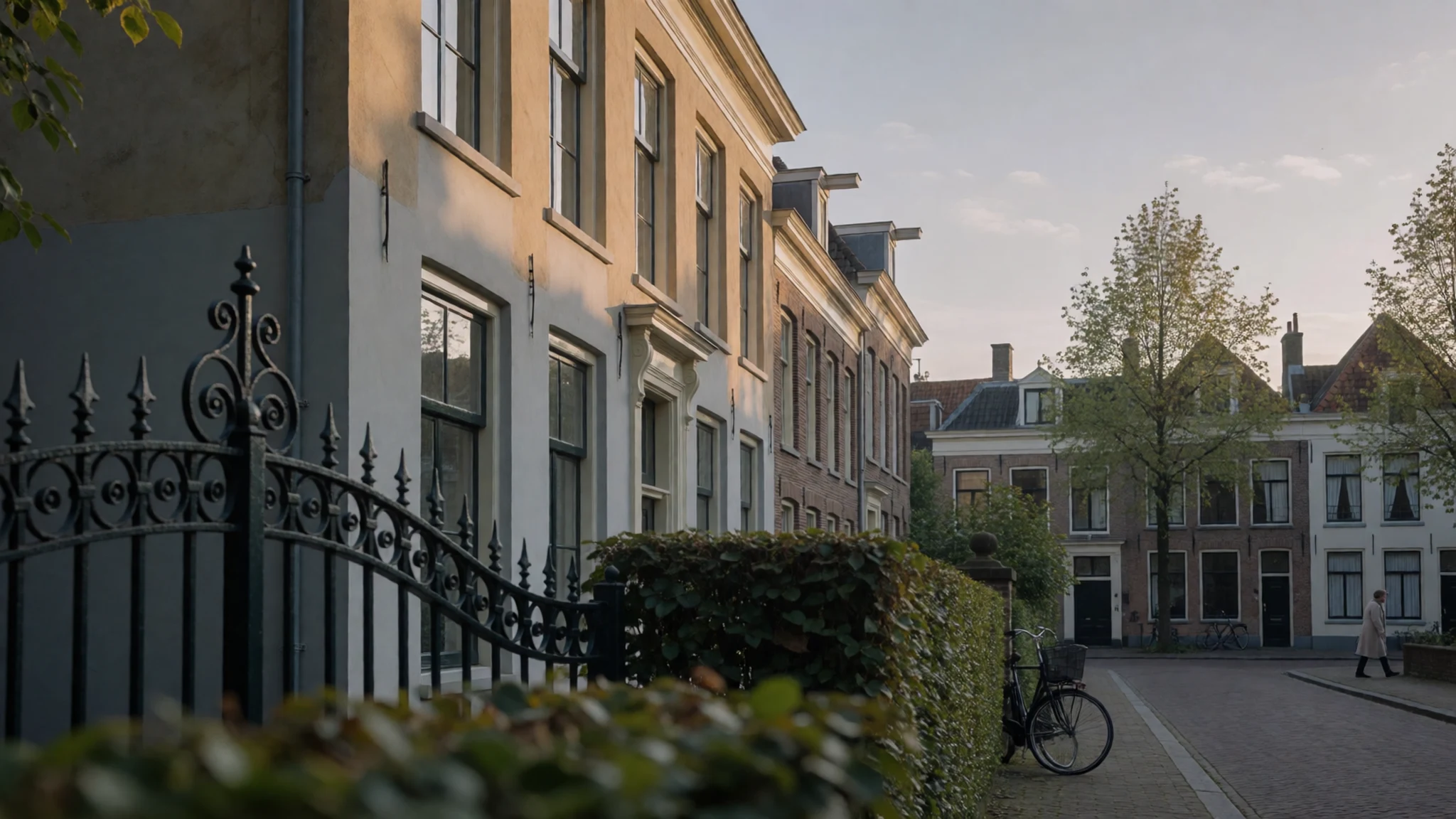
- Leopold Park — Town centre
Laid out on the line of the old city walls in the British style, with ponds, paths and flowerbeds, this is the easiest green pause in the centre. It makes a pleasant break between museums and the beach, and is a good place for a sandwich on a dry day.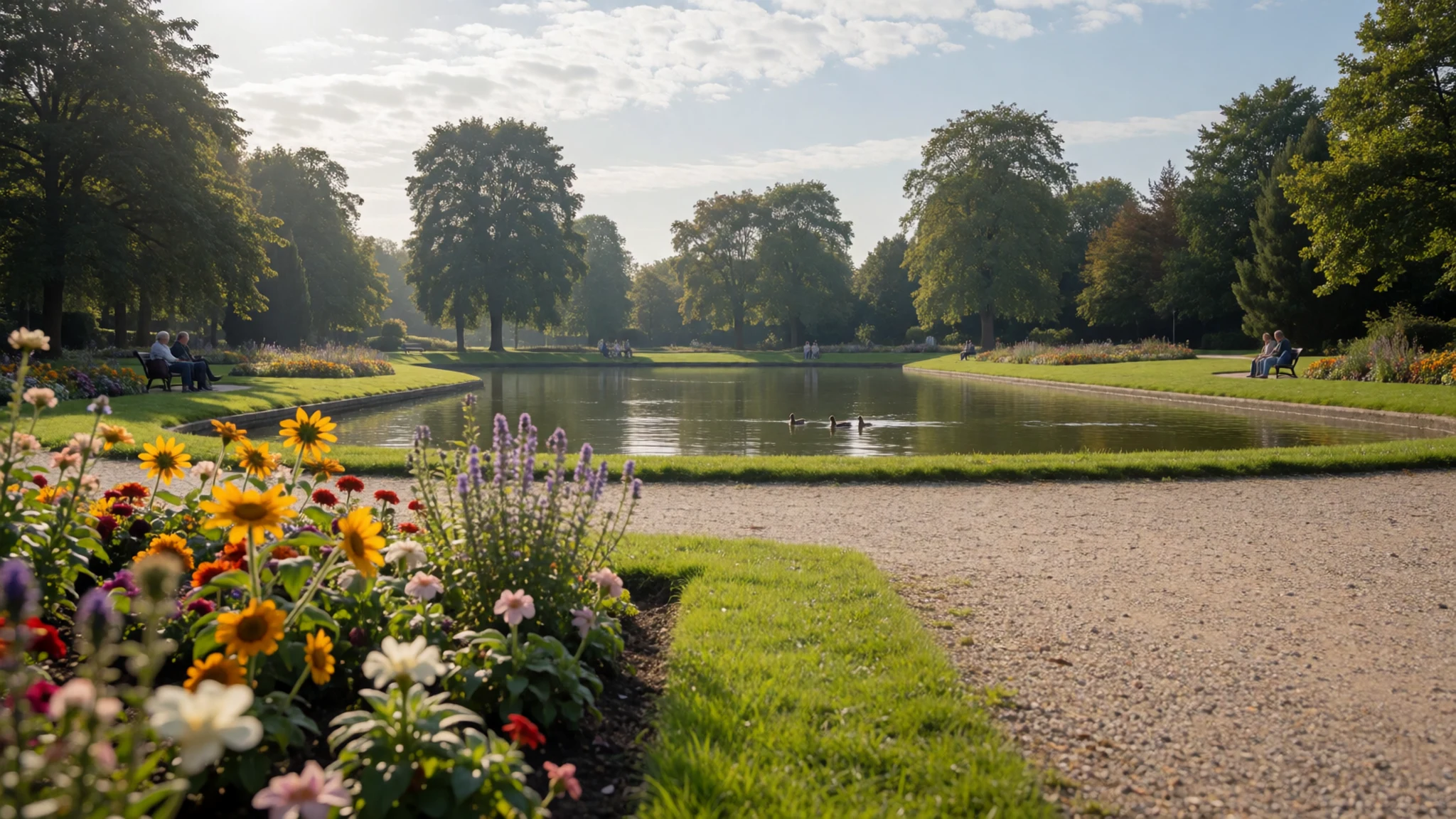
- Sint-Petrus-en-Pauluskerk — Town centre
A large neo-Gothic church built in the early twentieth century, with a run of stained-glass windows. A memorial chapel honours Marie-Louise of Orleans, Belgium's first queen, who died in Ostend in 1850. Its tall spire is easy to spot from the streets around, so it works as a landmark.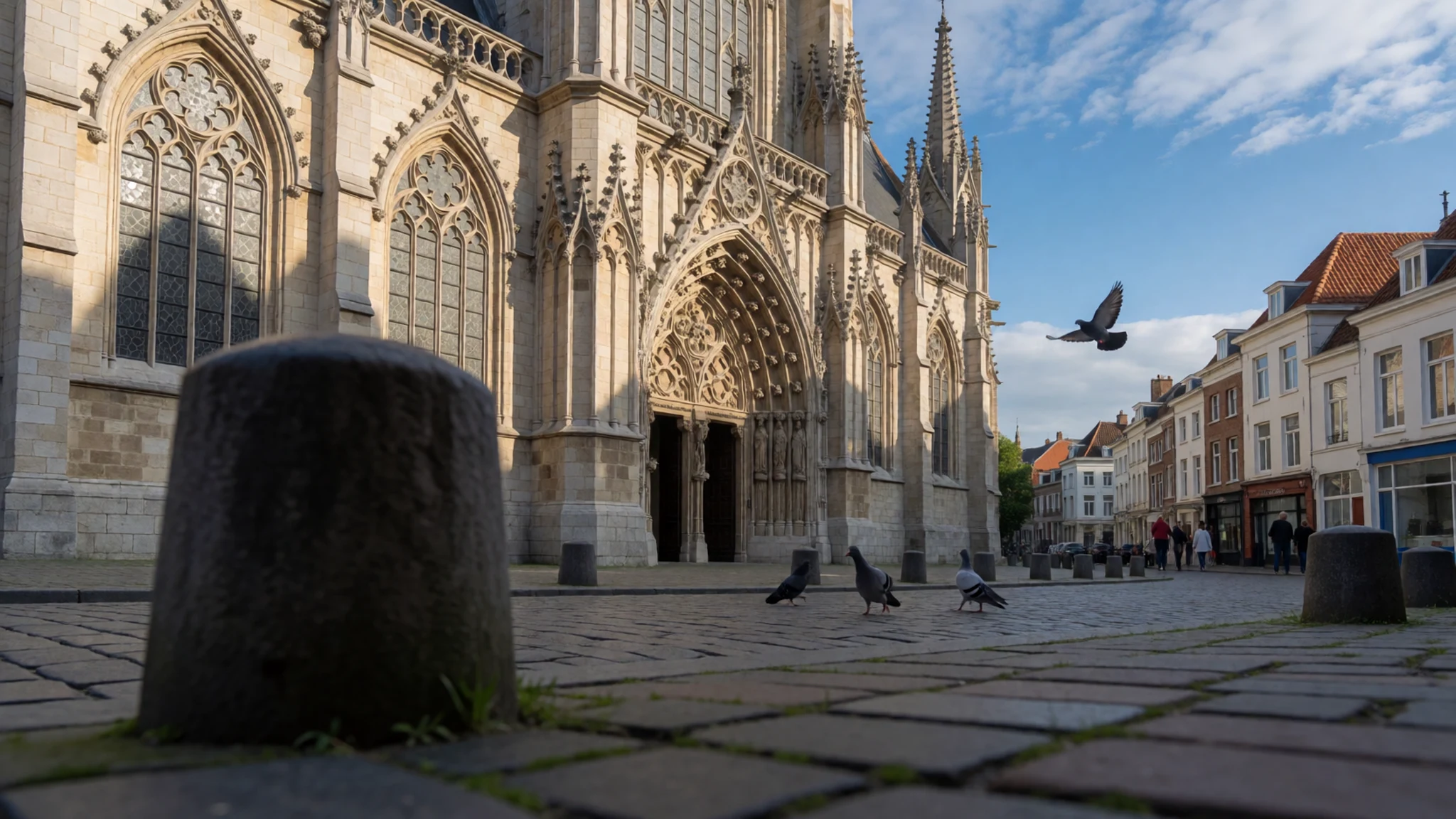
- Zeilschip Mercator — Harbour
A former Belgian merchant navy training ship, now a floating maritime museum moored in the harbour. This three-masted schooner is more than seventy metres long, so it is easy to find. Go aboard to get a feel for life at sea, and check the official site before you go.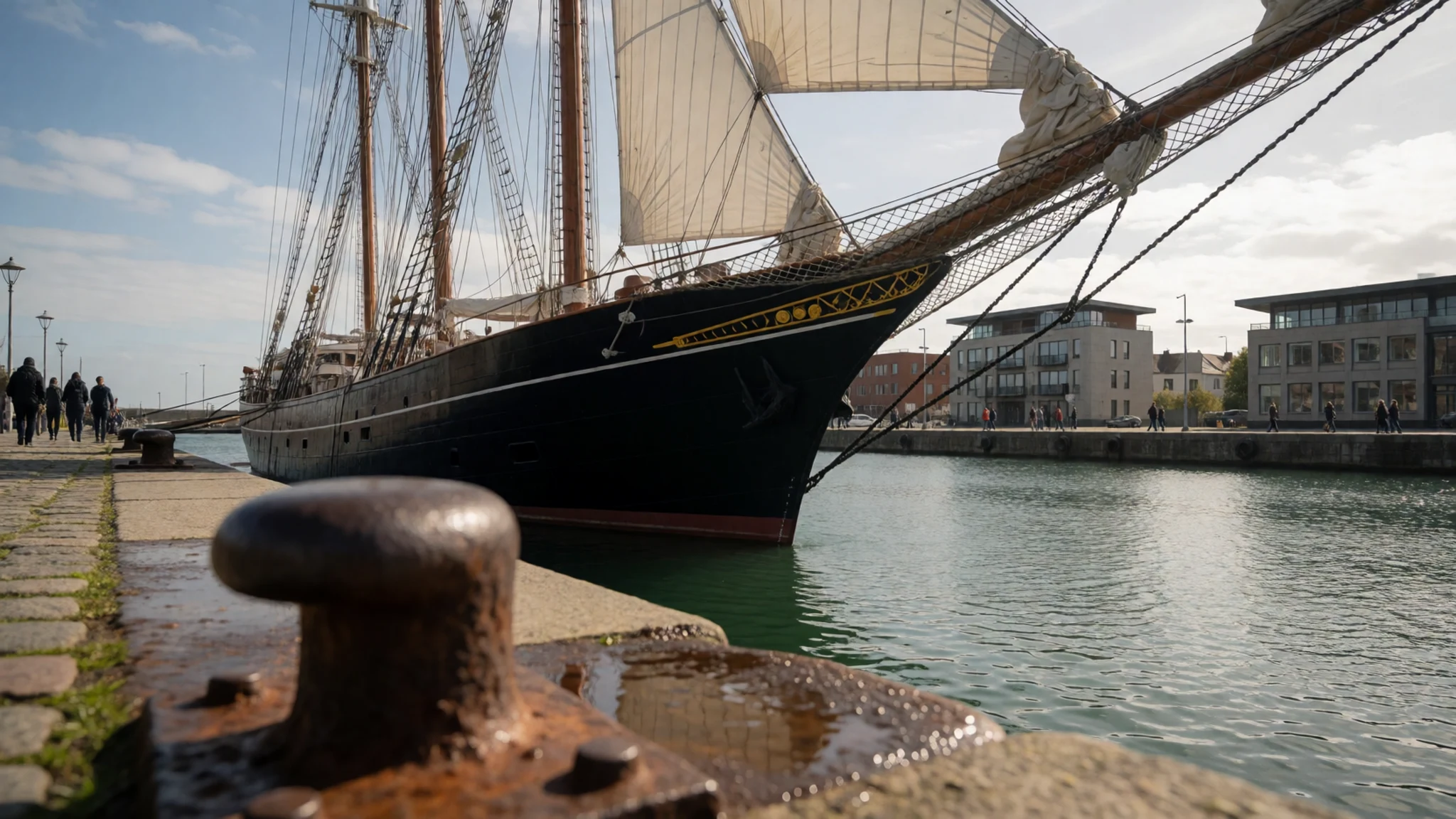
Culture
Ostend's culture sits somewhere between a fishing port, a royal resort and a modern Flemish city. Dutch is the everyday language, spoken locally with a West Flemish accent, though many people also speak French and good English. The beach is the town's living room: families, dog walkers, kite flyers and cyclists all share the promenade in nearly every season, and a swim in cold water is as much a local sport as a summer pastime. The royal-era buildings, such as the arcades and the casino quarter, recall the days when Leopold I and Leopold II brought fashionable society here. The painter James Ensor, who lived in the town, gave the place an artistic reputation, and the museums keep that thread going. The port is still a working one, so the smell of fish and the sound of gulls are part of ordinary life, not decoration. Locals can be reserved at first but are friendly once a conversation starts, and humour about the weather is a common way in. Belgians eat and drink at an unhurried pace, so expect to wait for the bill rather than be handed it. When you are served in a restaurant or café, greet staff with a friendly hello, and remember that service is normally included, so just round up the bill if you want to say thanks.
What to wear
Ostend has no everyday folk costume that visitors will see on the street. The traditional working clothes of the coast were those of the fishing community: thick wool jerseys, oilskin jackets and trousers against spray and wind, and wooden or rubber boots for the quay. You may still see that look on the harbour, and it turns up in costumes at local festivals. In daily life people dress practically and casually: windproof jackets, jeans, trainers, waterproofs, and scarves outside summer. In the evening, restaurants and the casino area lean towards smart-casual, but nobody expects formality. Beachwear belongs on the sand, and locals will change before walking into the centre. For a visitor, the key is layers. The North Sea breeze can make a mild day feel cool, so pack a windproof outer layer even in summer, plus a light waterproof, because showers pass through quickly. Sunglasses and sun cream matter on bright days, as the sand is open and exposed. Comfortable walking shoes are best for the long promenade and cobbled streets, and sandals or flip-flops suit the beach itself. If you plan to go into a church such as Sint-Petrus-en-Pauluskerk, cover bare shoulders and avoid beachwear. A small day bag with a spare layer and a water bottle is enough.
What to eat
- Frites with sauce — Any frituur away from the promenade
Belgian chips fried to order and eaten from a paper cone, with mayonnaise or a sauce of your choice. Locals use the neighbourhood frituur (chip stand) as a daily habit. Look for a queue of residents at a stand in the streets behind the seafront.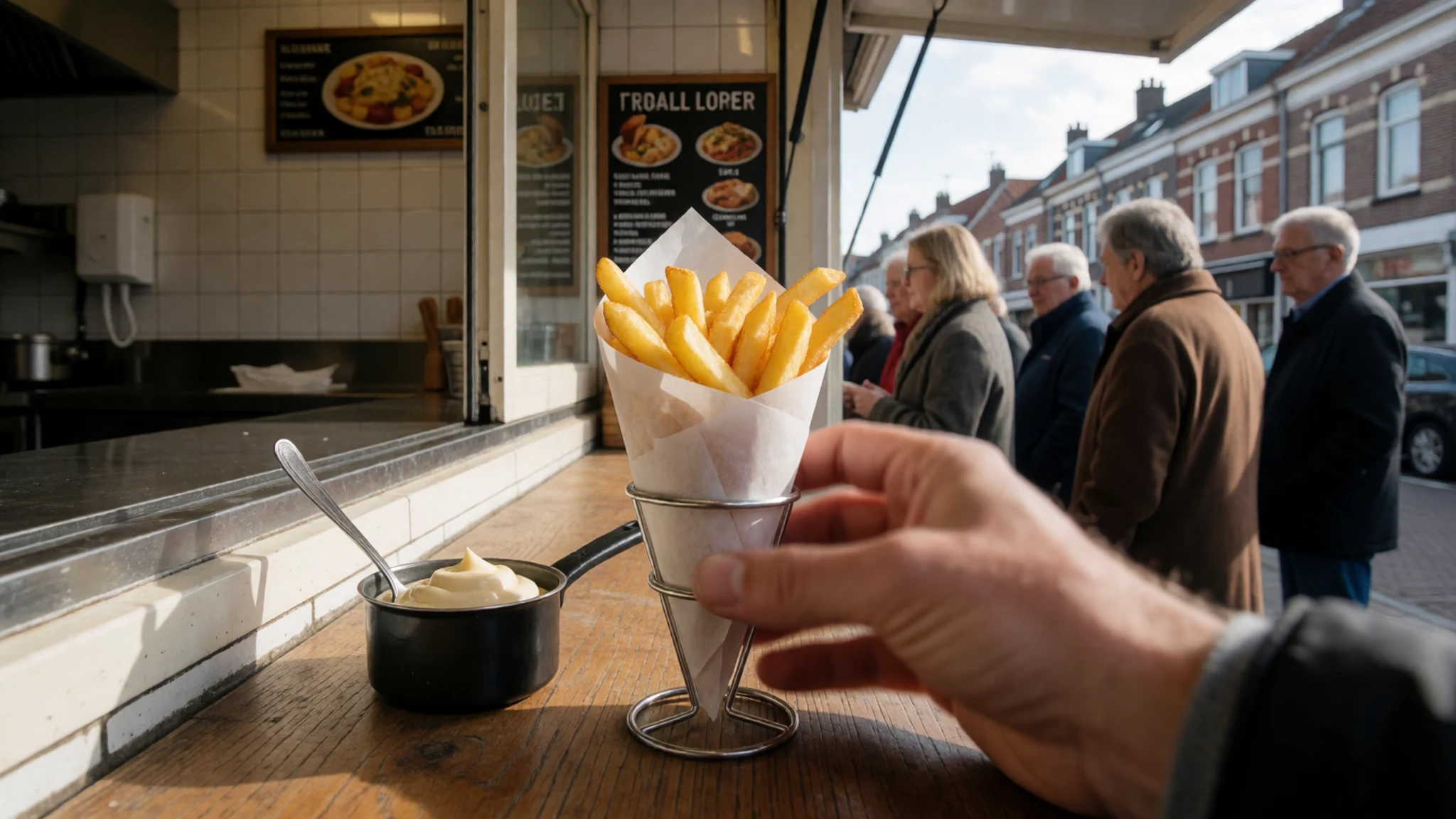
- Mixed seafood bowl — Seafood restaurants near the harbour
A huge shared bowl of shellfish and fish is the classic order for a big appetite and a cold day. Ostend's seafood restaurants are clustered near the harbour and the old centre, so pick one that is busy and ask what came in fresh.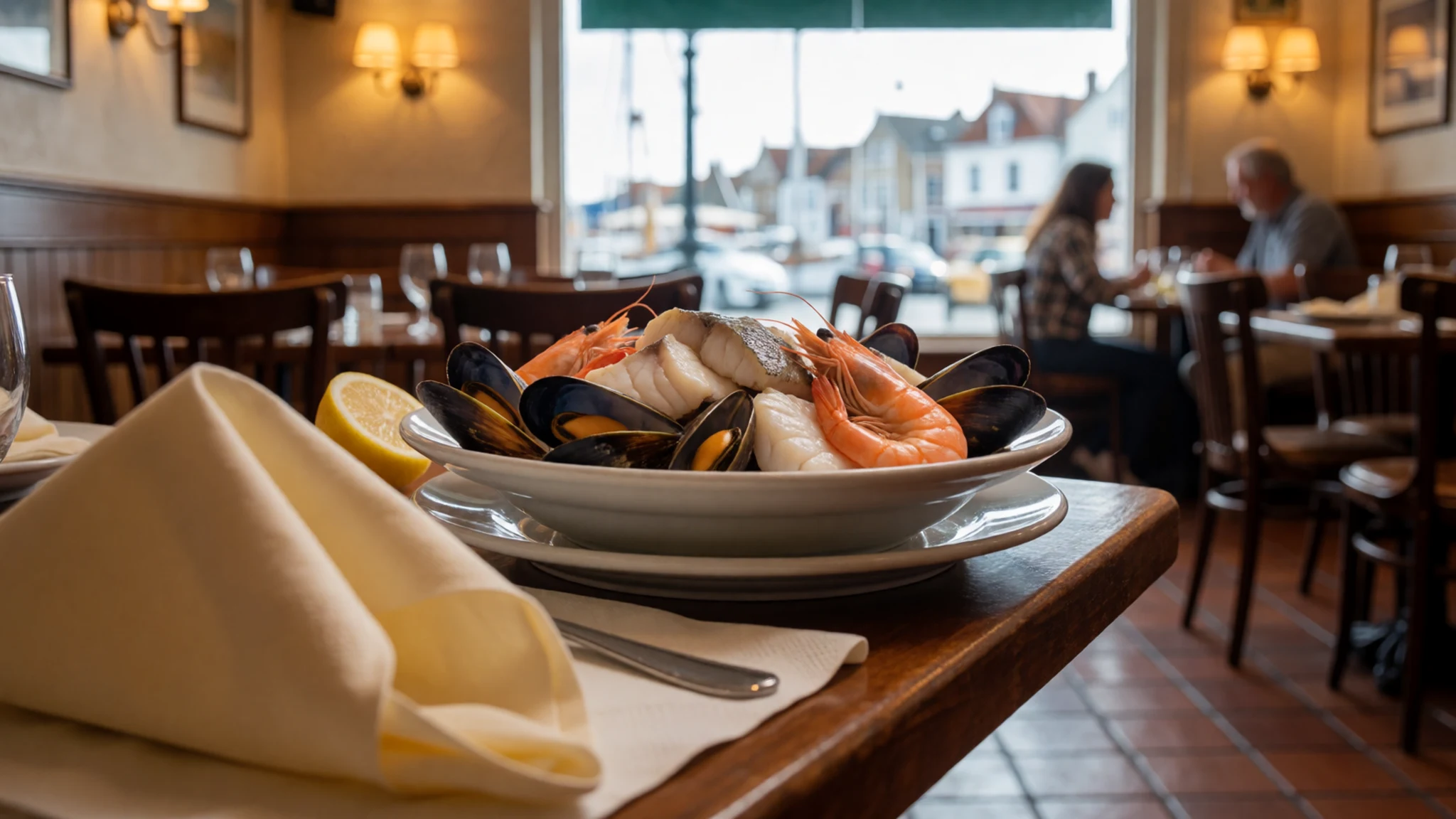
- Mussels and chips — Restaurants along the central streets
A pot of steamed mussels with a side of chips is the Belgian coast's signature plate. Mussels are traditionally a cooler-months dish, so check what is on offer in summer. Dip chips in the broth and order a Belgian beer alongside. - Sole and North Sea fish — Fish restaurants in the old centre
Local fish such as sole, cod and plaice are served simply, grilled or pan-fried in butter, often with potatoes and a cream sauce. It is a better way to taste the sea than any seafront snack, and a good lunch order. - Waffles — Stalls and cafés along the promenade
A warm waffle from a seafront stall is a typical treat on a walk along the beach. Choose a light Brussels-style waffle with sugar or one with fruit or chocolate. It is a quick, cheap snack, best eaten while it is still hot.
Plan it
Best time. May to September, when days are longest and the sea air is mild; July and August are busiest. The maritime climate keeps summers cooler than inland Europe and winters rarely freeze, but wind and rain can come at any time, so the shoulder months can be good for quiet walks.
How long. 2
Getting there. Fly to Brussels National Airport, then take a train to Bruxelles-Midi and change for Ostend, whose station is in the centre. Eurostar services from London, Paris and Amsterdam also connect at Brussels-Midi. Ostend Airport has a De Lijn bus to the centre.
Budget. mid
Tips
- Book weekend accommodation early in summer, when Belgian families fill the coast
- Bring a windproof layer even on sunny days
- Walk the promenade early or late to avoid the busiest hours
- Check the official site (https://www.oostende.be) for museum opening days and events
- Cards are widely accepted, but carry a little cash for small stands
Etiquette
- Greet staff with a hello when you enter a shop or café
- Keep the promenade clear for cyclists and walkers
- Dress modestly when entering a church
Nearby
Sources
- Wikidata Q12996 (CC0)
- Wikipedia: Ostend (rev 1379157057) (CC BY-SA 4.0)
- Wikivoyage: Ostend (rev 5427461) (CC BY-SA 4.0)
- Photo: Oostende Europacentrum 01 (Marc Ryckaert) (CC BY 3.0)
- Photo: Albert-I-promenade (Gary Houston) (CC0 1.0)
- Photo: Front façade of Sint-Petrus-en-Pauluskerk (DimiTalen) (CC0 1.0)
- Photo: Royal Palace Hotel 1914 (Abxbay) (CC BY-SA 4.0)
- Photo: royal palace oostende (Abxbay) (CC BY-SA 4.0)
- Photo: Oostende panoramic view (CC BY 3.0)
- Photo: Casino Kursaal (Wasily) (Public domain)
- Photo: Ostend pier (Gary Houston) (CC0 1.0)


Wildlife
- Gull (animal)
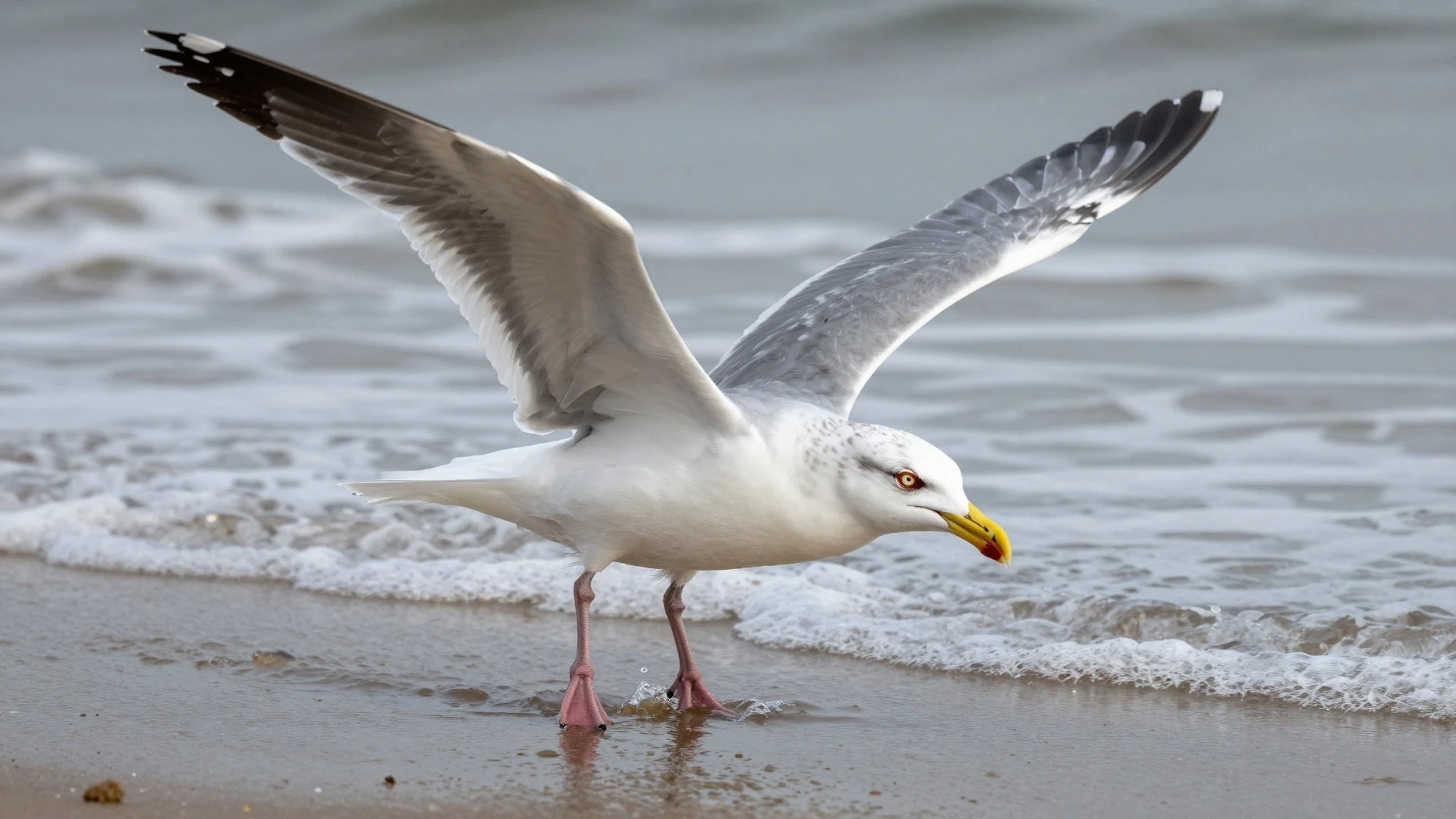
A herring gull is a big, noisy seabird, and the name covers several close relatives that were once thought to be one kind. In Ostend, listen for them around the port, which still works for its living, so fishy air and gull cries belong to everyday life rather than being put on for visitors. Watch them from a respectful distance, keep your voice low and your lunch tucked away, and never feed them, however boldly they look at you.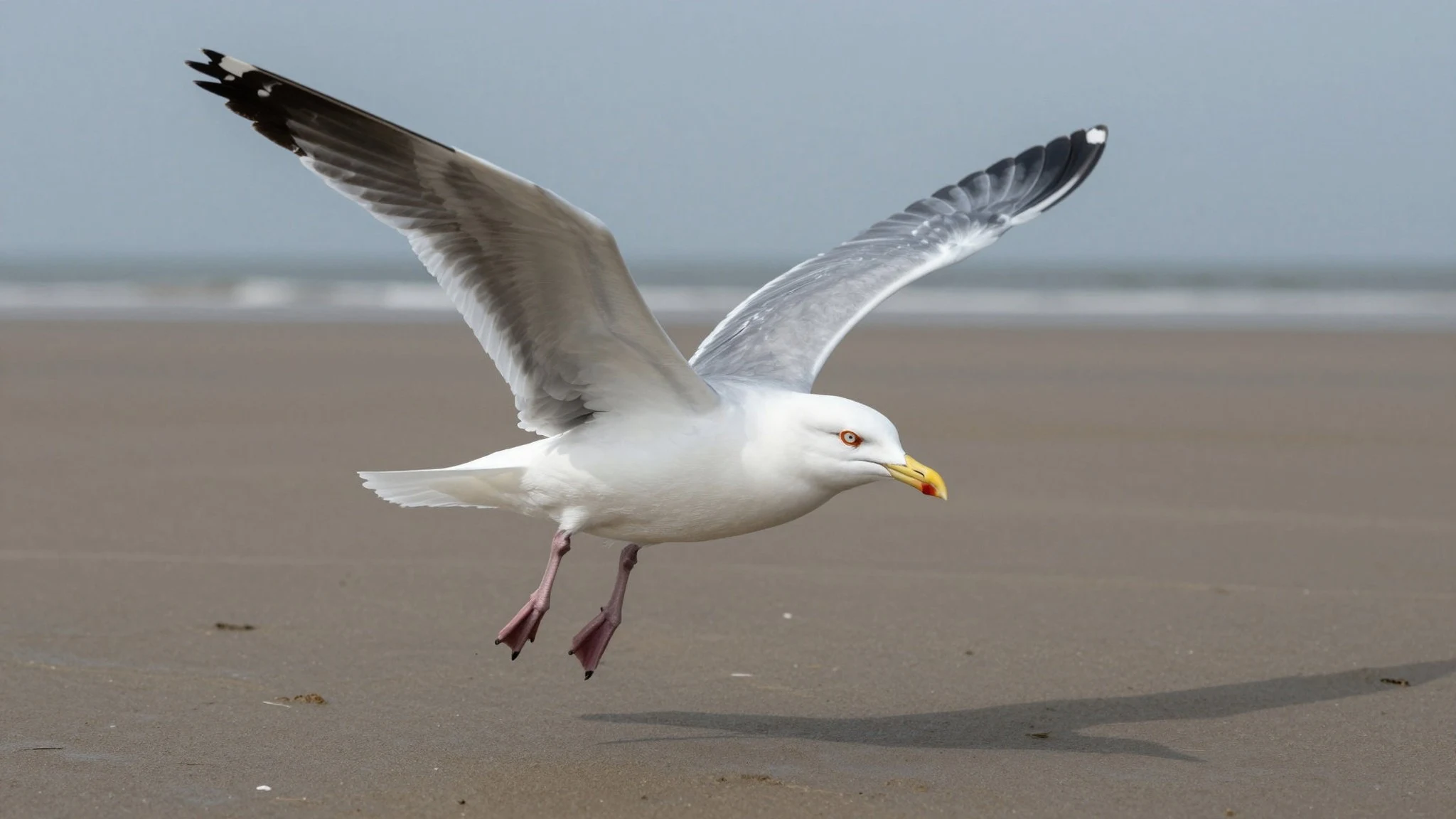
- Herring gull (bird)
The European herring gull is a large, bold seabird that will happily snatch a snack from a careless hand. It nests along northern and western European coasts, and many stay by the North Sea all year, though some in colder places head south for winter. In Ostend, look around the working port, where gull calls and the smell of fish are part of daily life. Watch from a polite distance, keep food out of sight, and never feed them.