Ghent
Ghent, Belgium
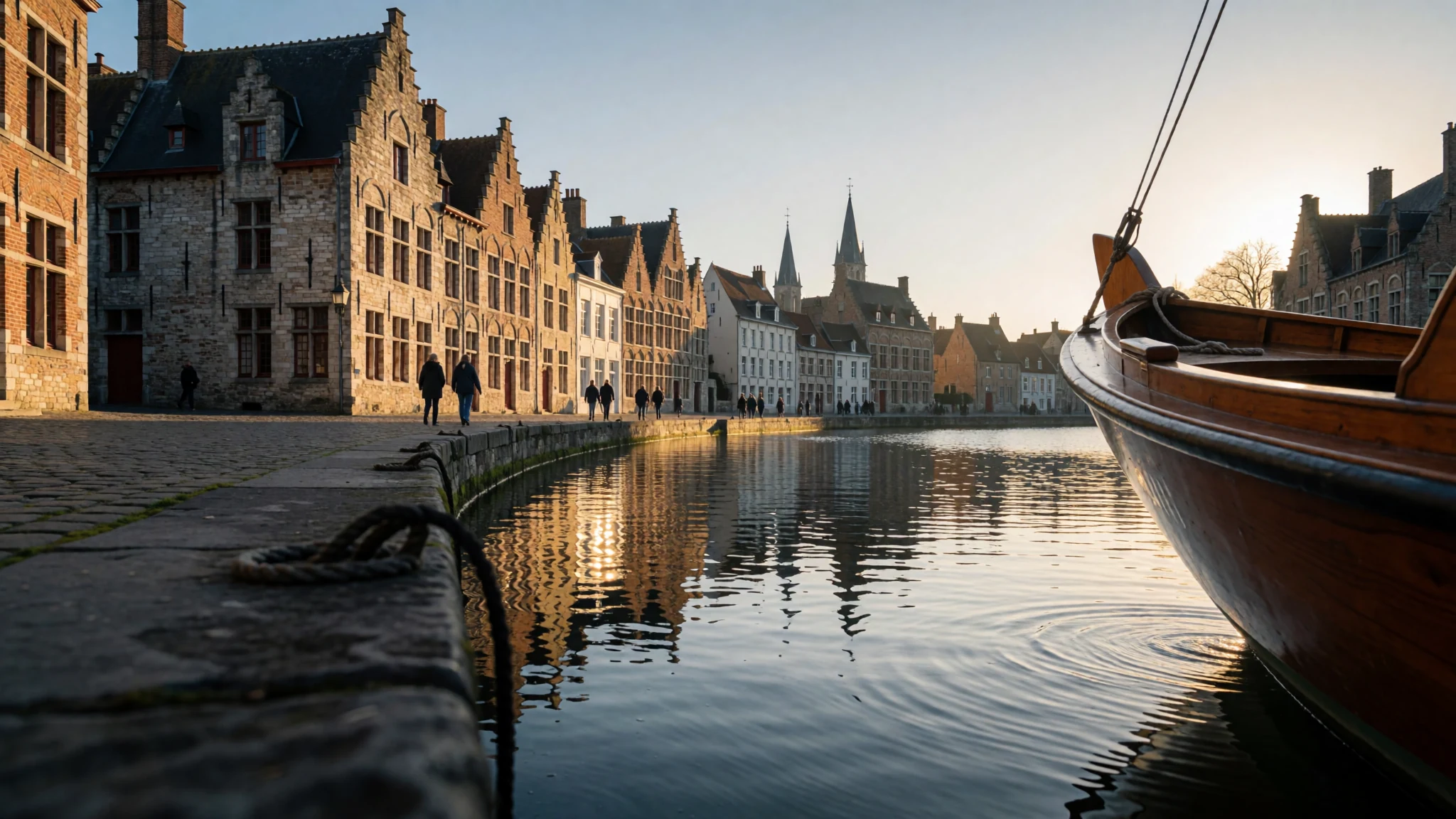
A medieval port city still lived in, with canals, a castle and a famous altarpiece, about half an hour by train from Brussels.
The place
Ghent sits where the Leie river meets the Scheldt in the Flemish Region of Belgium, and it is the capital of East Flanders. It is the country's third largest city after Brussels and Antwerp, yet it feels smaller than those figures suggest, because most of its activity is packed into a compact historic core. The city is also a port and a university town, so the centre mixes old guild halls and church towers with students cycling between lecture buildings and the quays.
The historic centre is the main reason people come. Much of it survived the centuries largely intact, which gives the streets a lived-in quality rather than the feel of a preserved set. Traffic is kept out of the middle, so walking is the natural way to move between the cathedral, the belfry and the waterfront. Canals run beside stone façades, and the houses lining the Graslei and Korenlei are the views most visitors photograph first.
Ghent does not feel like a display piece. Shops, bars, markets and flats sit alongside the monuments, and the city has clearly worked to keep daily life going inside its old walls. Weekend afternoons in summer bring day-trippers from Brussels and Bruges in numbers, so a slower morning or an evening stroll along the canals is the easiest way to see the waterfront with fewer people about.
Prices are moderate by Belgian standards, with a good range of cafés and eateries away from the busiest corners. The weather is typical of the Low Countries: mild, damp and changeable, with rain possible in any month, so a light waterproof and a layered coat are sensible whatever the season.
Its story
Ghent began as a settlement at the meeting point of two rivers, and people lived on that spot long before the medieval city took shape. Archaeology finds traces of occupation around the confluence of the Scheldt and the Leie reaching back to the Stone Age and the Iron Age. The name is usually traced to a Celtic word meaning confluence or river mouth, though some scholars link it to a little-known deity. There are no written records from the Roman period, yet digs show the area stayed inhabited.
When Frankish groups moved into the old Roman territories, the spoken language shifted from Celtic and Latin to Old Dutch, and that shift shaped the language still spoken in the region. Around the middle of the seventh century, two abbeys were founded in the settlement, and they drew traders and craftsmen into a cluster of separate nuclei. Raids by Vikings in the ninth century set the community back, but recovery followed under the protection of the County of Flanders.
From the eleventh century the town flourished and grew into something close to a small city-state. Wealthy merchants and the craft guilds funded churches and civic buildings, and the belfry became a symbol of the town's independence. Trade through the port brought great prosperity in the later Middle Ages, when the city was one of the largest and richest in northern Europe. Later, political shifts and economic decline meant the centre was less reshaped by new building, which is why its medieval fabric survives so well today.
What to see
- Belfry (Belfort en Lakenhalle) — Historic centre, beside the old cloth hall
The belfry was built as a symbol of the city's independence, begun in 1313 and finished in 1380. It rises above the cloth hall, and its great bells marked the city's civic life for centuries. Expect a lot of stairs on the climb, so take it slowly, and allow time for the view across the rooftops, which is the reason most people go up.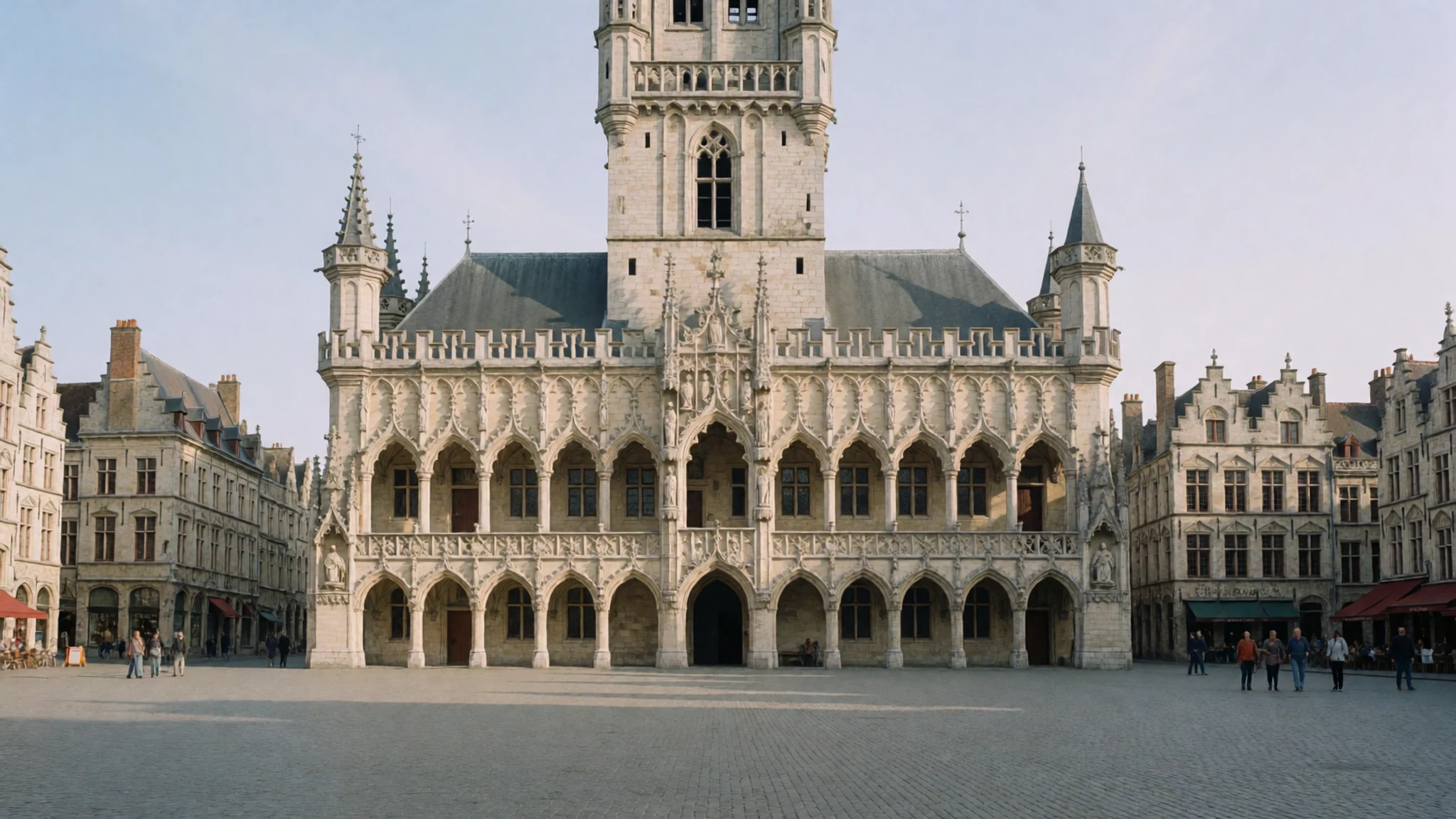
- St Bavo's Cathedral (Sint-Baafskathedraal) — Sint-Baafsplein, south of the Korenmarkt
The outside looks plainer than its reputation suggests, a mix of Romanesque, Gothic and baroque work that does not show off. Inside, the cathedral holds paintings and sculpture of great value, most famously the Ghent Altarpiece, a 24-panel work that the city treats as its greatest treasure. Check the cathedral's own site for opening times and any charge before going, since these change.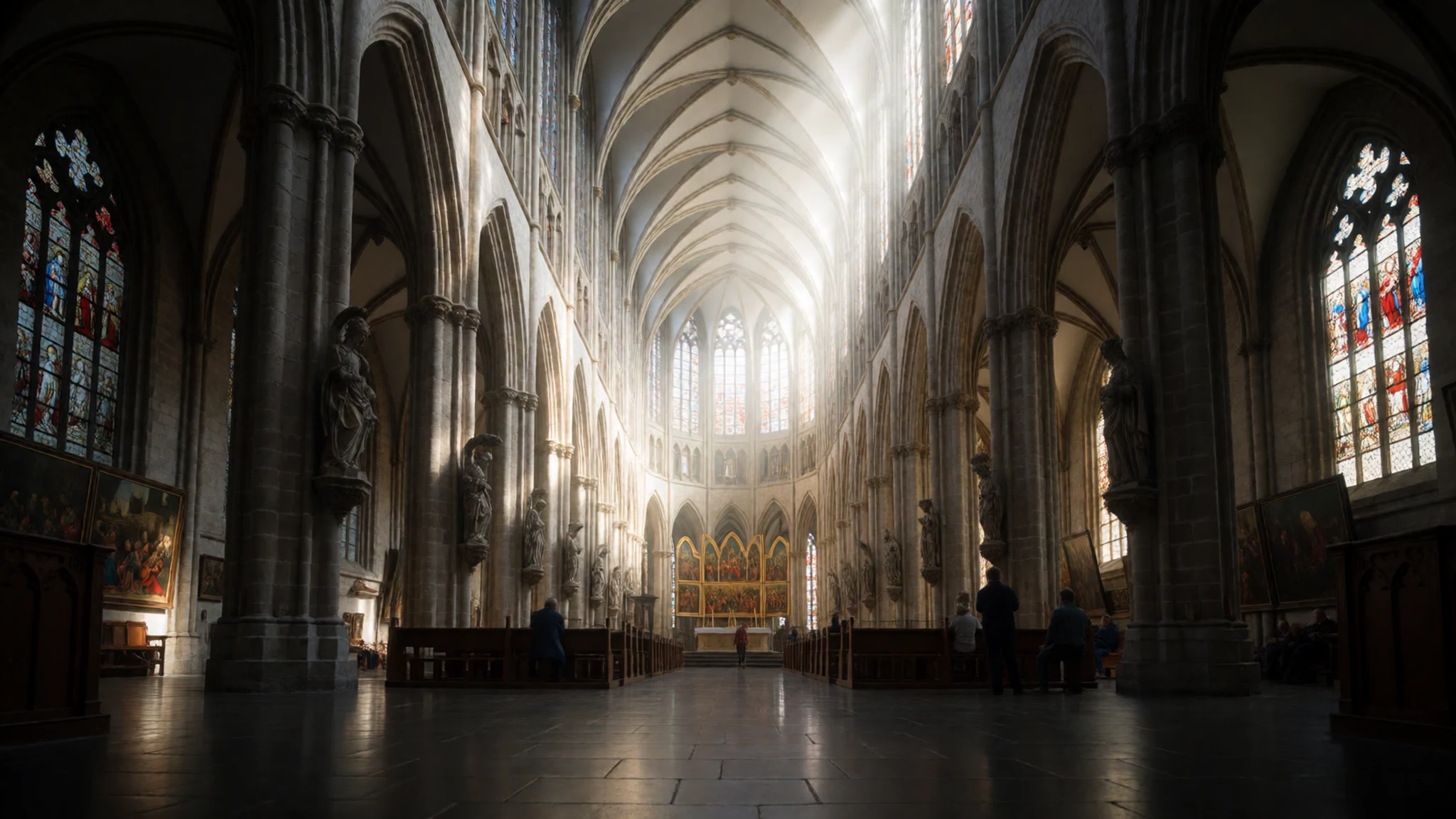
- Gravensteen castle — By the Lieve canal, north of the cathedral
Built by Count Philip of Alsace soon after he returned from the Crusades in 1180, the castle shows the influence of crusader fortresses he had seen in the Holy Land. It is a useful place to understand how powerful the counts of Flanders were, and the walls and courtyards give a clear sense of the defensive layout. Its position on the water makes it an easy stop between the belfry and the harbour.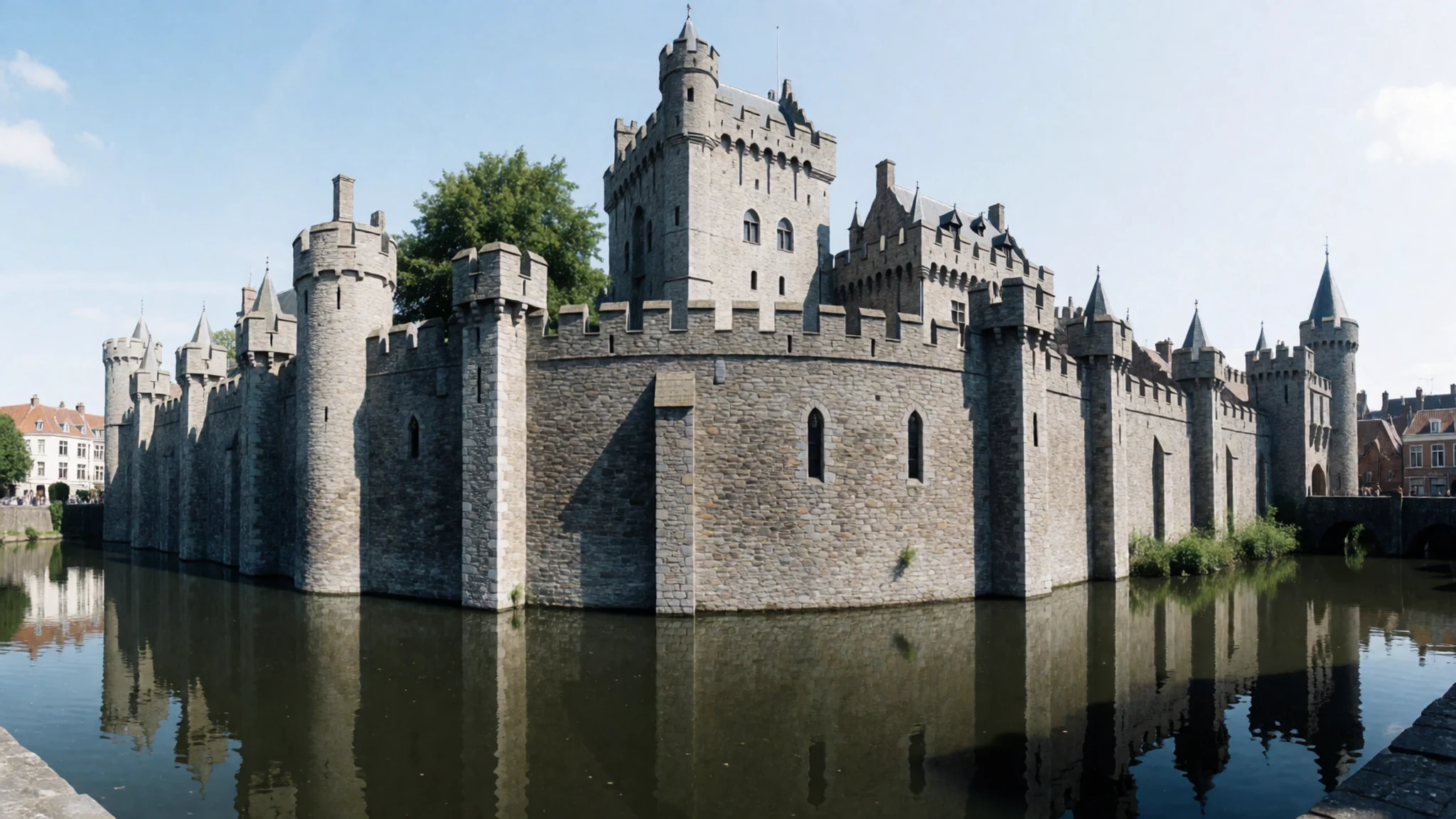
- Sint-Niklaaskerk — Near the Graslei and the old harbour
This church blends surviving Romanesque elements with the Schelde Gothic style of the region and was built between the 13th and 15th centuries. Ghent's wealthy medieval merchants and guilds paid for it, and the result is a lofty, richly detailed building that shows the town's commercial confidence. Its tower is one of the features that define the skyline seen from the riverside.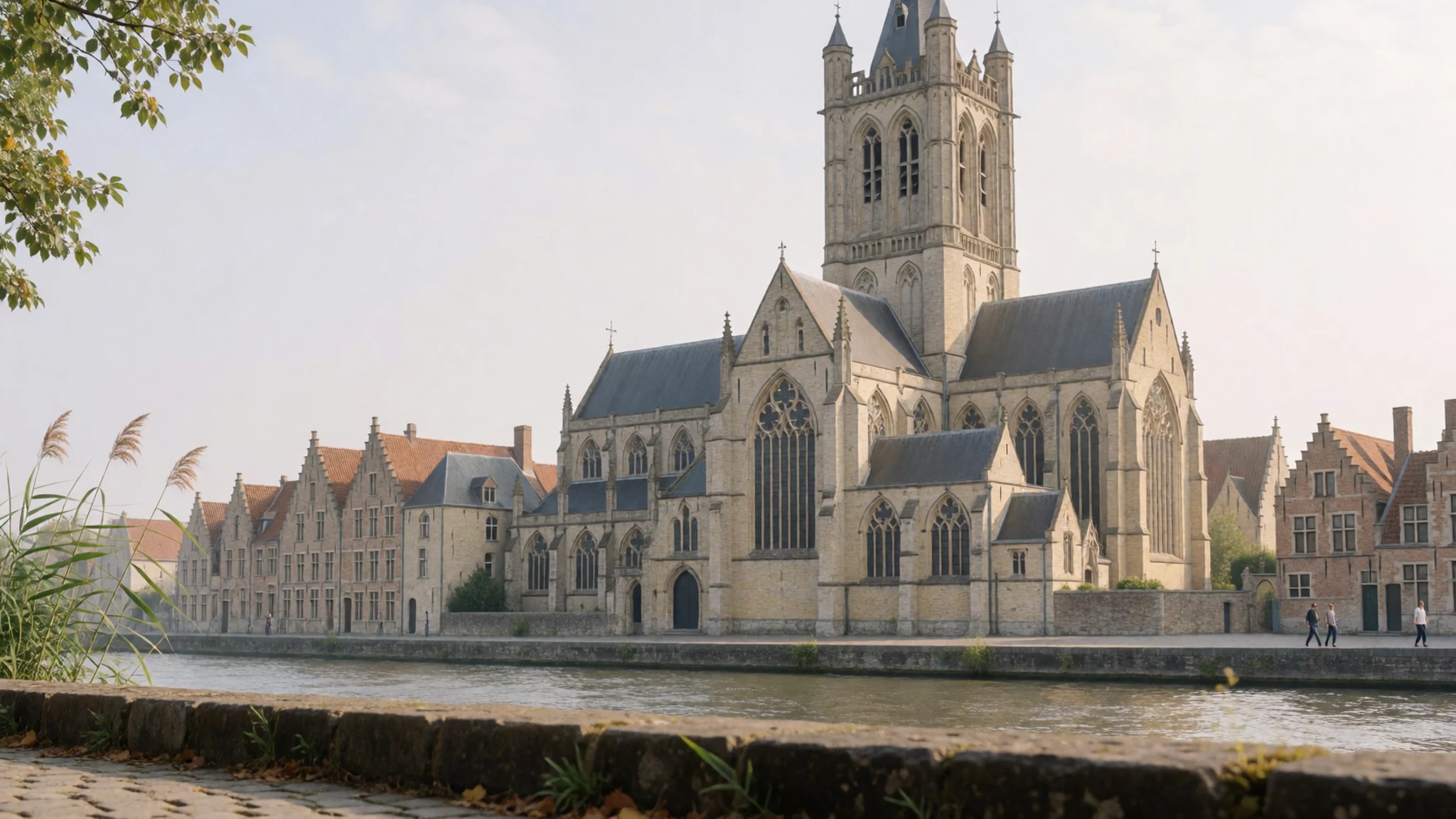
- Vooruit — City centre, a short walk from the cathedral
Vooruit is tied to the city's social-democratic movement, and the historic buildings of Ghent record the influence of that politics on the town. Look up the venue's own site for what is on, since programmes change through the year. It makes a good stop for a drink, and the building itself is a reminder that the city's civic life has never been limited to its medieval past.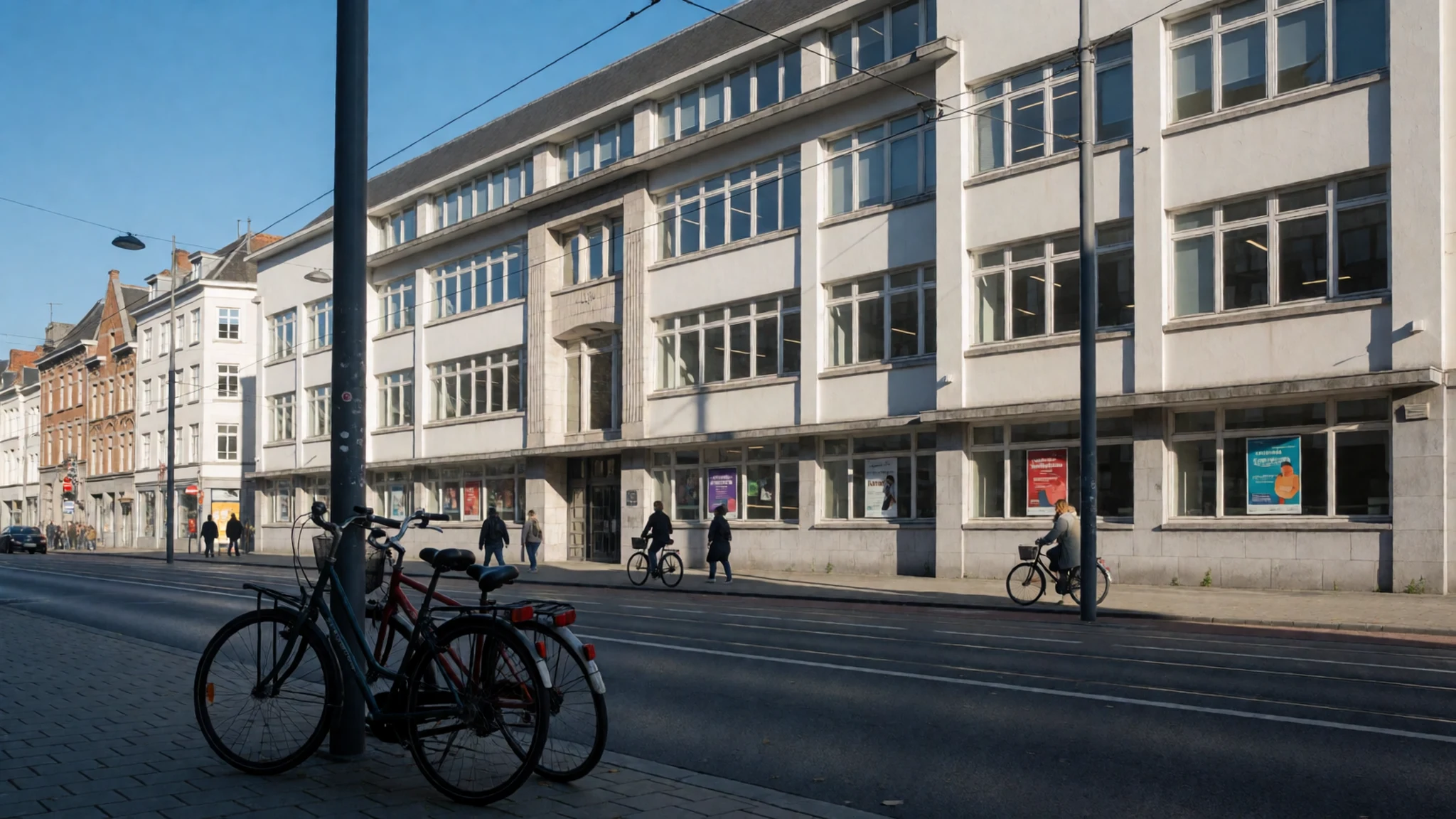
Culture
Ghent is a working city as well as a historic one, and its centre is largely car-free, so walking and cycling are the normal ways of getting around. The old quarters contain three béguinages, enclosed communities of women that date back centuries, along with churches such as St Jacob's, St Nicholas' and St Michael's. Architecture is a point of pride here: the medieval fabric has been carefully restored, and modern university buildings, including the Book Tower, sit comfortably within the skyline. Locals value a balance between comfortable daily life and the past. Cafés and bars fill with students in the evenings, and the mood is relaxed and sociable rather than formal. The city has a long tradition of civic politics, visible in the social-democratic buildings scattered through the town, so political discussion is common. When visiting churches and béguinages, dress modestly, keep voices low, and ask before photographing people at prayer or in private courtyards.
What to wear
Ghent does not have an everyday traditional dress in the way some regions do. Its historic identity lies in cloth: the cloth hall beside the belfry records a textile trade that once made the city wealthy, and linen and wool were the main materials of local clothing in earlier centuries. Regional folk costume survives mainly in festivals, folk groups and museum displays rather than on the street. Today people in Ghent dress much as they do across Belgium, in dark coats, jeans, knitwear and simple layers. Students often wear practical jackets and trainers, and bright colour appears more in summer festivals. For a visit, dress for changeable weather, with a waterproof jacket, a warm layer and comfortable shoes, because the old centre is paved with cobbles and canal edges can be slippery. For churches, shoulders and knees should be covered, and a light scarf is useful when entering the cathedral. In winter, a scarf and gloves are worth packing for the cold, damp wind off the water.
What to eat
- Stoverij — Traditional brasseries and family restaurants around the historic centre
A slow beef stew cooked for three hours in dark beer until the meat is very tender, then finished in a brown gravy. Look for it in traditional brasseries and family restaurants around the centre, usually served with Belgian fries.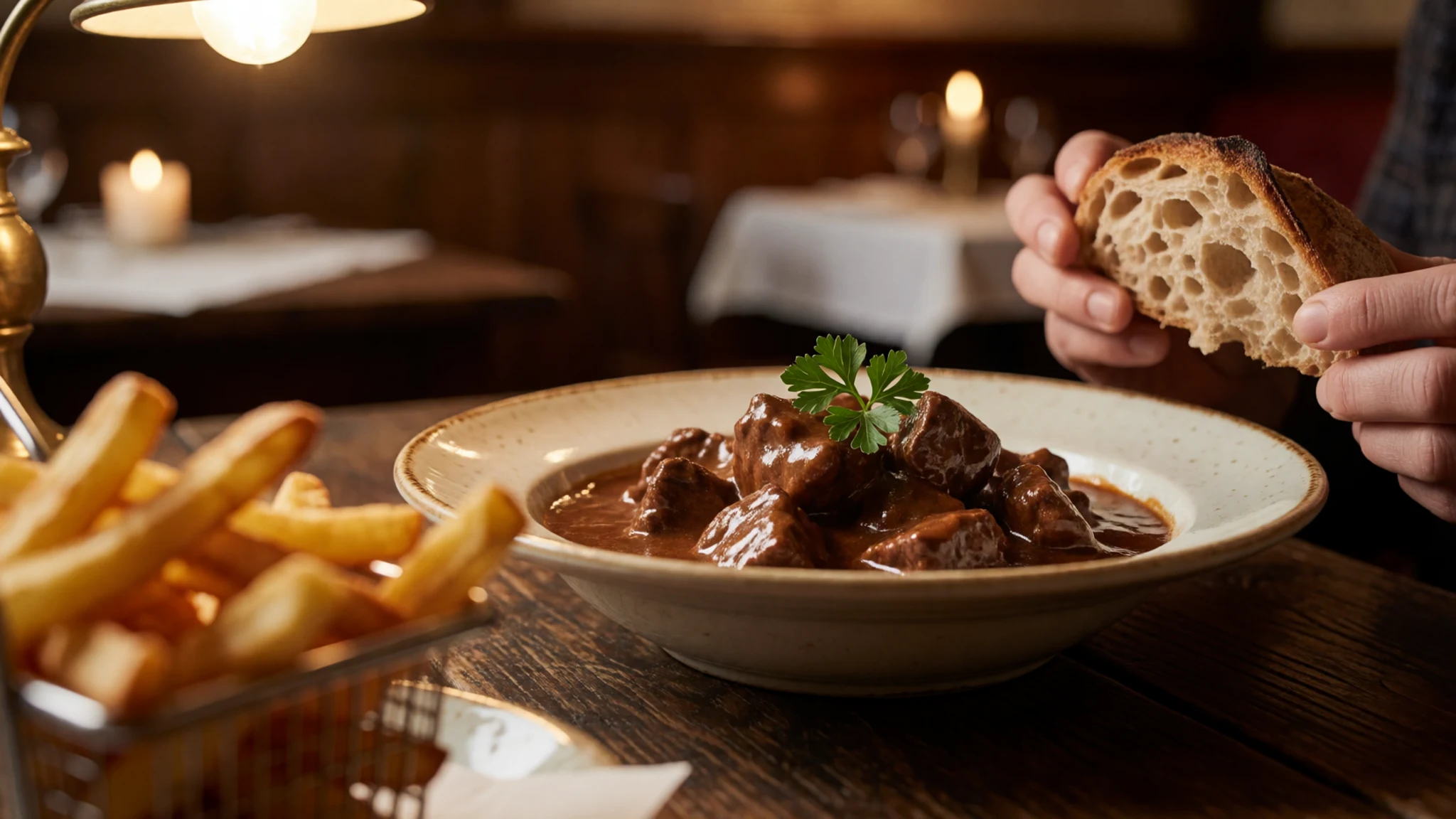
- Gentse waterzooi — Traditional restaurants in the historic centre, especially around the Graslei and Korenmarkt
A creamy stew that the city claims as its own, traditionally made with chicken or fish, vegetables and a thickening of cream and egg yolk. The sauce is rich but gentle. It appears on menus in the centre, and it is a good choice on a cold afternoon.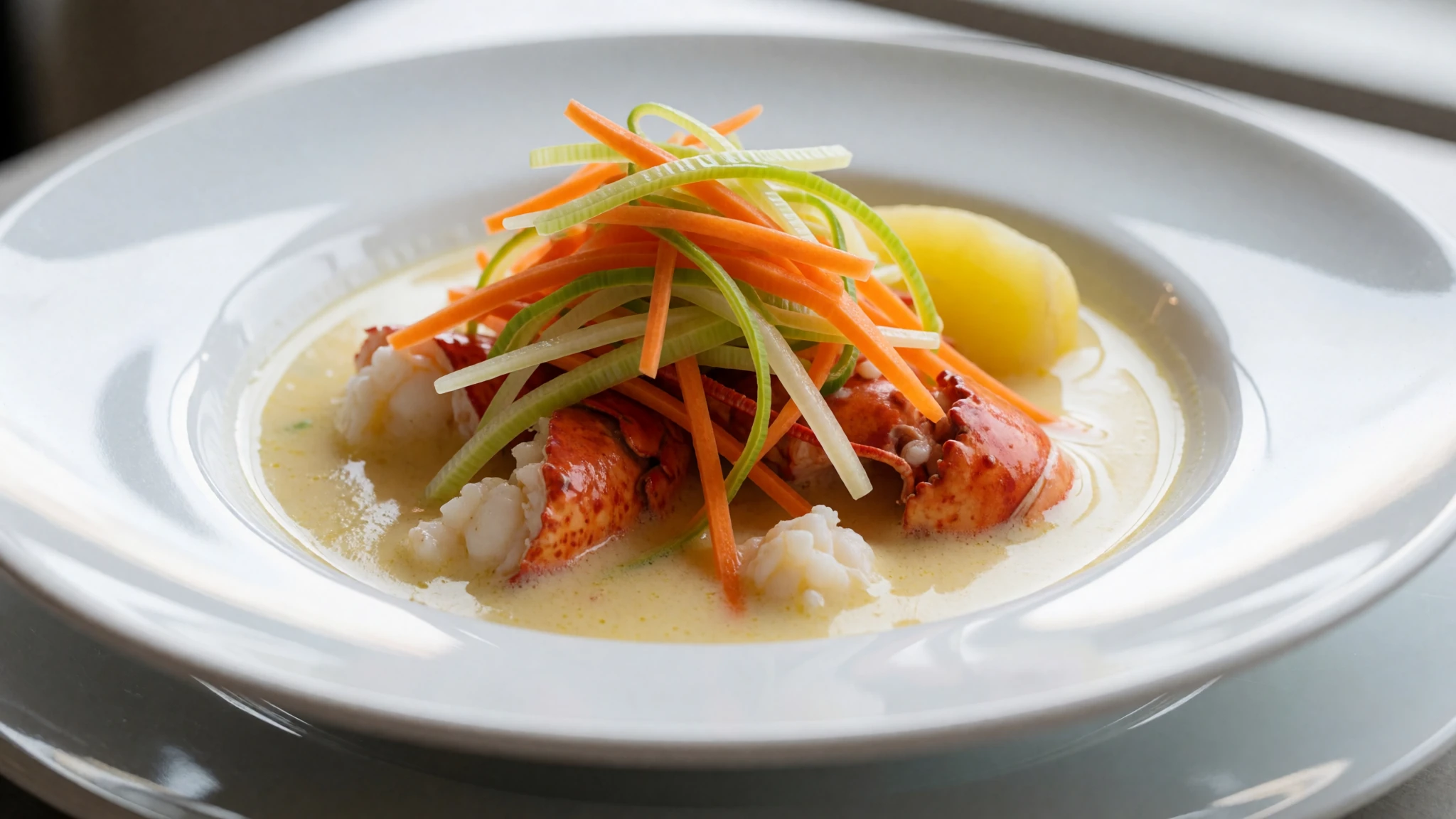
- Mussels — Brasseries and cafés around the Graslei and the Vrijdagmarkt
Steamed in a deep pot with onion, celery and a broth of white wine or beer, mussels are a staple of Flemish menus. Eat them from the pot with the empty shells used as spoons, and finish the broth with bread. Fries usually come alongside. - Frites from a frituur — Small frituur kiosks near Sint-Jacobs and on corners across the centre
Belgian fries, traditionally fried twice, are sold from small kiosks across the city and served in a paper cone with a choice of sauces. Mayonnaise is the classic choice. They make a cheap, filling snack and a good way to end a long walk. - Spare ribs — Casual eateries and grill houses in the Patershol and around the Korenmarkt
Pork spare ribs, often glazed and served with fries and salad, are a common main in the city's casual eateries. The meat comes away from the bone easily. Portions are generous, so sharing one is sensible if you are also having a starter, and a simple salad helps balance the richness.
Plan it
Best time. April and May bring mild weather and spring colour in the parks, and September and October give softer light with fewer day-trippers. July and August are warm and busy, and winters are grey and damp, though the Christmas markets draw a crowd.
How long. 2–3
Getting there. Brussels Airport, then a direct train to Ghent, about 30 minutes from Brussels; the main station is a short tram ride from the centre. Trains also run from Antwerp and Lille, and by car the E40 and E17 cross at the city.
Budget. mid
Tips
- Book train tickets through the SNCB website or app, and check times before travelling at weekends
- Visit the belfry and cathedral early, before the day-trip crowds arrive
- Carry some cash for small kiosks, though most places take cards
- Allow a full day for the centre, which is compact but rewards walking slowly
- Check stad.gent for current information rather than relying on older guides
Etiquette
- Keep to cycle lanes and step aside for bells when walking on shared paths
- Dress modestly and keep voices low inside churches
- Ask before photographing people, especially at services
Nearby
Sources
- Wikidata Q1296 (CC0)
- Wikipedia (rev 1379881551), Ghent (CC BY-SA 4.0)
- Wikivoyage (rev 5402768), Ghent (CC BY-SA 4.0)
- Photo: Ghent - centre.jpg, Unknown author, via Wikimedia Commons (CC BY 3.0)
- Photo: Gent, de Graslei vanaf de Korenlei, Michielverbeek, via Wikimedia Commons (CC BY-SA 4.0)
- Photo: Vrijdagmarkt, Gent, Demeester, via Wikimedia Commons (CC BY 3.0)
- Photo: Gent Gravensteen R01, MJJR, via Wikimedia Commons (CC BY 3.0)
- Photo: Sint-Niklaaskerk and the belfry of Ghent, Trougnouf, via Wikimedia Commons (CC BY-SA 4.0)
- Photo: Historic centrum of Ghent, Karelj, via Wikimedia Commons (Public domain)
- Photo: Lucas de Heere, View of the city of Ghent, via Wikimedia Commons (Public domain)
- Photo: Engelbert Van Siclers, De Kouter in Ghent in 1763, via Wikimedia Commons (Public domain)


