Bruges
Bruges, Belgium
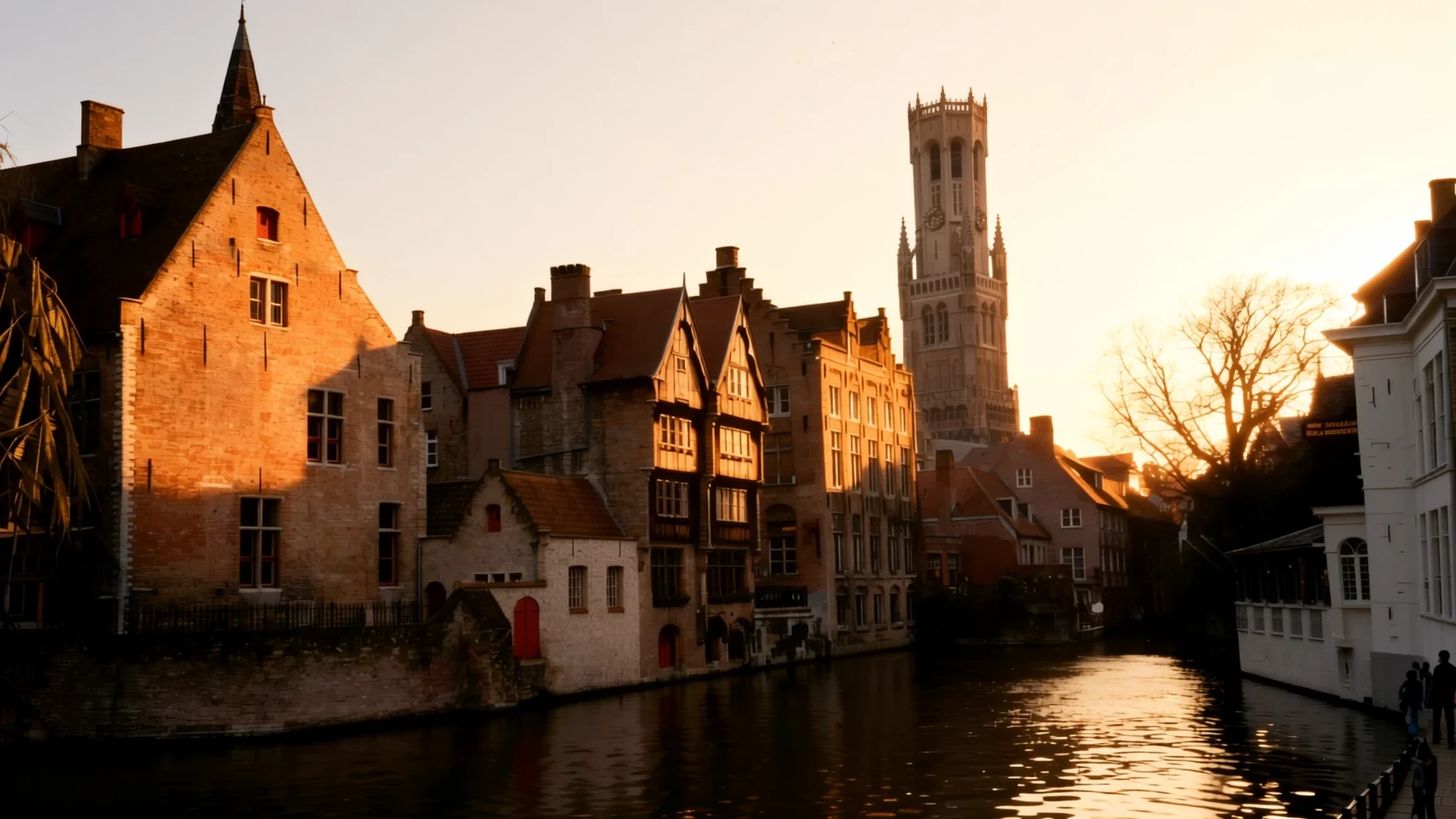
Bruges offers an intact medieval canal landscape with rich artistic heritage, exceptional brewing traditions, and historic architecture.
The place
Bruges functions as the principal urban centre of the West Flanders province within the Flemish Region of Belgium. Positioned in the northwest territory of the country, the municipality encompasses a substantial geographic district extending toward the North Sea coast at Zeebrugge. Within the inland sector, the historic core forms a distinct oval shape defined by old defensive watercourses and canals. Visitors exploring the settlement encounter winding waterways crossed by brick arched bridges, narrow cobblestone lanes, and gabled merchant houses dating back through the centuries. Because of its network of navigable water channels, the destination frequently receives comparisons to other northern water-based cities. The local inhabitants predominantly communicate in Dutch, specifically using West Flemish regional variants. While the central historic district preserves its medieval street layout and architectural profile, the broader municipality includes modern residential zones, commercial sectors, and the extensive maritime port infrastructure operating at the coast. The local terrain sits very low on the coastal plain, presenting flat ground throughout the municipal area that makes walking and cycling the standard methods for moving about the urban quarters.
Its story
Bruges began as a coastal settlement location during prehistoric times, though those early Bronze Age and Iron Age occupations remained entirely separate from later medieval urban growth. Following military campaigns in the first century BC, defensive fortifications were established to guard the coastal reaches against pirate incursions. Germanic tribes assumed administration of the territory during the fourth century, managing the district under regional divisions. During the ninth century, renewed Viking raids threatened coastal trade hubs across the region, prompting local counts to reinforce the older defensive works. This protection allowed the settlement to capture trade traffic connecting England, Scandinavian lands, and the Baltic Sea area. Permanent residential growth clustered around the fortified high ground and church sites during the ninth and tenth centuries. Spiritual significance arrived when sacred relics were brought to the town and established within local religious foundations, turning the location into a recognized destination for pilgrims. Written records mention the community as early as the ninth century, and later accounts from the eleventh century describe visits by displaced nobility seeking refuge during dynastic struggles for the English crown. Over subsequent generations, the municipality expanded into a major commercial marketplace linking northern European commerce with Mediterranean trade networks, laying the stone foundations of the historic urban fabric visible today.
What to see
- Grote Markt — Old town centre
Bruges features this central historic square as the main focal point of the old town district. Visitors stand surrounded by ornate guild houses while the massive municipal belfry tower rises along the southern boundary, offering high-altitude panoramic views across the entire urban landscape.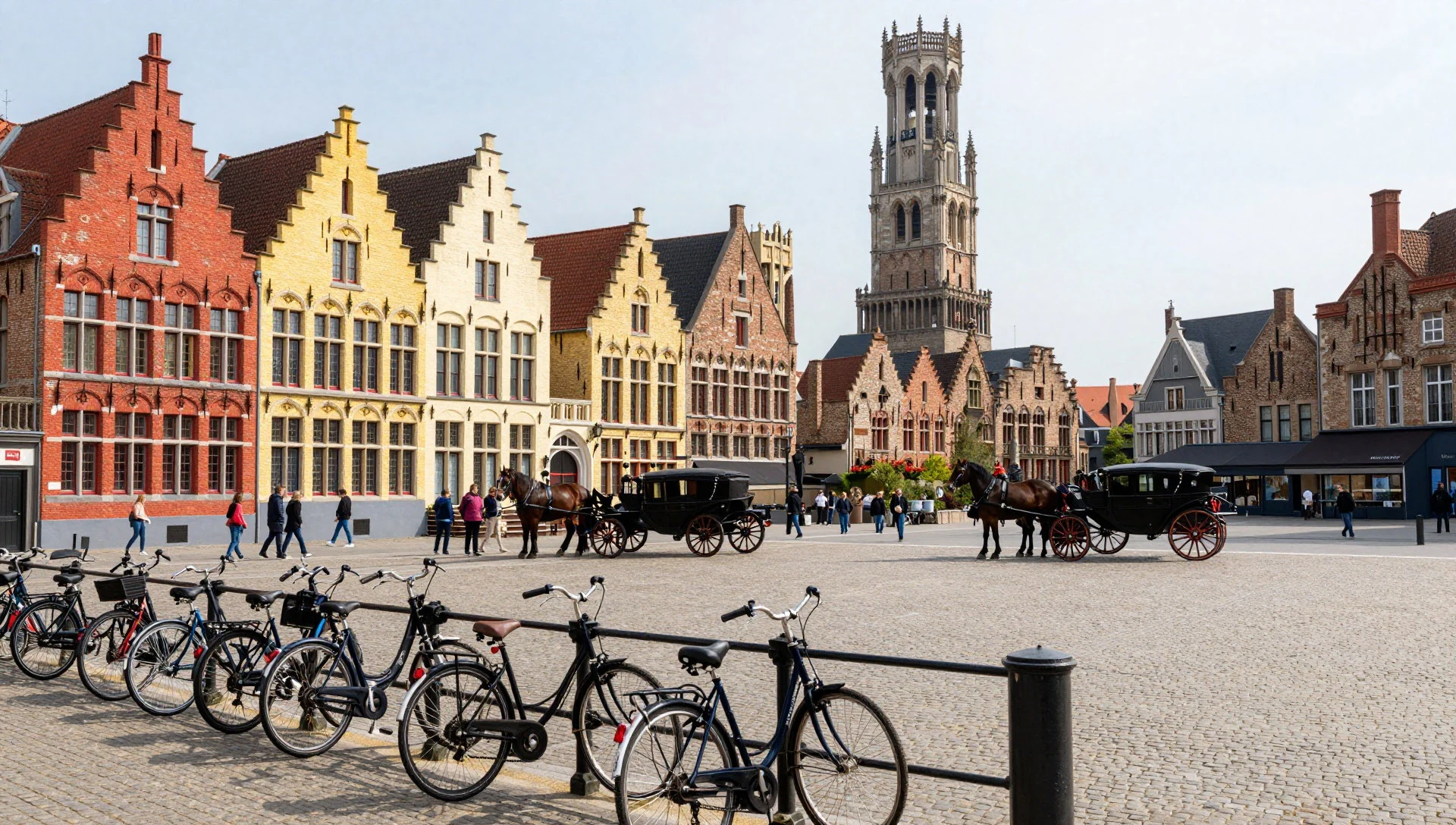
- Groeninge Museum — Dijver canal district
Bruges maintains this municipal gallery of fine arts to exhibit extensive collections spanning several centuries of creative work. The galleries concentrate heavily upon paintings produced by master artists who lived and created their masterpieces within the local community.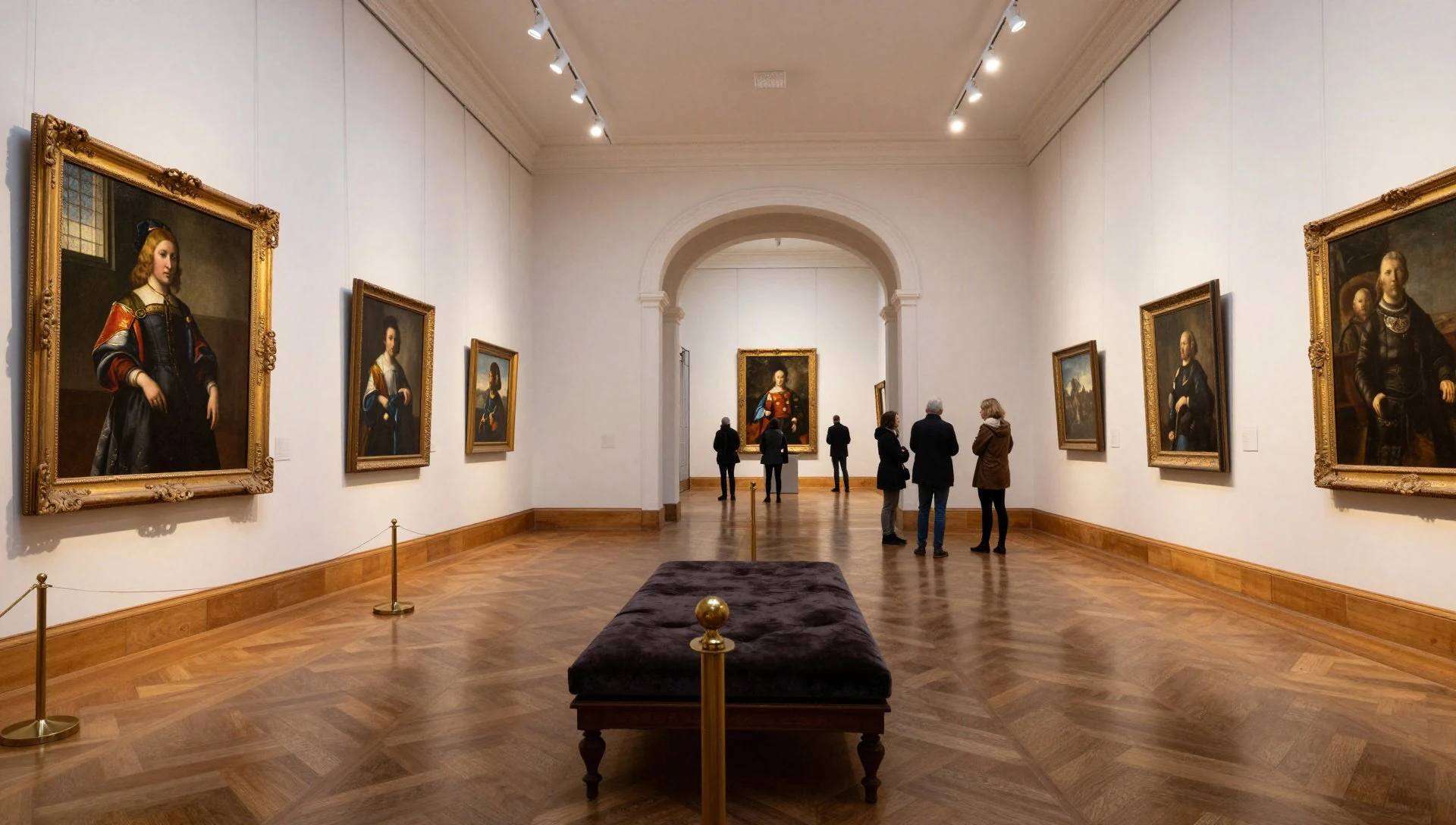
- Basilica of the Holy Blood — Burg square
Bruges contains this ornate double-chapel church structure set upon the historic Burg square. The lower chapel preserves stark Romanesque features, while the upper sanctuary displays elaborate Gothic styling and houses a revered crystal vial traditionally believed to contain sacred liquid.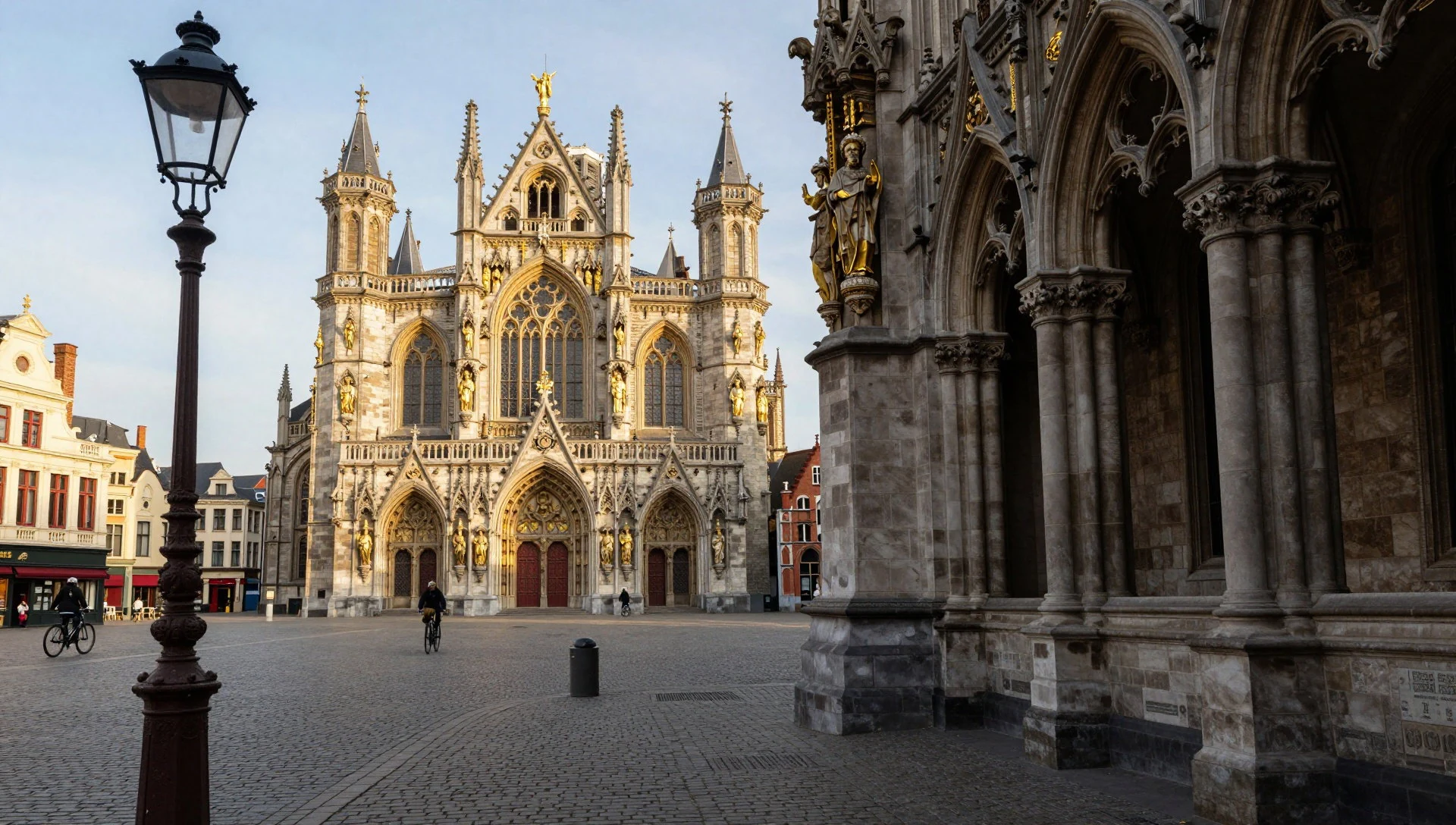
- Brewery De Halve Maan — Wollestraat canal area
Bruges preserves this historic family brewery operating actively inside the medieval perimeter walls. Visitors can join guided tours through the historic brewing facilities to learn traditional methods and see the underground pipeline that transports finished product to an external bottling plant.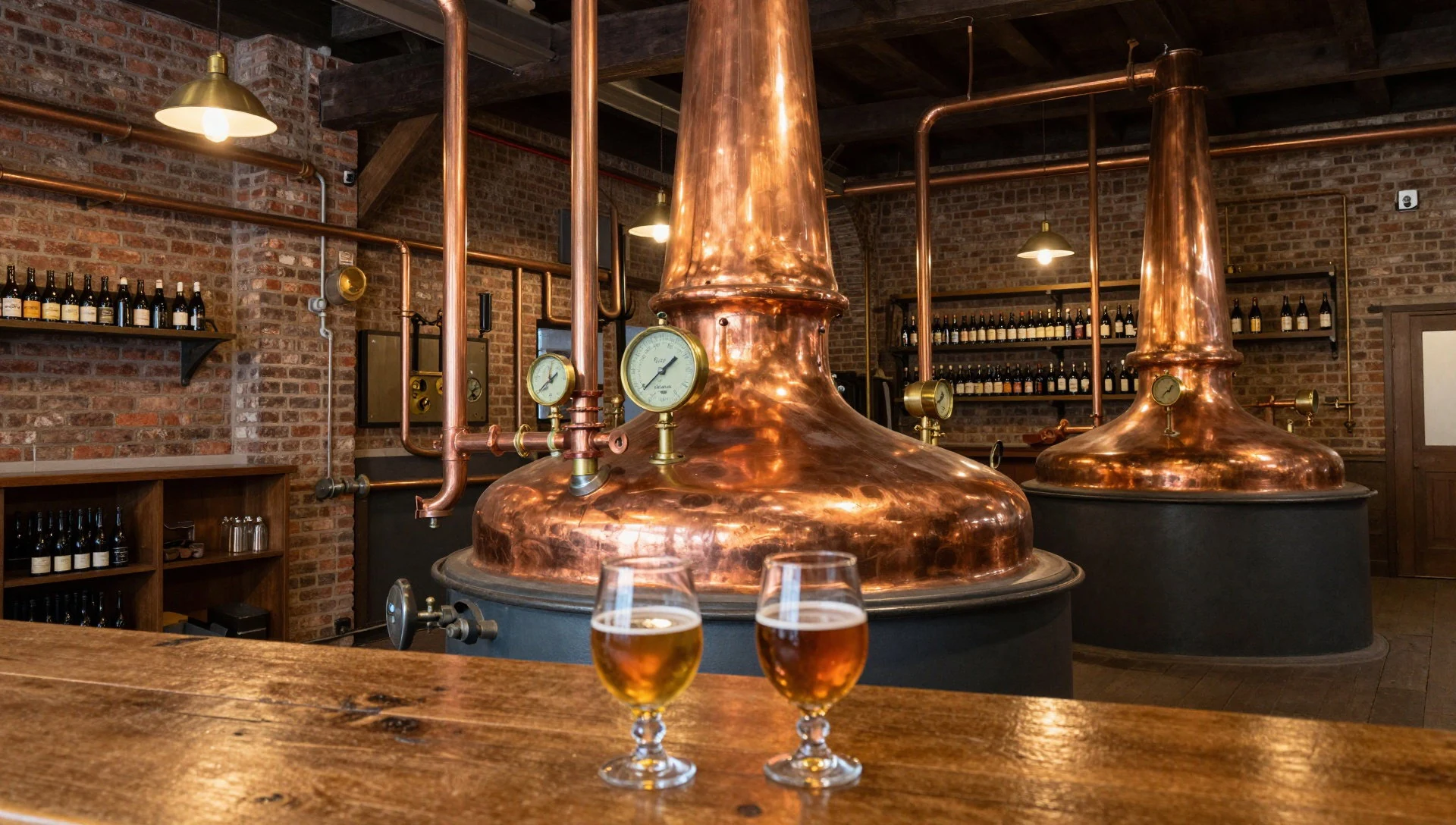
- 2-be Beer Wall and Bar — Wollestraat alley
Bruges provides a dedicated showcase space where hundreds of regional bottled beverages are displayed on illuminated walls. Visitors can step out onto the terrace overlooking the canal to sample various specialized regional brews in an atmospheric courtyard setting.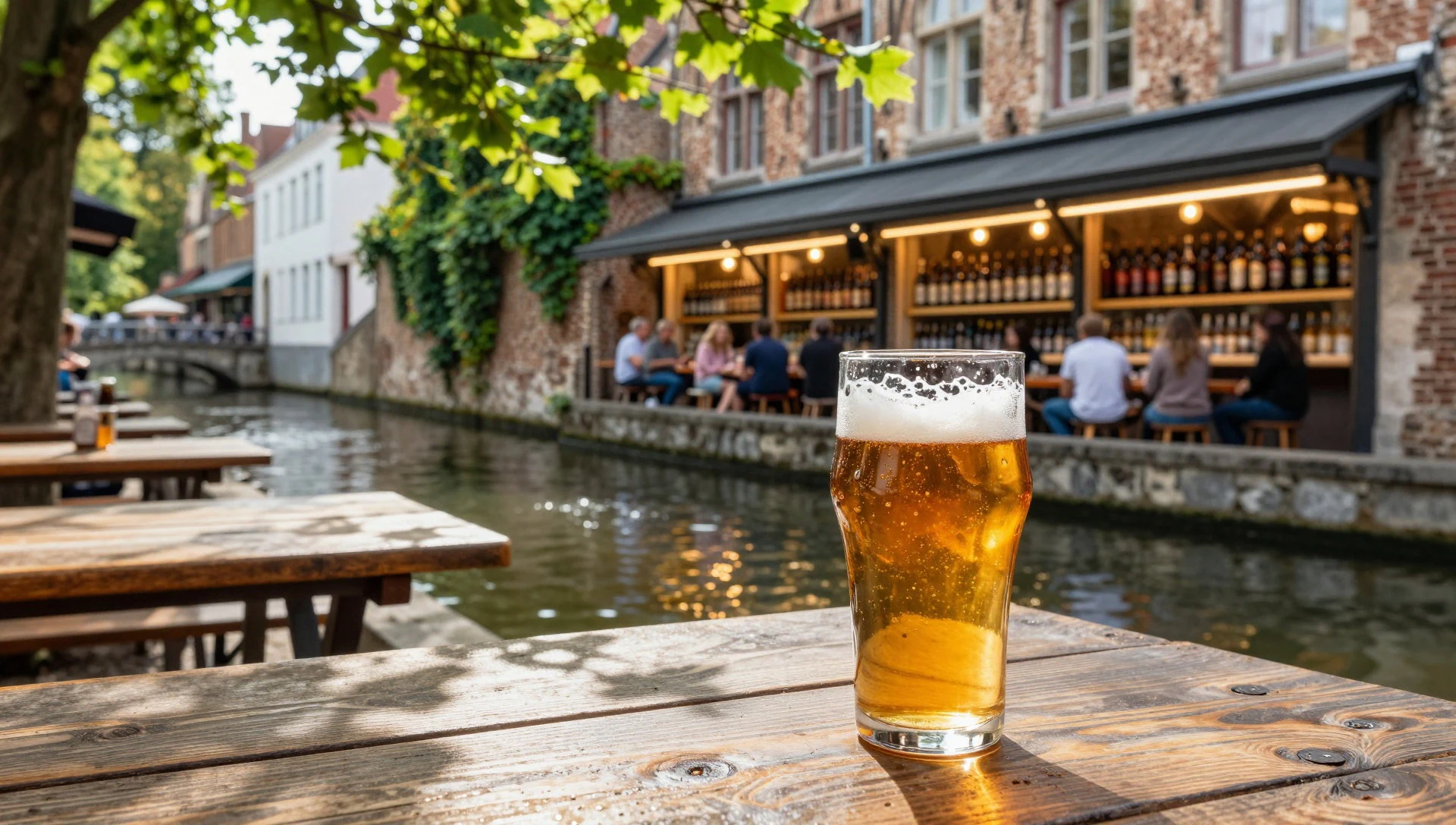
- Onze Lieve Vrouwkerk — Mariastraat district
Bruges displays soaring architectural heritage through this massive brick church featuring a towering steeple visible across the skyline. The interior combines heavy Romanesque structural elements with soaring Gothic additions, housing remarkable historic sculptures and funerary monuments within its chapels.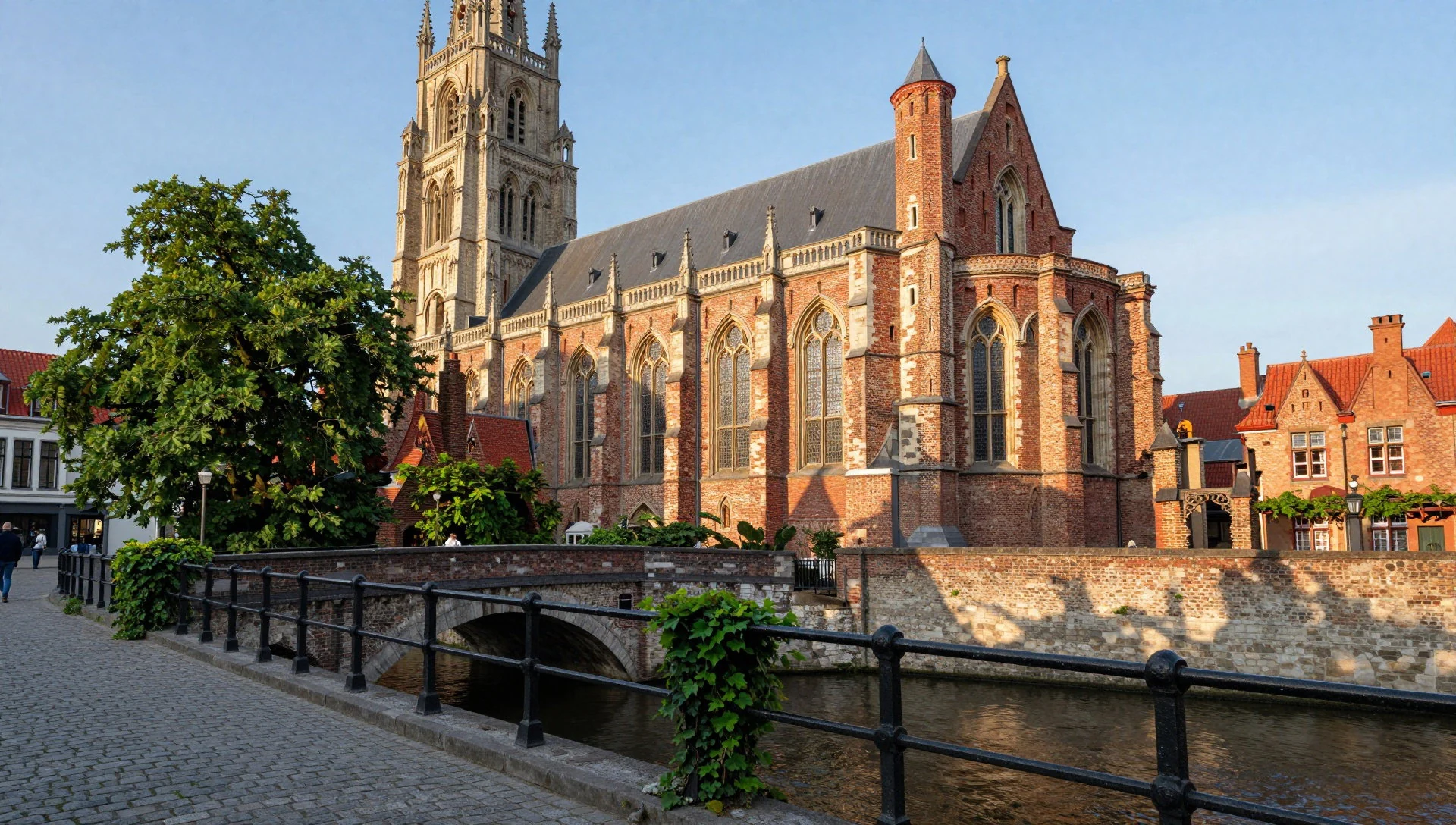
Culture
Bruges carries a distinct cultural identity shaped by centuries of Flemish heritage, merchant prosperity, and Catholic tradition. The local population maintains strong ties to traditional arts, lace-making crafts, and regional culinary practices. Community life often revolves around neighborhood squares, guild celebrations, and seasonal festivals that honor historical events from the medieval era. Residents appreciate polite interactions, and while Dutch is the primary language, English is spoken fluently by almost everyone working in hospitality and retail establishments. Visitors should be mindful that the historic center functions as a living residential neighborhood as well as a popular destination, meaning quiet hours and respectful behavior in residential alleyways are deeply appreciated by locals. When entering active churches and religious sanctuaries, keep conversations subdued, remove hats upon entering, and avoid taking flash photographs during services.
What to wear
Bruges residents dress in practical, contemporary European styles that prioritize comfort and weather protection over formal attire. Everyday wardrobes typically feature durable denim, comfortable knitwear, tailored coats, and functional layers suitable for shifting coastal weather conditions. Traditional Flemish attire survives primarily in regional folklore groups, historical pageants, and museum displays, showcasing heavy woollen fabrics, lace collars, and structured headdress designs historically worn by guildsmen and burghers. For visitors exploring Bruges, practical clothing is essential. Because the historic center consists entirely of uneven cobblestone streets and brick pathways, sturdy walking shoes with supportive soles are mandatory; high heels or thin-soled shoes are entirely unsuitable for navigating the uneven terrain. Pack waterproof outer layers and wind-resistant jackets, as damp breezes frequently blow in from the North Sea across the flat surrounding polder landscape, even during milder months.
What to eat
- Books & Brunch — A quiet side street near the old canals
Bruges invites travelers to enjoy second-hand bookshelves combined with a relaxed daytime eatery. Visitors can settle in for morning coffee, tea, and sweet pastries surrounded by walls lined with used literature.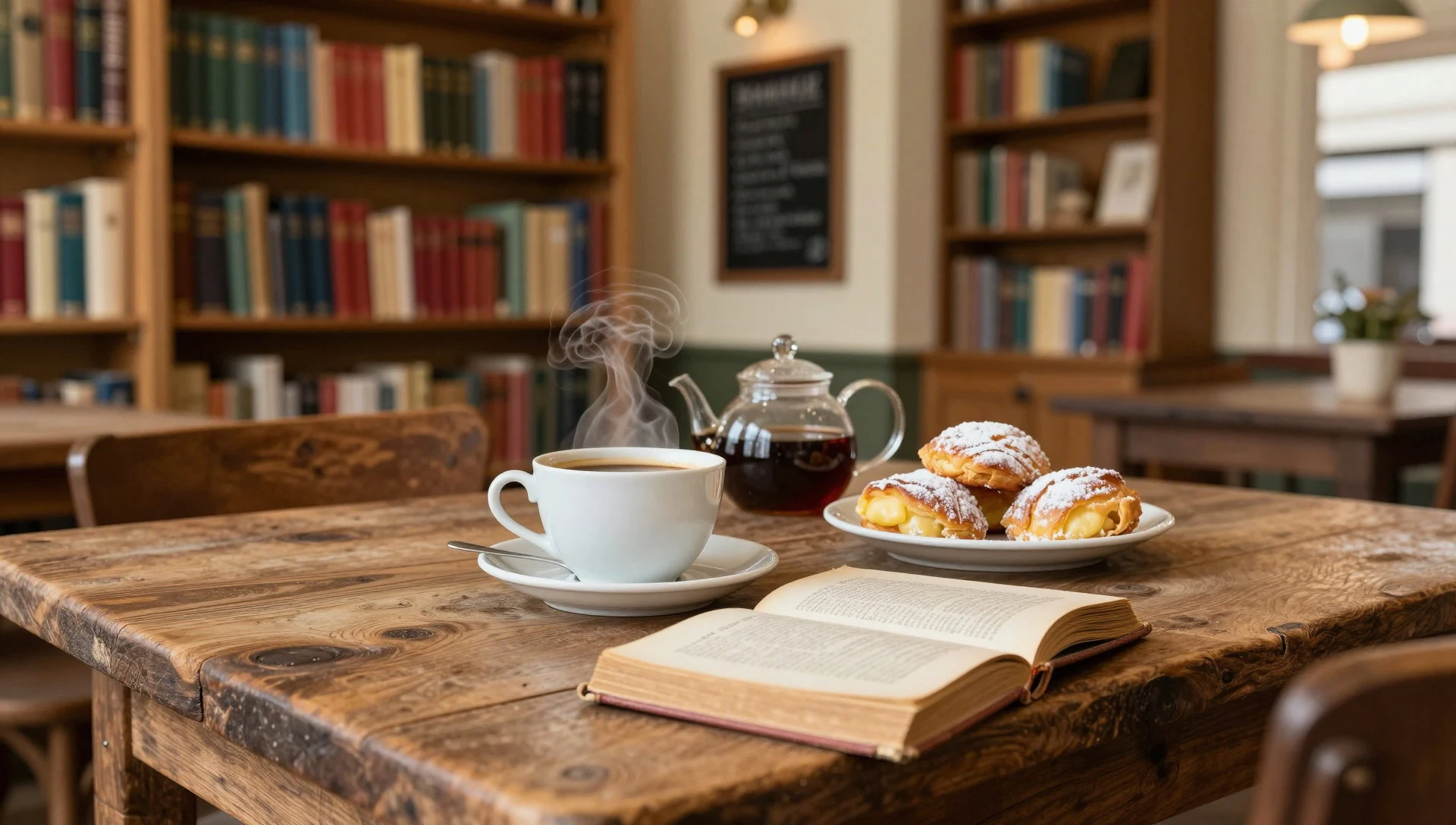
- The Olive Street Food — A side alley close to the central Belfry
Bruges offers casual Mediterranean takeaway dishes at this compact venue located just a short walk from the central market square, providing quick savory bites for visitors on the move.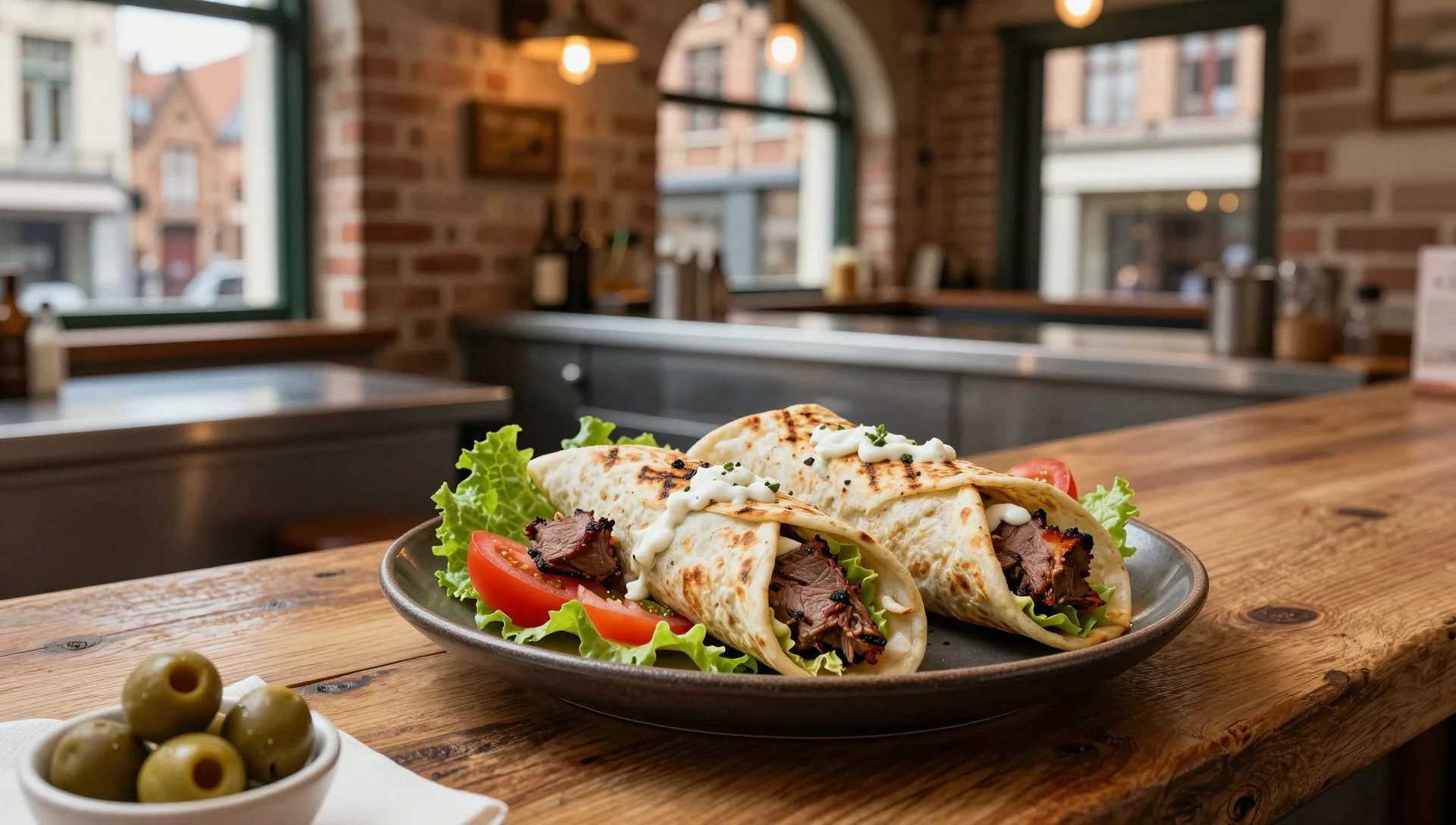
- Brasserie Medard — A neighborhood corner near the western edge of the center
Bruges provides hearty portions of comforting Italian-style pasta dishes featuring rich tomato sauces, melted cheese, and mushrooms at affordable prices just outside the immediate tourist core. - Le Pain Quotidien — A historic commercial lane within the old town
Bruges features this well-known bakery café chain serving artisanal organic breads, open-faced sandwiches, tarts, and breakfast plates at communal wooden tables inside a bright interior space. - The Potato Bar — A lively local square tucked away from the main tourist paths
Bruges presents traditional Belgian fries at this specialized frituur where golden fried potatoes are served with an extensive selection of dipping sauces, local stews, and craft beverages.
Plan it
Best time. May, June and September offer the most comfortable weather for walking and outdoor café culture, with July the hottest month and August the wettest, while spring and autumn bring fewer crowds to the historic streets.
How long. 2–3
Getting there. Fly into Brussels National Airport, then take a train with one change at a main station to Bruges station, which takes about 1½ hours.
Budget. mid
Tips
- Arrive at major landmarks like the Belfry before 9 am to avoid peak tour group crowds
- Wear flat, sturdy shoes because the historic center is paved with uneven cobblestones
- Book restaurant tables in advance for weekend evenings in the old town
- Carry contactless cards for most purchases while keeping small change for public restrooms
Etiquette
- Greet shopkeepers with a polite greeting in Dutch or French before asking questions
- Keep walking paths clear when stopping to take photographs along narrow canal bridges
- Observe quiet behavior in residential neighborhoods after evening hours
Nearby
Sources
- Wikidata Q12994 (CC0)
- Wikipedia (rev 1382242429) (CC-BY-SA 4.0)
- Wikivoyage (rev 5396021) (CC-BY-SA 4.0)